Last updated: 2026-04-20
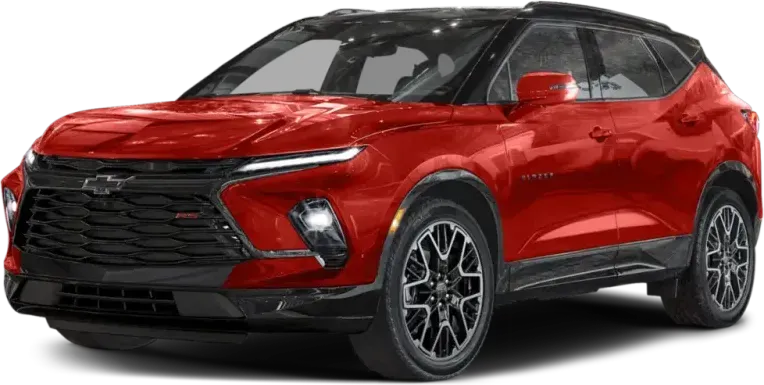
2020 Chevrolet Blazer Reliability Report
The 2020 Chevrolet Blazer scores 71/100 ("Good"). With 3 recalls and 178 owner complaints, reliability is acceptable but not class-leading.
Recalls
3
Complaints
178
Complaint Rate
18.8per 10,000 sold
Est. Repair Cost
$521
Annual Fuel Cost
$2,500–$2,850
Detailed Score Breakdown
Component-weighted complaints normalized by sales volume
Independent repair cost ratings
Recall count weighted by severity
Breadth of reported problem categories
The Verdict
Acceptable reliability — worth considering with a pre-purchase inspection.
Top Issues to Watch
- POWER TRAIN (54)
- STEERING (30)
- ELECTRICAL SYSTEM (27)
Generation & Refresh (US)
2020 is year 2 of the Third generation (reintroduced as Crossover).
- Redesigned for the 2019 model year.
- 3rd generation Blazer (US).
What this means for buyers
Year 2 is typically a safer pick than the first model year — early issues are more likely to be identified, but the platform is still new.
If you're comparing prices, check 2019 (redesign year) vs 2020+ pricing and recalls.
2019: Third generation (reintroduced as Crossover) Launch
Generation start — new platform.
2020: This Model Year
2020 is year 2 of the Third generation (reintroduced as Crossover).
Generation data is based on publicly available information and may not reflect all regional variations.
Should You Buy the 2020 Chevrolet Blazer?
At 71/100, the 2020 Chevrolet Blazer lands in "Good" territory — acceptable, but not class-leading. 2020 is year 2 of the Third generation (reintroduced as Crossover).
Owners log 178 complaints on this model year — enough to suggest attention is needed, but no single failure mode dominates yet.
Get a pre-purchase inspection on any used example, with extra attention to power train (54). An extended warranty is worth pricing out.
Compared to the 2021 Chevrolet Blazer, which scored 3 points higher. See also the 2019 Chevrolet Blazer for an earlier comparison.
Pros
- +Acceptable reliability score
- +Infrequent unscheduled repairs
- +Below-average complaint rate for SUV
Cons
- −Moderate recall count
- −POWER TRAIN issues reported (54 complaints)
- −UNKNOWN OR OTHER issues reported (30 complaints)
Compare 2020 Chevrolet Blazer With

2020 Ford Explorer
Reliability: 54/100
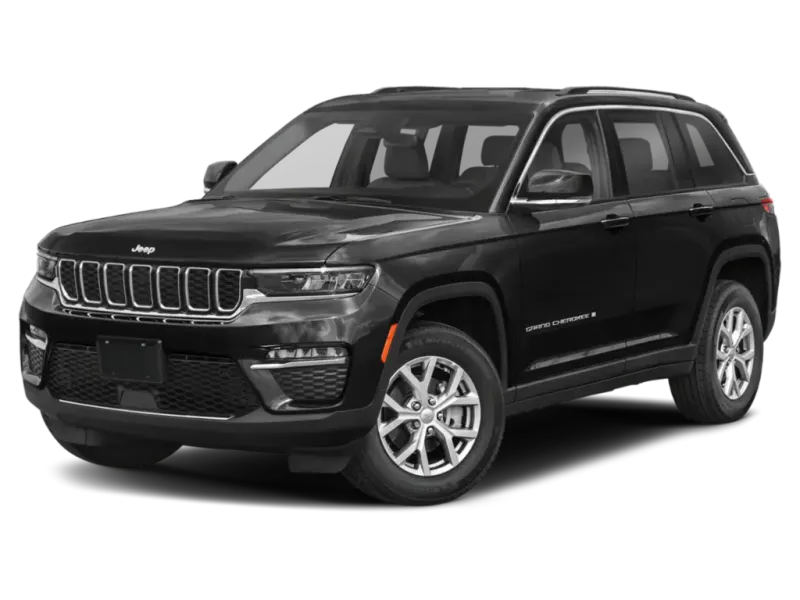
2020 Jeep Grand Cherokee
Reliability: 72/100
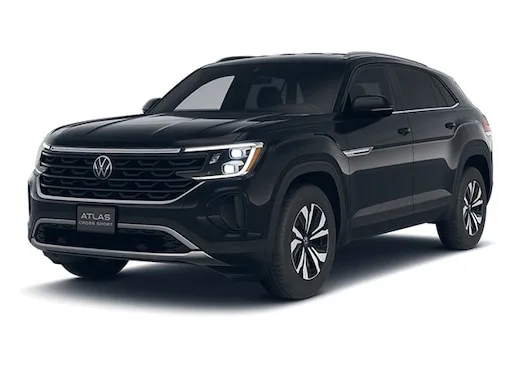
2020 Volkswagen Atlas
Reliability: 57/100

2020 Ford Edge
Reliability: 64/100

2020 Toyota 4RUNNER
Reliability: 82/100
Common Problem Categories
Safety
LOW RISK- 3 manufacturer recalls issued
Other
HIGH RISK- POWER TRAIN (54)
- UNKNOWN OR OTHER (30)
Recall Overview
3
recalls on record
A moderate 3 recalls are on file for the 2020 Chevrolet Blazer. Each one points to a specific safety or compliance issue identified by the manufacturer or NHTSA — check the list below before buying.
NHTSA.gov →Complaint Breakdown
18.8
per 10,000 soldSegment avg: 20.2
Safety Incidents
5
Crashes
0
Fires
7
Injuries
0
Deaths
NHTSA 5/5 Stars
Data sourced from NHTSA complaint filings and manufacturer recall notices. Complaint narratives are owner-reported.
2020 Chevrolet Blazer Recall Details
3 recalls have been issued for the 2020 Chevrolet Blazer. All recall repairs are performed free of charge at authorized dealerships.
TIRES
General Motors LLC (GM) is recalling certain 2020 Buick Enclave, Cadillac XT4, XT5, Escalade, Escalade ESV, Chevrolet Suburban, Tahoe, Traverse, GMC Yukon, Yukon XL, 2018-2021 Chevrolet Express, GMC Savana, 2019-2020 Chevrolet Blazer, Silverado 1500, GMC Acadia, Sierra 1500, and certain Continental tires sold to the aftermarket for various model year 2018-2021 vehicles. The affected tires were cured for too long during production.
Consequence
Over cured tires may develop a break in the sidewall resulting in sudden air loss or a belt edge separation which could lead to a tread/belt loss. Either condition can cause a loss of vehicle control, increasing the risk of a crash.
Remedy
GM will notify owners, and dealers will inspect the tires, replacing them as necessary, free of charge. The recall began March 22, 2021. Owners may contact GMC customer service at 1-888-988-7267, Buick customer service at 1-866-608-8080, Chevrolet customer service at 1-800-222-1020 or Cadillac customer service at 1-800-458-8006. GM's number for this recall is N212329050.
POWER TRAIN
General Motors LLC (GM) is recalling certain 2018-2019 Chevrolet Cruze and Buick LaCrosse, 2018-2020 Chevrolet Equinox, Chevrolet Traverse and GMC Terrain, 2018 Chevrolet Malibu, 2019-2020 Buick Encore, Buick Enclave, Cadillac XT4, Chevrolet Blazer and GMC Acadia, and 2020 Cadillac XT6 vehicles. The start/stop accumulator endcap may have missing bolts.
Consequence
Missing bolts on the start-stop accumulator endcap could result in a transmission oil leak and may progress to a loss of propulsion, increasing the risk of a crash. A transmission fluid leak in the presence of an ignition source may increase the risk of fire.
Remedy
GM will notify owners, and dealers will inspect the start-stop transmission accumulator and replace it if any bolts are missing, free of charge. The recall began December 15, 2020. Owners may contact GMC customer service at 1-888-988-7267, Buick Customer service at 1-866-608-8080, Chevrolet customer service at 1-800-222-1020 or Cadillac customer service at 1-800-458-8006. GM's number for this recall is N202313440.
AIR BAGS
General Motors, LLC. (GM) is recalling certain 2020 Buick Enclave, Cadillac XT5 and XT6, Chevrolet Blazer, Silverado 1500, 2500 and 3500 and Traverse and GMC Acadia and Sierra 1500, 2500 and 3500 vehicles. The diffuser component of the Roof-Rail Air Bag (RRAB) inflator may not have been properly crimped to the inflator and could separate from the inflator during air bag deployment.
Consequence
If the diffuser separates from the inflator during deployment, RRAB performance may be degraded, increasing the risk of injury in a crash.
Remedy
GM will notify owners, and dealers will replace the suspect RRAB modules, free of charge. The recall began September 3, 2020. Owners may contact Chevrolet customer service at 1-800-630-2438, Cadillac customer service at 1-800-333-4223, or Buick customer service at 1-800-521-7300. GM's number for this recall is N202305380.
Buying a used 2020 Chevrolet Blazer? Check its history first
Every 2020 Chevrolet Blazer has a different past. A VIN check reveals hidden accidents, title problems, odometer rollbacks, and open recalls that reliability scores can't show you.
- Accidents
- Open Recalls
- Title History
- Odometer Rollback
2020 Chevrolet Blazer NHTSA Safety Ratings
Overall Safety Rating
Crash Test Results by Configuration (expand)
Gas Powertrain
Rollover risk: 15.5%
Safety Technologies
Chevrolet BlazerRepair Costs & Maintenance
Maintenance Rating
4Maintenance rating: 4 out of 5Based on NHTSA complaint patterns, recall severity, and publicly available cost benchmarks.
Est. Annual Maintenance
$521
Repair Frequency
0.3
unscheduled repair visits per year
Category-level averages derived from publicly available industry reports (AAA, CarMD). Model-level estimates produced by Auto Reliability Index.
MPG & Annual Running Costs
Gas
21–24 MPG
Running cost: $3,000–$3,350/yr
Fuel + repair
18–21 city / 25–28 hwy MPG
Running cost includes EPA fuel-cost estimate and independent repair-cost data (repair cost estimated at model level). Excludes routine maintenance, depreciation, and insurance. Data as of 2020 EPA label cycle.
Gas trims
| Trim | Drive | Trans. | City | Hwy | Comb | Fuel Cost |
|---|---|---|---|---|---|---|
| Blazer FWD 2.0L 4-cyl | Front-Wheel Drive | Automatic 9-spd | 21 | 28 | 24 | $2,500 |
| Blazer AWD 2.0L 4-cyl | All-Wheel Drive | Automatic 9-spd | 21 | 27 | 23 | $2,600 |
| Blazer FWD 2.5L 4-cyl | Front-Wheel Drive | Automatic 9-spd | 21 | 27 | 23 | $2,600 |
| Blazer AWD 3.6L 6-cyl | All-Wheel Drive | Automatic 9-spd | 18 | 25 | 21 | $2,850 |
| Blazer FWD 3.6L 6-cyl | Front-Wheel Drive | Automatic 9-spd | 19 | 26 | 21 | $2,850 |
Used Buying Checklist
Key things to inspect or verify before purchasing a 2020 Chevrolet Blazer.
Check for 'Shift to Park' message when shifting into park
Inspect thermostat and temperature gauge functionality
Test steering for 'Steering Assist Reduced' warnings
Examine tires for unusual tread wear and instability
Verify radiator and coolant system for leaks
Ensure transmission shifts smoothly without noise
2020 Chevrolet Blazer Common Problems by Component
178 owner complaints grouped by vehicle system.
POWER TRAIN
54 complaintsOwners of the 2020 Chevrolet Blazer frequently report issues with the gear shifter failing to recognize when the vehicle is in park, resulting in a persistent "Shift to Park" message. This issue often prevents the vehicle from being turned off or locked, with some owners experiencing battery drain as a result. Complaints also highlight transmission problems, including slipping and total failure, sometimes accompanied by grinding noises and loss of motive power, with incidents occurring at various mileages, notably around 40,000 to 60,000 miles. Safety implications are noted, with reports of unintended vehicle movement leading to injuries and near-miss accidents. Potential buyers should be aware of these recurring issues, which may affect vehicle operation and safety.
UNKNOWN OR OTHER
30 complaintsSafety-relatedOwners of the 2020 Chevrolet Blazer frequently report issues related to the vehicle's failure to recognize when it is in park, resulting in a persistent "Shift to Park" error message. This issue prevents the vehicle from being fully turned off and often requires drivers to repeatedly adjust the gear shifter to clear the message. Complaints often emerge around the 40,000-mile mark, and several owners note that this problem resembles issues seen in earlier model years. Additionally, multiple reports mention problems with the backup camera ceasing to function shortly after repair, as well as thermostat and AC malfunctions. One complaint involved a crash, and two injuries were reported, highlighting potential safety implications. This information may be particularly relevant for used car buyers considering the 2020 Blazer.
STEERING
30 complaintsOwners report frequent issues with the 2020 Chevrolet Blazer's steering system, often linked to the vehicle's thermostat and temperature sensor. Common symptoms include a "Steering Assist Reduced" warning, a coolant temperature gauge stuck on cold, and the air conditioner blowing warm air. These problems typically arise around the 50,000 to 60,000-mile mark. Multiple owners describe the vehicle becoming difficult to steer, which poses a safety risk, especially at high speeds or in traffic. Buyers considering this model should be aware of these recurring issues and the potential for increased repair costs.
ELECTRICAL SYSTEM (27 complaints)
ELECTRICAL SYSTEM
27 complaintsOwners of the 2020 Chevrolet Blazer frequently report issues related to the electrical system, particularly involving the vehicle's thermostat and "Shift to Park" functionality. Common symptoms include the temperature gauge reading cold, air conditioning failure, engine fans running continuously, and messages indicating steering assist reduction. Multiple complaints also describe issues where the vehicle fails to recognize it is in park, preventing the car from turning off, which can drain the battery and pose a safety risk if the car rolls unexpectedly. These problems often occur without warning and have been noted by some owners at various mileages, including high mileage around 92,000 miles. Safety implications include potential loss of engine temperature monitoring and unintended vehicle movement.
ENGINE (25 complaints)
ENGINE
25 complaintsOwners report frequent issues with the thermostat and coolant temperature sensor in the 2020 Chevrolet Blazer, often accompanied by error code P0128. Typical symptoms include the engine cooling fan running at full speed, the air conditioning and temperature gauge becoming non-functional, and warnings about reduced steering assist. These problems commonly arise around 50,000 to 67,000 miles, with some occurring as early as 16,000 miles. Safety implications are noted, as the combination of steering assist reduction and potential overheating could pose risks while driving. Additionally, multiple owners mention recurring oil leaks, particularly from the camshaft housing, contributing to further reliability concerns.
SUSPENSION (3 complaints)
SUSPENSION
3 complaintsSafety-relatedOwners of the 2020 Chevrolet Blazer report issues primarily related to the suspension, specifically involving the ball joint and control arm on the left side seizing, which can lead to axle shaft snapping and wheel misalignment. Typical symptoms include a loud clunking noise when driving over bumps and sudden vehicle stoppage as if hitting an obstruction, with one incident resulting in a crash and injury. Complaints highlight that these problems can manifest early, with one vehicle having only 1,300 miles. The described issues pose significant safety risks, including potential loss of control and vehicle non-drivability. These patterns suggest prospective buyers should be cautious of suspension integrity and inspect for any unusual noises or resistance in steering.
TIRES (3 complaints)
TIRES
3 complaintsOwners of the 2020 Chevrolet Blazer frequently report issues with the original Continental CrossContact LX Sport tires, specifically related to unusual tread wear. Symptoms include a sensation of instability while driving, described as feeling like the car is "on marbles," and rapid tread wear, with some owners noting tread depths as low as 2/32 inches at around 18,000 miles. Safety concerns are highlighted, with reports of reduced traction on wet roads and the potential risk of accidents. The complaints suggest that the tires may require replacement sooner than expected, which could be a consideration for used car buyers evaluating tire condition and replacement costs.
AIR BAGS (2 complaints)
AIR BAGS
2 complaintsSafety-relatedOwners of the 2020 Chevrolet Blazer report issues with airbag non-deployment during crashes. In both documented cases, airbags fail to deploy despite significant impacts, with one incident occurring at approximately 50 mph and another involving a collision with a semi-truck at 65 mph. Both incidents result in injuries, including neck and spinal injuries, and require medical attention. These complaints involve vehicles with mileage around 72,000, suggesting potential concerns for buyers considering used models with similar mileage. The lack of airbag deployment during crashes poses a safety risk that prospective buyers should be aware of.
SERVICE BRAKES (1 complaints)
SERVICE BRAKES
1 complaintThe contact owns a 2020 Chevrolet Blazer. The contact stated that while attempting to start the vehicle, the brake pedal was depressed, but the pedal was firm, and the contact was unable to start the vehicle. The vehicle was towed to the dealer, where an unknown repair was performed. Additionally, the contact stated that upon taking the vehicle for an oil change, the contact was informed that the service could not be performed because the rear main seal was defective. The vehicle was taken to the dealer, where the contact was informed that the rear main seal was in good condition. The dealer informed the contact that the transmission had failed and that there was a hole in the transmission. The dealer repaired the transmission. The contact related the failure to NHTSA Campaign Number: 20V668000 (Power Train). The manufacturer was notified of the failure, but no assistance was provided. The failure mileage was approximately 80,000.
ENGINE AND ENGINE COOLING (1 complaints)
ENGINE AND ENGINE COOLING
1 complaintThe contact owns a 2020 Chevrolet Blazer. The contact stated while driving at approximately 55 MPH and driving up an incline in the road, the check engine warning light had illuminated. The contact stated that the vehicle was shuddering. The contact stated that the failure only occurred while driving uphill. The contact had only recently taken the vehicle to a local dealer because the check engine warning light was illuminated. The vehicle was diagnosed, and the dealer determined that the thermostat and the engine control sensor needed to be replaced. The vehicle was repaired. The contact stated that approximately 1,800 miles after the first repair, the check engine warning was illuminated again. The vehicle was taken back to the same dealer. The vehicle was diagnosed, and it was determined that the air flow shutters had been damaged and needed to be replaced. The vehicle was not repaired. The manufacturer was informed of the failure and had referred the contact to the NHTSA Hotline to report the failure. The failure mileage was approximately 97,000.
When Do 2020 Chevrolet Blazer Problems Start?
Based on owner complaint patterns, here's when common issues tend to appear.
Best & Worst Chevrolet Blazer Years
Comprehensive reliability analysis based on NHTSA data, owner complaints, and historical performance.
Best Chevrolet Blazer Years to Buy
Based on reliability index scoreThe best Chevrolet Blazer year is 2026 with a reliability score of 88/100, rated excellent. Other strong picks include 2022 (79/100) and 2023 (78/100).
Chevrolet Blazer Years to Avoid
The worst Chevrolet Blazer year is 2019 with a score of 69/100, primarily due to power train (53) issues. Also avoid 2024 (70/100).
Chevrolet Blazer Reliability Score Trend
Chevrolet Blazer reliability has remained consistent across model years, averaging 76/100.
Scores 0–100. Higher is better. Current year highlighted.
| Year | Score | Rating |
|---|---|---|
| 2019 | 69/100 | Good |
| 2020 | 71/100 | Good |
| 2021 | 74/100 | Good |
| 2022 | 79/100 | Good |
| 2023 | 78/100 | Good |
| 2024 | 70/100 | Good |
| 2025 | 77/100 | Good |
| 2026 | 88/100 | Excellent |
Chevrolet Blazer Reliability Compared to Other Years
Frequently Asked Questions
Is the 2020 Chevrolet Blazer reliable?
What are the most common problems with the 2020 Chevrolet Blazer?
How many recalls does the 2020 Chevrolet Blazer have?
Is the 2020 Chevrolet Blazer expensive to maintain?
Don’t buy a 2020 Chevrolet Blazer without checking its VIN first — hidden accidents, title issues, and open recalls could cost you thousands.
How We Calculate Reliability Scores
Auto Reliability Index scores are calculated on a 0–100 scale using a weighted formula that combines multiple public data sources. Each factor is weighted based on its predictive value for real-world ownership experience.
Key Ranking Factors
Complaint Severity
NHTSA owner complaints weighted by component category (e.g., powertrain, safety systems, electronics, cosmetic) — safety-critical issues carry more weight than cosmetic ones. Adjusted for sales volume so high-volume models aren't unfairly penalized.
Repair Costs
Independent reliability ratings based on repair frequency, average repair costs, and severity of typical repairs for each model.
Recall Impact
Number of NHTSA recalls weighted by severity. “Stop driving” and fire-risk recalls are penalized more heavily than minor software or labeling recalls.
Issue Diversity
Measures how many major vehicle systems (engine, transmission, electrical, braking, etc.) have recorded complaints. A vehicle with issues spread across many systems may indicate systemic quality issues.
Scores are grouped into four tiers:
- 80–100: Excellent— Top-tier reliability, minimal issues
- 60–79: Good— Reliable with some minor concerns
- 40–59: Mixed— Notable issues, research before buying
- 0–39: Risky— Significant problems, proceed with caution
Data is sourced from NHTSA recall records, owner complaint filings, and independent repair databases via vehicles.dev. Scores are recalculated as new data becomes available. While the weighting model is proprietary, all underlying data sources are public and traceable.
Get notified when new recalls or reliability data is added for the Chevrolet Blazer.
No spam. Only data updates for this model.
Browse More Chevrolet Models

Chevrolet Blazer-EV
Score: 57/100
Chevrolet Bolt
Score: 64/100
Chevrolet Camaro
Score: 77/100
Chevrolet Colorado
Score: 88/100
Chevrolet Corvette
Score: 76/100
Chevrolet Equinox
Score: 82/100
Browse More 2020 Vehicles

2020 Mazda CX-5
Score: 86/100
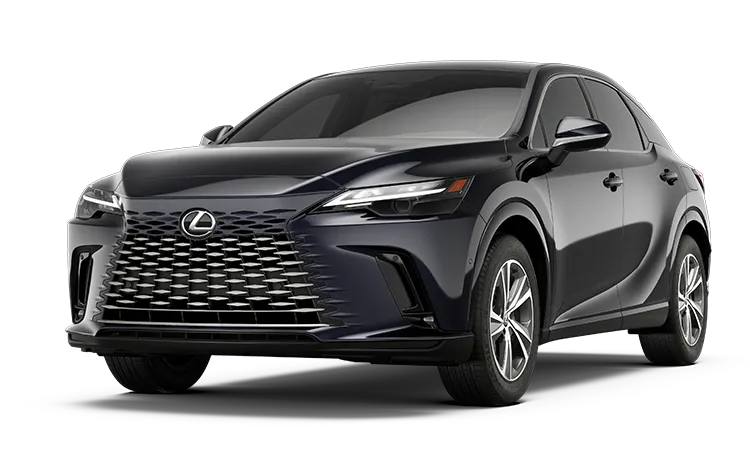
2020 Lexus RX
Score: 86/100
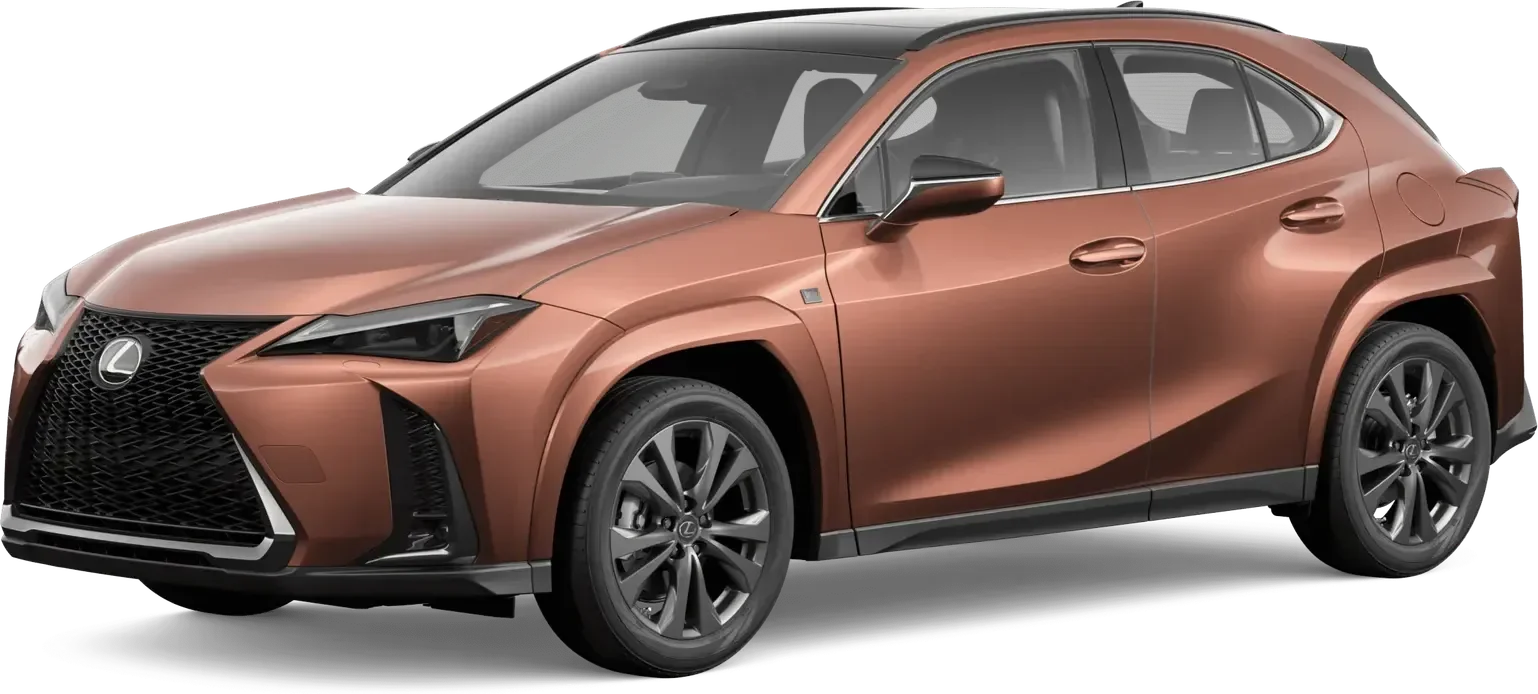
2020 Lexus UX
Score: 84/100

2020 KIA Sedona
Score: 83/100

2020 Lexus IS
Score: 83/100
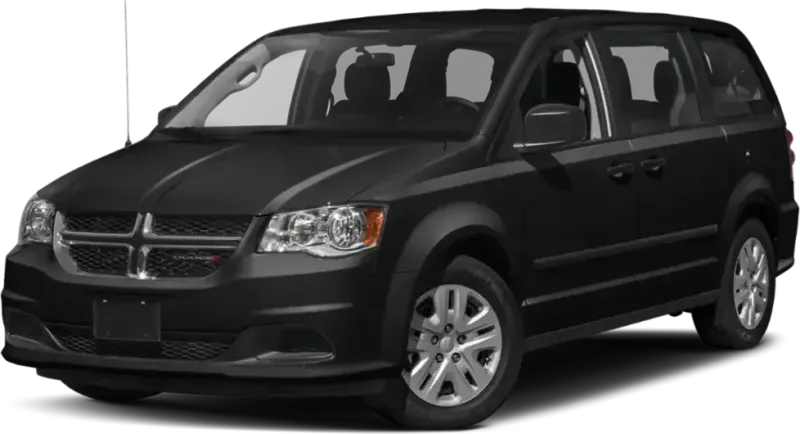
2020 Dodge Grand-Caravan
Score: 83/100
See incorrect data? Report an issue