Last updated: 2026-04-20
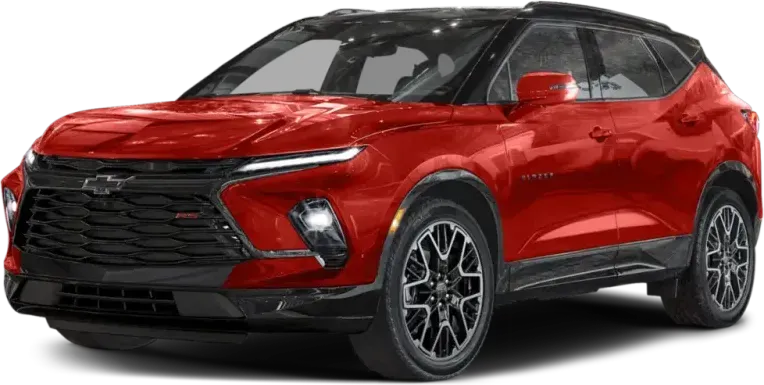
2021 Chevrolet Blazer Reliability Report
The 2021 Chevrolet Blazer scores 74/100 ("Good"). With 1 recall and 104 owner complaints, reliability is acceptable but not class-leading.
Recalls
1
Complaints
104
Complaint Rate
14.8per 10,000 sold
Est. Repair Cost
$521
Annual Fuel Cost
$2,400–$2,850
Detailed Score Breakdown
Component-weighted complaints normalized by sales volume
Independent repair cost ratings
Recall count weighted by severity
Breadth of reported problem categories
The Verdict
Acceptable reliability — worth considering with a pre-purchase inspection.
Top Issues to Watch
- ELECTRICAL SYSTEM (24)
- SERVICE BRAKES (16)
- STEERING (14)
Generation & Refresh (US)
2021 is year 3 of the Third generation (reintroduced as Crossover).
- Redesigned for the 2019 model year.
- Well-established in its generation — most early issues should be resolved.
- 3rd generation Blazer (US).
What this means for buyers
Well into the generation cycle — most design and manufacturing issues should be resolved by now.
2019: Third generation (reintroduced as Crossover) Launch
Generation start — new platform.
2021: This Model Year
2021 is year 3 of the Third generation (reintroduced as Crossover).
Generation data is based on publicly available information and may not reflect all regional variations.
Should You Buy the 2021 Chevrolet Blazer?
At 74/100, the 2021 Chevrolet Blazer lands in "Good" territory — acceptable, but not class-leading. 2021 is year 3 of the Third generation (reintroduced as Crossover).
Owners log 104 complaints on this model year — enough to suggest attention is needed, but no single failure mode dominates yet.
Get a pre-purchase inspection on any used example, with extra attention to electrical system (24). An extended warranty is worth pricing out.
Compared to the 2022 Chevrolet Blazer, which scored 5 points higher. See also the 2020 Chevrolet Blazer for an earlier comparison.
Pros
- +Acceptable reliability score
- +Infrequent unscheduled repairs
- +Low recall count
- +Below-average complaint rate for SUV
Cons
- −ELECTRICAL SYSTEM: Temperature sensor and fuel pump control module (24 complaints)
- −SERVICE BRAKES issues reported (16 complaints)
Compare 2021 Chevrolet Blazer With

2021 Ford Explorer
Reliability: 62/100
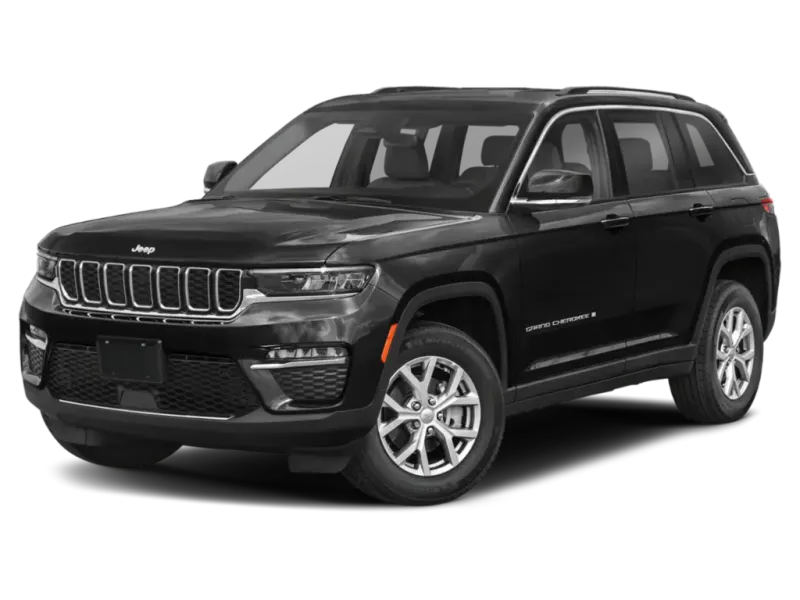
2021 Jeep Grand Cherokee
Reliability: 63/100
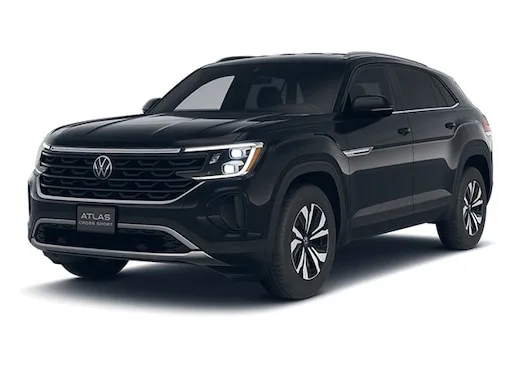
2021 Volkswagen Atlas
Reliability: 44/100

2021 Ford Edge
Reliability: 69/100

2021 Toyota 4RUNNER
Reliability: 82/100
Common Problem Categories
Safety
LOW RISK- 1 manufacturer recall issued
Other
HIGH RISK- ELECTRICAL SYSTEM (24)
- SERVICE BRAKES (16)
Recall Overview
1
recall on record
The 2021 Chevrolet Blazer carries 1 recall — a low count. Authorized dealers repair any open recall free of charge, regardless of warranty status.
NHTSA.gov →Complaint Breakdown
14.8
per 10,000 soldSegment avg: 16.7
Safety Incidents
4
Crashes
1
Fires
3
Injuries
0
Deaths
NHTSA 5/5 Stars
Data sourced from NHTSA complaint filings and manufacturer recall notices. Complaint narratives are owner-reported.
2021 Chevrolet Blazer Recall Details
1 recall has been issued for the 2021 Chevrolet Blazer. All recall repairs are performed free of charge at authorized dealerships.
SEAT BELTS
General Motors, LLC (GM) is recalling certain 2020 Chevrolet Bolt EV and 2021 GMC Canyon and Sierra 1500, 2500 and 3500, Yukon, Yukon XL, Cadillac Escalade and Escalade ESV and Chevrolet Blazer, Camaro, Colorado, Equinox, Silverado 1500, 2500 and 3500, Suburban and Tahoe vehicles. Incorrect bolts may have been used at one or more fastening locations to secure the seat belts to the vehicle. If an incorrect bolt was used, the seat belt may not be properly attached to the vehicle.
Consequence
If a seat belt assembly is not properly attached to the vehicle, the seat belt may not properly restrain an occupant in the event of a crash, increasing the risk of injury.
Remedy
GM will notify owners, and dealers will replace the suspect bolts, free of charge. The recall began January 29, 2021. Owners may contact GMC customer service at 1-800-462-8785, Cadillac customer service at 1-800-458-8006, or Chevrolet customer service at 1-800-222-1020. GM's number for this recall is N202322230.
Buying a used 2021 Chevrolet Blazer? Check its history first
Every 2021 Chevrolet Blazer has a different past. A VIN check reveals hidden accidents, title problems, odometer rollbacks, and open recalls that reliability scores can't show you.
- Accidents
- Open Recalls
- Title History
- Odometer Rollback
2021 Chevrolet Blazer NHTSA Safety Ratings
Overall Safety Rating
Crash Test Results by Configuration (expand)
Gas Powertrain
Rollover risk: 15.5%
Safety Technologies
Chevrolet BlazerRepair Costs & Maintenance
Maintenance Rating
4Maintenance rating: 4 out of 5Based on NHTSA complaint patterns, recall severity, and publicly available cost benchmarks.
Est. Annual Maintenance
$521
Repair Frequency
0.3
unscheduled repair visits per year
Category-level averages derived from publicly available industry reports (AAA, CarMD). Model-level estimates produced by Auto Reliability Index.
MPG & Annual Running Costs
Gas
21–25 MPG
Running cost: $2,900–$3,350/yr
Fuel + repair
19–22 city / 26–29 hwy MPG
Running cost includes EPA fuel-cost estimate and independent repair-cost data (repair cost estimated at model level). Excludes routine maintenance, depreciation, and insurance. Data as of 2021 EPA label cycle.
Gas trims
| Trim | Drive | Trans. | City | Hwy | Comb | Fuel Cost |
|---|---|---|---|---|---|---|
| Blazer FWD 2.0L 4-cyl | Front-Wheel Drive | Automatic 9-spd | 22 | 29 | 25 | $2,400 |
| Blazer AWD 2.0L 4-cyl | All-Wheel Drive | Automatic 9-spd | 22 | 27 | 24 | $2,500 |
| Blazer FWD 2.5L 4-cyl | Front-Wheel Drive | Automatic (S9) | 21 | 27 | 23 | $2,600 |
| Blazer FWD 3.6L 6-cyl | Front-Wheel Drive | Automatic 9-spd | 20 | 27 | 22 | $2,700 |
| Blazer AWD 3.6L 6-cyl | All-Wheel Drive | Automatic 9-spd | 19 | 26 | 21 | $2,850 |
Used Buying Checklist
Key things to inspect or verify before purchasing a 2021 Chevrolet Blazer.
Inspect radiator for leaks or cracks
Test steering for assist reduction warnings
Check fuel pump control module functionality
Verify brake system for grinding or squealing noises
Ensure temperature gauge and cooling fan operate correctly
2021 Chevrolet Blazer Common Problems by Component
104 owner complaints grouped by vehicle system.
ELECTRICAL SYSTEM
24 complaintsOwners report frequent issues with the 2021 Chevrolet Blazer's electrical system, particularly involving the temperature sensor and fuel pump control module. Common symptoms include the temperature gauge reading cold, the A/C not functioning, and the engine cooling fan running excessively after the vehicle is turned off. These problems often occur around 14,000 to 40,000 miles. Additionally, several owners mention the vehicle failing to start or shutting down unexpectedly, which can pose a safety risk if it occurs in traffic. Some owners also experience infotainment system failures, with screens displaying "update failed" messages, resulting in loss of GPS and other functionalities. These issues may lead to costly repairs and potential inconvenience for buyers.
SERVICE BRAKES
16 complaintsOwners of the 2021 Chevrolet Blazer frequently report issues with the service brakes, including brake booster failures and vacuum pump malfunctions, leading to stiff brake pedals and compromised stopping ability. Complaints often describe brake failure during driving, sometimes without warning lights, and in some cases, resulting in near-collisions. Noise-related issues, such as grinding or squealing, are also common, with some owners noting these symptoms from as early as 400 miles. Safety implications are significant, with multiple reports of brake failures creating hazardous situations on the road. Used car buyers should be aware of these potential issues and consider inspecting the braking system thoroughly before purchase.
STEERING
14 complaintsSafety-relatedOwners of the 2021 Chevrolet Blazer frequently report issues with the steering assist, often accompanied by dashboard messages indicating "steering assist is reduced" and advising to "drive with care." These issues commonly occur alongside problems with the cooling system, where the engine cooling fan runs excessively after the vehicle is turned off, and the temperature gauge fails to function properly. Complaints generally arise around 15,000 to 46,000 miles. Safety concerns are noted, with one report of a crash resulting in an injury when the steering pulled unexpectedly, causing the vehicle to hit a median. Buyers should be aware of potential steering and cooling system issues that could affect vehicle control and safety.
ENGINE (11 complaints)
ENGINE
11 complaintsOwners report frequent radiator failures in the 2021 Chevrolet Blazer, with multiple instances of leaks and cracks often occurring before 50,000 miles. Symptoms commonly include coolant leaks, overheating, and continuous fan operation, with some owners noting that these issues can lead to power steering assist problems and insufficient vehicle heating. Several complaints highlight the absence of warning lights for low coolant, which could increase the risk of engine overheating and potential fires. Additionally, some owners describe fuel pump module failures that cause the vehicle to stall or not start, with incidents reported as early as 18,000 miles. These issues may pose safety risks, particularly if they occur during highway driving or in remote areas.
POWER TRAIN (9 complaints)
POWER TRAIN
9 complaintsOwners of the 2021 Chevrolet Blazer frequently report issues with the powertrain, particularly involving transmission failures and throttle body malfunctions. Common symptoms include vehicles stalling, entering limp mode, and failing to engage gears, which significantly impacts acceleration and driving stability. These problems are often reported around 28,000 to 90,000 miles. Some complaints also mention engine warning lights and diagnostic trouble codes, such as P2101 and P0796. Safety implications include the potential for loss of control when merging or turning, especially at highway speeds, as vehicles may unexpectedly lose power or stall. This information is crucial for used car buyers considering this model, as it highlights potential reliability concerns within the powertrain system.
UNKNOWN OR OTHER (7 complaints)
UNKNOWN OR OTHER
7 complaintsOwners report frequent issues with the thermostat and cooling system in the 2021 Chevrolet Blazer, with complaints often describing the temperature gauge being stuck on cold, continuous operation of the cooling fan even when the vehicle is off, and the check engine light activating. These problems are sometimes accompanied by a lack of effective air conditioning and heating. The issues typically emerge around 40,000 to 60,000 miles, with some owners noting repeated thermostat replacements. Additionally, a few owners mention a leaking radiator and power liftgate malfunctions. While no direct safety incidents like crashes or fires are reported, the recurring nature of these issues, especially at relatively low mileages, may be of concern to potential buyers.
FUEL/PROPULSION SYSTEM (7 complaints)
FUEL/PROPULSION SYSTEM
7 complaintsSafety-relatedOwners of the 2021 Chevrolet Blazer frequently report issues with the fuel pump control module, leading to sudden vehicle shutdowns while driving. Symptoms commonly include the inability to accelerate, loss of power, and complete engine shutdown without warning lights. These problems often occur while the vehicle is in motion, with some reports indicating speeds of 45 mph and highway conditions. One report involves a crash in a parking lot due to a lack of steering and brakes after the engine died. Several owners mention being informed of a recall related to the fuel pump module, but note that parts are on backorder, with repair delays up to three months. These issues are reported in vehicles that have been in use for a few years, specifically around 2025.
SUSPENSION (3 complaints)
SUSPENSION
3 complaintsSafety-relatedOwners of the 2021 Chevrolet Blazer frequently report issues related to the suspension, with a common symptom being the vehicle pulling to the right during driving. Complaints also describe instances where the control arm required replacement, yet the issue persisted, indicating a recurring problem. One report involves a serious incident where a stability sensor issue led to a crash and injury, highlighting potential safety implications. These problems are noted at varying mileages, with one owner experiencing issues at approximately 34,980 miles. Buyers considering a used model should be aware of these reported issues, particularly the potential for loss of vehicle control.
STRUCTURE (2 complaints)
STRUCTURE
2 complaintsSafety-relatedOwners of the 2021 Chevrolet Blazer report issues related to water intrusion and fire incidents. Complaints frequently mention significant water accumulation on the front floorboards, leading to concerns about potential electrical problems and mold growth, despite no visible leaks during rain or car washes. Additionally, one report describes a fire that destroyed the front of the vehicle, indicating a serious safety risk. These issues do not specify mileage ranges, but the presence of water-related concerns and a fire incident are critical points for prospective buyers to consider.
ENGINE AND ENGINE COOLING (2 complaints)
ENGINE AND ENGINE COOLING
2 complaintsOwners of the 2021 Chevrolet Blazer report issues related to the engine and engine cooling system, particularly around 63,000 to 95,000 miles. Common symptoms include persistent fan operation after the vehicle is turned off, intermittent A/C functionality, and abnormal sounds accompanied by coolant leaks. Additionally, oil leaks are noted, with diagnoses pointing to problems with the cam shaft carrier and issues in the transmission and oil cooler lines. While no safety implications such as crashes or fires are reported, these complaints highlight potential maintenance concerns for prospective buyers.
When Do 2021 Chevrolet Blazer Problems Start?
Based on owner complaint patterns, here's when common issues tend to appear.
Best & Worst Chevrolet Blazer Years
Comprehensive reliability analysis based on NHTSA data, owner complaints, and historical performance.
Best Chevrolet Blazer Years to Buy
Based on reliability index scoreThe best Chevrolet Blazer year is 2026 with a reliability score of 88/100, rated excellent. Other strong picks include 2022 (79/100) and 2023 (78/100).
Chevrolet Blazer Years to Avoid
The worst Chevrolet Blazer year is 2019 with a score of 69/100, primarily due to power train (53) issues. Also avoid 2024 (70/100).
Chevrolet Blazer Reliability Score Trend
Chevrolet Blazer reliability has remained consistent across model years, averaging 76/100.
Scores 0–100. Higher is better. Current year highlighted.
| Year | Score | Rating |
|---|---|---|
| 2019 | 69/100 | Good |
| 2020 | 71/100 | Good |
| 2021 | 74/100 | Good |
| 2022 | 79/100 | Good |
| 2023 | 78/100 | Good |
| 2024 | 70/100 | Good |
| 2025 | 77/100 | Good |
| 2026 | 88/100 | Excellent |
Chevrolet Blazer Reliability Compared to Other Years
Frequently Asked Questions
Is the 2021 Chevrolet Blazer reliable?
What are the most common problems with the 2021 Chevrolet Blazer?
How many recalls does the 2021 Chevrolet Blazer have?
Is the 2021 Chevrolet Blazer expensive to maintain?
Don’t buy a 2021 Chevrolet Blazer without checking its VIN first — hidden accidents, title issues, and open recalls could cost you thousands.
How We Calculate Reliability Scores
Auto Reliability Index scores are calculated on a 0–100 scale using a weighted formula that combines multiple public data sources. Each factor is weighted based on its predictive value for real-world ownership experience.
Key Ranking Factors
Complaint Severity
NHTSA owner complaints weighted by component category (e.g., powertrain, safety systems, electronics, cosmetic) — safety-critical issues carry more weight than cosmetic ones. Adjusted for sales volume so high-volume models aren't unfairly penalized.
Repair Costs
Independent reliability ratings based on repair frequency, average repair costs, and severity of typical repairs for each model.
Recall Impact
Number of NHTSA recalls weighted by severity. “Stop driving” and fire-risk recalls are penalized more heavily than minor software or labeling recalls.
Issue Diversity
Measures how many major vehicle systems (engine, transmission, electrical, braking, etc.) have recorded complaints. A vehicle with issues spread across many systems may indicate systemic quality issues.
Scores are grouped into four tiers:
- 80–100: Excellent— Top-tier reliability, minimal issues
- 60–79: Good— Reliable with some minor concerns
- 40–59: Mixed— Notable issues, research before buying
- 0–39: Risky— Significant problems, proceed with caution
Data is sourced from NHTSA recall records, owner complaint filings, and independent repair databases via vehicles.dev. Scores are recalculated as new data becomes available. While the weighting model is proprietary, all underlying data sources are public and traceable.
Get notified when new recalls or reliability data is added for the Chevrolet Blazer.
No spam. Only data updates for this model.
Browse More Chevrolet Models
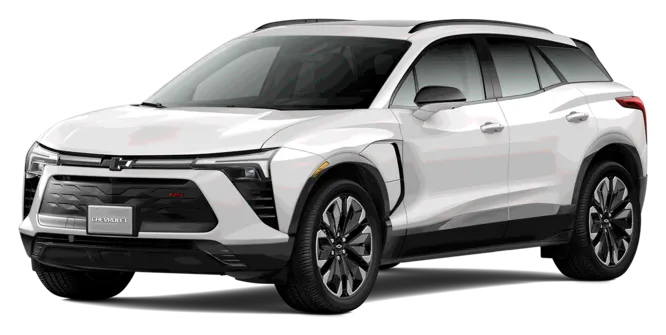
Chevrolet Blazer-EV
Score: 57/100
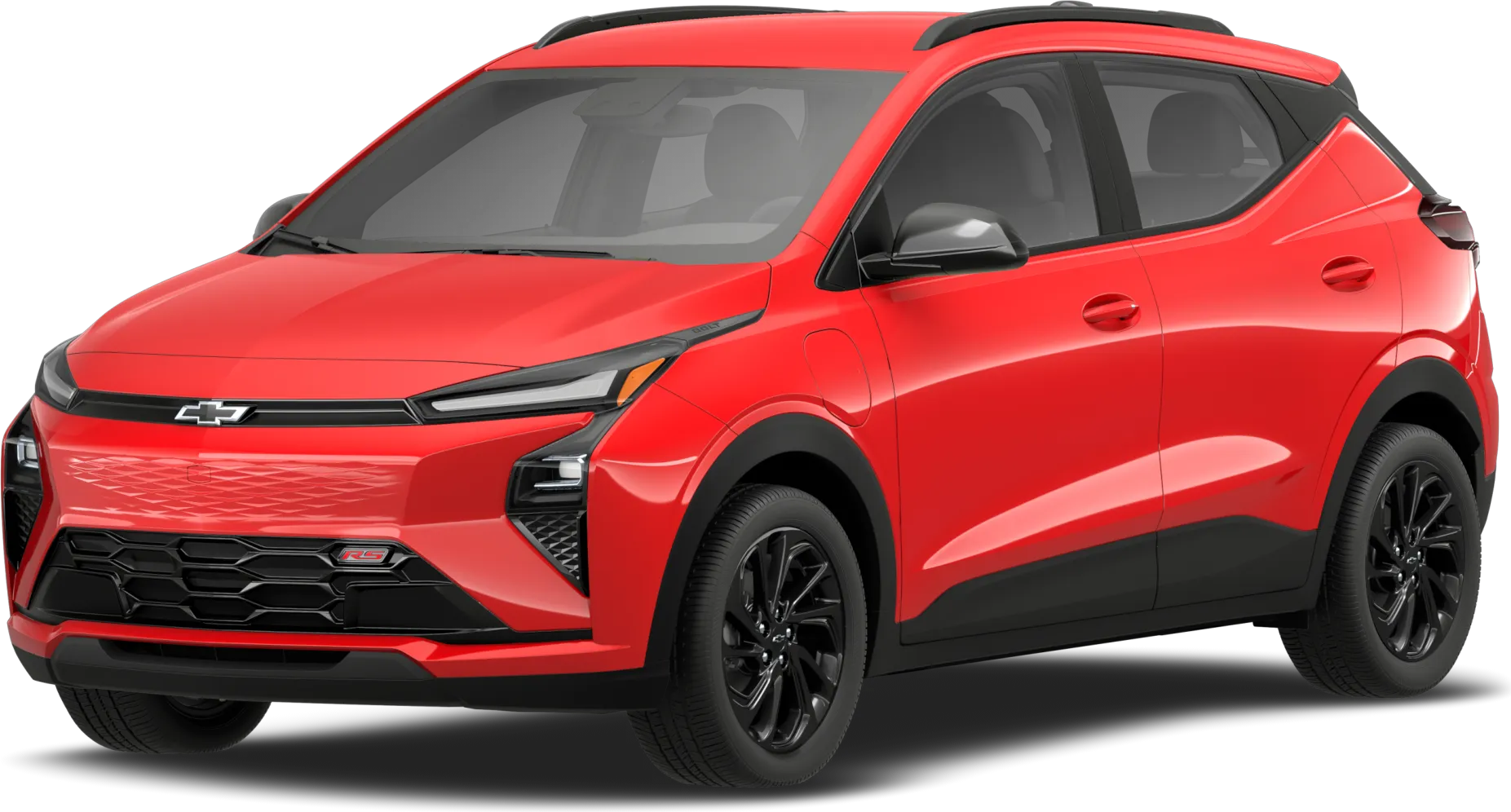
Chevrolet Bolt
Score: 64/100
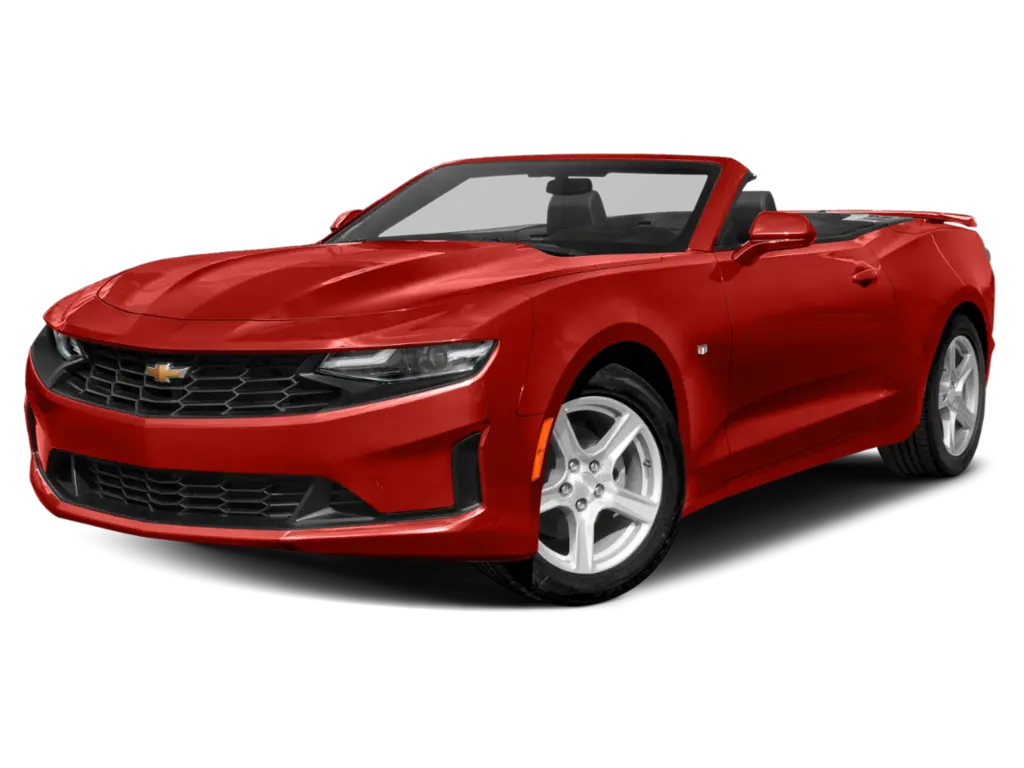
Chevrolet Camaro
Score: 77/100
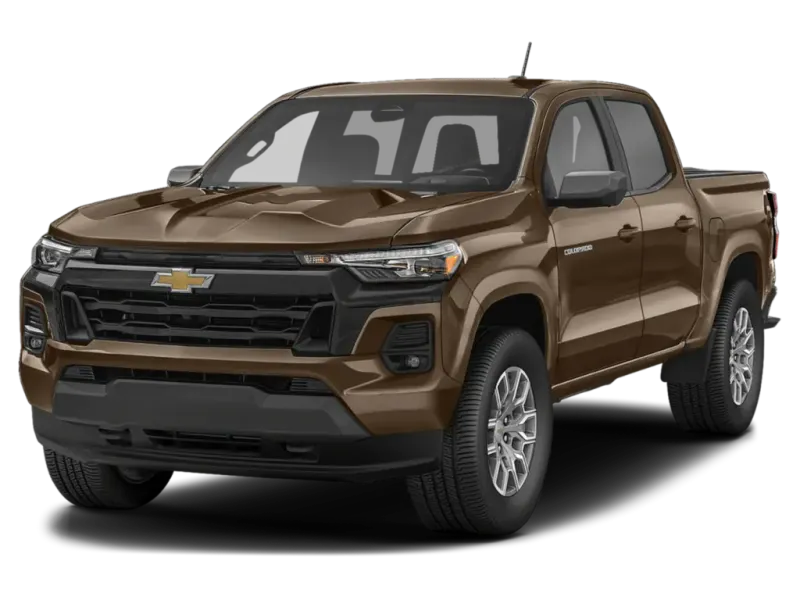
Chevrolet Colorado
Score: 88/100
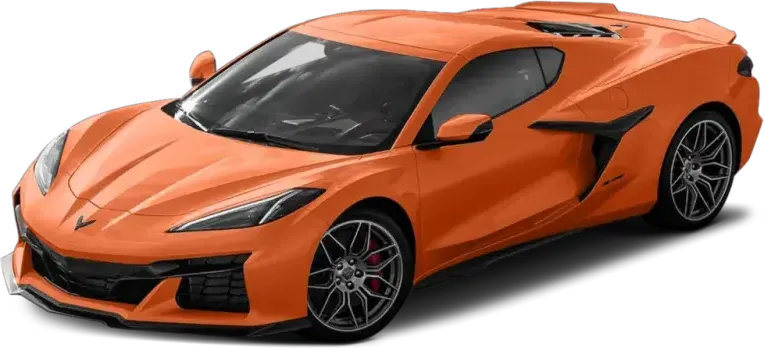
Chevrolet Corvette
Score: 76/100
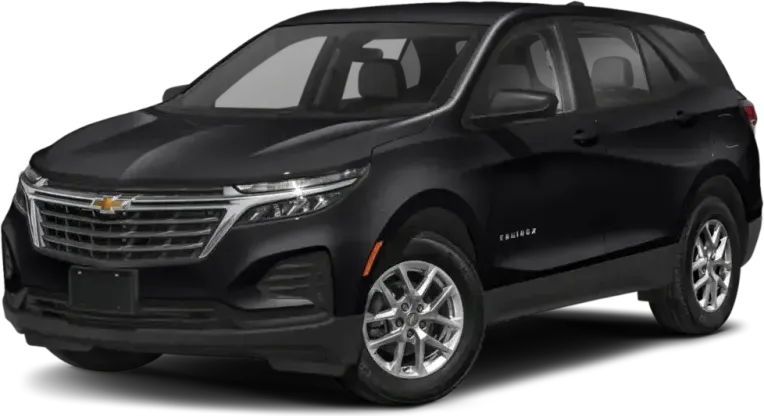
Chevrolet Equinox
Score: 82/100
Browse More 2021 Vehicles
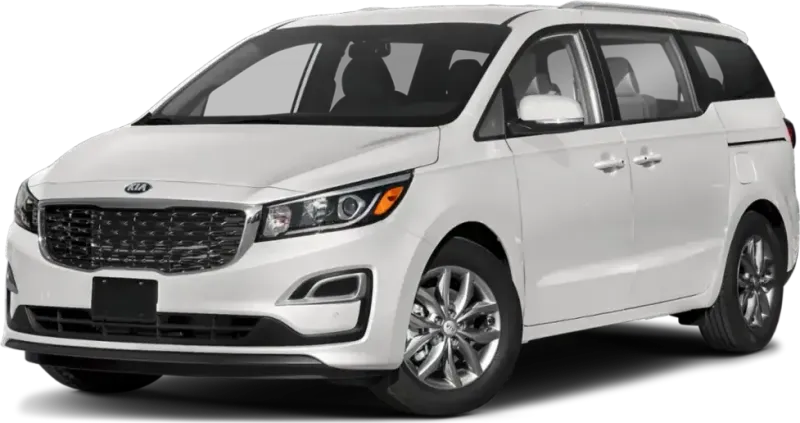
2021 KIA Sedona
Score: 88/100
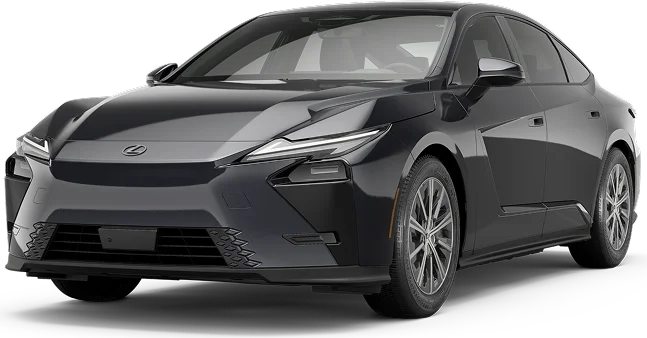
2021 Lexus ES
Score: 88/100
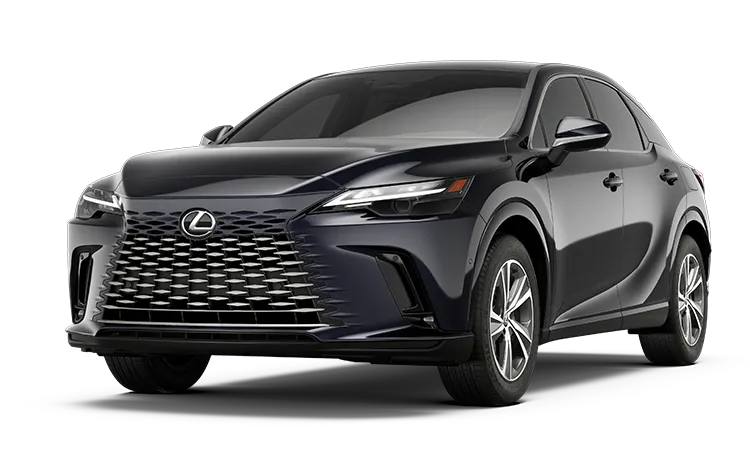
2021 Lexus RX
Score: 86/100
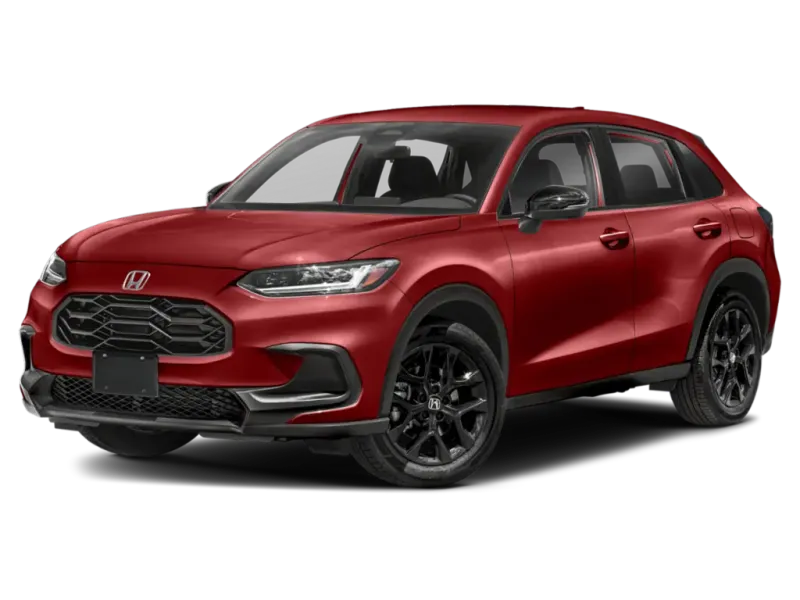
2021 Honda HR-V
Score: 86/100
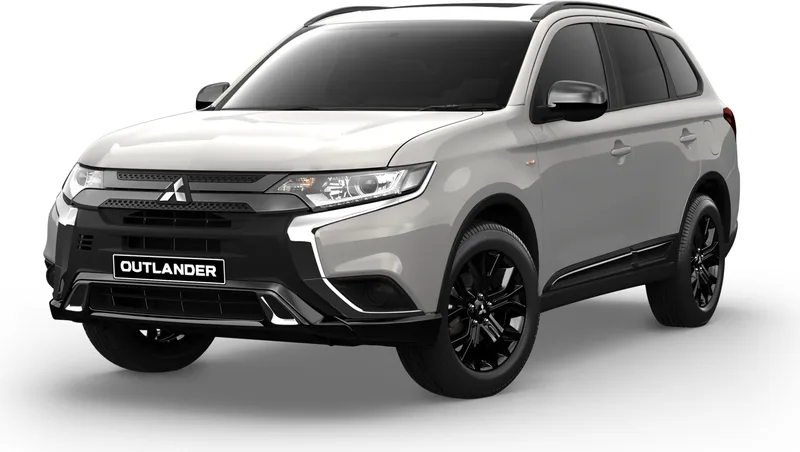
2021 Mitsubishi Outlander
Score: 84/100
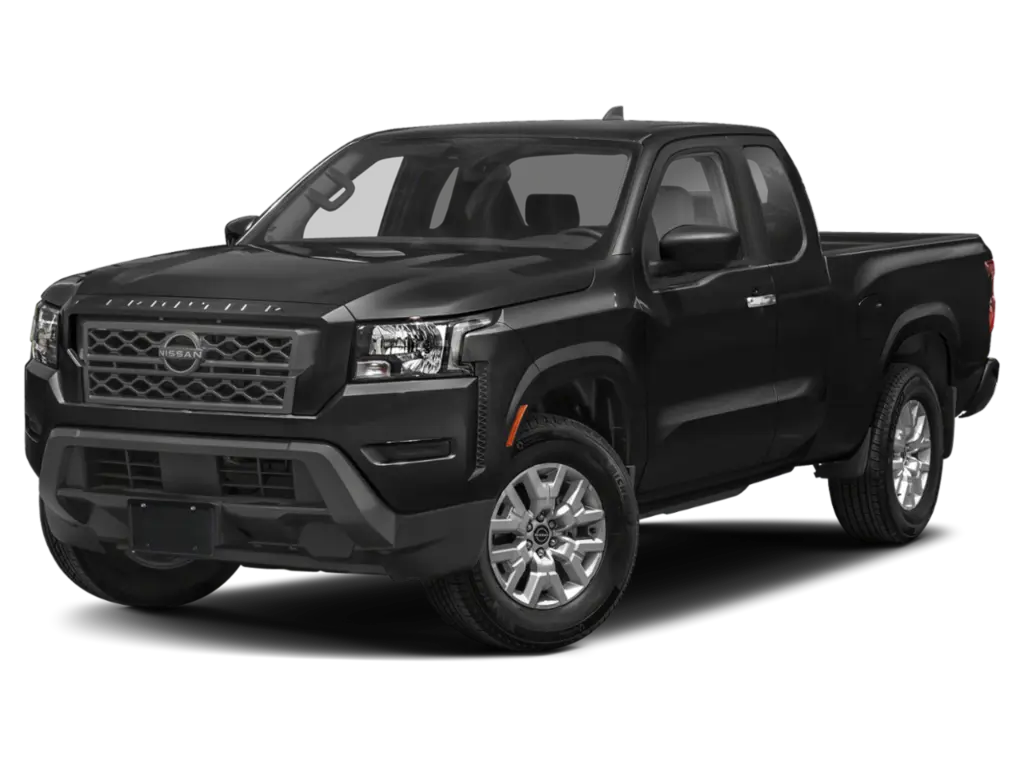
2021 Nissan Frontier
Score: 84/100
See incorrect data? Report an issue