Last updated: 2026-04-20
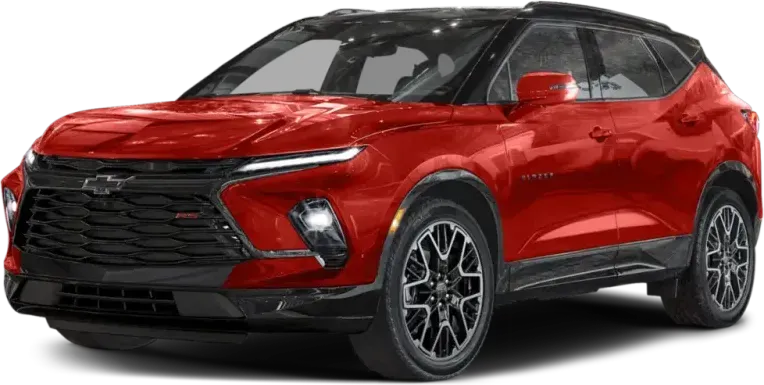
2023 Chevrolet Blazer Reliability Report
The 2023 Chevrolet Blazer scores 78/100 ("Good"). With 2 recalls and 29 owner complaints, reliability is acceptable but not class-leading.
Recalls
2
Complaints
29
Complaint Rate
4.4per 10,000 sold
Est. Repair Cost
$521
Annual Fuel Cost
$2,400–$2,850
Detailed Score Breakdown
Component-weighted complaints normalized by sales volume
Independent repair cost ratings
Recall count weighted by severity
Breadth of reported problem categories
The Verdict
Acceptable reliability — worth considering with a pre-purchase inspection.
Top Issues to Watch
- POWER TRAIN (7)
- SERVICE BRAKES (4)
- ENGINE (4)
Generation & Refresh (US)
2023 is the last model year of the Third generation (reintroduced as Crossover).
- Final-year models are typically the most refined version of a generation.
- 3rd generation Blazer (US).
What this means for buyers
Final-year models are usually the most polished version of a generation, but resale value may dip as buyers anticipate the next redesign.
2019: Third generation (reintroduced as Crossover) Launch
Generation start — new platform.
2023: This Model Year
2023 is the last model year of the Third generation (reintroduced as Crossover).
Generation data is based on publicly available information and may not reflect all regional variations.
Should You Buy the 2023 Chevrolet Blazer?
At 78/100, the 2023 Chevrolet Blazer lands in "Good" territory — acceptable, but not class-leading. 2023 is the last model year of the Third generation (reintroduced as Crossover).
Owners log 29 complaints on this model year — enough to suggest attention is needed, but no single failure mode dominates yet.
Get a pre-purchase inspection on any used example, with extra attention to power train (7). An extended warranty is worth pricing out.
Compared to the 2024 Chevrolet Blazer, which scored 8 points lower. See also the 2022 Chevrolet Blazer for an earlier comparison.
Pros
- +Acceptable reliability score
- +Infrequent unscheduled repairs
- +Low recall count
- +Below-average complaint rate for SUV
Cons
- −POWER TRAIN issues reported (7 complaints)
- −SERVICE BRAKES issues reported (4 complaints)
Compare 2023 Chevrolet Blazer With

2023 Ford Explorer
Reliability: 71/100
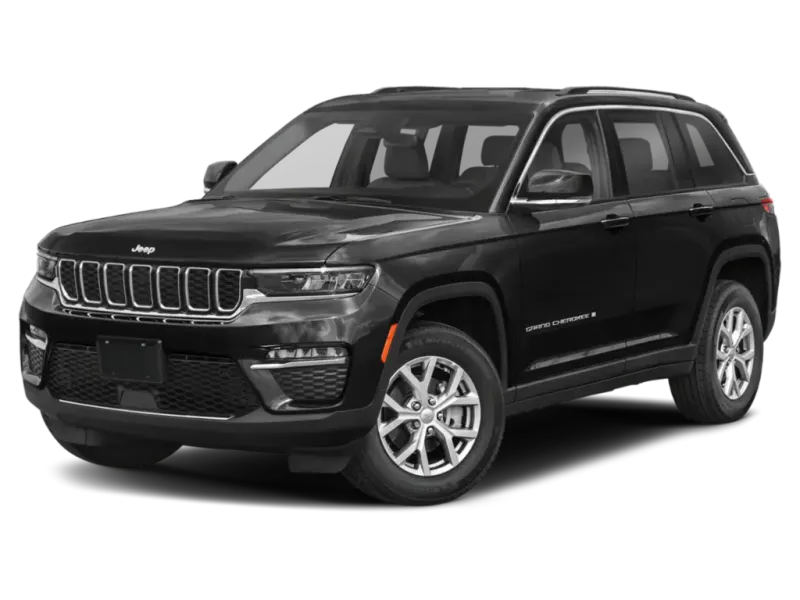
2023 Jeep Grand Cherokee
Reliability: 63/100

2023 Toyota 4RUNNER
Reliability: 82/100
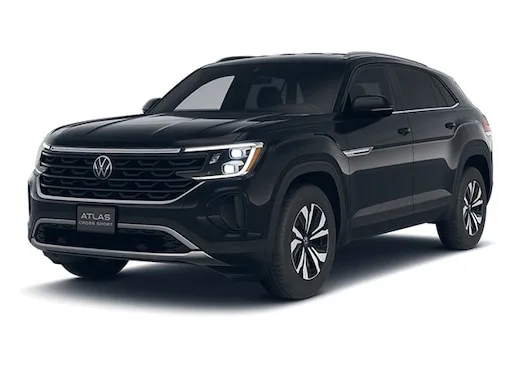
2023 Volkswagen Atlas
Reliability: 58/100

2023 Ford Edge
Reliability: 74/100
Common Problem Categories
Safety
LOW RISK- 2 manufacturer recalls issued
Other
HIGH RISK- POWER TRAIN (7)
- SERVICE BRAKES (4)
Recall Overview
2
recalls on record
The 2023 Chevrolet Blazer carries 2 recalls — a low count. Authorized dealers repair any open recall free of charge, regardless of warranty status.
NHTSA.gov →Complaint Breakdown
4.4
per 10,000 soldSegment avg: 11.3
Safety Incidents
3
Crashes
0
Fires
2
Injuries
0
Deaths
NHTSA 5/5 Stars
Data sourced from NHTSA complaint filings and manufacturer recall notices. Complaint narratives are owner-reported.
2023 Chevrolet Blazer Recall Details
2 recalls have been issued for the 2023 Chevrolet Blazer. All recall repairs are performed free of charge at authorized dealerships.
POWER TRAIN
General Motors, LLC (GM) is recalling certain 2023 Cadillac XT6, GMC Acadia, Chevrolet Blazer, Traverse, and 2022-2023 Cadillac XT5 vehicles. The transmission may have been built with an incorrect sun gear, which can result in the driver-side half-shaft disengaging from the transmission.
Consequence
A half-shaft disengaging from the transmission can result in a loss of drive power or vehicle rollaway when the vehicle is placed in park. Either of these scenarios can increase the risk of a crash.
Remedy
Dealers will replace the sun gears, free of charge. Owner notification letters were mailed on July 27, 2023. The remedy is expected to become available August 31, 2023. Owners may contact Cadillac customer service at 1-800-458-8006, Chevrolet customer service at 1-800-222-1020, or GMC customer service at 1-800-462-8782. GMC's number for this recall is N222389310.
POWER TRAIN
General Motors, LLC (GM) is recalling certain 2023 Chevrolet Blazer and Traverse vehicles. The left-side half-shaft assemblies may be missing a retaining ring.
Consequence
A missing retaining ring on the half-shaft can cause half-shaft inner joint separation, resulting in a loss of drive power or vehicle rollaway when the vehicle is placed in park. Either of these scenarios can increase the risk of a crash.
Remedy
Dealers will replace the left-side half-shaft assembly, free of charge. Owner notification letters were mailed February 23, 2023. Owners may contact Chevrolet customer service at 1-800-222-1020. GM's number for this recall is N222390180.
Buying a used 2023 Chevrolet Blazer? Check its history first
Every 2023 Chevrolet Blazer has a different past. A VIN check reveals hidden accidents, title problems, odometer rollbacks, and open recalls that reliability scores can't show you.
- Accidents
- Open Recalls
- Title History
- Odometer Rollback
2023 Chevrolet Blazer NHTSA Safety Ratings
Overall Safety Rating
Crash Test Results by Configuration (expand)
Gas Powertrain
Rollover risk: 0.0%
Safety Technologies
Chevrolet BlazerRepair Costs & Maintenance
Maintenance Rating
4Maintenance rating: 4 out of 5Based on NHTSA complaint patterns, recall severity, and publicly available cost benchmarks.
Est. Annual Maintenance
$521
Repair Frequency
0.3
unscheduled repair visits per year
Category-level averages derived from publicly available industry reports (AAA, CarMD). Model-level estimates produced by Auto Reliability Index.
MPG & Annual Running Costs
Gas
21–25 MPG
Running cost: $2,900–$3,350/yr
Fuel + repair
19–22 city / 26–29 hwy MPG
Running cost includes EPA fuel-cost estimate and independent repair-cost data (repair cost estimated at model level). Excludes routine maintenance, depreciation, and insurance. Data as of 2023 EPA label cycle.
Gas trims
| Trim | Drive | Trans. | City | Hwy | Comb | Fuel Cost |
|---|---|---|---|---|---|---|
| Blazer FWD 2.0L 4-cyl | Front-Wheel Drive | Automatic 9-spd | 22 | 29 | 25 | $2,400 |
| Blazer AWD 2.0L 4-cyl | All-Wheel Drive | Automatic 9-spd | 22 | 27 | 24 | $2,500 |
| Blazer FWD 3.6L 6-cyl | Front-Wheel Drive | Automatic 9-spd | 19 | 27 | 22 | $2,700 |
| Blazer AWD 3.6L 6-cyl | All-Wheel Drive | Automatic 9-spd | 19 | 26 | 21 | $2,850 |
Used Buying Checklist
Key things to inspect or verify before purchasing a 2023 Chevrolet Blazer.
Test transmission for shuddering or shifting issues during a drive
Inspect headlights for dark shadows or inadequate illumination
Check Forward Collision Avoidance system for unexpected activations
Test brakes in wet conditions for effective stopping power
Verify steering and lane assist functions for proper operation
Check for any oil leaks around the engine
2023 Chevrolet Blazer Common Problems by Component
29 owner complaints grouped by vehicle system.
POWER TRAIN
7 complaintsOwners of the 2023 Chevrolet Blazer frequently report transmission failures, with symptoms including shuddering, difficulty shifting gears, and the inability to accelerate. These issues often occur without warning lights, and some owners mention being stranded due to the car's failure to shift. Complaints commonly note that these problems appear as early as 5,500 to 6,500 miles, with some vehicles requiring multiple transmission replacements. Safety implications include the risk of being unable to control the vehicle's motion, though no crashes or injuries are reported. Buyers should be aware that parts for repairs, such as valve bodies, are often on backorder, leading to extended repair times.
SERVICE BRAKES
4 complaintsSafety-relatedOwners of the 2023 Chevrolet Blazer frequently report issues with the vehicle's braking system, particularly in wet or slippery conditions. Common symptoms include the brake pedal traveling to the floor without effectively slowing the vehicle, and the ABS system activating primarily on the front wheels, leading to sliding and reduced braking action from the rear wheels. These issues have been reported at varying mileages, including one instance at 34,000 miles. Two complaints involve crashes, one resulting in an injury, highlighting potential safety risks. Used car buyers should be aware of these braking performance concerns, especially in adverse weather conditions.
ENGINE
4 complaintsOwners report several engine-related issues with the 2023 Chevrolet Blazer. Complaints frequently mention the vehicle stalling unexpectedly, both when stationary and at highway speeds, with one owner noting a potential valve problem in the gas tank. Another common issue involves the vehicle coming to a complete stop during turns, with an unknown warning light illuminated, occurring around 100 miles. Additionally, there are reports of oil leaks from the camshaft carrier seal and transmission issues that cause shaking and stuttering upon acceleration. These issues have safety implications, including near rear-end collisions due to unexpected stalling. Buyers should be aware of these patterns, particularly for vehicles with low mileage.
EXTERIOR LIGHTING (3 complaints)
EXTERIOR LIGHTING
3 complaintsOwners of the 2023 Chevrolet Blazer report issues with the vehicle's exterior lighting, specifically the headlights. Complaints frequently mention a dark shadow or circle on the headlight and inadequate illumination on the driver's side, limiting visibility to about 30 feet and making it difficult to see road markings at night. These issues typically arise around 5,000 to 14,000 miles. Additionally, there is a report of the power lift tailgate closing unexpectedly, resulting in a minor injury. While no crashes or fires are reported, these issues could affect nighttime driving safety.
FORWARD COLLISION AVOIDANCE (3 complaints)
FORWARD COLLISION AVOIDANCE
3 complaintsOwners of the 2023 Chevrolet Blazer report issues with the Forward Collision Avoidance system, particularly involving unexpected activations. Complaints frequently mention the Automatic Emergency Braking System engaging without any obstruction, causing the vehicle to stop abruptly. This issue is noted both during regular driving and while making turns, with one report indicating the problem occurred at approximately 20,000 miles. The sudden and unwarranted braking raises safety concerns, as it could potentially lead to rear-end collisions or accidents during turns. Multiple owners describe these activations as occurring without warning lights or identifiable reasons, and service inspections often fail to replicate the issue.
STEERING (3 complaints)
STEERING
3 complaintsOwners of the 2023 Chevrolet Blazer report issues primarily related to steering and lane assist features. Complaints frequently mention the Lane Keep Assist system incorrectly steering the vehicle, sometimes causing it to veer left despite being in the correct lane, and a loss of power steering assist, often after encountering road imperfections like potholes. Additionally, a few owners describe sporadic failures where the vehicle does not engage in drive or reverse, and instances of the steering wheel pulling unexpectedly, leading to loss of control. These issues are noted at low mileages, around 8,500 miles or shortly after purchase, with some safety implications such as spinning out of control on highways. Buyers should be aware of these potential steering and electronic system malfunctions when considering this model.
ELECTRICAL SYSTEM (2 complaints)
ELECTRICAL SYSTEM
2 complaintsOwners of the 2023 Chevrolet Blazer report issues with the electrical system, primarily involving malfunctioning headlights and erratic interior lighting. Complaints frequently mention that the bright lights do not properly dim for oncoming traffic, leading to other drivers flashing their lights, which can affect the owner's ability to sleep. Additionally, some owners describe problems with the vehicle locking and unlocking and interior lights flickering due to a manufacturing defect involving an unsoldered line. Another issue noted is a malfunctioning thermostat causing the fan to run excessively, as if the vehicle is overheating. While specific mileage ranges are not detailed, these issues may have safety implications, particularly with headlight functionality affecting visibility and driver interaction.
FUEL/PROPULSION SYSTEM (1 complaints)
FUEL/PROPULSION SYSTEM
1 complaintEngine light on caused by emission system failure. Sensor unable to be changed until recall. Remote start unavailable while engine light is on. Had issue. Looked at four times at dealership. No correction taken.
UNKNOWN OR OTHER (1 complaints)
UNKNOWN OR OTHER
1 complaintSafety-relatedWhile my wife was pulling into park the car and pressing the brake, the car all of a sudden accelerated into the building. Pressing the brake failed to stop the car. No person was in the way of the car so no one other than my wife was at risk of injury. The problem has not been reproduced since the car was totaled. The car was inspected by the insurance for loss but that was it. Police and manufacturer have not inspected the car. No warnings were presented prior to the accident.
VEHICLE SPEED CONTROL (1 complaints)
VEHICLE SPEED CONTROL
1 complaintThe contact owns a 2023 Chevrolet Blazer. The contact stated that while driving approximately 50 MPH, the vehicle experienced unintended acceleration and the speed increased to over 70 MPH. The contact indicated that while depressing the brake pedal the vehicle failed to slow as needed and the parking brake was activated to eventually stop the vehicle. The vehicle was later towed to the local dealer who was unable to determine or confirm the unintended acceleration failure. The contact was informed that the brake rotors and brake pads needed to be replaced due to excessive wear. The contact stated that during a previous unintended acceleration failure, the speed was reduced while depressing the brake pedal; however, the vehicle would accelerate when the brake pedal was released. The manufacturer was notified of the failure, but no assistance was offered. The approximate failure mileage was 9,000.
When Do 2023 Chevrolet Blazer Problems Start?
Based on owner complaint patterns, here's when common issues tend to appear.
Best & Worst Chevrolet Blazer Years
Comprehensive reliability analysis based on NHTSA data, owner complaints, and historical performance.
Best Chevrolet Blazer Years to Buy
Based on reliability index scoreThe best Chevrolet Blazer year is 2026 with a reliability score of 88/100, rated excellent. Other strong picks include 2022 (79/100) and 2023 (78/100).
2026
2022
2023
(Current Model)
Chevrolet Blazer Years to Avoid
The worst Chevrolet Blazer year is 2019 with a score of 69/100, primarily due to power train (53) issues. Also avoid 2024 (70/100).
Chevrolet Blazer Reliability Score Trend
Chevrolet Blazer reliability has remained consistent across model years, averaging 76/100.
Scores 0–100. Higher is better. Current year highlighted.
| Year | Score | Rating |
|---|---|---|
| 2019 | 69/100 | Good |
| 2020 | 71/100 | Good |
| 2021 | 74/100 | Good |
| 2022 | 79/100 | Good |
| 2023 | 78/100 | Good |
| 2024 | 70/100 | Good |
| 2025 | 77/100 | Good |
| 2026 | 88/100 | Excellent |
Chevrolet Blazer Reliability Compared to Other Years
Frequently Asked Questions
Is the 2023 Chevrolet Blazer reliable?
What are the most common problems with the 2023 Chevrolet Blazer?
How many recalls does the 2023 Chevrolet Blazer have?
Is the 2023 Chevrolet Blazer expensive to maintain?
Don’t buy a 2023 Chevrolet Blazer without checking its VIN first — hidden accidents, title issues, and open recalls could cost you thousands.
How We Calculate Reliability Scores
Auto Reliability Index scores are calculated on a 0–100 scale using a weighted formula that combines multiple public data sources. Each factor is weighted based on its predictive value for real-world ownership experience.
Key Ranking Factors
Complaint Severity
NHTSA owner complaints weighted by component category (e.g., powertrain, safety systems, electronics, cosmetic) — safety-critical issues carry more weight than cosmetic ones. Adjusted for sales volume so high-volume models aren't unfairly penalized.
Repair Costs
Independent reliability ratings based on repair frequency, average repair costs, and severity of typical repairs for each model.
Recall Impact
Number of NHTSA recalls weighted by severity. “Stop driving” and fire-risk recalls are penalized more heavily than minor software or labeling recalls.
Issue Diversity
Measures how many major vehicle systems (engine, transmission, electrical, braking, etc.) have recorded complaints. A vehicle with issues spread across many systems may indicate systemic quality issues.
Scores are grouped into four tiers:
- 80–100: Excellent— Top-tier reliability, minimal issues
- 60–79: Good— Reliable with some minor concerns
- 40–59: Mixed— Notable issues, research before buying
- 0–39: Risky— Significant problems, proceed with caution
Data is sourced from NHTSA recall records, owner complaint filings, and independent repair databases via vehicles.dev. Scores are recalculated as new data becomes available. While the weighting model is proprietary, all underlying data sources are public and traceable.
Get notified when new recalls or reliability data is added for the Chevrolet Blazer.
No spam. Only data updates for this model.
Browse More Chevrolet Models
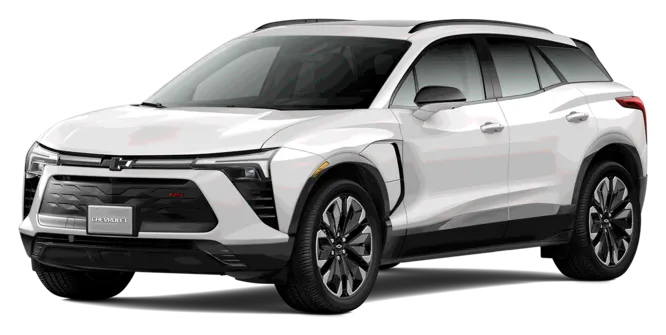
Chevrolet Blazer-EV
Score: 57/100

Chevrolet Bolt
Score: 64/100

Chevrolet Camaro
Score: 77/100
Chevrolet Colorado
Score: 88/100
Chevrolet Corvette
Score: 76/100
Chevrolet Equinox
Score: 82/100
Browse More 2023 Vehicles
2023 Lexus RX
Score: 85/100
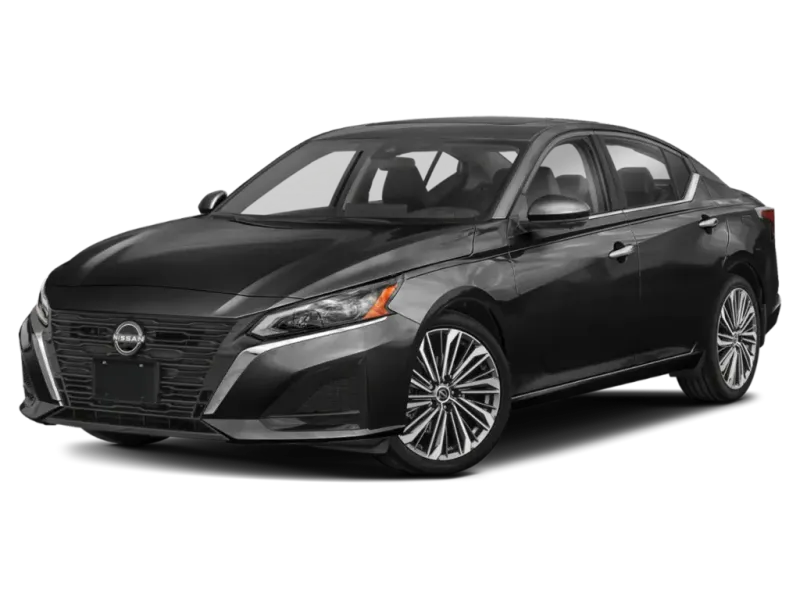
2023 Nissan Altima
Score: 84/100
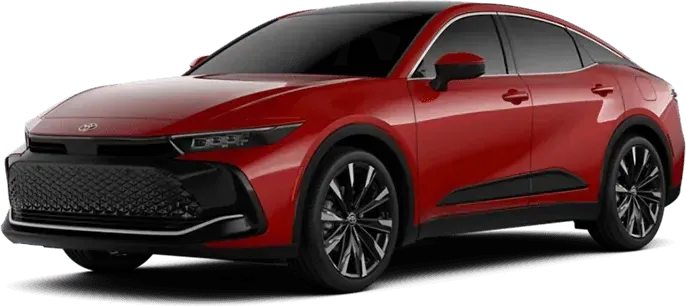
2023 Toyota Crown
Score: 84/100

2023 Lexus IS
Score: 83/100
2023 Toyota 4RUNNER
Score: 82/100

2023 Acura RDX
Score: 82/100
See incorrect data? Report an issue