Last updated: 2026-10-10
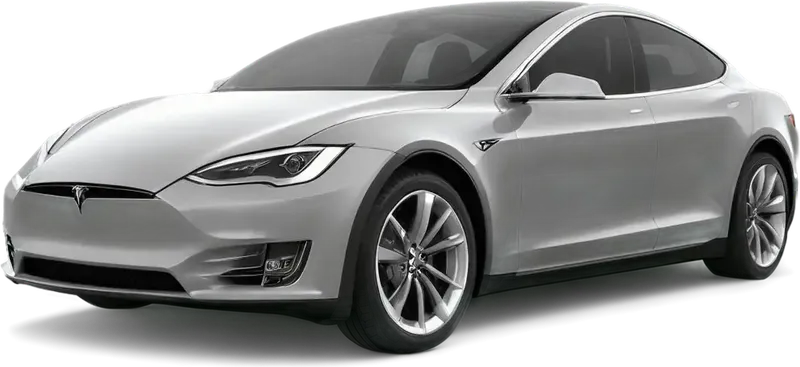
2020 Tesla Model S Reliability Report
The 2020 Tesla Model S rates risky, well below other 2020 sedans, with phantom braking and low-speed surges topping owner complaints.
Recalls
43
Complaints
465
Complaint Rate
229.1per 10,000 sold
Est. Repair Cost
$832
EV Range
287–402 mi
Detailed Score Breakdown
Component-weighted complaints normalized by sales volume
Independent repair cost ratings
Recall count weighted by severity
Breadth of reported problem categories
The Verdict
Mid-ranked among the eight scored Model S years yet risky, with phantom braking and parking-speed acceleration complaints; the 2019 rates better.
Top Issues to Watch
- FORWARD COLLISION AVOIDANCE (74)
- SUSPENSION (55)
- STEERING (54)
Generation & Refresh (US)
2020 is 3 years after the first major facelift refresh.
- Year 8 in the First generation (Model S) (2013–present).
- Well-established in its generation — most early issues should be resolved.
- 1st generation Model S (US).
What this means for buyers
Post-refresh years tend to be among the most refined — updates have been applied and early kinks worked out.
2013: First generation (Model S) Launch
Generation start — new platform.
2017: Mid-Cycle Refresh
Updated features and styling tweaks.
2020: This Model Year
2020 is 3 years after the first major facelift refresh.
2021: Mid-Cycle Refresh
Updated features and styling tweaks.
Should You Buy the 2020 Tesla Model S?
Buy with caution. Reliability for this model year is risky, well below average among 2020 sedans, and it sits in the middle of the eight scored Model S years. The 2019 rates better and has far fewer complaints and recalls. The 2021 rates worse. The federal crash-test rating is 5 of 5 stars.
Owners report hard braking with nothing ahead while adaptive cruise control, Autopilot, or Full Self-Driving is on. The car sheds 5 to 10 mph at highway speed, and drivers behind have to swerve. Others describe the car surging forward at very low speed while parking, with the brake not stopping it. That category has the most injuries. Front half-shafts cause a shudder under acceleration, from 10,000 to 46,000 miles. Front suspension links make noise near 40,000 miles. Some owners report inner-edge tire wear at 5,000 to 15,000 miles. Some suspension filings describe the Model X. Federal recall records show 43 recalls, including seat belts, brakes, suspension, steering, and forward collision avoidance.
Look at a 2019 first. On any 2020, ask for proof that every recall was completed and for service records on the half-shafts, suspension links, and tires.
Compared to the 2021 Tesla Model S, which scored 11 points lower. See also the 2019 Tesla Model S for an earlier comparison.
Pros
- +5-star NHTSA crash rating
- +Well-established generation
Cons
- −Below-average reliability score
- −Above-average recall count
- −Above-average complaint rate for Sedan
- −FORWARD COLLISION AVOIDANCE: Hard braking with nothing ahead is the main complaint (74 complaints)
- −UNKNOWN OR OTHER: Most crash reports in this category describe sudden acceleration while parking... (57 complaints)
Compare 2020 Tesla Model S With
Common Problem Categories
Safety
LOW RISK- 43 manufacturer recalls issued
Other
HIGH RISK- FORWARD COLLISION AVOIDANCE (74)
- UNKNOWN OR OTHER (57)
Recall Overview
43
recalls on record
The 2020 Tesla Model S has 43 recalls on record, which is above average. A high count can flag multiple component concerns, though it also shows the manufacturer is actively addressing known issues.
NHTSA.gov →Complaint Breakdown
229.1
per 10,000 soldSegment avg: 17.9
Safety Incidents
80
Crashes
0
Fires
39
Injuries
0
Deaths
NHTSA 5/5 Stars
Data sourced from NHTSA complaint filings and manufacturer recall notices. Complaint narratives are owner-reported.
2020 Tesla Model S Recall Details
43 recalls have been issued for the 2020 Tesla Model S. All recall repairs are performed free of charge at authorized dealerships.
SEAT BELTS
Tesla, Inc. (Tesla) is recalling certain 2018-2020 Model 3 and 2019-2021 Model Y vehicles. One or both fasteners that secure the front seat shoulder belt to the b-pillar may not be properly attached.
Consequence
An improperly attached fastener may prevent the seat belt system from performing as designed, increasing the risk of injury.
Remedy
Tesla Service will inspect and repair both fasteners if necessary, free of charge. Owner notification letters were mailed July 23, 2021. Owners may contact Tesla customer service online by visiting www.tesla.com/support/contact or by calling 1-877-79-TESLA (or 1-877-798-3752). Tesla's number for this recall is SB-21-20-001.
SEAT BELTS
Tesla, Inc. (Tesla) is recalling certain 2019-2021 Model Y vehicles. One or both fasteners that secure the left and right second row seat belt retractors may not be properly attached.
Consequence
Improperly attached fasteners may prevent the seat belt retention system from performing as designed, increasing the risk of injury.
Remedy
Tesla Service will inspect and replace both fasteners if necessary, free of charge. Owner notification letters were mailed July 23, 2021. Owners may contact Tesla customer service online by visiting www.tesla.com/support/contact or by calling 1-877-79-TESLA (or 1-877-798-3752). Tesla's number for this recall is SB-21-20-002.
SERVICE BRAKES, HYDRAULIC
Tesla, Inc. (Tesla) is recalling certain 2019-2021 Model 3 and 2020-2021 Model Y vehicles. The brake caliper bolts may be loose, allowing the brake caliper to separate and contact the wheel rim.
Consequence
Contact with the rim may cause a loss of tire pressure, increasing the risk of a crash.
Remedy
Tesla Service will inspect and tighten, or replace the caliper bolts as necessary, free of charge. Owner notification letters were mailed July 23, 2021. Owners may contact Tesla customer service online by visiting www.tesla.com/support/contact or by calling 1-877-79-TESLA (or 1-877-798-3752). Tesla's number for this recall is SB-21-33-002.
Showing 10 of 24 recalls. View all on NHTSA.gov →
43 recalls and a score of 37 — check any 2020 Tesla Model S before buying
With a below-average reliability score, a VIN check is especially important. Uncover hidden accidents, title problems, odometer rollbacks, and open recalls that data alone can't show you.
- Accidents
- Open Recalls
- Title History
- Odometer Rollback
2020 Tesla Model S NHTSA Safety Ratings
Overall Safety Rating
Crash Test Results by Configuration (expand)
Gas Powertrain
Rollover risk: 9.3%
Safety Technologies
Tesla Model SRepair Costs & Maintenance
Maintenance Rating
2Maintenance rating: 2 out of 5Based on NHTSA complaint patterns, recall severity, and publicly available cost benchmarks.
Est. Annual Maintenance
$832
Category-level averages derived from publicly available industry reports (AAA, CarMD). Model-level estimates produced by Auto Reliability Index.
2020 Tesla Model S Example Repair Prices
National average price ranges for common repairs. These are not model-year-specific failure predictions.
| Repair | Estimated Cost |
|---|---|
| No Start Diagnosis | $122 – $179 |
| Tire Pressure Monitor Lamp Diagnosis | $122 – $179 |
| General Diagnosis | $122 – $179 |
| General Diagnosis | $122 – $179 |
| Noise Diagnosis | $122 – $179 |
| Tire Pressure Monitor Lamp Diagnosis | $122 – $179 |
| Noise Diagnosis | $122 – $179 |
| Vibration Diagnosis | $122 – $179 |
| Check Engine Light Diagnosis & Testing | $122 – $179 |
| AC Diagnosis | $122 – $179 |
Estimates based on national average repair costs. Actual costs may vary by location and shop.
MPG & Annual Running Costs
Electric
287–402 mi range
Fuel cost: $650–$800/yr
Fuel only
28.9–34.731 kWh/100mi · 9.2–15.3 hrs @ 240V
Based on EPA fuel-cost estimates. Excludes routine maintenance, depreciation, and insurance. Data as of 2020 EPA label cycle.
Electric trims
| Trim | Drive | Trans. | Range | kWh/100mi | Fuel Cost |
|---|---|---|---|---|---|
| Model S Long Range Plus | All-Wheel Drive | Automatic (A1) | 402 mi | 28.9 | $650 |
| Model S Long Range | All-Wheel Drive | Automatic (A1) | 373 mi | 30.3 | $700 |
| Model S Standard Range | All-Wheel Drive | Automatic (A1) | 287 mi | 30.8 | $700 |
| Model S Performance (19in Wheels) | All-Wheel Drive | Automatic (A1) | 348 mi | 32.4 | $750 |
| Model S Performance (21in Wheels) | All-Wheel Drive | Automatic (A1) | 326 mi | 34.7 | $800 |
Used Buying Checklist
Key things to inspect or verify before purchasing a 2020 Tesla Model S.
Accelerate firmly from 30 to 40 mph and feel for shudder; check records for repeated front half-shaft replacements.
Turn the wheel fully both ways while backing out slowly and listen for creaking or rattling from the front suspension.
Inspect the inner edge of every tire for heavy wear, including the rear tires, which are hard to see.
Drive on the highway with adaptive cruise control on and watch for hard braking with nothing ahead.
With someone in the front passenger seat, check for a passenger safety restraint system fault or airbag warning.
Open each rear door from inside and outside several times, and find the rear manual release before buying.
Charge the car on a Level 2 charger and compare its full-charge range to the original rating.
Reverse while watching the rear camera feed and confirm the image never freezes or lags.
2020 Tesla Model S Common Problems by Component
465 owner complaints grouped by vehicle system.
FORWARD COLLISION AVOIDANCE
74 complaintsSafety-relatedModel S automatic emergency braking problems across all model years
Hard braking with nothing ahead is the main complaint. With adaptive cruise control, Autopilot, or Full Self-Driving on, the car sheds 5 to 10 mph at highway speed, sometimes again and again on one trip, and drivers behind have to swerve. Owners link it to oncoming traffic, changes in road-surface color, and passing trucks. A smaller group of reports says the system jerked the car out of its lane or toward a guardrail. Several of those ended in crashes, some in heavy rain. Some owners say service found no fault.
UNKNOWN OR OTHER
57 complaintsSafety-relatedMost crash reports in this category describe sudden acceleration while parking or while stopped at a red light. Drivers say pressing the brake did not stop the car. Smart Summon collisions with parked cars and fixed objects also come up repeatedly. Other owners report the rear camera freezing while reversing, which led to low-speed impacts. Some say the rear doors would not open after a power loss unless they could find a hidden release cable. 15 of 57 complaints involve crashes.
SUSPENSION
55 complaintsSafety-relatedFront half-shafts fail and cause a violent shudder or vibration under acceleration, often between 30 and 40 mph. Some owners report two or more replacements, and one service bulletin fix did not help. Control arms and suspension links also fail. Rear camber that cannot be adjusted wears tires on the inner edge, sometimes down to the cord, and some owners replaced tires at 5,000 to 15,000 miles. A run of filings points to salvage-auction cars with collapsed suspensions and wheels that came off. Many excerpts describe the Model X.
STEERING (54 complaints)
STEERING
54 complaintsSafety-relatedModel S steering problems across all model years
Front suspension links and control arms tear or break and make creaking, rattling, or tearing noises when turning or backing out. This tends to show up near 40,000 miles, and some owners need the repair more than once. Other reports describe power steering failing after a warning that steering may need extra force. Some say the steering turned sticky at speed or locked up completely. A few crash reports involve suspension parts breaking at speed and the car losing control. 8 of 54 complaints involve crashes.
VEHICLE SPEED CONTROL (47 complaints)
VEHICLE SPEED CONTROL
47 complaintsSafety-relatedModel S acceleration and cruise control problems across all model years
Unintended acceleration at very low speed drives this category. Drivers say the car surged forward while pulling into a parking space, garage, driveway, or drive-through lane, or while sitting at a light, and that the brake did not stop it. The cars hit walls, poles, buildings, and other vehicles, sometimes hard enough to deploy the airbags. Some of the cars were nearly new, one with only 40 miles. This category has the most injuries: 17 crashes and 10 injuries across 47 complaints.
ELECTRICAL SYSTEM (47 complaints)
ELECTRICAL SYSTEM
47 complaintsSafety-relatedModel S electrical problems across all model years
Range loss and charging failures lead the non-crash reports. Owners say full-charge range falls far below the rating, and charging hardware fails so the car can no longer charge on a Level 2 charger, with one owner reporting this at 46,000 miles. Others describe a constant drain that kills the 12-volt battery and sudden warnings that ABS, power steering, and regenerative braking are unavailable. Frozen rear cameras, a blanking screen, and dashcam faults also appear. Crash reports involve sudden acceleration and Smart Summon.
SERVICE BRAKES (25 complaints)
SERVICE BRAKES
25 complaintsSafety-relatedModel S brake problems across all model years
Phantom braking is the main complaint. With Autopilot, cruise control, or Full Self-Driving on, the car brakes hard at freeway speed with nothing in front and sheds 5 to 10 mph. Sometimes Autopilot switches off when this happens. Owners report many events on a single road trip. Some were told there is no fix yet or that software updates would address it, and one technician found nothing wrong. Other reports mention leaking rear brake hoses and warnings that disable ABS, traction control, and automatic emergency braking.
STRUCTURE (19 complaints)
STRUCTURE
19 complaintsSafety-relatedRear doors that will not open are the most common non-crash concern. A loose interior door panel can wedge against the body seal and jam the door, sometimes more than once. The manual release for the rear doors is hidden under a mat or cover, or needs a screwdriver to reach. Other reports describe the front hood flying open at about 40 mph, a sheared subframe bolt, mirrors unfolding while backing out of a garage, and the power trunk closing on fingers. Most crash reports here describe sudden acceleration while parking.
AIR BAGS (17 complaints)
AIR BAGS
17 complaintsSafety-relatedAirbags that did not deploy in serious crashes are the main crash complaint, and occupants report fractures, head injuries, and whiplash. Most of these reports describe the Model Y. A separate fault, the front passenger safety restraint system warning, comes and goes and can disable the passenger airbag. Repairs often mean replacing a sensor or the seat, with quotes of $1,100 to $2,000. The warning sometimes returns after repair. 10 of 17 complaints involve crashes, with 9 injuries.
POWER TRAIN (13 complaints)
POWER TRAIN
13 complaintsSafety-relatedFront half-shaft and CV axle failures cause a wobble, shudder, grinding, or whining sound under acceleration. Repairs sometimes fail again, and owners pay once the warranty runs out. Other reports describe the car shutting down while driving after an unable-to-drive warning, and the gear stalk shifting into neutral or reverse when the driver cancels cruise control. Some owners also report a frozen touchscreen that left the car unable to accelerate and an accelerator pedal that broke off. Both crash reports describe sudden acceleration after pressing Park.
When Do 2020 Tesla Model S Problems Start?
Based on owner complaint patterns, here's when common issues tend to appear.
Best & Worst Tesla Model S Years
Best Tesla Model S Years to Buy
Based on reliability index scoreTesla Model S Years to Avoid
Tesla Model S Reliability Score Trend
Scores 0–100. Higher is better. Current year highlighted.
| Year | Score | Rating |
|---|---|---|
| 2018 | 46/100 | Mixed |
| 2019 | 48/100 | Mixed |
| 2020 | 37/100 | Risky |
| 2021 | 26/100 | Risky |
| 2022 | 44/100 | Mixed |
| 2023 | 32/100 | Risky |
| 2024 | 42/100 | Mixed |
| 2025 | 50/100 | Mixed |
Tesla Model S Reliability Compared to Other Years
2020 Tesla Model S Common Questions
4 questions from 2020 Tesla Model S owners.
wipers are not working
my tesla Y wipers are not working and water is coming from bottom
Can you tell me if you can switch the 3 antennas in your old side mirrors to your new side mirrors that don't come with them?
2018 Tesla model 3 Can you tell me if you can switch the 3 antennas in your old side mirrors to your new side mirrors that don't come with them? Comes with blue connector but not the 2 antenna connectors in the RH mirror and the 1 antennas connector in the LH mirror. Wanting to use these antennas on new mirror. Are they easy to switch to new mirrors that do not come with the antennas?
wipers are not working
my tesla Y wipers are not working and water is coming from bottom
Can you tell me if you can switch the 3 antennas in your old side mirrors to your new side mirrors that don't come with them?
2018 Tesla model 3 Can you tell me if you can switch the 3 antennas in your old side mirrors to your new side mirrors that don't come with them? Comes with blue connector but not the 2 antenna connectors in the RH mirror and the 1 antennas connector in the LH mirror. Wanting to use these antennas on new mirror. Are they easy to switch to new mirrors that do not come with the antennas?
Frequently Asked Questions
Is the 2020 Tesla Model S reliable?
What are the most common problems with the 2020 Tesla Model S?
Does the 2020 Tesla Model S brake for no reason?
Does the 2020 Tesla Model S have suspension or steering problems?
How many recalls does the 2020 Tesla Model S have?
Don’t buy a 2020 Tesla Model S without checking its VIN first — hidden accidents, title issues, and open recalls could cost you thousands.
How we score the 2020 Tesla Model S
Of the four inputs behind this score, the 2020 Tesla Model S does best on how many systems draw complaints (59/100) and worst on complaint severity (23/100). Scores weight complaint severity at 35%, repair costs at 30%, recall impact at 20%, and the spread of complaints across systems at 15%, with complaint counts adjusted for US sales. Read the full methodology.
Get notified when new recalls or reliability data is added for the Tesla Model S.
No spam. Only data updates for this model.
Browse More Tesla Models
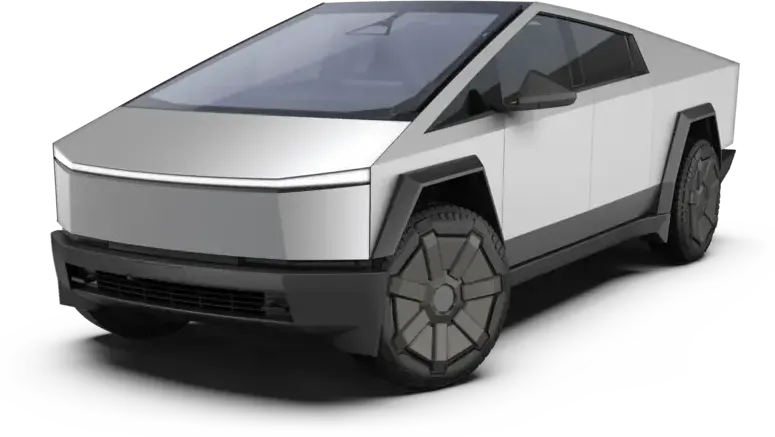
Tesla Cybertruck
Score: 59/100
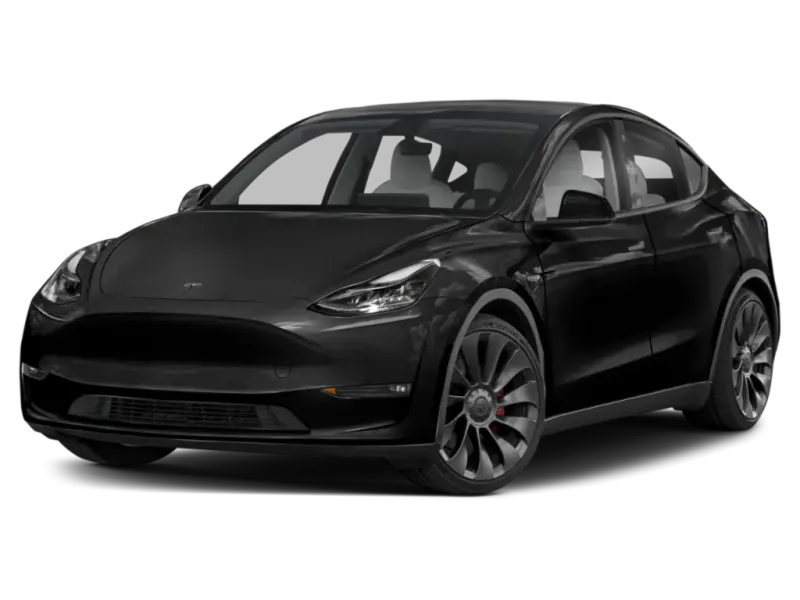
Tesla Model 3
Score: 59/100
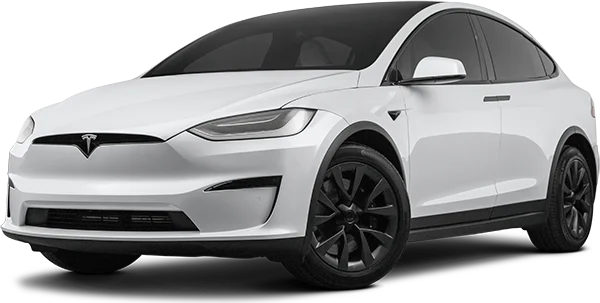
Tesla Model X
Score: 66/100
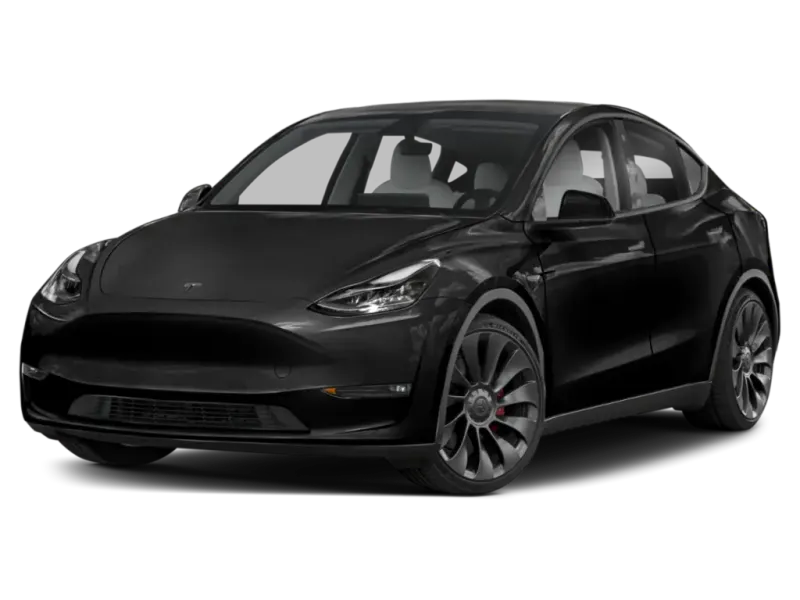
Tesla Model Y
Score: 70/100
Browse More 2020 Vehicles
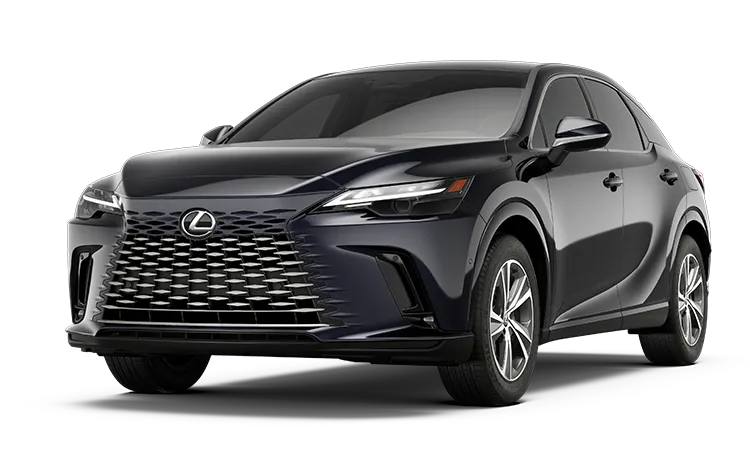
2020 Lexus RX
Score: 86/100
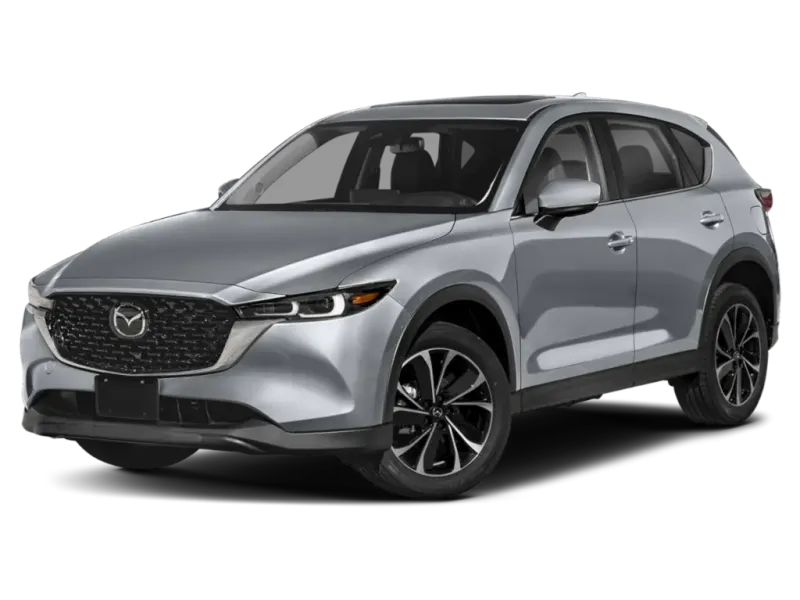
2020 Mazda CX-5
Score: 86/100
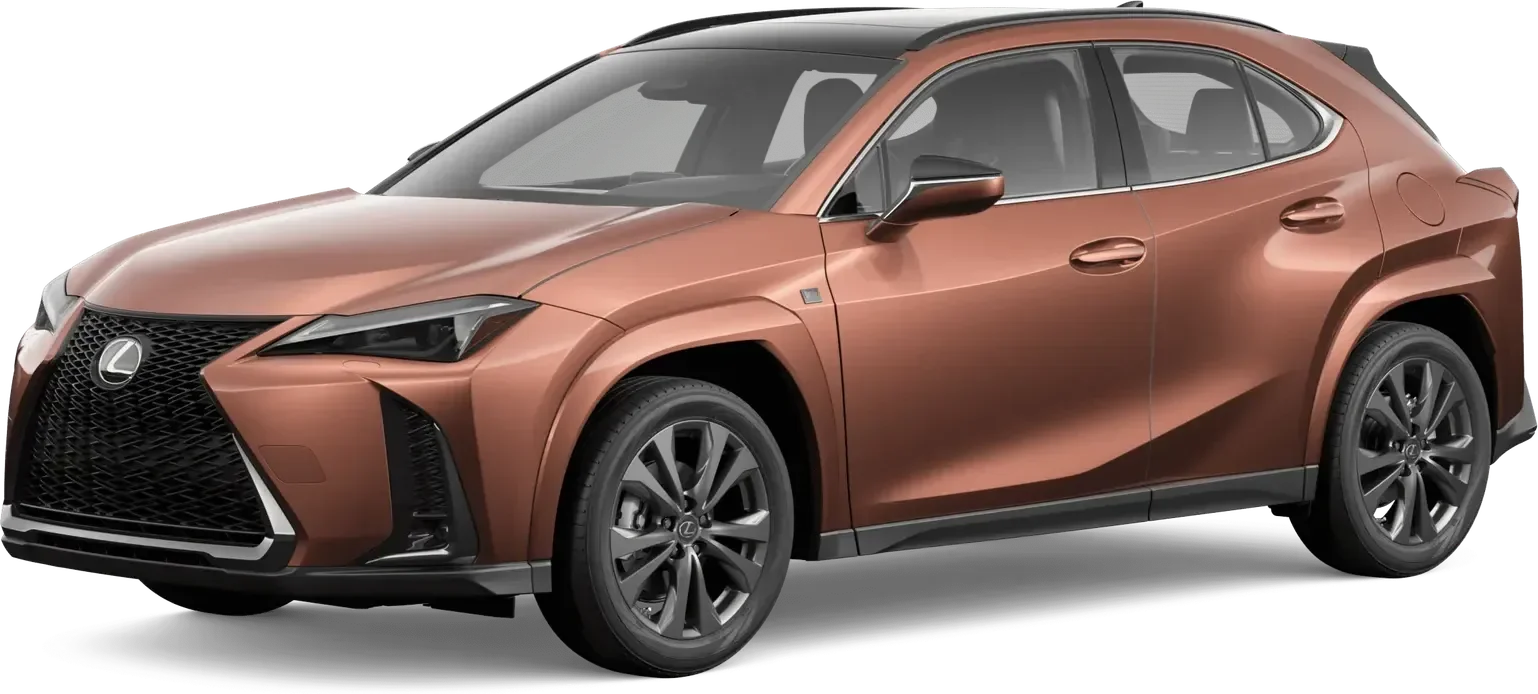
2020 Lexus UX
Score: 84/100
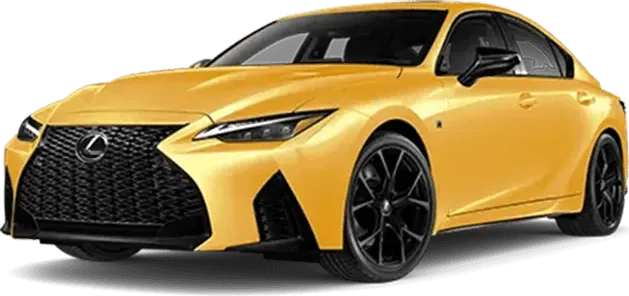
2020 Lexus IS
Score: 83/100
2020 Lexus ES
Score: 83/100
2020 Dodge Grand Caravan
Score: 83/100
See incorrect data? Report an issue