Last updated: 2026-10-10
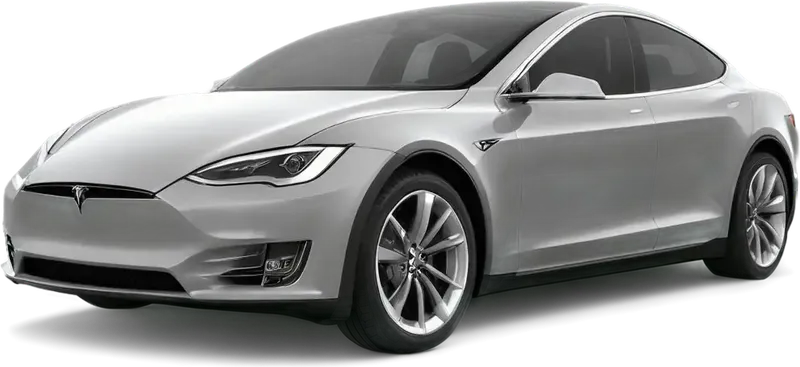
2018 Tesla Model S Reliability Report
The 2018 Tesla Model S has mixed reliability. Sudden low-speed acceleration and freezing screens are the main worries, despite a 5-star crash rating.
Recalls
16
Complaints
297
Complaint Rate
99.2per 10,000 sold
Est. Repair Cost
$832
EV Range
249–335 mi
Detailed Score Breakdown
Component-weighted complaints normalized by sales volume
Independent repair cost ratings
Recall count weighted by severity
Breadth of reported problem categories
The Verdict
One of the stronger Model S years, though owner complaints center on sudden low-speed acceleration, freezing screens, and phantom braking, with 16 recalls on file.
Top Issues to Watch
- SUSPENSION (49)
- ELECTRICAL SYSTEM (47)
- VEHICLE SPEED CONTROL (32)
Generation & Refresh (US)
2018 is 1 year after the first major facelift refresh.
- Year 6 in the First generation (Model S) (2013–present).
- Well-established in its generation — most early issues should be resolved.
- 1st generation Model S (US).
What this means for buyers
Post-refresh years tend to be among the most refined — updates have been applied and early kinks worked out.
2013: First generation (Model S) Launch
Generation start — new platform.
2017: Mid-Cycle Refresh
Updated features and styling tweaks.
2018: This Model Year
2018 is 1 year after the first major facelift refresh.
2021: Mid-Cycle Refresh
Updated features and styling tweaks.
Should You Buy the 2018 Tesla Model S?
Mixed is the fair verdict. Among Model S years, this one is one of the stronger, yet it sits well below average against other 2018 sedans. The 2019 model rates about the same, so moving up a year does not buy a clear reliability gain. Crash protection is solid, with a 5-star federal rating.
The worst complaints involve sudden acceleration at parking speed. Drivers say the car surged over curbs and into walls, poles, and houses, sometimes with a foot on the brake. In some cases the car's recorded data showed the accelerator was pressed. Screens and instrument clusters also freeze or go blank while driving, taking away the speedometer and turn signals until a reset. Others report phantom braking on highways, front-end clanking, and rear tires wearing fast on the inner edge. Federal records list 16 recalls, including seat belts, steering, and the electrical system.
Ask for proof that every recall was completed. Check the tires for inner-edge wear, and ask whether the screen computer or any suspension parts were replaced.
Compared to the 2019 Tesla Model S, which scored 2 points higher.
Pros
- +5-star NHTSA crash rating
- +Well-established generation
Cons
- −Below-average reliability score
- −Above-average recall count
- −Above-average complaint rate for Sedan
- −SUSPENSION: Wheels tilt inward or collapse into the wheel well when suspension links crack,... (49 complaints)
- −4 fire incidents reported in owner complaints
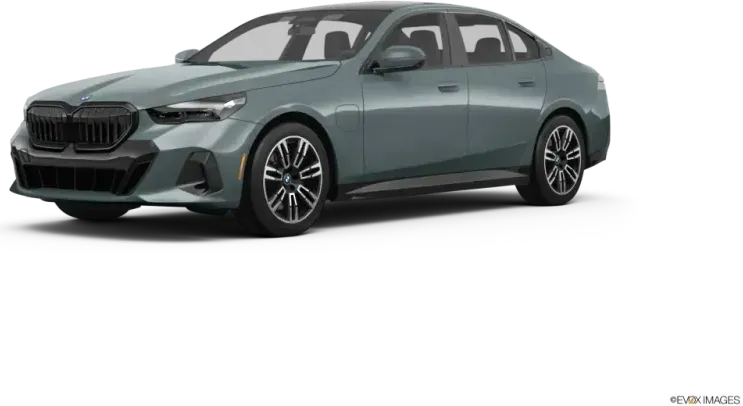
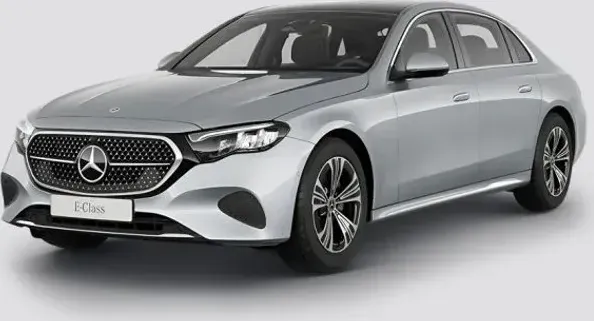
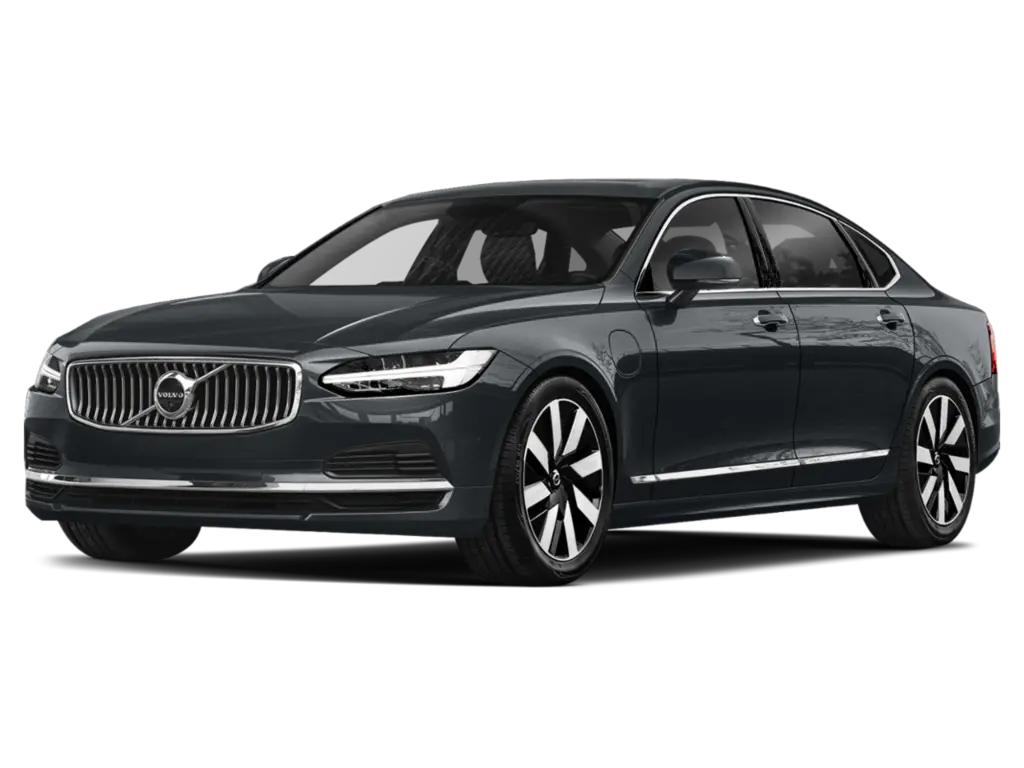
Compare 2018 Tesla Model S With
Common Problem Categories
Safety
LOW RISK- 16 manufacturer recalls issued
Other
HIGH RISK- SUSPENSION (49)
- ELECTRICAL SYSTEM (47)
Recall Overview
16
recalls on record
The 2018 Tesla Model S has 16 recalls on record, which is above average. A high count can flag multiple component concerns, though it also shows the manufacturer is actively addressing known issues.
NHTSA.gov →Complaint Breakdown
99.2
per 10,000 soldSegment avg: 25.7
Safety Incidents
55
Crashes
4
Fires
28
Injuries
0
Deaths
NHTSA 5/5 Stars
Data sourced from NHTSA complaint filings and manufacturer recall notices. Complaint narratives are owner-reported.
2018 Tesla Model S Recall Details
16 recalls have been issued for the 2018 Tesla Model S. All recall repairs are performed free of charge at authorized dealerships.
SEAT BELTS
Tesla, Inc. (Tesla) is recalling certain 2012-2024 Model S, 2015-2024 Model X, 2017-2023 Model 3, and 2020-2023 Model Y vehicles. In the event of an unbelted driver, the seat belt warning light and audible chime may not activate as intended. As such, these vehicles fail to comply with the requirements of Federal Motor Vehicle Safety Standard number 208, "Occupant Crash Protection."
Consequence
A seat belt warning system that fails to alert occupants of an unbelted seat belt can increase the risk of injury during a crash.
Remedy
Tesla will release an over-the-air (OTA) software update. Owner notification letters were mailed July 26, 2024. Owners may contact Tesla customer service at 1-877-798-3752. Tesla's number for this recall is SB-24-00-008.
ELECTRICAL SYSTEM
Tesla, Inc. (Tesla) is recalling 2012-2023 Model S, 2016-2023 Model X, 2017-2023 Model 3, and 2020-2023 Model Y vehicles equipped with all versions of Autosteer leading up to the version(s) that contains the recall remedy. In certain circumstances when Autosteer is engaged, the prominence and scope of the feature's controls may not be sufficient to prevent driver misuse of the SAE Level 2 advanced driver-assistance feature.
Consequence
In certain circumstances when Autosteer is engaged, and the driver does not maintain responsibility for vehicle operation and is unprepared to intervene as necessary or fails to recognize when Autosteer is canceled or not engaged, there may be an increased risk of a crash.
Remedy
Tesla will release an over-the-air (OTA) software update, free of charge. Owner notification letters were mailed February 10, 2024. Owners may contact Tesla customer service at 1-877-798-3752. Tesla's number for this recall is SB-23-00-008.
STEERING
Tesla, Inc. (Tesla) is recalling certain 2017-2021 Model S and Model X vehicles. The electronic power assist steering (EPAS) system may experience a loss of power steering assist when driving on rough roads or after hitting a pothole.
Consequence
A loss of power steering assist can require greater steering effort, especially at low speeds, increasing the risk of a crash.
Remedy
Tesla has released an over-the-air (OTA) software update to recalibrate the EPAS system, free of charge. Owner notification letters were mailed December 31, 2022. Owners may contact Tesla customer service at 1-877-798-3752. Tesla's number for this recall is SB-22-00-014.
16 recalls and a score of 46 — check any 2018 Tesla Model S before buying
With a below-average reliability score, a VIN check is especially important. Uncover hidden accidents, title problems, odometer rollbacks, and open recalls that data alone can't show you.
- Accidents
- Open Recalls
- Title History
- Odometer Rollback
2018 Tesla Model S NHTSA Safety Ratings
Overall Safety Rating
Crash Test Results by Configuration (expand)
Gas Powertrain
Rollover risk: 9.3%
Safety Technologies
Tesla Model SRepair Costs & Maintenance
Maintenance Rating
2Maintenance rating: 2 out of 5Based on NHTSA complaint patterns, recall severity, and publicly available cost benchmarks.
Est. Annual Maintenance
$832
Category-level averages derived from publicly available industry reports (AAA, CarMD). Model-level estimates produced by Auto Reliability Index.
2018 Tesla Model S Example Repair Prices
National average price ranges for common repairs. These are not model-year-specific failure predictions.
| Repair | Estimated Cost |
|---|---|
| No Start Diagnosis | $122 – $179 |
| Tire Pressure Monitor Lamp Diagnosis | $122 – $179 |
| General Diagnosis | $122 – $179 |
| General Diagnosis | $122 – $179 |
| Noise Diagnosis | $122 – $179 |
| Tire Pressure Monitor Lamp Diagnosis | $122 – $179 |
| Noise Diagnosis | $122 – $179 |
| Vibration Diagnosis | $122 – $179 |
| Check Engine Light Diagnosis & Testing | $122 – $179 |
| AC Diagnosis | $122 – $179 |
Estimates based on national average repair costs. Actual costs may vary by location and shop.
MPG & Annual Running Costs
Electric
249–335 mi range
Fuel cost: $750–$800/yr
Fuel only
32.617–34.561 kWh/100mi · 10–12 hrs @ 240V
Based on EPA fuel-cost estimates. Excludes routine maintenance, depreciation, and insurance. Data as of 2018 EPA label cycle.
Electric trims
| Trim | Drive | Trans. | Range | kWh/100mi | Fuel Cost |
|---|---|---|---|---|---|
| Model S 100D | All-Wheel Drive | Automatic (A1) | 335 mi | 33.2 | $750 |
| Model S 75D | All-Wheel Drive | Automatic (A1) | 259 mi | 32.6 | $750 |
| Model S 75kWh | Rear-Wheel Drive | Automatic (A1) | 249 mi | 34.2 | $750 |
| Model S P100D | All-Wheel Drive | Automatic (A1) | 315 mi | 34.6 | $800 |
Used Buying Checklist
Key things to inspect or verify before purchasing a 2018 Tesla Model S.
Drive slowly over bumps and through sharp turns, listening for clanking or knocking from the front suspension.
Check the inner edges of both rear tires for uneven or fast wear.
Accelerate firmly from a stop and feel for shudder or clunking from the front axles.
Use traffic-aware cruise control on a highway and note any hard braking with nothing ahead.
Keep both screens on during a long test drive and confirm neither freezes, goes blank, or needs a reboot.
Press the horn and test every steering wheel button and scroll wheel.
Try each exterior door handle several times and confirm it extends and opens the door.
Ask for service records covering "Power reduced" warnings, axle replacements, or air-conditioning compressor repairs.
2018 Tesla Model S Common Problems by Component
297 owner complaints grouped by vehicle system.
SUSPENSION
49 complaintsSafety-relatedWheels tilt inward or collapse into the wheel well when suspension links crack, snap, or loosen. Many of these filings come from one person citing salvage-auction cars, and most describe the Model X. Owners writing about their own cars describe shaking before a link breaks, clanking from the front sway bar and links, and fast wear on the inner edge of the rear tires, in one case within about 5,000 miles. A shudder under acceleration from the front half shafts shows up as early as 1,500 miles. Five filings are crash-related. Waits for parts drag out some repairs.
ELECTRICAL SYSTEM
47 complaintsSafety-relatedModel S electrical problems across all model years
The most serious pattern is sudden acceleration at parking speed. Drivers say the car surged over curbs or into walls, poles, and houses, sometimes with a foot on the brake. Nine filings are crash-related, and four involve injuries. In some cases the car's recorded data showed the accelerator was pressed. The instrument cluster and center screen also freeze or go blank while driving, which removes the speedometer and turn signals until the car is reset. One owner traced the screen trouble to a full onboard computer at about 20,000 miles. One filing involves a fire.
UNKNOWN OR OTHER
36 complaintsSafety-relatedScreens go black while driving. Both displays can drop out together, taking the speedometer, backup camera, climate and audio controls, and driver-assist features with them. Some drivers have to reboot the car while it is moving. Other filings describe sudden acceleration while parking, Autopilot steering into a highway divider, the car shutting off while moving, door handles that do not extend, and cameras blinded by rain or sun. Eight complaints are crash-related, and one involves a fire.
VEHICLE SPEED CONTROL (32 complaints)
VEHICLE SPEED CONTROL
32 complaintsSafety-relatedModel S acceleration and cruise control problems across all model years
Unintended acceleration at low speed dominates this category. It happens almost always while pulling into a parking space, making a tight turn, or entering a garage. Drivers describe the car lunging to high speed without warning, sometimes while they say they were braking, and hitting walls, poles, trees, or parked cars. Of 32 complaints, 17 are crash-related, with 12 injuries. Airbags deployed in several crashes. When the car's data was reviewed, Tesla sometimes reported that the accelerator pedal had been pressed.
FORWARD COLLISION AVOIDANCE (32 complaints)
FORWARD COLLISION AVOIDANCE
32 complaintsSafety-relatedModel S automatic emergency braking problems across all model years
Phantom braking leads the complaints. On traffic-aware cruise control or Autopilot, the car brakes hard at highway speed with nothing ahead, sometimes losing 20 mph or more in a moment. Some owners find it repeats at the same spots, such as bridges. Other filings report the opposite failure: no warning and no braking before a collision while Autopilot or Full Self-Driving was on. Seven complaints are crash-related, with three injuries. Service visits rarely produce a fix, and some owners say the slow processor caused maps and Autopilot to fail.
STEERING (17 complaints)
STEERING
17 complaintsSafety-relatedModel S steering problems across all model years
Power assist cuts out, often with a "steering assist reduced" warning and a wheel that becomes very hard to turn. Emergency braking and stability control can drop out at the same time. The cable harness inside the steering wheel can fail, which disables the horn, buttons, and scroll wheels and possibly the airbag. Other reports describe a horn that will not stop with smoke from under the front trunk, a shutdown at highway speed, notchy steering, and Autopilot leaving the road. Three complaints are crash-related, two fire-related, and three involve injuries.
STRUCTURE (16 complaints)
STRUCTURE
16 complaintsSafety-relatedExterior door handles stop opening the door even when the car is unlocked. Some fail again after repair. Model X reports add falcon-wing doors that will not open because they sense an obstruction that is not there, which traps rear passengers, along with leaking door window seals. Other filings describe the front trunk opening while driving, flood water getting past a trunk seal, fender trim coming loose, and rear glass shattering on its own. Two complaints are crash-related, and both involve the car moving unexpectedly while parking.
SERVICE BRAKES (16 complaints)
SERVICE BRAKES
16 complaintsSafety-relatedModel S brake problems across all model years
Nearly every complaint here is about phantom braking. On adaptive cruise control, Autopilot, or FSD, the car brakes hard on an open highway with no obstacle, often from about 70 mph, then speeds back up. Some owners get it several times an hour on long drives. Others find it repeats near overpasses or at fixed spots. Two complaints involve injuries. Other filings describe ABS that does not engage in a panic stop, and a wheel sensor cable that rubs against the tire and knocks out ABS, traction control, and stability control.
POWER TRAIN (10 complaints)
POWER TRAIN
10 complaintsSafety-relatedA "Power reduced" warning with a turtle icon can leave the car crawling at 1 to 2 mph, sometimes along with a high-voltage battery service message. Owners say repairs can take weeks and that Tesla has trouble pinning down the cause. Front axles and CV joints wear early and clunk, and some cars are on their third or fourth replacement. The air-conditioning compressor also cools the battery, so when it fails, charging and driving speed are cut. One complaint is crash-related, involving unintended acceleration while parking.
SEATS (8 complaints)
SEATS
8 complaintsSeat latches and power seats fail, mostly in Model X reports. Second-row seats stop locking in place and slide freely, which puts a child in a car seat at risk. Power driver seats can move on their own and pin the driver against the steering wheel. One front seat back fractured at about 56,000 miles. Other complaints describe a driver seat that rocks loose and captain's chairs that will not hold a child-seat tether securely. Two complaints involve injuries.
Best & Worst Tesla Model S Years
Best Tesla Model S Years to Buy
Based on reliability index score2019
2018
(Current Model)
2022
Tesla Model S Years to Avoid
Tesla Model S Reliability Score Trend
Scores 0–100. Higher is better. Current year highlighted.
| Year | Score | Rating |
|---|---|---|
| 2018 | 46/100 | Mixed |
| 2019 | 48/100 | Mixed |
| 2020 | 37/100 | Risky |
| 2021 | 26/100 | Risky |
| 2022 | 44/100 | Mixed |
| 2023 | 32/100 | Risky |
| 2024 | 42/100 | Mixed |
| 2025 | 50/100 | Mixed |
Tesla Model S Reliability Compared to Other Years
2018 Tesla Model S Common Questions
4 questions from 2018 Tesla Model S owners.
wipers are not working
my tesla Y wipers are not working and water is coming from bottom
Can you tell me if you can switch the 3 antennas in your old side mirrors to your new side mirrors that don't come with them?
2018 Tesla model 3 Can you tell me if you can switch the 3 antennas in your old side mirrors to your new side mirrors that don't come with them? Comes with blue connector but not the 2 antenna connectors in the RH mirror and the 1 antennas connector in the LH mirror. Wanting to use these antennas on new mirror. Are they easy to switch to new mirrors that do not come with the antennas?
wipers are not working
my tesla Y wipers are not working and water is coming from bottom
Can you tell me if you can switch the 3 antennas in your old side mirrors to your new side mirrors that don't come with them?
2018 Tesla model 3 Can you tell me if you can switch the 3 antennas in your old side mirrors to your new side mirrors that don't come with them? Comes with blue connector but not the 2 antenna connectors in the RH mirror and the 1 antennas connector in the LH mirror. Wanting to use these antennas on new mirror. Are they easy to switch to new mirrors that do not come with the antennas?
Frequently Asked Questions
Is the 2018 Tesla Model S reliable?
What are the most common problems with the 2018 Tesla Model S?
Does the 2018 Tesla Model S have sudden acceleration problems?
How many recalls does the 2018 Tesla Model S have?
Is the 2019 Tesla Model S more reliable than the 2018?
Don’t buy a 2018 Tesla Model S without checking its VIN first — hidden accidents, title issues, and open recalls could cost you thousands.
How we score the 2018 Tesla Model S
Of the four inputs behind this score, the 2018 Tesla Model S does best on how many systems draw complaints (67/100) and worst on complaint severity (35/100). Scores weight complaint severity at 35%, repair costs at 30%, recall impact at 20%, and the spread of complaints across systems at 15%, with complaint counts adjusted for US sales. Read the full methodology.
Get notified when new recalls or reliability data is added for the Tesla Model S.
No spam. Only data updates for this model.
Browse More Tesla Models
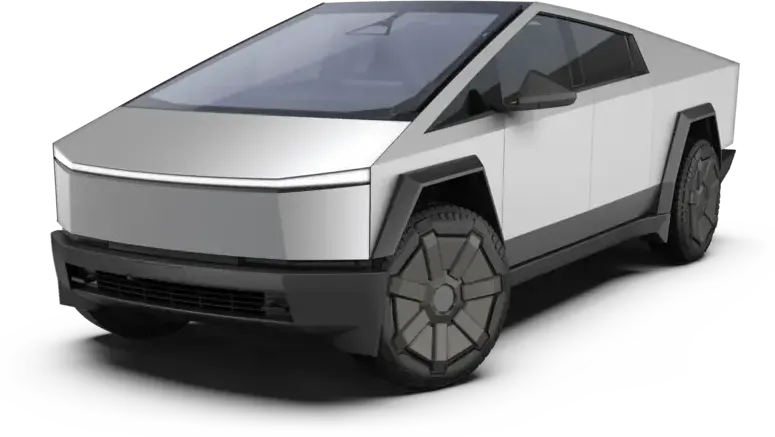
Tesla Cybertruck
Score: 59/100
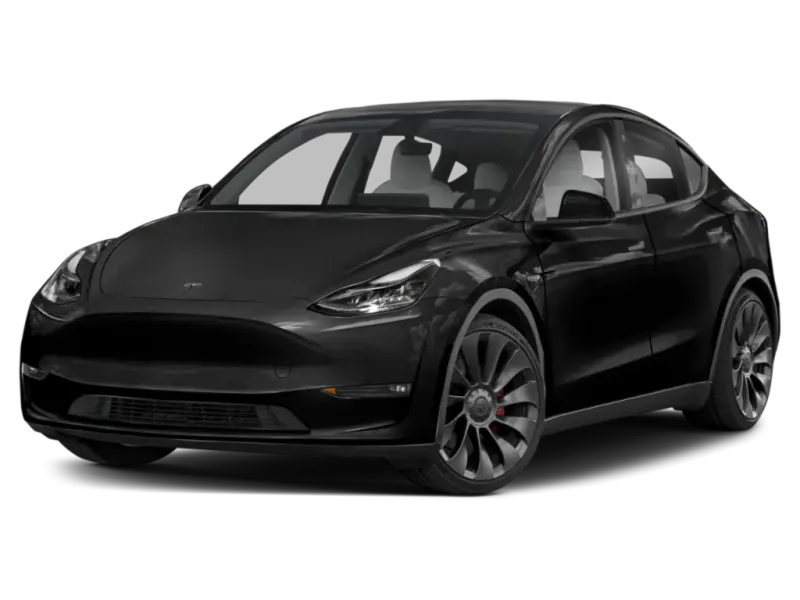
Tesla Model 3
Score: 59/100
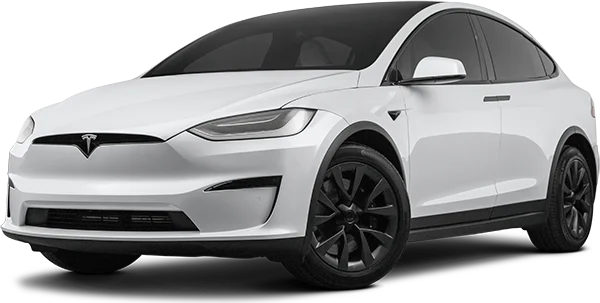
Tesla Model X
Score: 66/100
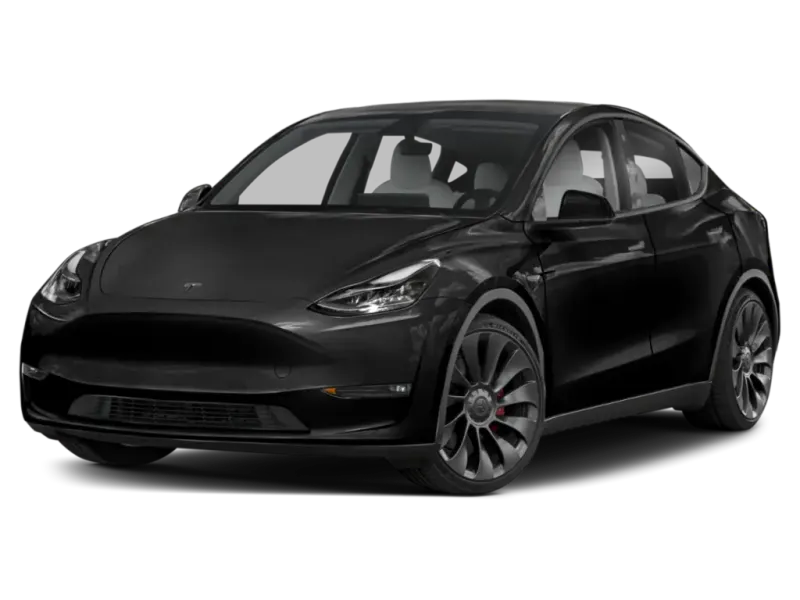
Tesla Model Y
Score: 70/100
Browse More 2018 Vehicles
2018 Lexus RX
Score: 85/100
2018 Nissan Murano
Score: 82/100
2018 Lexus IS
Score: 81/100
2018 Lexus ES
Score: 80/100
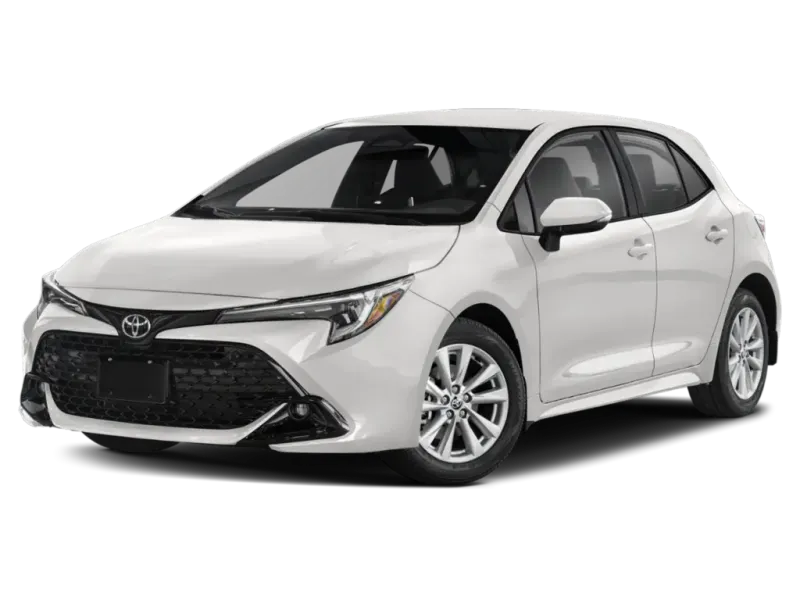
2018 Toyota Corolla
Score: 80/100
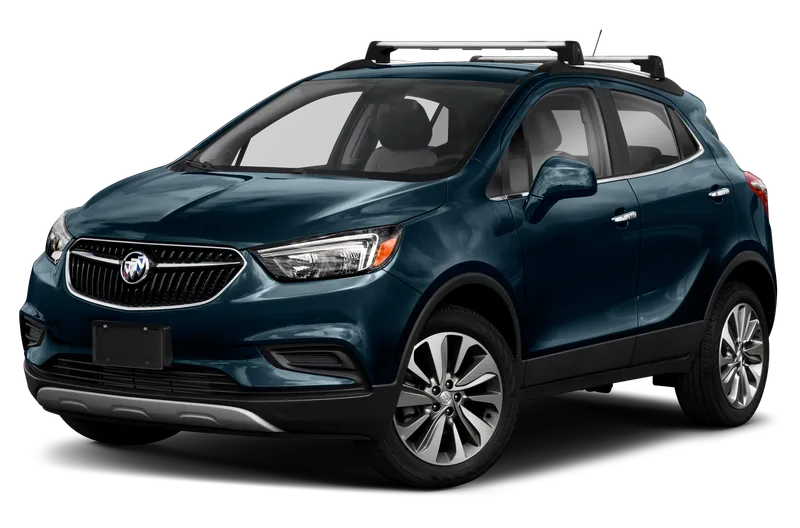
2018 Buick Encore
Score: 80/100
See incorrect data? Report an issue