Last updated: 2026-10-10
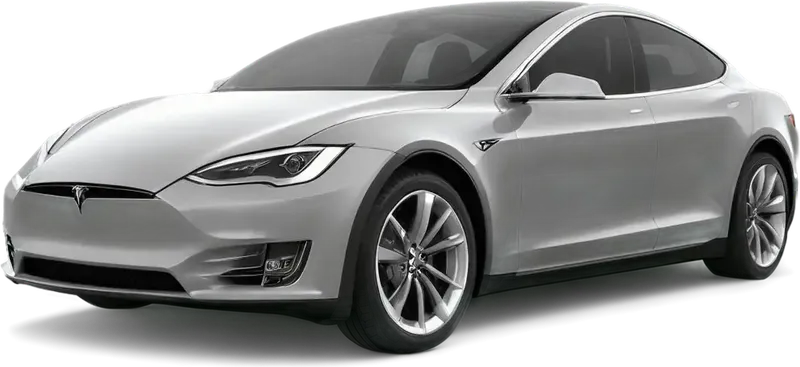
2023 Tesla Model S Reliability Report
The 2023 Tesla Model S rates risky, well below other 2023 sedans, with steering veers and low-speed surges leading owner complaints.
Recalls
43
Complaints
1307
Complaint Rate
489.5per 10,000 sold
Est. Repair Cost
$832
EV Range
405 mi
Detailed Score Breakdown
Component-weighted complaints normalized by sales volume
Independent repair cost ratings
Recall count weighted by severity
Breadth of reported problem categories
The Verdict
Risky standing, with 43 recalls and far more complaints than 2022 or 2024, led by steering veers and sudden low-speed acceleration.
Top Issues to Watch
- STEERING (239)
- FORWARD COLLISION AVOIDANCE (218)
- VEHICLE SPEED CONTROL (141)
Generation & Refresh (US)
2023 is 2 years after the second major facelift refresh.
- Year 11 in the First generation (Model S) (2013–present).
- Well-established in its generation — most early issues should be resolved.
- 1st generation Model S (US).
What this means for buyers
Post-refresh years tend to be among the most refined — updates have been applied and early kinks worked out.
2013: First generation (Model S) Launch
Generation start — new platform.
2017: Mid-Cycle Refresh
Updated features and styling tweaks.
2021: Mid-Cycle Refresh
Updated features and styling tweaks.
2023: This Model Year
2023 is 2 years after the second major facelift refresh.
Should You Buy the 2023 Tesla Model S?
Risky is the standing for this year. It sits well below average among 2023 sedans and ranks among the weaker of the eight scored Model S years. Both neighbors rate better. The 2022 and 2024 are each mixed, with 796 and 316 complaints. This year has 1,307 complaints and 43 recalls.
Steering leads the complaints. Owners describe the car veering to one side while the wheel stiffens or locks, sometimes with Autopilot off. Emergency braking fails two ways: it does not engage before rear-end crashes, or it brakes hard on an empty road. Others report a sudden surge at low speed while parking, usually with no warning light. Many of these filings name a Model Y, so treat them as things to check. Recalls touch steering, air bags, seat belts, brakes and the electrical system.
Ask for proof that every recall was completed. Have the suspension and tires inspected for creaks, inner-edge wear and loose lower control arm bolts. A 2022 or 2024 is worth pricing against this one.
Compared to the 2024 Tesla Model S, which scored 10 points higher. See also the 2022 Tesla Model S for an earlier comparison.
Pros
- +5-star NHTSA crash rating
- +Well-established generation
Cons
- −Below-average reliability score
- −Above-average recall count
- −Above-average complaint rate for Sedan
- −STEERING: Main pattern is the car suddenly veering to one side while the steering wheel... (239 complaints)
- −FORWARD COLLISION AVOIDANCE: Automatic emergency braking fails in two opposite ways (218 complaints)
- −1 fatality report in owner complaints
- −5 fire incidents reported in owner complaints
Compare 2023 Tesla Model S With
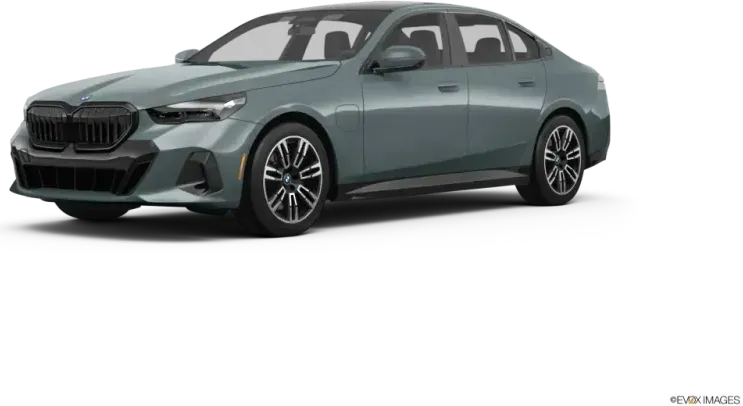
2023 BMW 5 Series
Reliability: 70/100
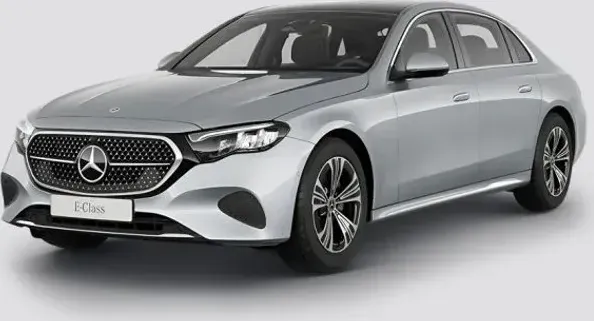
2023 Mercedes-Benz E-Class
Reliability: 63/100
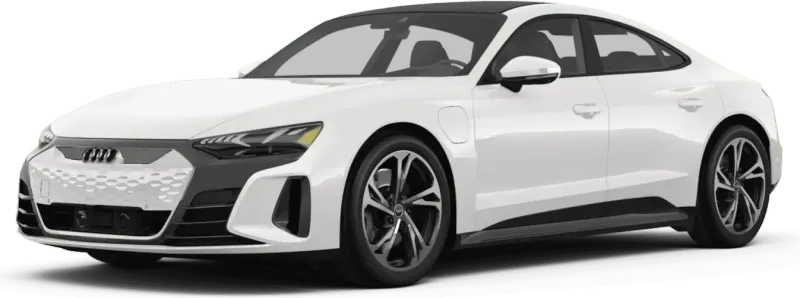
2023 Audi e-tron GT
Reliability: 65/100
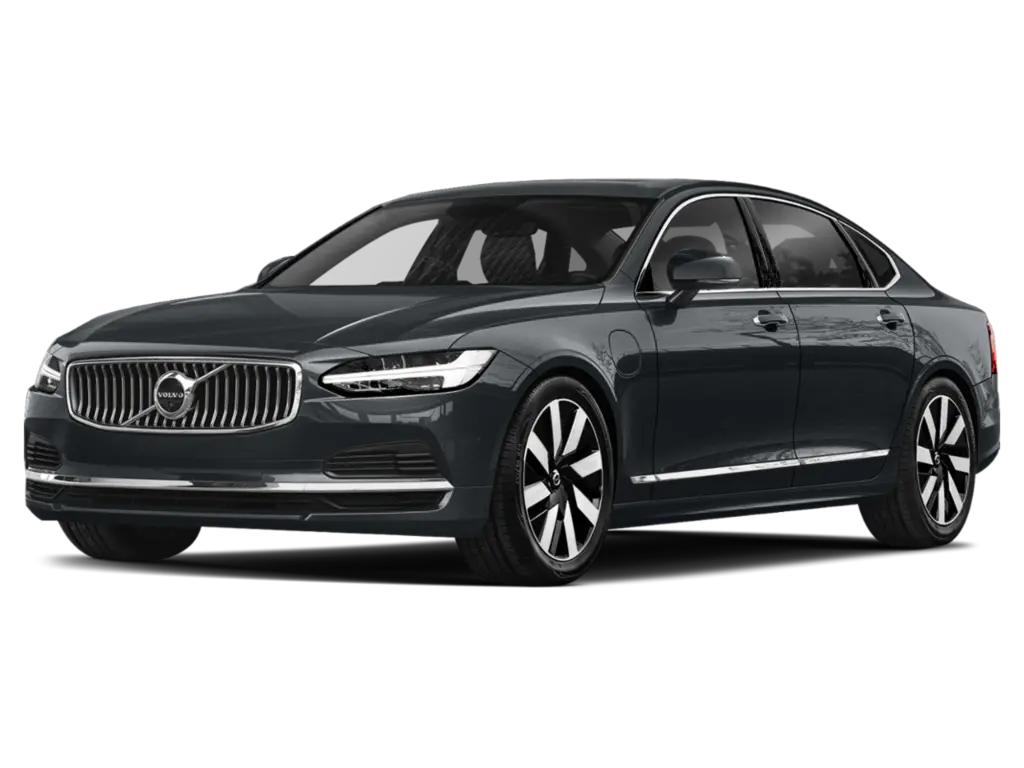
2023 Volvo S90
Reliability: 65/100
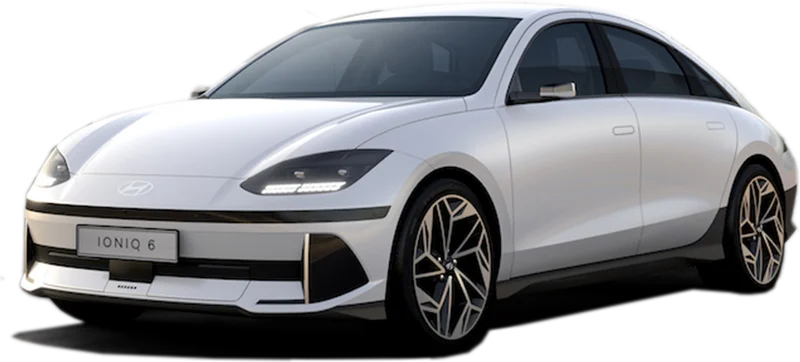
2023 Hyundai Ioniq 6
Reliability: 69/100
Common Problem Categories
Safety
LOW RISK- 43 manufacturer recalls issued
Other
HIGH RISK- STEERING (239)
- FORWARD COLLISION AVOIDANCE (218)
Recall Overview
43
recalls on record
The 2023 Tesla Model S has 43 recalls on record, which is above average. A high count can flag multiple component concerns, though it also shows the manufacturer is actively addressing known issues.
NHTSA.gov →Complaint Breakdown
489.5
per 10,000 soldSegment avg: 14.4
Safety Incidents
153
Crashes
5
Fires
74
Injuries
1
Deaths
NHTSA 5/5 Stars
Data sourced from NHTSA complaint filings and manufacturer recall notices. Complaint narratives are owner-reported.
2023 Tesla Model S Recall Details
43 recalls have been issued for the 2023 Tesla Model S. All recall repairs are performed free of charge at authorized dealerships.
STEERING
Tesla, Inc. (Tesla) is recalling certain 2023 Model 3 and Model Y vehicles operating software prior to 2023.38.4. The printed circuit board for the electronic power steering assist may experience an overstress condition, causing a loss of power steering assist when the vehicle reaches a stop and then accelerates again.
Consequence
A loss of power steering assist can require greater steering effort, especially at low speeds, increasing the risk of a crash.
Remedy
Tesla has released an over-the-air (OTA) software update, free of charge. Owner notification letters were mailed March 25, 2025. Owners may contact Tesla customer service at 1-877-798-3752. Tesla's number for this recall is SB-25-00-004.
SEATS, SEAT BELTS
Tesla, Inc. (Tesla) is recalling certain 2022-2023 Model Y vehicles. The bolts securing the second-row seat back frames may not have been securely tightened.
Consequence
A loose seat frame bolt may reduce the seat belt system's performance, increasing the risk of injury during a crash.
Remedy
Tesla Service Centers will inspect and tighten the bolts as necessary, free of charge. Owner notification letters are expected to be mailed April 25, 2023. Owners may contact Tesla customer service at 1-877-798-3752. Tesla's number for this recall is SB-23-13-001.
AIR BAGS
Tesla, Inc. (Tesla) is recalling certain 2021-2023 Model X vehicles. The restraint control module (RCM) calibration may cause the front passenger air bag to deploy incorrectly during certain low speed crashes. As such, these vehicles fail to comply with the requirements of Federal Motor Vehicle Safety Standard number 208, "Occupant Crash Protection."
Consequence
A passenger air bag that does not deploy as intended increases the risk of injury during a crash.
Remedy
Tesla has released an over-the-air (OTA) software update to recalibrate the RCM, free of charge. Owner notification letters were mailed January 14, 2023. Owners may contact Tesla customer service at 1-877-798-3752. Tesla's number for this recall is SB-22-00-015.
Showing 10 of 23 recalls. View all on NHTSA.gov →
43 recalls and a score of 32 — check any 2023 Tesla Model S before buying
With a below-average reliability score, a VIN check is especially important. Uncover hidden accidents, title problems, odometer rollbacks, and open recalls that data alone can't show you.
- Accidents
- Open Recalls
- Title History
- Odometer Rollback
2023 Tesla Model S NHTSA Safety Ratings
Overall Safety Rating
Crash Test Results by Configuration (expand)
Gas Powertrain
Rollover risk: 7.9%
Safety Technologies
Tesla Model SRepair Costs & Maintenance
Maintenance Rating
2Maintenance rating: 2 out of 5Based on NHTSA complaint patterns, recall severity, and publicly available cost benchmarks.
Est. Annual Maintenance
$832
Category-level averages derived from publicly available industry reports (AAA, CarMD). Model-level estimates produced by Auto Reliability Index.
2023 Tesla Model S Example Repair Prices
National average price ranges for common repairs. These are not model-year-specific failure predictions.
| Repair | Estimated Cost |
|---|---|
| No Start Diagnosis | $122 – $179 |
| Tire Pressure Monitor Lamp Diagnosis | $122 – $179 |
| General Diagnosis | $122 – $179 |
| General Diagnosis | $122 – $179 |
| Noise Diagnosis | $122 – $179 |
| Tire Pressure Monitor Lamp Diagnosis | $122 – $179 |
| Noise Diagnosis | $122 – $179 |
| Vibration Diagnosis | $122 – $179 |
| Check Engine Light Diagnosis & Testing | $122 – $179 |
| AC Diagnosis | $122 – $179 |
Estimates based on national average repair costs. Actual costs may vary by location and shop.
MPG & Annual Running Costs
Electric
405 mi range
Fuel cost: $650/yr
Fuel only
28.18 kWh/100mi · 15 hrs @ 240V
Based on EPA fuel-cost estimates. Excludes routine maintenance, depreciation, and insurance. Data as of 2023 EPA label cycle.
Electric trims
| Trim | Drive | Trans. | Range | kWh/100mi | Fuel Cost |
|---|---|---|---|---|---|
| Model S | All-Wheel Drive | Automatic (A1) | 405 mi | 28.2 | $650 |
Used Buying Checklist
Key things to inspect or verify before purchasing a 2023 Tesla Model S.
Inspect the inner edges of all four tires for heavy wear and ask for alignment records.
Drive over speed bumps and through tight turns, listening for clunks, creaks or pops from the front suspension.
Have a shop check the front lower control arm bolts for looseness or missing hardware.
On a straight, empty road, confirm the car tracks straight and the steering never stiffens or pulls.
Drive at 20 to 40 mph on an open road and watch for false automatic braking.
Ask for service records of any rear motor inverter or drive unit replacement or power-reduced warnings.
Open the powered liftgate with an object in its path and confirm it stops and reverses.
Creep in and out of a parking space several times and confirm the car responds smoothly to the pedals.
2023 Tesla Model S Common Problems by Component
1307 owner complaints grouped by vehicle system.
STEERING
239 complaintsSafety-relatedModel S steering problems across all model years
The main pattern is the car suddenly veering to one side while the steering wheel stiffens or locks. Drivers describe the car pulling left or right on its own, sometimes with Autopilot and FSD off, and the wheel turning without moving the front tires. Many of these events end in crashes into trees, poles, parked cars or oncoming traffic, and 27 of 239 filings involve a crash. A smaller group objects to the small touch-sensitive horn button on the wheel spoke. Most excerpts name a Model Y, not a Model S.
FORWARD COLLISION AVOIDANCE
218 complaintsSafety-relatedModel S automatic emergency braking problems across all model years
Automatic emergency braking fails in two opposite ways. Some reports say it never engaged before rear-end crashes in stopped traffic, fog or rain, and the collision warning stayed silent. Others describe phantom braking on empty roads, set off by glare or by nothing, hard enough to cause whiplash or a hit from behind. Several drivers link the problem to Autopilot, autosteer or FSD, or to a recent software update. Most filings in this group name a Model Y.
UNKNOWN OR OTHER
205 complaintsSafety-relatedDriver-assistance and software surprises make up most of this mixed group. Reports describe FSD taking wrong turns or accelerating at low speed, and Smart Summon and the camera parking view missing poles and low obstacles. Sudden shutdown warnings stop cars on the highway. Many drivers say they could not find the small steering wheel horn button in time to avoid a crash. Other reports cover regenerative braking during hydroplaning and the car closing a garage door on itself. Of 205 filings, 20 involve a crash.
VEHICLE SPEED CONTROL (141 complaints)
VEHICLE SPEED CONTROL
141 complaintsSafety-relatedModel S acceleration and cruise control problems across all model years
Nearly every report here describes sudden unintended acceleration at low speed. Drivers say the car surges while parking, pulling into a garage, inching up to a parking-gate ticket machine or lifting off the pedal to use regenerative braking, and the brakes often seem not to respond. Cars hit walls, garage interiors, parked cars and, in one case, a pedestrian. Most accounts say no warning lights came on beforehand. Some events happen in the first weeks of ownership, at 1,800 miles or less. Most filings name a Model Y.
ELECTRICAL SYSTEM (96 complaints)
ELECTRICAL SYSTEM
96 complaintsSafety-relatedModel S electrical problems across all model years
Unintended acceleration leads this group too. Drivers describe the car lunging from a stop or during a turn while the brake is pressed, then hitting parked cars, trees or barriers. Other reports cover sudden power loss with hard braking at highway speed, parking sensors that show the wrong distance and auto-park backing into poles. Two filings involve fire, one after rain soaked the interior through an open window. Of 96 complaints, 21 involve a crash, with 12 injuries reported.
SERVICE BRAKES (75 complaints)
SERVICE BRAKES
75 complaintsSafety-relatedModel S brake problems across all model years
The main complaint is brakes that feel weak or unresponsive in a hard stop. Drivers say they pressed the pedal fully while the car kept creeping or rolling into the vehicle ahead, sometimes together with unintended acceleration. Phantom braking also appears, including events that spun a car into a barrier or left it stuck in traffic. A few reports say car wash mode stopped the car abruptly. Of 75 filings, 13 involve a crash. Most excerpts name a Model Y or Model X.
SUSPENSION (62 complaints)
SUSPENSION
62 complaintsSafety-relatedThe clearest pattern is front lower control arm bolts working loose, usually reported between 19,200 and 49,000 miles. Clunking, creaking or popping over bumps and in turns comes first, along with steering that feels loose. In worse cases the arm detaches, the wheel jams and steering is lost. Most of these bolt reports name a Model Y. Separately, severe wear on the inner edge of the tires shows up at 12,928 and 23,506 miles, and owners blame factory camber. This wear includes Model S Plaid reports and one freeway tread separation.
STRUCTURE (29 complaints)
STRUCTURE
29 complaintsSafety-relatedMost injuries here come from powered doors and liftgates that close without sensing a person. Reports describe liftgates dropping onto heads and fingers, including one fatal skull fracture, and Model X falcon wing doors hitting children and adults. Other complaints cover liftgate water leaks, wind whistle from the windshield above 80 mph, wheel trim and the underbody shield falling off in rain, and roof glass cracking from small road debris. The 29 filings include 9 injuries.
AIR BAGS (29 complaints)
AIR BAGS
29 complaintsSafety-relatedThe dominant complaint is airbags that fail to deploy in serious crashes. Owners describe frontal, head-on and T-bone impacts with no deployment, sometimes with the driver's head hitting the steering wheel or the car being totaled. One report mentions white powder and a burning smell with no visible airbag. Many other filings here actually describe unintended acceleration, phantom braking or loss of control on wet roads, and mention airbags only in passing. Crashes appear in 17 of 29 filings, with 11 injuries.
POWER TRAIN (23 complaints)
POWER TRAIN
23 complaintsSafety-relatedThe clearest pattern is rear motor inverter or rear drive unit failure that cuts power at highway speed. Warnings appear for reduced power and disabled emergency braking. The car slows sharply, then refuses to shift, sometimes within the first 130 miles. Other reports describe sudden total shutdowns in traffic with no hazard lights or door releases, a parking brake that locked up, unintended acceleration crashes, and an interior fire after rain. Five of 23 filings involve a crash.
When Do 2023 Tesla Model S Problems Start?
Based on owner complaint patterns, here's when common issues tend to appear.
Best & Worst Tesla Model S Years
Best Tesla Model S Years to Buy
Based on reliability index scoreTesla Model S Years to Avoid
Tesla Model S Reliability Score Trend
Scores 0–100. Higher is better. Current year highlighted.
| Year | Score | Rating |
|---|---|---|
| 2018 | 46/100 | Mixed |
| 2019 | 48/100 | Mixed |
| 2020 | 37/100 | Risky |
| 2021 | 26/100 | Risky |
| 2022 | 44/100 | Mixed |
| 2023 | 32/100 | Risky |
| 2024 | 42/100 | Mixed |
| 2025 | 50/100 | Mixed |
Tesla Model S Reliability Compared to Other Years
2023 Tesla Model S Common Questions
4 questions from 2023 Tesla Model S owners.
wipers are not working
my tesla Y wipers are not working and water is coming from bottom
Can you tell me if you can switch the 3 antennas in your old side mirrors to your new side mirrors that don't come with them?
2018 Tesla model 3 Can you tell me if you can switch the 3 antennas in your old side mirrors to your new side mirrors that don't come with them? Comes with blue connector but not the 2 antenna connectors in the RH mirror and the 1 antennas connector in the LH mirror. Wanting to use these antennas on new mirror. Are they easy to switch to new mirrors that do not come with the antennas?
wipers are not working
my tesla Y wipers are not working and water is coming from bottom
Can you tell me if you can switch the 3 antennas in your old side mirrors to your new side mirrors that don't come with them?
2018 Tesla model 3 Can you tell me if you can switch the 3 antennas in your old side mirrors to your new side mirrors that don't come with them? Comes with blue connector but not the 2 antenna connectors in the RH mirror and the 1 antennas connector in the LH mirror. Wanting to use these antennas on new mirror. Are they easy to switch to new mirrors that do not come with the antennas?
Frequently Asked Questions
Is the 2023 Tesla Model S reliable?
What are the most common problems with the 2023 Tesla Model S?
Does the 2023 Tesla Model S have unintended acceleration problems?
How many recalls does the 2023 Tesla Model S have?
Is the 2023 Tesla Model S better than the 2022 or 2024?
Don’t buy a 2023 Tesla Model S without checking its VIN first — hidden accidents, title issues, and open recalls could cost you thousands.
How we score the 2023 Tesla Model S
Of the four inputs behind this score, the 2023 Tesla Model S does best on how many systems draw complaints (50/100) and worst on complaint severity (12/100). Scores weight complaint severity at 35%, repair costs at 30%, recall impact at 20%, and the spread of complaints across systems at 15%, with complaint counts adjusted for US sales. Read the full methodology.
Get notified when new recalls or reliability data is added for the Tesla Model S.
No spam. Only data updates for this model.
Browse More Tesla Models
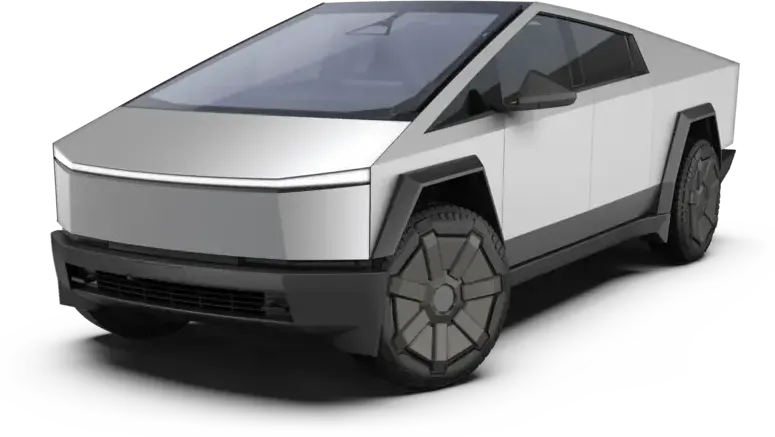
Tesla Cybertruck
Score: 59/100
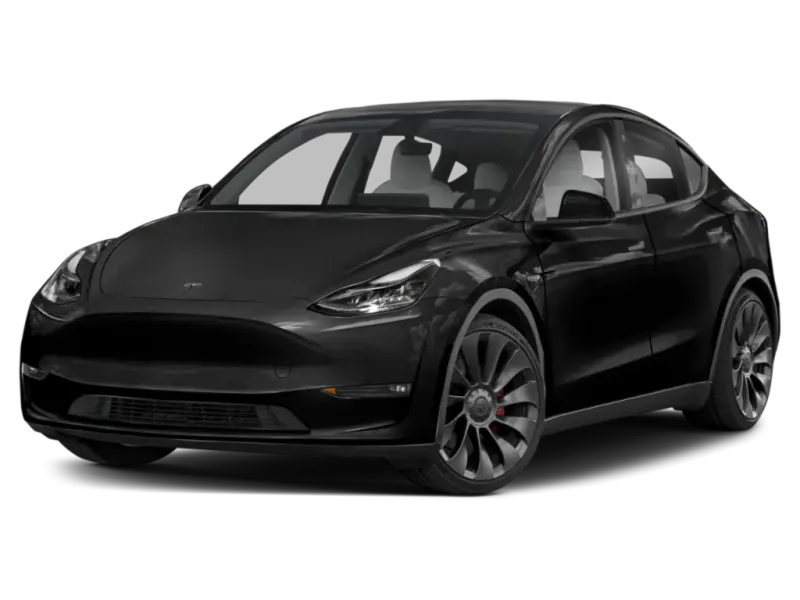
Tesla Model 3
Score: 59/100
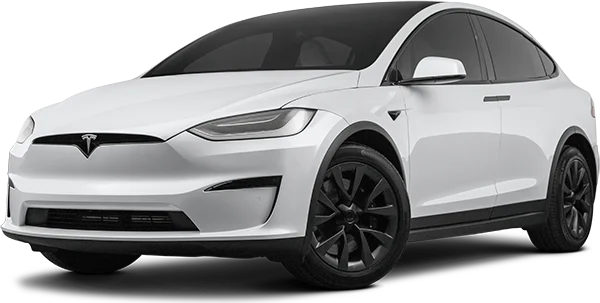
Tesla Model X
Score: 66/100
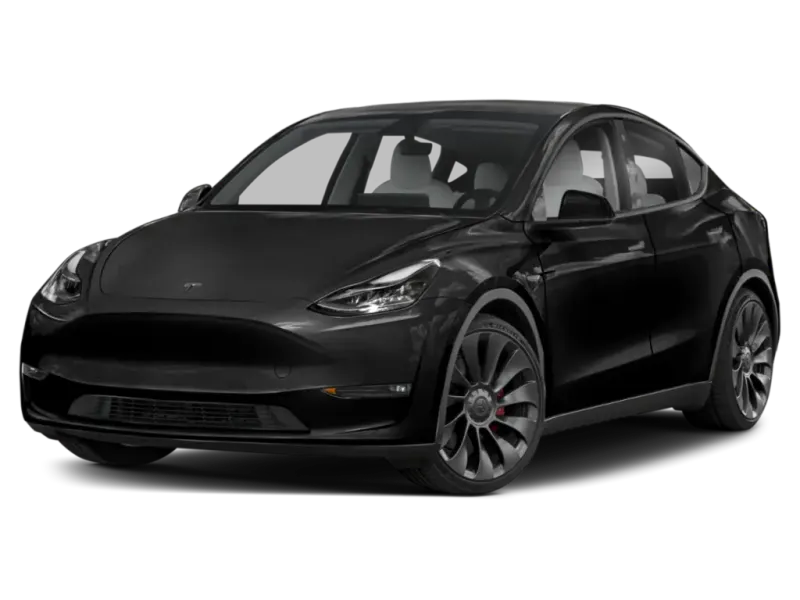
Tesla Model Y
Score: 70/100
Browse More 2023 Vehicles
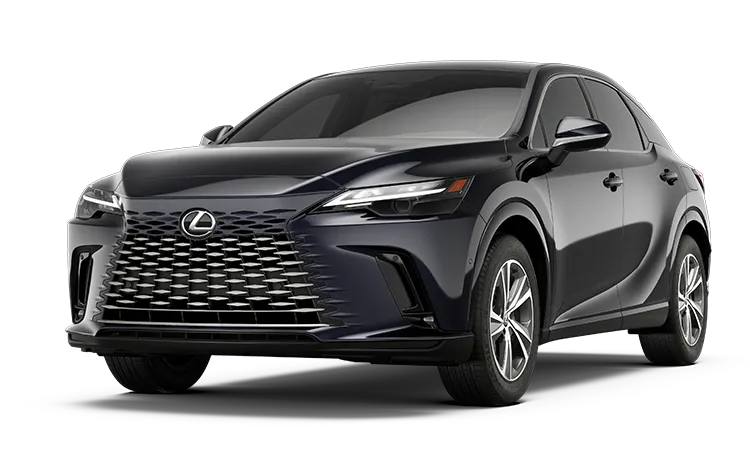
2023 Lexus RX
Score: 85/100
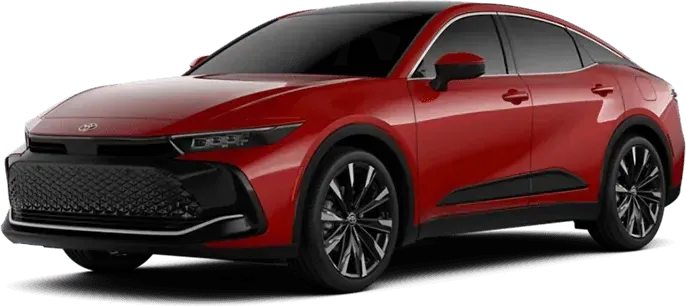
2023 Toyota Crown
Score: 84/100
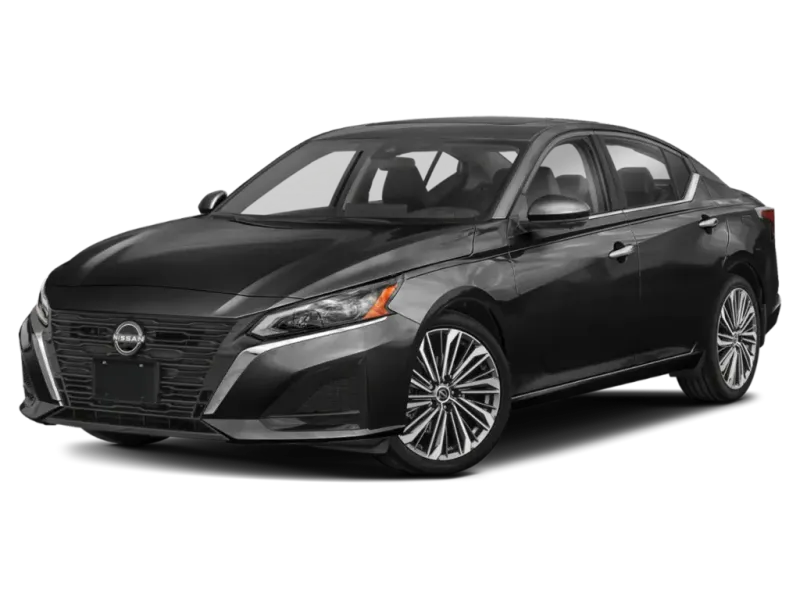
2023 Nissan Altima
Score: 84/100
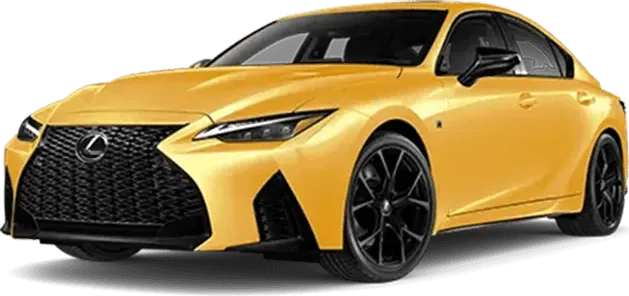
2023 Lexus IS
Score: 83/100
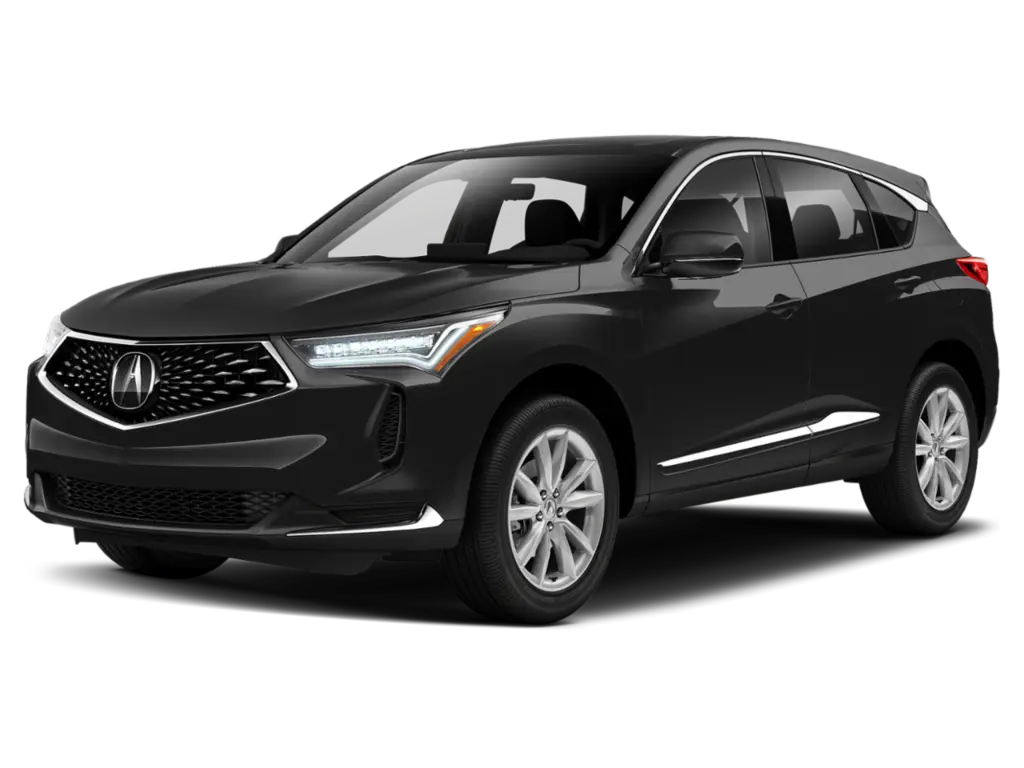
2023 Acura RDX
Score: 82/100
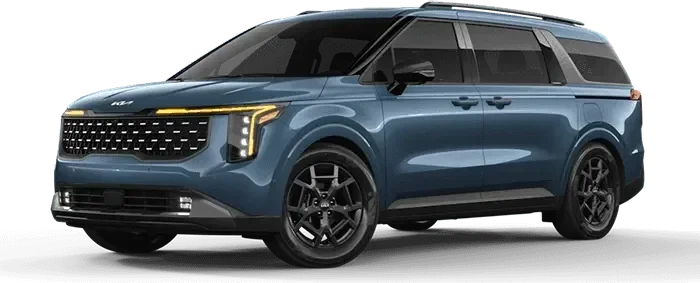
2023 Kia Carnival
Score: 82/100
See incorrect data? Report an issue