Last updated: 2026-10-10
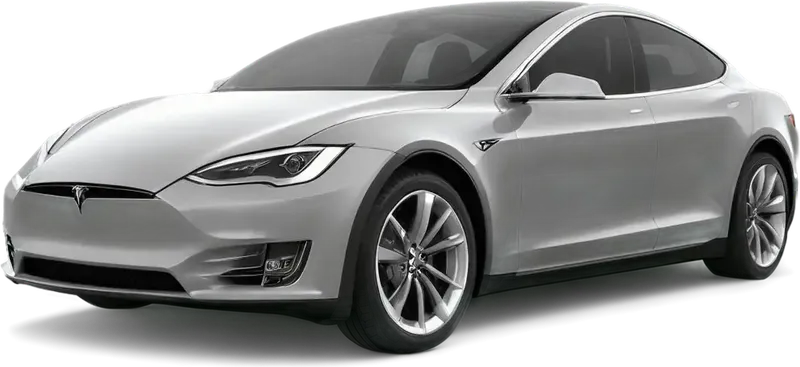
2025 Tesla Model S Reliability Report
The 2025 Tesla Model S rates mixed, with AP4 driver-assist computer failures on nearly new cars as the main problem.
Recalls
7
Complaints
94
Complaint Rate
102.2per 10,000 sold
Est. Repair Cost
$832
EV Range
312–410 mi
Detailed Score Breakdown
Component-weighted complaints normalized by sales volume
Independent repair cost ratings
Recall count weighted by severity
Breadth of reported problem categories
The Verdict
Best of the eight scored Model S years, with far fewer complaints and recalls than 2024, though AP4 computer failures hit cars under 1,000 miles.
Top Issues to Watch
- ELECTRICAL SYSTEM (16)
- FORWARD COLLISION AVOIDANCE (11)
- SERVICE BRAKES (10)
Generation & Refresh (US)
2025 is 4 years after the second major facelift refresh.
- Year 13 in the First generation (Model S) (2013–present).
- Well-established in its generation — most early issues should be resolved.
- 1st generation Model S (US).
What this means for buyers
Post-refresh years tend to be among the most refined — updates have been applied and early kinks worked out.
2013: First generation (Model S) Launch
Generation start — new platform.
2017: Mid-Cycle Refresh
Updated features and styling tweaks.
2021: Mid-Cycle Refresh
Updated features and styling tweaks.
2025: This Model Year
2025 is 4 years after the second major facelift refresh.
Should You Buy the 2025 Tesla Model S?
Mixed is the fair verdict. This is the best of the eight scored Model S years, yet it sits well below average against other 2025 sedans. The 2024 year also rates mixed but worse, with 316 complaints and 19 recalls against 94 complaints and 7 recalls here.
The main problem is the AP4 driver-assist computer. Owners report it failing on nearly new cars, between 73 and 1,000 miles, and knocking out every camera, the backup camera, navigation, cruise control, lane keeping and automatic emergency braking at once. Repairs dragged for weeks because parts were back-ordered. Other filings describe hard braking with nothing ahead and lane-keeping failures that ended in crashes. Two electrical filings involve fire. Many excerpts describe Model Y and Model X cars, so treat them as warning signs, not proof for this sedan.
Ask for federal recall records covering back over prevention, electrical system, tires and air bags, and confirm each is closed. Ask whether the AP4 computer has been replaced, and test every camera and driver-assist feature.
See also the 2024 Tesla Model S for an earlier comparison.
Pros
- +5-star NHTSA crash rating
- +Well-established generation
Cons
- −Below-average reliability score
- −Above-average recall count
- −Above-average complaint rate for Sedan
- −ELECTRICAL SYSTEM issues reported (16 complaints)
- −1 fatality report in owner complaints
- −2 fire incidents reported in owner complaints
Compare 2025 Tesla Model S With
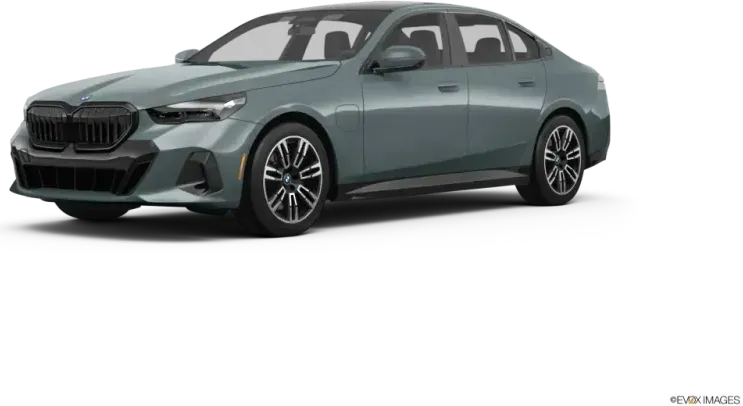
2025 BMW 5 Series
Reliability: 71/100
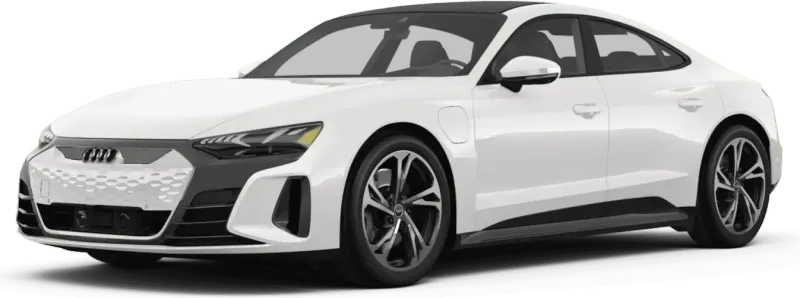
2025 Audi e-tron GT
Reliability: 75/100
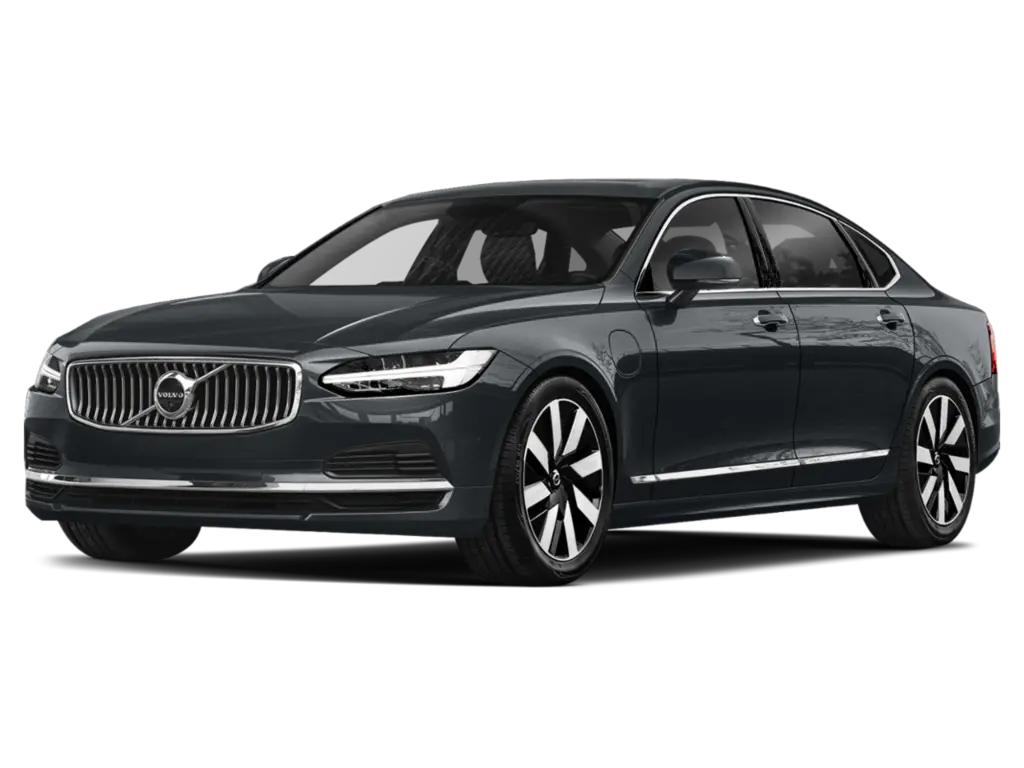
2025 Volvo S90
Reliability: 69/100
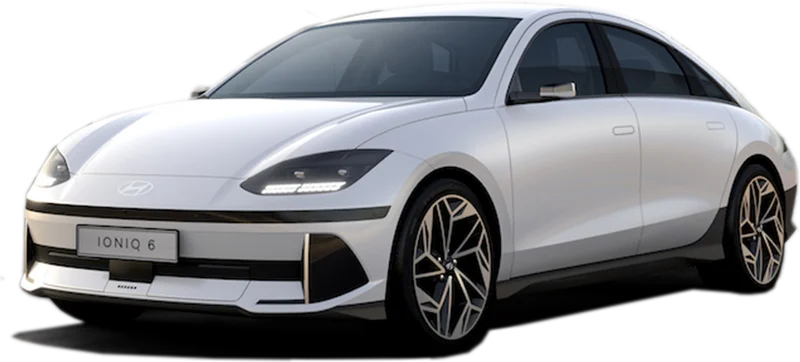
2025 Hyundai Ioniq 6
Reliability: 79/100
Common Problem Categories
Safety
LOW RISK- 7 manufacturer recalls issued
Other
HIGH RISK- ELECTRICAL SYSTEM (16)
- UNKNOWN OR OTHER (14)
Recall Overview
7
recalls on record
The 2025 Tesla Model S has 7 recalls on record, which is above average. A high count can flag multiple component concerns, though it also shows the manufacturer is actively addressing known issues.
NHTSA.gov →Complaint Breakdown
102.2
per 10,000 soldSegment avg: 2
Safety Incidents
23
Crashes
2
Fires
10
Injuries
1
Deaths
NHTSA 5/5 Stars
Data sourced from NHTSA complaint filings and manufacturer recall notices. Complaint narratives are owner-reported.
2025 Tesla Model S Recall Details
7 recalls have been issued for the 2025 Tesla Model S. All recall repairs are performed free of charge at authorized dealerships.
BACK OVER PREVENTION, ELECTRICAL SYSTEM
Tesla, Inc. (Tesla) is recalling certain 2024-2025 Model 3, Model S, 2023-2025 Model X, and Model Y vehicles. The computer circuit board may short, resulting in the loss of the rearview camera image. As such, these vehicles fail to comply with the requirements of Federal Motor Vehicle Safety Standard (FMVSS) number 111, "Rear Visibility."
Consequence
A rearview camera that does not display an image reduces the driver's rear view, increasing the risk of a crash.
Remedy
Tesla released an over-the-air (OTA) software update, free of charge. Tesla will also identify any vehicles that experienced a circuit board failure, or stress that may lead to a circuit board failure, and replace the affected computers, free of charge. Owner notification letters were mailed March 7, 2025. Owners may contact Tesla customer service at 1-877-798-3752. Tesla's number for this recall is SB-25-00-001.
TIRES
Tesla, Inc. (Tesla) is recalling certain 2024 Cybertruck, 2017-2025 Model 3, and 2020-2025 Model Y vehicles. The tire pressure monitoring system (TPMS) warning light may not remain illuminated between drive cycles, failing to warn the driver of low tire pressure. As such, these vehicles fail to comply with the requirements of Federal Motor Vehicle Safety Standard number 138, "Tire Pressure Monitoring Systems."
Consequence
Driving with improperly inflated tires increases the risk of a crash.
Remedy
Tesla released an over-the-air (OTA) software update, free of charge. Owner notification letters were mailed February 15, 2025. Owners may contact Tesla customer service at 1-877-798-3752. Tesla's number for this recall is SB-24-00-018.
AIR BAGS
Tesla, Inc. (Tesla) is recalling certain 2021-2025 Model S and Model X vehicles. The driver's air bag could tear during deployment. As such, these vehicles fail to comply with the requirements of Federal Motor Vehicle Safety Standard (FMVSS) numbers 208, "Occupant Crash Protection" and 212, "Windshield Mounting."
Consequence
A torn air bag may not adequately protect an occupant in a crash, increasing the risk of injury.
Remedy
Tesla service will replace the air bag assembly, free of charge. Owner notification letters were mailed February 21, 2025. Owners may contact Tesla customer service at 1-877-798-3752. Tesla's number for this recall is SB-24-20-001.
Buying a used 2025 Tesla Model S? Check its history first
Electrical system problems lead owner complaints about the 2025 Tesla Model S, and 7 recalls were issued for it. A VIN check shows whether this car's recall work was done, plus accident, title, and odometer history.
- Accidents
- Open Recalls
- Title History
- Odometer Rollback
2025 Tesla Model S NHTSA Safety Ratings
Overall Safety Rating
Crash Test Results by Configuration (expand)
Gas Powertrain
Rollover risk: 9.7%
Safety Technologies
Tesla Model SRepair Costs & Maintenance
Maintenance Rating
2Maintenance rating: 2 out of 5Based on NHTSA complaint patterns, recall severity, and publicly available cost benchmarks.
Est. Annual Maintenance
$832
Category-level averages derived from publicly available industry reports (AAA, CarMD). Model-level estimates produced by Auto Reliability Index.
2025 Tesla Model S Example Repair Prices
National average price ranges for common repairs. These are not model-year-specific failure predictions.
| Repair | Estimated Cost |
|---|---|
| No Start Diagnosis | $122 – $179 |
| Tire Pressure Monitor Lamp Diagnosis | $122 – $179 |
| General Diagnosis | $122 – $179 |
| General Diagnosis | $122 – $179 |
| Noise Diagnosis | $122 – $179 |
| Tire Pressure Monitor Lamp Diagnosis | $122 – $179 |
| Noise Diagnosis | $122 – $179 |
| Vibration Diagnosis | $122 – $179 |
| Check Engine Light Diagnosis & Testing | $122 – $179 |
| AC Diagnosis | $122 – $179 |
Estimates based on national average repair costs. Actual costs may vary by location and shop.
MPG & Annual Running Costs
Electric
312–410 mi range
Fuel cost: $600–$800/yr
Fuel only
27.131–36.141 kWh/100mi · 9.7–14 hrs @ 240V
Based on EPA fuel-cost estimates. Excludes routine maintenance, depreciation, and insurance. Data as of 2025 EPA label cycle.
Electric trims
| Trim | Drive | Trans. | Range | kWh/100mi | Fuel Cost |
|---|---|---|---|---|---|
| Model S | All-Wheel Drive | Automatic (A1) | 410 mi | 27.1 | $600 |
| Model S Plaid (19in wheels) | All-Wheel Drive | Automatic (A1) | 348 mi | 32.5 | $750 |
| Model S Plaid (21in wheels) | All-Wheel Drive | Automatic (A1) | 312 mi | 36.1 | $800 |
Used Buying Checklist
Key things to inspect or verify before purchasing a 2025 Tesla Model S.
Check every camera view, the backup camera and GPS navigation; a total camera outage points to driver-assist computer failure.
Ask for service records showing any AP4 computer replacement and how long the car waited for parts.
Drive on a highway with cruise control on and watch for hard braking with nothing ahead.
Shift between Drive and Reverse slowly in an empty lot and confirm the car moves the right way without surging.
Close the front trunk, then pull up on both sides to confirm it is fully latched before driving.
Inspect the windshield for cracks and seal gaps, and ask whether it was ever replaced.
Start the car and confirm no safety restraint or airbag warning stays on the screen.
Test the horn and both turn-signal buttons repeatedly, checking for weak sound or delayed response.
2025 Tesla Model S Common Problems by Component
94 owner complaints grouped by vehicle system.
ELECTRICAL SYSTEM
16 complaintsSafety-relatedModel S electrical problems across all model years
The driver-assist computer, called AP4, fails on nearly new cars and takes down every camera, the backup camera, GPS navigation, cruise control, lane keeping and automatic emergency braking at once. Several cars had under 1,000 miles. Owners describe weeks-long service waits and back-ordered parts. Other reports cover a horn that goes quiet in rain, a touchscreen that goes black until a hard reboot, and a front trunk lid that flies open at highway speed. Two filings involve fire, including smoke from the vents followed by flames in the dash. Most excerpts describe Model Y and Model X cars.
UNKNOWN OR OTHER
14 complaintsSafety-relatedThe car moves in the wrong direction: it reverses while in Drive, surges when shifted into reverse, or drops into Park in slow traffic. Three filings are crash-related, two of them involving the car backing into a wall or a parked truck. Full Self-Driving complaints describe approaching red lights without slowing, attempting illegal turns, and steering into a snow-covered lane. The horn fades in rain or snow, and windshields crack without impact, sometimes after defrosting. Turn signals cancel late. Most excerpts describe Model Y and Model X cars.
FORWARD COLLISION AVOIDANCE
11 complaintsSafety-relatedModel S automatic emergency braking problems across all model years
Hard, unexplained braking is the main complaint. Cruise control or Autopilot brakes sharply for vehicles in adjacent lanes, curve signs, or turning cars at a safe distance, raising rear-end risk. A Curvature Assist message appears on straight roads and cuts speed suddenly. Other reports describe Autopilot or Full Self-Driving veering toward adjacent traffic or into oncoming lanes. The AP4 computer failure also shows up here, disabling cameras and collision warnings within the first few hundred miles. Two filings are crash-related, one at 55 mph into roadside posts. Most excerpts describe Model Y and Model X cars.
SERVICE BRAKES (10 complaints)
SERVICE BRAKES
10 complaintsSafety-relatedModel S brake problems across all model years
Sudden hard braking with nothing ahead is the most common report, and two drivers describe whiplash from it. Automatic emergency braking switches itself back on every drive even after being turned off. Other filings describe the car not stopping despite firm pedal pressure, rolling forward while parked on a snowy driveway, and regenerative braking, traction control and stability control dropping out at random. One-pedal regenerative braking cannot be turned off, which owners call unsafe on ice. Two filings are crash-related. Most excerpts describe Model Y and Model X cars.
STEERING (7 complaints)
STEERING
7 complaintsSafety-relatedModel S steering problems across all model years
Lane-keeping failures under Full Self-Driving or Autopilot account for the most serious reports. The car leaves its lane and hits a divider, guard rail or tree, in one case disengaging about 1 second before impact. Four of seven filings are crash-related, with three injuries. A "Steering Assist reduced" alert leaves the wheel extremely hard to turn, forcing a tow on a car under 20 days old. The turn-signal button on the wheel or yoke works only intermittently, even after yoke replacement. Most excerpts describe Model Y and Model X cars.
VEHICLE SPEED CONTROL (6 complaints)
VEHICLE SPEED CONTROL
6 complaintsSafety-relatedModel S acceleration and cruise control problems across all model years
Unintended acceleration at low speed is the main pattern. The car lunges forward or shoots backward when shifted, when the brake is released, or during automatic parking, striking bollards, trees and garage contents. Three of six filings are crash-related, with three injuries. Other complaints say a Full Self-Driving update removed driver-set speed targets and that the system misreads speed limits by as much as 25 mph, causing abrupt speed changes. One report ties an AP4 computer failure to lost cameras and safety features within 700 miles. Most excerpts describe Model Y cars.
LANE DEPARTURE (5 complaints)
LANE DEPARTURE
5 complaintsSafety-relatedCameras and driver aids drop out when the AP4 computer fails, leaving no backup camera, GPS, collision warning or lane departure warning. One report adds side mirrors stuck dimmed in daylight. Failures arrive within weeks of delivery, then repair dates slip for weeks with no loaner offered. Three filings are crash-related: Full Self-Driving clipping a truck while changing lanes, the system shutting off mid-turn at highway speed, and the car backing into a parked car without any warning. Most excerpts describe Model Y cars.
AIR BAGS (4 complaints)
AIR BAGS
4 complaintsSafety-relatedAirbags fail to deploy in serious crashes. Three of four filings are crash-related, covering a T-bone collision that totaled the car, a high-speed side impact, and a 30 mph frontal hit into a tree. Two reports add that seat belts did not lock or retract. Another owner reports a front left safety restraint warning and a service wait of at least 10 days. Two filings report injuries. Most excerpts describe Model Y cars.
VISIBILITY/WIPER (3 complaints)
VISIBILITY/WIPER
3 complaintsWindshields crack when defrost runs in extreme cold, and owners say Tesla declines to cover the glass. Camera-based automatic wipers miss light rain and swipe a dry windshield, smearing bugs and sap. Turning them off does not stick, because they switch back on whenever Autopilot or Full Self-Driving is engaged. A third filing repeats the AP4 computer failure that disables cameras, driver aids and navigation. No crashes or injuries are reported in this category.
STRUCTURE (3 complaints)
STRUCTURE
3 complaintsDoors and the front trunk misbehave. A driver's door reports itself open when it is closed and locks occupants in or out at random, taking several service visits and replaced parts before it works. The front trunk lid flies open at highway speed and shatters the windshield, the same failure described under electrical complaints. A third filing describes Full Self-Driving reversing into a pole while parking. The excerpts involve Model X and Model Y cars, including one 2026 Model Y.
When Do 2025 Tesla Model S Problems Start?
Based on owner complaint patterns, here's when common issues tend to appear.
Best & Worst Tesla Model S Years
Best Tesla Model S Years to Buy
Based on reliability index scoreTesla Model S Years to Avoid
Tesla Model S Reliability Score Trend
Scores 0–100. Higher is better. Current year highlighted.
| Year | Score | Rating |
|---|---|---|
| 2018 | 46/100 | Mixed |
| 2019 | 48/100 | Mixed |
| 2020 | 37/100 | Risky |
| 2021 | 26/100 | Risky |
| 2022 | 44/100 | Mixed |
| 2023 | 32/100 | Risky |
| 2024 | 42/100 | Mixed |
| 2025 | 50/100 | Mixed |
Tesla Model S Reliability Compared to Other Years
2025 Tesla Model S Common Questions
4 questions from 2025 Tesla Model S owners.
wipers are not working
my tesla Y wipers are not working and water is coming from bottom
Can you tell me if you can switch the 3 antennas in your old side mirrors to your new side mirrors that don't come with them?
2018 Tesla model 3 Can you tell me if you can switch the 3 antennas in your old side mirrors to your new side mirrors that don't come with them? Comes with blue connector but not the 2 antenna connectors in the RH mirror and the 1 antennas connector in the LH mirror. Wanting to use these antennas on new mirror. Are they easy to switch to new mirrors that do not come with the antennas?
wipers are not working
my tesla Y wipers are not working and water is coming from bottom
Can you tell me if you can switch the 3 antennas in your old side mirrors to your new side mirrors that don't come with them?
2018 Tesla model 3 Can you tell me if you can switch the 3 antennas in your old side mirrors to your new side mirrors that don't come with them? Comes with blue connector but not the 2 antenna connectors in the RH mirror and the 1 antennas connector in the LH mirror. Wanting to use these antennas on new mirror. Are they easy to switch to new mirrors that do not come with the antennas?
Frequently Asked Questions
Is the 2025 Tesla Model S reliable?
What are the most common problems with the 2025 Tesla Model S?
Does the 2025 Tesla Model S have AP4 computer problems?
Does the 2025 Tesla Model S have braking problems?
Is the 2025 Tesla Model S better than the 2024?
Don’t buy a 2025 Tesla Model S without checking its VIN first — hidden accidents, title issues, and open recalls could cost you thousands.
How we score the 2025 Tesla Model S
Of the four inputs behind this score, the 2025 Tesla Model S does best on recall impact (71/100) and worst on complaint severity (37/100). Scores weight complaint severity at 35%, repair costs at 30%, recall impact at 20%, and the spread of complaints across systems at 15%, with complaint counts adjusted for US sales. Read the full methodology.
Get notified when new recalls or reliability data is added for the Tesla Model S.
No spam. Only data updates for this model.
Browse More Tesla Models
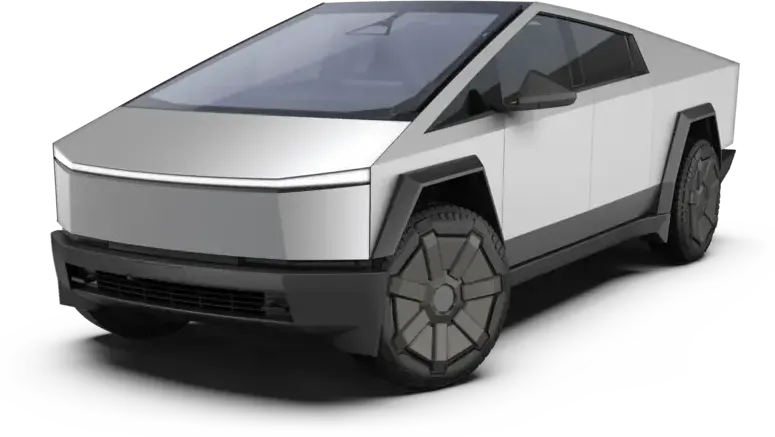
Tesla Cybertruck
Score: 59/100
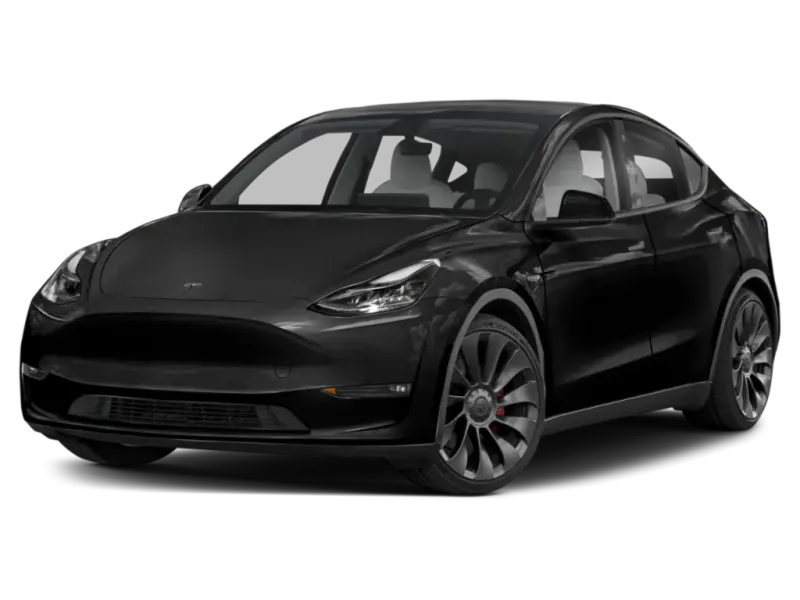
Tesla Model 3
Score: 59/100
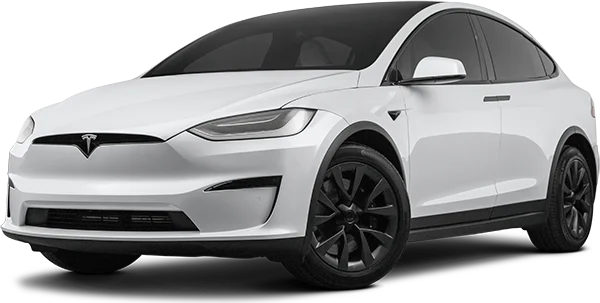
Tesla Model X
Score: 66/100
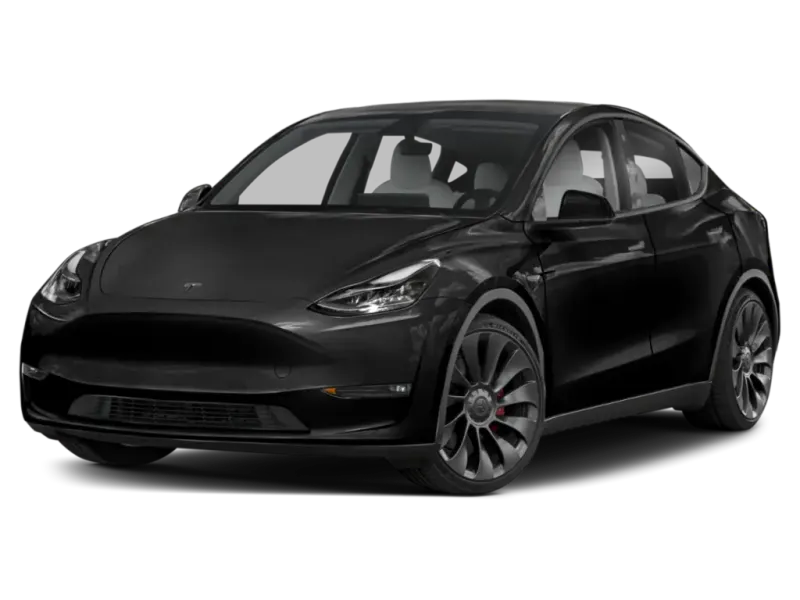
Tesla Model Y
Score: 70/100
Browse More 2025 Vehicles
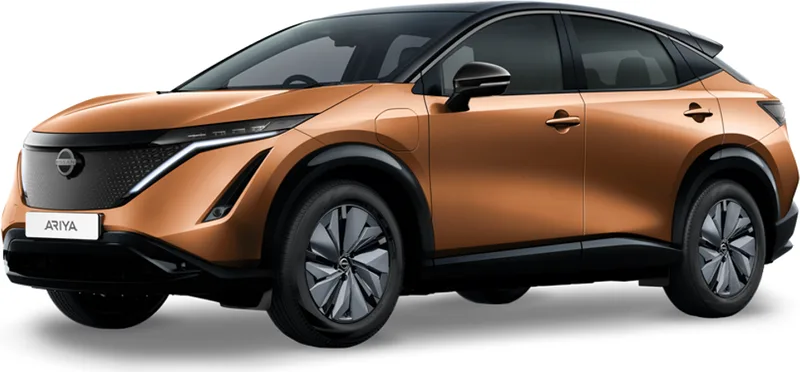
2025 Nissan Ariya
Score: 88/100
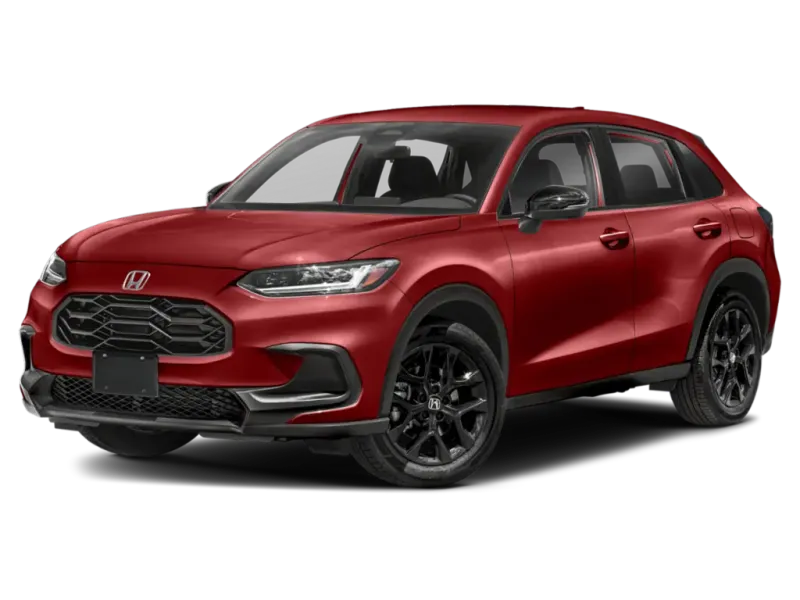
2025 Honda HR-V
Score: 88/100
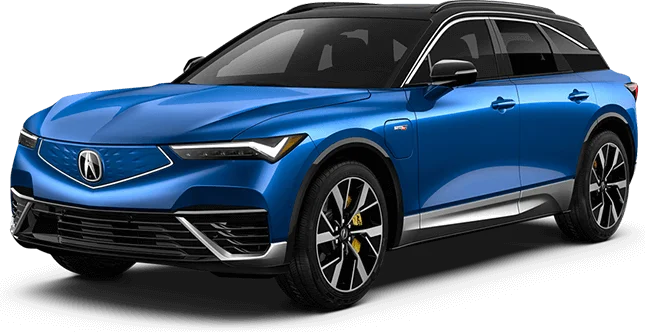
2025 Acura ZDX
Score: 88/100
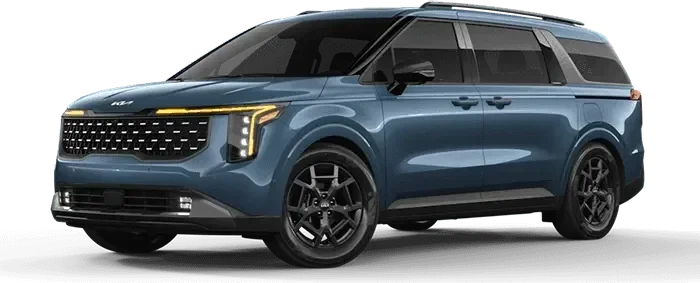
2025 Kia Carnival
Score: 88/100
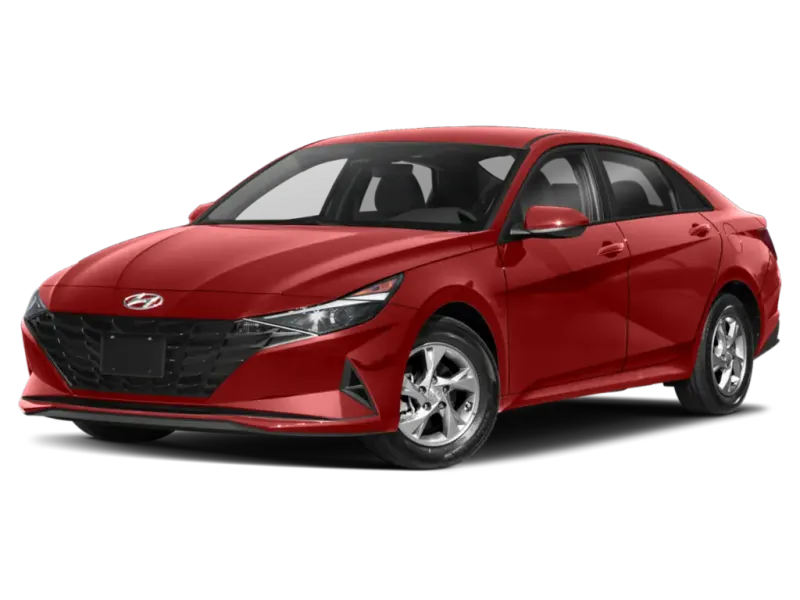
2025 Hyundai Elantra
Score: 87/100
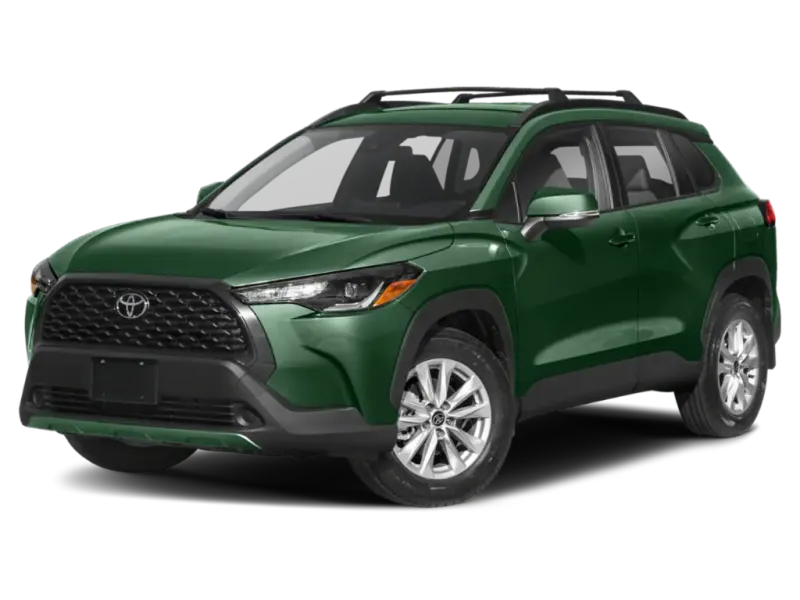
2025 Toyota Corolla Cross
Score: 86/100
See incorrect data? Report an issue