Last updated: 2026-10-10
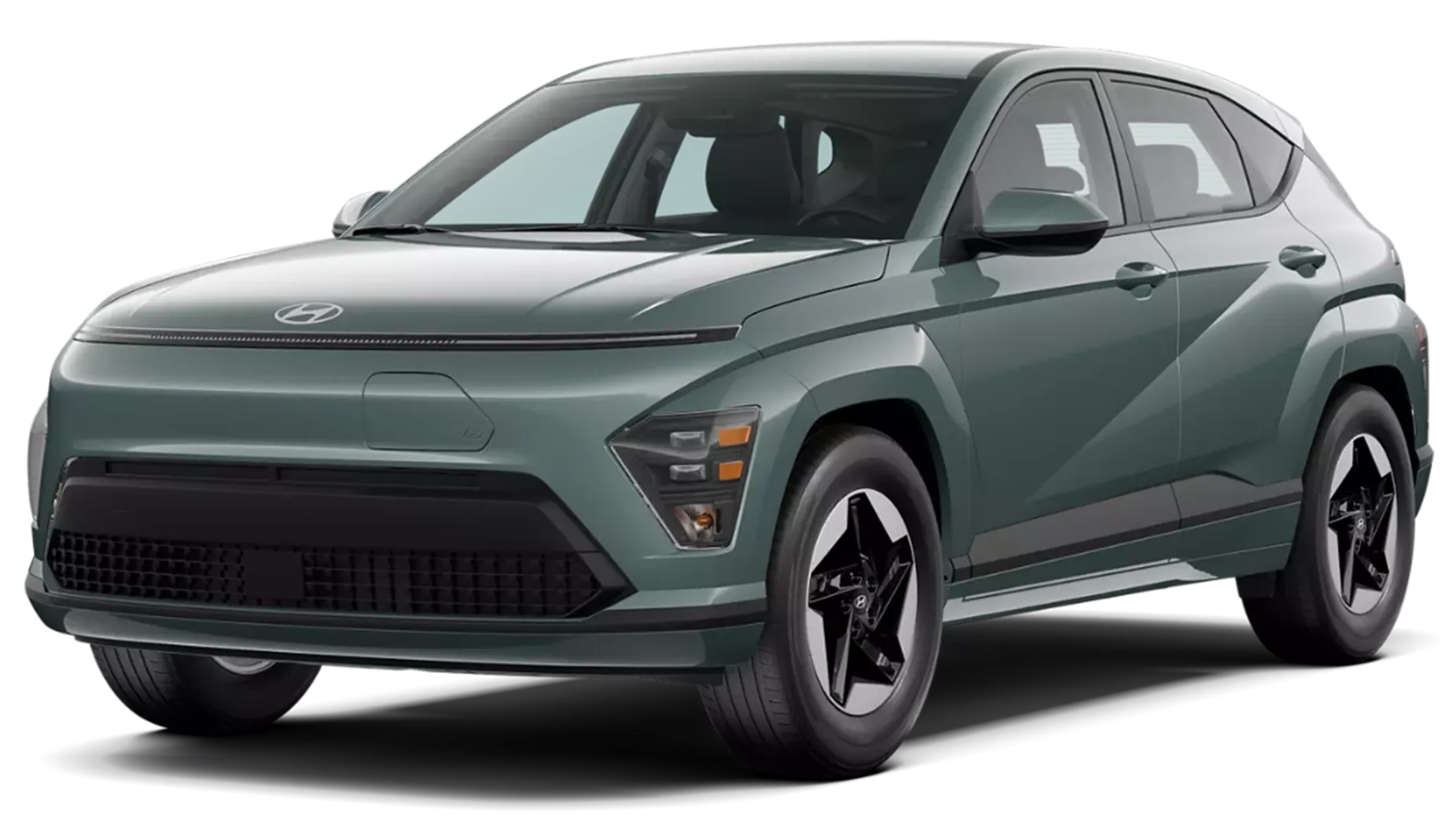
2020 Hyundai Kona Reliability Report
The 2020 Hyundai Kona has mixed reliability and rates well below other 2020 SUVs, mainly because of engines that lose oil and fail early.
Recalls
2
Complaints
140
Complaint Rate
18.4per 10,000 sold
Est. Repair Cost
N/A
Annual Fuel Cost
$2,000–$2,200
Detailed Score Breakdown
Component-weighted complaints normalized by sales volume
Independent repair cost ratings
Recall count weighted by severity
Breadth of reported problem categories
The Verdict
Oil-losing engines and two park-outside fire recalls leave this year among the weaker Konas, though it still earns five federal crash-test stars.
Top Issues to Watch
- ENGINE (76)
- ELECTRICAL SYSTEM (24)
- POWER TRAIN (19)
Generation & Refresh (US)
2020 is year 3 of the First generation (OS; 2018-2023).
- Redesigned for the 2018 model year.
- Well-established in its generation — most early issues should be resolved.
- A refresh arrives in 2021.
- 1st generation Kona (US).
What this means for buyers
Well into the generation cycle — most design and manufacturing issues should be resolved by now.
2018: First generation (OS; 2018-2023) Launch
Generation start — new platform.
2020: This Model Year
2020 is year 3 of the First generation (OS; 2018-2023).
2021: Mid-Cycle Refresh
Updated features and styling tweaks.
Should You Buy the 2020 Hyundai Kona?
Mixed is the fair verdict. Against other 2020 SUVs, this Kona sits well below average, and it is among the weaker of the nine scored Kona years. The 2019 rates about the same. The 2021 rates better, with fewer complaints and one recall. Federal crash tests give it 5 of 5 stars.
Engine trouble leads the complaints, 76 of 140. Owners find the dipstick dry with no oil warning light, then hear knocking or tapping and feel hesitation. Some cars stall in traffic or on the freeway, and several needed a new short block or engine. Most reports come from cars with roughly 4,600 to 22,000 miles. Both federal recalls carry a park-outside fire-risk warning. The dual-clutch transmission also stutters or shifts hard between first and second gear, and dealers often cannot reproduce it.
Ask for engine repair records, any oil consumption test history, and proof that recall work is done. A 2021 is worth comparing.
Compared to the 2021 Hyundai Kona, which scored 6 points higher. See also the 2019 Hyundai Kona for an earlier comparison.
Pros
- +Low recall count
- +Below-average complaint rate for SUV
Cons
- −Below-average reliability score
- −ENGINE: Oil disappears between changes, often with no oil warning light (76 complaints)
- −ELECTRICAL SYSTEM: Recall repair delays drive many of these reports (24 complaints)
- −POWER TRAIN: Hesitation from a stop is the main complaint (19 complaints)
Compare 2020 Hyundai Kona With

2020 Kia Soul
Reliability: 70/100

2020 Mazda CX-30
Reliability: 64/100
2020 Buick Encore
Reliability: 77/100

2020 Chevrolet Trax
Reliability: 81/100

2020 Kia Sportage
Reliability: 69/100
Common Problem Categories
Safety
LOW RISK- 2 manufacturer recalls issued
Other
HIGH RISK- ENGINE (76)
- ELECTRICAL SYSTEM (24)
Recall Overview
2
recalls on record
The 2020 Hyundai Kona carries 2 recalls — a low count. Authorized dealers repair any open recall free of charge, regardless of warranty status.
NHTSA.gov →Complaint Breakdown
18.4
per 10,000 soldSegment avg: 20.2
Safety Incidents
7
Crashes
1
Fires
11
Injuries
1
Deaths
NHTSA 5/5 Stars
Data sourced from NHTSA complaint filings and manufacturer recall notices. Complaint narratives are owner-reported.
2020 Hyundai Kona Recall Details
2 recalls have been issued for the 2020 Hyundai Kona. All recall repairs are performed free of charge at authorized dealerships.
ELECTRICAL SYSTEM
Hyundai Motor America (Hyundai) is recalling certain 2019-2020 Kona Electric vehicles. The lithium-ion (Li-ion) battery may short-circuit.
Consequence
An electrical short in the Li-ion battery increases the risk of a fire.
Remedy
Hyundai will notify owners, and dealers will update the Battery Management System (BMS) software and inspect the Li-ion battery, replacing it if necessary, free of charge. Owners are advised to park their vehicles outside and away from structures until the repair is complete. The recall began November 13, 2020. Owners may contact Hyundai customer service at 1-855-371-9460. Hyundai's number for this recall is 196.
ENGINE
Hyundai Motor America (Hyundai) is recalling certain 2019-2020 Elantra, 2019-2021 Kona and Veloster vehicles equipped with 2.0L Nu MPI engines. The piston oil rings may not have been properly heat-treated, which could result in engine damage.
Consequence
A damaged engine may stall, increasing the risk of a crash. In addition, oil may leak onto hot exhaust components, increasing the risk of a fire.
Remedy
Dealers will inspect and, if necessary, replace the engine, free of charge. In addition, Hyundai will deploy Piston Ring Noise Sensing System (PNSS) software. Owner notification letters were mailed August 24, 2021. Owners may contact Hyundai customer service at 1-855-371-9460.
EQUIPMENT
Hyundai Motor America (Hyundai) is recalling certain 2020 Kona vehicles. The certification label may indicate incorrect Gross Axle Weight Rating (GAWR). As such, these vehicles fail to comply with the requirements of Federal Motor Vehicle Safety Standard (FMVSS) numbers 567, "Certification" and 110, "Tire Selection and Rims."
Consequence
An incorrect GAWR could result in the vehicle being overloaded, increasing the risk of a crash.
Remedy
Hyundai will notify owners, and dealers will install new label stickers displaying the correct GAWR over the affected areas of the certification label, free of charge. The recall began March 2, 2020. Owners may contact Hyundai customer service at 1-855-371-9460. Hyundai's number for this recall is 187.
Buying a used 2020 Hyundai Kona? Check its history first
Engine problems lead owner complaints about the 2020 Hyundai Kona, and 2 recalls were issued for it. A VIN check shows whether this car's recall work was done, plus accident, title, and odometer history.
- Accidents
- Open Recalls
- Title History
- Odometer Rollback
2020 Hyundai Kona NHTSA Safety Ratings
Overall Safety Rating
Crash Test Results by Configuration (expand)
Gas Powertrain
Rollover risk: 13.6%
Safety Technologies
Hyundai KonaRepair Costs & Maintenance
Maintenance Rating
2.5Maintenance rating: 2.5 out of 5Based on NHTSA complaint patterns, recall severity, and publicly available cost benchmarks.
Category-level averages derived from publicly available industry reports (AAA, CarMD). Model-level estimates produced by Auto Reliability Index.
Hyundai Kona Resale Value
The Hyundai Kona is estimated to retain about 75.9% of its original value after 3 years, based on observed used-car listings.
This benchmark covers the Hyundai Kona model overall and is not specific to the 2020 model year.
- Value Retained
- 75.9%
- Depreciation
- 24.1%
- Listings Analyzed
- 65
after 3 years
over the same period
U.S. used-car listings
Listings observed in . This is a historical market benchmark, not a current price quote.
Explore Hyundai Kona depreciation and resale value on CarResaleValue.com2020 Hyundai Kona Example Repair Prices
National average price ranges for common repairs. These are not model-year-specific failure predictions.
| Repair | Estimated Cost |
|---|---|
| AC Diagnosis | $122 – $179 |
| AC Condenser Replacement | $814 – $905 |
| Battery Test | $49 – $72 |
| Brake Booster Replacement | $471 – $578 |
| Fuel Level Sending Unit Replacement | $1,433 – $1,484 |
| Headlamp Alignment Adjust | $49 – $72 |
| Hood Latch Replacement | $177 – $205 |
| Intake Manifold Gasket Replacement | $413 – $487 |
| Water Pump Replacement | $624 – $738 |
| Exhaust Muffler Replacement | $959 – $988 |
Estimates based on national average repair costs. Actual costs may vary by location and shop.
MPG & Annual Running Costs
Gas
27–30 MPG
Fuel cost: $2,000–$2,200/yr
Fuel only
26–28 city / 29–33 hwy MPG
Electric
258 mi range
Fuel cost: $600/yr
Fuel only
27.48 kWh/100mi · 9 hrs @ 240V
Based on EPA fuel-cost estimates. Excludes routine maintenance, depreciation, and insurance. Data as of 2020 EPA label cycle.
Gas trims
| Trim | Drive | Trans. | City | Hwy | Comb | Fuel Cost |
|---|---|---|---|---|---|---|
| Kona FWD 1.6L 4-cyl | Front-Wheel Drive | Automatic (AM7) | 28 | 32 | 30 | $2,000 |
| Kona FWD 2.0L 4-cyl | Front-Wheel Drive | Automatic (S6) | 27 | 33 | 30 | $2,000 |
| Kona AWD 2.0L 4-cyl | All-Wheel Drive | Automatic (S6) | 26 | 30 | 28 | $2,150 |
| Kona AWD 1.6L 4-cyl | All-Wheel Drive | Automatic (AM7) | 26 | 29 | 27 | $2,200 |
Electric trims
| Trim | Drive | Trans. | Range | kWh/100mi | Fuel Cost |
|---|---|---|---|---|---|
| Kona Electric | Front-Wheel Drive | Automatic (A1) | 258 mi | 27.5 | $600 |
Used Buying Checklist
Key things to inspect or verify before purchasing a 2020 Hyundai Kona.
Pull the dipstick before the test drive. A low reading on a car with recent service points to oil consumption.
Ask for records of oil consumption tests, engine replacement, or turbocharger work from a Hyundai dealer.
Run the VIN through a federal recall lookup and get dealer paperwork showing every open recall was completed.
Listen at idle and under acceleration for knocking, tapping, or rapping from the engine.
Drive in stop-and-go traffic and watch for hesitation, slipping, banging, or stalling when pulling away from a stop.
Cruise an open highway at 45 to 70 mph and note any false collision warning or sudden braking.
On a Kona Electric, have the 12-volt battery tested and scan for stored "Check EV System" faults.
Test the backup camera, the horn, and the driver's door unlock from inside before buying.
2020 Hyundai Kona Common Problems by Component
140 owner complaints grouped by vehicle system.
ENGINE
76 complaintsOil disappears between changes, often with no oil warning light. Owners find the dipstick dry, then hear knocking, tapping, or rapping and feel hesitation. Some cars stall in traffic or on the freeway, and several need a new short block or engine. Most reports come from cars with roughly 4,600 to 22,000 miles. Many complaints are about the repair process: long waits for a recall fix, repeated oil consumption tests, and dealers declining engine replacement after a software vibration check passes.
ELECTRICAL SYSTEM
24 complaintsRecall repair delays drive many of these reports. Kona Electric owners describe waiting months for a traction battery fix, with dealers saying parts are unavailable. Other complaints cover a 12-volt battery that keeps going dead, an instrument panel that goes black on the highway, and dash lights flashing followed by a sudden loss of throttle at speed. Dealers often cannot reproduce these faults. Scattered reports also mention a backup camera that never worked and headlight bulbs that keep burning out.
POWER TRAIN
19 complaintsSafety-relatedHesitation from a stop is the main complaint. The dual-clutch transmission stutters, slips, or shifts hard between first and second gear, sometimes with a loud bang or grinding, and the car may fail to accelerate into traffic. Several drivers report near misses. Dealers often cannot duplicate the problem and offer a software update instead. Some cars also stall at stops. One report describes a fire odor after a replaced transmission failed again. One Kona Electric lost propulsion at highway speed after a "Check EV System" warning.
UNKNOWN OR OTHER (14 complaints)
UNKNOWN OR OTHER
14 complaintsSafety-relatedSudden engine failure and stalling at any speed, often without warning lights, lead this mixed group. Two crash reports involve unwanted acceleration while parking and false automatic emergency braking, with one injury. A forward collision sensor error can jab the brakes and force a downshift. Other reports include a driver's door that will not unlock from inside, an air conditioning drain that sprays water onto the pedals, a failed backup camera, a dead horn, and a muffler pipe that fell off.
STEERING (7 complaints)
STEERING
7 complaintsSafety-relatedThe car wanders between lanes at highway speed and needs constant correction, according to several reports. Others describe the car pulling unexpectedly during a lane change. An electric power steering warning light can flash intermittently, and dealers have been unable to duplicate it or pull a trouble code. A growling noise when turning the wheel led to a steering column replacement under warranty in one case. One crash report and one stalling complaint are also filed under this category.
SERVICE BRAKES (6 complaints)
SERVICE BRAKES
6 complaintsUnwanted hard braking in freeway traffic is the most serious pattern. Automatic emergency braking or brake support locks the wheels when the driver is already slowing, and following vehicles have had to swerve onto the shoulder. One Kona Electric lost braking at 45 mph after a regenerative brake failure warning. Another report describes the brakes releasing below 10 mph, letting the car lurch forward, which a dealer technician confirmed. A constant scraping noise when braking also appears.
ENGINE AND ENGINE COOLING (4 complaints)
ENGINE AND ENGINE COOLING
4 complaintsHeavy oil use with no warning light shows up again here. Owners report knocking, tapping, or pinging, and dealers find the oil extremely low. Two reports involve a turbocharger diagnosed as faulty, including one at about 65,000 miles, and in one case the knocking continued after the turbo was replaced. Most of these cars were not repaired at the time of filing, and owners describe being sent away to run oil consumption tests.
FORWARD COLLISION AVOIDANCE (4 complaints)
FORWARD COLLISION AVOIDANCE
4 complaintsFalse collision warnings trigger braking with nothing ahead, sometimes at highway speed, up to 70 mph. In some cases the car also gets stuck in 4th gear or goes into a fail-safe mode with a sharp loss of power, and the driver must pull over and restart. The problem recurs, in one case weekly, and repeat dealer visits have not fixed it. Some drivers turn the system off every time they start the car.
VEHICLE SPEED CONTROL (3 complaints)
VEHICLE SPEED CONTROL
3 complaintsSafety-relatedSudden acceleration while pulling into a parking spot caused two crashes, with 4 people injured. In one, the car struck a house even though the driver braked. In the other, it jumped a curb and hit a store wall. A third report describes a loss of power that left the driver unable to accelerate and forced them off the road. The number of reports is small, but the outcomes are severe.
AIR BAGS (2 complaints)
AIR BAGS
2 complaintsSafety-relatedAirbags did not deploy in two side-impact crashes, and 4 people were injured. In one, the side curtain airbags stayed stowed and a passenger was severely hurt. In the other, the car was broadsided at an intersection by a driver who ran a red light. The driver's airbag deployed but the passenger airbag did not, and the passenger suffered head injuries including a brain bleed. Only two complaints exist, but both involve hospital-level injuries.
When Do 2020 Hyundai Kona Problems Start?
Based on owner complaint patterns, here's when common issues tend to appear.
Best & Worst Hyundai Kona Years
Best Hyundai Kona Years to Buy
Based on reliability index scoreHyundai Kona Years to Avoid
Hyundai Kona Reliability Score Trend
Scores 0–100. Higher is better. Current year highlighted.
| Year | Score | Rating |
|---|---|---|
| 2018 | 69/100 | Good |
| 2019 | 55/100 | Mixed |
| 2020 | 57/100 | Mixed |
| 2021 | 63/100 | Good |
| 2022 | 64/100 | Good |
| 2023 | 66/100 | Good |
| 2024 | 68/100 | Good |
| 2025 | 74/100 | Good |
| 2026 | 67/100 | Good |
Hyundai Kona Reliability Compared to Other Years
Frequently Asked Questions
Is the 2020 Hyundai Kona reliable?
What are the most common problems with the 2020 Hyundai Kona?
Does the 2020 Hyundai Kona have engine problems?
Does the 2020 Hyundai Kona have transmission problems?
Is the 2020 Hyundai Kona better or worse than the 2021?
Don’t buy a 2020 Hyundai Kona without checking its VIN first — hidden accidents, title issues, and open recalls could cost you thousands.
How we score the 2020 Hyundai Kona
Of the four inputs behind this score, the 2020 Hyundai Kona does best on how many systems draw complaints (82/100) and worst on repair costs (50/100). Scores weight complaint severity at 35%, repair costs at 30%, recall impact at 20%, and the spread of complaints across systems at 15%, with complaint counts adjusted for US sales. Read the full methodology.
Get notified when new recalls or reliability data is added for the Hyundai Kona.
No spam. Only data updates for this model.
Browse More Hyundai Models
Hyundai Elantra
Score: 94/100
Hyundai Ioniq 5
Score: 63/100
Hyundai Ioniq 6
Score: 82/100

Hyundai Palisade
Score: 72/100
Hyundai Santa Cruz
Score: 74/100
Hyundai Santa Fe
Score: 75/100
Browse More 2020 Vehicles
2020 Lexus RX
Score: 86/100

2020 Mazda CX-5
Score: 86/100
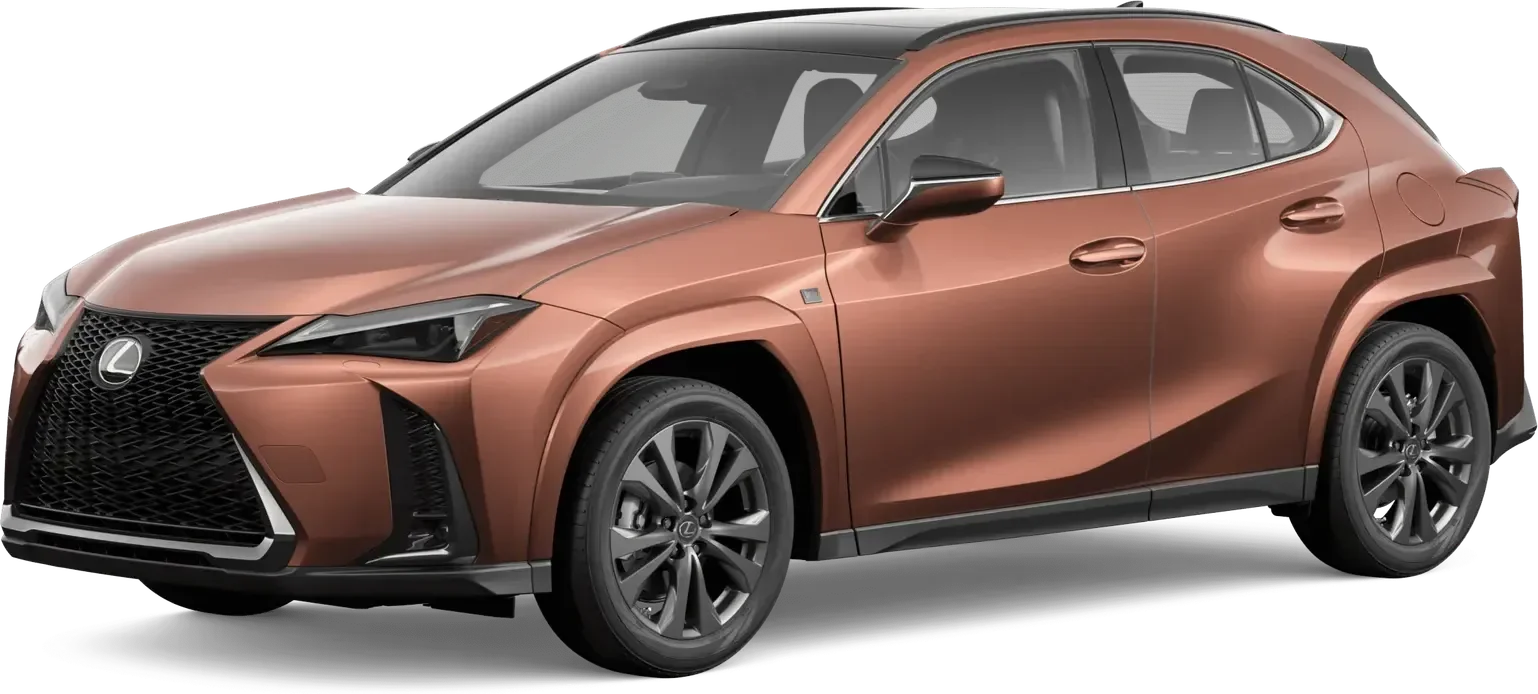
2020 Lexus UX
Score: 84/100

2020 Kia Sedona
Score: 83/100

2020 Lexus IS
Score: 83/100
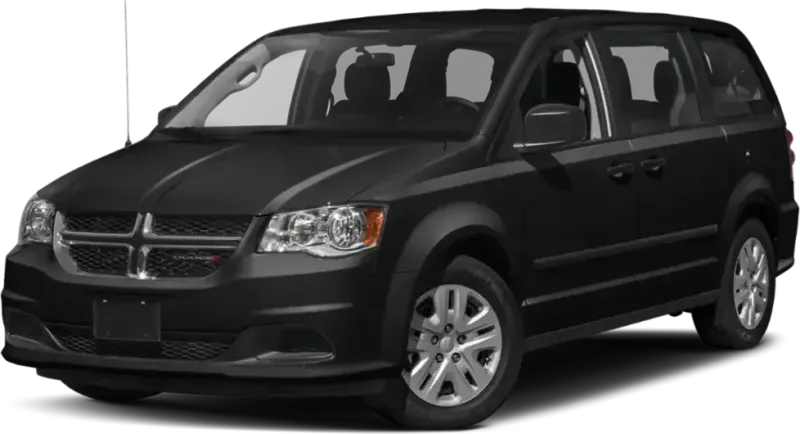
2020 Dodge Grand Caravan
Score: 83/100
See incorrect data? Report an issue