Last updated: 2026-10-10
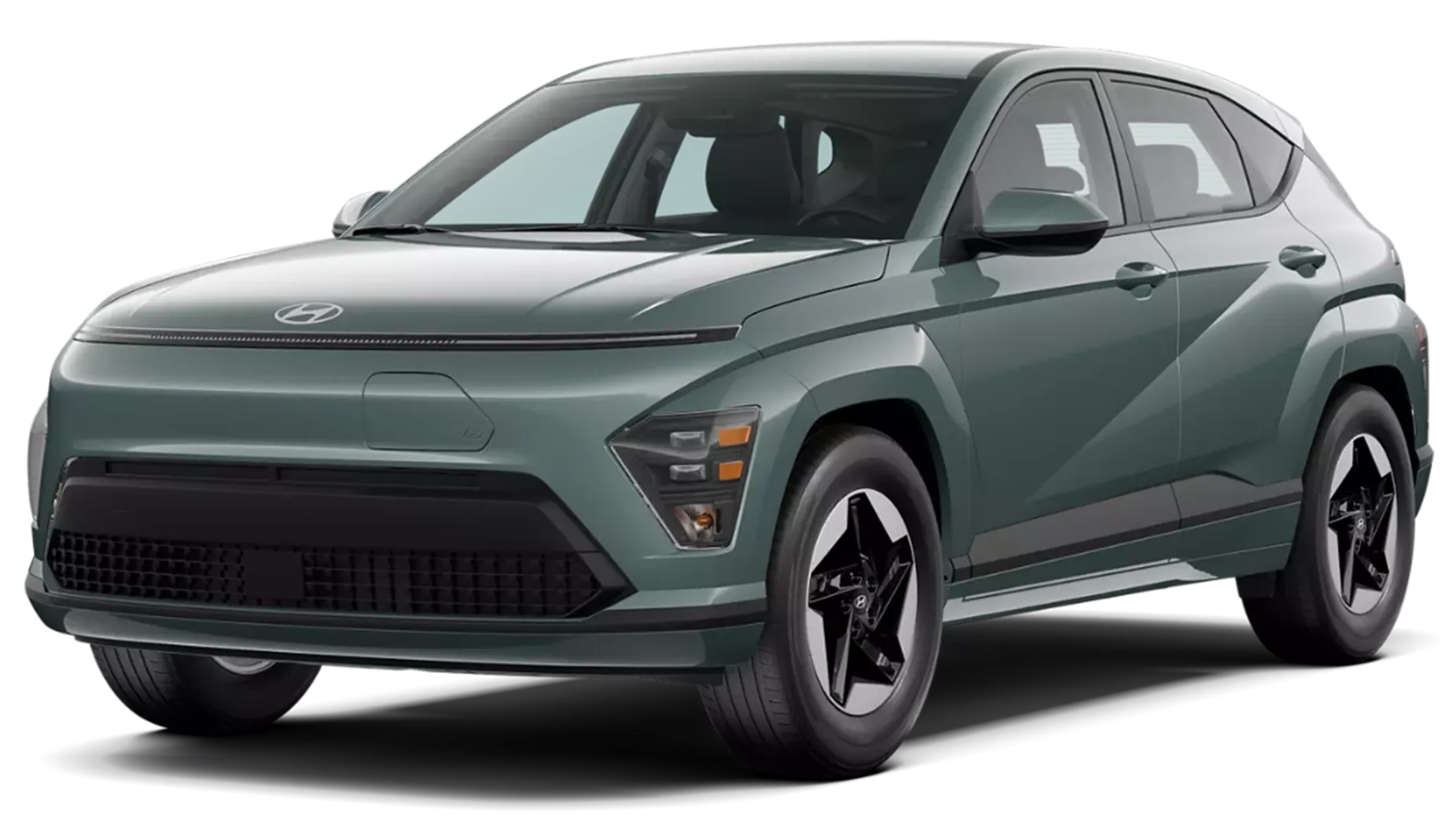
Hyundai Kona Years to Avoid
9 scored model years (2018–2026) · model average 65/100
Avoid the 2019 Kona. Owners filed more complaints on it than on any other year, led by engines that burn oil, knock and stall, plus long battery waits on the electric version. The 2018 is the year to buy, with no recalls and far fewer complaints.
Verdict
- Avoid
- 2019 55/100
- Buy
- 2018 69/100
- Model average
- 65/100
Hyundai Kona Years to Avoid
These model years score significantly below the Hyundai Kona average of 65/100.
| # | Year | Score | Rating | Recalls | Complaints | Top Issue |
|---|---|---|---|---|---|---|
| 1 | 2019 | 55/100 | Mixed | 4 | 224 | Engine (92) |
Why These Years Should Be Avoided
2019 Hyundai Kona
Engines burn a quart of oil every 1,000 miles or worse, sometimes with no low-oil warning. Then come knocking, smoke and stalls, even at highway speed. Some engines end up with little or no compression, and three filings involve fire. Dealers often call the oil loss within spec. Four recalls add to the picture.
Top issues: Engine (92), Electrical System (55), Power Train (19), Unknown Or Other (16), Fuel Propulsion System (9), Engine And Engine Cooling (6)
View full 2019reliability report →What Are Common Hyundai Kona Problems?
ENGINE
264 complaintsMost reported in 2019, 2020, 2021
2019: Burning oil is the dominant complaint, often a quart every 1,000 miles or worse, sometimes with no low-oil warning before the level runs dry.
ELECTRICAL SYSTEM
193 complaintsMost reported in 2019, 2022, 2024
2019: Most of these filings come from Kona EV owners waiting for a high-voltage battery replacement.
UNKNOWN OR OTHER
104 complaintsMost reported in 2021, 2018, 2022
2021: These reports cover a wide mix of problems.
POWER TRAIN
96 complaintsMost reported in 2020, 2019, 2022
2020: Hesitation from a stop is the main complaint.
VEHICLE SPEED CONTROL
28 complaintsMost reported in 2022, 2023, 2021
2022: Adaptive cruise control is slow to engage.
SERVICE BRAKES
21 complaintsMost reported in 2020, 2019, 2022
2020: Unwanted hard braking in freeway traffic is the most serious pattern.
Best Hyundai Kona Year to Buy Instead
2018 Hyundai Kona
The 2018 has no recalls and 66 owner complaints, against 224 complaints and four recalls for the 2019. It has been on the road long enough for its problems to show. Oil burning still appears, with failures clustering from about 63,000 to 126,000 miles, so ask for service records.
Found a Safe Year? Check the Specific Car
Even the 2018 Hyundai Kona has 0 recalls on file. A VIN check confirms the recall work on the exact car and shows its accident, title, and service history.
- Accidents
- Open Recalls
- Title History
- Odometer Rollback
All Hyundai Kona Years by Generation
Hyundai Kona Reliability Scores by Year
First generation (OS; 2018-2023) (2018–2023)
2018 Hyundai Kona
0 recalls · 66 complaints
2023 Hyundai Kona
2 recalls · 68 complaints
2022 Hyundai Kona
2 recalls · 115 complaints
2021 Hyundai Kona
1 recalls · 102 complaints
2020 Hyundai Kona
2 recalls · 140 complaints
2019 Hyundai Kona
4 recalls · 224 complaints
Frequently Asked Questions
Which Hyundai Kona years should I avoid?
Which Hyundai Kona years have transmission problems?
Is the 2020 Hyundai Kona a good buy?
Which Hyundai Kona year should I buy instead?
Are newer Hyundai Kona years more reliable?
How we score every Hyundai Kona model year
Scores weight complaint severity at 35%, repair costs at 30%, recall impact at 20%, and the spread of complaints across systems at 15%, with complaint counts adjusted for US sales. Read the full methodology.
See incorrect data? Report an issue