Last updated: 2026-10-10
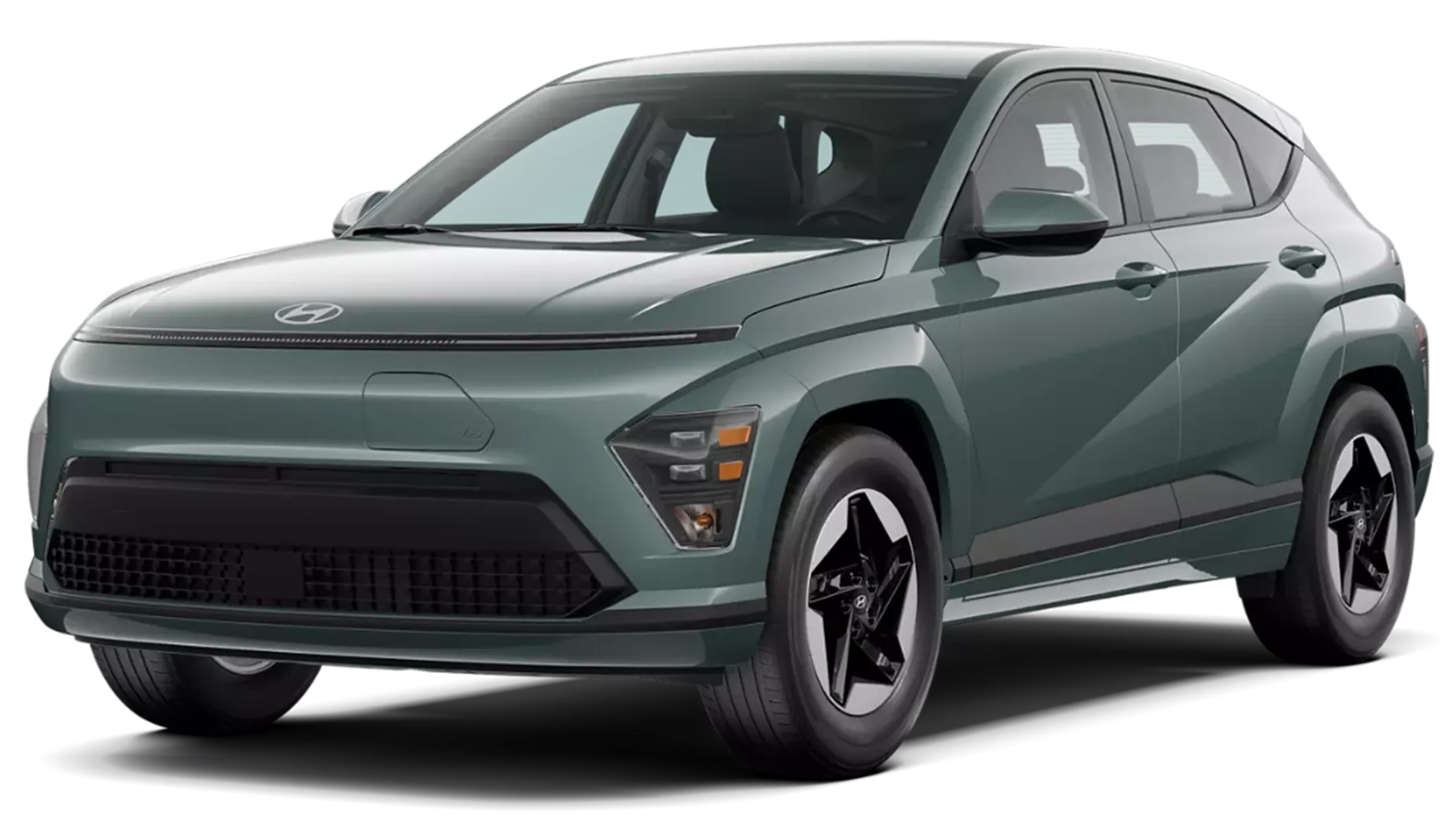
2025 Hyundai Kona Reliability Report
The 2025 Hyundai Kona has a good reliability standing and no recalls, but some owners report total electrical power loss and battery drain early on.
Recalls
0
Complaints
21
Complaint Rate
3per 10,000 sold
Est. Repair Cost
N/A
Annual Fuel Cost
$1,950–$2,300
Detailed Score Breakdown
Component-weighted complaints normalized by sales volume
Independent repair cost ratings
Recall count weighted by severity
Breadth of reported problem categories
The Verdict
The best-rated Kona year of nine scored, with no recalls, though early electrical power loss and battery drain are the main owner complaints.
Top Issues to Watch
- ELECTRICAL SYSTEM (7)
- POWER TRAIN (3)
- VEHICLE SPEED CONTROL (2)
Should You Buy the 2025 Hyundai Kona?
Among Kona model years, this is the strongest one on record. Its standing is good, the best of nine scored years, and it sits close to average against other 2025 SUVs. Federal recall records show no recalls, while the 2024 has three and the 2026 has two. Owner complaints are low for the number sold, and the crash-test rating is 4 of 5 stars.
The problems that do appear are mostly electrical. Owners describe total power loss while driving, with headlights and interior lights going dark, and batteries that drain until the car needs a jump-start. These cluster under 5,000 miles, and in one case a software update did not stop the drain. A smaller group reports transmission and drivetrain trouble, including grinding, clanking, and shaking under acceleration, with one failure at 989 miles. Two owners say adaptive cruise brakes hard on an open highway with no car ahead.
Before buying, ask for records of any battery or electrical repairs and any repeat transmission visits. Test adaptive cruise on a highway. Owners say dealers declined to fix cruise faults they could not duplicate.
Compared to the 2026 Hyundai Kona, which scored 7 points lower. See also the 2024 Hyundai Kona for an earlier comparison.
Pros
- +Acceptable reliability score
- +No recalls issued
- +Below-average complaint rate for SUV
Cons
- −ELECTRICAL SYSTEM: Car loses all electrical power while driving, including headlights and interior... (7 complaints)
- −POWER TRAIN: Transmission and drivetrain trouble shows up almost immediately, with one... (3 complaints)
Compare 2025 Hyundai Kona With

2025 Kia Soul
Reliability: 85/100
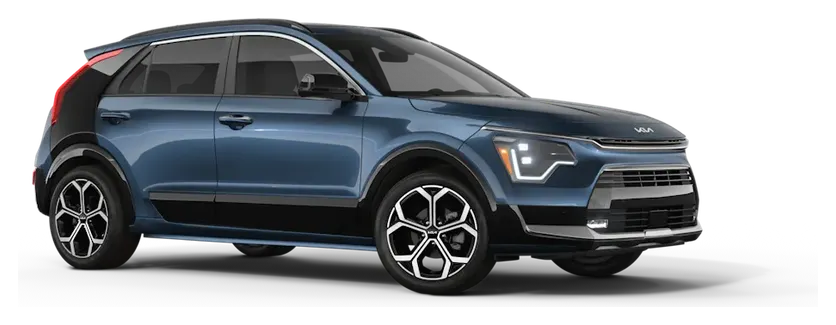
2025 Kia Niro
Reliability: 80/100

2025 Mazda CX-30
Reliability: 68/100
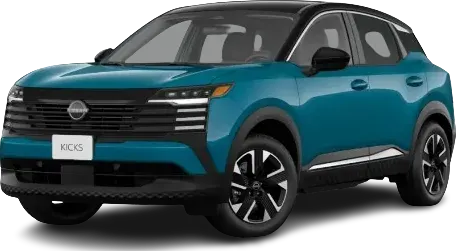
2025 Nissan Kicks
Reliability: 78/100

2025 Chevrolet Trax
Reliability: 85/100
Common Problem Categories
Other
HIGH RISK- ELECTRICAL SYSTEM (7)
- POWER TRAIN (3)
Recall Overview
0
recalls on record
No recalls are on record for the 2025 Hyundai Kona — uncommon, and a strong signal of manufacturing quality.
NHTSA.gov →Complaint Breakdown
3
per 10,000 soldSegment avg: 3.5
Safety Incidents
1
Crashes
0
Fires
2
Injuries
0
Deaths
NHTSA 4/5 Stars
Data sourced from NHTSA complaint filings and manufacturer recall notices. Complaint narratives are owner-reported.
Buying a used 2025 Hyundai Kona? Check its history first
Electrical system problems lead owner complaints about the 2025 Hyundai Kona, and 0 recalls were issued for it. A VIN check shows whether this car's recall work was done, plus accident, title, and odometer history.
- Accidents
- Open Recalls
- Title History
- Odometer Rollback
2025 Hyundai Kona NHTSA Safety Ratings
Overall Safety Rating
Crash Test Results by Configuration (expand)
Gas Powertrain
Rollover risk: 15.1%
Safety Technologies
Hyundai KonaRepair Costs & Maintenance
Maintenance Rating
2.5Maintenance rating: 2.5 out of 5Based on NHTSA complaint patterns, recall severity, and publicly available cost benchmarks.
Category-level averages derived from publicly available industry reports (AAA, CarMD). Model-level estimates produced by Auto Reliability Index.
Hyundai Kona Resale Value
The Hyundai Kona is estimated to retain about 75.9% of its original value after 3 years, based on observed used-car listings.
This benchmark covers the Hyundai Kona model overall and is not specific to the 2025 model year.
- Value Retained
- 75.9%
- Depreciation
- 24.1%
- Listings Analyzed
- 65
after 3 years
over the same period
U.S. used-car listings
Listings observed in . This is a historical market benchmark, not a current price quote.
Explore Hyundai Kona depreciation and resale value on CarResaleValue.com2025 Hyundai Kona Example Repair Prices
National average price ranges for common repairs. These are not model-year-specific failure predictions.
| Repair | Estimated Cost |
|---|---|
| AC Diagnosis | $122 – $179 |
| AC Condenser Replacement | $814 – $905 |
| Battery Test | $49 – $72 |
| Brake Booster Replacement | $471 – $578 |
| Fuel Level Sending Unit Replacement | $1,433 – $1,484 |
| Headlamp Alignment Adjust | $49 – $72 |
| Hood Latch Replacement | $177 – $205 |
| Intake Manifold Gasket Replacement | $413 – $487 |
| Water Pump Replacement | $624 – $738 |
| Exhaust Muffler Replacement | $959 – $988 |
Estimates based on national average repair costs. Actual costs may vary by location and shop.
MPG & Annual Running Costs
Gas
26–31 MPG
Fuel cost: $1,950–$2,300/yr
Fuel only
24–29 city / 29–35 hwy MPG
Electric
200–261 mi range
Fuel cost: $650–$700/yr
Fuel only
28.533–31 kWh/100mi · 5.1–6.9 hrs @ 240V
Based on EPA fuel-cost estimates. Excludes routine maintenance, depreciation, and insurance. Data as of 2025 EPA label cycle.
Gas trims
| Trim | Drive | Trans. | City | Hwy | Comb | Fuel Cost |
|---|---|---|---|---|---|---|
| Kona FWD 2.0L 4-cyl | Front-Wheel Drive | Automatic (AV-S1) | 28 | 35 | 31 | $1,950 |
| Kona FWD 2.0L 4-cyl | Front-Wheel Drive | Automatic (AV-S1) | 29 | 34 | 31 | $1,950 |
| Kona AWD 2.0L 4-cyl | All-Wheel Drive | Automatic (AV-S1) | 27 | 29 | 28 | $2,150 |
| Kona FWD 1.6L 4-cyl | Front-Wheel Drive | Automatic (S8) | 26 | 32 | 28 | $2,150 |
| Kona AWD 2.0L 4-cyl | All-Wheel Drive | Automatic (AV-S1) | 26 | 29 | 27 | $2,200 |
| Kona AWD 1.6L 4-cyl | All-Wheel Drive | Automatic (S8) | 24 | 29 | 26 | $2,300 |
Electric trims
| Trim | Drive | Trans. | Range | kWh/100mi | Fuel Cost |
|---|---|---|---|---|---|
| Kona Electric (17 inch Wheels) | Front-Wheel Drive | Automatic (A1) | 261 mi | 29.1 | $650 |
| Kona Electric Standard Range | Front-Wheel Drive | Automatic (A1) | 200 mi | 28.5 | $650 |
| Kona Electric (19 inch Wheels) | Front-Wheel Drive | Automatic (A1) | 230 mi | 31.0 | $700 |
Used Buying Checklist
Key things to inspect or verify before purchasing a 2025 Hyundai Kona.
Ask for service records showing battery-drain, no-start, or electrical software repairs, and have the battery load-tested.
Open and close the moonroof several times and confirm it seals fully without reversing.
Close the power liftgate and confirm the dash shows no liftgate-open warning.
Set adaptive cruise on an open highway and watch for sudden braking with no car ahead.
Accelerate firmly from a stop and listen for grinding, clanking, or shaking.
Inspect the sunroof glass closely for chips, cracks, or prior replacement.
Shut the front passenger door firmly and confirm no door-ajar warning appears while driving.
2025 Hyundai Kona Common Problems by Component
21 owner complaints grouped by vehicle system.
ELECTRICAL SYSTEM
7 complaintsThe car loses all electrical power while driving, including headlights and interior lights. Other reports describe a battery that drains and needs a jump-start. These failures cluster under 5,000 miles, with one at 12,000, and a software update did not stop the drain in one case. Other complaints cover a driver attention alarm that cannot be turned off and cuts out audio and maps, and a moonroof that reverses and stays open in rain. One report says a false liftgate-open reading set the electronic handbrake at highway speed.
POWER TRAIN
3 complaintsTransmission and drivetrain trouble shows up almost immediately, with one failure at 989 miles. Reported symptoms include grinding and clanking, metal snapping sounds, sluggish acceleration, and sharply reduced power. The car also shakes or wobbles under acceleration, and in one case it pulled hard to one side. Repeat dealer visits have not fixed it, with at least five repair attempts in one case. Losing power or pulling to the side at speed is a real loss-of-control risk. One of the 3 filings gives no details.
UNKNOWN OR OTHER
2 complaintsThe front passenger door unlatches and swings partly open while the car slows from highway speed, with only a warning chime and no earlier symptoms. A separate report describes the sunroof glass shattering at 70 to 75 mph with nothing hitting it. Both happen suddenly at highway speed. In the door case, the dealer could not reproduce the problem. Each failure appears in a single report, so no pattern is visible yet.
VEHICLE SPEED CONTROL (2 complaints)
VEHICLE SPEED CONTROL
2 complaintsAdaptive cruise control flashes and brakes hard on an open highway with no car ahead, so speed drops instantly. That raises the risk of a rear-end crash. The problem comes back often, and dealers decline to repair it when they cannot duplicate it, even with video evidence. A separate complaint says cruise reacts slowly on hills, letting speed sag as much as 6 mph below the set point before it recovers.
EXTERIOR LIGHTING (1 complaints)
EXTERIOR LIGHTING
1 complaintThe contact owns a 2025 Hyundai Kona. The contact stated while driving 38 MPH, the exterior lights, taillights, daytime running lights, and interior lights became inoperable for two and a half seconds. The seat belt light flashed. Additionally, the seat heater and steering buttons were switched off and then reset. The vehicle was taken to the local dealer, who was unable to duplicate the failure. The vehicle was not diagnosed or repaired. The manufacturer was not contacted. The failure mileage was approximately 2,060.
ENGINE (1 complaints)
ENGINE
1 complaintEngine light was on - I was told by Belmont Enterprise on Sept 17th to keep driving the vehicle even though it needed repairs immediately.
SUSPENSION (1 complaints)
SUSPENSION
1 complaintThe plastic covers such as the wheel wells, inner fender linings, under body shield, are very prone to coming off by either minor objects intruding them or hitting them such as branches, rocks, or even water and sand. While driving on a highway at the Upper Peninsula in Michigan on October, a large branch on the road got inside the front wheel well and it took it away. It flew into the highway as debris and cars began evading them. I had to replace it at my expense and it come off again while driving on sand on a beach in St. Augustine Florida on December (the car is 4x4 off-road capable and sold as such). The underbody shield began coming off in a highway in near Austin Texas around a construction zone where loose gravel was present. Almost all plastic clips were missing after I was informed by a driver that plastic parts were coming off my car striking his vehicle. The wheel well of the driver side also began to come off. I had to zip-tie it; no holes were damaged but it was fully scratch and cracked in multiple locations from touching the pavement. I was hit on the side of the rear of the passenger side door and the plastic cover came off. I replaced it but it seems those plastic parts are superimposed and not well secured into the body of the car and can come off fairly easily during driving becoming road hazards that can result in a crash to vehicles driving from behind or even people or animals. I had a Sonata and the same under shield came off while driving to Miami on December 2024, their service department only had it cut leaving the underbody exposed.
SEATS (1 complaints)
SEATS
1 complaintThe contact owns a 2025 Hyundai Kona. The contact stated that upon entering the vehicle, the front driver's side seat independently ejected the contact forward into the steering wheel. No warning lights were illuminated. The vehicle was taken to a local dealer; however, the failure was unidentified. The vehicle was not repaired. The contact sustained injuries to her back; however, no medical attention was sought. The manufacturer was made aware of the failure. The failure mileage was approximately 385.
SERVICE BRAKES (1 complaints)
SERVICE BRAKES
1 complaintMushy brake pedal after 1000 miles This just started yesterday, seemingly out of nowhere. When I push the brake pedal it's mushier than it used to be. If I push hard, I get more resistance at first but then it slowly sinks toward the floor as a I continue to press. If I push softer then it just sinks toward the floor. I still have plenty of stopping power. If I push the pedal repeatedly then it builds up more resistance ("pump the brakes") but then the resistance calms down and it becomes mushy again.
LATCHES/LOCKS/LINKAGES (1 complaints)
LATCHES/LOCKS/LINKAGES
1 complaintThe contact rented a 2025 Hyundai Kona. The contact stated while driving 70 MPH, the driver's side front door independently unlatched and opened. The vehicle was not diagnosed or repaired by an independent mechanic or the dealer. The Enterprise Car Rental Agency was made aware of the failure. The manufacturer was not made aware of the failure. The failure mileage was approximately 14,000.
When Do 2025 Hyundai Kona Problems Start?
Based on owner complaint patterns, here's when common issues tend to appear.
Best & Worst Hyundai Kona Years
Best Hyundai Kona Years to Buy
Based on reliability index scoreHyundai Kona Years to Avoid
Hyundai Kona Reliability Score Trend
Scores 0–100. Higher is better. Current year highlighted.
| Year | Score | Rating |
|---|---|---|
| 2018 | 69/100 | Good |
| 2019 | 55/100 | Mixed |
| 2020 | 57/100 | Mixed |
| 2021 | 63/100 | Good |
| 2022 | 64/100 | Good |
| 2023 | 66/100 | Good |
| 2024 | 68/100 | Good |
| 2025 | 74/100 | Good |
| 2026 | 67/100 | Good |
Hyundai Kona Reliability Compared to Other Years
Frequently Asked Questions
Is the 2025 Hyundai Kona reliable?
What are the most common problems with the 2025 Hyundai Kona?
Does the 2025 Hyundai Kona have electrical problems?
Has the 2025 Hyundai Kona been recalled?
Is the 2025 Hyundai Kona better than the 2024 or 2026?
Don’t buy a 2025 Hyundai Kona without checking its VIN first — hidden accidents, title issues, and open recalls could cost you thousands.
How we score the 2025 Hyundai Kona
Of the four inputs behind this score, the 2025 Hyundai Kona does best on recall impact (100/100) and worst on repair costs (50/100). Scores weight complaint severity at 35%, repair costs at 30%, recall impact at 20%, and the spread of complaints across systems at 15%, with complaint counts adjusted for US sales. Read the full methodology.
Get notified when new recalls or reliability data is added for the Hyundai Kona.
No spam. Only data updates for this model.
Browse More Hyundai Models
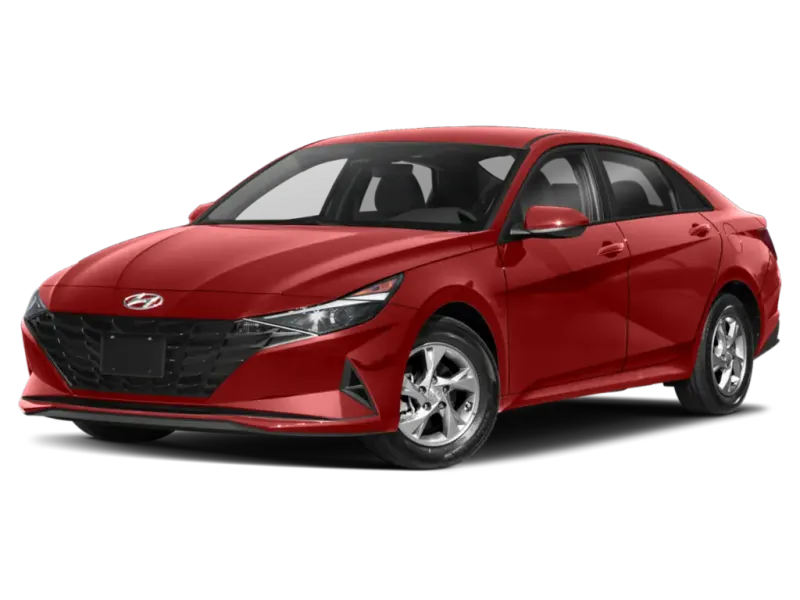
Hyundai Elantra
Score: 94/100
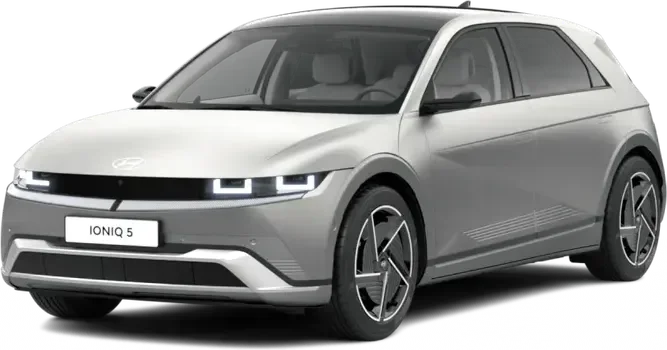
Hyundai Ioniq 5
Score: 63/100
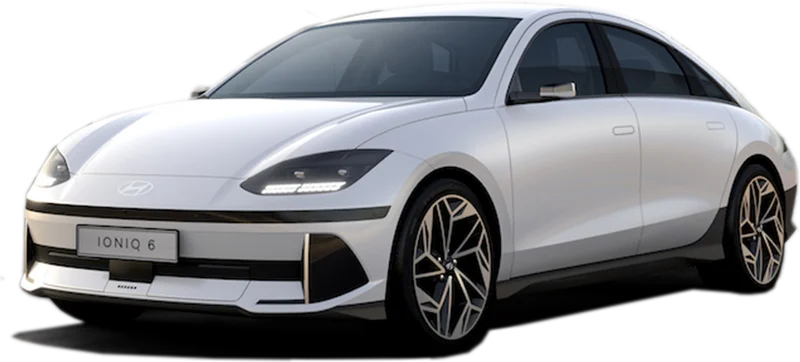
Hyundai Ioniq 6
Score: 82/100

Hyundai Palisade
Score: 72/100
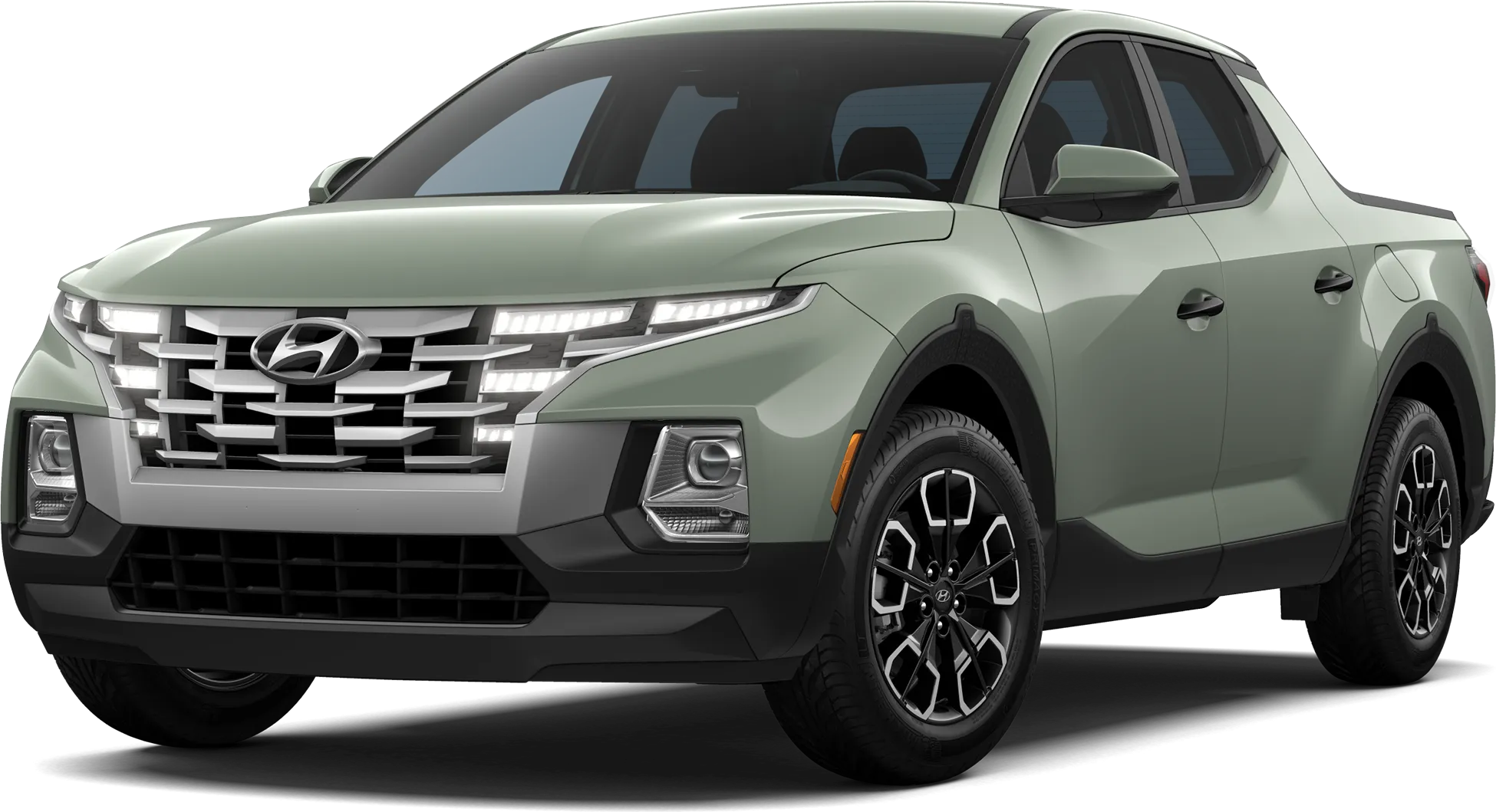
Hyundai Santa Cruz
Score: 74/100
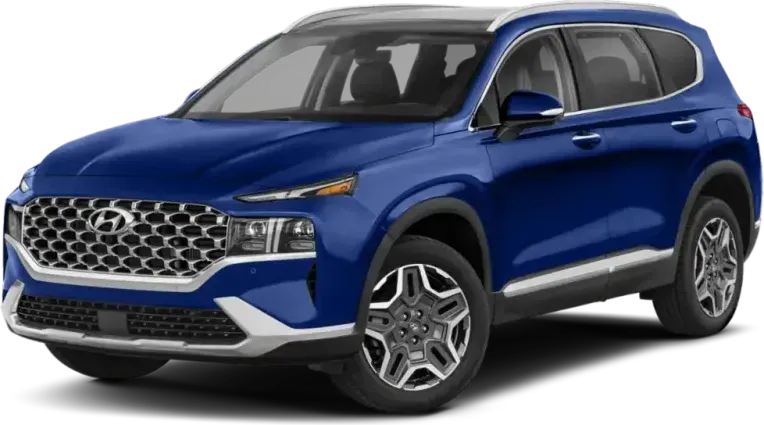
Hyundai Santa Fe
Score: 75/100
Browse More 2025 Vehicles
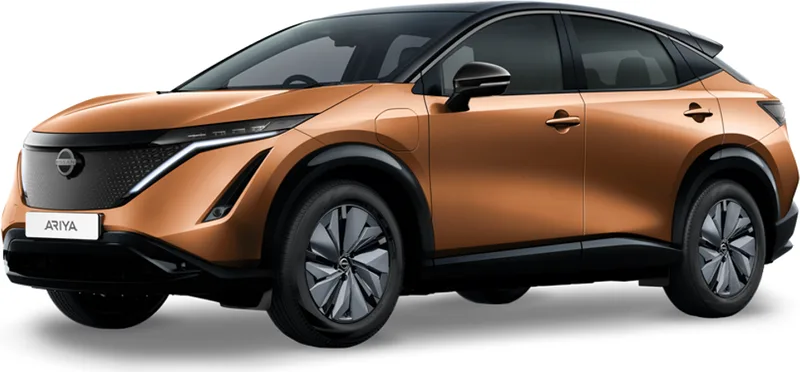
2025 Nissan Ariya
Score: 88/100

2025 Honda HR-V
Score: 88/100
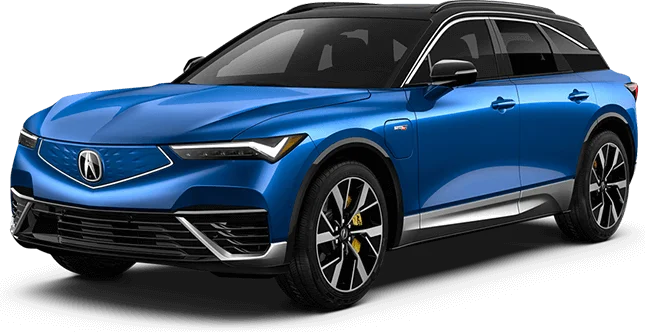
2025 Acura ZDX
Score: 88/100
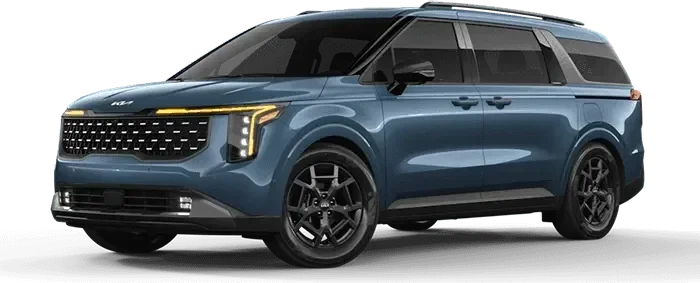
2025 Kia Carnival
Score: 88/100
2025 Hyundai Elantra
Score: 87/100
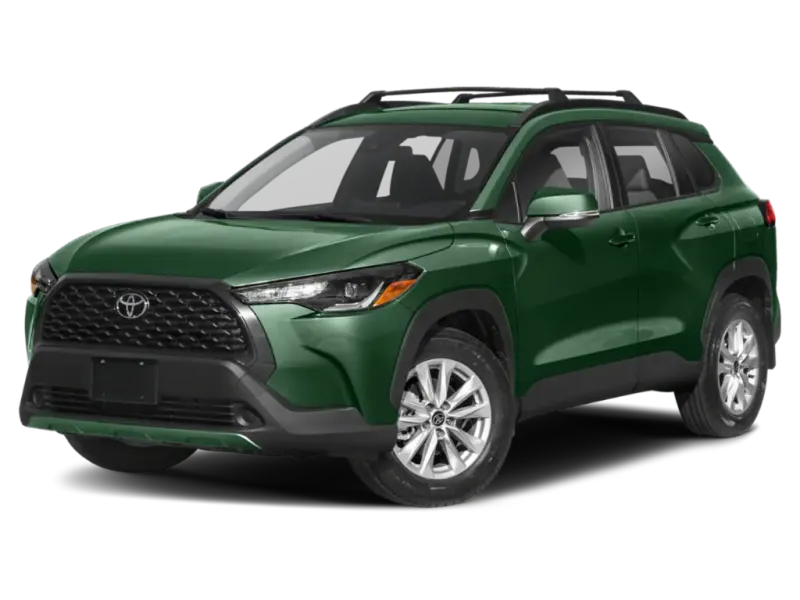
2025 Toyota Corolla Cross
Score: 86/100
See incorrect data? Report an issue