Last updated: 2026-10-10
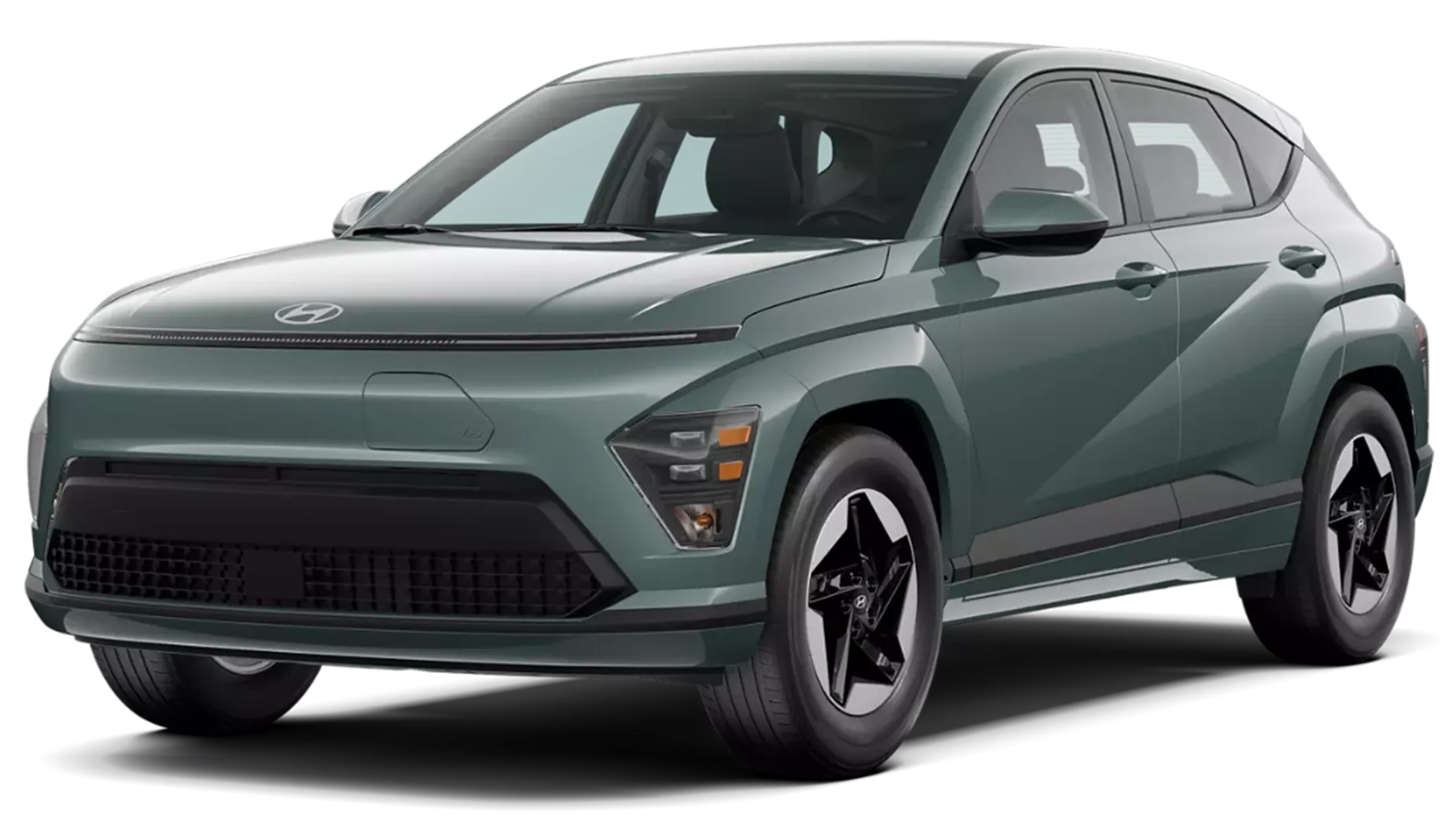
2018 Hyundai Kona Reliability Report
The 2018 Hyundai Kona rates good, but oil burning and engine failure between 63,000 and 126,000 miles are the main risk.
Recalls
0
Complaints
66
Complaint Rate
14per 10,000 sold
Est. Repair Cost
N/A
Annual Fuel Cost
$2,000–$2,200
Detailed Score Breakdown
Component-weighted complaints normalized by sales volume
Independent repair cost ratings
Recall count weighted by severity
Breadth of reported problem categories
The Verdict
The first Kona year has no federal recalls and stands among the stronger years, though oil-burning engine failures are its main complaint.
Top Issues to Watch
- ENGINE (18)
- POWER TRAIN (8)
- ELECTRICAL SYSTEM (7)
Generation & Refresh (US)
2018 is the first model year of the First generation (OS; 2018-2023).
- First-year models may have unresolved issues from the new design.
- Redesigned for the 2018 model year.
- Refreshed in 2021.
- 1st generation Kona (US).
What this means for buyers
First-year models carry more risk — early production issues are common. Consider waiting for the second year if reliability is a priority.
Compare 2018 pricing and recall counts against 2019+ before deciding.
2018: First generation (OS; 2018-2023) Launch
Generation start — new platform.
2021: Mid-Cycle Refresh
Updated features and styling tweaks.
Should You Buy the 2018 Hyundai Kona?
Good standing, with one serious catch. Owner complaints put this first-year Kona close to average among 2018 SUVs and among the stronger of the nine Kona years. The 2019 rates worse, with 224 complaints and 4 recalls, against 66 complaints and no recalls here.
Engine trouble is the main risk. Owners report adding a quart of oil every week or two with no leak, then knocking, lost power and stalling. Shops point to failed piston rings, low compression or a slipped timing chain, and the usual fix is a new engine. Failures cluster from about 63,000 to 126,000 miles. Sudden power loss at highway speed comes up often. Fire is the other worry, with three engine-compartment fire reports and four fire reports under the electrical system. Federal recall records list no recalls for this year.
Ask for service records that show oil changes and any engine replacement. On the test drive, watch for jolting or shaking at crawling speeds, which owners tied to the dual-clutch transmission.
Compared to the 2019 Hyundai Kona, which scored 14 points lower.
Pros
- +Acceptable reliability score
- +No recalls issued
- +Below-average complaint rate for SUV
Cons
- −UNKNOWN OR OTHER issues reported (19 complaints)
- −ENGINE issues reported (18 complaints)
Compare 2018 Hyundai Kona With

2018 Kia Soul
Reliability: 73/100
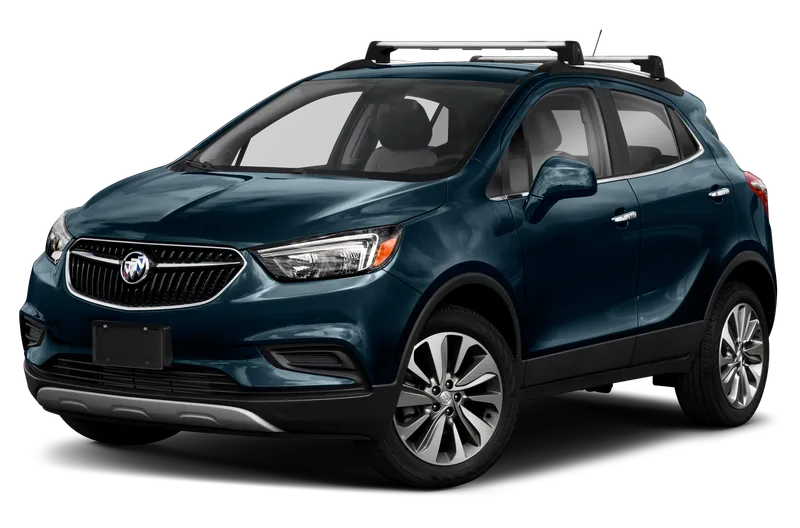
2018 Buick Encore
Reliability: 80/100

2018 Kia Sportage
Reliability: 68/100

2018 Chevrolet Trax
Reliability: 75/100
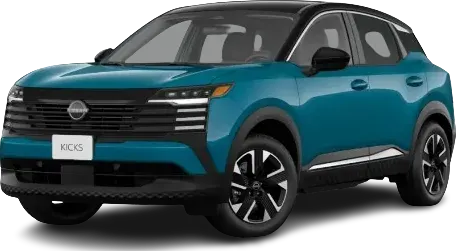
2018 Nissan Kicks
Reliability: 71/100
Common Problem Categories
Other
HIGH RISK- UNKNOWN OR OTHER (19)
- ENGINE (18)
Recall Overview
0
recalls on record
No recalls are on record for the 2018 Hyundai Kona — uncommon, and a strong signal of manufacturing quality.
NHTSA.gov →Complaint Breakdown
14
per 10,000 soldSegment avg: 27.1
Safety Incidents
9
Crashes
10
Fires
12
Injuries
0
Deaths
Data sourced from NHTSA complaint filings and manufacturer recall notices. Complaint narratives are owner-reported.
Buying a used 2018 Hyundai Kona? Check its history first
Engine problems lead owner complaints about the 2018 Hyundai Kona, and 0 recalls were issued for it. A VIN check shows whether this car's recall work was done, plus accident, title, and odometer history.
- Accidents
- Open Recalls
- Title History
- Odometer Rollback
2018 Hyundai Kona NHTSA Safety Ratings
Crash Test Results by Configuration (expand)
Gas Powertrain
Rollover risk: 0.0%
Safety Technologies
Hyundai KonaRepair Costs & Maintenance
Maintenance Rating
2.5Maintenance rating: 2.5 out of 5Based on NHTSA complaint patterns, recall severity, and publicly available cost benchmarks.
Category-level averages derived from publicly available industry reports (AAA, CarMD). Model-level estimates produced by Auto Reliability Index.
Hyundai Kona Resale Value
The Hyundai Kona is estimated to retain about 75.9% of its original value after 3 years, based on observed used-car listings.
This benchmark covers the Hyundai Kona model overall and is not specific to the 2018 model year.
- Value Retained
- 75.9%
- Depreciation
- 24.1%
- Listings Analyzed
- 65
after 3 years
over the same period
U.S. used-car listings
Listings observed in . This is a historical market benchmark, not a current price quote.
Explore Hyundai Kona depreciation and resale value on CarResaleValue.com2018 Hyundai Kona Example Repair Prices
National average price ranges for common repairs. These are not model-year-specific failure predictions.
| Repair | Estimated Cost |
|---|---|
| AC Diagnosis | $122 – $179 |
| AC Condenser Replacement | $814 – $905 |
| Battery Test | $49 – $72 |
| Brake Booster Replacement | $471 – $578 |
| Fuel Level Sending Unit Replacement | $1,433 – $1,484 |
| Headlamp Alignment Adjust | $49 – $72 |
| Hood Latch Replacement | $177 – $205 |
| Intake Manifold Gasket Replacement | $413 – $487 |
| Water Pump Replacement | $624 – $738 |
| Exhaust Muffler Replacement | $959 – $988 |
Estimates based on national average repair costs. Actual costs may vary by location and shop.
MPG & Annual Running Costs
Gas
27–30 MPG
Fuel cost: $2,000–$2,200/yr
Fuel only
25–28 city / 29–33 hwy MPG
Based on EPA fuel-cost estimates. Excludes routine maintenance, depreciation, and insurance. Data as of 2018 EPA label cycle.
Gas trims
| Trim | Drive | Trans. | City | Hwy | Comb | Fuel Cost |
|---|---|---|---|---|---|---|
| Kona FWD 1.6L 4-cyl | Front-Wheel Drive | Automatic (AM7) | 28 | 32 | 30 | $2,000 |
| Kona FWD 2.0L 4-cyl | Front-Wheel Drive | Automatic (S6) | 27 | 33 | 30 | $2,000 |
| Kona AWD 1.6L 4-cyl | All-Wheel Drive | Automatic (AM7) | 26 | 29 | 27 | $2,200 |
| Kona AWD 2.0L 4-cyl | All-Wheel Drive | Automatic (S6) | 25 | 30 | 27 | $2,200 |
Used Buying Checklist
Key things to inspect or verify before purchasing a 2018 Hyundai Kona.
Check the dipstick, and ask the seller how often they add oil between changes.
Accelerate up a hill and listen for engine knocking or hesitation.
Scan for stored misfire codes such as P0301, and feel for a rough idle or shaking.
Creep through stop-and-go traffic and feel for jolts or shudder from the dual-clutch transmission.
Pull a title history and walk away from any salvage, flood, fire or collision record.
Look under the hood and behind the dash for burn marks, melted wiring or spliced aftermarket stereo wiring.
Test every door lock, and open each rear door from inside.
Pull gently on the roof antenna and front bumper cover to make sure they are firmly attached.
2018 Hyundai Kona Common Problems by Component
66 owner complaints grouped by vehicle system.
UNKNOWN OR OTHER
19 complaintsSafety-relatedThe engine stalls without warning at intersections, in traffic and on the road, often alongside misfire codes, jerky acceleration and oil that has to be topped off between changes with no visible leak. Several reports describe the car lurching forward at low speed when moving from gas to brake, and some of these ended in crashes. Other complaints cover the blind-spot warning shutting itself off on the highway, the roof antenna cover blowing off at speed, the radio staying on after shutdown and the A/C line being cut by the alternator belt. Four reports involve crashes and two involve fire.
ENGINE
18 complaintsSafety-relatedHeavy oil burning leads to engine knocking, lost power and stalling, and owners often report adding a quart every one to two weeks with no leak in sight. Shops and dealers diagnose failed piston rings, low compression or a slipped timing chain, and the usual fix is a new engine. Failures cluster from about 63,000 to 126,000 miles, many around 100,000. Sudden power loss at highway speed is a common theme. Three reports describe engine-compartment fires, including one at 17K miles and one in a home garage that injured the owner.
POWER TRAIN
8 complaintsSafety-relatedOil burning followed by misfires, knocking and stalling makes up most of these reports, with piston ring failure and engine replacement as the usual result. The dual-clutch transmission draws complaints of jolting and shaking at crawling speeds, and one failed outright at 72,000 miles, leaving the car unable to accelerate on the freeway. One report blames a stall on a drain plug missing after an oil change. In one fire report, the car went into limp mode on the freeway and caught fire within minutes.
ELECTRICAL SYSTEM (7 complaints)
ELECTRICAL SYSTEM
7 complaintsSafety-relatedFires are the main concern here. Four of seven reports involve fire, and five people were injured. One car smoked and caught fire while parked at 22,000 miles. Others describe the electrical system acting up just before a fire, though some of those cars had salvage history or aftermarket stereo wiring. Smaller complaints cover a front passenger door lock that stops working, headlights flickering after startup until the car has gone about a mile, and the touchscreen changing settings on its own.
STRUCTURE (3 complaints)
STRUCTURE
3 complaintsThe roof antenna breaks off at interstate speed and becomes a possible road hazard. One report describes the front passenger-side bumper area coming loose from the frame and dropping to the ground, then tearing off when the car backed out. Another describes a rear passenger door that will not open from inside. The A/C also gives off a mildew smell at startup. Only three complaints are on file, and none involve a crash or injury.
AIR BAGS (2 complaints)
AIR BAGS
2 complaintsSafety-relatedThe driver airbag fails to deploy in hard frontal crashes, leaving the driver unprotected. Both reports describe crashes, one into trees and one into a car that stopped suddenly in a fast lane, and both list injuries to the head, chest, knee or neck. One owner says Hyundai declined to look into why the airbag stayed folded. With only two complaints, this is not a broad pattern, but each case is serious.
EXTERIOR LIGHTING (2 complaints)
EXTERIOR LIGHTING
2 complaintsHeadlight performance on early-build cars is the complaint. Owners of LED-equipped Limited models built before June say oncoming drivers flash their high beams because the low beams cause so much glare. SE and SEL owners say their headlights were too dim and that Hyundai changed the design mid-year without offering a fix for cars already sold. Neither report describes a crash, but both owners say the problem makes night driving on narrow roads unsafe.
VEHICLE SPEED CONTROL (1 complaints)
VEHICLE SPEED CONTROL
1 complaintmy Kona sputters when I put it in gear EVERY TIME. I have purchased gas at several stations so getting bad gas in the tank cannot be an issue. I’ve also had to replace the coil packs twice within 6 months. December 2024 and July 2025
ENGINE AND ENGINE COOLING (1 complaints)
ENGINE AND ENGINE COOLING
1 complaintThe contact owns a 2018 Hyundai Kona. The contact stated while her daughter was driving at undisclosed speeds, the engine warning light illuminated. There was an abnormal knocking sound coming from the vehicle. The vehicle was taken to an independent mechanic, who determined there was knock in the cylinder. The vehicle was taken to the local dealer, where it was determined that the cam was overworked and both cams had overproduced. Additionally, there was a misfire in cylinders number 1, 2, and 4. There was a power imbalance test performed, which determined that cylinder #3 was the cause of the failure. The vehicle was not repaired. The manufacturer was made aware of the failure. The failure mileage was approximately 104,745.
TIRES (1 complaints)
TIRES
1 complaintAt approximately 10,000 miles the tread is separating from the tire
When Do 2018 Hyundai Kona Problems Start?
Based on owner complaint patterns, here's when common issues tend to appear.
Best & Worst Hyundai Kona Years
Best Hyundai Kona Years to Buy
Based on reliability index score2018
(Current Model)
2024
2023
Hyundai Kona Years to Avoid
Hyundai Kona Reliability Score Trend
Scores 0–100. Higher is better. Current year highlighted.
| Year | Score | Rating |
|---|---|---|
| 2018 | 69/100 | Good |
| 2019 | 55/100 | Mixed |
| 2020 | 57/100 | Mixed |
| 2021 | 63/100 | Good |
| 2022 | 64/100 | Good |
| 2023 | 66/100 | Good |
| 2024 | 68/100 | Good |
| 2025 | 74/100 | Good |
| 2026 | 67/100 | Good |
Hyundai Kona Reliability Compared to Other Years
Frequently Asked Questions
Is the 2018 Hyundai Kona reliable?
What are the most common problems with the 2018 Hyundai Kona?
Does the 2018 Hyundai Kona have engine problems?
Does the 2018 Hyundai Kona have fire problems?
Is the 2018 Hyundai Kona better than the 2019?
Don’t buy a 2018 Hyundai Kona without checking its VIN first — hidden accidents, title issues, and open recalls could cost you thousands.
How we score the 2018 Hyundai Kona
Of the four inputs behind this score, the 2018 Hyundai Kona does best on recall impact (100/100) and worst on repair costs (50/100). Scores weight complaint severity at 35%, repair costs at 30%, recall impact at 20%, and the spread of complaints across systems at 15%, with complaint counts adjusted for US sales. Read the full methodology.
Get notified when new recalls or reliability data is added for the Hyundai Kona.
No spam. Only data updates for this model.
Browse More Hyundai Models
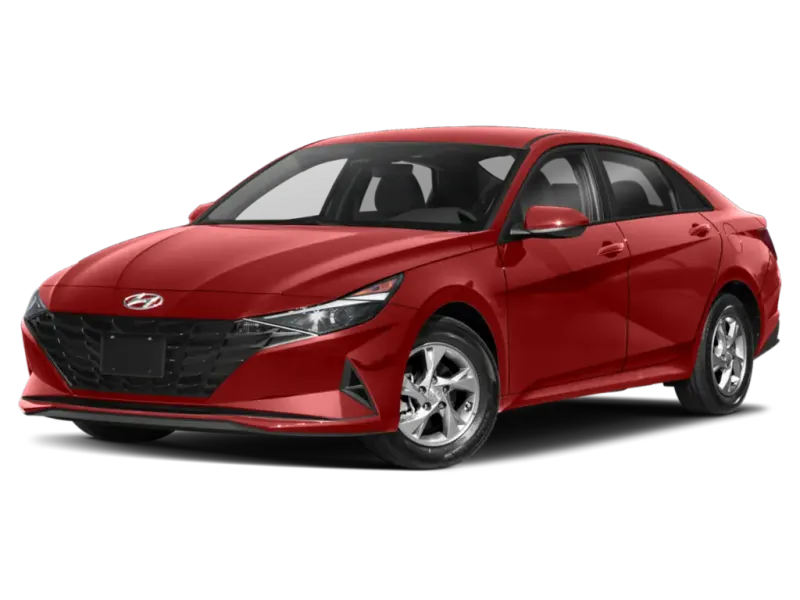
Hyundai Elantra
Score: 94/100
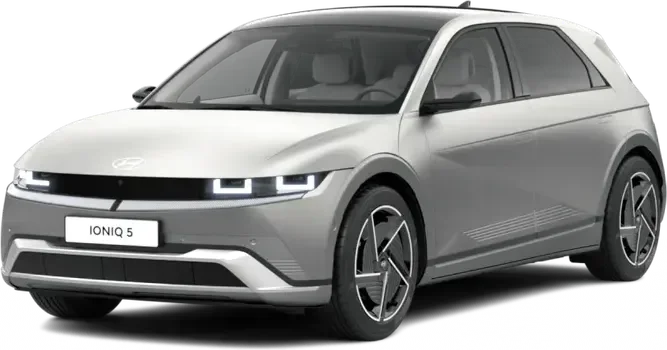
Hyundai Ioniq 5
Score: 63/100
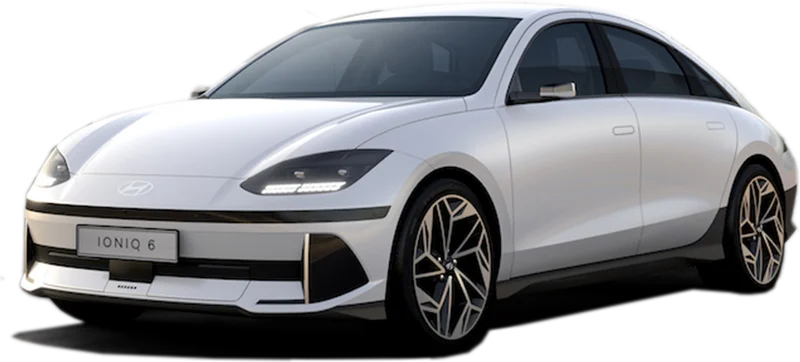
Hyundai Ioniq 6
Score: 82/100

Hyundai Palisade
Score: 72/100
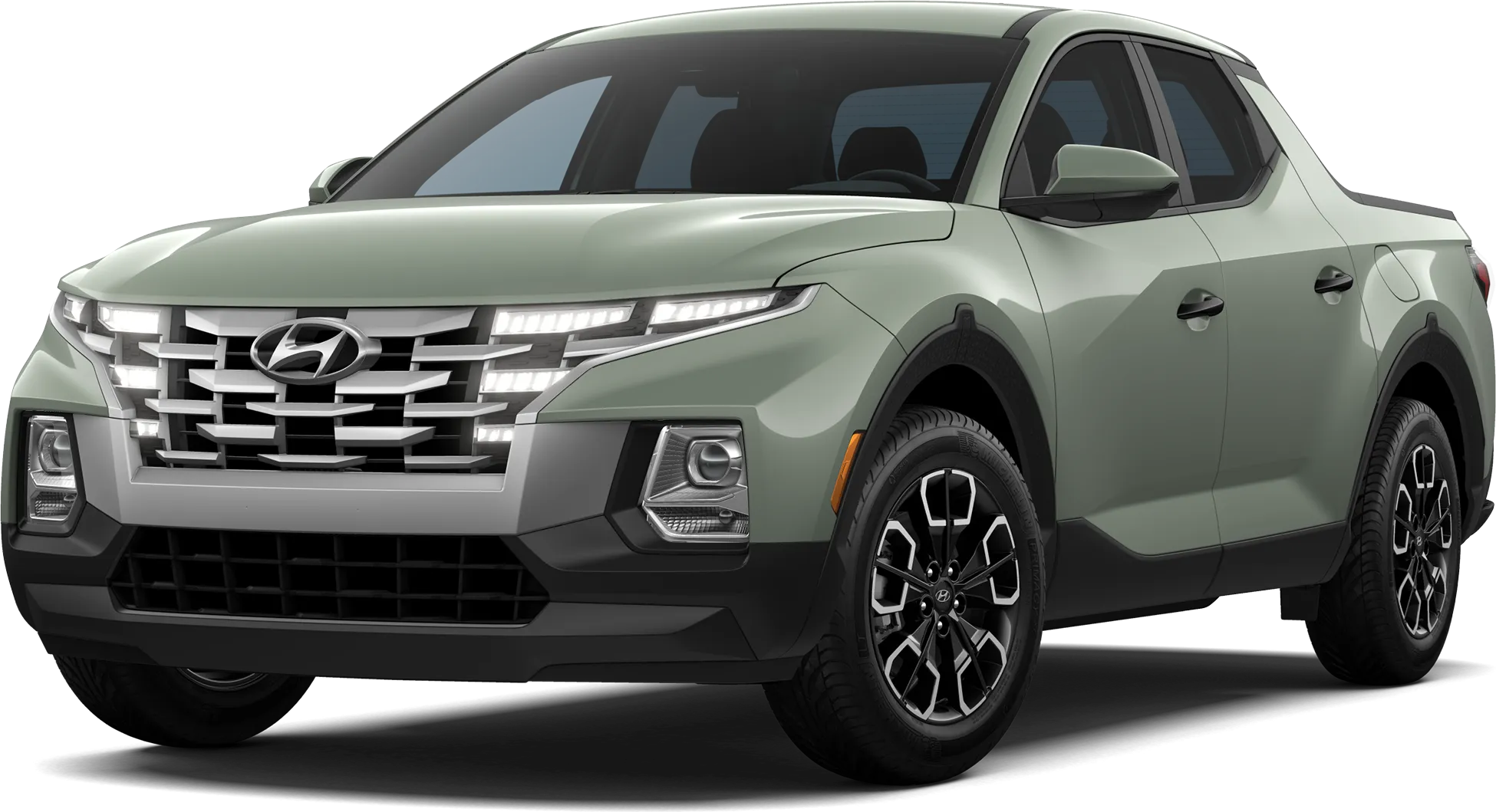
Hyundai Santa Cruz
Score: 74/100
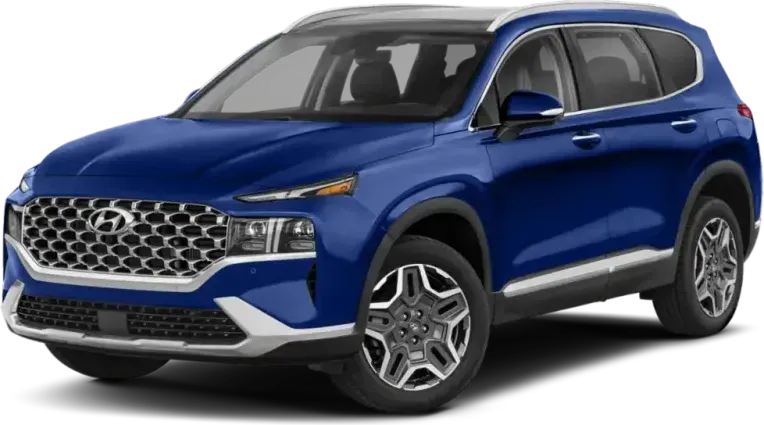
Hyundai Santa Fe
Score: 75/100
Browse More 2018 Vehicles
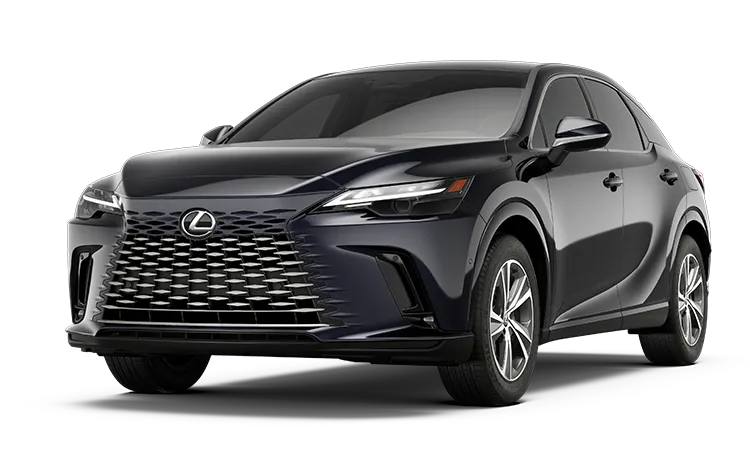
2018 Lexus RX
Score: 85/100
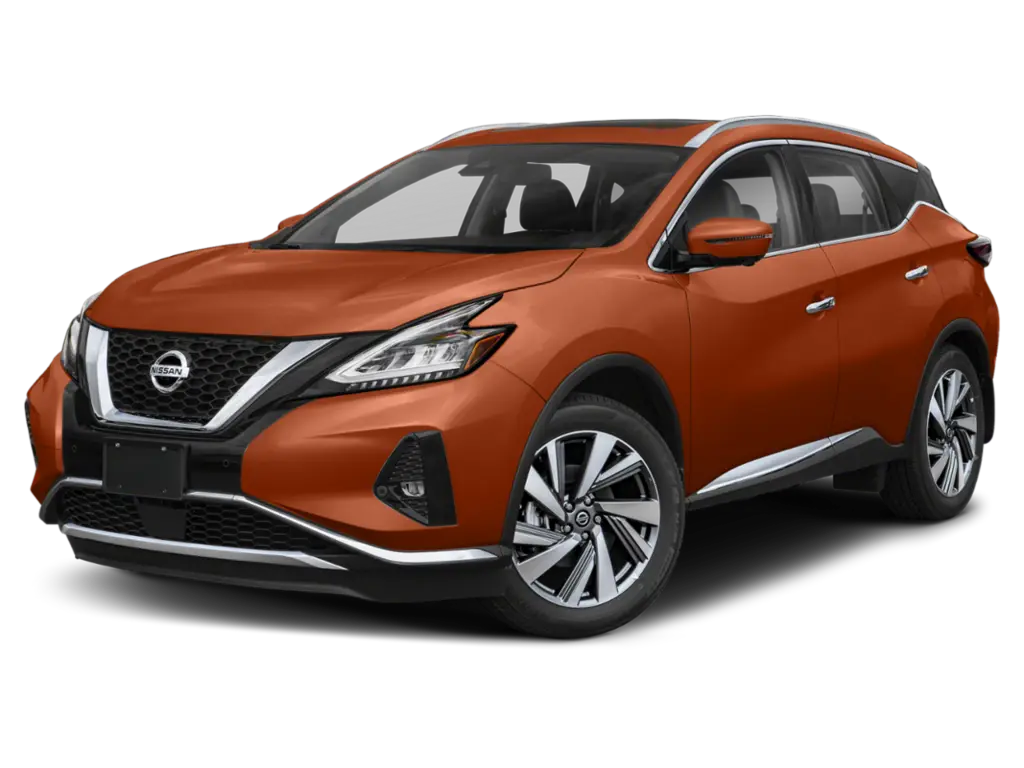
2018 Nissan Murano
Score: 82/100

2018 Lexus IS
Score: 81/100
2018 Buick Encore
Score: 80/100
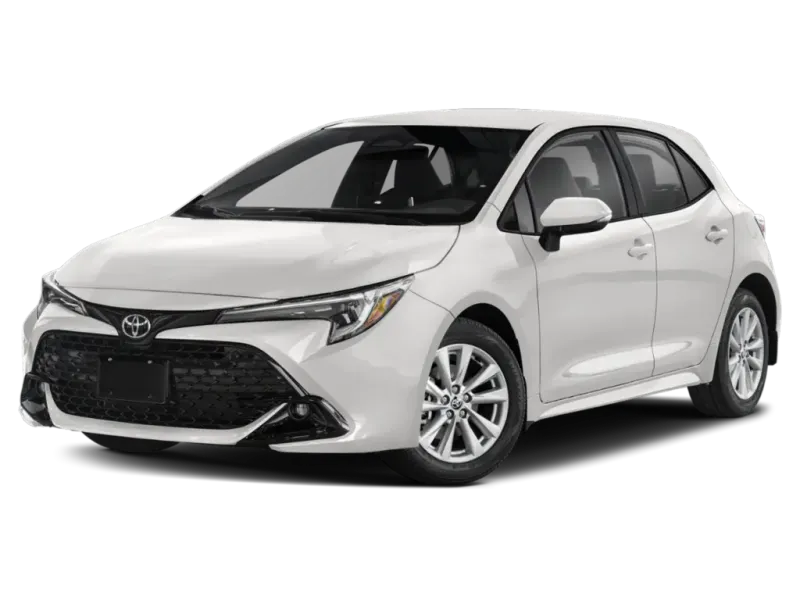
2018 Toyota Corolla
Score: 80/100
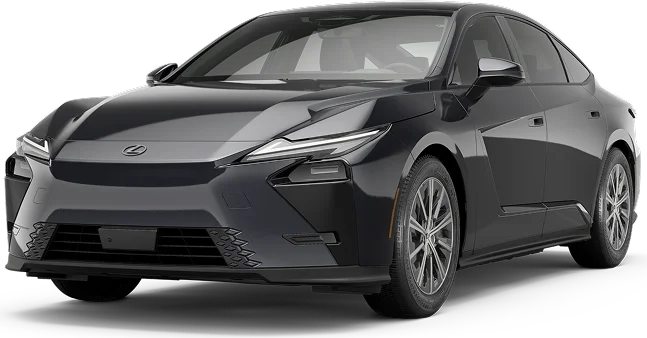
2018 Lexus ES
Score: 80/100
See incorrect data? Report an issue