Last updated: 2026-10-10
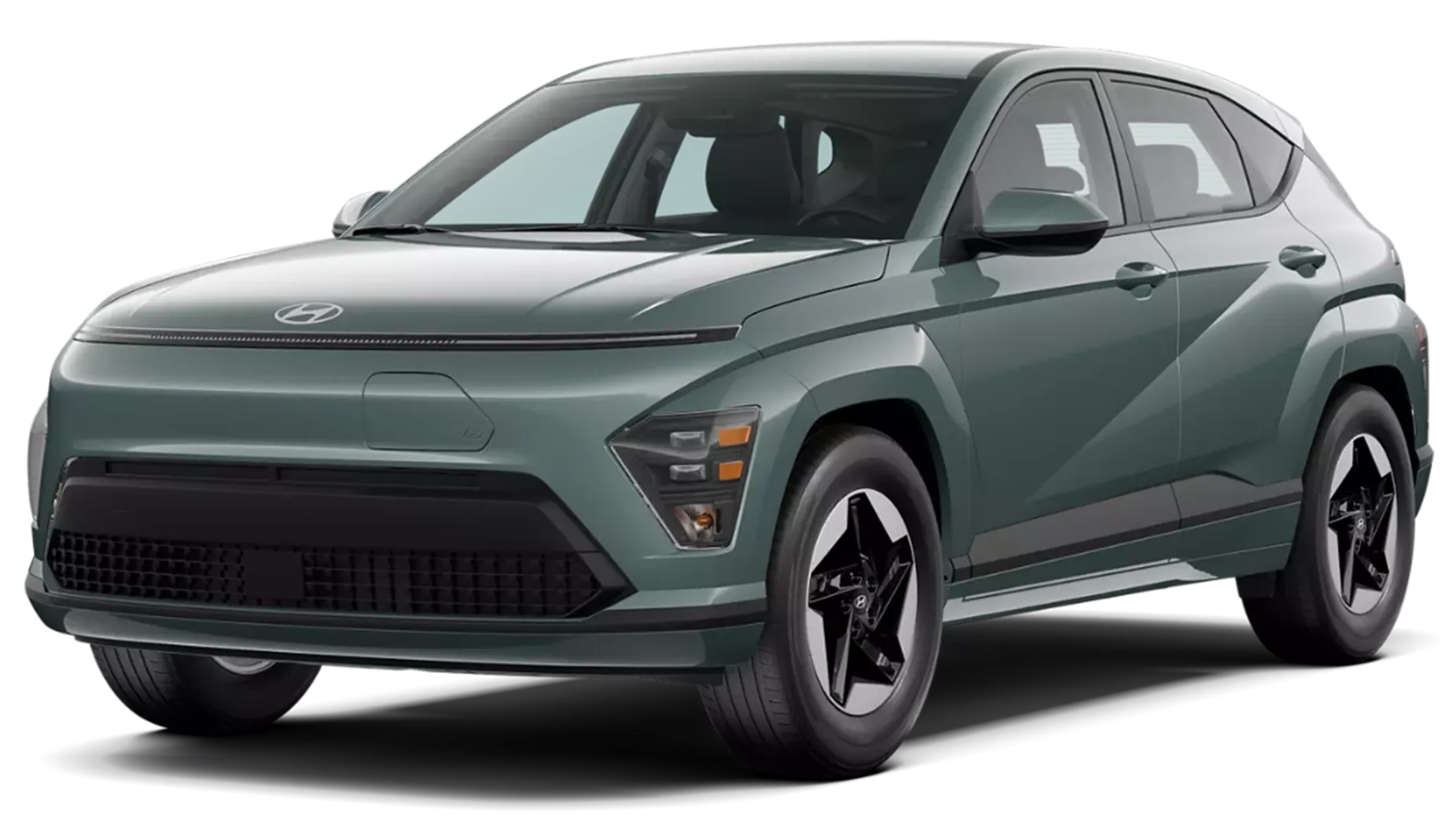
2023 Hyundai Kona Reliability Report
Good reliability standing, but the 2023 Hyundai Kona's horn can fail without warning, often by about 12,000 miles.
Recalls
2
Complaints
68
Complaint Rate
8.6per 10,000 sold
Est. Repair Cost
N/A
Annual Fuel Cost
$1,850–$3,000
Detailed Score Breakdown
Component-weighted complaints normalized by sales volume
Independent repair cost ratings
Recall count weighted by severity
Breadth of reported problem categories
The Verdict
Final first-generation year, with horn failures often by about 12,000 miles, fewer complaints than 2022, and two recalls, one a park-outside fire-risk recall.
Top Issues to Watch
- ELECTRICAL SYSTEM (23)
- POWER TRAIN (10)
- VEHICLE SPEED CONTROL (6)
Generation & Refresh (US)
2023 is the last model year of the First generation (OS; 2018-2023).
- Final-year models are typically the most refined version of a generation.
- 2 years after the last refresh (2021).
- 1st generation Kona (US).
What this means for buyers
Final-year models are usually the most polished version of a generation, but resale value may dip as buyers anticipate the next redesign.
2018: First generation (OS; 2018-2023) Launch
Generation start — new platform.
2021: Mid-Cycle Refresh
Updated features and styling tweaks.
2023: This Model Year
2023 is the last model year of the First generation (OS; 2018-2023).
Should You Buy the 2023 Hyundai Kona?
Reliability for this final first-generation Kona is good, though it sits below average among 2023 SUVs and in the middle of the nine Kona years we score. The 2022 and 2024 models rate about the same, so neither neighbor is a clear step up. Crash protection is strong, with a 5 of 5 federal star rating.
The horn is the most common complaint. It goes silent without warning, often between about 7,467 and 12,000 miles. Some owners had it replaced several times and it failed again each time. Several found out during near-collisions. More serious are the sudden power loss reports: cars stop accelerating on the highway, rev without moving, or shut down, and some needed a tow. Brake complaints are few, but two of the three involved crashes. Federal recall records list two recalls, one of them a park-outside fire-risk recall.
Ask for repair records covering the horn and any power train work. Confirm both recalls were completed. On a highway test drive, watch whether cruise control slows the car on its own.
Compared to the 2024 Hyundai Kona, which scored 2 points higher. See also the 2022 Hyundai Kona for an earlier comparison.
Pros
- +Acceptable reliability score
- +Low recall count
- +Below-average complaint rate for SUV
Cons
- −ELECTRICAL SYSTEM: Horn goes silent without warning (23 complaints)
- −POWER TRAIN: Main pattern is a sudden loss of drive power (10 complaints)
Compare 2023 Hyundai Kona With

2023 Kia Soul
Reliability: 77/100

2023 Mazda CX-30
Reliability: 68/100
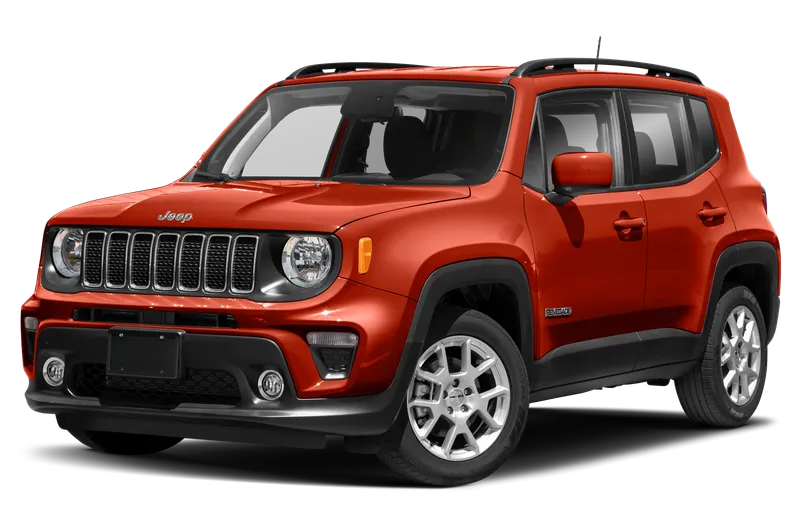
2023 Jeep Renegade
Reliability: 77/100

2023 Kia Sportage
Reliability: 67/100
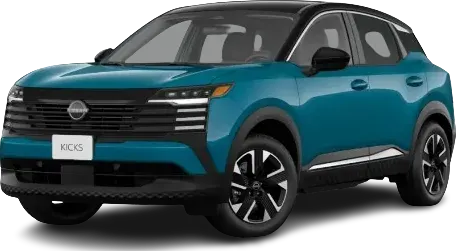
2023 Nissan Kicks
Reliability: 80/100
Common Problem Categories
Safety
LOW RISK- 2 manufacturer recalls issued
Other
HIGH RISK- ELECTRICAL SYSTEM (23)
- UNKNOWN OR OTHER (10)
Recall Overview
2
recalls on record
The 2023 Hyundai Kona carries 2 recalls — a low count. Authorized dealers repair any open recall free of charge, regardless of warranty status.
NHTSA.gov →Complaint Breakdown
8.6
per 10,000 soldSegment avg: 11.3
Safety Incidents
4
Crashes
0
Fires
3
Injuries
0
Deaths
NHTSA 5/5 Stars
Data sourced from NHTSA complaint filings and manufacturer recall notices. Complaint narratives are owner-reported.
2023 Hyundai Kona Recall Details
2 recalls have been issued for the 2023 Hyundai Kona. All recall repairs are performed free of charge at authorized dealerships.
POWER TRAIN
Hyundai Motor America (Hyundai) is recalling certain 2023-2024 Palisade Tucson, 2023 Sonata, Elantra, and Kona vehicles. The electronic controller for the Idle Stop & Go oil pump assembly may contain damaged electrical components that can cause the pump controller to overheat.
Consequence
An electric oil pump assembly that overheats increases the risk of a vehicle fire.
Remedy
Owners are advised to park outside and away from structures until the recall repair is complete. Dealers will inspect and replace the electric oil pump controller, as necessary, free of charge. Owner notification letters were mailed starting September 7, 2023. Owners may contact Hyundai customer service at 1-855-371-9460. Hyundai's number for this recall is 246.
FUEL SYSTEM, GASOLINE
Hyundai Motor America (Hyundai) is recalling certain 2019-2022 Veloster N, 2019-2023 Genesis G70, 2022-2023 Elantra N, and Kona N vehicles. The fuel pump may fail, which can result in a loss of drive power.
Consequence
A loss of drive power can increase the risk of a crash.
Remedy
Dealers will update engine control module software. In addition, dealers will inspect and replace the fuel pump assembly, as necessary. All repairs will be performed free of charge. Owner notification letters were mailed beginning September 9, 2024. Some interim notification letters, notifying owners of the safety risk, were mailed September 3, 2024. Owners may contact Hyundai customer service at 1-855-371-9460. Hyundai's numbers for this recall are 262 and 023G.
Buying a used 2023 Hyundai Kona? Check its history first
Electrical system problems lead owner complaints about the 2023 Hyundai Kona, and 2 recalls were issued for it. A VIN check shows whether this car's recall work was done, plus accident, title, and odometer history.
- Accidents
- Open Recalls
- Title History
- Odometer Rollback
2023 Hyundai Kona NHTSA Safety Ratings
Overall Safety Rating
Crash Test Results by Configuration (expand)
Gas Powertrain
Rollover risk: 14.1%
Safety Technologies
Hyundai KonaRepair Costs & Maintenance
Maintenance Rating
2.5Maintenance rating: 2.5 out of 5Based on NHTSA complaint patterns, recall severity, and publicly available cost benchmarks.
Category-level averages derived from publicly available industry reports (AAA, CarMD). Model-level estimates produced by Auto Reliability Index.
Hyundai Kona Resale Value
The Hyundai Kona is estimated to retain about 75.9% of its original value after 3 years, based on observed used-car listings.
This benchmark covers the Hyundai Kona model overall and is not specific to the 2023 model year.
- Value Retained
- 75.9%
- Depreciation
- 24.1%
- Listings Analyzed
- 65
after 3 years
over the same period
U.S. used-car listings
Listings observed in . This is a historical market benchmark, not a current price quote.
Explore Hyundai Kona depreciation and resale value on CarResaleValue.com2023 Hyundai Kona Example Repair Prices
National average price ranges for common repairs. These are not model-year-specific failure predictions.
| Repair | Estimated Cost |
|---|---|
| AC Diagnosis | $122 – $179 |
| AC Condenser Replacement | $814 – $905 |
| Battery Test | $49 – $72 |
| Brake Booster Replacement | $471 – $578 |
| Fuel Level Sending Unit Replacement | $1,433 – $1,484 |
| Headlamp Alignment Adjust | $49 – $72 |
| Hood Latch Replacement | $177 – $205 |
| Intake Manifold Gasket Replacement | $413 – $487 |
| Water Pump Replacement | $624 – $738 |
| Exhaust Muffler Replacement | $959 – $988 |
Estimates based on national average repair costs. Actual costs may vary by location and shop.
MPG & Annual Running Costs
Gas
23–32 MPG
Fuel cost: $1,850–$3,000/yr
Fuel only
20–30 city / 27–35 hwy MPG
Electric
258 mi range
Fuel cost: $600/yr
Fuel only
27.48 kWh/100mi · 9.5 hrs @ 240V
Based on EPA fuel-cost estimates. Excludes routine maintenance, depreciation, and insurance. Data as of 2023 EPA label cycle.
Gas trims
| Trim | Drive | Trans. | City | Hwy | Comb | Fuel Cost |
|---|---|---|---|---|---|---|
| Kona FWD 1.6L 4-cyl | Front-Wheel Drive | Automatic (AM-S7) | 29 | 35 | 32 | $1,850 |
| Kona FWD 2.0L 4-cyl | Front-Wheel Drive | Automatic (AV-S1) | 30 | 35 | 32 | $1,850 |
| Kona AWD 2.0L 4-cyl | All-Wheel Drive | Automatic (AV-S1) | 28 | 33 | 30 | $2,000 |
| Kona AWD 1.6L 4-cyl | All-Wheel Drive | Automatic (AM-S7) | 27 | 32 | 29 | $2,050 |
| Kona N 2.0L 4-cyl | Front-Wheel Drive | Automatic (AM-S8) | 20 | 27 | 23 | $3,000 |
Electric trims
| Trim | Drive | Trans. | Range | kWh/100mi | Fuel Cost |
|---|---|---|---|---|---|
| Kona Electric | Front-Wheel Drive | Automatic (A1) | 258 mi | 27.5 | $600 |
Used Buying Checklist
Key things to inspect or verify before purchasing a 2023 Hyundai Kona.
Press the horn several times during the test drive and confirm it sounds loudly every time.
Ask for service records and look for repeat horn replacements or electrical visits.
Run the VIN for open safety campaigns and confirm any required repair has been completed.
Set cruise control on the highway and watch for unexplained speed drops or sudden surges.
Accelerate firmly from a stop and onto a ramp; walk away if RPMs climb without speed or it jerks.
On a Kona N, ask whether the check engine light came on after rain or washing and check for code P132600.
Open the liftgate from outside, confirm the interior lights shut off, and locate the inside emergency release.
Look under the spot where the car is usually parked for fresh oil drips.
2023 Hyundai Kona Common Problems by Component
68 owner complaints grouped by vehicle system.
ELECTRICAL SYSTEM
23 complaintsThe horn goes silent without warning. This is by far the most common complaint, and it often shows up between about 7,467 and 12,000 miles. Some cars have had the horn replaced up to four times, and it failed again each time. In a few cases a new fuse brought it back for a while. Several drivers found out during near-collisions. Other reports describe the radio screen going black, false tire pressure warnings, a backup camera that stays on, a rear latch that unlocks by itself, and a battery that died at 3000 miles.
UNKNOWN OR OTHER
10 complaintsMost of these reports are more horn failures. Dealers replace the horn, sometimes four times, and it quits again or works only on and off, in one case only in freezing weather. Drivers describe swerving onto the shoulder because they could not warn other traffic. The liftgate also draws complaints. One clicked, left the interior lights on, drained the battery, and then would not open. One person was trapped inside because the emergency release would not work. One injury involves the auto-park feature failing when a door opened. Another owner reports months of delays getting a safety repair done.
POWER TRAIN
10 complaintsThe main pattern is a sudden loss of drive power. Cars stop accelerating on the highway, rev without moving, jerk from a stop, or shut down shortly after starting. Some show a transmission control system warning and need a tow. Several of these events happened at interstate speed. Kona N owners report a flashing check engine light, code P132600, and limp mode after a car wash or rain. Reports run from nearly new cars to 64,000 miles. Other filings are about waiting months for parts for a pending safety repair, and one owner describes a fire hazard.
VEHICLE SPEED CONTROL (6 complaints)
VEHICLE SPEED CONTROL
6 complaintsWith cruise control set, the car slows down on its own, for example from 71 to 65 mph, and sometimes surges back without warning. This can happen in the passing lane with traffic close behind. Dealers report several Konas with the same problem and no fix. Other drivers say the RPMs climb under throttle but the car does not speed up, so passing is risky. One car with less than 2,000 miles dropped into neutral at 70 mph and needed a new transmission.
ENGINE (3 complaints)
ENGINE
3 complaintsWater exposure causes a knock sensor fault. After a car wash or driving in rain, the check engine light flashes, code P132600 is stored, and the engine drops into limp mode with reduced acceleration. Owners call this common and a safety problem because power drops right away, sometimes while pulling into traffic. A separate complaint describes an oil leak that drips every day starting after the first oil change. The dealer found nothing wrong, and the leak continued.
SERVICE BRAKES (3 complaints)
SERVICE BRAKES
3 complaintsSafety-relatedThe brakes fail to stop the car, and two of the three reports involve crashes, with two people injured. In one case the pedal went to the floor less than 24 hours after a dealer service, and the car hit a building. In another, the car could not stop on the highway and rear-ended another vehicle. A separate problem shows up in damp weather: the rotors corrode overnight, and the brakes grab hard on a light pedal touch, which raises the risk of being rear-ended.
STEERING (3 complaints)
STEERING
3 complaintsThe car pulls to the right even after two dealer alignments, done at around 5000 and 8000 miles. A more serious report describes the steering jerking the car through a sudden S-shaped swerve at 60 mph. A red warning appeared on the screen, and the driver had to fight the wheel to stay in control. Another complaint says the car jerks and jumps when pulling out and turning, with suspension noise, which makes it hard to steer.
FORWARD COLLISION AVOIDANCE (3 complaints)
FORWARD COLLISION AVOIDANCE
3 complaintsSafety-relatedThe automatic emergency braking hits the brakes when nothing is ahead. One car locked up and skidded at about 20 mph on a dry, empty road. A related complaint says the system cuts the throttle for 2 to 3 seconds when pulling across lane lines into traffic, which leaves the car stalled in the path of oncoming vehicles. In the reverse case, one crash report says the system neither warned nor braked before the car hit the vehicle ahead.
LANE DEPARTURE (2 complaints)
LANE DEPARTURE
2 complaintsAll of the driver-assist safety alerts stop working, according to both reports. One owner says the car also shut off at about 50 mph on the highway, along with other unresolved problems. In the other case the dealer said the car could not be repaired, and the owner reports the VIN was changed. There are only two complaints, so no wider pattern is clear, but both describe a complete loss of safety features, not a single bad sensor.
SEAT BELTS (1 complaints)
SEAT BELTS
1 complaintThe front passenger seatbelt buckle has trouble latching when buckling seatbelt.
When Do 2023 Hyundai Kona Problems Start?
Based on owner complaint patterns, here's when common issues tend to appear.
Best & Worst Hyundai Kona Years
Best Hyundai Kona Years to Buy
Based on reliability index score2018
2024
2023
(Current Model)
Hyundai Kona Years to Avoid
Hyundai Kona Reliability Score Trend
Scores 0–100. Higher is better. Current year highlighted.
| Year | Score | Rating |
|---|---|---|
| 2018 | 69/100 | Good |
| 2019 | 55/100 | Mixed |
| 2020 | 57/100 | Mixed |
| 2021 | 63/100 | Good |
| 2022 | 64/100 | Good |
| 2023 | 66/100 | Good |
| 2024 | 68/100 | Good |
| 2025 | 74/100 | Good |
| 2026 | 67/100 | Good |
Hyundai Kona Reliability Compared to Other Years
Frequently Asked Questions
Is the 2023 Hyundai Kona reliable?
What are the most common problems with the 2023 Hyundai Kona?
Does the 2023 Hyundai Kona have horn problems?
Has the 2023 Hyundai Kona been recalled?
Is the 2023 Hyundai Kona better than the 2022 or 2024?
Don’t buy a 2023 Hyundai Kona without checking its VIN first — hidden accidents, title issues, and open recalls could cost you thousands.
How we score the 2023 Hyundai Kona
Of the four inputs behind this score, the 2023 Hyundai Kona does best on how many systems draw complaints (87/100) and worst on repair costs (50/100). Scores weight complaint severity at 35%, repair costs at 30%, recall impact at 20%, and the spread of complaints across systems at 15%, with complaint counts adjusted for US sales. Read the full methodology.
Get notified when new recalls or reliability data is added for the Hyundai Kona.
No spam. Only data updates for this model.
Browse More Hyundai Models
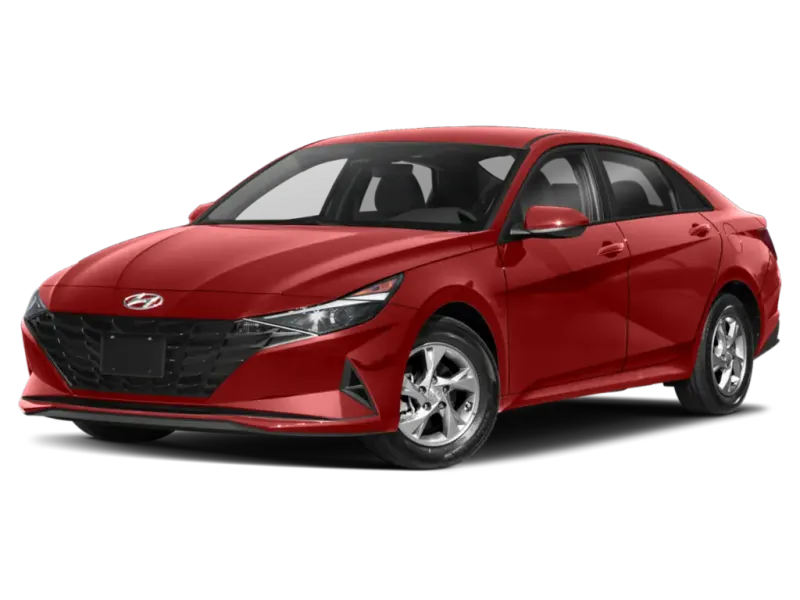
Hyundai Elantra
Score: 94/100
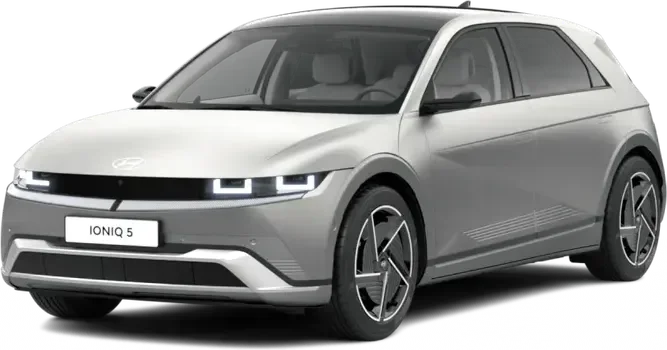
Hyundai Ioniq 5
Score: 63/100
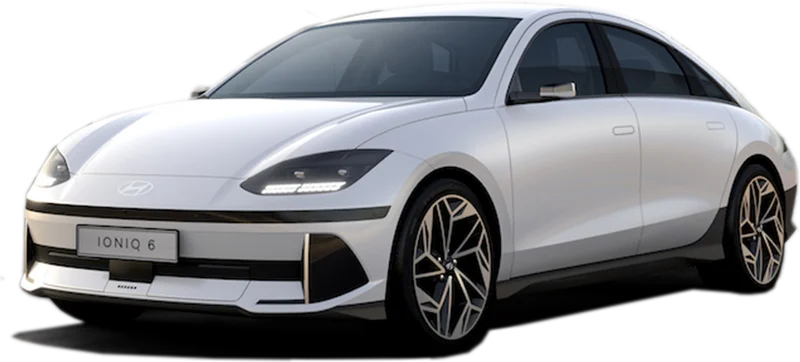
Hyundai Ioniq 6
Score: 82/100

Hyundai Palisade
Score: 72/100

Hyundai Santa Cruz
Score: 74/100
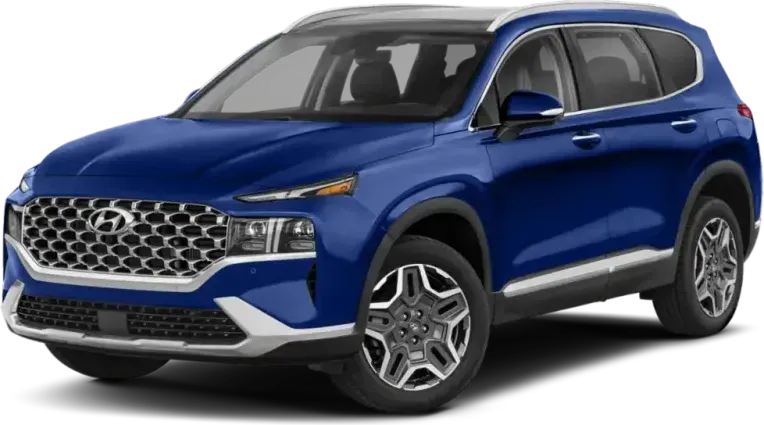
Hyundai Santa Fe
Score: 75/100
Browse More 2023 Vehicles
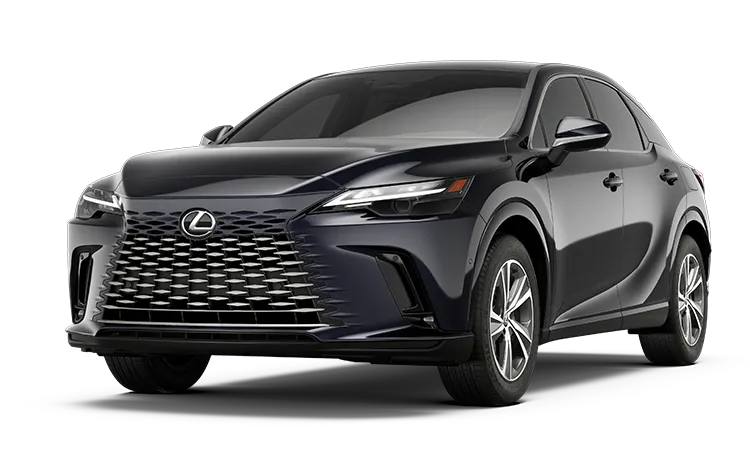
2023 Lexus RX
Score: 85/100
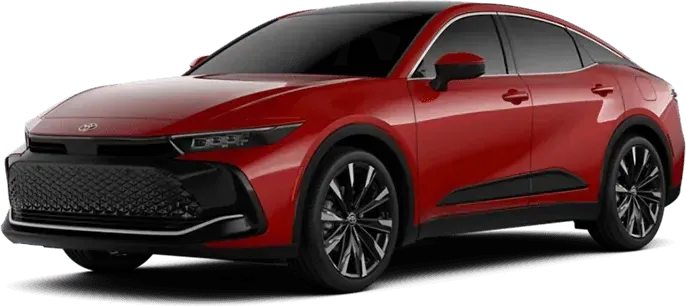
2023 Toyota Crown
Score: 84/100

2023 Nissan Altima
Score: 84/100

2023 Lexus IS
Score: 83/100

2023 Toyota 4Runner
Score: 82/100

2023 Acura RDX
Score: 82/100
See incorrect data? Report an issue