Last updated: 2026-10-10
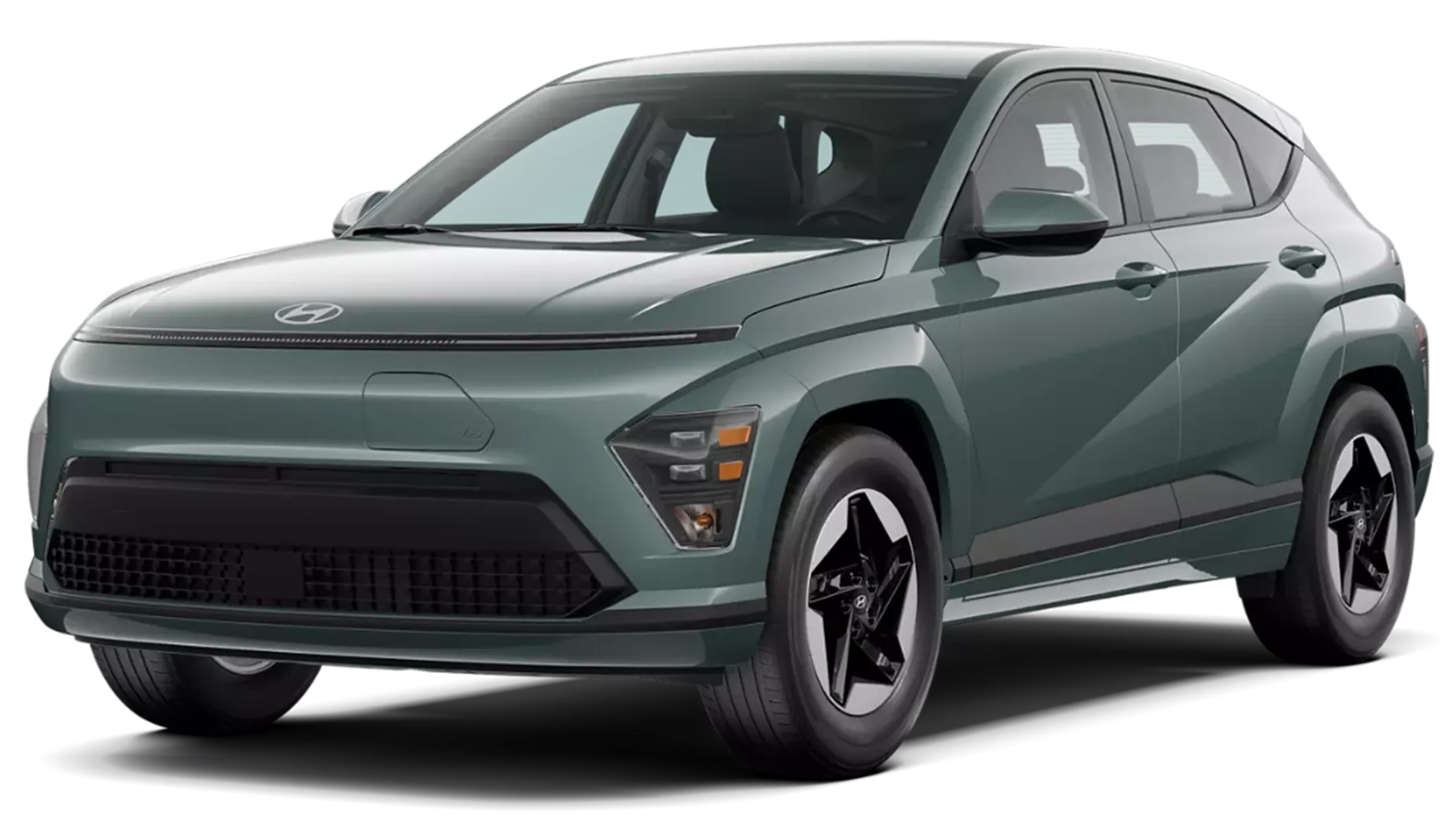
2026 Hyundai Kona Reliability Report
The 2026 Hyundai Kona rates good, but early fuel system leaks and two recalls leave it well below average among 2026 SUVs.
Recalls
2
Complaints
4
Complaint Rate
3.6per 10,000 sold
Est. Repair Cost
N/A
Annual Fuel Cost
$1,950–$2,300
Detailed Score Breakdown
Component-weighted complaints normalized by sales volume
Independent repair cost ratings
Recall count weighted by severity
Breadth of reported problem categories
The Verdict
Ranks in the middle of the Kona years, with recalls for steering and the electrical system and fuel leaks reported early; 2025 rates better with none.
Top Issues to Watch
- VEHICLE SPEED CONTROL (1)
- FUEL SYSTEM (1)
- POWER TRAIN (1)
Should You Buy the 2026 Hyundai Kona?
Good, with caveats. This year holds a good reliability standing, but it ranks well below average against other 2026 SUVs. Among the nine Kona model years, it sits in the middle. The 2025 Kona rates better, with 21 complaints and no recalls.
Owners report fuel system leaks, and they show up early, between 0 and 1,000 miles. Only 4 complaints are on file, but this model year has had little time on the road to collect more, so a short list does not make it a safe pick. Federal recall records list two recalls, one for steering and one for the electrical system. The federal crash-test rating is 4 of 5 stars.
Before buying, ask the seller for proof that both recall repairs were completed, and ask for any fuel system service records. If you want a Kona with no recalls and a better rating, look at a 2025.
See also the 2025 Hyundai Kona for an earlier comparison.
Pros
- +Acceptable reliability score
- +Low recall count
- +Below-average complaint rate for SUV
Cons
- −UNKNOWN OR OTHER (1)
- −VEHICLE SPEED CONTROL (1)
Compare 2026 Hyundai Kona With

2026 Mazda CX-30
Reliability: 72/100
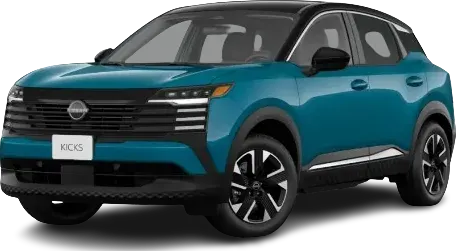
2026 Nissan Kicks
Reliability: 83/100

2026 Kia Sportage
Reliability: 83/100

2026 Chevrolet Trax
Reliability: 88/100

2026 Honda HR-V
Reliability: 100/100
Common Problem Categories
Safety
LOW RISK- 2 manufacturer recalls issued
Other
HIGH RISK- UNKNOWN OR OTHER (1)
- VEHICLE SPEED CONTROL (1)
Recall Overview
2
recalls on record
The 2026 Hyundai Kona carries 2 recalls — a low count. Authorized dealers repair any open recall free of charge, regardless of warranty status.
NHTSA.gov →Complaint Breakdown
3.6
per 10,000 soldSegment avg: 4.6
Safety Incidents
0
Crashes
0
Fires
0
Injuries
0
Deaths
NHTSA 4/5 Stars
Data sourced from NHTSA complaint filings and manufacturer recall notices. Complaint narratives are owner-reported.
2026 Hyundai Kona Recall Details
2 recalls have been issued for the 2026 Hyundai Kona. All recall repairs are performed free of charge at authorized dealerships.
STEERING
Hyundai Motor America (Hyundai) is recalling certain 2026 Kona vehicles. Due to a manufacturing error, the front steering knuckles may crack and break, which can result in a loss of vehicle steering control.
Consequence
A loss of vehicle steering control increases the risk of a crash.
Remedy
Dealers will inspect and replace the front steering knuckles, as necessary, free of charge. Owner notification letters were mailed March 5, 2026. Owners may contact Hyundai customer service at 1-855-371-9460. Hyundai's number for this recall is 295. Vehicle Identification Numbers (VINs) involved in this recall became searchable on NHTSA.gov on February 7, 2026.
ELECTRICAL SYSTEM
Hyundai Motor America (Hyundai) is recalling certain 2025-2026 Tucson Hybrid, Tucson Plug-In Hybrid Electric (PHEV), 2026 IONIQ 5, Santa Cruz, Kona, Palisade, Palisade Hybrid, Santa Fe, Santa Fe Hybrid, Sonata, Sonata Hybrid, and Tucson vehicles. Due to a software error, the instrument panel display may fail. As such, these vehicles fail to comply with the requirements of Federal Motor Vehicle Safety Standard (FMVSS) number 101, "Controls and Displays."
Consequence
An instrument panel display that fails to show critical safety information, such as the speedometer or warning lights, increases the risk of a crash.
Remedy
The instrument panel display software will be updated over-the-air (OTA) or by a dealer, free of charge. Owner notification letters are expected to be mailed March 27, 2026. Owners may contact Hyundai's customer service at 855-371-9460. Hyundai's number for this recall is 293. Vehicle Identification Numbers (VINs) involved in this recall became searchable on NHTSA.gov on January 28, 2026.
Buying a used 2026 Hyundai Kona? Check its history first
Vehicle speed control problems lead owner complaints about the 2026 Hyundai Kona, and 2 recalls were issued for it. A VIN check shows whether this car's recall work was done, plus accident, title, and odometer history.
- Accidents
- Open Recalls
- Title History
- Odometer Rollback
2026 Hyundai Kona NHTSA Safety Ratings
Overall Safety Rating
Crash Test Results by Configuration (expand)
Gas Powertrain
Rollover risk: 15.1%
Safety Technologies
Hyundai KonaRepair Costs & Maintenance
Maintenance Rating
2.5Maintenance rating: 2.5 out of 5Based on NHTSA complaint patterns, recall severity, and publicly available cost benchmarks.
Category-level averages derived from publicly available industry reports (AAA, CarMD). Model-level estimates produced by Auto Reliability Index.
Hyundai Kona Resale Value
The Hyundai Kona is estimated to retain about 75.9% of its original value after 3 years, based on observed used-car listings.
This benchmark covers the Hyundai Kona model overall and is not specific to the 2026 model year.
- Value Retained
- 75.9%
- Depreciation
- 24.1%
- Listings Analyzed
- 65
after 3 years
over the same period
U.S. used-car listings
Listings observed in . This is a historical market benchmark, not a current price quote.
Explore Hyundai Kona depreciation and resale value on CarResaleValue.com2026 Hyundai Kona Example Repair Prices
National average price ranges for common repairs. These are not model-year-specific failure predictions.
| Repair | Estimated Cost |
|---|---|
| AC Diagnosis | $122 – $179 |
| AC Condenser Replacement | $814 – $905 |
| Battery Test | $49 – $72 |
| Brake Booster Replacement | $471 – $578 |
| Fuel Level Sending Unit Replacement | $1,433 – $1,484 |
| Headlamp Alignment Adjust | $49 – $72 |
| Hood Latch Replacement | $177 – $205 |
| Intake Manifold Gasket Replacement | $413 – $487 |
| Water Pump Replacement | $624 – $738 |
| Exhaust Muffler Replacement | $959 – $988 |
Estimates based on national average repair costs. Actual costs may vary by location and shop.
MPG & Annual Running Costs
Gas
26–31 MPG
Fuel cost: $1,950–$2,300/yr
Fuel only
25–29 city / 28–35 hwy MPG
Based on EPA fuel-cost estimates. Excludes routine maintenance, depreciation, and insurance. Data as of 2026 EPA label cycle.
Gas trims
| Trim | Drive | Trans. | City | Hwy | Comb | Fuel Cost |
|---|---|---|---|---|---|---|
| Kona FWD 2.0L 4-cyl | Front-Wheel Drive | Automatic (AV-S1) | 28 | 35 | 31 | $1,950 |
| Kona FWD w/Stop-Start 2.0L 4-cyl | Front-Wheel Drive | Automatic (AV-S1) | 29 | 34 | 31 | $1,950 |
| Kona AWD w/Stop-Start 2.0L 4-cyl | All-Wheel Drive | Automatic (AV-S1) | 27 | 29 | 28 | $2,150 |
| Kona FWD SX2 1.6T 8AT FWD 1.6L 4-cyl | Front-Wheel Drive | Automatic (S8) | 26 | 31 | 28 | $2,150 |
| Kona AWD 2.0L 4-cyl | All-Wheel Drive | Automatic (AV-S1) | 26 | 29 | 27 | $2,200 |
| Kona AWD SX2 1.6T 8AT AWD 1.6L 4-cyl | All-Wheel Drive | Automatic (S8) | 25 | 28 | 26 | $2,300 |
Used Buying Checklist
Key things to inspect or verify before purchasing a 2026 Hyundai Kona.
Inspect fuel lines for rodent damage or punctures
Check for proper hood alignment and gaps exposing engine components
Test vehicle acceleration for unexpected speed control issues
Verify brake responsiveness and check for any dragging sounds
Inspect steering mechanism for resistance or restriction
Test infotainment system for glitches or shutdowns
2026 Hyundai Kona Common Problems by Component
4 owner complaints grouped by vehicle system.
UNKNOWN OR OTHER
1 complaintHyundai needs to eliminate the “CONSIDER TAKING A COFFEE BREAK “ alert! Its completely distracting, comes in way too frequently, and is loud
VEHICLE SPEED CONTROL
1 complaintI bought the car in November 2025. I was on a highway, going at a comfortable, 65 mph speed (a few weeks after purchasing this happened the first time ). Suddenly, the car stopped accelerating, of course I panicked, slowly pulled off to the shoulder, and shut the car off. Luckily, it was not rush hour . I restarted the car, and it was normal driving. I texted my salesperson and asked if he had heard about this issue. He said no. No warning lights or messages appeared as that happened. The speed had decreased and stayed at 36 mph for a few seconds. A few weeks later, it happened again, this time it stayed at around 36 mph. I pulled over and shut the car off, restarted, and no issues. This time I told my salesperson I wanted to bring it in, but they had a one-month wait and offered no help, didn't seem phased or concerned. I took the appointment for February 17, which was approximately a 4-week wait. Again, no lights or warning signals. The third time this happened I was merging on to a very busy ramp to enter a busy highway, and the speed stopped at 11 mph, and I panicked, pulled over restarted the car and that was enough for me to call and insist they take the car as soon as possible, as we were expecting a major snowstorm which did happen the next day. I did not take the car out and brought it in to the dealer on Monday. Again, they seemed unconcerned but took the car after I insisted. The car has been there for 2-weeks now and they claim they cannot find a problem. I called Hyundai corporate. After investigating, they too said there was nothing they could do since they could not find a problem. I may add that while this is happening I am stepping on the gas and nothing happens.
FUEL SYSTEM
1 complaintThe contact owns a 2026 Hyundai Kona. The contact stated that while the vehicle was parked and turned off, an inspector discovered a puddle of fuel on the ground underneath the vehicle. The vehicle was taken to the dealer, who determined that the hood insulation was damaged, and the fuel lines were punctured. The vehicle was not repaired. The contact stated that two other GSA fleet vehicles of the same year, make, and model, as well as a coworker who owns a 2025 Hyundai Konda had experienced the same failure. The contact related the failure to rodents chewing the organic-based fuel lines. The manufacturer was not made aware of the failure. The failure mileage was approximately 900.
POWER TRAIN (1 complaints)
POWER TRAIN
1 complaintBody: The hood/Under the hood: There is a wide ½“ or more gap on the right and left side of the hood. I can see inside under the hood from a distance. It is not flush while connecting to the rest of the vehicle. I can see the ground after opening the hood. The engine and all the components are exposed to the elements. This is a new vehicle from the dealership brand. There is no cover for the bottom to protect the engine or protection for wirings and other mechanisms under the hood. Winters in Illinois is brutal and floods. Poor acceleration and Brakes Restriction while steering experienced dragging sounds and forced pushing and pulling. I do not trust the steering wheel mechanism at all and have to grip it to make sure I keep complete control of the steering wheel and fearful of the reliability of the breaks because I have experience being pulled or pushed while merging and having to panicky while using the brakes. I must press extremely hard to brake in slow traffic and use extreme hard brake to slow to a complete stop during rush hours. Fuel performance is horrible. This model requires gasoline. When I feel my vehicle up with fuel the tank is a fuel guzzler. The fuel disappears in days. I must refill the tank once a week. This car does not have good mileage. Doors All the doors automatically unlock when put in park. Fuel performance is horrible. This model requires gasoline. When I feel my vehicle up with fuel the tank is a fuel guzzler. The fuel disappears in days. I must refill the tank once a week. This car does not have good mileage. The steering mechanism is terrorizing my driving experience. Merging and changing lanes while driving in traffic I experience resistance and restriction. Inside the front panel Inside the car appears to have glitches such as the temperature settings flipping from inside/outside air. The radio shuts down. Window fluid splatters the entire windshield obstructing view. Purchased 2025
When Do 2026 Hyundai Kona Problems Start?
Based on owner complaint patterns, here's when common issues tend to appear.
Best & Worst Hyundai Kona Years
Best Hyundai Kona Years to Buy
Based on reliability index scoreHyundai Kona Years to Avoid
Hyundai Kona Reliability Score Trend
Scores 0–100. Higher is better. Current year highlighted.
| Year | Score | Rating |
|---|---|---|
| 2018 | 69/100 | Good |
| 2019 | 55/100 | Mixed |
| 2020 | 57/100 | Mixed |
| 2021 | 63/100 | Good |
| 2022 | 64/100 | Good |
| 2023 | 66/100 | Good |
| 2024 | 68/100 | Good |
| 2025 | 74/100 | Good |
| 2026 | 67/100 | Good |
Hyundai Kona Reliability Compared to Other Years
Frequently Asked Questions
Is the 2026 Hyundai Kona reliable?
What are the most common problems with the 2026 Hyundai Kona?
Does the 2026 Hyundai Kona have fuel system problems?
Has the 2026 Hyundai Kona been recalled?
Is the 2026 Hyundai Kona better than the 2025?
Don’t buy a 2026 Hyundai Kona without checking its VIN first — hidden accidents, title issues, and open recalls could cost you thousands.
How we score the 2026 Hyundai Kona
Of the four inputs behind this score, the 2026 Hyundai Kona does best on recall impact (80/100) and worst on repair costs (50/100). Scores weight complaint severity at 35%, repair costs at 30%, recall impact at 20%, and the spread of complaints across systems at 15%, with complaint counts adjusted for US sales. Read the full methodology.
Get notified when new recalls or reliability data is added for the Hyundai Kona.
No spam. Only data updates for this model.
Browse More Hyundai Models
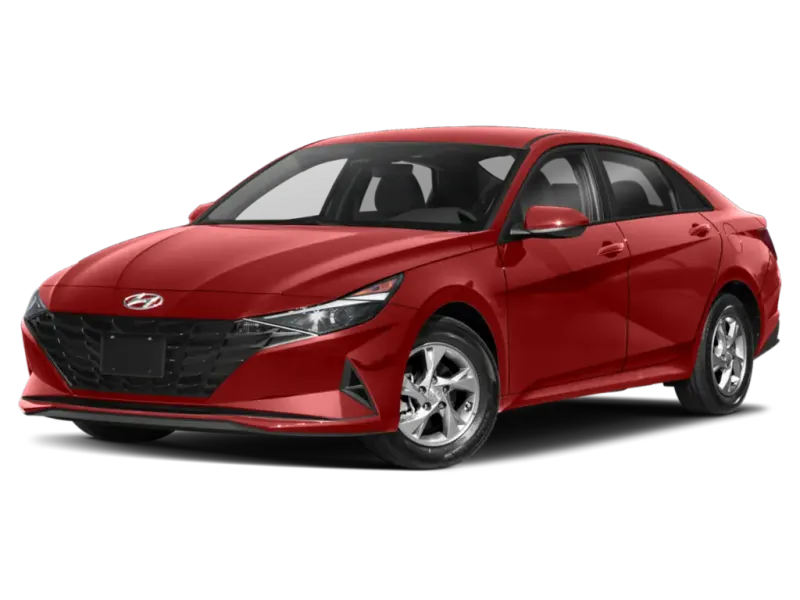
Hyundai Elantra
Score: 94/100
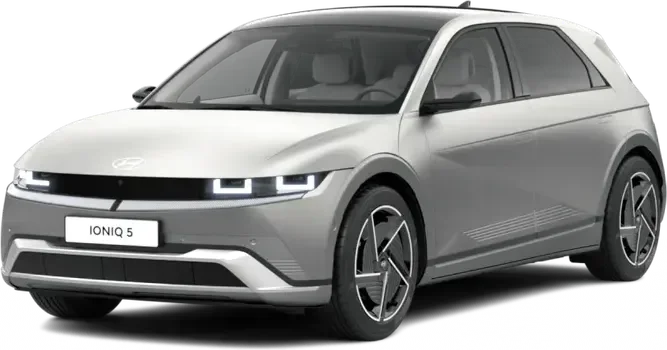
Hyundai Ioniq 5
Score: 63/100
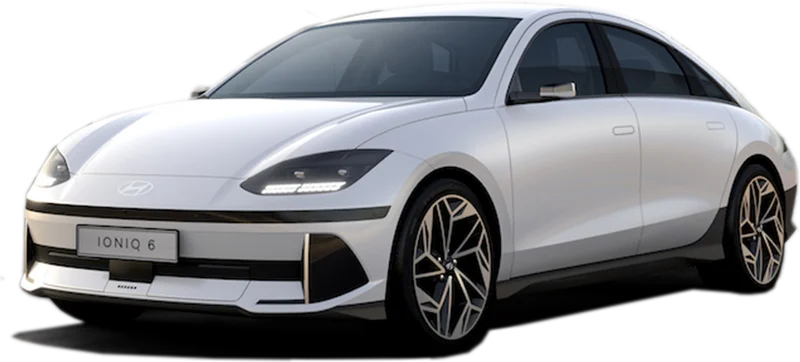
Hyundai Ioniq 6
Score: 82/100

Hyundai Palisade
Score: 72/100
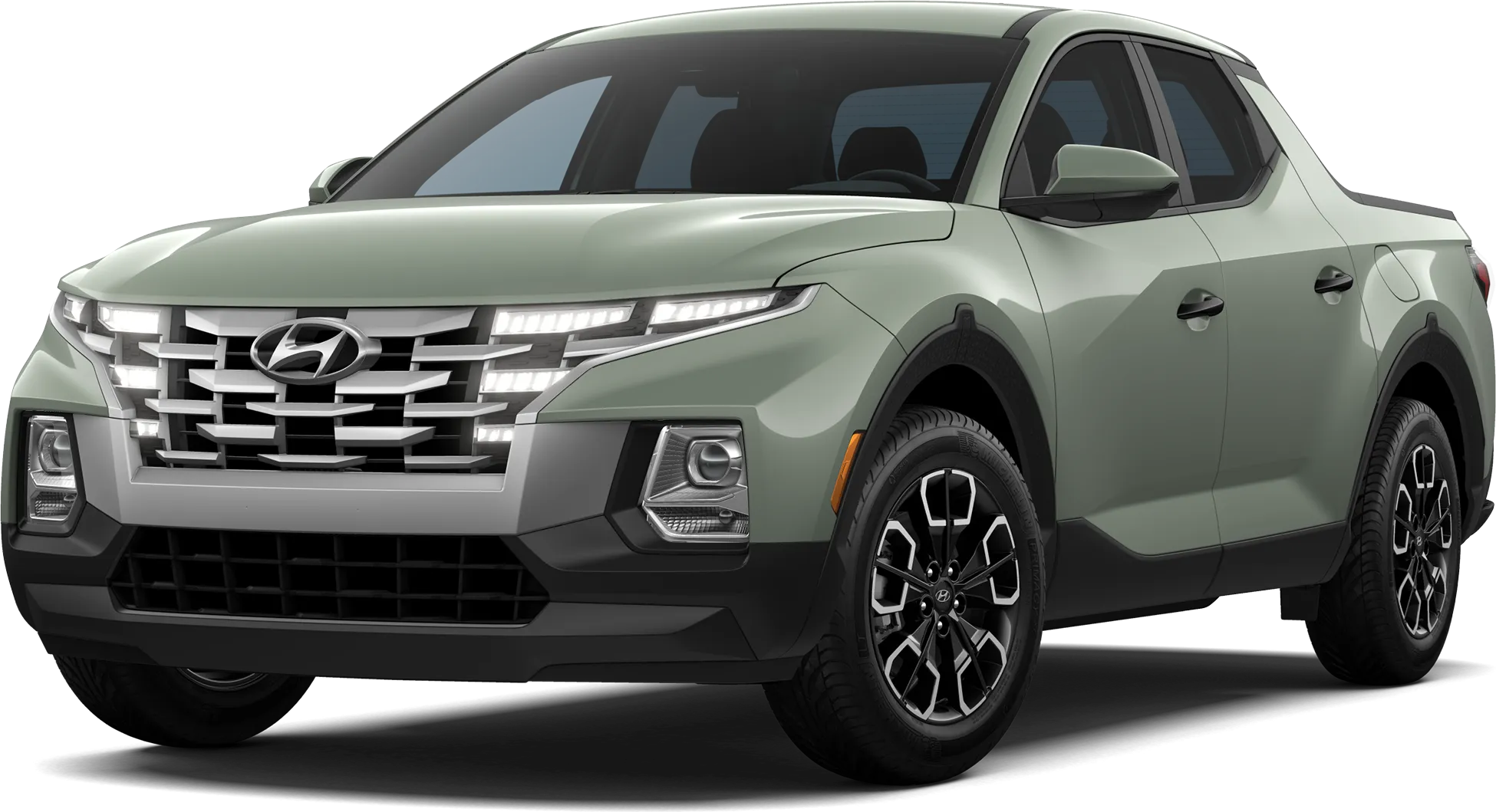
Hyundai Santa Cruz
Score: 74/100
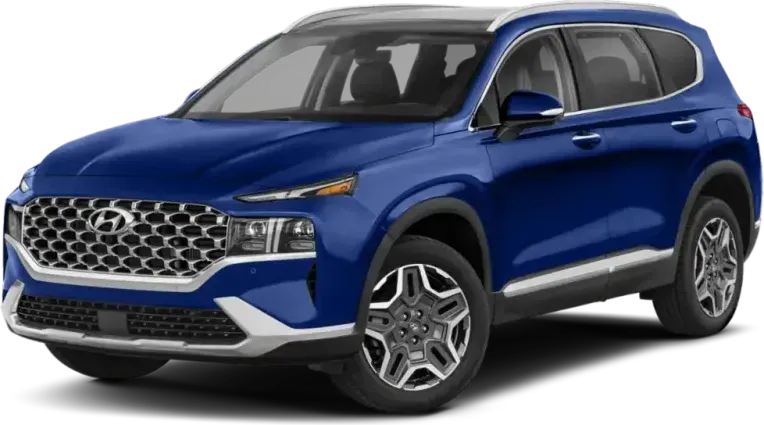
Hyundai Santa Fe
Score: 75/100
Browse More 2026 Vehicles
2026 Honda HR-V
Score: 100/100
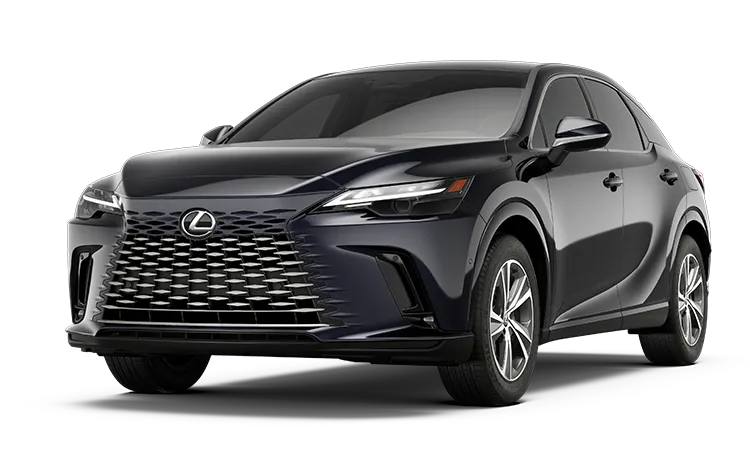
2026 Lexus RX
Score: 95/100
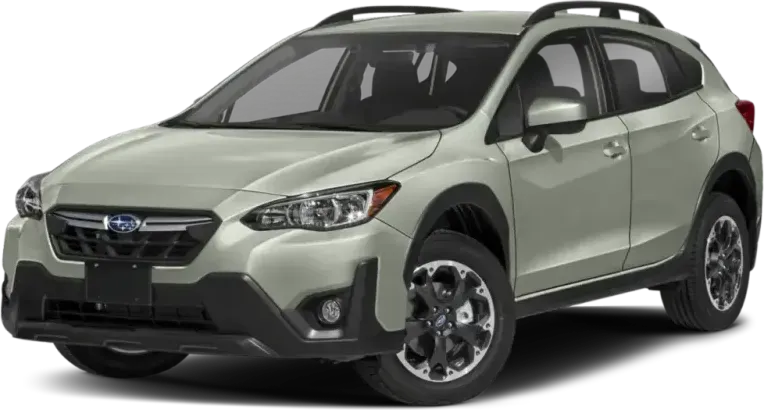
2026 Subaru Crosstrek
Score: 94/100

2026 Mazda CX-5
Score: 94/100
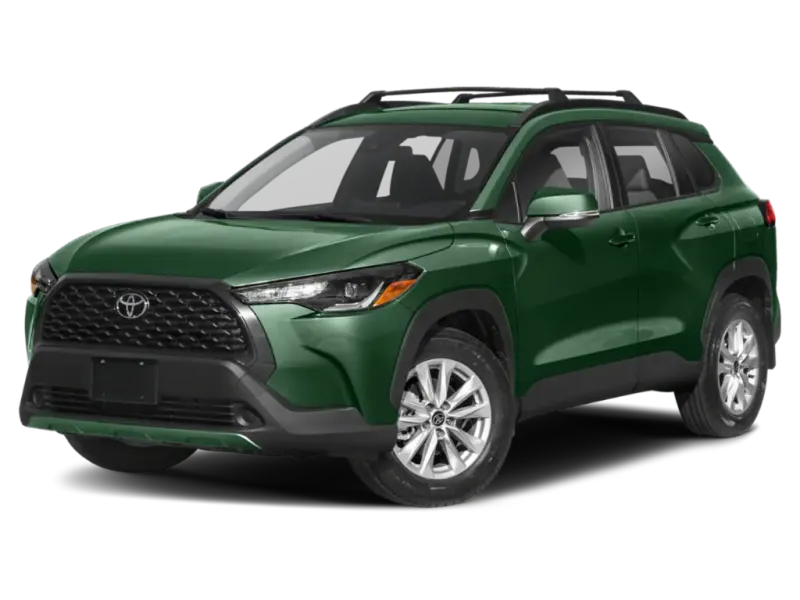
2026 Toyota Corolla Cross
Score: 94/100
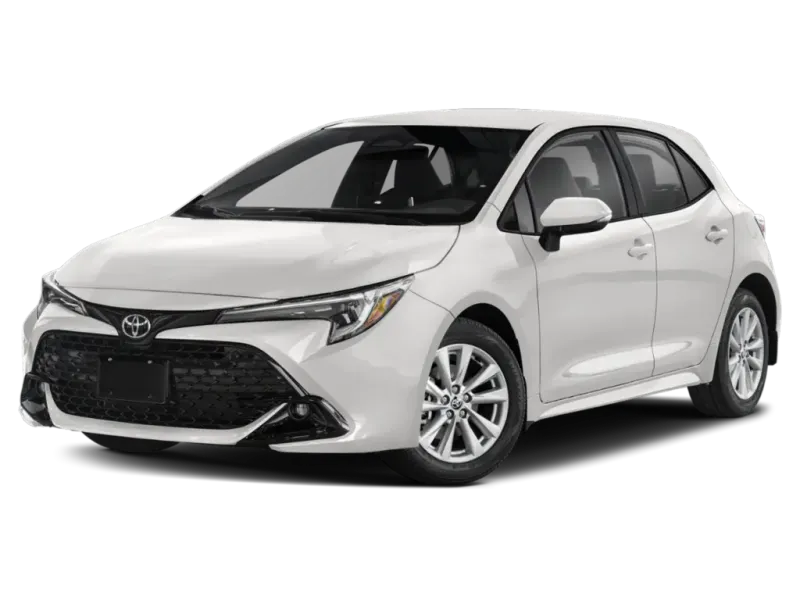
2026 Toyota Corolla
Score: 94/100
See incorrect data? Report an issue