Last updated: 2026-10-10
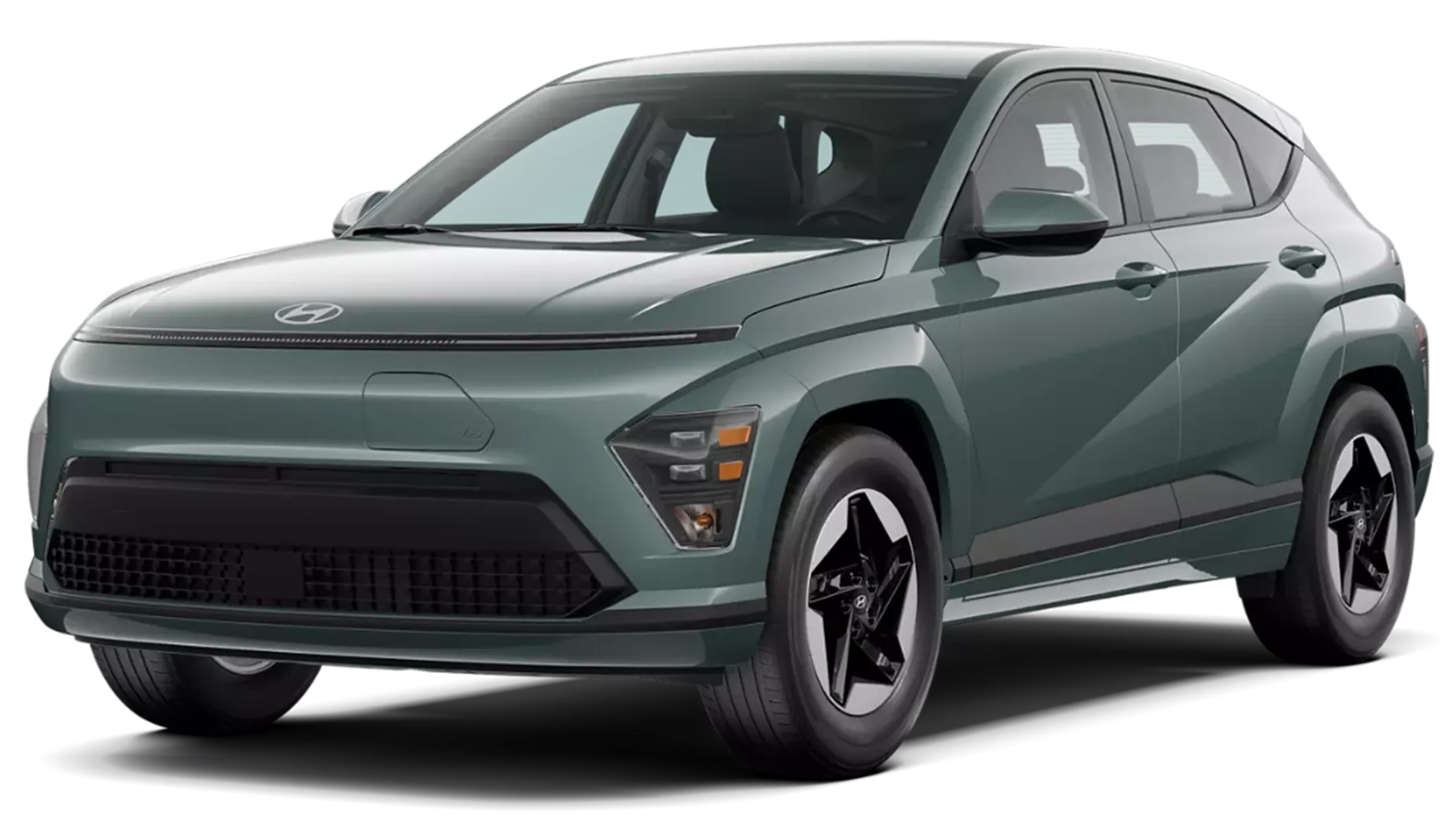
2022 Hyundai Kona Reliability Report
The 2022 Hyundai Kona rates good for reliability, but owners report horn failures, power loss while driving and early transmission failures.
Recalls
2
Complaints
115
Complaint Rate
18per 10,000 sold
Est. Repair Cost
N/A
Annual Fuel Cost
$1,850–$3,000
Detailed Score Breakdown
Component-weighted complaints normalized by sales volume
Independent repair cost ratings
Recall count weighted by severity
Breadth of reported problem categories
The Verdict
Rated good but only mid-pack among Kona years, with electrical complaints leading and some transmissions failing at 4,000 to 7,000 miles.
Top Issues to Watch
- ELECTRICAL SYSTEM (33)
- ENGINE (19)
- POWER TRAIN (18)
Generation & Refresh (US)
2022 is 1 year after the facelift refresh.
- Year 5 in the First generation (OS; 2018-2023) (2018–2023).
- Well-established in its generation — most early issues should be resolved.
- 1st generation Kona (US).
What this means for buyers
Post-refresh years tend to be among the most refined — updates have been applied and early kinks worked out.
2018: First generation (OS; 2018-2023) Launch
Generation start — new platform.
2021: Mid-Cycle Refresh
Updated features and styling tweaks.
2022: This Model Year
2022 is 1 year after the facelift refresh.
Should You Buy the 2022 Hyundai Kona?
Reliability standing is good, but only middling for its class. Against other 2022 SUVs this Kona sits below average, and among the nine Kona years we score it lands in the middle. The 2021 and 2023 models rate about the same, so neither neighbor clearly beats it. Owners filed 115 complaints, and the federal crash-test rating is 5 of 5 stars.
Electrical faults lead the list. Horns quit without warning and often fail again after replacement. Kona Electric owners describe a 12V battery that drains and leaves the car dead. Engine complaints include power cutting out at highway speed, coolant leaks, and two reports of an oil drain plug falling out. Some transmissions failed outright at 4,000 to 7,000 miles. Federal records show two recalls, covering the fuel system and the power train.
Ask the seller for proof that both recalls were completed. Look for repair records on the horn, cooling system, and transmission. On an Electric, ask about 12V battery trouble. Compare a 2021 or 2023 car too, since they rate about the same.
Compared to the 2023 Hyundai Kona, which scored 2 points higher. See also the 2021 Hyundai Kona for an earlier comparison.
Pros
- +Acceptable reliability score
- +Low recall count
- +5-star NHTSA crash rating
Cons
- −Above-average complaint rate for SUV
- −ELECTRICAL SYSTEM: Horn quits without warning, and it often fails again after replacement (33 complaints)
- −ENGINE: Power cuts out while driving, sometimes at highway speed, and some cars will... (19 complaints)
Compare 2022 Hyundai Kona With

2022 Kia Soul
Reliability: 78/100

2022 Mazda CX-30
Reliability: 67/100
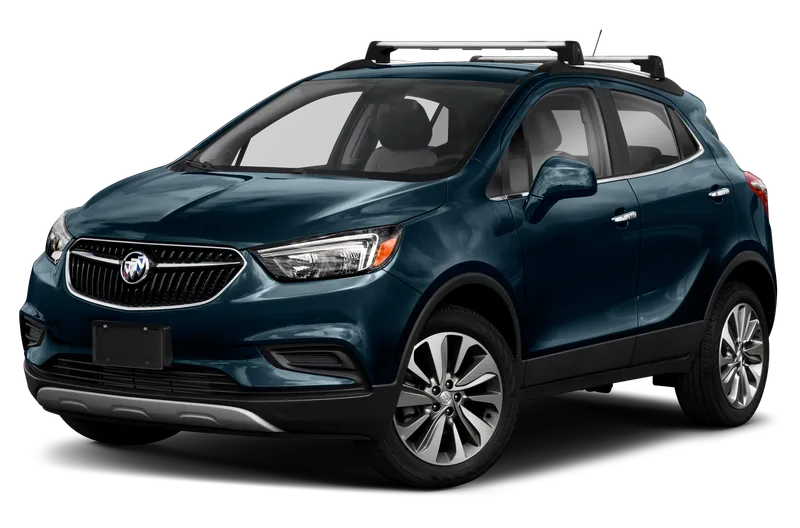
2022 Buick Encore
Reliability: 80/100

2022 Chevrolet Trax
Reliability: 81/100

2022 Kia Sportage
Reliability: 79/100
Common Problem Categories
Safety
LOW RISK- 2 manufacturer recalls issued
Other
HIGH RISK- ELECTRICAL SYSTEM (33)
- ENGINE (19)
Recall Overview
2
recalls on record
The 2022 Hyundai Kona carries 2 recalls — a low count. Authorized dealers repair any open recall free of charge, regardless of warranty status.
NHTSA.gov →Complaint Breakdown
18
per 10,000 soldSegment avg: 13.5
Safety Incidents
3
Crashes
0
Fires
1
Injuries
0
Deaths
NHTSA 5/5 Stars
Data sourced from NHTSA complaint filings and manufacturer recall notices. Complaint narratives are owner-reported.
2022 Hyundai Kona Recall Details
2 recalls have been issued for the 2022 Hyundai Kona. All recall repairs are performed free of charge at authorized dealerships.
FUEL SYSTEM, GASOLINE
Hyundai Motor America (Hyundai) is recalling certain 2019-2022 Veloster N, 2019-2023 Genesis G70, 2022-2023 Elantra N, and Kona N vehicles. The fuel pump may fail, which can result in a loss of drive power.
Consequence
A loss of drive power can increase the risk of a crash.
Remedy
Dealers will update engine control module software. In addition, dealers will inspect and replace the fuel pump assembly, as necessary. All repairs will be performed free of charge. Owner notification letters were mailed beginning September 9, 2024. Some interim notification letters, notifying owners of the safety risk, were mailed September 3, 2024. Owners may contact Hyundai customer service at 1-855-371-9460. Hyundai's numbers for this recall are 262 and 023G.
POWER TRAIN
Hyundai Motor Company (Hyundai) is recalling certain 2021-2022 Santa Fe, Sonata, Veloster N, 2022 Santa Cruz, Elantra N, and Kona N vehicles. The vehicle's "fail-safe" limited-mobility drive mode may be impaired, when prompted by a transmission oil pump malfunction, which can result in a complete loss of drive power.
Consequence
Loss of drive power increases the risk of a crash.
Remedy
Dealers will inspect and replace the transmission, as necessary. Dealers will also update the transmission control unit software. All repairs will be performed free of charge. Owner notification letters were mailed January 10, 2023. Owners may contact Hyundai customer service at 1-855-371-9460. Hyundai's number for this recall is 236.
Buying a used 2022 Hyundai Kona? Check its history first
Electrical system problems lead owner complaints about the 2022 Hyundai Kona, and 2 recalls were issued for it. A VIN check shows whether this car's recall work was done, plus accident, title, and odometer history.
- Accidents
- Open Recalls
- Title History
- Odometer Rollback
2022 Hyundai Kona NHTSA Safety Ratings
Overall Safety Rating
Crash Test Results by Configuration (expand)
Gas Powertrain
Rollover risk: 14.1%
Safety Technologies
Hyundai KonaRepair Costs & Maintenance
Maintenance Rating
2.5Maintenance rating: 2.5 out of 5Based on NHTSA complaint patterns, recall severity, and publicly available cost benchmarks.
Category-level averages derived from publicly available industry reports (AAA, CarMD). Model-level estimates produced by Auto Reliability Index.
Hyundai Kona Resale Value
The Hyundai Kona is estimated to retain about 75.9% of its original value after 3 years, based on observed used-car listings.
This benchmark covers the Hyundai Kona model overall and is not specific to the 2022 model year.
- Value Retained
- 75.9%
- Depreciation
- 24.1%
- Listings Analyzed
- 65
after 3 years
over the same period
U.S. used-car listings
Listings observed in . This is a historical market benchmark, not a current price quote.
Explore Hyundai Kona depreciation and resale value on CarResaleValue.com2022 Hyundai Kona Example Repair Prices
National average price ranges for common repairs. These are not model-year-specific failure predictions.
| Repair | Estimated Cost |
|---|---|
| AC Diagnosis | $122 – $179 |
| AC Condenser Replacement | $814 – $905 |
| Battery Test | $49 – $72 |
| Brake Booster Replacement | $471 – $578 |
| Fuel Level Sending Unit Replacement | $1,433 – $1,484 |
| Headlamp Alignment Adjust | $49 – $72 |
| Hood Latch Replacement | $177 – $205 |
| Intake Manifold Gasket Replacement | $413 – $487 |
| Water Pump Replacement | $624 – $738 |
| Exhaust Muffler Replacement | $959 – $988 |
Estimates based on national average repair costs. Actual costs may vary by location and shop.
MPG & Annual Running Costs
Gas
23–32 MPG
Fuel cost: $1,850–$3,000/yr
Fuel only
20–30 city / 27–35 hwy MPG
Electric
258 mi range
Fuel cost: $650/yr
Fuel only
28 kWh/100mi · 9.5 hrs @ 240V
Based on EPA fuel-cost estimates. Excludes routine maintenance, depreciation, and insurance. Data as of 2022 EPA label cycle.
Gas trims
| Trim | Drive | Trans. | City | Hwy | Comb | Fuel Cost |
|---|---|---|---|---|---|---|
| Kona FWD 1.6L 4-cyl | Front-Wheel Drive | Automatic (AM-S7) | 29 | 35 | 32 | $1,850 |
| Kona FWD 2.0L 4-cyl | Front-Wheel Drive | Automatic (AV-S1) | 30 | 35 | 32 | $1,850 |
| Kona AWD 2.0L 4-cyl | All-Wheel Drive | Automatic (AV-S1) | 28 | 33 | 30 | $2,000 |
| Kona AWD 1.6L 4-cyl | All-Wheel Drive | Automatic (AM-S7) | 27 | 32 | 29 | $2,050 |
| Kona N 2.0L 4-cyl | Front-Wheel Drive | Automatic (AM-S8) | 20 | 27 | 23 | $3,000 |
Electric trims
| Trim | Drive | Trans. | Range | kWh/100mi | Fuel Cost |
|---|---|---|---|---|---|
| Kona Electric | Front-Wheel Drive | Automatic (A1) | 258 mi | 28.0 | $650 |
Used Buying Checklist
Key things to inspect or verify before purchasing a 2022 Hyundai Kona.
Press the horn several times, and ask whether the horn assembly has already been replaced.
Set adaptive cruise on the highway and check that it holds speed without dropping 10 to 15 mph.
Drive at highway speed in light traffic and watch for automatic emergency braking with nothing ahead.
Check coolant level and ask for records of thermostat, thermal management module, or radiator repairs.
On a Kona Electric, charge to 100%, let it sit overnight, and confirm it unlocks and starts normally.
Check service records for transmission replacement, limp mode, or stalling complaints, and confirm the drain plug is tight.
Inspect the driver's side taillight for water inside, and check low-beam aim at night.
On a Kona Electric, listen for whining or grinding from the drivetrain during regenerative braking.
2022 Hyundai Kona Common Problems by Component
115 owner complaints grouped by vehicle system.
ELECTRICAL SYSTEM
33 complaintsThe horn quits without warning, and it often fails again after replacement. Some cars have had the horn assembly replaced three times, with failures reported at 7,500 and 65,000 miles. Kona Electric owners describe a 12V battery that drains and leaves the car dead or unable to unlock, often after charging to 100%. Jump starts get these cars running, but dealers frequently find nothing wrong. Other reports cover clicking no-starts, a defective high-voltage battery flagged by an "Electrical system error" warning, and range readings owners say they can't trust.
ENGINE
19 complaintsPower cuts out while driving, sometimes at highway speed, and some cars will not restart and need a tow. Dealers often can't reproduce the fault. Cooling problems come up repeatedly: coolant leaks from the integrated thermal management module, radiators that lose a full reservoir of coolant within a day with no check engine light, and a thermostat code tied to a service bulletin. One engine failed before 4,000 miles and was replaced. Two owners say the oil drain plug fell out on the highway and the engine lost its oil.
UNKNOWN OR OTHER
18 complaintsMost of these reports are about the horn going silent, sometimes in very cold weather, with repeat failures after one or two dealer replacements. Other owners describe the engine shutting down at stops through the idle stop and go system, and it can stall again when the gas is pressed. Some cars shake violently at highway speed with the check engine light on. Others show cooling system codes, RPM bouncing with flickering lights, or a dead car that won't unlock or start. One transmission failed and the car had to be towed.
POWER TRAIN (18 complaints)
POWER TRAIN
18 complaintsTransmissions fail outright, sometimes on the highway and on cars with only 4,000 to 7,000 miles. Other reports describe limp mode capped near 2000 rpm, slipping, getting stuck in first gear, and stalling at stops with a dashboard message telling the driver to shift to neutral. Dealers often clear codes without finding a cause. Kona N owners report misfires and stalling, and one car got a new turbo system to fix sluggish acceleration. On the Kona Electric, owners describe metal shavings in the gear reduction oil and growing noise.
VEHICLE SPEED CONTROL (9 complaints)
VEHICLE SPEED CONTROL
9 complaintsSafety-relatedAdaptive cruise control is slow to engage. Speed drops 10 to 15 mph before it holds, it loses speed on hills, and it takes a long time to recover after following traffic. Several owners stopped using it, and dealers say nothing can be done or can't reproduce it. One crash report describes the car accelerating while parking below 5 mph, jumping a curb, and hitting a building despite braking. Others describe sudden hard braking at expressway speed.
SERVICE BRAKES (4 complaints)
SERVICE BRAKES
4 complaintsAutomatic emergency braking activates on the highway for no visible reason. Owners report it at around 60 mph with no cars nearby, braking hard for 3 to 5 seconds, and in one case locking the brakes to a stop in the fast lane. Several owners report repeat events. A separate report describes brakes getting weaker over two days with a low brake fluid warning, after which the dealer refused to inspect the car for 18 days.
FORWARD COLLISION AVOIDANCE (3 complaints)
FORWARD COLLISION AVOIDANCE
3 complaintsThe emergency braking system triggers on its own, slowing the car sharply with a flashing warning and alert sounds. Reports place it on the freeway at safe following distances and in an empty parking lot at low speed. One car had only 1,322 miles. The car does not come to a full stop in these reports, but drivers describe the rear-end collision risk and lost confidence. One owner says the dealer only made a note of the complaint.
VISIBILITY (2 complaints)
VISIBILITY
2 complaintsGlass breaks while the car is moving, with nothing hitting it. In one case the sunroof shattered at around 40,000 miles and glass fell on the driver. The dealer called it defective glass, but parts took 10 days to arrive. In another case the front passenger window exploded at about 70 mph at around 2,000 miles, and the car was towed for a warranty repair.
AIR BAGS (2 complaints)
AIR BAGS
2 complaintsSafety-relatedNeither crash reported here set off the air bags. One was a rear-end collision at 33 to 40 mph. The other was a serious collision with one injury, where the owner also says automatic braking failed and cruise control kept driving the car despite a collision warning. Neither owner reports a warning light beforehand.
EXTERIOR LIGHTING (2 complaints)
EXTERIOR LIGHTING
2 complaintsWater gets inside the driver's side taillight assembly. In one report the dealer acknowledged the problem at 7,750 miles but offered no repair. Another owner says the low beams aim far too high, so oncoming drivers flash them constantly, and the dealer said the headlights can't be adjusted.
When Do 2022 Hyundai Kona Problems Start?
Based on owner complaint patterns, here's when common issues tend to appear.
Best & Worst Hyundai Kona Years
Best Hyundai Kona Years to Buy
Based on reliability index scoreHyundai Kona Years to Avoid
Hyundai Kona Reliability Score Trend
Scores 0–100. Higher is better. Current year highlighted.
| Year | Score | Rating |
|---|---|---|
| 2018 | 69/100 | Good |
| 2019 | 55/100 | Mixed |
| 2020 | 57/100 | Mixed |
| 2021 | 63/100 | Good |
| 2022 | 64/100 | Good |
| 2023 | 66/100 | Good |
| 2024 | 68/100 | Good |
| 2025 | 74/100 | Good |
| 2026 | 67/100 | Good |
Hyundai Kona Reliability Compared to Other Years
Frequently Asked Questions
Is the 2022 Hyundai Kona reliable?
What are the most common problems with the 2022 Hyundai Kona?
Does the 2022 Hyundai Kona have transmission problems?
Has the 2022 Hyundai Kona been recalled?
Are the 12V battery problems a concern on the 2022 Kona Electric?
Don’t buy a 2022 Hyundai Kona without checking its VIN first — hidden accidents, title issues, and open recalls could cost you thousands.
How we score the 2022 Hyundai Kona
Of the four inputs behind this score, the 2022 Hyundai Kona does best on how many systems draw complaints (87/100) and worst on repair costs (50/100). Scores weight complaint severity at 35%, repair costs at 30%, recall impact at 20%, and the spread of complaints across systems at 15%, with complaint counts adjusted for US sales. Read the full methodology.
Get notified when new recalls or reliability data is added for the Hyundai Kona.
No spam. Only data updates for this model.
Browse More Hyundai Models
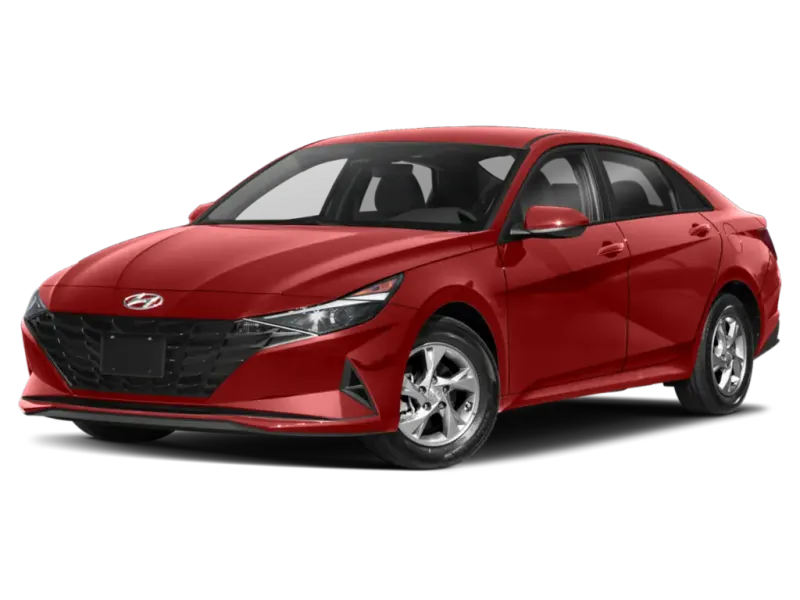
Hyundai Elantra
Score: 94/100
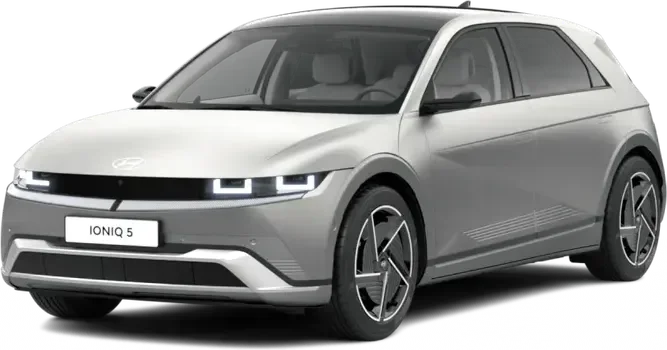
Hyundai Ioniq 5
Score: 63/100
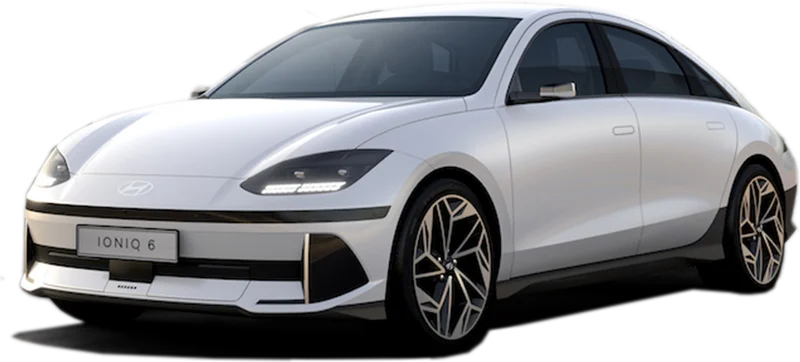
Hyundai Ioniq 6
Score: 82/100

Hyundai Palisade
Score: 72/100
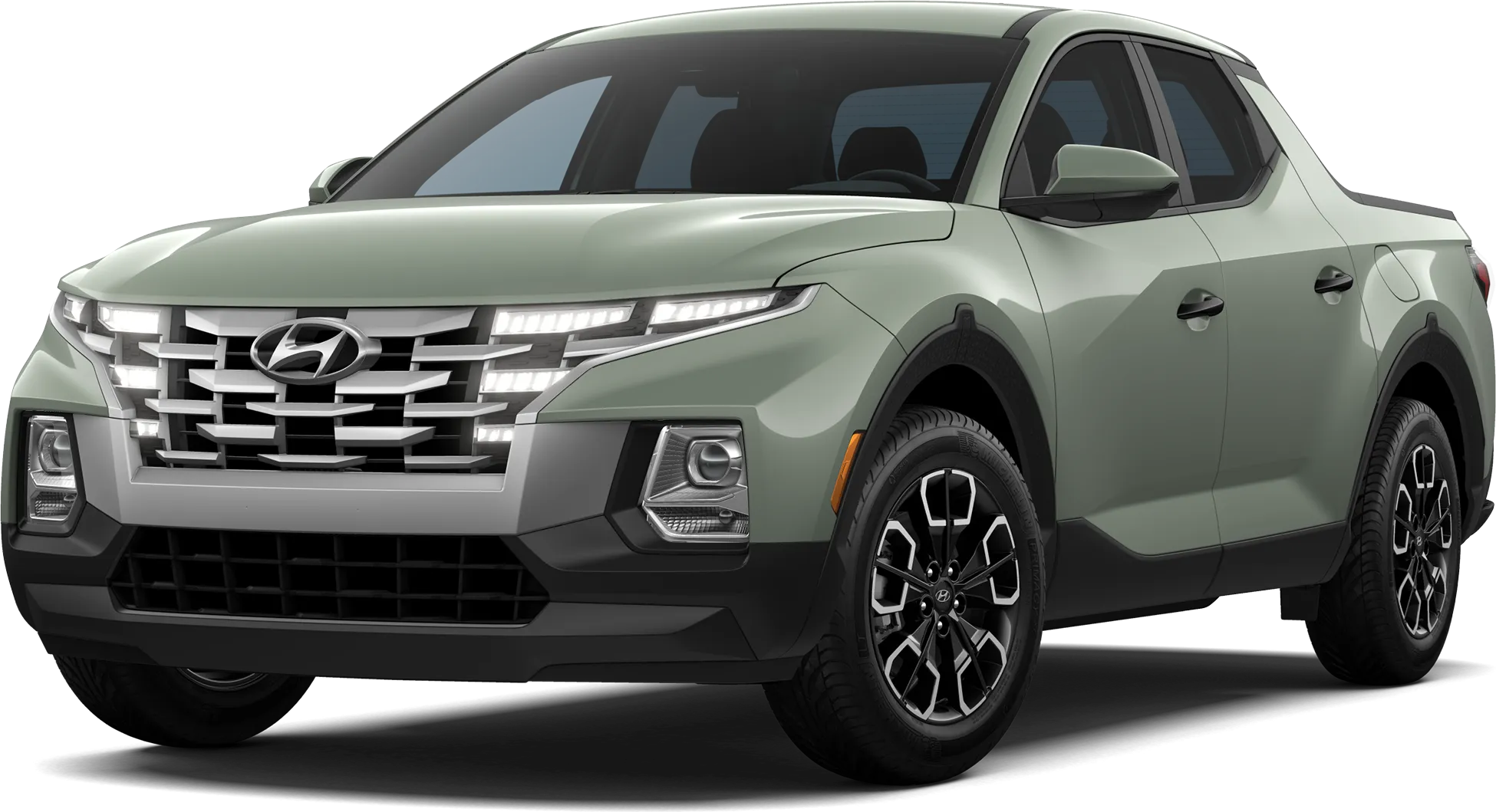
Hyundai Santa Cruz
Score: 74/100
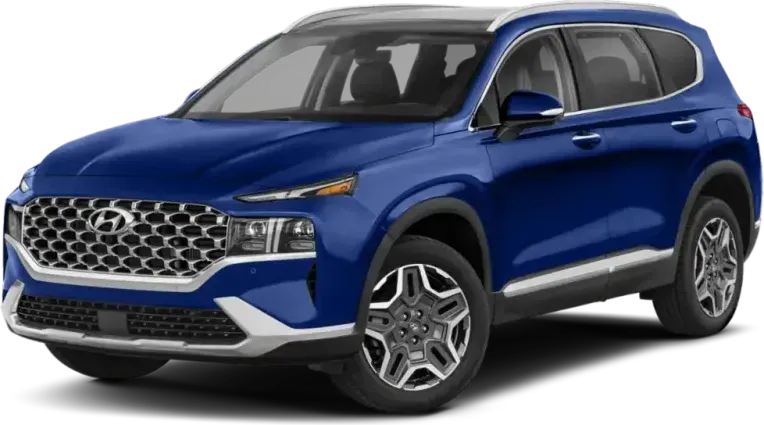
Hyundai Santa Fe
Score: 75/100
Browse More 2022 Vehicles
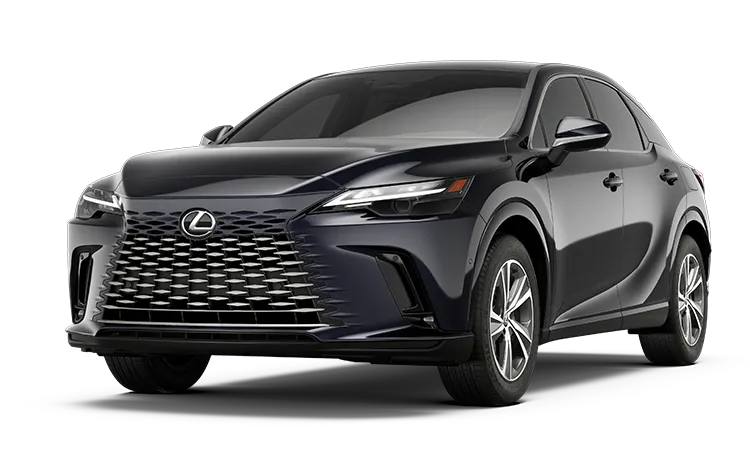
2022 Lexus RX
Score: 90/100
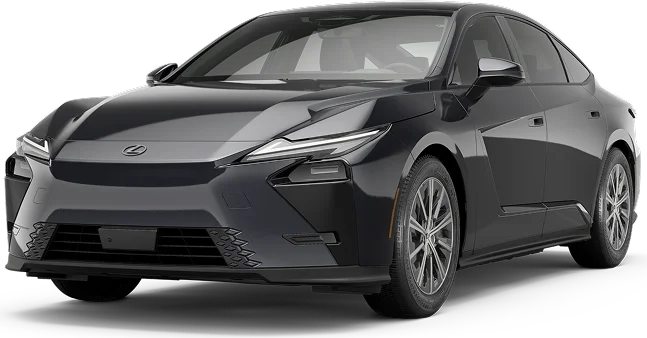
2022 Lexus ES
Score: 88/100

2022 Mazda CX-5
Score: 87/100
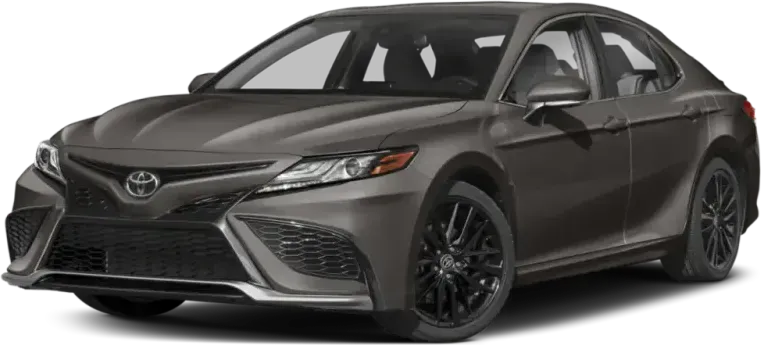
2022 Toyota Camry
Score: 84/100

2022 Honda HR-V
Score: 83/100
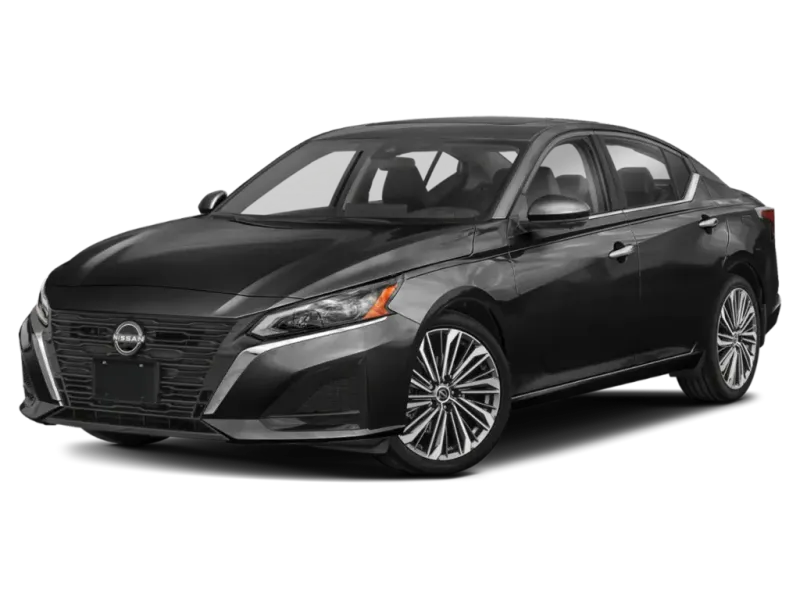
2022 Nissan Altima
Score: 83/100
See incorrect data? Report an issue