Last updated: 2026-10-10
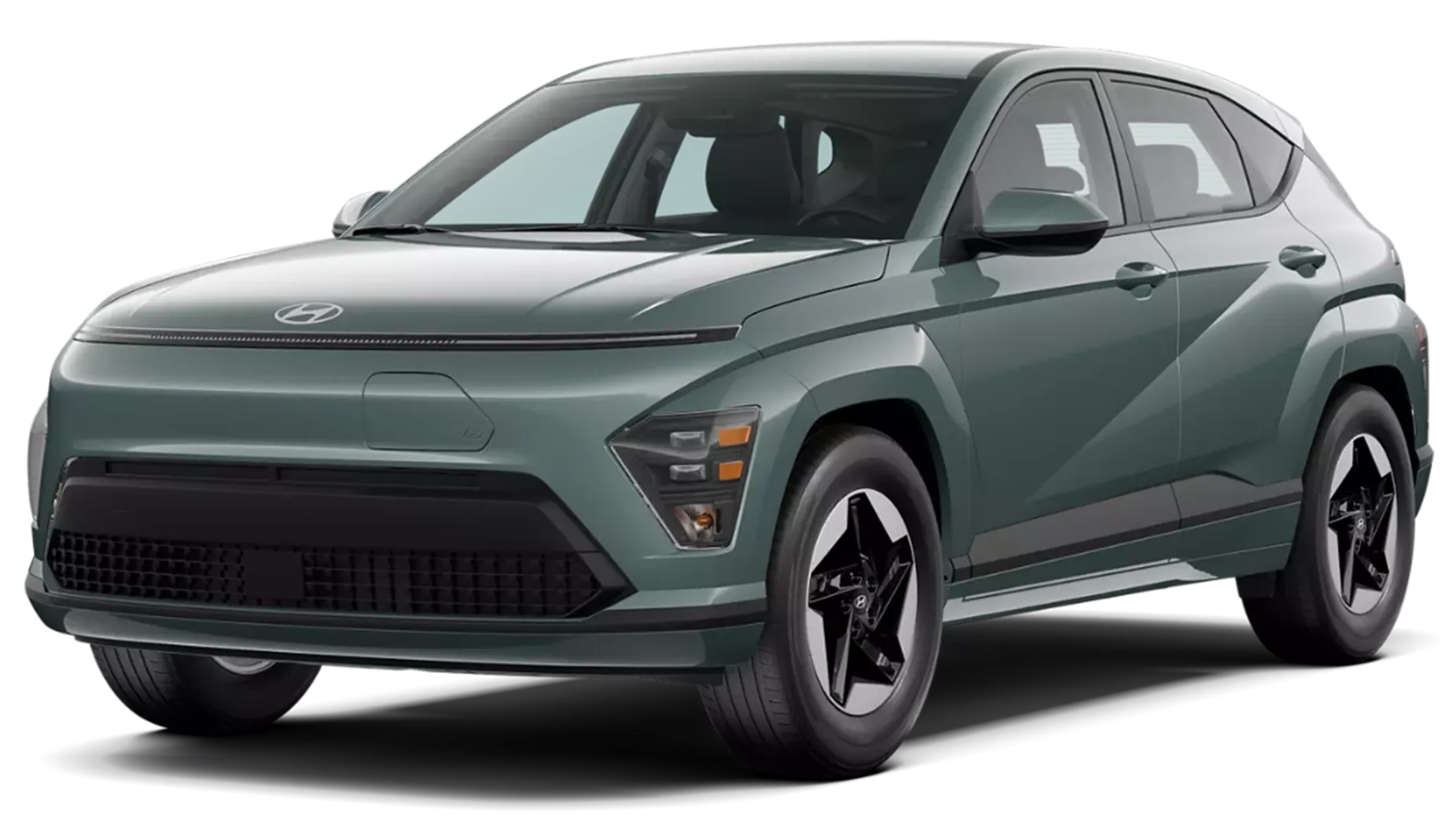
2021 Hyundai Kona Reliability Report
The 2021 Hyundai Kona has a good reliability standing, but oil loss and sudden engine failure lead its owner complaints.
Recalls
1
Complaints
102
Complaint Rate
11.4per 10,000 sold
Est. Repair Cost
N/A
Annual Fuel Cost
$2,000–$2,200
Detailed Score Breakdown
Component-weighted complaints normalized by sales volume
Independent repair cost ratings
Recall count weighted by severity
Breadth of reported problem categories
The Verdict
Facelift year with a good standing but below average among 2021 SUVs, with engine oil loss and stalling as the main complaints.
Top Issues to Watch
- ENGINE (52)
- ELECTRICAL SYSTEM (18)
- POWER TRAIN (14)
Generation & Refresh (US)
2021 received a facelift update for the First generation (OS; 2018-2023).
- Changes: Exterior aesthetic changes; Increased cargo capacity; Increased rear seat legroom; Added mild hybrid system for 1.0L engine.
- Year 4 in this generation (2018–2023).
- 1st generation Kona (US).
What this means for buyers
Refresh years bring updates but can also introduce new issues. Check early recall data before buying.
2018: First generation (OS; 2018-2023) Launch
Generation start — new platform.
2021: This Model Year (Refresh)
2021 received a facelift update for the First generation (OS; 2018-2023).
Should You Buy the 2021 Hyundai Kona?
Standing is good, yet this is one of the weaker Konas. It ranks below average against other 2021 SUVs and among the weaker of the nine scored Kona model years. This is the facelift year of the first generation. The 2020 rates worse, with 140 complaints, and the 2022 rates about the same. The federal crash-test rating is 5 of 5 stars.
Engine trouble makes up about half of the 102 owner complaints. Owners describe engines that burn or lose oil between changes, often with no low-oil warning, then knock, stall, or seize. Some of this starts early, between 4,000 and 17,600 miles. Others report heavy oil use from 61,000 miles on. Stalling while driving shows up at 14,000 to 21,400 miles, and dealers often find no fault code. Some owners also describe the dual-clutch automatic jerking or lunging. Federal records list one recall, covering the electrical system, service brakes, and engine.
Ask for service records that show any oil consumption tests or engine work, and confirm the recall repair was done. Test drive for stalling, hesitation, and rough shifts. The 2022 is a comparable alternative.
Compared to the 2022 Hyundai Kona, which scored 1 points higher. See also the 2020 Hyundai Kona for an earlier comparison.
Pros
- +Acceptable reliability score
- +Low recall count
- +Below-average complaint rate for SUV
Cons
- −ENGINE: Heavy oil use and sudden engine failure dominate these reports (52 complaints)
- −UNKNOWN OR OTHER: These reports cover a wide mix of problems (22 complaints)
Compare 2021 Hyundai Kona With

2021 Kia Soul
Reliability: 72/100

2021 Mazda CX-30
Reliability: 60/100
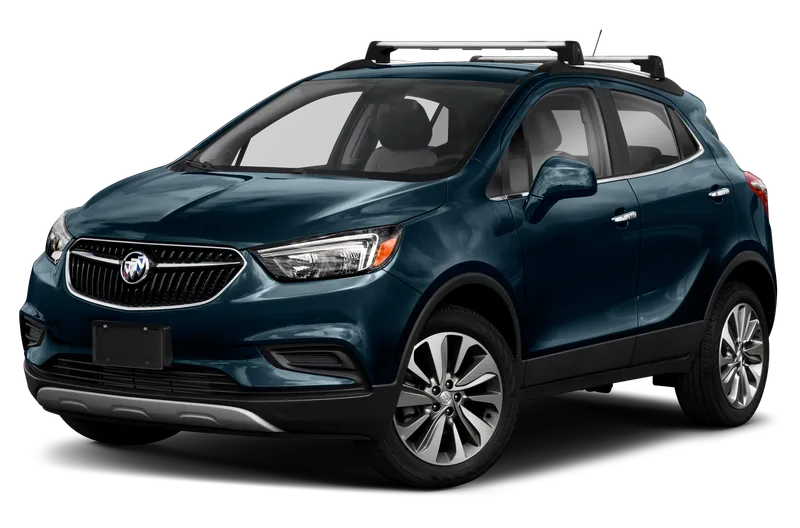
2021 Buick Encore
Reliability: 80/100

2021 Chevrolet Trax
Reliability: 81/100

2021 Kia Sportage
Reliability: 76/100
Common Problem Categories
Safety
LOW RISK- 1 manufacturer recall issued
Other
HIGH RISK- ENGINE (52)
- UNKNOWN OR OTHER (22)
Recall Overview
1
recall on record
The 2021 Hyundai Kona carries 1 recall — a low count. Authorized dealers repair any open recall free of charge, regardless of warranty status.
NHTSA.gov →Complaint Breakdown
11.4
per 10,000 soldSegment avg: 16.7
Safety Incidents
2
Crashes
3
Fires
3
Injuries
0
Deaths
NHTSA 5/5 Stars
Data sourced from NHTSA complaint filings and manufacturer recall notices. Complaint narratives are owner-reported.
2021 Hyundai Kona Recall Details
1 recall has been issued for the 2021 Hyundai Kona. All recall repairs are performed free of charge at authorized dealerships.
ELECTRICAL SYSTEM
Hyundai Motor America (Hyundai) is recalling certain 2021 Kona EV vehicles. The Electric Power Control Unit (EPCU) may have been improperly sealed and may leak coolant internally.
Consequence
Coolant contacting the EPCU circuit board may cause a loss of drive power, increasing the risk of a crash.
Remedy
Dealers will inspect and replace the EPCU, as necessary, free of charge. Owner notification letters were mailed March 22, 2023. A second notice will be sent once the final remedy is available. Owners may contact Hyundai customer service at 1-855-371-9460. Hyundai's number for this recall is 239.
SERVICE BRAKES, HYDRAULIC
Hyundai Motor America (Hyundai) is recalling certain 2019-2020 Nexo Fuel Cell and 2019-2021 Kona Electric vehicles. The Integrated Electronic Brake (IEB) system may detect an abnormal sensor signal and as a result, may significantly reduce braking performance.
Consequence
Reduced braking power could lengthen the distance required to stop the vehicle, increasing the risk of a crash.
Remedy
Hyundai will notify owners, and dealers will update the IEB software, free of charge. The recall began January 25, 2021. Owners may contact Hyundai customer service at 1-855-371-9460. Hyundai's number for this recall is 199.
ENGINE
Hyundai Motor America (Hyundai) is recalling certain 2019-2020 Elantra, 2019-2021 Kona and Veloster vehicles equipped with 2.0L Nu MPI engines. The piston oil rings may not have been properly heat-treated, which could result in engine damage.
Consequence
A damaged engine may stall, increasing the risk of a crash. In addition, oil may leak onto hot exhaust components, increasing the risk of a fire.
Remedy
Dealers will inspect and, if necessary, replace the engine, free of charge. In addition, Hyundai will deploy Piston Ring Noise Sensing System (PNSS) software. Owner notification letters were mailed August 24, 2021. Owners may contact Hyundai customer service at 1-855-371-9460.
Buying a used 2021 Hyundai Kona? Check its history first
Engine problems lead owner complaints about the 2021 Hyundai Kona, and 1 recall was issued for it. A VIN check shows whether this car's recall work was done, plus accident, title, and odometer history.
- Accidents
- Open Recalls
- Title History
- Odometer Rollback
2021 Hyundai Kona NHTSA Safety Ratings
Overall Safety Rating
Crash Test Results by Configuration (expand)
Gas Powertrain
Rollover risk: 13.6%
Safety Technologies
Hyundai KonaRepair Costs & Maintenance
Maintenance Rating
2.5Maintenance rating: 2.5 out of 5Based on NHTSA complaint patterns, recall severity, and publicly available cost benchmarks.
Category-level averages derived from publicly available industry reports (AAA, CarMD). Model-level estimates produced by Auto Reliability Index.
Hyundai Kona Resale Value
The Hyundai Kona is estimated to retain about 75.9% of its original value after 3 years, based on observed used-car listings.
This benchmark covers the Hyundai Kona model overall and is not specific to the 2021 model year.
- Value Retained
- 75.9%
- Depreciation
- 24.1%
- Listings Analyzed
- 65
after 3 years
over the same period
U.S. used-car listings
Listings observed in . This is a historical market benchmark, not a current price quote.
Explore Hyundai Kona depreciation and resale value on CarResaleValue.com2021 Hyundai Kona Example Repair Prices
National average price ranges for common repairs. These are not model-year-specific failure predictions.
| Repair | Estimated Cost |
|---|---|
| AC Diagnosis | $122 – $179 |
| AC Condenser Replacement | $814 – $905 |
| Battery Test | $49 – $72 |
| Brake Booster Replacement | $471 – $578 |
| Fuel Level Sending Unit Replacement | $1,433 – $1,484 |
| Headlamp Alignment Adjust | $49 – $72 |
| Hood Latch Replacement | $177 – $205 |
| Intake Manifold Gasket Replacement | $413 – $487 |
| Water Pump Replacement | $624 – $738 |
| Exhaust Muffler Replacement | $959 – $988 |
Estimates based on national average repair costs. Actual costs may vary by location and shop.
MPG & Annual Running Costs
Gas
27–30 MPG
Fuel cost: $2,000–$2,200/yr
Fuel only
25–28 city / 29–33 hwy MPG
Electric
258 mi range
Fuel cost: $600/yr
Fuel only
27 kWh/100mi · 9 hrs @ 240V
Based on EPA fuel-cost estimates. Excludes routine maintenance, depreciation, and insurance. Data as of 2021 EPA label cycle.
Gas trims
| Trim | Drive | Trans. | City | Hwy | Comb | Fuel Cost |
|---|---|---|---|---|---|---|
| Kona FWD 1.6L 4-cyl | Front-Wheel Drive | Automatic (AM7) | 28 | 32 | 30 | $2,000 |
| Kona FWD 2.0L 4-cyl | Front-Wheel Drive | Automatic (S6) | 27 | 33 | 30 | $2,000 |
| Kona AWD 1.6L 4-cyl | All-Wheel Drive | Automatic (AM7) | 26 | 29 | 27 | $2,200 |
| Kona AWD 2.0L 4-cyl | All-Wheel Drive | Automatic (S6) | 25 | 30 | 27 | $2,200 |
Electric trims
| Trim | Drive | Trans. | Range | kWh/100mi | Fuel Cost |
|---|---|---|---|---|---|
| Kona Electric | Front-Wheel Drive | Automatic (A1) | 258 mi | 27.0 | $600 |
Used Buying Checklist
Key things to inspect or verify before purchasing a 2021 Hyundai Kona.
Pull the dipstick and compare the oil level with the last oil change date in the service records.
Start the engine cold and listen for knocking or ticking in the first minute.
Have a Hyundai dealer run the VIN for open recalls and print records of completed engine and transmission work.
Drive in stop-and-go traffic and watch for jerky shifts, delayed takeoff, hard downshifts, or stalling.
Run the highway on cruise control and watch for sudden power loss or false blind-spot alerts.
On a Kona Electric, check for regenerative brake, high-voltage, or inverter coolant warnings and test DC fast charging.
Look at the headlamp lenses for trapped moisture or condensation.
Pull back the front carpets and check for dampness or a musty smell from a clogged AC drain.
2021 Hyundai Kona Common Problems by Component
102 owner complaints grouped by vehicle system.
ENGINE
52 complaintsHeavy oil use and sudden engine failure dominate these reports. Engines burn or lose oil between changes, often with no low-oil warning, then knock, stall, or seize, sometimes on highways and in traffic. Some fail by 12,034 miles. Others start burning oil or lose piston rings much later. Cold-start knocking is a common early sign. Dealers sometimes find nothing wrong at first or run oil consumption tests. Many complaints are about long waits for replacement engines, recall repairs, and parts, with cars off the road for months.
UNKNOWN OR OTHER
22 complaintsSafety-relatedThese reports cover a wide mix of problems. One describes smoke, every dash light coming on, and a shutdown just before the engine burned. On electric models, owners report high-voltage battery faults that leave the car unable to start, plus coolant leaks with overheating and stalling. Other reports include sudden acceleration while parking, a car rolling out of park and injuring its driver, headlight condensation, a blurry rear camera, false collision alerts, and hesitation when passing. One owner sold the car back while waiting for recall work.
ELECTRICAL SYSTEM
18 complaintsSafety-relatedStalling while driving is the most common pattern. The engine cuts out with no warning and restarts normally. Dealers often find no fault code and cannot fix it. Two fires are reported: a parked car that burned from the engine compartment, and an electric model that caught fire while being unplugged. Electric-model owners also describe battery warnings, failed DC fast charging, repeated inverter coolant warnings, and long waits for recall parts. Other complaints include false blind-spot and collision warnings, a failed heater and defroster, and a clogged AC drain that let water and mold into the cabin.
POWER TRAIN (14 complaints)
POWER TRAIN
14 complaintsThe dual-clutch automatic jerks, downshifts hard, and lunges when coming to a stop. It can also hesitate for several seconds when pulling away from a rolling stop. Owners report sudden drops into low gear, stalling at lights, and a total loss of drive power in traffic. One describes the transmission overheating on a steep snowy grade, then bucking and smoking. Dealers often find no code, and software updates do not always help. Oil consumption is also reported starting around 61,000 miles. An electric model was left inoperable by a motor position sensor failure while waiting for parts.
VEHICLE SPEED CONTROL (4 complaints)
VEHICLE SPEED CONTROL
4 complaintsSafety-relatedUnwanted acceleration and loss of power appear in a small number of reports. In the most serious one, a stuck accelerator led to a crash and rollover. The steering wheel airbag caught fire and the driver suffered fractures and head injuries. Other reports describe the car surging forward when the brake is released, a transmission stuck in third gear that hits the fuel cutoff on the interstate, and a sudden loss of drive power on cruise control that only a restart fixes.
SERVICE BRAKES (3 complaints)
SERVICE BRAKES
3 complaintsTwo failure types appear. In one, the pedal sinks and stopping takes hard pressure because brake fluid leaks from pinholes and fittings in the brake lines. In the other, on electric models, a "Check regenerative brakes" message appears with brake warning lights, and the parking brake may apply while driving or stopping. One dealer replaced the integrated electric brake unit. Another warning came back days after a dealer update.
EXTERIOR LIGHTING (2 complaints)
EXTERIOR LIGHTING
2 complaintsRainwater gets inside the headlamps and cuts their light output. The one dealer response reported was to let them dry out, with no repair. A separate complaint says the low-mounted LED headlights leave dark spots in the beam and glare at oncoming drivers over small bumps, even when the dealer finds the aim correct. Water intrusion was reported at 5,052 miles.
STEERING (2 complaints)
STEERING
2 complaintsThe car pulls to the right from new, with the wheel off center and heavier effort turning left. An alignment did not fix it. A separate report describes noise from the steering column plus bucking when pulling away from stops at 16k miles, with a long wait for a dealer appointment. Neither report describes a loss of steering control.
ENGINE AND ENGINE COOLING (2 complaints)
ENGINE AND ENGINE COOLING
2 complaintsStalling at low speed or in turns comes with excessive oil use in both reports. Owners describe ticking or dinging noises, rough revving, and slow acceleration before the stall. One owner was adding oil every other week. Shops either found no cause or recommended more testing, and neither car was repaired. The pattern matches the oil-consumption complaints filed under engine.
WHEELS (2 complaints)
WHEELS
2 complaintsRunning the compact spare on a front wheel can cause heavy smoke within 10 miles and damage the front drivetrain. A dealer advised never mounting the spare on the front, and a similar spare-tire report appears under other complaints. A separate complaint involves a car sold new in April 2021 with tires made in 2019.
When Do 2021 Hyundai Kona Problems Start?
Based on owner complaint patterns, here's when common issues tend to appear.
Best & Worst Hyundai Kona Years
Best Hyundai Kona Years to Buy
Based on reliability index scoreHyundai Kona Years to Avoid
Hyundai Kona Reliability Score Trend
Scores 0–100. Higher is better. Current year highlighted.
| Year | Score | Rating |
|---|---|---|
| 2018 | 69/100 | Good |
| 2019 | 55/100 | Mixed |
| 2020 | 57/100 | Mixed |
| 2021 | 63/100 | Good |
| 2022 | 64/100 | Good |
| 2023 | 66/100 | Good |
| 2024 | 68/100 | Good |
| 2025 | 74/100 | Good |
| 2026 | 67/100 | Good |
Hyundai Kona Reliability Compared to Other Years
Frequently Asked Questions
Is the 2021 Hyundai Kona reliable?
What are the most common problems with the 2021 Hyundai Kona?
Does the 2021 Hyundai Kona have engine problems?
Does the 2021 Hyundai Kona have a recall?
Is the 2021 Hyundai Kona better than the 2022?
Don’t buy a 2021 Hyundai Kona without checking its VIN first — hidden accidents, title issues, and open recalls could cost you thousands.
How we score the 2021 Hyundai Kona
Of the four inputs behind this score, the 2021 Hyundai Kona does best on how many systems draw complaints (84/100) and worst on repair costs (50/100). Scores weight complaint severity at 35%, repair costs at 30%, recall impact at 20%, and the spread of complaints across systems at 15%, with complaint counts adjusted for US sales. Read the full methodology.
Get notified when new recalls or reliability data is added for the Hyundai Kona.
No spam. Only data updates for this model.
Browse More Hyundai Models
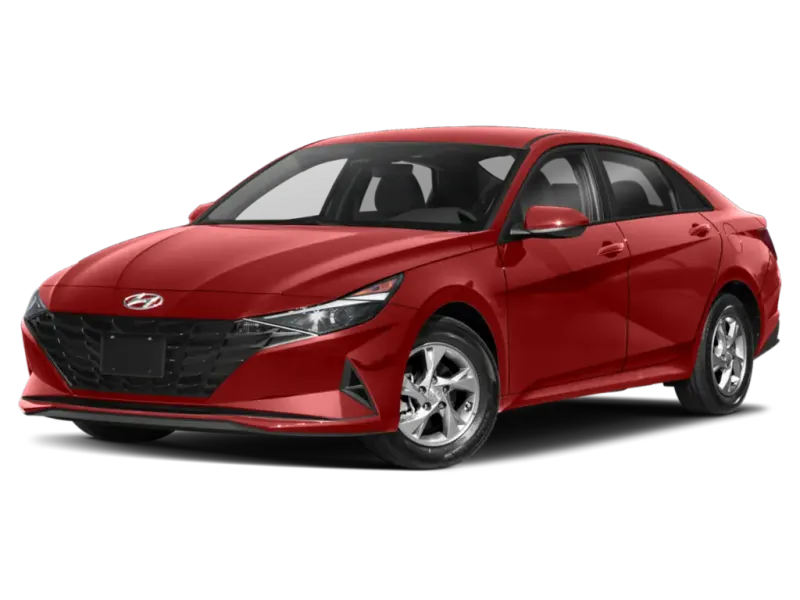
Hyundai Elantra
Score: 94/100
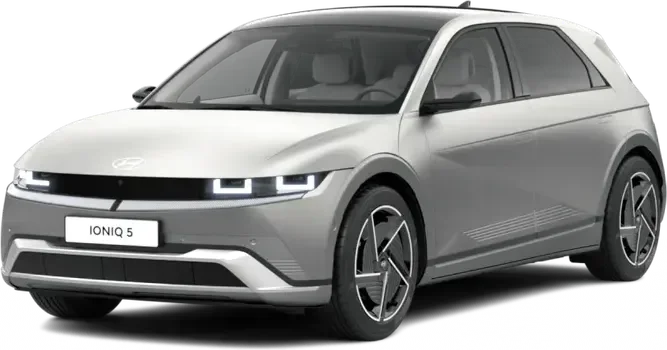
Hyundai Ioniq 5
Score: 63/100
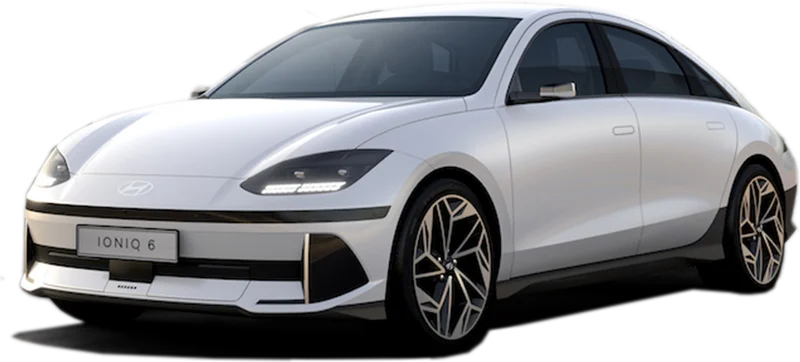
Hyundai Ioniq 6
Score: 82/100

Hyundai Palisade
Score: 72/100
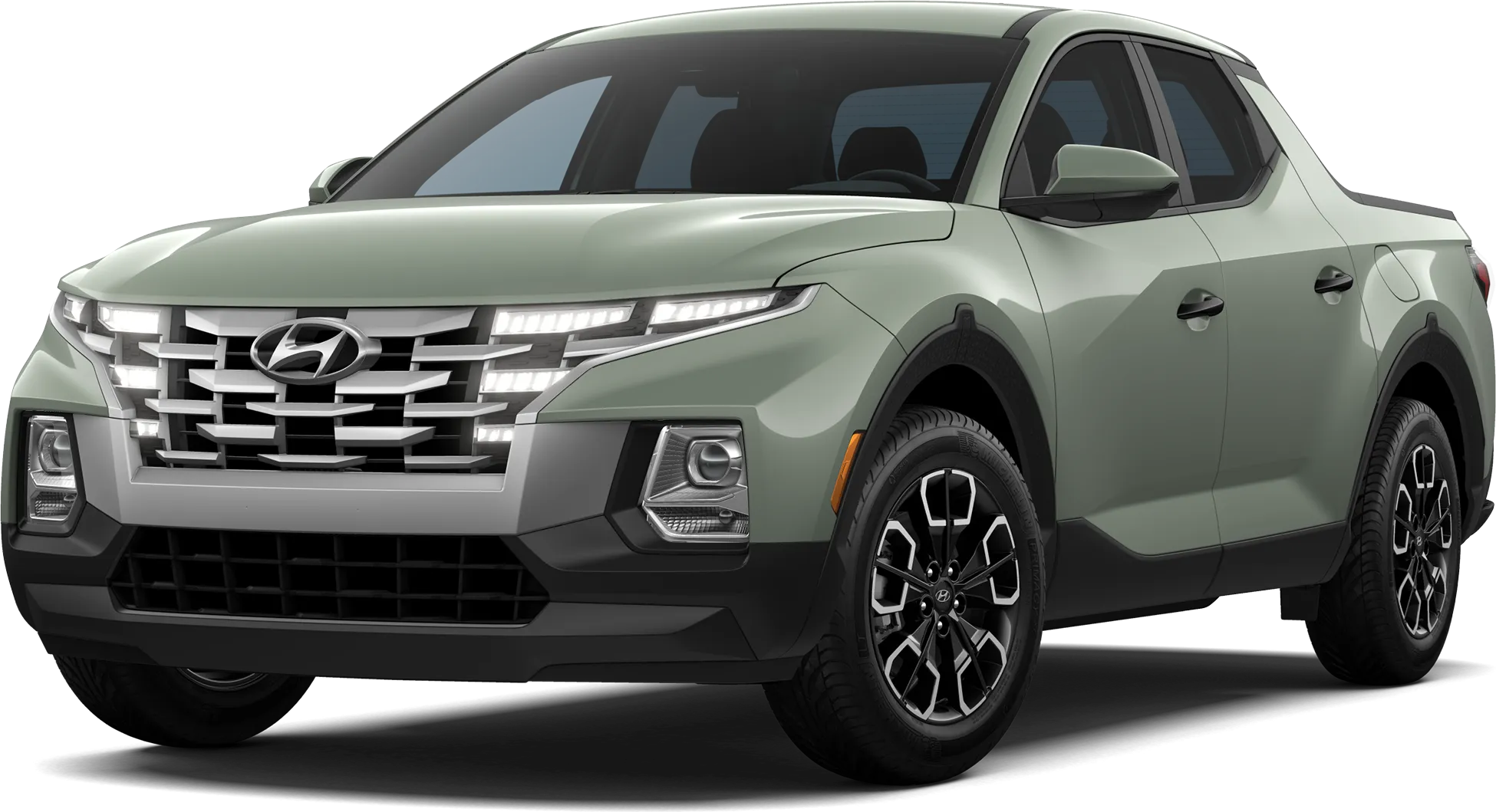
Hyundai Santa Cruz
Score: 74/100
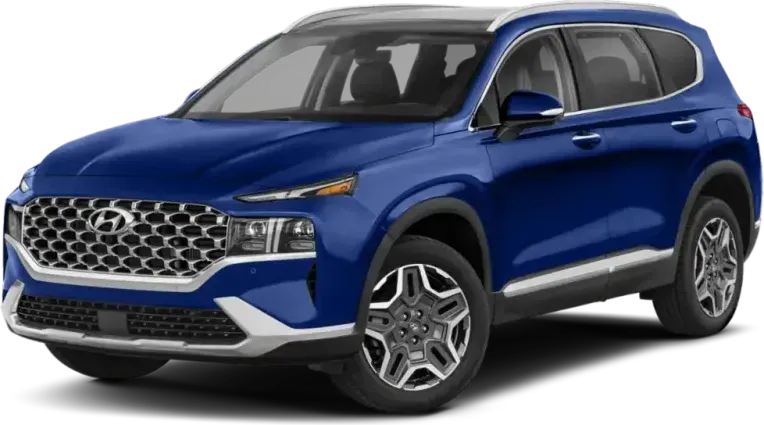
Hyundai Santa Fe
Score: 75/100
Browse More 2021 Vehicles

2021 Kia Sedona
Score: 88/100
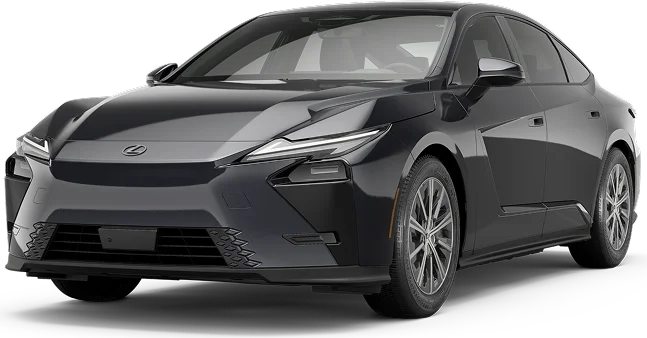
2021 Lexus ES
Score: 88/100

2021 Honda HR-V
Score: 86/100
2021 Lexus RX
Score: 86/100
2021 Mitsubishi Outlander
Score: 84/100
2021 Nissan Frontier
Score: 84/100
See incorrect data? Report an issue