Last updated: 2026-10-10
GMC Acadia vs Hyundai Palisade: Reliability Compared
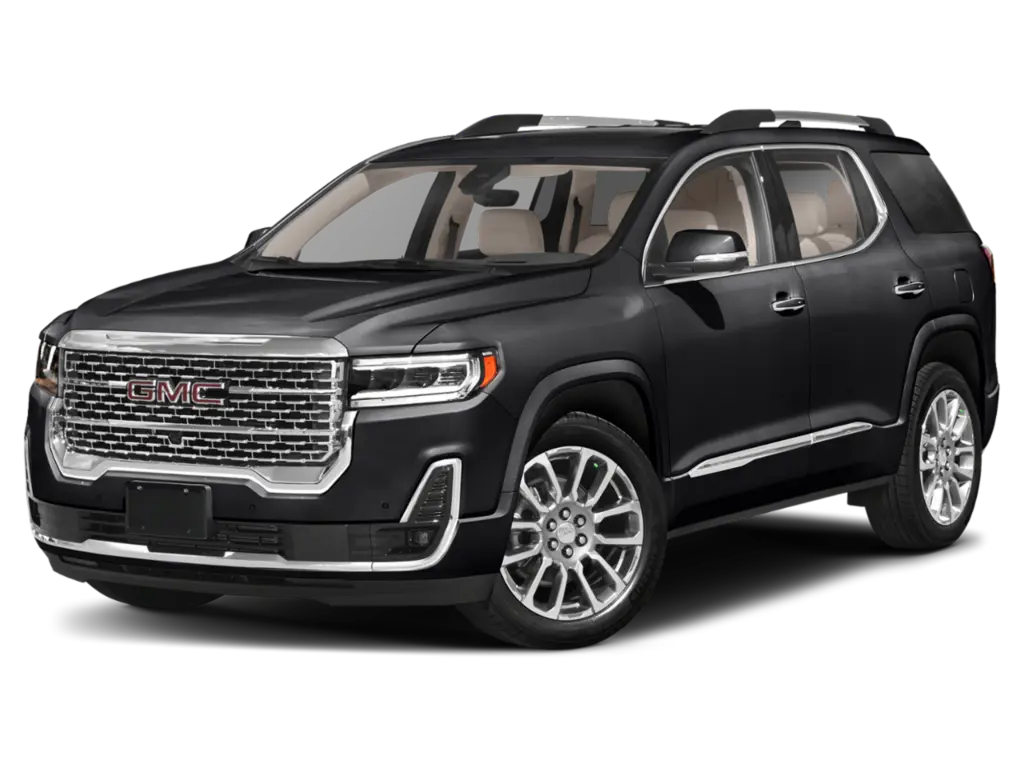
GMC Acadia
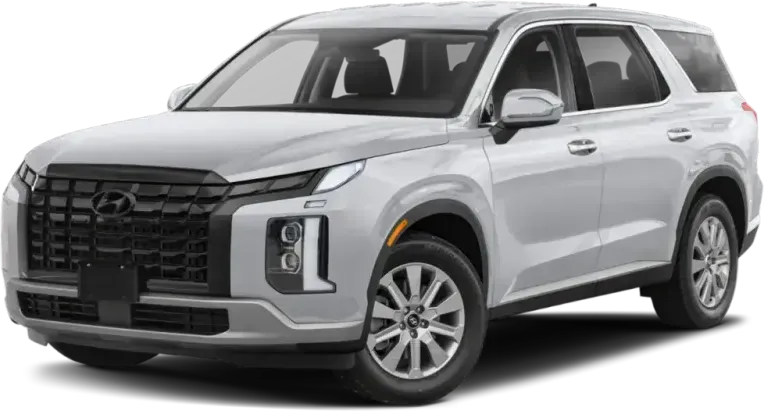
Hyundai Palisade
Reliability favors the GMC Acadia over the Hyundai Palisade by a clear margin. The Palisade has 33 recalls to the Acadia's 17. The Palisade is cheaper to repair each year, but its brake, seat belt, and windshield complaints outweigh that for many shoppers.
How Do the GMC Acadia and Hyundai Palisade Generations Compare?
Verdict
The GMC Acadia is more reliable than the Hyundai Palisade, scoring 70/100 vs 65/100.
A clear edge goes to the Acadia, and recalls are the deciding fact: federal records show 17 across its model years against 33 for the Palisade. The Palisade also draws far more crash-linked brake complaints. It does cost less to repair each year, and shop-visit frequency is the same. The Acadia's weak spot is its 9-speed transmission, which can fail outright. That is serious, but the Palisade's overall problem load is heavier.
Key Differences
- 1Hyundai Palisade costs $161 less per year to repair
- 2GMC Acadia has 16 fewer total recalls
- 3GMC Acadia scores 5 points higher in reliability
Category Scoreboard
GMC Acadia vs Hyundai Palisade: Which Is More Reliable?
| Metric | GMC Acadia | Hyundai Palisade |
|---|---|---|
| Reliability Score | 70/100 | 65/100 |
| Years Tracked | 8 | 7 |
| Total Recalls | 17 | 33 |
| Total ComplaintsRaw count — varies with sales volume | 770 | 1908 |
| Annual Repair Cost | $734/yr | $573/yr |
| Repair Frequency | 0.4/yr | 0.4/yr |
| Year Wins | 7 | 0 |
What Are the Common Problems With the GMC Acadia and Hyundai Palisade?
Different failures define each model. Acadia owners report a shuddering or bucking 9-speed transmission, with some complete failures, plus rear camera blackouts and a parking brake that sets itself while moving. Thermostat failure also triggers a "Steering Assist Reduced" warning. Palisade owners describe ABS kicking in over bumps so the car rolls past stops, seat belt buckles unlatching, windshields cracking within the first few thousand miles, and rear self-leveling shocks failing repeatedly. Brakes show the starkest gap: 15 crash-linked Palisade complaints against 4 for the Acadia. Crash-linked steering and engine complaints appear only in the Acadia's main problem areas.
| Component | GMC Acadia | Hyundai Palisade |
|---|---|---|
| SERVICE BRAKES | 70 | 317 |
| POWER TRAIN | 200 | 99 |
| ELECTRICAL SYSTEM | 139 | 125 |
| UNKNOWN OR OTHER | 106 | 134 |
| SEAT BELTS | 6 | 234 |
| VISIBILITY/WIPER | 2 | 220 |
| SUSPENSION | 4 | 136 |
| ENGINE | 37 | 85 |
| STEERING | 55 | 54 |
| STRUCTURE | 4 | 60 |
| VISIBILITY | — | 41 |
| TRAILER HITCHES | — | 26 |
| FUEL/PROPULSION SYSTEM | 23 | — |
| AIR BAGS | 12 | 10 |
| VEHICLE SPEED CONTROL | 5 | 12 |
| SEATS | 6 | 3 |
| FORWARD COLLISION AVOIDANCE | 8 | — |
| EXTERIOR LIGHTING | 6 | — |
| LANE DEPARTURE | 2 | 3 |
| FUEL SYSTEM | 4 | — |
| ELECTRONIC STABILITY CONTROL (ESC) | 4 | — |
| WHEELS | 3 | — |
| BACK OVER PREVENTION | — | 2 |
Raw complaint counts aggregated across all tracked model years from NHTSA owner reports. Counts vary with sales volume.
Which Is Cheaper to Maintain: GMC Acadia or Hyundai Palisade?
How Does GMC Acadia vs Hyundai Palisade Reliability Compare by Year?
| Year | GMC Acadia | Hyundai Palisade | Edge |
|---|---|---|---|
| 2026 | 76/1000R / 0C | 72/1002R / 23C | GMC Acadia |
| 2025 | 76/1000R / 51C | 70/1003R / 139C | GMC Acadia |
| 2024 | 76/1000R / 51C | 63/1005R / 304C | GMC Acadia |
| 2023 | 64/1004R / 37C | 62/1005R / 326C | GMC Acadia |
| 2022 | 66/1003R / 44C | 65/1005R / 241C | GMC Acadia |
| 2021 | 68/1002R / 134C | 61/1006R / 354C | GMC Acadia |
| 2020 | 62/1006R / 84C | 59/1007R / 521C | GMC Acadia |
Best years to cross-shop: The 2024 GMC Acadia scored 76/100 and the 2022 Hyundai Palisade scored 65/100 — the strongest shared model years that have been on the road for at least two years, where available.
Who Should Buy the GMC Acadia vs the Hyundai Palisade?
GMC Acadia vs Hyundai Palisade: Common Questions
- Is the GMC Acadia more reliable than the Hyundai Palisade?
- Yes, the Acadia has a clear edge. Federal recall records show 17 recalls for the Acadia and 33 for the Palisade. The Palisade also has 15 crash-linked brake complaints to the Acadia's 4. The Acadia's main weakness is its 9-speed transmission, which can shudder and sometimes fail.
- Which has more recalls, the Acadia or the Palisade?
- The Palisade has more. Federal recall records list 33 across seven model years for the Palisade, against 17 across eight model years for the Acadia. Owners also report that parts for the Palisade's seat belt buckle recall have been on back order, so dealers could not always finish the repair.
- Which is cheaper to repair, the Acadia or the Palisade?
- The Palisade costs less. Independent repair-cost data estimates $573 a year for the Palisade and $734 for the Acadia, a gap of about $805 over five years. Both average 0.4 unscheduled shop visits per year. Repair costs can jump on either one if a major failure hits.
- What is the biggest problem with the Acadia?
- The transmission. Owners report the 9-speed shuddering or bucking at steady speeds, sometimes as early as 15,000 miles. Hard shifts and shifting into neutral are also reported. Fluid flushes and torque converter replacement do not always fix it, and complete failure is reported at roughly 74,000 to 80,000 miles.
- What goes wrong most often on the Hyundai Palisade?
- Brakes lead the complaints. Owners say the ABS activates over bumps and painted lines, and the car keeps rolling at low speed with no warning light. Seat belt buckles that unlatch, windshields that crack within the first few thousand miles, and failing rear self-leveling shocks follow.
Related Reliability Comparisons
More GMC Acadia comparisons
Decided between GMC Acadia and Hyundai Palisade? Run a VIN check before you buy — uncover hidden accidents, title issues, and open recalls.
How we score the GMC Acadia and Hyundai Palisade
Scores weight complaint severity at 35%, repair costs at 30%, recall impact at 20%, and the spread of complaints across systems at 15%, with complaint counts adjusted for US sales. Read the full methodology.
See incorrect data? Report an issue