Last updated: 2026-10-10
GMC Acadia vs Honda Pilot: Reliability Compared
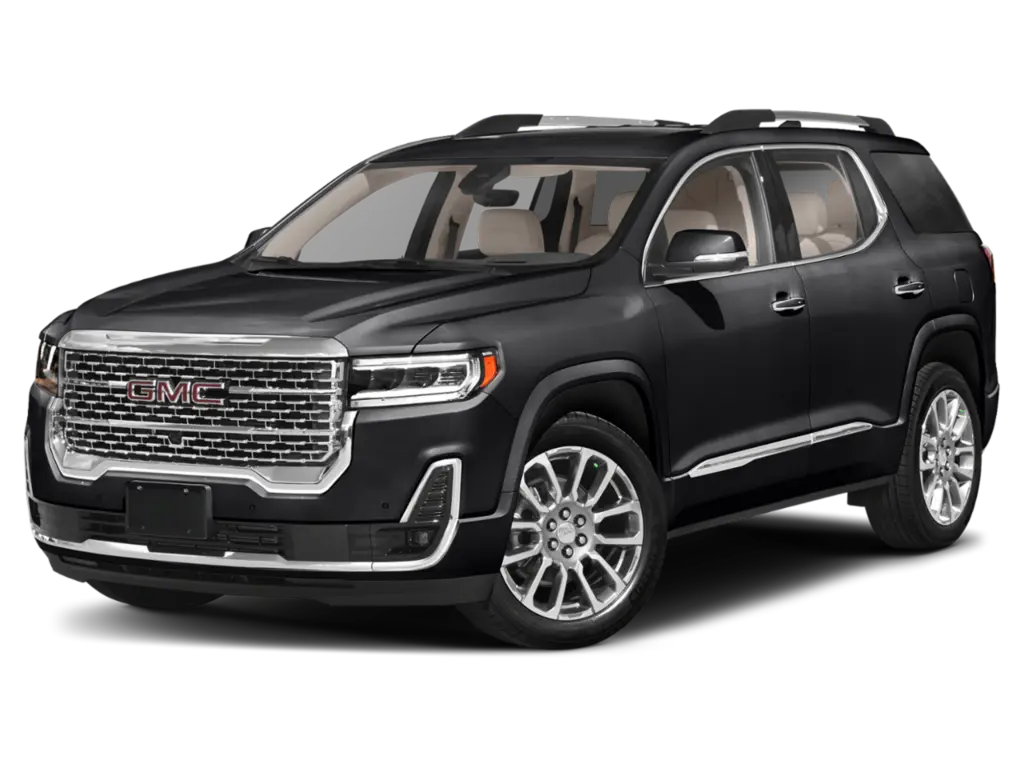
GMC Acadia
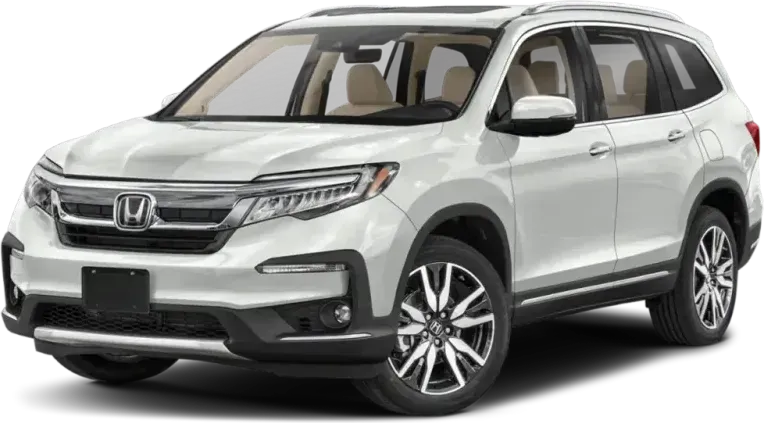
Honda Pilot
The GMC Acadia edges out the Honda Pilot on reliability, with 17 recalls against 51. The Pilot costs less to repair, though. This page compares the problems, repair costs, and model years so a used buyer can see which trade-off fits.
How Do the GMC Acadia and Honda Pilot Generations Compare?
Verdict
The GMC Acadia is more reliable than the Honda Pilot, scoring 70/100 vs 68/100.
Reliability tilts slightly toward the GMC Acadia. Federal recall records show 17 recalls across its model years against 51 for the Honda Pilot, and Acadia owners report fewer unscheduled shop visits, 0.4 a year against 0.5. The gap is small. The Pilot costs less per year to keep running and is less likely to need a major repair. Each has a serious weak spot: the Acadia's 9-speed transmission shudder and the Pilot's sudden engine and infotainment failures.
Key Differences
- 1Honda Pilot costs $192 less per year to repair
- 2GMC Acadia has 34 fewer total recalls
- 3Honda Pilot has 6% lower major repair risk
Category Scoreboard
GMC Acadia vs Honda Pilot: Which Is More Reliable?
| Metric | GMC Acadia | Honda Pilot |
|---|---|---|
| Reliability Score | 70/100 | 68/100 |
| Years Tracked | 8 | 9 |
| Total Recalls | 17 | 51 |
| Total ComplaintsRaw count — varies with sales volume | 770 | 2382 |
| Annual Repair Cost | $734/yr | $542/yr |
| Repair Frequency | 0.4/yr | 0.5/yr |
| Major Repair Risk | 19% | 13% |
| Safety RatingNHTSA overall | 2026 NHTSA | 2026 NHTSA |
| Frontal | ||
| Side | ||
| Rollover | ||
| Year Wins | 5 | 3 |
What Are the Common Problems With the GMC Acadia and Honda Pilot?
Crash-linked brake and steering complaints set the two apart. Acadia owners report an electronic parking brake that engages on its own, even while moving, and power steering that cuts out and leaves the wheel very heavy. The Pilot's top complaint areas include no brake or steering group. The Acadia's 9-speed transmission also shudders and bucks, and some fail completely. Pilot complaints spread wider. The infotainment screen drops out with "Network Communication Lost," taking the backup camera with it. Some engines fail from connecting rod bearings, stop/start can fail to restart the engine, and the fuel pump recall left owners waiting on parts.
| Component | GMC Acadia | Honda Pilot |
|---|---|---|
| ELECTRICAL SYSTEM | 139 | 632 |
| POWER TRAIN | 200 | 232 |
| UNKNOWN OR OTHER | 106 | 279 |
| ENGINE | 37 | 255 |
| FUEL SYSTEM | 4 | 155 |
| FORWARD COLLISION AVOIDANCE | 8 | 147 |
| SERVICE BRAKES | 70 | 71 |
| FUEL/PROPULSION SYSTEM | 23 | 93 |
| STEERING | 55 | 56 |
| AIR BAGS | 12 | 33 |
| VISIBILITY/WIPER | 2 | 33 |
| SEAT BELTS | 6 | 26 |
| VEHICLE SPEED CONTROL | 5 | 26 |
| STRUCTURE | 4 | 27 |
| BACK OVER PREVENTION | — | 28 |
| TIRES | — | 12 |
| EXTERIOR LIGHTING | 6 | 2 |
| SEATS | 6 | 2 |
| VISIBILITY | — | 5 |
| SUSPENSION | 4 | — |
| ELECTRONIC STABILITY CONTROL (ESC) | 4 | — |
| WHEELS | 3 | — |
| LANE DEPARTURE | 2 | — |
Raw complaint counts aggregated across all tracked model years from NHTSA owner reports. Counts vary with sales volume.
Which Is Cheaper to Maintain: GMC Acadia or Honda Pilot?
How Does GMC Acadia vs Honda Pilot Reliability Compare by Year?
| Year | GMC Acadia | Honda Pilot | Edge |
|---|---|---|---|
| 2026 | 76/1000R / 0C | 81/1000R / 0C | Honda Pilot |
| 2025 | 76/1000R / 51C | 71/1004R / 111C | GMC Acadia |
| 2024 | 76/1000R / 51C | 72/1006R / 82C | GMC Acadia |
| 2023 | 64/1004R / 37C | 72/1005R / 93C | Honda Pilot |
| 2022 | 66/1003R / 44C | 72/1003R / 105C | Honda Pilot |
| 2021 | 68/1002R / 134C | 63/1008R / 358C | GMC Acadia |
| 2020 | 62/1006R / 84C | 60/1009R / 431C | GMC Acadia |
| 2018 | 68/1002R / 369C | 63/1005R / 408C | GMC Acadia |
Best years to cross-shop: The 2024 GMC Acadia scored 76/100 and the 2024 Honda Pilot scored 72/100 — the strongest shared model years that have been on the road for at least two years, where available.
Who Should Buy the GMC Acadia vs the Honda Pilot?
GMC Acadia vs Honda Pilot: Common Questions
- Is the GMC Acadia more reliable than the Honda Pilot?
- Yes, but only slightly. The Acadia has fewer recalls, 17 against 51 for the Pilot, and fewer unscheduled shop visits per year. The Pilot has lower yearly repair costs and a smaller chance of a major repair. Both carry serious complaint patterns, so the model year and service history matter more than the badge.
- Which has more recalls, the Acadia or the Pilot?
- The Pilot has far more. Federal recall records list 51 recalls across nine Pilot model years and 17 across eight Acadia model years. One Pilot recall covers the fuel pump, and owners said dealers had no parts to complete it. Check any VIN for open recalls before buying.
- Which is cheaper to repair, the Acadia or the Pilot?
- The Pilot is cheaper. Independent repair-cost data puts it at $542 a year against $734 for the Acadia, which adds up to roughly $960 over five years. A repair on the Pilot is also less likely to be major, at 13% against 19% for the Acadia.
- What is the main transmission problem with the Acadia?
- Owners describe the 9-speed transmission shuddering, vibrating, or bucking at steady speeds, sometimes as early as 15,000 miles. Hard shifts and lurches are common. Fluid flushes and torque converter replacement don't always fix it, and complete failure is reported at roughly 74,000 to 80,000 miles.
- What goes wrong most often on the Honda Pilot?
- Electrical trouble leads the complaints. The infotainment screen goes blank or shows "Network Communication Lost," and the backup camera and radio go with it. Engine failures, stop/start cars that won't restart, and transmission shudder starting around 50,000 to 60,000 miles are also reported.
Related Reliability Comparisons
More GMC Acadia comparisons
Decided between GMC Acadia and Honda Pilot? Run a VIN check before you buy — uncover hidden accidents, title issues, and open recalls.
How we score the GMC Acadia and Honda Pilot
Scores weight complaint severity at 35%, repair costs at 30%, recall impact at 20%, and the spread of complaints across systems at 15%, with complaint counts adjusted for US sales. Read the full methodology.
See incorrect data? Report an issue