Last updated: 2026-10-10
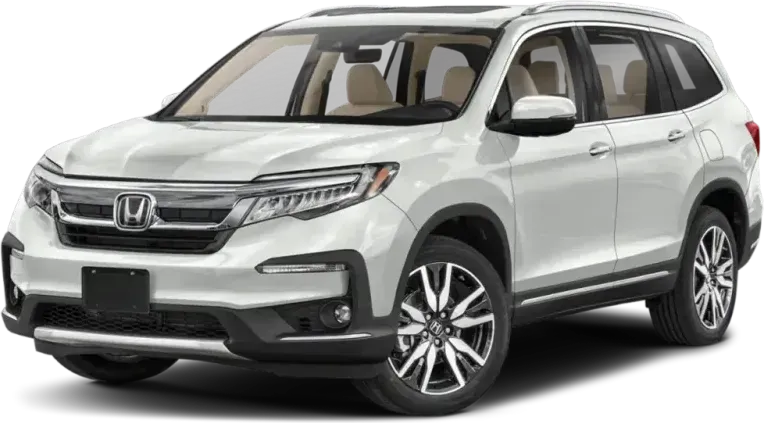
2023 Honda Pilot Reliability Report
The 2023 Honda Pilot has good reliability, but owners report steering rack noise and sudden dashboard warning cascades.
Recalls
5
Complaints
93
Complaint Rate
8.4per 10,000 sold
Est. Repair Cost
$542
Annual Fuel Cost
$2,700–$3,000
Detailed Score Breakdown
Component-weighted complaints normalized by sales volume
Independent repair cost ratings
Recall count weighted by severity
Breadth of reported problem categories
The Verdict
First year of the fourth generation, with five recalls and early steering rack and electrical warning complaints, yet reliability still rates good.
Top Issues to Watch
- ELECTRICAL SYSTEM (19)
- STEERING (15)
- SEAT BELTS (9)
Generation & Refresh (US)
2023 is the first model year of the Fourth generation (YG1/2; 2023).
- First-year models may have unresolved issues from the new design.
- Redesigned for the 2023 model year.
- Refreshed in 2026.
- 4th generation Pilot (US).
What this means for buyers
First-year models carry more risk — early production issues are common. Consider waiting for the second year if reliability is a priority.
Compare 2023 pricing and recall counts against 2024+ before deciding.
2023: Fourth generation (YG1/2; 2023) Launch
Generation start — new platform.
2026: Mid-Cycle Refresh
Updated features and styling tweaks.
Should You Buy the 2023 Honda Pilot?
Good is the standing for this model year, and it sits among the stronger of the nine scored Pilot years. Against other 2023 SUVs it lands close to average. This is the first year of the fourth generation. Owners filed 93 complaints, and independent repair-cost data puts yearly repairs at $542, under the $573 class figure. It earns 5 of 5 federal crash-test stars.
The biggest worry is electrical. Owners describe brake, ABS, AWD, power steering and collision warnings lighting up together, sometimes at highway speed, with lost acceleration or hard braking. Some cars failed as early as 850 miles, and several needed towing. Dealers often cannot reproduce it. Steering is the other issue: clicking or knocking when turning, usually treated with a new steering rack between 2,900 and 7,500 miles, though some cars got a second or third. Federal recall records show five recalls, covering brakes, fuel system, electrical system, seats and steering.
Ask for repair records showing any steering rack or sensor work, and have a dealer confirm every recall is completed for the VIN. The 2022 and 2024 years rate about the same.
Compared to the 2024 Honda Pilot, which scored the same. See also the 2022 Honda Pilot for an earlier comparison.
Pros
- +Acceptable reliability score
- +$31 cheaper to maintain than avg midsize SUVs
- +Low major repair risk (13%)
- +Below-average complaint rate for SUV
Cons
- −Moderate recall count
- −ELECTRICAL SYSTEM: Sudden cascade of dashboard warnings is the main pattern (19 complaints)
- −STEERING: Clicking, knocking or groaning when turning the wheel at low speed or while... (15 complaints)
Compare 2023 Honda Pilot With
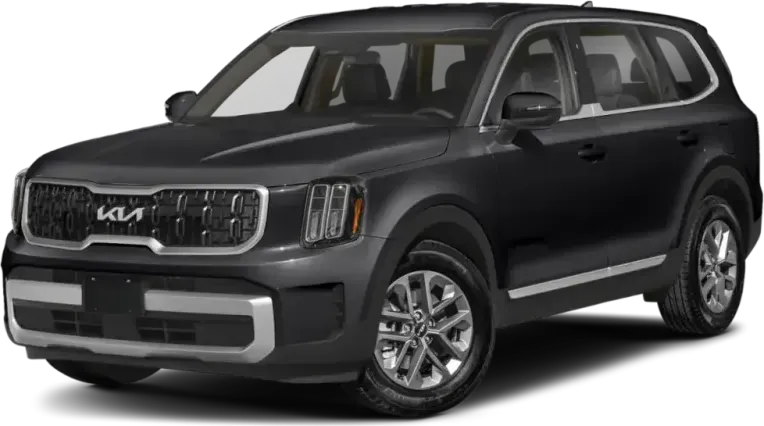
2023 Kia Telluride
Reliability: 68/100

2023 Ford Explorer
Reliability: 71/100
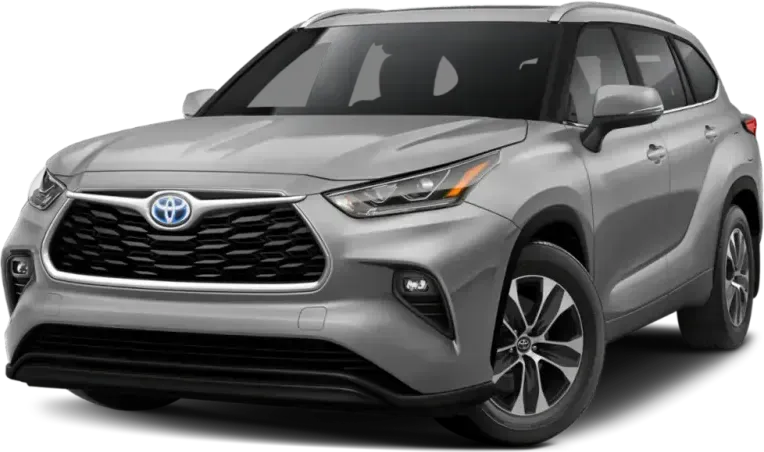
2023 Toyota Highlander
Reliability: 73/100
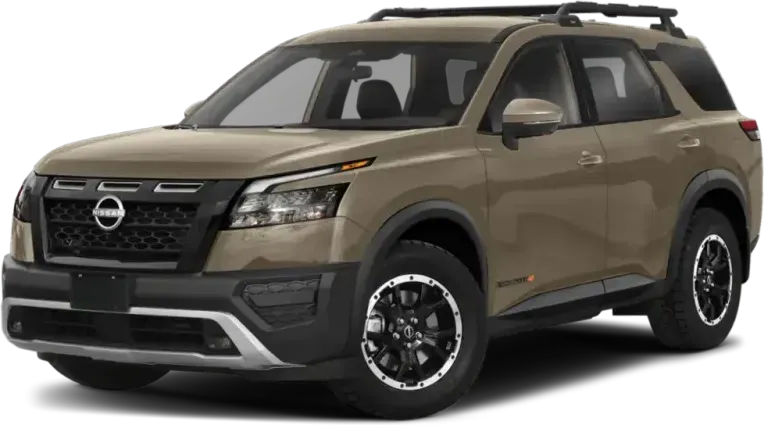
2023 Nissan Pathfinder
Reliability: 74/100
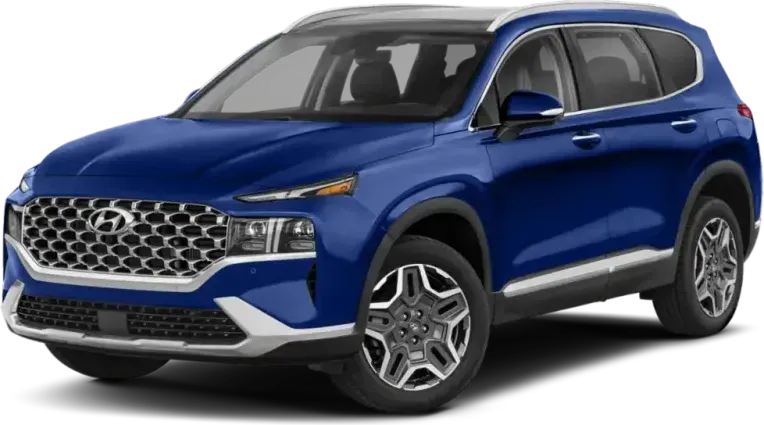
2023 Hyundai Santa Fe
Reliability: 70/100
Common Problem Categories
Safety
LOW RISK- 5 manufacturer recalls issued
Other
HIGH RISK- ELECTRICAL SYSTEM (19)
- STEERING (15)
Recall Overview
5
recalls on record
A moderate 5 recalls are on file for the 2023 Honda Pilot. Each one points to a specific safety or compliance issue identified by the manufacturer or NHTSA — check the list below before buying.
NHTSA.gov →Complaint Breakdown
8.4
per 10,000 soldSegment avg: 11.3
Safety Incidents
1
Crashes
0
Fires
2
Injuries
0
Deaths
NHTSA 5/5 Stars
Data sourced from NHTSA complaint filings and manufacturer recall notices. Complaint narratives are owner-reported.
2023 Honda Pilot Recall Details
5 recalls have been issued for the 2023 Honda Pilot. All recall repairs are performed free of charge at authorized dealerships.
SERVICE BRAKES, HYDRAULIC
Honda (American Honda Motor Co.) is recalling certain 2021-2025 Acura TLX, 2023-2025 Acura MDX, and 2023-2025 Honda Pilot vehicles. The brake pedal pivot pin was not secured properly, which can cause the pedal to shift out of position. As such, these vehicles fail to comply with Federal Motor Vehicle Safety Standard numbers 108, "Lamps, Reflective Devices, and Associated Equipment" and 135, "Light Vehicle Brake Systems."
Consequence
A brake pedal that shifts out of position can prevent the driver from applying the brakes as intended, increasing the risk of a crash or injury.
Remedy
Dealers will inspect and replace the brake pedal assembly as necessary, free of charge. Owner notification letters were mailed July 29, 2025. Owners may contact Honda's customer service at 1-888-234-2138. Honda's numbers for this recall are FLX and XLY.
FUEL SYSTEM, GASOLINE, ELECTRICAL SYSTEM
Honda (American Honda Motor Co.) is recalling certain 2022-2025 Acura MDX Type-S, 2023-2025 Honda Pilot, and 2021-2025 Acura TLX Type-S vehicles. A software error in the fuel injection electronic control unit (FI-ECU) may cause an engine stall or a loss of power.
Consequence
An engine stall or loss of power can increase the risk of a crash or injury.
Remedy
Dealers will reprogram the FI-ECU software, free of charge. Owner notification letters were mailed March 17, 2025. Owners may contact Honda's customer service at 1-888-234-2138. Honda's numbers for this recall are EL1 and AL0.
FUEL SYSTEM, GASOLINE
Honda (American Honda Motor Co.) is recalling certain 2023-2024 Passport and 2023-2025 Pilot vehicles. The fuel filler neck tube and fuel filler pipe may separate, allowing fuel to leak.
Consequence
A fuel leak in the presence of an ignition source increases the risk of a fire.
Remedy
Dealers will inspect and repair the fuel filler neck tube and pipe as necessary, free of charge. Owner notification letters were mailed January 7, 2025. Owners may contact Honda customer service at 1-888-234-2138. Honda's number for this recall is OKM.
Buying a used 2023 Honda Pilot? Check its history first
Electrical system problems lead owner complaints about the 2023 Honda Pilot, and 5 recalls were issued for it. A VIN check shows whether this car's recall work was done, plus accident, title, and odometer history.
- Accidents
- Open Recalls
- Title History
- Odometer Rollback
2023 Honda Pilot NHTSA Safety Ratings
Overall Safety Rating
Crash Test Results by Configuration (expand)
Gas Powertrain
Rollover risk: 15.5%
Safety Technologies
Honda PilotRepair Costs & Maintenance
Maintenance Rating
3.5Maintenance rating: 3.5 out of 5Based on NHTSA complaint patterns, recall severity, and publicly available cost benchmarks.
Est. Annual Maintenance
$542
vs $573 avg for midsize SUVs
vs $652 avg for all vehicles
Repair Frequency
0.5
unscheduled repair visits per year
Severe Repair Probability
13%
chance of a major repair
Annual Cost Comparison
Category-level averages derived from publicly available industry reports (AAA, CarMD). Model-level estimates produced by Auto Reliability Index.
Honda Pilot Resale Value
The Honda Pilot is estimated to retain about 66.1% of its original value after 5 years, based on observed used-car listings.
This benchmark covers the Honda Pilot model overall and is not specific to the 2023 model year.
- Value Retained
- 66.1%
- Depreciation
- 33.9%
- Listings Analyzed
- 720
after 5 years
over the same period
U.S. used-car listings
Listings observed in . Actual resale value varies by trim, mileage, condition, and location.
Explore Honda Pilot depreciation and resale value on CarResaleValue.comMPG & Annual Running Costs
Gas
20–22 MPG
Running cost: $3,250–$3,550/yr
Fuel + repair
18–19 city / 23–27 hwy MPG
Running cost includes EPA fuel-cost estimate and independent repair-cost data (repair cost estimated at model level). Excludes routine maintenance, depreciation, and insurance. Data as of 2023 EPA label cycle.
Gas trims
| Trim | Drive | Trans. | City | Hwy | Comb | Fuel Cost |
|---|---|---|---|---|---|---|
| Pilot FWD 3.5L 6-cyl | Front-Wheel Drive | Automatic (S10) | 19 | 27 | 22 | $2,700 |
| Pilot AWD 3.5L 6-cyl | All-Wheel Drive | Automatic (S10) | 19 | 25 | 21 | $2,850 |
| Pilot AWD Touring/Elite/Black 3.5L 6-cyl | All-Wheel Drive | Automatic (S10) | 19 | 25 | 21 | $2,850 |
| Pilot AWD TrailSport 3.5L 6-cyl | All-Wheel Drive | Automatic (S10) | 18 | 23 | 20 | $3,000 |
Used Buying Checklist
Key things to inspect or verify before purchasing a 2023 Honda Pilot.
Turn the wheel fully both ways while parked and creeping; listen for clicking or knocking from the steering column.
Ask for service records showing steering rack replacements or backordered front sensor repairs.
Buckle every second- and third-row belt, wiggle each buckle, and watch for false unbuckled warnings.
Inspect the panoramic sunroof glass for cracks and check that the shade supports are intact.
Look at straight lines through the windshield for warping, and check for cracks around the camera.
Pull away from a stop several times and feel for hesitation, rough shifts or a delayed surge.
Check the headliner, driver seat belt and carpets for water stains or dampness.
Drive at highway speed past trucks and watch for false automatic braking or warning lights on the dash.
2023 Honda Pilot Common Problems by Component
93 owner complaints grouped by vehicle system.
ELECTRICAL SYSTEM
19 complaintsSafety-relatedPilot electrical problems across all model years
A sudden cascade of dashboard warnings is the main pattern. Brake, ABS, AWD, power steering, collision mitigation and adaptive cruise all report failures together, sometimes at highway speed, with lost acceleration, a shaking wheel or hard braking. Several cars needed towing, and some failed as early as 850 miles. Dealers often cannot reproduce it. When they do find a cause, it is often a front sensor or wheel speed sensor that is on backorder. Other reports describe headlights shutting off with radar systems, a disabled liftgate, and frayed wiring under the rear bumper. One crash report describes a sudden surge forward in a parking garage.
STEERING
15 complaintsClicking, knocking or groaning when turning the wheel at low speed or while parked is the most common complaint. Dealers usually replace the steering rack, often within the first 7,500 miles. Some cars get a second or third rack because the noise keeps coming back. More serious reports describe lost power steering, or a wheel that seizes while warnings flood the dash. Lane keeping also draws complaints for pulling the car toward oncoming traffic or cyclists on country roads. These are clear loss-of-control risks.
SEAT BELTS
9 complaintsFalse unbuckled warnings sound in the second and third rows while passengers are properly buckled. The chime and light come and go when the passenger shifts. Wiggling the buckle silences the alert briefly, which some owners suspect is loose wiring under the buckle. Dealers often cannot replicate the fault, and some charge a diagnostic fee. One replaced belt began alarming again by 38k miles. Constant false alarms lead drivers to ignore the warning, and one report describes missing a real unbuckled passenger.
POWER TRAIN (7 complaints)
POWER TRAIN
7 complaintsHesitation when pulling away from a stop is the dominant complaint. Rough, uneven shifting makes merging and quick turns difficult. The car bogs and jerks at random, and dealers often turn owners away because they cannot reproduce it. In one case a replacement transmission did not cure the hesitation. Other reports describe the engine stalling at a red light and restarting slowly, and an AWD warning followed by a full loss of drive power while the engine revved.
VISIBILITY (5 complaints)
VISIBILITY
5 complaintsPanoramic sunroof glass shatters without warning and showers the cabin with glass. This has happened while driving and while reversing, at mileages from 600 to 16,527. In one case the driver suffered bruises and small cuts. Separately, the moonroof shade supports can fracture, leaving the roof uncovered. Side mirrors that tilt down in reverse sometimes fail to return to position, which a dealer traced to software with no remedy yet available.
ENGINE (4 complaints)
ENGINE
4 complaintsLoss of power and sluggish acceleration from a stop lead these reports. In one case the car would not exceed 25 to 30 mph, gave off a burning smell, and showed transmission, AWD and emissions warnings. Others describe a rough idle and a misfire-like stumble in cool weather with no check engine light. Dealers could not replicate it and pointed to carbon buildup. Repeat emissions sensor faults and a leaking VTC oil control valve also appear.
STRUCTURE (4 complaints)
STRUCTURE
4 complaintsWater leaks and body defects make up most of these reports. Leaks soaked the driver's seat belt and airbag electronics on a car without a sunroof, and in another case water got in at 527 miles from a source the dealer could not find. Popping and cracking from the roof in reverse traced back to improper welds on the cross member under the third row. A sunroof also exploded at highway speed, leaving a jagged hole in the glass.
VISIBILITY/WIPER (4 complaints)
VISIBILITY/WIPER
4 complaintsOptical distortion in the windshield is the main complaint. Drivers describe warped, magnified views like looking through strong prescription glasses, which causes dizziness and disorientation. Separately, a windshield cracked around the camera while the car was parked, with no impact. Another report describes running out of washer fluid in highway salt spray with no low-fluid warning. Dealers are often described as unhelpful.
FORWARD COLLISION AVOIDANCE (4 complaints)
FORWARD COLLISION AVOIDANCE
4 complaintsPhantom braking is the core problem. The car slams on its brakes with no vehicles, pedestrians or obstacles ahead, often while passing tractor trailers or on the same stretch of road at around 45 mph. Some drivers keep a foot over the gas to counter it and fear being rear-ended. The system also drops out as part of the wider multi-warning failure, and repair parts are on backorder.
FUEL/PROPULSION SYSTEM (2 complaints)
FUEL/PROPULSION SYSTEM
2 complaintsThe engine shuts itself off after about 30 minutes of idling while parked. The air conditioning cuts out with no clear warning, and one report describes children left in a hot cabin in desert heat, with one injury filed. Separately, the car can hesitate for 2 to 3 seconds when entering traffic and then surge forward hard, with no warning lights.
When Do 2023 Honda Pilot Problems Start?
Based on owner complaint patterns, here's when common issues tend to appear.
Best & Worst Honda Pilot Years
Best Honda Pilot Years to Buy
Based on reliability index score2024
2023
(Current Model)
2022
Honda Pilot Years to Avoid
Honda Pilot Reliability Score Trend
Scores 0–100. Higher is better. Current year highlighted.
| Year | Score | Rating |
|---|---|---|
| 2018 | 63/100 | Good |
| 2019 | 56/100 | Mixed |
| 2020 | 60/100 | Good |
| 2021 | 63/100 | Good |
| 2022 | 72/100 | Good |
| 2023 | 72/100 | Good |
| 2024 | 72/100 | Good |
| 2025 | 71/100 | Good |
| 2026 | 81/100 | Excellent |
Honda Pilot Reliability Compared to Other Years
Frequently Asked Questions
Is the 2023 Honda Pilot reliable?
What are the most common problems with the 2023 Honda Pilot?
Does the 2023 Honda Pilot have steering problems?
How many recalls does the 2023 Honda Pilot have?
Is the 2023 Honda Pilot better than the 2022 or 2024?
Don’t buy a 2023 Honda Pilot without checking its VIN first — hidden accidents, title issues, and open recalls could cost you thousands.
How we score the 2023 Honda Pilot
Of the four inputs behind this score, the 2023 Honda Pilot does best on how many systems draw complaints (86/100) and worst on recall impact (68/100). Scores weight complaint severity at 35%, repair costs at 30%, recall impact at 20%, and the spread of complaints across systems at 15%, with complaint counts adjusted for US sales. Read the full methodology.
Get notified when new recalls or reliability data is added for the Honda Pilot.
No spam. Only data updates for this model.
Browse More Honda Models
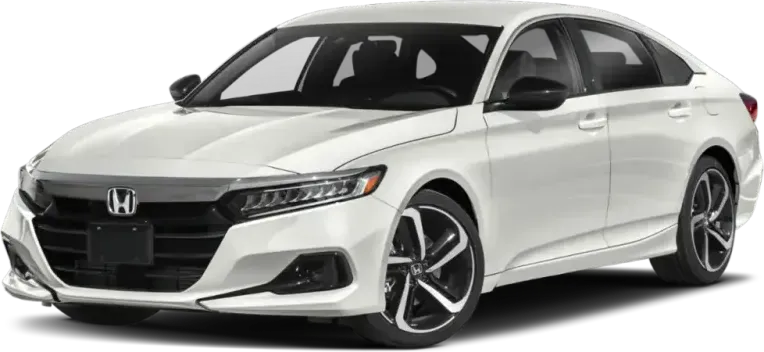
Honda Accord
Score: 87/100
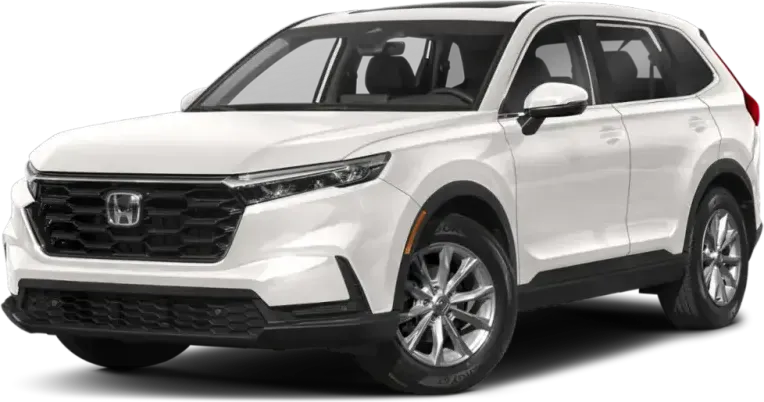
Honda CR-V
Score: 83/100
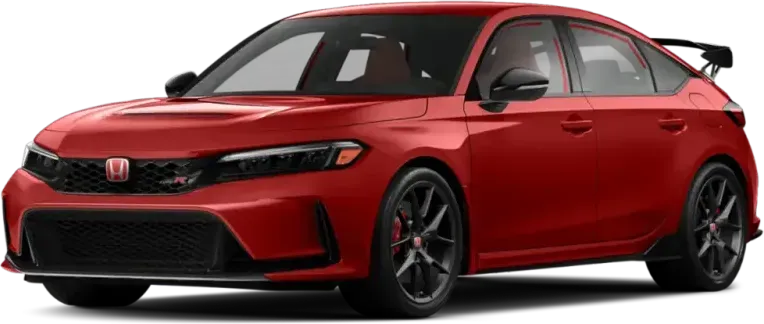
Honda Civic
Score: 94/100
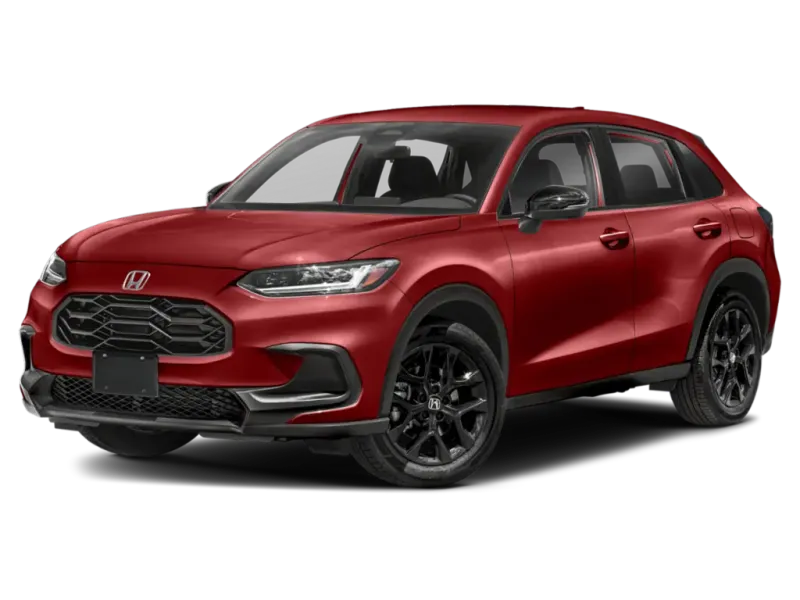
Honda HR-V
Score: 100/100
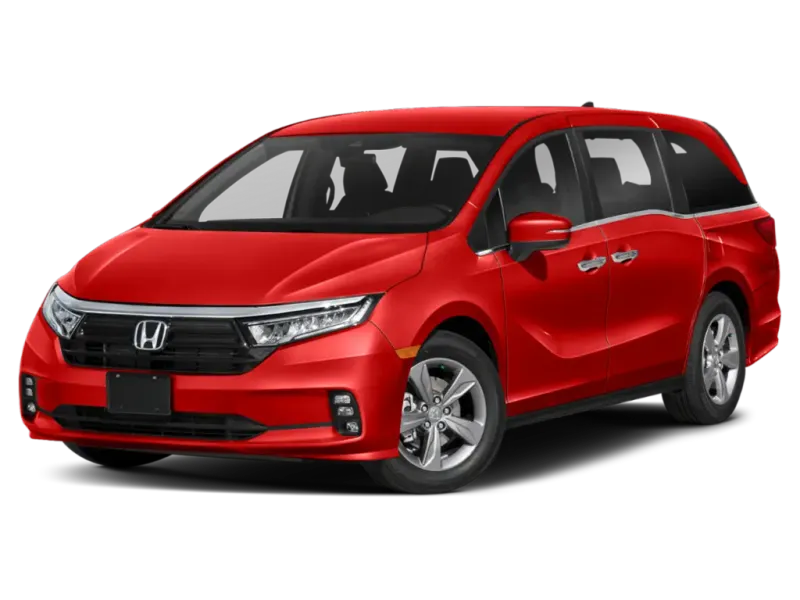
Honda Odyssey
Score: 74/100
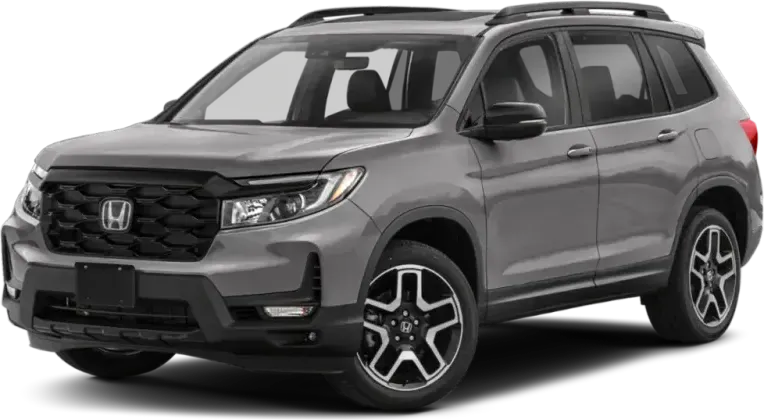
Honda Passport
Score: 84/100
Browse More 2023 Vehicles
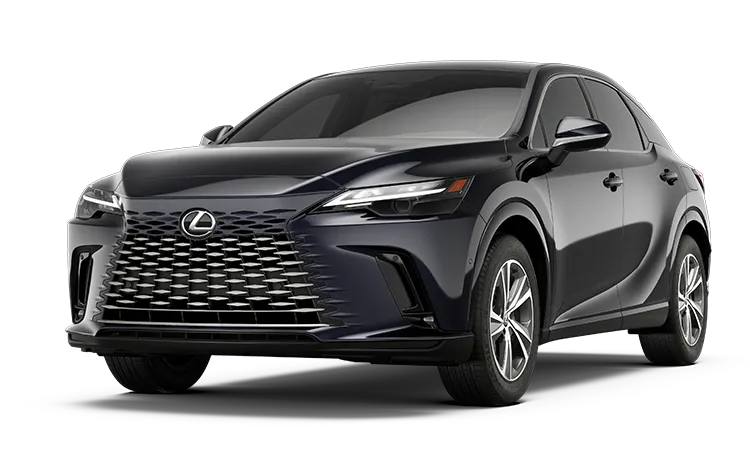
2023 Lexus RX
Score: 85/100
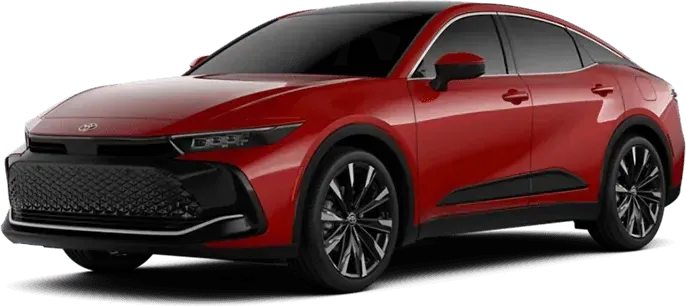
2023 Toyota Crown
Score: 84/100
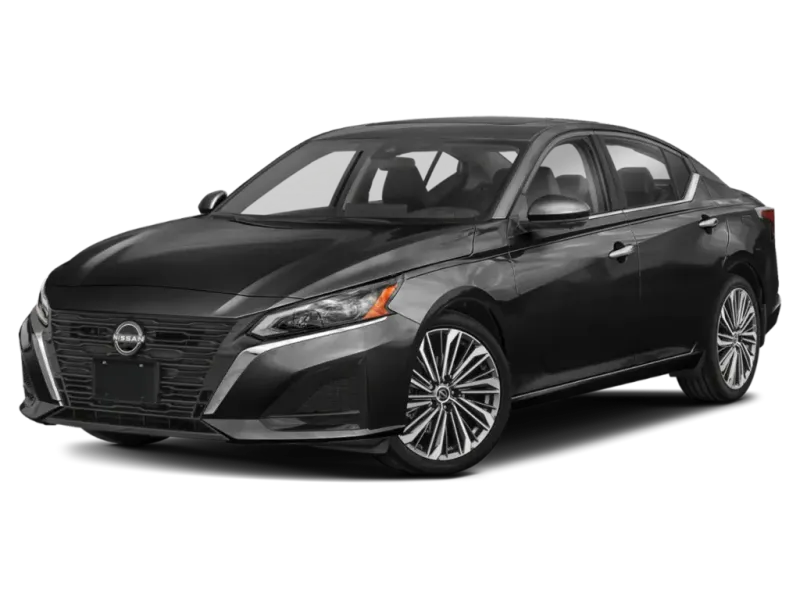
2023 Nissan Altima
Score: 84/100
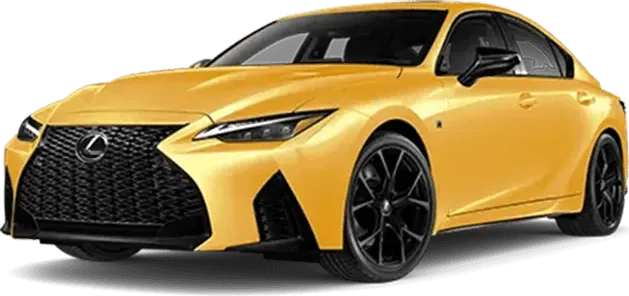
2023 Lexus IS
Score: 83/100

2023 Toyota 4Runner
Score: 82/100
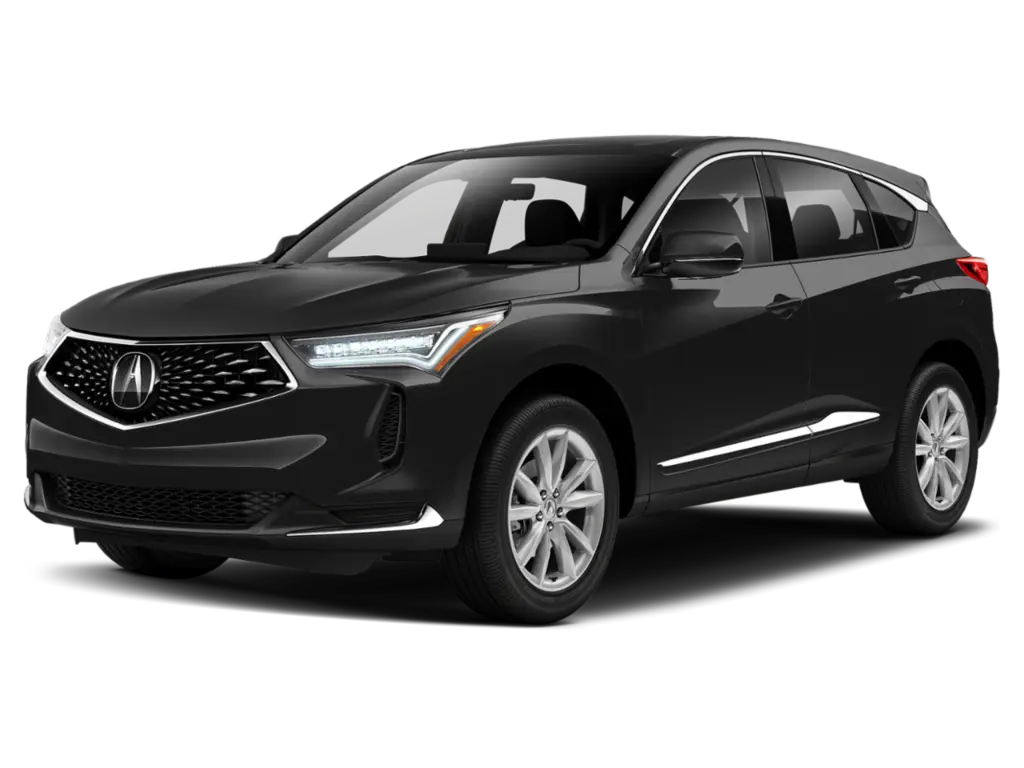
2023 Acura RDX
Score: 82/100
See incorrect data? Report an issue