Last updated: 2026-10-10
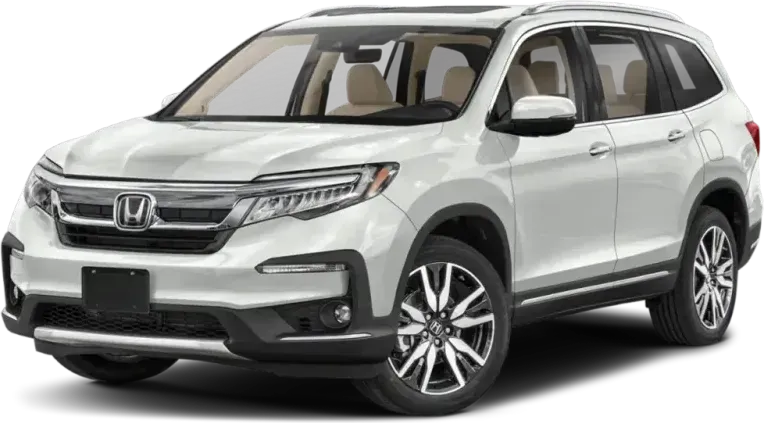
2024 Honda Pilot Reliability Report
The 2024 Honda Pilot has good reliability, close to its class average, but steering noise and rough 10-speed shifts are the complaints to check.
Recalls
6
Complaints
82
Complaint Rate
5.8per 10,000 sold
Est. Repair Cost
$542
Annual Fuel Cost
$2,700–$3,000
Detailed Score Breakdown
Component-weighted complaints normalized by sales volume
Independent repair cost ratings
Recall count weighted by severity
Breadth of reported problem categories
The Verdict
Middle of the pack for the Pilot, with steering noise and hesitant 10-speed shifts as the main complaints and six recalls on record.
Top Issues to Watch
- STEERING (16)
- POWER TRAIN (11)
- VISIBILITY/WIPER (6)
Generation & Refresh (US)
2024 is year 2 of the Fourth generation (YG1/2; 2023).
- Redesigned for the 2023 model year.
- A refresh arrives in 2026.
- 4th generation Pilot (US).
What this means for buyers
Year 2 is typically a safer pick than the first model year — early issues are more likely to be identified, but the platform is still new.
If you're comparing prices, check 2023 (redesign year) vs 2024+ pricing and recalls.
2023: Fourth generation (YG1/2; 2023) Launch
Generation start — new platform.
2024: This Model Year
2024 is year 2 of the Fourth generation (YG1/2; 2023).
2026: Mid-Cycle Refresh
Updated features and styling tweaks.
Should You Buy the 2024 Honda Pilot?
Good is the standing here, and it sits close to average among 2024 SUVs. Within the Pilot lineup it lands in the middle of nine scored years. The 2023 and 2025 models rate about the same, so neither neighbor clearly beats it. Independent repair-cost data puts yearly repair spending at $542, under $573 for the class.
Steering draws the most owner complaints. Drivers describe grinding, clicking or knocking at parking-lot speeds, often worse once warm, and the noise sometimes returns after a replacement rack. Rarer and more serious are reports of power assist dropping out on the road with a flood of warnings. The 10-speed automatic can hesitate and lunge on the shift from first to second, with reports from as early as 1300 miles. Second-row belt sensors can chime for a whole trip. Federal recall records list six recalls, including seats, brakes, fuel system and steering.
Run the VIN for open recalls and ask for steering and transmission repair records. Test drive it cold, and turn the wheel at low speed.
Compared to the 2025 Honda Pilot, which scored 1 points lower. See also the 2023 Honda Pilot for an earlier comparison.
Pros
- +Acceptable reliability score
- +$31 cheaper to maintain than avg midsize SUVs
- +Low major repair risk (13%)
- +Below-average complaint rate for SUV
Cons
- −Above-average recall count
- −STEERING issues reported (16 complaints)
- −POWER TRAIN issues reported (11 complaints)
Compare 2024 Honda Pilot With
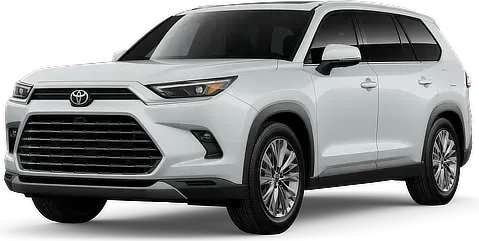
2024 Toyota Grand Highlander
Reliability: 69/100
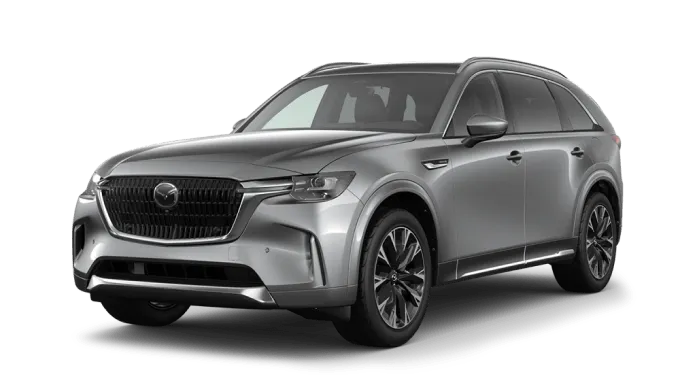
2024 Mazda CX-90
Reliability: 38/100
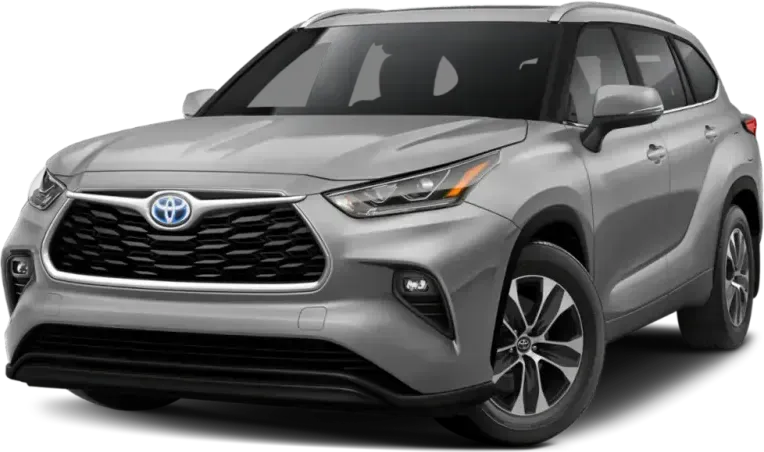
2024 Toyota Highlander
Reliability: 67/100
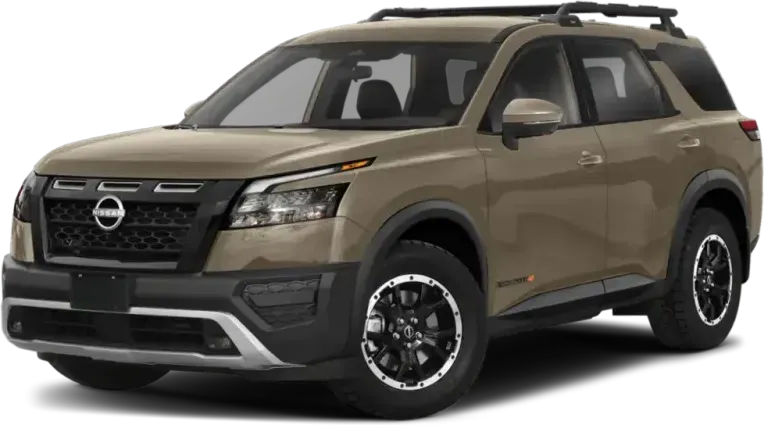
2024 Nissan Pathfinder
Reliability: 74/100
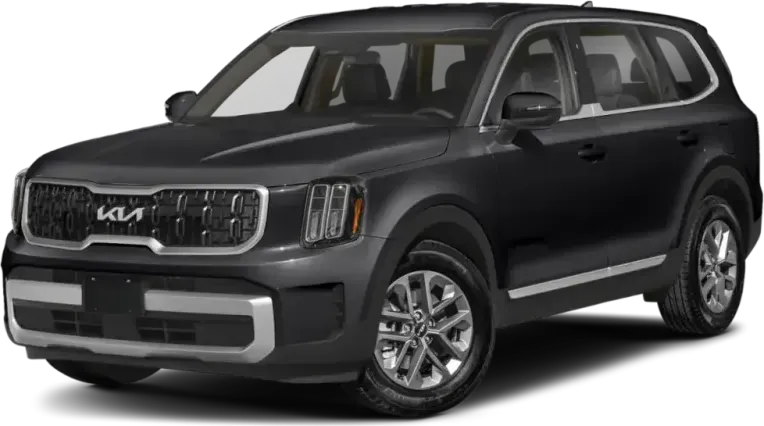
2024 Kia Telluride
Reliability: 69/100
Common Problem Categories
Safety
LOW RISK- 6 manufacturer recalls issued
Other
HIGH RISK- STEERING (16)
- POWER TRAIN (11)
Recall Overview
6
recalls on record
The 2024 Honda Pilot has 6 recalls on record, which is above average. A high count can flag multiple component concerns, though it also shows the manufacturer is actively addressing known issues.
NHTSA.gov →Complaint Breakdown
5.8
per 10,000 soldSegment avg: 6.9
Safety Incidents
1
Crashes
1
Fires
2
Injuries
0
Deaths
NHTSA 5/5 Stars
Data sourced from NHTSA complaint filings and manufacturer recall notices. Complaint narratives are owner-reported.
2024 Honda Pilot Recall Details
6 recalls have been issued for the 2024 Honda Pilot. All recall repairs are performed free of charge at authorized dealerships.
SEATS
Honda (American Honda Motor Co.) is recalling certain 2023 Honda Accord, Accord Hybrid, and 2024 HR-V, Pilot, and Acura Integra vehicles. The driver's seat cushion frame may not have been tightened properly, which can result in a loose seat. As such, these vehicles fail to comply with the requirements of Federal Motor Vehicle Safety Standard number 207, "Seating Systems."
Consequence
A loose driver's seat may not adequately restrain the driver during a crash, increasing the risk of injury.
Remedy
Dealers will replace the driver's seat cushion frame, free of charge. Owner notification letters are expected to be mailed March 9, 2026. Owners may contact Honda's customer service at 1-888-234-2138. Honda's numbers for this recall are ONC, KND, BNE and ZNF. Vehicle Identification Numbers (VINs) involved in this recall will become searchable on NHTSA.gov beginning February 5, 2026. This recall expands previous NHTSA recall number 24V859.
SERVICE BRAKES, HYDRAULIC
Honda (American Honda Motor Co.) is recalling certain 2021-2025 Acura TLX, 2023-2025 Acura MDX, and 2023-2025 Honda Pilot vehicles. The brake pedal pivot pin was not secured properly, which can cause the pedal to shift out of position. As such, these vehicles fail to comply with Federal Motor Vehicle Safety Standard numbers 108, "Lamps, Reflective Devices, and Associated Equipment" and 135, "Light Vehicle Brake Systems."
Consequence
A brake pedal that shifts out of position can prevent the driver from applying the brakes as intended, increasing the risk of a crash or injury.
Remedy
Dealers will inspect and replace the brake pedal assembly as necessary, free of charge. Owner notification letters were mailed July 29, 2025. Owners may contact Honda's customer service at 1-888-234-2138. Honda's numbers for this recall are FLX and XLY.
FUEL SYSTEM, GASOLINE, ELECTRICAL SYSTEM
Honda (American Honda Motor Co.) is recalling certain 2022-2025 Acura MDX Type-S, 2023-2025 Honda Pilot, and 2021-2025 Acura TLX Type-S vehicles. A software error in the fuel injection electronic control unit (FI-ECU) may cause an engine stall or a loss of power.
Consequence
An engine stall or loss of power can increase the risk of a crash or injury.
Remedy
Dealers will reprogram the FI-ECU software, free of charge. Owner notification letters were mailed March 17, 2025. Owners may contact Honda's customer service at 1-888-234-2138. Honda's numbers for this recall are EL1 and AL0.
Buying a used 2024 Honda Pilot? Check its history first
Steering problems lead owner complaints about the 2024 Honda Pilot, and 6 recalls were issued for it. A VIN check shows whether this car's recall work was done, plus accident, title, and odometer history.
- Accidents
- Open Recalls
- Title History
- Odometer Rollback
2024 Honda Pilot NHTSA Safety Ratings
Overall Safety Rating
Crash Test Results by Configuration (expand)
Gas Powertrain
Rollover risk: 15.5%
Safety Technologies
Honda PilotRepair Costs & Maintenance
Maintenance Rating
3.5Maintenance rating: 3.5 out of 5Based on NHTSA complaint patterns, recall severity, and publicly available cost benchmarks.
Est. Annual Maintenance
$542
vs $573 avg for midsize SUVs
vs $652 avg for all vehicles
Repair Frequency
0.5
unscheduled repair visits per year
Severe Repair Probability
13%
chance of a major repair
Annual Cost Comparison
Category-level averages derived from publicly available industry reports (AAA, CarMD). Model-level estimates produced by Auto Reliability Index.
Honda Pilot Resale Value
The Honda Pilot is estimated to retain about 66.1% of its original value after 5 years, based on observed used-car listings.
This benchmark covers the Honda Pilot model overall and is not specific to the 2024 model year.
- Value Retained
- 66.1%
- Depreciation
- 33.9%
- Listings Analyzed
- 720
after 5 years
over the same period
U.S. used-car listings
Listings observed in . Actual resale value varies by trim, mileage, condition, and location.
Explore Honda Pilot depreciation and resale value on CarResaleValue.comMPG & Annual Running Costs
Gas
20–22 MPG
Running cost: $3,250–$3,550/yr
Fuel + repair
18–19 city / 23–27 hwy MPG
Running cost includes EPA fuel-cost estimate and independent repair-cost data (repair cost estimated at model level). Excludes routine maintenance, depreciation, and insurance. Data as of 2024 EPA label cycle.
Gas trims
| Trim | Drive | Trans. | City | Hwy | Comb | Fuel Cost |
|---|---|---|---|---|---|---|
| Pilot FWD 3.5L 6-cyl | Front-Wheel Drive | Automatic (S10) | 19 | 27 | 22 | $2,700 |
| Pilot AWD 3.5L 6-cyl | All-Wheel Drive | Automatic (S10) | 19 | 25 | 21 | $2,850 |
| Pilot AWD Touring/Elite/Black 3.5L 6-cyl | All-Wheel Drive | Automatic (S10) | 19 | 25 | 21 | $2,850 |
| Pilot AWD TrailSport 3.5L 6-cyl | All-Wheel Drive | Automatic (S10) | 18 | 23 | 20 | $3,000 |
Used Buying Checklist
Key things to inspect or verify before purchasing a 2024 Honda Pilot.
After a 20-minute drive, turn the wheel lock to lock in a parking lot and listen for clicking or grinding.
Ask for service records showing steering rack replacements and run the VIN for open recalls.
Pull away gently from a cold start and feel for a flare and jerk on the first-to-second shift.
Make several full stops with auto idle-stop on and confirm the engine restarts cleanly every time.
Look through the windshield at straight lines like poles and lane markings and check for waviness or distortion.
Open the roof shade and inspect the panoramic glass for cracks with no point of impact.
Have a passenger buckle into each second-row seat and confirm the dash shows them belted.
Lift the cargo floor and check the spare-tire well for water, dampness or staining.
2024 Honda Pilot Common Problems by Component
82 owner complaints grouped by vehicle system.
STEERING
16 complaintsGrinding, clicking, crunching or knocking comes from the steering when the wheel turns at parking-lot speeds or while stopped. It is usually worse once the car is warm. Dealers often replace the steering rack under warranty, but several reports say the noise returns, sometimes after a second rack, and parts can take weeks to arrive. Other dealers say they cannot reproduce it or call it normal. A separate, more dangerous pattern is a sudden loss of power assist on the road, along with a flood of safety-system warnings. Restarting the car usually clears it.
POWER TRAIN
11 complaintsThe 10-speed automatic hesitates, flares in RPM, then jerks or lunges forward, most often on the shift from first to second and more so when cold. Some owners report a 2 to 5 second delay pulling away from a stop, which is risky when merging into traffic. Reports start as early as 1300 miles. Dealers often call it normal when no warning light is on. More serious reports describe stalling at a light when auto idle-stop fails, and one transmission failure with a banging noise, a fluid leak and unexpected braking at highway speed.
UNKNOWN OR OTHER
11 complaintsSafety-relatedGlass breaking on its own is the most striking pattern. The panoramic sunroof shatters at highway speed, and in one report the rear window broke while the car sat parked. A second group of reports describes the car dying at a stop and not restarting, with screens, horn and hazards dead for several minutes. Some come with dozens of fault codes for brakes, steering and driver aids. One report is an engine fire on a car with an open recall. A heater rattle when cold is a minor complaint.
VISIBILITY/WIPER (6 complaints)
VISIBILITY/WIPER
6 complaintsA wavy, distorted windshield is the main complaint. Drivers describe dizziness, headaches and trouble judging distance. Replacement windshields can show the same rippling, and they have been backordered for weeks. Dealers sometimes resist confirming the defect. Several reports describe the panoramic roof glass shattering at highway speed with a loud pop, like a gunshot. Glass stayed out of the cabin only because the roof shade was closed. One owner says the dealer refused to cover the roof under warranty. A broken moonroof shade that leaves constant glare is also reported.
SEAT BELTS (6 complaints)
SEAT BELTS
6 complaintsSecond-row belt sensors report a buckled passenger as unbuckled. The result is a constant chime and a dash warning for the whole trip. The middle seat comes up most often, but some cars have it in several second- and third-row seats. Some owners stop using the affected seats, and the driver cannot tell whether passengers are really belted. The fault tends to get worse over time and comes back after repeated dealer repairs. At least one dealer had no replacement part available.
ELECTRICAL SYSTEM (6 complaints)
ELECTRICAL SYSTEM
6 complaintsPilot electrical problems across all model years
With auto idle-stop on, the car can lose all power at a stop and fail to restart. Drivers are left stranded in intersections, and some cars have been towed. Reports say the problem persists after the related recall repair. Dealers often blame the battery and replace or recharge it without a lasting fix, and the only workaround offered is switching the feature off at every start. Other complaints describe automatic emergency braking on empty roads, and popping and crackling from the speakers starting within a few hundred miles.
SERVICE BRAKES (5 complaints)
SERVICE BRAKES
5 complaintsSafety-relatedThe car brakes hard on its own at 40 mph or at highway speed with nothing ahead, which creates a rear-end collision risk. Dealers often cannot reproduce it. Other reports describe sudden warnings for ABS, brake hold and related systems. One crash report involves a stiff brake pedal at about 5 mph that led to two low-speed rear-end impacts, even though the car had passed a brake recall inspection. Adaptive cruise control also brakes aggressively when the car runs slightly over the set speed, especially over hills and downhill.
FORWARD COLLISION AVOIDANCE (4 complaints)
FORWARD COLLISION AVOIDANCE
4 complaintsPhantom braking is the core problem. The collision mitigation system slams on the brakes at 40 to 50 mph on clear roads, sometimes because of strong shadows or a railroad crossing. Some cars come to a full stop in traffic, and drivers have to press the accelerator to override the system. Dealers say they cannot act without a repeatable fault. One report describes a flood of system warnings, a car that would not shut off, and a remote-start fault that locked the owners out.
STRUCTURE (4 complaints)
STRUCTURE
4 complaintsThe lower outer corner of the front doors has a sharp metal edge. Two reports describe deep calf cuts when getting out, one needing 9 stitches and the other 12. Both owners describe it as a design issue that shows up on other examples of this model. Water leaking into the cargo area and spare-tire well after rain or a car wash is also reported, and resealing did not fix it. One owner reports paint bubbling, peeling and cracking, along with a misaligned fender.
VEHICLE SPEED CONTROL (2 complaints)
VEHICLE SPEED CONTROL
2 complaintsThere are only two complaints, and they describe different problems. In one, a nearly new car suddenly shows a long series of warnings for brakes, parking brake, stability control and power steering at highway speed, with only 105 miles on it. The other describes very slow acceleration under 20 mph that has led to near misses, and the fuel injector recall and an engine computer update did not fix it.
When Do 2024 Honda Pilot Problems Start?
Based on owner complaint patterns, here's when common issues tend to appear.
Best & Worst Honda Pilot Years
Best Honda Pilot Years to Buy
Based on reliability index score2024
(Current Model)
2023
2022
Honda Pilot Years to Avoid
Honda Pilot Reliability Score Trend
Scores 0–100. Higher is better. Current year highlighted.
| Year | Score | Rating |
|---|---|---|
| 2018 | 63/100 | Good |
| 2019 | 56/100 | Mixed |
| 2020 | 60/100 | Good |
| 2021 | 63/100 | Good |
| 2022 | 72/100 | Good |
| 2023 | 72/100 | Good |
| 2024 | 72/100 | Good |
| 2025 | 71/100 | Good |
| 2026 | 81/100 | Excellent |
Honda Pilot Reliability Compared to Other Years
Frequently Asked Questions
Is the 2024 Honda Pilot reliable?
What are the most common problems with the 2024 Honda Pilot?
Does the 2024 Honda Pilot have transmission problems?
How many recalls does the 2024 Honda Pilot have?
Is the 2024 Honda Pilot cheaper to repair than other SUVs?
Don’t buy a 2024 Honda Pilot without checking its VIN first — hidden accidents, title issues, and open recalls could cost you thousands.
How we score the 2024 Honda Pilot
Of the four inputs behind this score, the 2024 Honda Pilot does best on how many systems draw complaints (86/100) and worst on recall impact (65/100). Scores weight complaint severity at 35%, repair costs at 30%, recall impact at 20%, and the spread of complaints across systems at 15%, with complaint counts adjusted for US sales. Read the full methodology.
Get notified when new recalls or reliability data is added for the Honda Pilot.
No spam. Only data updates for this model.
Browse More Honda Models
Honda Accord
Score: 87/100
Honda CR-V
Score: 83/100
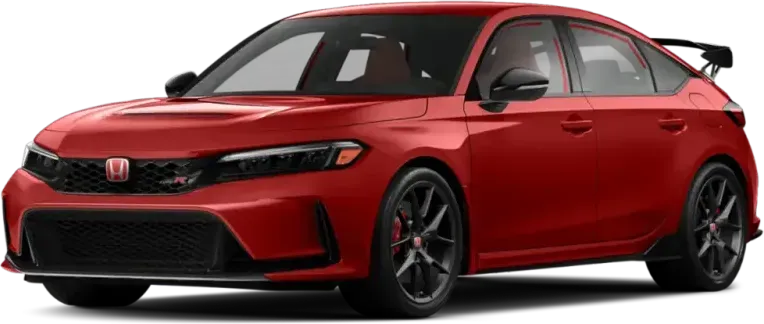
Honda Civic
Score: 94/100
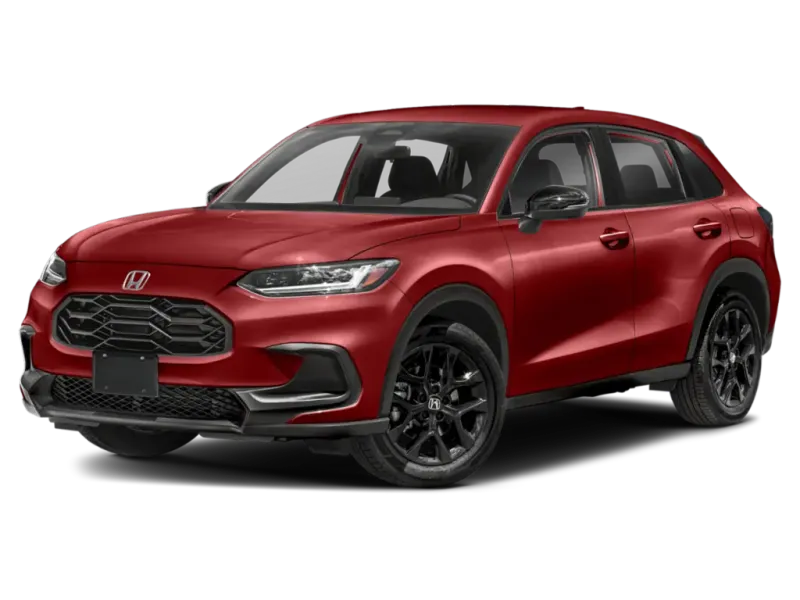
Honda HR-V
Score: 100/100
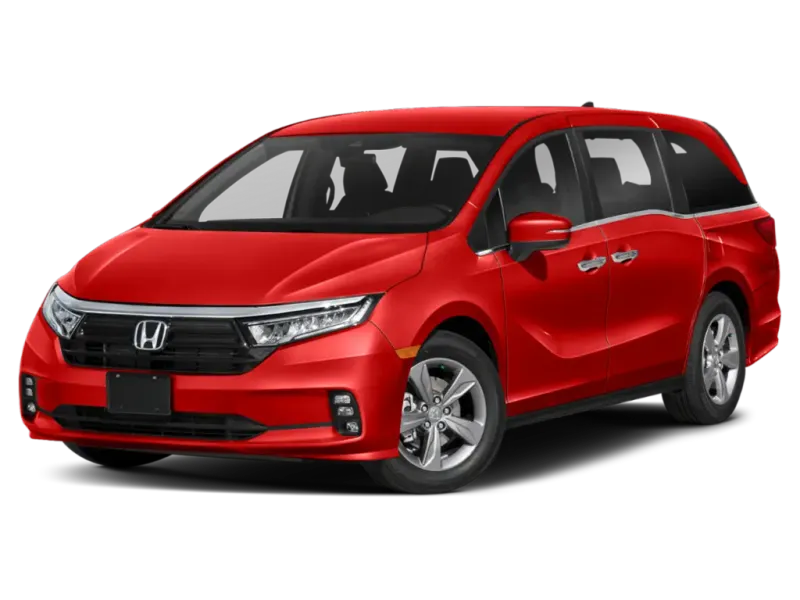
Honda Odyssey
Score: 74/100
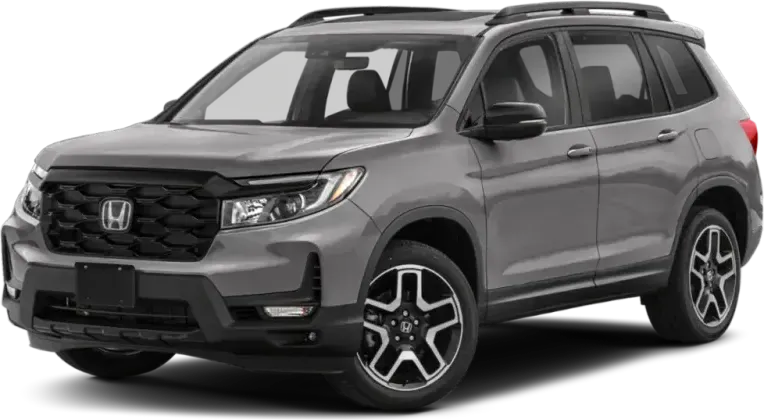
Honda Passport
Score: 84/100
Browse More 2024 Vehicles
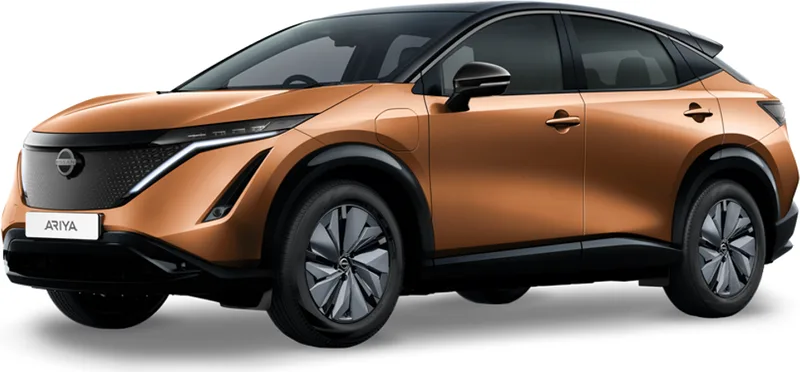
2024 Nissan Ariya
Score: 88/100
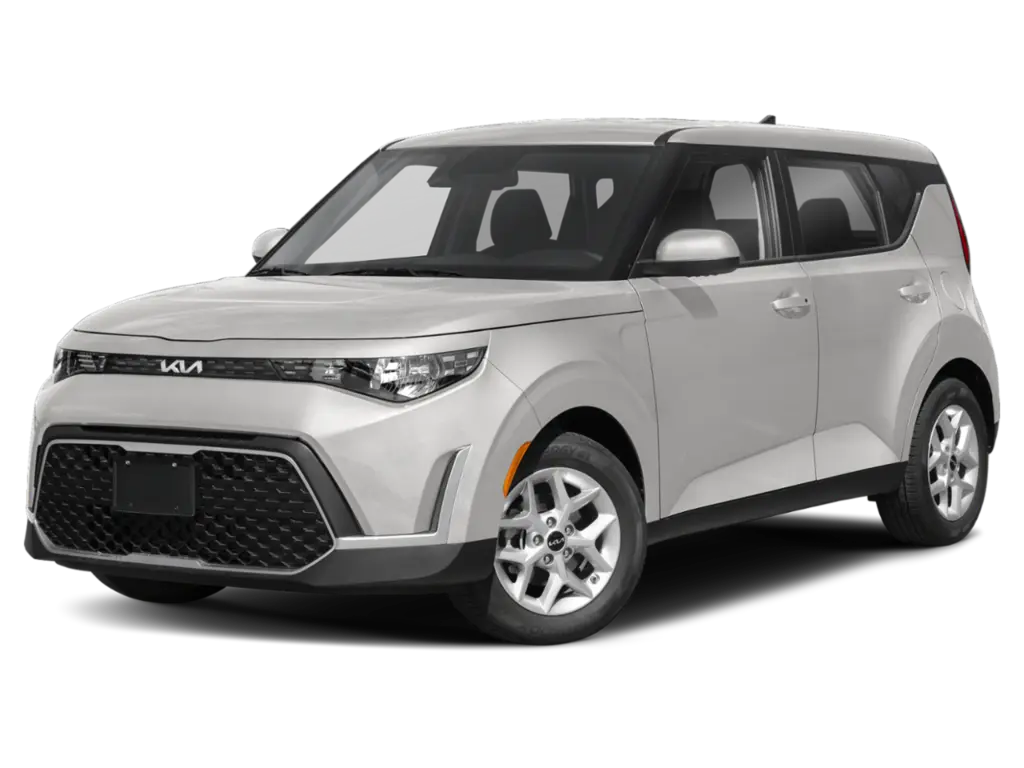
2024 Kia Soul
Score: 86/100
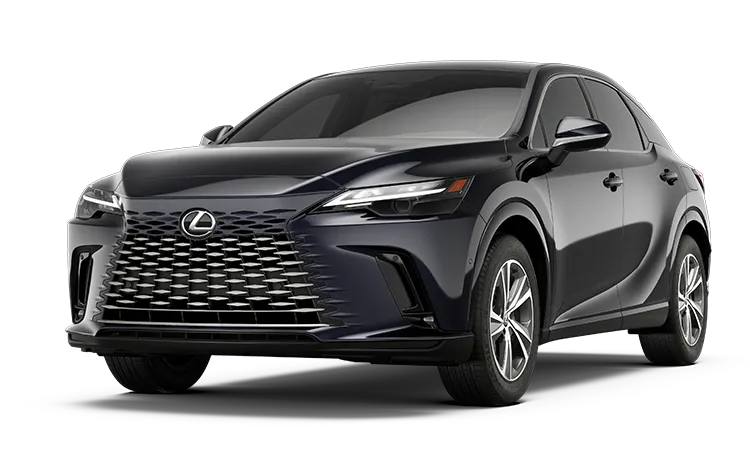
2024 Lexus RX
Score: 85/100
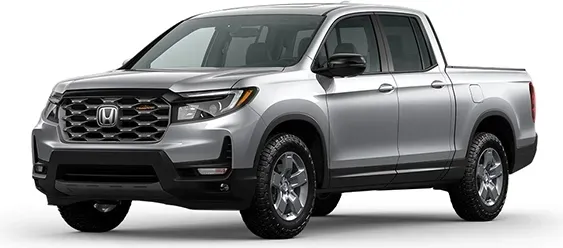
2024 Honda Ridgeline
Score: 85/100
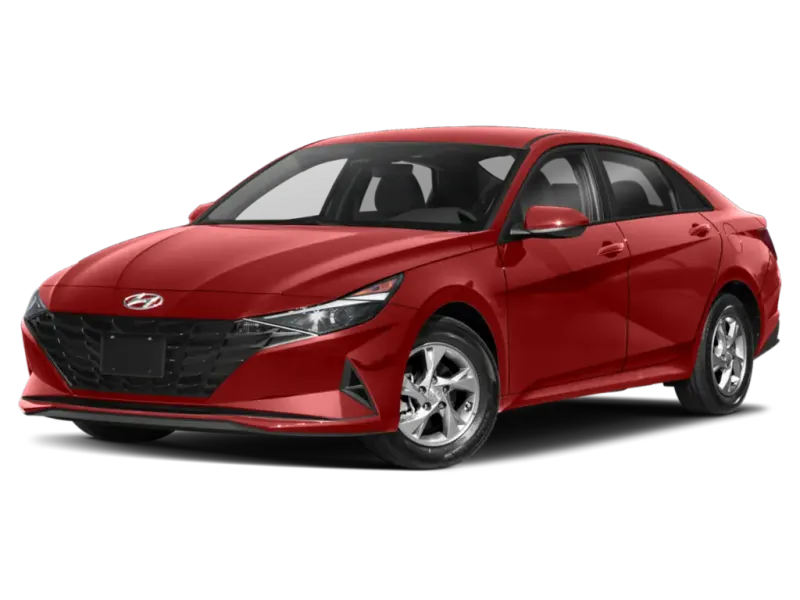
2024 Hyundai Elantra
Score: 85/100
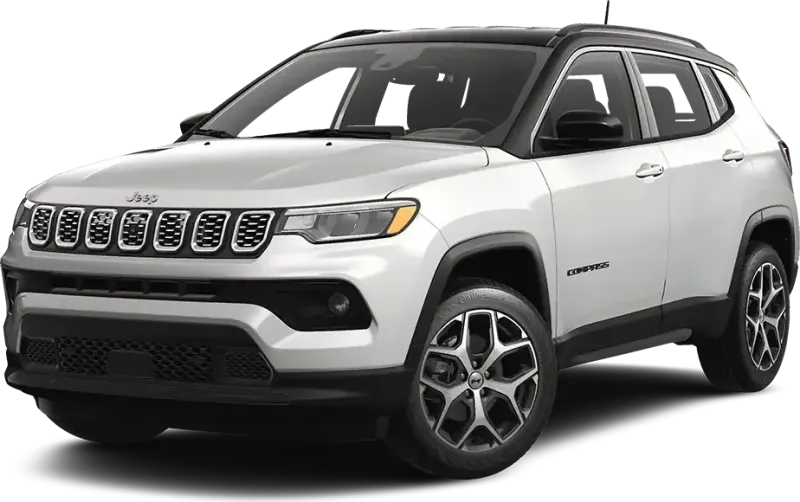
2024 Jeep Compass
Score: 84/100
See incorrect data? Report an issue