Last updated: 2026-10-10
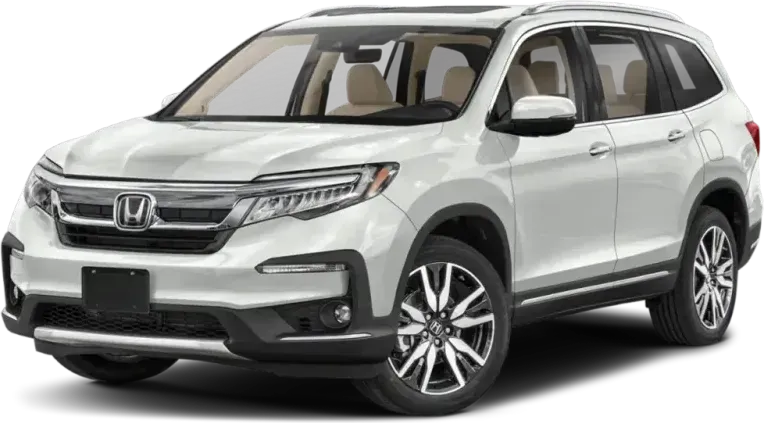
2019 Honda Pilot Reliability Report
The 2019 Honda Pilot is the weakest Pilot year we score, with stalling after idle stop the top complaint and 11 recalls on record.
Recalls
11
Complaints
794
Complaint Rate
58.8per 10,000 sold
Est. Repair Cost
$542
Annual Fuel Cost
$2,600–$2,850
Detailed Score Breakdown
Component-weighted complaints normalized by sales volume
Independent repair cost ratings
Recall count weighted by severity
Breadth of reported problem categories
The Verdict
The weakest scored Pilot year, with more complaints and recalls than 2018 or 2020 and widespread stalling after idle stop.
Top Issues to Watch
- ELECTRICAL SYSTEM (223)
- ENGINE (96)
- POWER TRAIN (77)
Generation & Refresh (US)
2019 received a 2019 model year refresh update for the Third generation (YF5/6; 2016).
- Changes: Updated exterior with new bumpers and grille; Interior infotainment system updated.
- Year 4 in this generation (2016–2022).
- 3rd generation Pilot (US).
What this means for buyers
Refresh years bring updates but can also introduce new issues. Check early recall data before buying.
2016: Third generation (YF5/6; 2016) Launch
Generation start — new platform.
2019: This Model Year (Refresh)
2019 received a 2019 model year refresh update for the Third generation (YF5/6; 2016).
Should You Buy the 2019 Honda Pilot?
Buy with caution. Reliability for this model year is mixed, and it sits well below average among 2019 SUVs. It is also the weakest of the nine Pilot years we score. The neighboring years look better: 2018 drew 408 complaints and 5 recalls, and 2020 drew 431 complaints and 9 recalls. This year has 794 complaints and 11 recalls. On the plus side, it earns 5 of 5 federal crash-test stars, and model-wide repair costs run a bit under its class.
The most common complaint is the engine stalling or refusing to restart after auto idle stop shuts it off at a light or on-ramp. Reports usually start between 25,000 and 45,000 miles, and dealers often cannot reproduce it. Fuel system complaints add a safety risk: owners describe stalling while driving, and long waits for fuel pump parts. One reports a fire at a red light during that wait. Some engines fail from connecting rod bearings, and transmissions judder or shift roughly between 32,000 and 63,000 miles.
Consider a 2018 or 2020 first. If you pursue a 2019, ask for proof that every recall repair, especially the fuel system work, was finished. Also ask for engine and transmission service history.
Compared to the 2020 Honda Pilot, which scored 4 points higher. See also the 2018 Honda Pilot for an earlier comparison.
Pros
- +$31 cheaper to maintain than avg midsize SUVs
- +Low major repair risk (13%)
Cons
- −Below-average reliability score
- −Above-average recall count
- −Above-average complaint rate for SUV
- −ELECTRICAL SYSTEM: Engine stalls or will not restart after auto idle stop shuts it off at lights,... (223 complaints)
Compare 2019 Honda Pilot With

2019 Ford Explorer
Reliability: 69/100
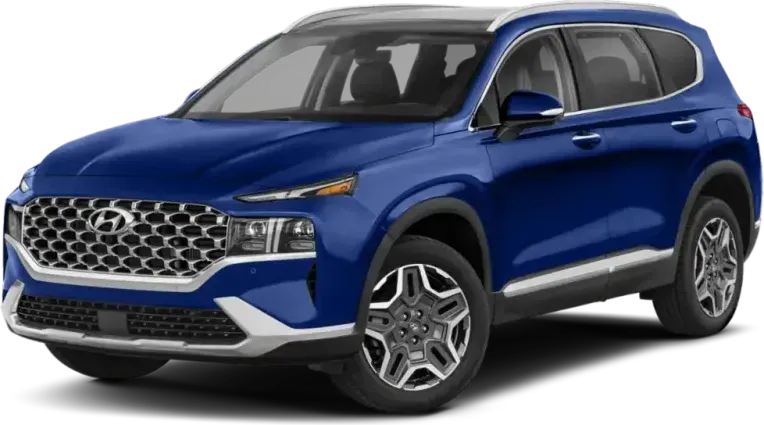
2019 Hyundai Santa Fe
Reliability: 69/100
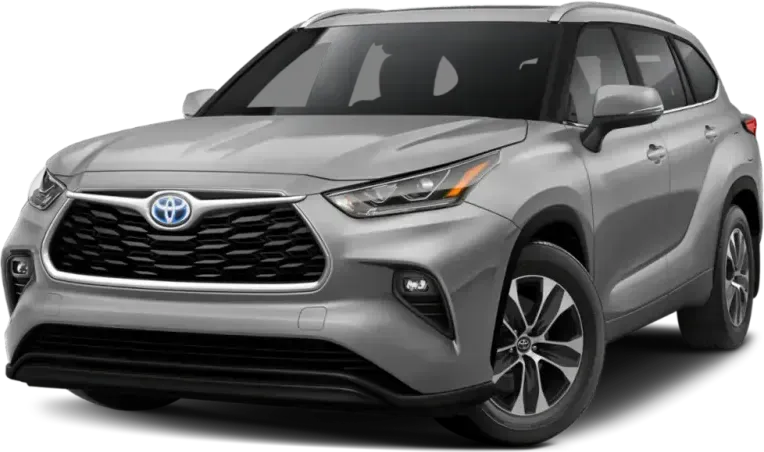
2019 Toyota Highlander
Reliability: 70/100
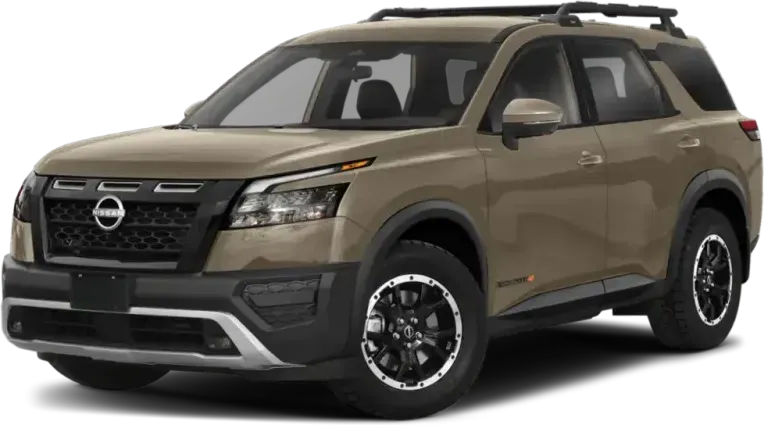
2019 Nissan Pathfinder
Reliability: 71/100
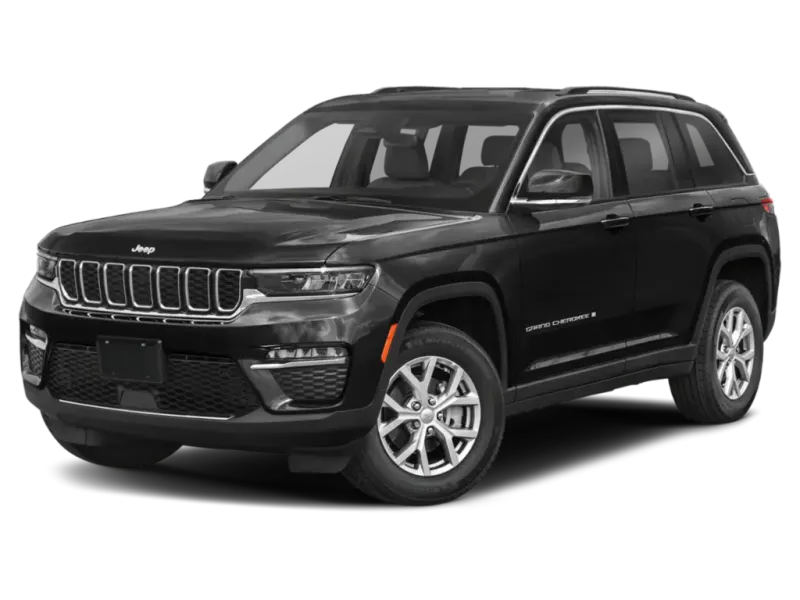
2019 Jeep Grand Cherokee
Reliability: 67/100
Common Problem Categories
Safety
LOW RISK- 11 manufacturer recalls issued
Other
HIGH RISK- ELECTRICAL SYSTEM (223)
- UNKNOWN OR OTHER (102)
Recall Overview
11
recalls on record
The 2019 Honda Pilot has 11 recalls on record, which is above average. A high count can flag multiple component concerns, though it also shows the manufacturer is actively addressing known issues.
NHTSA.gov →Complaint Breakdown
58.8
per 10,000 soldSegment avg: 21.2
Safety Incidents
12
Crashes
5
Fires
15
Injuries
0
Deaths
NHTSA 5/5 Stars
Data sourced from NHTSA complaint filings and manufacturer recall notices. Complaint narratives are owner-reported.
2019 Honda Pilot Recall Details
11 recalls have been issued for the 2019 Honda Pilot. All recall repairs are performed free of charge at authorized dealerships.
FUEL SYSTEM, GASOLINE
Honda (American Honda Motor Co.) is recalling certain 2013-2023 Honda Accord, Civic Coupe, Civic Sedan, Civic Hatchback, Civic Type R, CR-V, HR-V, Ridgeline, Odyssey, Acura ILX, MDX, MDX Hybrid, RDX, RLX, TLX, 2019-2022 Honda Insight, Passport, 2020 Honda CR-V Hybrid, 2018-2019 Honda Clarity PHEV, Fit, and 2015-2020 Honda Accord Hybrid, Pilot, Acura NSX vehicles. The fuel pump inside the fuel tank may fail.
Consequence
Fuel pump failure can cause an engine stall while driving, increasing the risk of a crash.
Remedy
Dealers will replace the fuel pump module, free of charge. Owner letters were mailed September 6, 2024. Owners may contact Honda customer service at 1-888-234-2138. Honda's numbers for this recall are KGC and KGD. This recall is an expansion of NHTSA recall numbers 21V-215 and 20V-314.
ENGINE AND ENGINE COOLING
Honda (American Honda Motor Co.) is recalling certain 2015-2020 Acura TLX, 2016-2020 Acura MDX, 2016 and 2018-2019 Pilot, 2017 and 2019 Ridgeline, and 2018-2019 Odyssey vehicles. Due to a manufacturing error, the connecting rod bearing in the engine may wear and seize, damaging the engine.
Consequence
A damaged engine may run improperly or stall while driving, increasing the risk of a fire, crash, or injury.
Remedy
Dealers will inspect and repair, or replace the engine as necessary, free of charge. Owner letters were mailed March 28, 2024. 2016-2017 Acura MDX owner letters were mailed November 1, 2024. 2016-2020 Acura MDX owner letters are expected to be mailed in mid-December 2024. Honda began mailing owner notification letters as of March 18, 2024. 2015-2016 Acura owner letters are expected to be mailed mid-December 2024, 2018 Acura TLX owner letters are expected to be mailed the end of March/early April 2024, 2019 Acura TLX owner letters are expected to be mailed mid-May 2024, 2020 Acura TLX owner letters are expected to be mailed mid-June 2024, and 2016-2020 Acura MDX owner letters are expected to be mailed January 27, 2025. Owners may contact Honda customer service at 1-888-234-2138. Honda's numbers for these recalls are XG1 and GG0.
BACK OVER PREVENTION
Honda (American Honda Motor Co.) is recalling certain 2018-2023 Odyssey, 2019-2022 Pilot, and 2019-2023 Passport vehicles. Due to a faulty Media Oriented Systems Transport (MOST) communication coaxial cable connector, the rearview camera image may not appear on the display. As such, these vehicles fail to comply with the requirements of Federal Motor Vehicle Safety Standard number 111, "Rear Visibility."
Consequence
A rearview camera that does not display an image can reduce the driver's rear view, increasing the risk of a crash or injury.
Remedy
Dealers will replace the MOST cable harness and install a straightening cover over the vehicle cable connector, free of charge. Owner notification letters were mailed July 24, 2023. Owners may contact Honda customer service at 1-888-234-2138. Honda's numbers for this recall are EEL, ZEM, and SFC.
Showing 10 of 11 recalls. View all on NHTSA.gov →
Buying a used 2019 Honda Pilot? Check its history first
Electrical system problems lead owner complaints about the 2019 Honda Pilot, and 11 recalls were issued for it. A VIN check shows whether this car's recall work was done, plus accident, title, and odometer history.
- Accidents
- Open Recalls
- Title History
- Odometer Rollback
2019 Honda Pilot NHTSA Safety Ratings
Overall Safety Rating
Crash Test Results by Configuration (expand)
Gas Powertrain
Rollover risk: 17.5%
Safety Technologies
Honda PilotRepair Costs & Maintenance
Maintenance Rating
3.5Maintenance rating: 3.5 out of 5Based on NHTSA complaint patterns, recall severity, and publicly available cost benchmarks.
Est. Annual Maintenance
$542
vs $573 avg for midsize SUVs
vs $652 avg for all vehicles
Repair Frequency
0.5
unscheduled repair visits per year
Severe Repair Probability
13%
chance of a major repair
Annual Cost Comparison
Category-level averages derived from publicly available industry reports (AAA, CarMD). Model-level estimates produced by Auto Reliability Index.
Honda Pilot Resale Value
The Honda Pilot is estimated to retain about 66.1% of its original value after 5 years, based on observed used-car listings.
This benchmark covers the Honda Pilot model overall and is not specific to the 2019 model year.
- Value Retained
- 66.1%
- Depreciation
- 33.9%
- Listings Analyzed
- 720
after 5 years
over the same period
U.S. used-car listings
Listings observed in . Actual resale value varies by trim, mileage, condition, and location.
Explore Honda Pilot depreciation and resale value on CarResaleValue.comMPG & Annual Running Costs
Gas
21–23 MPG
Running cost: $3,150–$3,400/yr
Fuel + repair
18–20 city / 26–27 hwy MPG
Running cost includes EPA fuel-cost estimate and independent repair-cost data (repair cost estimated at model level). Excludes routine maintenance, depreciation, and insurance. Data as of 2019 EPA label cycle.
Gas trims
| Trim | Drive | Trans. | City | Hwy | Comb | Fuel Cost |
|---|---|---|---|---|---|---|
| Pilot FWD 3.5L 6-cyl | Front-Wheel Drive | Automatic (S9) | 20 | 27 | 23 | $2,600 |
| Pilot AWD 3.5L 6-cyl | All-Wheel Drive | Automatic (S9) | 19 | 26 | 22 | $2,700 |
| Pilot FWD 3.5L 6-cyl | Front-Wheel Drive | Automatic 6-spd | 19 | 27 | 22 | $2,700 |
| Pilot AWD 3.5L 6-cyl | All-Wheel Drive | Automatic 6-spd | 18 | 26 | 21 | $2,850 |
Used Buying Checklist
Key things to inspect or verify before purchasing a 2019 Honda Pilot.
Leave auto idle stop on and drive through several stop lights, confirming the engine restarts cleanly every time.
Shift into reverse and confirm the backup camera shows a clear image without green, purple or scrambled colors.
Check the dash for Honda Sensing, adaptive cruise or lane keeping warnings that point to a failed front camera.
Accelerate gently from a stop through 30 to 50 mph and feel for judder, jerky shifts or hesitation.
Scan for codes P219A, P219B and P0430, and ask for fuel injector repair records.
Run the VIN for recall 23V858 and confirm the fuel pump replacement has been completed.
Listen for engine knocking at idle and under load, and walk away if you hear any.
Start the car after it has sat overnight and confirm the gauges, audio screen and USB ports all power up.
2019 Honda Pilot Common Problems by Component
794 owner complaints grouped by vehicle system.
ELECTRICAL SYSTEM
223 complaintsSafety-relatedPilot electrical problems across all model years
The engine stalls or will not restart after auto idle stop shuts it off at lights, intersections and on-ramps. This can leave the SUV stuck in traffic, and some cases need a jump start. Reports of this usually begin between 25,000 and 45,000 miles, and dealers often cannot reproduce it. Other complaints include the gauges and audio screen going dark while driving, the battery draining overnight, the alarm going off all night and a rear camera image full of wrong colors. One report describes smoke from under the glove box, then a fire that totaled the vehicle.
UNKNOWN OR OTHER
102 complaintsSafety-relatedThis catch-all category mixes several problems. The most common is a backup camera image flooded with green, purple and yellow, and dealers quote about $600 to replace the camera. The next is idle stop stalling the engine or locking the transmission in park or neutral at lights. Other reports cover transmission judder and slipping, false automatic braking, liftgate glass that shattered at highway speed and a snapped exhaust bracket that melted the bumper. Three reports involve crashes, including one of sudden acceleration while parking.
ENGINE
96 complaintsSafety-relatedConnecting rod and rod bearing failures destroy the engine in several reports. Before the failure, drivers notice knocking, lurching or check engine lights that come and go, at mileages from 75,000 to 144,500. In one case the failure ended in an engine fire. Another pattern is stuttering, hesitation and power loss with an emissions warning, which dealers trace to the fuel injectors. Stalling at lights with idle stop, camshaft play that scratched the camshaft sensor, and a separate fire shortly after parking also appear.
POWER TRAIN (77 complaints)
POWER TRAIN
77 complaintsSafety-relatedJudder, jerky shifts between first, second and third gear, slipping and hesitation under acceleration are the main transmission complaints. They often appear between 32,000 and 63,000 miles, and dealers commonly recommend fluid flushes. Other reports describe the transmission dropping into neutral or refusing to move at stop lights after idle stop. In another, a failed torque converter slipped during an emergency maneuver. Two injury reports involve the vehicle moving forward as the driver stepped out, and one crash involves sudden acceleration while parking. A rear differential failed at about 66,000 miles.
FUEL SYSTEM (73 complaints)
FUEL SYSTEM
73 complaintsSafety-relatedMost reports concern fuel pump recall 23V858. Many describe long waits because dealers have no parts, often before any failure has happened. When a failure does occur, the engine stalls while driving or at red lights, will not start, or lights up battery, emissions and 4WD warnings. One report describes smoke and then a fire at a red light while the recall repair was still waiting on parts. Failed fuel injectors with codes P219A or P219B also appear, along with a high-pressure fuel pump replaced at about 70,000 miles.
FUEL/PROPULSION SYSTEM (54 complaints)
FUEL/PROPULSION SYSTEM
54 complaintsSafety-relatedFailed fuel injectors are the main complaint. An Emissions System Problem warning comes on, the engine misfires, hesitates or loses power at highway speed, and scans show codes P219A, P219B and P0430. Many owners say Honda's injector warranty extension excludes their VIN, so they pay for the repair themselves. Some also replaced catalytic converters. Fuel pump recall 23V-858 draws complaints about missing parts, and one recall replacement pump failed on the highway. One crash followed the engine hesitating and then surging forward.
FORWARD COLLISION AVOIDANCE (45 complaints)
FORWARD COLLISION AVOIDANCE
45 complaintsSafety-relatedThe camera behind the rearview mirror fails and shuts off adaptive cruise control, lane keeping assist, collision mitigation braking, road departure mitigation and auto high beams at the same time. A cluster of warning lights comes on with it. Dealers often find code U3000-49 and quote over $2,000 for replacement and calibration. Failures are reported from 47,817 to 125,000 miles. Separately, the system brakes with no vehicle in the lane, sometimes when passing oncoming traffic. Both crash reports describe the system not working before a collision.
BACK OVER PREVENTION (20 complaints)
BACK OVER PREVENTION
20 complaintsThe backup camera image turns into bright green, purple and other colored pixels, or the screen goes blank with a connection message. Failures are reported from about 26,000 to 85,000 miles. Repairs such as replacing the coaxial or network cable often do not stop the problem from coming back. Some owners point to recall 23V431000 but report excluded VINs, recall work that did not help, or parts that are not yet available. With the image unreadable, backing up safely depends on mirrors and looking over your shoulder.
SERVICE BRAKES (18 complaints)
SERVICE BRAKES
18 complaintsAutomatic emergency braking engages with no vehicle ahead, flashing BRAKE on the dash and jolting the SUV. This often happens on curves or when passing oncoming traffic, and one report of it happening while merging lists two injuries. Other complaints describe a soft or low pedal that needs heavy pressure, a brief loss of braking at an intersection and rear brakes dragging after stops. One describes a failed brake pedal position switch that set off many warnings and kept the car from starting. Idle stop stalling also shows up here.
AIR BAGS (4 complaints)
AIR BAGS
4 complaintsSafety-relatedIn three of the four reports, the airbags fail to deploy or inflate only partly in a frontal crash. These three crashes account for five injuries. In one, the driver hit the steering wheel while the airbag made a sound but never filled. Another crash report also says the brakes and the collision mitigation system did not stop the car before impact. The fourth report is not about a crash. It describes brake, emissions and low tire pressure warnings that come and go while driving.
When Do 2019 Honda Pilot Problems Start?
Based on owner complaint patterns, here's when common issues tend to appear.
Best & Worst Honda Pilot Years
Best Honda Pilot Years to Buy
Based on reliability index scoreHonda Pilot Years to Avoid
2019
(Current Model)
Honda Pilot Reliability Score Trend
Scores 0–100. Higher is better. Current year highlighted.
| Year | Score | Rating |
|---|---|---|
| 2018 | 63/100 | Good |
| 2019 | 56/100 | Mixed |
| 2020 | 60/100 | Good |
| 2021 | 63/100 | Good |
| 2022 | 72/100 | Good |
| 2023 | 72/100 | Good |
| 2024 | 72/100 | Good |
| 2025 | 71/100 | Good |
| 2026 | 81/100 | Excellent |
Honda Pilot Reliability Compared to Other Years
Frequently Asked Questions
Is the 2019 Honda Pilot reliable?
What are the most common problems with the 2019 Honda Pilot?
Does the 2019 Honda Pilot have idle stop stalling problems?
How many recalls does the 2019 Honda Pilot have?
Is the 2019 Honda Pilot expensive to repair?
Don’t buy a 2019 Honda Pilot without checking its VIN first — hidden accidents, title issues, and open recalls could cost you thousands.
How we score the 2019 Honda Pilot
Of the four inputs behind this score, the 2019 Honda Pilot does best on repair costs (70/100) and worst on complaint severity (38/100). Scores weight complaint severity at 35%, repair costs at 30%, recall impact at 20%, and the spread of complaints across systems at 15%, with complaint counts adjusted for US sales. Read the full methodology.
Get notified when new recalls or reliability data is added for the Honda Pilot.
No spam. Only data updates for this model.
Browse More Honda Models
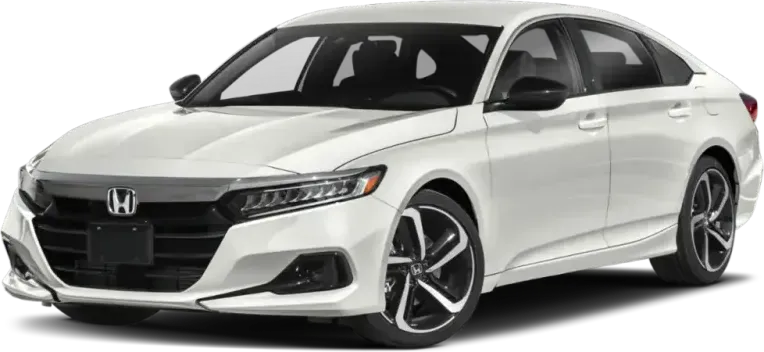
Honda Accord
Score: 87/100

Honda CR-V
Score: 83/100
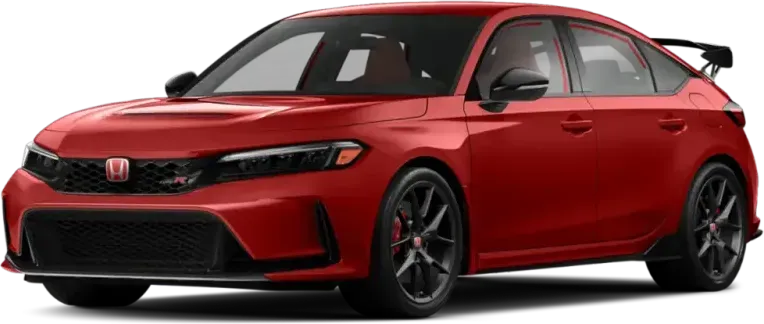
Honda Civic
Score: 94/100
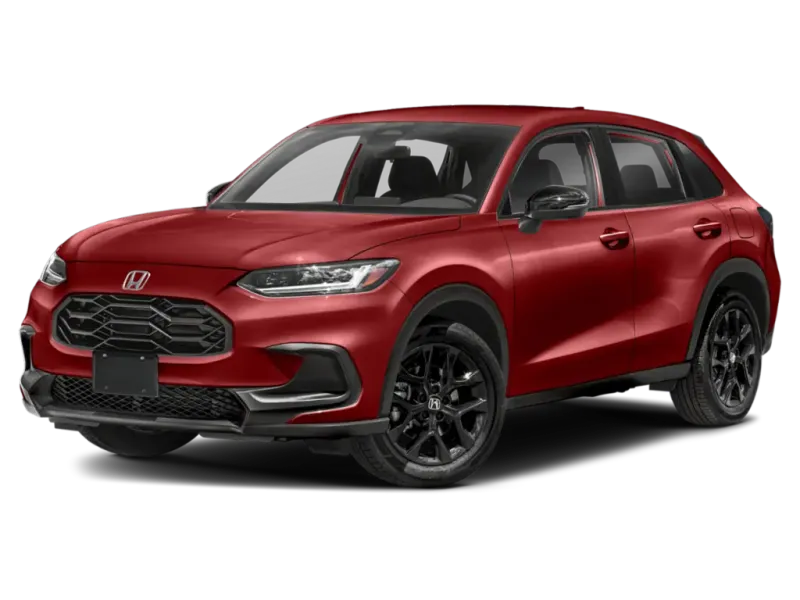
Honda HR-V
Score: 100/100
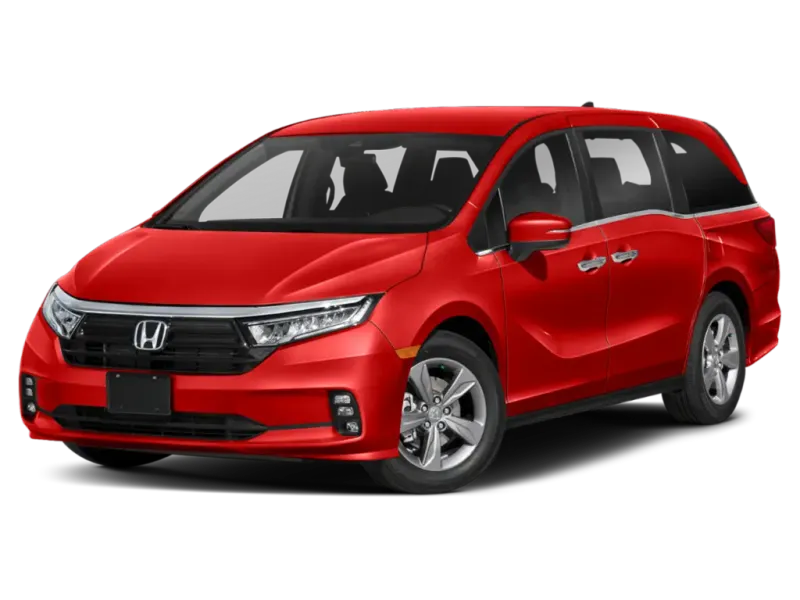
Honda Odyssey
Score: 74/100

Honda Passport
Score: 84/100
Browse More 2019 Vehicles
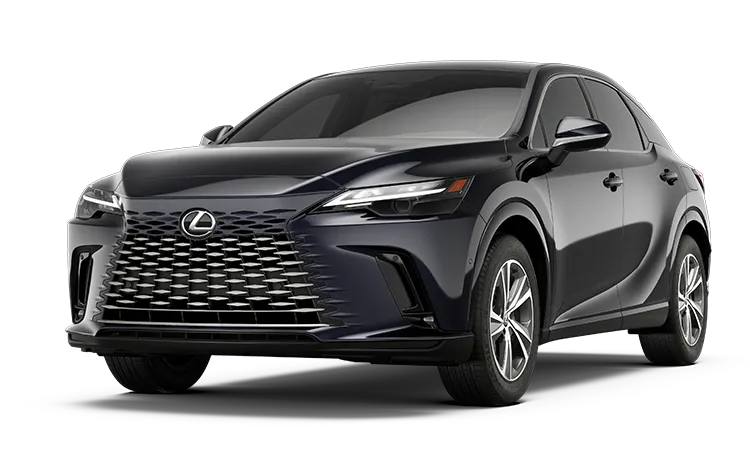
2019 Lexus RX
Score: 82/100

2019 Kia Sedona
Score: 80/100
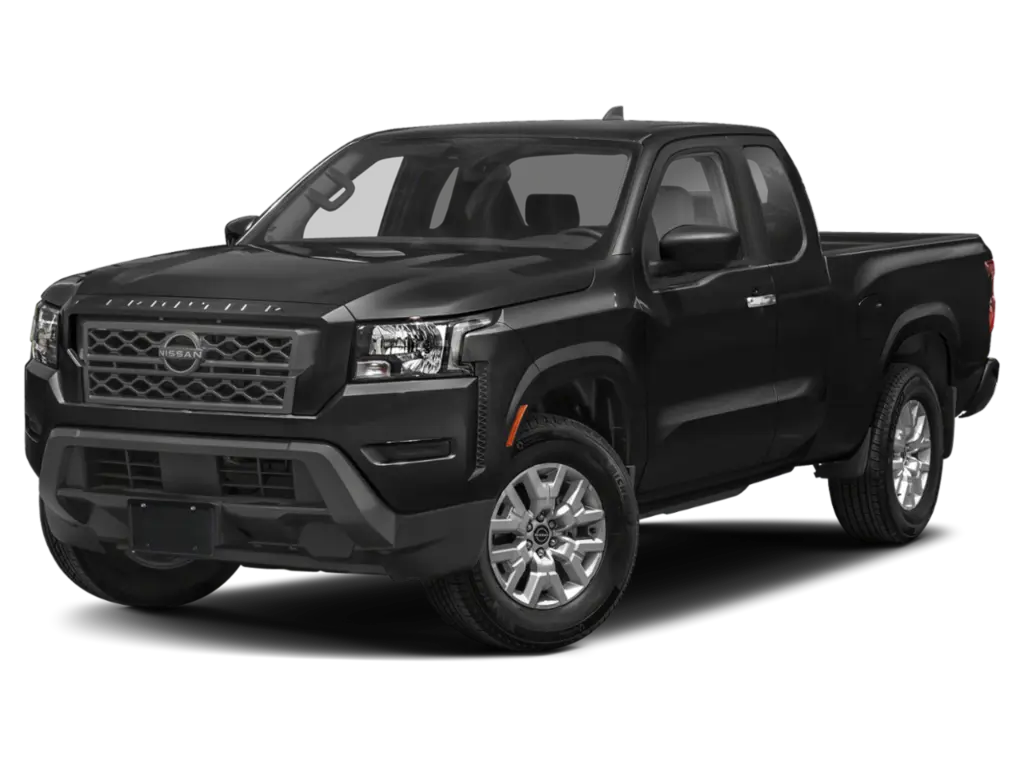
2019 Nissan Frontier
Score: 80/100
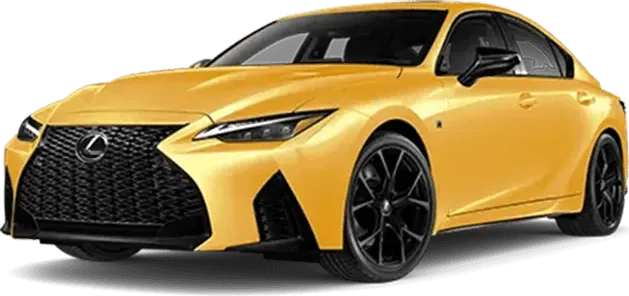
2019 Lexus IS
Score: 79/100
2019 Chevrolet Impala
Score: 79/100

2019 Lexus GX
Score: 78/100
See incorrect data? Report an issue