Last updated: 2026-10-10
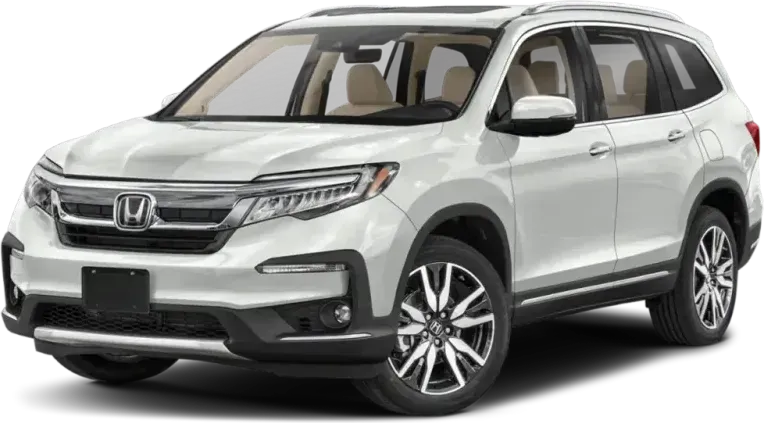
2020 Honda Pilot Reliability Report
The 2020 Honda Pilot has a good reliability standing, but owners report blank infotainment screens and stop/start engines that will not restart.
Recalls
9
Complaints
431
Complaint Rate
34.8per 10,000 sold
Est. Repair Cost
$542
Annual Fuel Cost
$2,600–$2,850
Detailed Score Breakdown
Component-weighted complaints normalized by sales volume
Independent repair cost ratings
Recall count weighted by severity
Breadth of reported problem categories
The Verdict
Weaker than most Pilot years and than other 2020 SUVs on complaints, though better than 2019, with infotainment blackouts leading owner reports.
Top Issues to Watch
- ELECTRICAL SYSTEM (186)
- ENGINE (39)
- FORWARD COLLISION AVOIDANCE (31)
Generation & Refresh (US)
2020 is 1 year after the 2019 model year refresh refresh.
- Year 5 in the Third generation (YF5/6; 2016) (2016–2022).
- Well-established in its generation — most early issues should be resolved.
- 3rd generation Pilot (US).
What this means for buyers
Post-refresh years tend to be among the most refined — updates have been applied and early kinks worked out.
2016: Third generation (YF5/6; 2016) Launch
Generation start — new platform.
2019: Mid-Cycle Refresh
Updated features and styling tweaks.
2020: This Model Year
2020 is 1 year after the 2019 model year refresh refresh.
Should You Buy the 2020 Honda Pilot?
Buy with care. Overall reliability standing is good, and repair costs run a little under the class, at $542 a year against $573. But owners file more complaints than for most 2020 SUVs, and this is among the weaker of the nine Pilot years. It beats 2019, which had 794 complaints and 11 recalls. The 2021 rates better, with 358 complaints and 8 recalls.
The biggest pattern is electrical. The infotainment screen goes blank or reads "Network Communication Lost," and the backup camera and radio go with it, sometimes the gauge cluster too. Speaker crackling often comes first, and some owners say wiring repairs did not fix it. Auto stop/start can leave the engine dead at a light, often between 25,000 and 50,000 miles. Transmission shudder and clunking tends to start around 50,000 to 60,000 miles. Less common but serious are sudden engine failures, including connecting rod bearing cases that needed a new engine.
Ask for service records covering the infotainment screen, the front camera, stop/start complaints, and transmission fluid work. If the price is close, look at a 2021 first.
Compared to the 2021 Honda Pilot, which scored 3 points higher. See also the 2019 Honda Pilot for an earlier comparison.
Pros
- +Acceptable reliability score
- +$31 cheaper to maintain than avg midsize SUVs
- +Low major repair risk (13%)
Cons
- −Above-average recall count
- −Above-average complaint rate for SUV
- −ELECTRICAL SYSTEM issues reported (186 complaints)
Compare 2020 Honda Pilot With
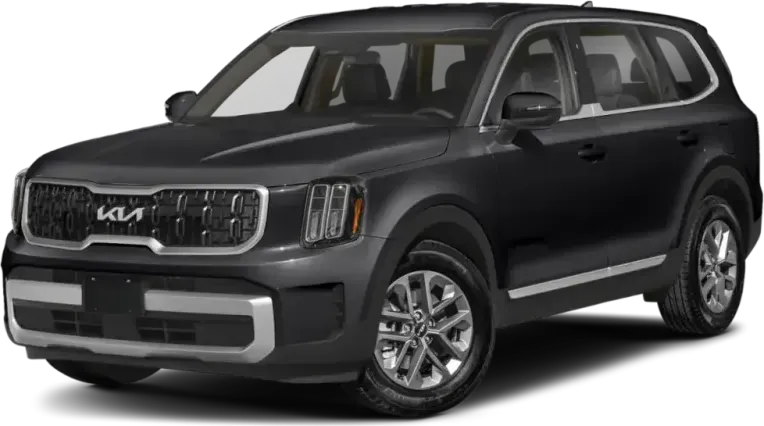
2020 Kia Telluride
Reliability: 55/100

2020 Ford Explorer
Reliability: 54/100
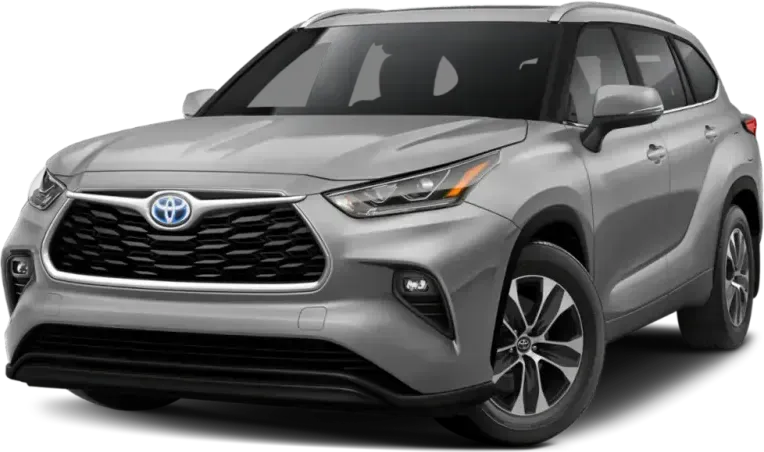
2020 Toyota Highlander
Reliability: 71/100
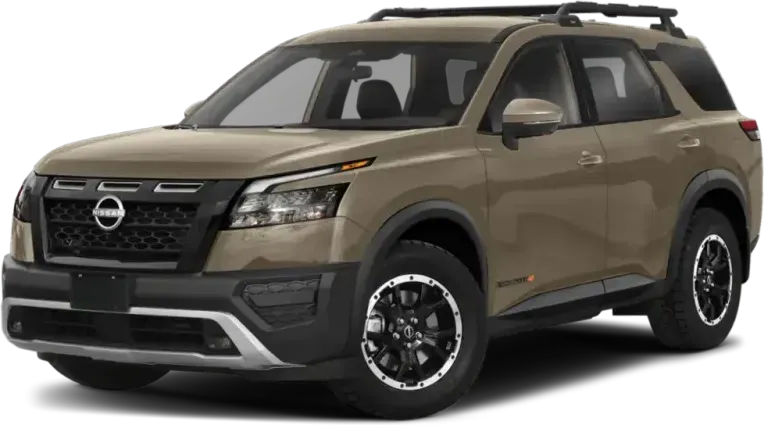
2020 Nissan Pathfinder
Reliability: 78/100
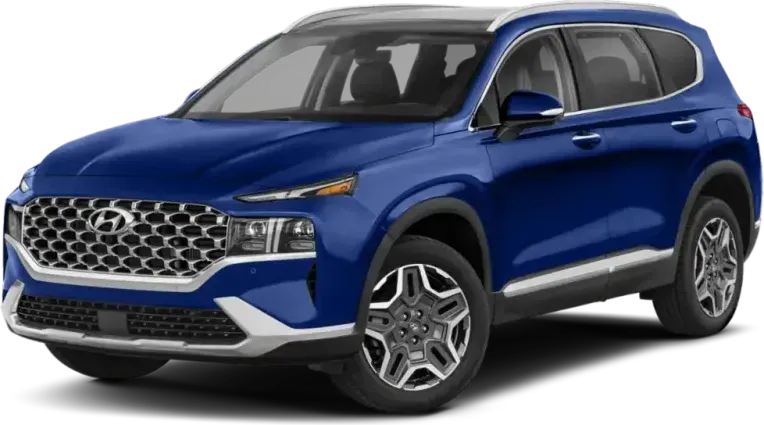
2020 Hyundai Santa Fe
Reliability: 70/100
Common Problem Categories
Safety
LOW RISK- 9 manufacturer recalls issued
Other
HIGH RISK- ELECTRICAL SYSTEM (186)
- UNKNOWN OR OTHER (46)
Recall Overview
9
recalls on record
The 2020 Honda Pilot has 9 recalls on record, which is above average. A high count can flag multiple component concerns, though it also shows the manufacturer is actively addressing known issues.
NHTSA.gov →Complaint Breakdown
34.8
per 10,000 soldSegment avg: 20.2
Safety Incidents
10
Crashes
5
Fires
13
Injuries
0
Deaths
NHTSA 5/5 Stars
Data sourced from NHTSA complaint filings and manufacturer recall notices. Complaint narratives are owner-reported.
2020 Honda Pilot Recall Details
9 recalls have been issued for the 2020 Honda Pilot. All recall repairs are performed free of charge at authorized dealerships.
EQUIPMENT
Honda (American Honda Motor Co.) is recalling certain 2020 Passport and Pilot vehicles. The certification label may have been printed with ink that can be wiped away with a solvent, removing the Gross Axle Weight Rating (GAWR) and Gross Vehicle Weight Rating (GVWR) information.
Consequence
If the operator is unable to refer to the label information, the vehicle may be overloaded, increasing the risk of a crash.
Remedy
Honda will notify owners, and dealers will replace the certification label, free of charge. The recall began March 24, 2020. Owners may contact Honda customer service at 1-888-234-2138. Honda's number for this recall is B6T.
AIR BAGS
Honda (American Honda Motor Co.) is recalling certain 2020-2022 Pilot, Accord, Civic sedan, HR-V, Odyssey, 2020 Civic coupe, Fit, 2021-2022 Civic hatchback, 2021 Civic Type R, Insight, 2020-2021 CR-V, CR-V Hybrid, Passport, Ridgeline, Accord Hybrid, 2020 Acura MDX, 2022 Acura MDX, 2020-2022 Acura RDX, and 2020-2021 Acura TLX vehicles. The front passenger seat weight sensor may crack and short circuit, failing to suppress the air bag as intended.
Consequence
An air bag that deploys unintentionally during a crash can increase the risk of injury.
Remedy
Dealers will replace the seat weight sensors, free of charge. Owner notification letters were mailed March 28, 2024, October 18, 2024, and August 2025. This is a phased recall. Owners may contact Honda customer service at 1-888-234-2138. Honda's numbers for these recalls are XHP and VHQ.
FUEL SYSTEM, GASOLINE
Honda (American Honda Motor Co.) is recalling certain 2013-2023 Honda Accord, Civic Coupe, Civic Sedan, Civic Hatchback, Civic Type R, CR-V, HR-V, Ridgeline, Odyssey, Acura ILX, MDX, MDX Hybrid, RDX, RLX, TLX, 2019-2022 Honda Insight, Passport, 2020 Honda CR-V Hybrid, 2018-2019 Honda Clarity PHEV, Fit, and 2015-2020 Honda Accord Hybrid, Pilot, Acura NSX vehicles. The fuel pump inside the fuel tank may fail.
Consequence
Fuel pump failure can cause an engine stall while driving, increasing the risk of a crash.
Remedy
Dealers will replace the fuel pump module, free of charge. Owner letters were mailed September 6, 2024. Owners may contact Honda customer service at 1-888-234-2138. Honda's numbers for this recall are KGC and KGD. This recall is an expansion of NHTSA recall numbers 21V-215 and 20V-314.
Buying a used 2020 Honda Pilot? Check its history first
Electrical system problems lead owner complaints about the 2020 Honda Pilot, and 9 recalls were issued for it. A VIN check shows whether this car's recall work was done, plus accident, title, and odometer history.
- Accidents
- Open Recalls
- Title History
- Odometer Rollback
2020 Honda Pilot NHTSA Safety Ratings
Overall Safety Rating
Crash Test Results by Configuration (expand)
Gas Powertrain
Rollover risk: 17.5%
Safety Technologies
Honda PilotRepair Costs & Maintenance
Maintenance Rating
3.5Maintenance rating: 3.5 out of 5Based on NHTSA complaint patterns, recall severity, and publicly available cost benchmarks.
Est. Annual Maintenance
$542
vs $573 avg for midsize SUVs
vs $652 avg for all vehicles
Repair Frequency
0.5
unscheduled repair visits per year
Severe Repair Probability
13%
chance of a major repair
Annual Cost Comparison
Category-level averages derived from publicly available industry reports (AAA, CarMD). Model-level estimates produced by Auto Reliability Index.
Honda Pilot Resale Value
The Honda Pilot is estimated to retain about 66.1% of its original value after 5 years, based on observed used-car listings.
This benchmark covers the Honda Pilot model overall and is not specific to the 2020 model year.
- Value Retained
- 66.1%
- Depreciation
- 33.9%
- Listings Analyzed
- 720
after 5 years
over the same period
U.S. used-car listings
Listings observed in . Actual resale value varies by trim, mileage, condition, and location.
Explore Honda Pilot depreciation and resale value on CarResaleValue.comMPG & Annual Running Costs
Gas
21–23 MPG
Running cost: $3,150–$3,400/yr
Fuel + repair
18–20 city / 26–27 hwy MPG
Running cost includes EPA fuel-cost estimate and independent repair-cost data (repair cost estimated at model level). Excludes routine maintenance, depreciation, and insurance. Data as of 2020 EPA label cycle.
Gas trims
| Trim | Drive | Trans. | City | Hwy | Comb | Fuel Cost |
|---|---|---|---|---|---|---|
| Pilot FWD 3.5L 6-cyl | Front-Wheel Drive | Automatic (S9) | 20 | 27 | 23 | $2,600 |
| Pilot AWD 3.5L 6-cyl | All-Wheel Drive | Automatic (S9) | 19 | 26 | 22 | $2,700 |
| Pilot FWD 3.5L 6-cyl | Front-Wheel Drive | Automatic 6-spd | 19 | 27 | 22 | $2,700 |
| Pilot AWD 3.5L 6-cyl | All-Wheel Drive | Automatic 6-spd | 18 | 26 | 21 | $2,850 |
Used Buying Checklist
Key things to inspect or verify before purchasing a 2020 Honda Pilot.
Run a VIN recall check and confirm the fuel pump recall 23V-858 and the wiring harness recalls are done.
Use the infotainment and backup camera for a long stretch. Listen for crackling and watch for "Network Communication Lost."
At startup, look for warnings on adaptive cruise, lane keeping, collision mitigation, or the brake system. These point to a failing front camera.
Leave auto stop/start on in stop-and-go traffic and make sure the engine restarts right away at every stop.
Accelerate gently from 20 to 40 mph and feel for transmission shudder, jitter, or clunking.
Ask for oil change and transmission service records. Listen for engine knocking, and check that no check engine light is on.
Drive a two-lane road with oncoming traffic and watch for false collision warnings or sudden braking.
Confirm the A/C blows cold, the second-row seats latch firmly, and the third-row headrests lock upright.
2020 Honda Pilot Common Problems by Component
431 owner complaints grouped by vehicle system.
ELECTRICAL SYSTEM
186 complaintsSafety-relatedPilot electrical problems across all model years
The infotainment screen goes blank or shows "Network Communication Lost." When it does, the backup camera and radio go with it, and sometimes the whole gauge cluster too. Popping and crackling from the speakers usually comes first. Many say recall wiring repairs did not stop it. Reports run from the first weeks of ownership to about 86,000 miles. The auto stop/start can also shut the engine off at a light and fail to restart it, sometimes after repeated battery replacements. Other reports describe the car waking itself in accessory mode, failed front cameras, 2 crashes, and 1 fire.
UNKNOWN OR OTHER
46 complaintsSafety-relatedThis mixed category is mostly problems seen in other sections. These include stop/start failing to restart, infotainment blackouts, transmission jitter, and driver-aid warning lights. Backup camera complaints stand out. The image fills with green and purple blobs or the guidelines sit far off, and the camera cable recall did not fix it. Other reports cover a total A/C failure quoted at $6,753.93 with no parts available, a windshield leak onto the front floor, and a sunroof that shattered at highway speed. One engine fire at 41,400 miles destroyed the vehicle.
ENGINE
39 complaintsSafety-relatedSudden failure on the road is the most serious pattern. The check engine light comes on, power drops, and a knocking or clanking sound follows. Dealers trace some cases to connecting rod bearing failure that needs a new engine, one around 96,000 miles. Two reports describe fires. One started in a parked vehicle, and the other happened while driving at 42,000 miles. Auto stop/start that will not restart the engine at lights comes up often, even after recall work. Smaller patterns include a gasoline smell through the vents after highway drives and lean or misfire codes linked to fuel injectors.
FORWARD COLLISION AVOIDANCE (31 complaints)
FORWARD COLLISION AVOIDANCE
31 complaintsTwo failures dominate. In the first, the front multipurpose camera dies and shuts off adaptive cruise, lane keeping, collision mitigation braking, road departure mitigation, and auto high beams all at once, often with a brake system warning. Dealers quote roughly $1,700 to $2,000 for a new camera and re-aim. In the second, the collision system warns or slams the brakes with nothing ahead, sometimes at highway speed or because of oncoming traffic. Several drivers report near rear-end collisions. Dealers often cannot reproduce the false braking.
POWER TRAIN (29 complaints)
POWER TRAIN
29 complaintsThe transmission shudders, clunks, lunges, or lags, usually starting around 50,000 to 60,000 miles. Dealers often answer with repeated fluid flushes, and the problem comes back. Some vehicles lose power when accelerating at highway speed. Others shift into park or shut off while moving, and one dealer blamed a front camera communication fault for that. Stop/start no-restart complaints show up here too. Other reports mention metal flakes in the oil, an electronic shifter that cannot reach neutral with a dead battery, and 1 injury from a rollaway.
FUEL SYSTEM (21 complaints)
FUEL SYSTEM
21 complaintsMost of these reports are about recall 23V858000 for the fuel pump. Owners got the notice, but dealers had no parts to do the repair, and many had not seen any failure yet. When failures do happen, the vehicle stalls in traffic, loses power, hesitates, or will not accelerate. Some drivers say they nearly crashed. Check engine, emissions, and AWD warnings often show up with the stalls. A few cases continued after the recall repair or were blamed on fuel injectors or the battery.
FUEL/PROPULSION SYSTEM (16 complaints)
FUEL/PROPULSION SYSTEM
16 complaintsLong waits for the recall 23V-858 fuel pump repair are the main theme. Dealers said parts would not arrive until fall 2024, while some vehicles kept stalling in traffic. A second pattern is fuel injector failure. The check engine light flashes and the car jerks or surges in first and second gear. Dealers find P0430 codes and failed cylinder tests and recommend new injectors, with no coverage for 2020 models. A few owners report fuel pump symptoms even though their VIN was left out of the recall.
SERVICE BRAKES (15 complaints)
SERVICE BRAKES
15 complaintsSafety-relatedTwo kinds of reports appear. In the more serious kind, the pedal sinks to the floor or the brakes do not respond, and the vehicle crashes or surges forward with the pedal pressed. These complaints include 3 crashes and 4 injuries, some within the first few thousand miles. In the more common kind, the collision system flashes a brake warning, shakes the wheel, or brakes hard on an empty road. Soft, low pedal feel also comes up. Dealers often find nothing wrong.
SEATS (2 complaints)
SEATS
2 complaintsSafety-relatedSecond-row and third-row seat hardware can fail. In one report, a second-row seat unlatched under hard braking and slammed forward into the front seatback. In another, a third-row headrest would no longer lock upright, so that seat was unusable. There are only 2 complaints, so no broad pattern is visible yet. One is marked crash-related, and both describe a real injury risk to passengers.
AIR BAGS (2 complaints)
AIR BAGS
2 complaintsSafety-relatedFront airbags failed to deploy in a head-on collision followed by a rollover. Separately, a driver airbag deployed and the cabin filled with smoke, and the driver was burned. Both reports involve crashes with injuries, 3 people in total. With only 2 complaints, there is no repeat pattern, but both describe the airbags not working as intended in a real collision.
When Do 2020 Honda Pilot Problems Start?
Based on owner complaint patterns, here's when common issues tend to appear.
Best & Worst Honda Pilot Years
Best Honda Pilot Years to Buy
Based on reliability index scoreHonda Pilot Years to Avoid
Honda Pilot Reliability Score Trend
Scores 0–100. Higher is better. Current year highlighted.
| Year | Score | Rating |
|---|---|---|
| 2018 | 63/100 | Good |
| 2019 | 56/100 | Mixed |
| 2020 | 60/100 | Good |
| 2021 | 63/100 | Good |
| 2022 | 72/100 | Good |
| 2023 | 72/100 | Good |
| 2024 | 72/100 | Good |
| 2025 | 71/100 | Good |
| 2026 | 81/100 | Excellent |
Honda Pilot Reliability Compared to Other Years
Frequently Asked Questions
Is the 2020 Honda Pilot reliable?
What are the most common problems with the 2020 Honda Pilot?
Does the 2020 Honda Pilot have transmission problems?
Does the 2020 Honda Pilot have forward collision system problems?
Is the 2020 Honda Pilot better than the 2021?
Don’t buy a 2020 Honda Pilot without checking its VIN first — hidden accidents, title issues, and open recalls could cost you thousands.
How we score the 2020 Honda Pilot
Of the four inputs behind this score, the 2020 Honda Pilot does best on how many systems draw complaints (71/100) and worst on complaint severity (48/100). Scores weight complaint severity at 35%, repair costs at 30%, recall impact at 20%, and the spread of complaints across systems at 15%, with complaint counts adjusted for US sales. Read the full methodology.
Get notified when new recalls or reliability data is added for the Honda Pilot.
No spam. Only data updates for this model.
Browse More Honda Models
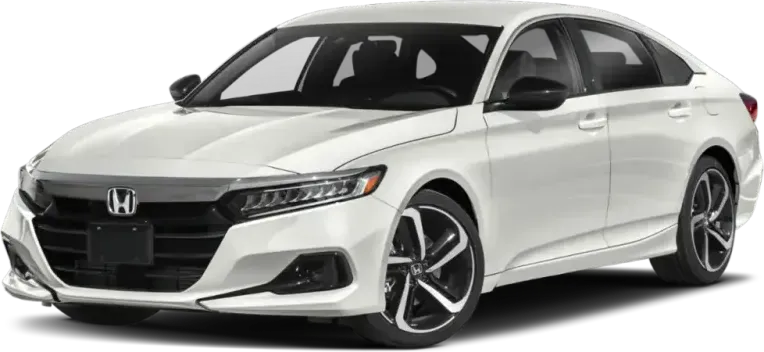
Honda Accord
Score: 87/100

Honda CR-V
Score: 83/100
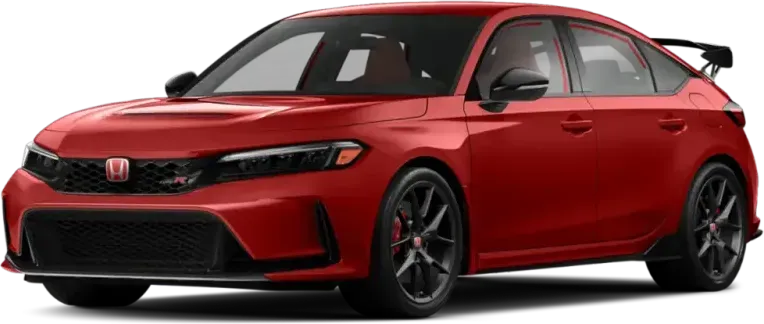
Honda Civic
Score: 94/100
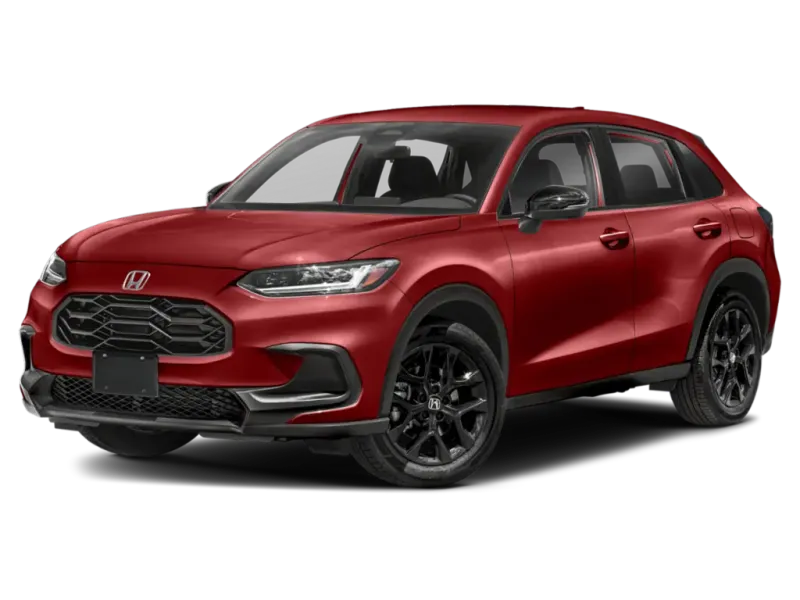
Honda HR-V
Score: 100/100
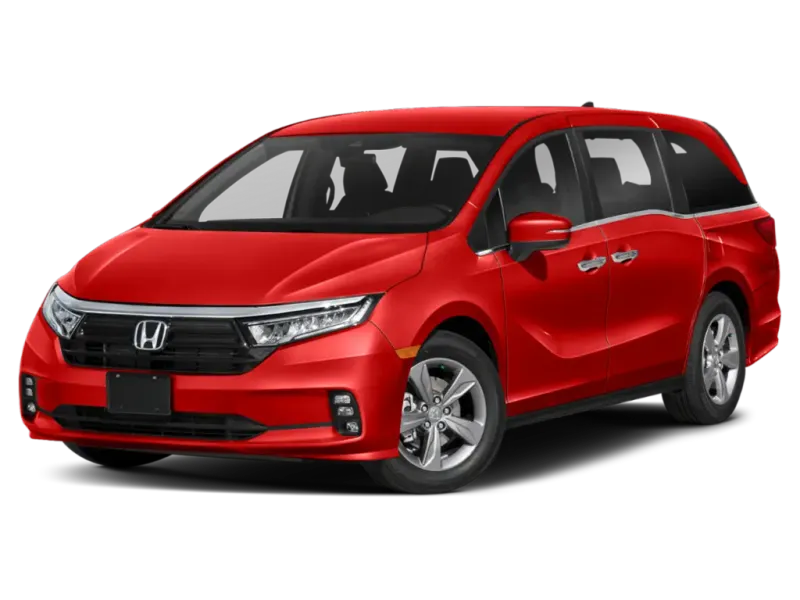
Honda Odyssey
Score: 74/100
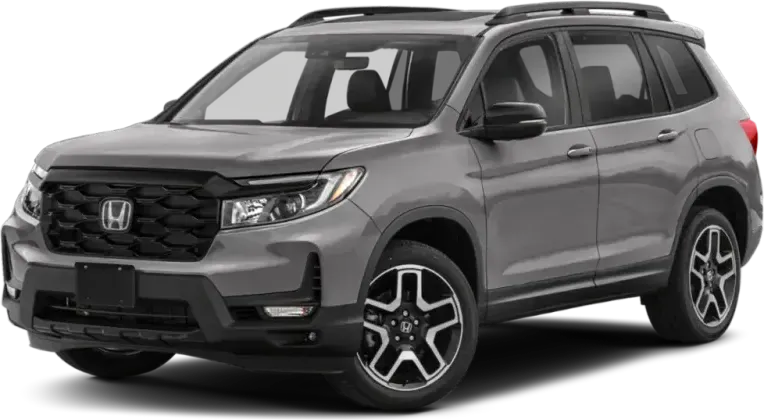
Honda Passport
Score: 84/100
Browse More 2020 Vehicles
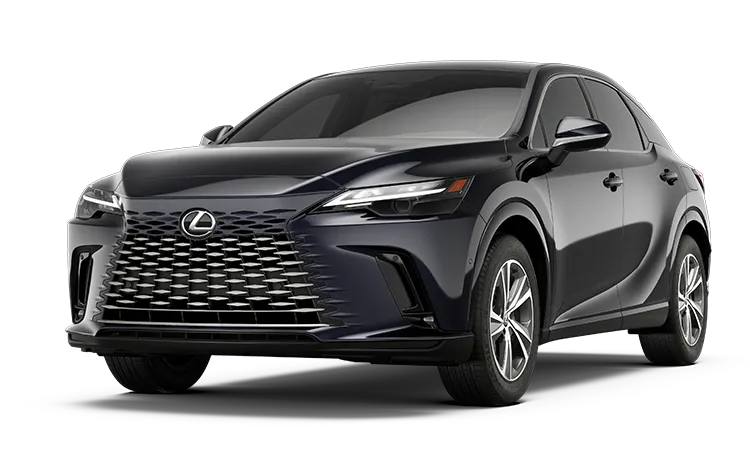
2020 Lexus RX
Score: 86/100
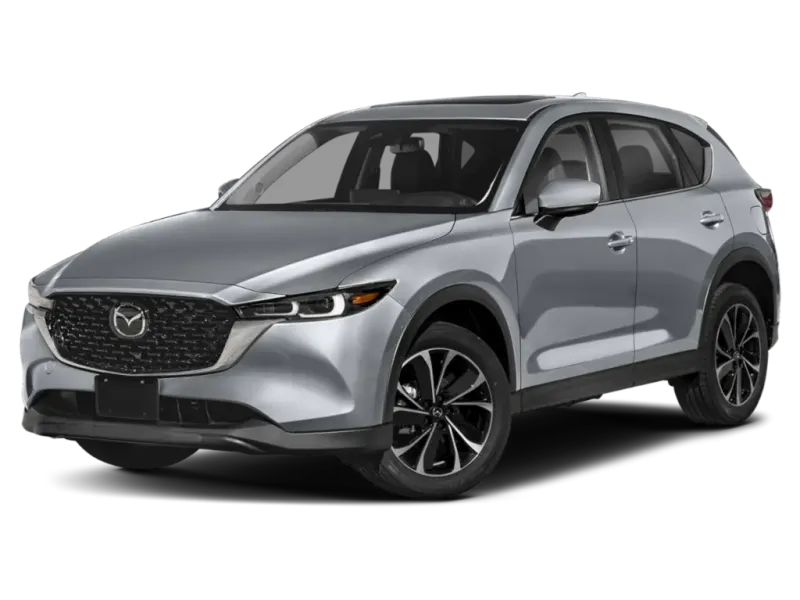
2020 Mazda CX-5
Score: 86/100
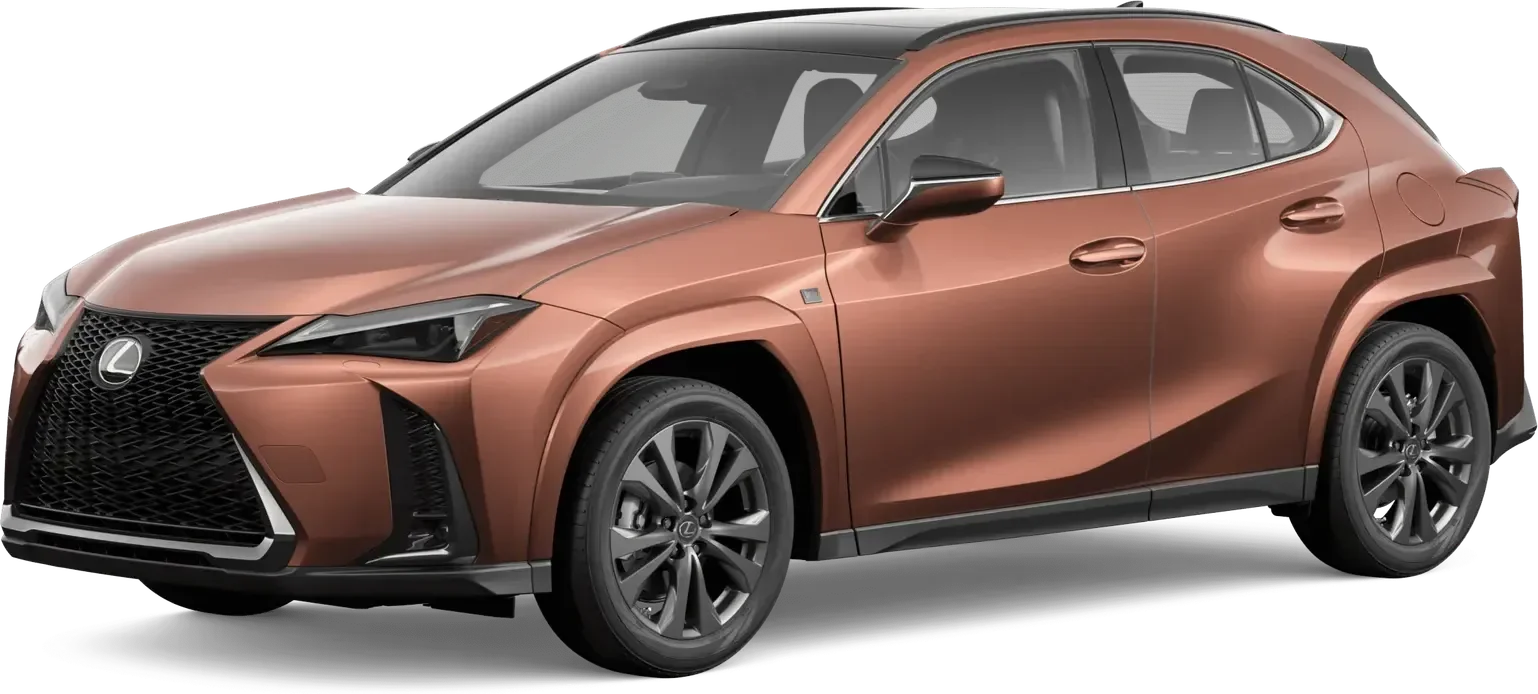
2020 Lexus UX
Score: 84/100

2020 Kia Sedona
Score: 83/100

2020 Lexus IS
Score: 83/100
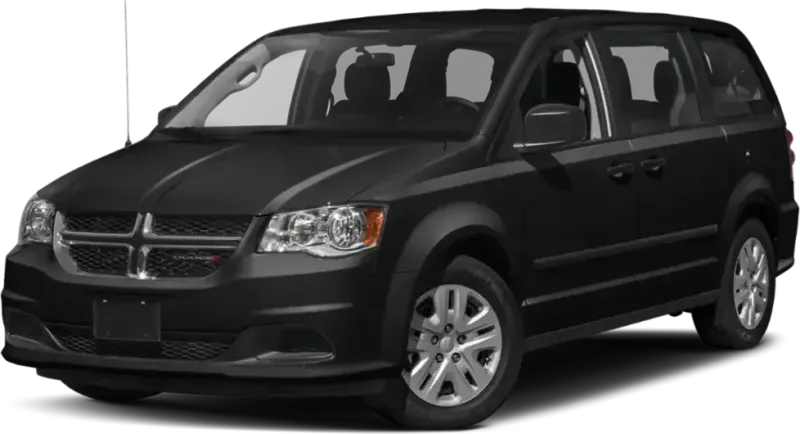
2020 Dodge Grand Caravan
Score: 83/100
See incorrect data? Report an issue