Last updated: 2026-10-10
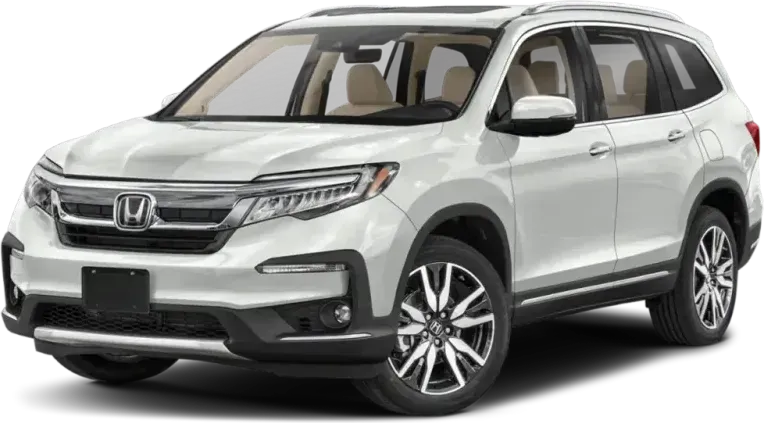
2022 Honda Pilot Reliability Report
The 2022 Honda Pilot has good reliability, above average for 2022 SUVs, but owners report false automatic braking and blank screens.
Recalls
3
Complaints
105
Complaint Rate
10.5per 10,000 sold
Est. Repair Cost
$542
Annual Fuel Cost
$2,600–$2,850
Detailed Score Breakdown
Component-weighted complaints normalized by sales volume
Independent repair cost ratings
Recall count weighted by severity
Breadth of reported problem categories
The Verdict
Final year of the third generation, with good reliability and far fewer complaints than 2021, though false automatic braking is a leading owner complaint.
Top Issues to Watch
- ELECTRICAL SYSTEM (18)
- FORWARD COLLISION AVOIDANCE (15)
- SERVICE BRAKES (10)
Generation & Refresh (US)
2022 is the last model year of the Third generation (YF5/6; 2016).
- Final-year models are typically the most refined version of a generation.
- 3 years after the last refresh (2019).
- 3rd generation Pilot (US).
What this means for buyers
Final-year models are usually the most polished version of a generation, but resale value may dip as buyers anticipate the next redesign.
2016: Third generation (YF5/6; 2016) Launch
Generation start — new platform.
2019: Mid-Cycle Refresh
Updated features and styling tweaks.
2022: This Model Year
2022 is the last model year of the Third generation (YF5/6; 2016).
Should You Buy the 2022 Honda Pilot?
Good reliability puts this final third-generation year above average among 2022 SUVs and among the stronger of nine scored Pilot years. Independent repair-cost data estimates $542 a year, under the $573 class figure. The 2021 rates worse, with 358 complaints, while the 2023 rates about the same.
Driver aids and electronics draw the most complaints. Automatic emergency braking can brake hard with nothing ahead, often for oncoming cars, curves or train tracks, and dealers often cannot reproduce it. Some owners see the instrument cluster and center screen go black while driving. A few transmissions drop into neutral with a "Transmission problem" message, mostly on cold starts after remote start. Three recalls cover air bags, hydraulic service brakes and back over prevention.
Ask for proof that all three recalls were completed. On a test drive, watch for false BRAKE warnings and screen blackouts. The 2023 is a comparable alternative.
Compared to the 2023 Honda Pilot, which scored the same. See also the 2021 Honda Pilot for an earlier comparison.
Pros
- +Acceptable reliability score
- +$31 cheaper to maintain than avg midsize SUVs
- +Low major repair risk (13%)
- +Below-average complaint rate for SUV
Cons
- −Moderate recall count
- −ELECTRICAL SYSTEM issues reported (18 complaints)
- −UNKNOWN OR OTHER: After Auto Idle Stop shuts the engine off at a light, it often fails to restart (17 complaints)
Compare 2022 Honda Pilot With
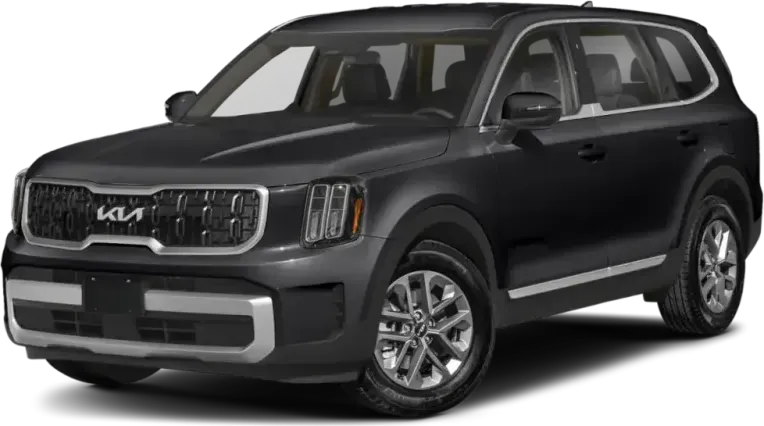
2022 Kia Telluride
Reliability: 63/100

2022 Ford Explorer
Reliability: 65/100
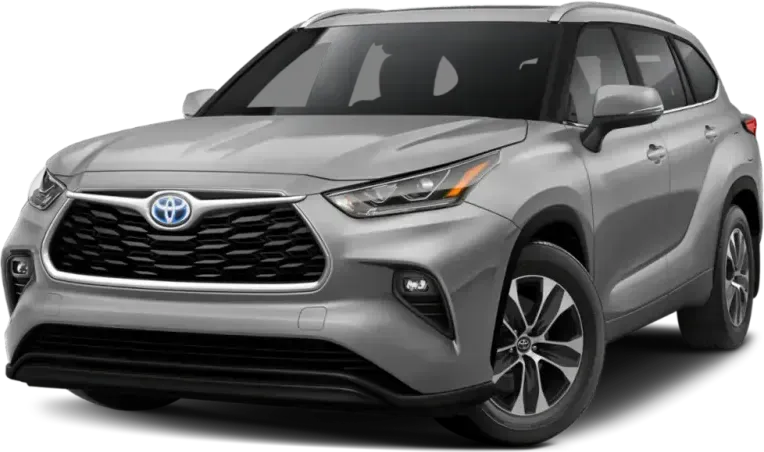
2022 Toyota Highlander
Reliability: 74/100
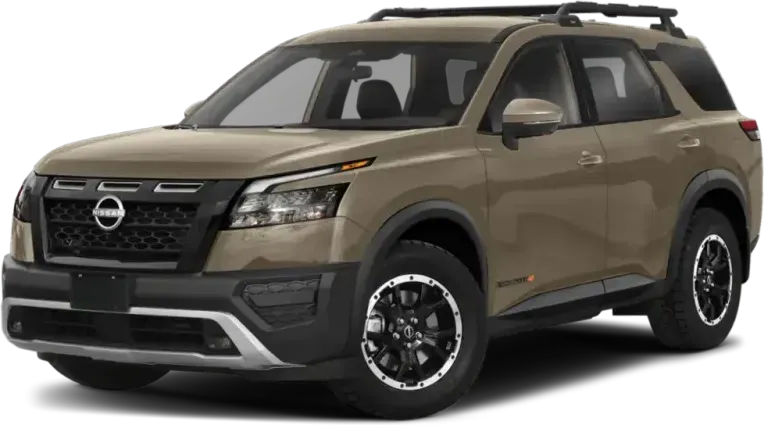
2022 Nissan Pathfinder
Reliability: 66/100
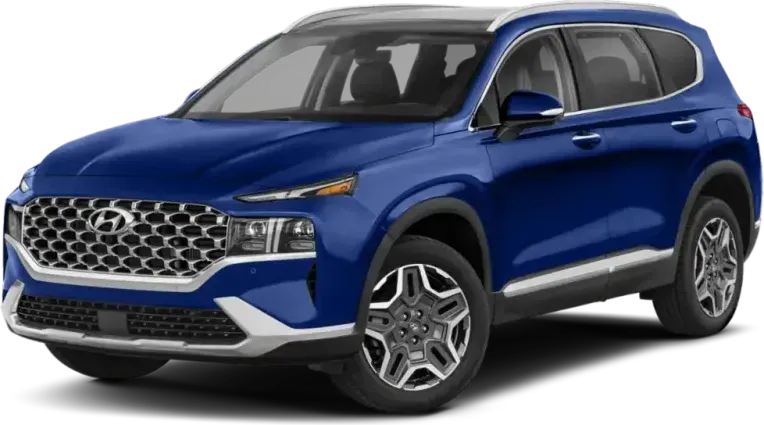
2022 Hyundai Santa Fe
Reliability: 66/100
Common Problem Categories
Safety
LOW RISK- 3 manufacturer recalls issued
Other
HIGH RISK- ELECTRICAL SYSTEM (18)
- UNKNOWN OR OTHER (17)
Recall Overview
3
recalls on record
A moderate 3 recalls are on file for the 2022 Honda Pilot. Each one points to a specific safety or compliance issue identified by the manufacturer or NHTSA — check the list below before buying.
NHTSA.gov →Complaint Breakdown
10.5
per 10,000 soldSegment avg: 13.5
Safety Incidents
3
Crashes
0
Fires
3
Injuries
0
Deaths
NHTSA 5/5 Stars
Data sourced from NHTSA complaint filings and manufacturer recall notices. Complaint narratives are owner-reported.
2022 Honda Pilot Recall Details
3 recalls have been issued for the 2022 Honda Pilot. All recall repairs are performed free of charge at authorized dealerships.
AIR BAGS
Honda (American Honda Motor Co.) is recalling certain 2020-2022 Pilot, Accord, Civic sedan, HR-V, Odyssey, 2020 Civic coupe, Fit, 2021-2022 Civic hatchback, 2021 Civic Type R, Insight, 2020-2021 CR-V, CR-V Hybrid, Passport, Ridgeline, Accord Hybrid, 2020 Acura MDX, 2022 Acura MDX, 2020-2022 Acura RDX, and 2020-2021 Acura TLX vehicles. The front passenger seat weight sensor may crack and short circuit, failing to suppress the air bag as intended.
Consequence
An air bag that deploys unintentionally during a crash can increase the risk of injury.
Remedy
Dealers will replace the seat weight sensors, free of charge. Owner notification letters were mailed March 28, 2024, October 18, 2024, and August 2025. This is a phased recall. Owners may contact Honda customer service at 1-888-234-2138. Honda's numbers for these recalls are XHP and VHQ.
SERVICE BRAKES, HYDRAULIC
Honda (American Honda Motor Co.) is recalling certain 2020-2021 Civic, 2020-2023 Ridgeline, 2021-2023 Passport, 2021-2022 Pilot, and 2020 Acura MDX vehicles. The tie rod fastener that connects the brake booster and the brake master cylinder may have been improperly assembled during manufacturing, which can cause the brake master cylinder to separate from the booster assembly.
Consequence
Brake master cylinder separation can cause a loss of brake function and increase the risk of a crash.
Remedy
Dealers will inspect and repair the brake booster assembly as necessary, free of charge. Owner notification letters were mailed August 7, 2023. Owners may contact Honda customer service at 1-888-234-2138. Honda's numbers for this recall are VEU, AEV, and ZET.
BACK OVER PREVENTION
Honda (American Honda Motor Co.) is recalling certain 2018-2023 Odyssey, 2019-2022 Pilot, and 2019-2023 Passport vehicles. Due to a faulty Media Oriented Systems Transport (MOST) communication coaxial cable connector, the rearview camera image may not appear on the display. As such, these vehicles fail to comply with the requirements of Federal Motor Vehicle Safety Standard number 111, "Rear Visibility."
Consequence
A rearview camera that does not display an image can reduce the driver's rear view, increasing the risk of a crash or injury.
Remedy
Dealers will replace the MOST cable harness and install a straightening cover over the vehicle cable connector, free of charge. Owner notification letters were mailed July 24, 2023. Owners may contact Honda customer service at 1-888-234-2138. Honda's numbers for this recall are EEL, ZEM, and SFC.
Buying a used 2022 Honda Pilot? Check its history first
Electrical system problems lead owner complaints about the 2022 Honda Pilot, and 3 recalls were issued for it. A VIN check shows whether this car's recall work was done, plus accident, title, and odometer history.
- Accidents
- Open Recalls
- Title History
- Odometer Rollback
2022 Honda Pilot NHTSA Safety Ratings
Overall Safety Rating
Crash Test Results by Configuration (expand)
Gas Powertrain
Rollover risk: 17.5%
Safety Technologies
Honda PilotRepair Costs & Maintenance
Maintenance Rating
3.5Maintenance rating: 3.5 out of 5Based on NHTSA complaint patterns, recall severity, and publicly available cost benchmarks.
Est. Annual Maintenance
$542
vs $573 avg for midsize SUVs
vs $652 avg for all vehicles
Repair Frequency
0.5
unscheduled repair visits per year
Severe Repair Probability
13%
chance of a major repair
Annual Cost Comparison
Category-level averages derived from publicly available industry reports (AAA, CarMD). Model-level estimates produced by Auto Reliability Index.
Honda Pilot Resale Value
The Honda Pilot is estimated to retain about 66.1% of its original value after 5 years, based on observed used-car listings.
This benchmark covers the Honda Pilot model overall and is not specific to the 2022 model year.
- Value Retained
- 66.1%
- Depreciation
- 33.9%
- Listings Analyzed
- 720
after 5 years
over the same period
U.S. used-car listings
Listings observed in . Actual resale value varies by trim, mileage, condition, and location.
Explore Honda Pilot depreciation and resale value on CarResaleValue.comMPG & Annual Running Costs
Gas
21–23 MPG
Running cost: $3,150–$3,400/yr
Fuel + repair
19–20 city / 25–27 hwy MPG
Running cost includes EPA fuel-cost estimate and independent repair-cost data (repair cost estimated at model level). Excludes routine maintenance, depreciation, and insurance. Data as of 2022 EPA label cycle.
Gas trims
| Trim | Drive | Trans. | City | Hwy | Comb | Fuel Cost |
|---|---|---|---|---|---|---|
| Pilot FWD 3.5L 6-cyl | Front-Wheel Drive | Automatic (S9) | 20 | 27 | 23 | $2,600 |
| Pilot AWD 3.5L 6-cyl | All-Wheel Drive | Automatic (S9) | 19 | 26 | 22 | $2,700 |
| Pilot AWD TrailSport 3.5L 6-cyl | All-Wheel Drive | Automatic (S9) | 19 | 25 | 21 | $2,850 |
Used Buying Checklist
Key things to inspect or verify before purchasing a 2022 Honda Pilot.
Run the VIN through federal recall records and confirm the rearview camera campaign 23V431000 was completed.
Drive a curving two-lane road with oncoming traffic and watch for false BRAKE alerts or sudden automatic braking.
Stop at several lights with Auto Idle Stop on and confirm the engine restarts promptly every time.
On a cold start, shift into Drive, wait 15 seconds, and watch for a transmission warning or a drop to neutral.
Listen for knocking behind the glove box between 1000 and 2000 rpm and while climbing a hill.
Drive over speed bumps and brake while turning left; walk away if you hear clanking from the front.
Inspect sunroof and rear glass for cracks, then check behind the rear trim near the hatch for water.
Look for lane keep, adaptive cruise, or collision mitigation warnings on the dash and ask for battery replacement history.
2022 Honda Pilot Common Problems by Component
105 owner complaints grouped by vehicle system.
ELECTRICAL SYSTEM
18 complaintsSafety-relatedPilot electrical problems across all model years
Both the instrument cluster and the center screen go black while driving, from seconds to a few minutes, hiding the speedometer. A failed front windshield camera triggers lane keep assist, adaptive cruise and automatic braking warnings, with repair quotes over $2,000 and no warranty help. Weak or drained batteries leave the car dead or shut it off at stops, and dealers often replace the battery. The alarm sounds at random and the head unit cycles on and off. One crash report describes the car moving on its own in a parking lot despite the brakes and Park.
UNKNOWN OR OTHER
17 complaintsAfter Auto Idle Stop shuts the engine off at a light, it often fails to restart. The driver is left stranded in traffic, sometimes in busy intersections, until a manual restart works. Some owners link this to a weak battery. Glass is the second pattern: sunroofs shatter at highway speed and a rear window breaks in a parked car, with no impact in any of these reports. Smaller groups describe hesitation followed by a surge on acceleration, steering wheel paddles that bump the transmission into a low gear during turns, repeated windshield chips, and USB or wireless charger failures.
FORWARD COLLISION AVOIDANCE
15 complaintsThe automatic emergency braking system brakes hard when nothing is ahead. Common triggers are oncoming cars on two-lane roads, curves, and train tracks. False braking at interstate speeds nearly causes rear-end collisions, and one report lists an injury. False BRAKE warnings can show up several times a day. Dealers often cannot reproduce the problem or call it normal. In a separate pattern, the multipurpose camera fails and every driver aid shuts off at once with a row of warning lights, in one case at 48,000 miles. Adaptive cruise also brakes harshly or misses slower cars on hills.
SERVICE BRAKES (10 complaints)
SERVICE BRAKES
10 complaintsUnwanted brake application is the main complaint. The vehicle stops hard from around 30 mph, the brake lights flash at random, and some cars have sticking brakes within their first 1,000 miles. Replacing the antilock brake module or the battery did not fix it in the reports that mention those repairs. One highway stop at 35,000 miles came with warnings for stability assist, power steering and the transmission. Other owners describe a soft, spongy pedal that has to travel too far, along with vibration and squeaking. Dealers frequently cannot verify the problem.
POWER TRAIN (9 complaints)
POWER TRAIN
9 complaintsThe transmission drops into neutral and shows a "Transmission problem" message, which leaves the car unable to move until it is restarted. It happens most often on cold starts after remote start, with the car sitting in Drive. In other reports the car will not shift out of Park, or a transmission leak appears in the first 500 miles. Several owners needed a full replacement transmission. Others report a 2 to 5 second loss of power during acceleration followed by a lurch forward, and sudden deceleration on the freeway with warning lights on.
ENGINE (6 complaints)
ENGINE
6 complaintsSome engines suffer bearing failure. Owners describe a knocking noise behind the glove box around 1000 to 2000 rpm or under load, and teardowns find metal shavings in the oil pan and a damaged or seized crankshaft that calls for a short block or a replacement engine. One affected VIN was not covered by a recall. Auto Idle Stop that fails to restart the engine at lights is the other repeated complaint. Owners also report stalling on the highway with a check engine light and power limited to about 30 to 35 mph.
STRUCTURE (6 complaints)
STRUCTURE
6 complaintsSunroofs and moonroofs shatter while the car is being driven, and owners find no debris or impact to explain it. A rear window also broke when the power liftgate was opened. On the highway, lower door trim on both front and rear doors has come off and flown into traffic, which is a hazard to other drivers. A separate leak lets water collect inside the hatch door through its seals. The water then pours into the cabin behind the rear trim panels.
STEERING (4 complaints)
STEERING
4 complaintsA failing steering rack makes a clanking noise from the front when driving over speed bumps or braking while turning left. The wheel may shake and the steering feel loose. Onset appears between about 35,000 and 58,900 miles. Shops sometimes blame the shocks or sway bar links first, and a rack replacement cures the noise. Other reports describe clicking and squeaking from the steering column with a stiff wheel. One owner was told the car fell outside the related extended coverage.
VEHICLE SPEED CONTROL (3 complaints)
VEHICLE SPEED CONTROL
3 complaintsSafety-relatedThese reports describe unintended acceleration with brakes that do not respond. They include one crash and 2 injuries. In one case the vehicle left an upper parking structure level and fell to the floor below. A state investigator's report describes speed climbing above 100 mph until a police cruiser forced the car to stop. A separate complaint involves repeated engine stalls and loss of acceleration in traffic that continued after the dealer replaced the transmission.
BACK OVER PREVENTION (2 complaints)
BACK OVER PREVENTION
2 complaintsSafety-relatedThe rearview camera image fails to appear on the center display while reversing. Both reports tie this to federal recall 23V431000, and one dealer traced it to the media-oriented system transport cable. One car went unrepaired after diagnosis. Another owner faced a dealer wait for the recall appointment and a parts shortage. While waiting, that owner backed into a concrete bollard at 3 mph at about 20,000 miles.
When Do 2022 Honda Pilot Problems Start?
Based on owner complaint patterns, here's when common issues tend to appear.
Best & Worst Honda Pilot Years
Best Honda Pilot Years to Buy
Based on reliability index score2024
2023
2022
(Current Model)
Honda Pilot Years to Avoid
Honda Pilot Reliability Score Trend
Scores 0–100. Higher is better. Current year highlighted.
| Year | Score | Rating |
|---|---|---|
| 2018 | 63/100 | Good |
| 2019 | 56/100 | Mixed |
| 2020 | 60/100 | Good |
| 2021 | 63/100 | Good |
| 2022 | 72/100 | Good |
| 2023 | 72/100 | Good |
| 2024 | 72/100 | Good |
| 2025 | 71/100 | Good |
| 2026 | 81/100 | Excellent |
Honda Pilot Reliability Compared to Other Years
Frequently Asked Questions
Is the 2022 Honda Pilot reliable?
What are the most common problems with the 2022 Honda Pilot?
Does the 2022 Honda Pilot have automatic emergency braking problems?
Has the 2022 Honda Pilot been recalled?
Is the 2022 Honda Pilot more reliable than the 2021 or 2023?
Don’t buy a 2022 Honda Pilot without checking its VIN first — hidden accidents, title issues, and open recalls could cost you thousands.
How we score the 2022 Honda Pilot
Of the four inputs behind this score, the 2022 Honda Pilot does best on how many systems draw complaints (86/100) and worst on complaint severity (66/100). Scores weight complaint severity at 35%, repair costs at 30%, recall impact at 20%, and the spread of complaints across systems at 15%, with complaint counts adjusted for US sales. Read the full methodology.
Get notified when new recalls or reliability data is added for the Honda Pilot.
No spam. Only data updates for this model.
Browse More Honda Models
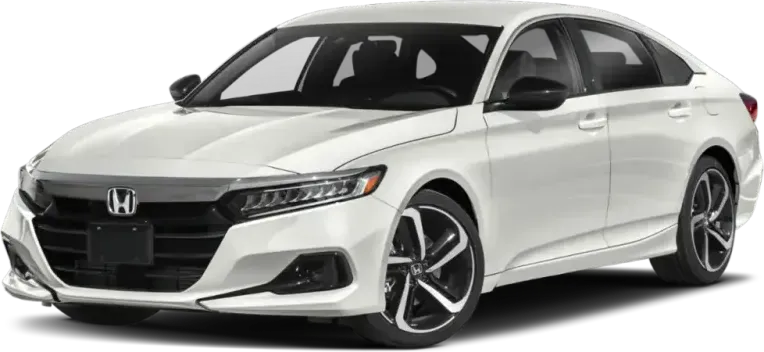
Honda Accord
Score: 87/100
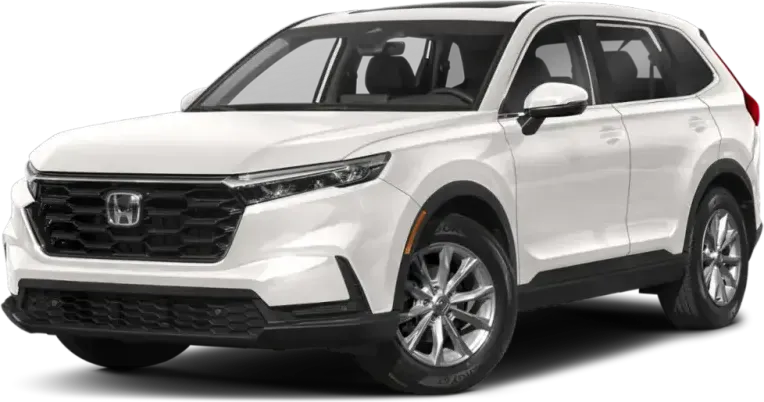
Honda CR-V
Score: 83/100
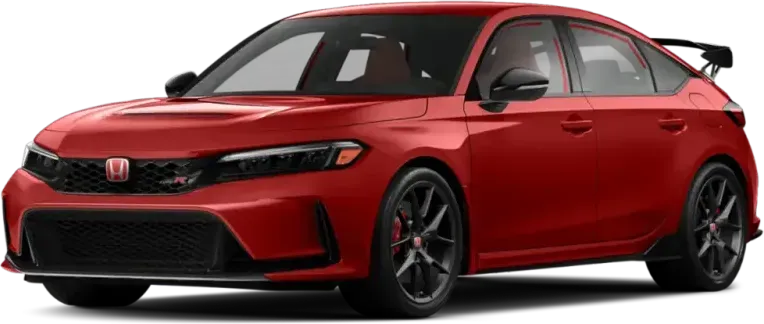
Honda Civic
Score: 94/100
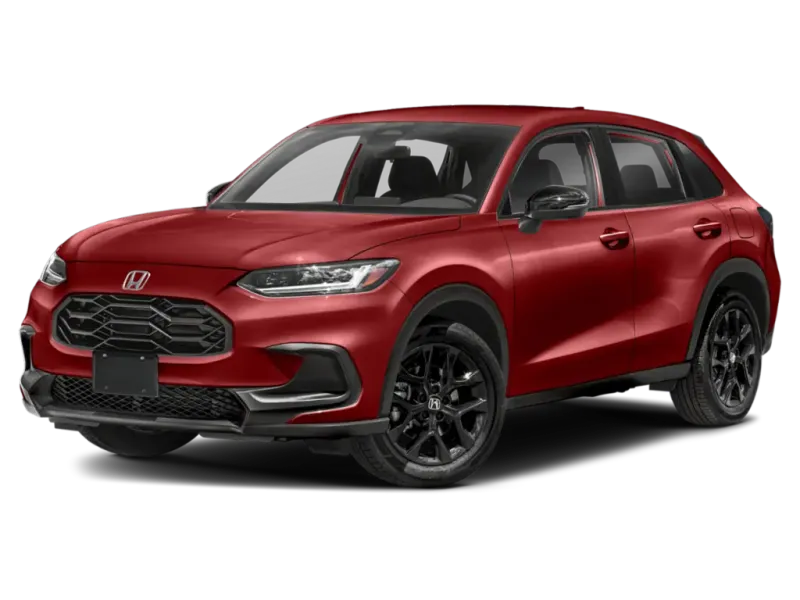
Honda HR-V
Score: 100/100
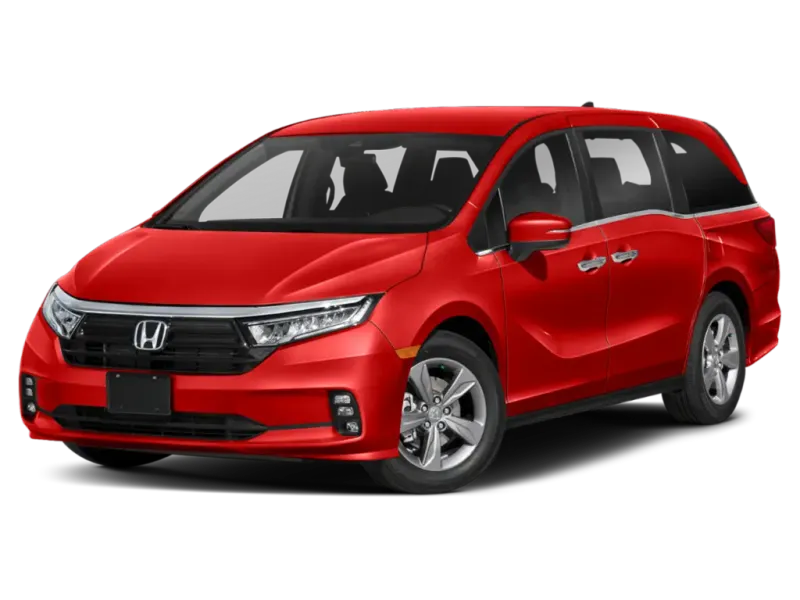
Honda Odyssey
Score: 74/100
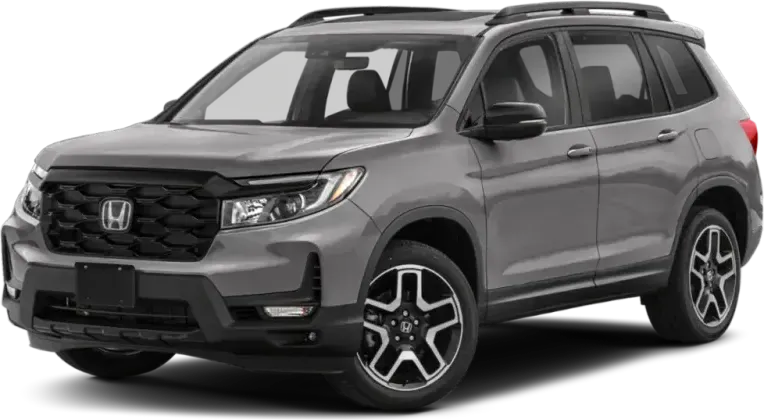
Honda Passport
Score: 84/100
Browse More 2022 Vehicles
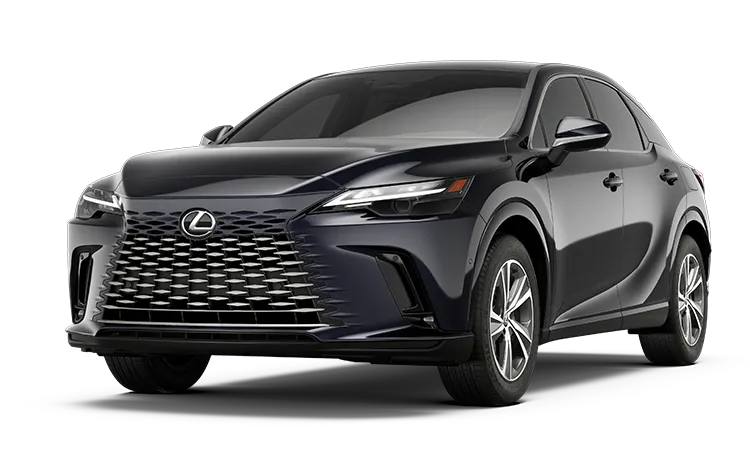
2022 Lexus RX
Score: 90/100
2022 Lexus ES
Score: 88/100
2022 Mazda CX-5
Score: 87/100
2022 Toyota Camry
Score: 84/100
2022 Honda HR-V
Score: 83/100
2022 Nissan Altima
Score: 83/100
See incorrect data? Report an issue