Last updated: 2026-10-10
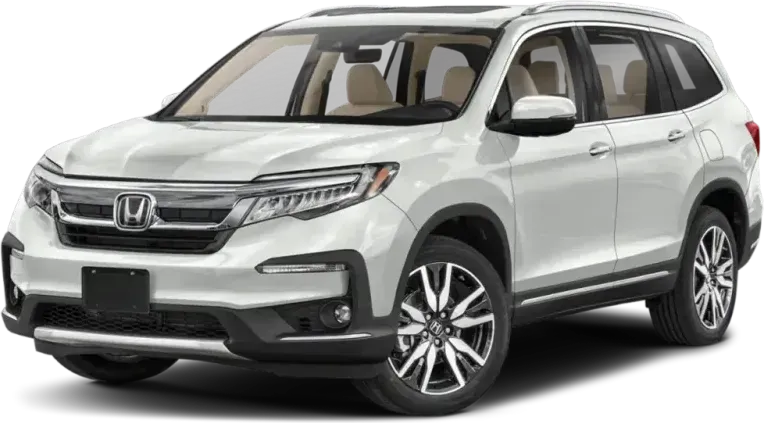
2025 Honda Pilot Reliability Report
The 2025 Honda Pilot has good reliability, but sudden power steering loss and false collision braking are the problems to check before buying.
Recalls
4
Complaints
111
Complaint Rate
8.9per 10,000 sold
Est. Repair Cost
$542
Annual Fuel Cost
$2,700–$3,000
Detailed Score Breakdown
Component-weighted complaints normalized by sales volume
Independent repair cost ratings
Recall count weighted by severity
Breadth of reported problem categories
The Verdict
Final year of the fourth generation, with good reliability near the class average and sudden loss of power steering assist as the main complaint.
Top Issues to Watch
- STEERING (21)
- ELECTRICAL SYSTEM (17)
- FORWARD COLLISION AVOIDANCE (12)
Generation & Refresh (US)
2025 is year 3 of the Fourth generation (YG1/2; 2023).
- Redesigned for the 2023 model year.
- Well-established in its generation — most early issues should be resolved.
- A refresh arrives in 2026.
- 4th generation Pilot (US).
What this means for buyers
Well into the generation cycle — most design and manufacturing issues should be resolved by now.
2023: Fourth generation (YG1/2; 2023) Launch
Generation start — new platform.
2025: This Model Year
2025 is year 3 of the Fourth generation (YG1/2; 2023).
2026: Mid-Cycle Refresh
Updated features and styling tweaks.
Should You Buy the 2025 Honda Pilot?
Reliability is good for this final year of the fourth generation. It sits close to average among 2025 SUVs and in the middle of the nine Pilot years scored. The 2024 rates about the same. The 2026 rates better, but it has no complaints or recalls yet because it has had little time on the road. Estimated repair costs run $542 a year against $573 for the class.
Steering draws the most complaints. Power assist can cut out suddenly, often with a flood of dash warnings, starting around 1,500 to 3,000 miles. Clicking and creaking in slow turns can start at 1,000 to 2,000 miles and often returns after repairs. Some cars shut down and will not restart. Collision braking sometimes slams on with nothing ahead. A few owners report the transmission jumping to park. Federal recall records show four recalls covering brakes, seat belts, the fuel system, and the electrical system.
Ask for proof that every recall was completed. Ask for any steering, radar, or transmission repair history, and test drive for shift quality and steering noise.
Compared to the 2026 Honda Pilot, which scored 10 points higher. See also the 2024 Honda Pilot for an earlier comparison.
Pros
- +Acceptable reliability score
- +$31 cheaper to maintain than avg midsize SUVs
- +Low major repair risk (13%)
Cons
- −Moderate recall count
- −Above-average complaint rate for SUV
- −STEERING issues reported (21 complaints)
Compare 2025 Honda Pilot With
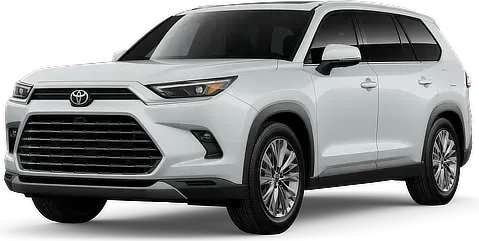
2025 Toyota Grand Highlander
Reliability: 80/100
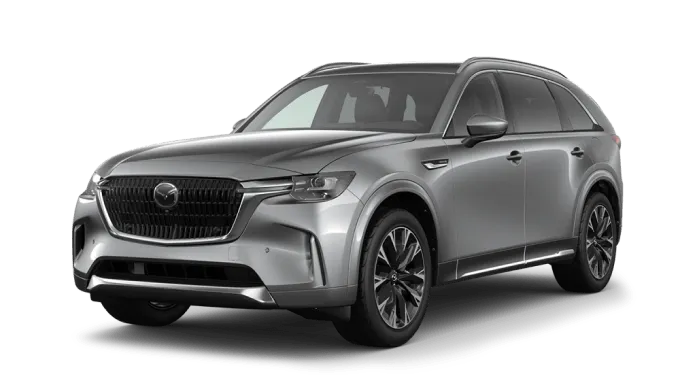
2025 Mazda CX-90
Reliability: 63/100
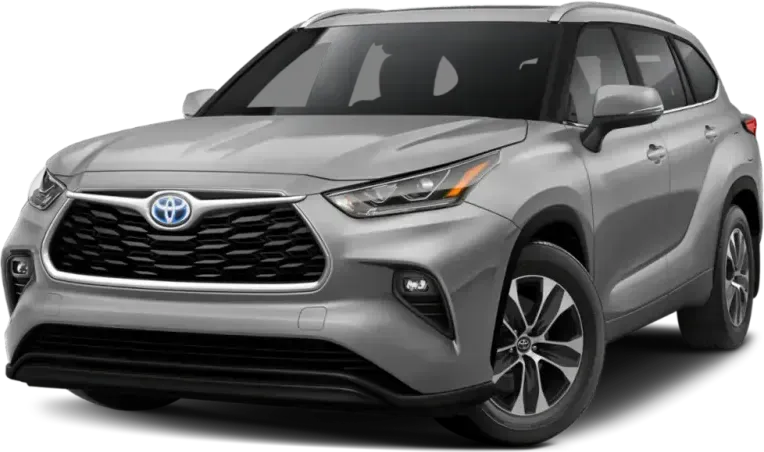
2025 Toyota Highlander
Reliability: 76/100
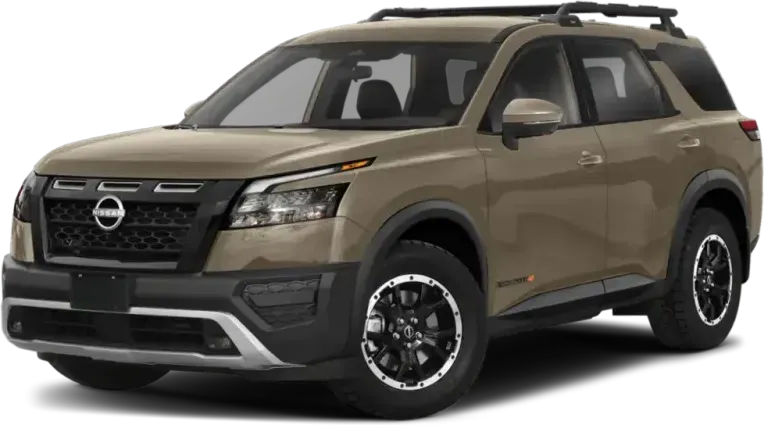
2025 Nissan Pathfinder
Reliability: 78/100
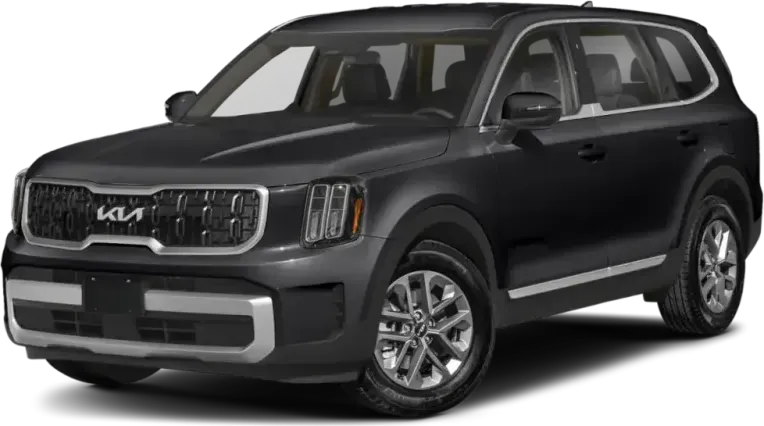
2025 Kia Telluride
Reliability: 78/100
Common Problem Categories
Safety
LOW RISK- 4 manufacturer recalls issued
Other
HIGH RISK- STEERING (21)
- ELECTRICAL SYSTEM (17)
Recall Overview
4
recalls on record
A moderate 4 recalls are on file for the 2025 Honda Pilot. Each one points to a specific safety or compliance issue identified by the manufacturer or NHTSA — check the list below before buying.
NHTSA.gov →Complaint Breakdown
8.9
per 10,000 soldSegment avg: 3.5
Safety Incidents
6
Crashes
0
Fires
2
Injuries
0
Deaths
NHTSA 5/5 Stars
Data sourced from NHTSA complaint filings and manufacturer recall notices. Complaint narratives are owner-reported.
2025 Honda Pilot Recall Details
4 recalls have been issued for the 2025 Honda Pilot. All recall repairs are performed free of charge at authorized dealerships.
SERVICE BRAKES, HYDRAULIC
Honda (American Honda Motor Co.) is recalling certain 2021-2025 Acura TLX, 2023-2025 Acura MDX, and 2023-2025 Honda Pilot vehicles. The brake pedal pivot pin was not secured properly, which can cause the pedal to shift out of position. As such, these vehicles fail to comply with Federal Motor Vehicle Safety Standard numbers 108, "Lamps, Reflective Devices, and Associated Equipment" and 135, "Light Vehicle Brake Systems."
Consequence
A brake pedal that shifts out of position can prevent the driver from applying the brakes as intended, increasing the risk of a crash or injury.
Remedy
Dealers will inspect and replace the brake pedal assembly as necessary, free of charge. Owner notification letters were mailed July 29, 2025. Owners may contact Honda's customer service at 1-888-234-2138. Honda's numbers for this recall are FLX and XLY.
SEAT BELTS
Honda (American Honda Motor Co.) is recalling certain 2025 Honda Pilot vehicles. The third-row passenger seat belt assembly may not function, due to incorrect routing that traps the seat belt behind the passenger side panel. As such, these vehicles fail to comply with the requirements of Federal Motor Vehicle Safety Standard (FMVSS) number 208, "Occupant Crash Protection."
Consequence
A non-functioning seat belt cannot properly restrain the seat occupant, increasing the risk of injury during a crash.
Remedy
Dealers will inspect and repair the seat belt routing as necessary, free of charge. Owner notification letters were mailed March 24, 2025. Owners may contact Honda's customer service at 1-888-234-2138. Honda's number for this recall is ZL4.
FUEL SYSTEM, GASOLINE, ELECTRICAL SYSTEM
Honda (American Honda Motor Co.) is recalling certain 2022-2025 Acura MDX Type-S, 2023-2025 Honda Pilot, and 2021-2025 Acura TLX Type-S vehicles. A software error in the fuel injection electronic control unit (FI-ECU) may cause an engine stall or a loss of power.
Consequence
An engine stall or loss of power can increase the risk of a crash or injury.
Remedy
Dealers will reprogram the FI-ECU software, free of charge. Owner notification letters were mailed March 17, 2025. Owners may contact Honda's customer service at 1-888-234-2138. Honda's numbers for this recall are EL1 and AL0.
Buying a used 2025 Honda Pilot? Check its history first
Steering problems lead owner complaints about the 2025 Honda Pilot, and 4 recalls were issued for it. A VIN check shows whether this car's recall work was done, plus accident, title, and odometer history.
- Accidents
- Open Recalls
- Title History
- Odometer Rollback
2025 Honda Pilot NHTSA Safety Ratings
Overall Safety Rating
Crash Test Results by Configuration (expand)
Gas Powertrain
Rollover risk: 15.5%
Safety Technologies
Honda PilotRepair Costs & Maintenance
Maintenance Rating
3.5Maintenance rating: 3.5 out of 5Based on NHTSA complaint patterns, recall severity, and publicly available cost benchmarks.
Est. Annual Maintenance
$542
vs $573 avg for midsize SUVs
vs $652 avg for all vehicles
Repair Frequency
0.5
unscheduled repair visits per year
Severe Repair Probability
13%
chance of a major repair
Annual Cost Comparison
Category-level averages derived from publicly available industry reports (AAA, CarMD). Model-level estimates produced by Auto Reliability Index.
Honda Pilot Resale Value
The Honda Pilot is estimated to retain about 66.1% of its original value after 5 years, based on observed used-car listings.
This benchmark covers the Honda Pilot model overall and is not specific to the 2025 model year.
- Value Retained
- 66.1%
- Depreciation
- 33.9%
- Listings Analyzed
- 720
after 5 years
over the same period
U.S. used-car listings
Listings observed in . Actual resale value varies by trim, mileage, condition, and location.
Explore Honda Pilot depreciation and resale value on CarResaleValue.comMPG & Annual Running Costs
Gas
20–22 MPG
Running cost: $3,250–$3,550/yr
Fuel + repair
18–19 city / 23–27 hwy MPG
Running cost includes EPA fuel-cost estimate and independent repair-cost data (repair cost estimated at model level). Excludes routine maintenance, depreciation, and insurance. Data as of 2025 EPA label cycle.
Gas trims
| Trim | Drive | Trans. | City | Hwy | Comb | Fuel Cost |
|---|---|---|---|---|---|---|
| Pilot FWD 3.5L 6-cyl | Front-Wheel Drive | Automatic (S10) | 19 | 27 | 22 | $2,700 |
| Pilot AWD 3.5L 6-cyl | All-Wheel Drive | Automatic (S10) | 19 | 25 | 21 | $2,850 |
| Pilot AWD Touring/Elite/Black 3.5L 6-cyl | All-Wheel Drive | Automatic (S10) | 19 | 25 | 21 | $2,850 |
| Pilot AWD TrailSport 3.5L 6-cyl | All-Wheel Drive | Automatic (S10) | 18 | 23 | 20 | $3,000 |
Used Buying Checklist
Key things to inspect or verify before purchasing a 2025 Honda Pilot.
Turn the wheel slowly from lock to lock in a parking lot and listen for clicking, creaking, or popping.
Ask for service records showing clock spring, airbag, or steering rack replacements, and ask whether the noise came back.
Drive at 30 to 55 mph near trucks or barriers and watch for false automatic braking.
Creep away from a stop and brake gently to a stop, feeling for delayed shifts or lurching downshifts.
Use adaptive cruise on the highway for 20 minutes and note any shutoffs or clean sensor messages.
Start the car cold and check for several warnings at once for steering, brakes, AWD, and collision systems.
Run a VIN recall check and confirm the brake recall 25V391000 has been completed.
Inspect the lower driver-side windshield corner for cracks, and smell the cabin for gasoline after the car sits overnight.
2025 Honda Pilot Common Problems by Component
111 owner complaints grouped by vehicle system.
STEERING
21 complaintsPower steering assist cuts out suddenly, often along with a flood of dash warnings for brakes, AWD, lane keeping, and collision systems. Reports describe it in parking lots, at 20 to 30 mph, and on the highway, leaving drivers to muscle the car to the shoulder. Restarting sometimes brings the assist back. A second, more common pattern is clicking, creaking, or popping from the wheel in slow turns, starting around 1,000 to 2,000 miles. Dealers replace clock springs, airbags, and even steering racks, yet the noise often returns. A few reports cite failed inner tie rods.
ELECTRICAL SYSTEM
17 complaintsSafety-relatedPilot electrical problems across all model years
The car shuts down and will not restart, sometimes at a stoplight or while slowing on an off-ramp, leaving it stranded in traffic. Power can return after 20 minutes or a few hours, and dealers often find nothing wrong. Some owners link the stalls to the auto idle stop feature. Driver-assist faults also show up here. Collision braking and parking sensors fail to react at low speed, including one crash report. Other complaints cover misread speed limit signs, a speedometer reading high, phone disconnects, and a black backup camera screen.
FORWARD COLLISION AVOIDANCE
12 complaintsThe collision mitigation braking system brakes hard with nothing ahead, at speeds from 30 to 74 mph. Construction zones, trucks in the next lane, and a cyclist passing at a safe distance are common settings. Drivers describe seatbelts locking and near rear-end hits, and one report lists neck pain and possible whiplash. Some cars first show a message to clean the sensor area. Dealers realign or replace the front radar, but repeat visits are common, and one car sat at the dealer for 27 days. A few cars throw warnings for every safety system at once.
POWER TRAIN (11 complaints)
POWER TRAIN
11 complaintsShifts are rough and delayed at low speed, especially between first, second, and third gear. Owners describe hesitation pulling away from a stop and the car lurching forward as the transmission downshifts during braking, which makes smooth stops hard to judge. Several cars show it within the first few hundred miles, and it can be worse with a cold engine. More serious reports involve the transmission jumping to park, either when the driver selects reverse or while moving at 12 mph. Several owners believe a transmission software update is needed.
UNKNOWN OR OTHER (8 complaints)
UNKNOWN OR OTHER
8 complaintsSafety-relatedA strong gasoline smell fills the cabin at around 1,590 to 2,200 miles and is worst after the car sits overnight. Dealers blame plastic burning off the exhaust. Other reports describe stalls with the steering wheel locking, the car surging while the driver brakes, and the transmission slipping into reverse or neutral on its own, which one dealer traced to a defective shifter. A crash report cites the backup camera, parking sensors, and automatic braking failing before hitting trees. Water collecting in the cargo area and a front-end noise at highway speed also appear.
VEHICLE SPEED CONTROL (8 complaints)
VEHICLE SPEED CONTROL
8 complaintsSafety-relatedAdaptive cruise control shuts off without warning on the highway, usually with a message to clean the sensor even when nothing blocks it. Some cars also brake hard to about half their speed and lose lane departure and blind spot functions for up to 45 minutes. Dealers say they have no fix, and some owners were told Honda is still working on one. A crash report describes the car accelerating on its own into a parking garage wall while the driver pressed the brake.
ENGINE (6 complaints)
ENGINE
6 complaintsSudden stalls and power loss while driving lead these reports, sometimes with an emission system warning, and the car may not restart. One report describes a seized motor at 160 miles that needed replacing, and another owner was told a buyback was possible after repeated failures. Other stalls clear after a restart, and dealers find nothing wrong. Rough throttle response, hard shifts, front camera blocked messages, and fuel economy of 15 to 19 mpg against the advertised 19 to 26 also come up.
SERVICE BRAKES (6 complaints)
SERVICE BRAKES
6 complaintsSafety-relatedThe brakes apply themselves hard, sometimes bringing the car to a full stop, on highways and winding mountain roads. Drivers describe near rear-end collisions, including with a semi truck, and at least one owner was told there is no fix yet. A separate set of reports describes the brake pedal failing to slow the car, and two crash reports fall in this category. A federal recall covers the hydraulic brake system, with failed brake pedal assemblies being replaced. Owners report the recall parts were not available, so repairs were delayed.
VISIBILITY/WIPER (6 complaints)
VISIBILITY/WIPER
6 complaintsGlass breaks easily. Windshields crack from minor road debris or with no impact at all, sometimes repeatedly in the same lower driver-side corner, and one rear window shattered on its own. Replacement windshields have been hard to get, and each replacement needs a driver-assist calibration. Other complaints cover the rearview mirror popping off its mount, ripples that distort the view through the windshield, and a backup camera image too poor at night to spot pedestrians.
EXTERIOR LIGHTING (2 complaints)
EXTERIOR LIGHTING
2 complaintsThe taillight housings have a sharp plastic edge that has cut at least one owner, which accounts for the lone injury report. The dealer said every Pilot has the same edge. Puddle lamp bulbs also fail again and again, which the owner blames on water getting into the housing, and the dealer refused warranty coverage. With 2 complaints in this category, these are isolated reports rather than a broad pattern.
When Do 2025 Honda Pilot Problems Start?
Based on owner complaint patterns, here's when common issues tend to appear.
Best & Worst Honda Pilot Years
Best Honda Pilot Years to Buy
Based on reliability index scoreHonda Pilot Years to Avoid
Honda Pilot Reliability Score Trend
Scores 0–100. Higher is better. Current year highlighted.
| Year | Score | Rating |
|---|---|---|
| 2018 | 63/100 | Good |
| 2019 | 56/100 | Mixed |
| 2020 | 60/100 | Good |
| 2021 | 63/100 | Good |
| 2022 | 72/100 | Good |
| 2023 | 72/100 | Good |
| 2024 | 72/100 | Good |
| 2025 | 71/100 | Good |
| 2026 | 81/100 | Excellent |
Honda Pilot Reliability Compared to Other Years
Frequently Asked Questions
Is the 2025 Honda Pilot reliable?
What are the most common problems with the 2025 Honda Pilot?
Does the 2025 Honda Pilot have steering problems?
Does the 2025 Honda Pilot have transmission problems?
Has the 2025 Honda Pilot been recalled?
Don’t buy a 2025 Honda Pilot without checking its VIN first — hidden accidents, title issues, and open recalls could cost you thousands.
How we score the 2025 Honda Pilot
Of the four inputs behind this score, the 2025 Honda Pilot does best on how many systems draw complaints (87/100) and worst on complaint severity (66/100). Scores weight complaint severity at 35%, repair costs at 30%, recall impact at 20%, and the spread of complaints across systems at 15%, with complaint counts adjusted for US sales. Read the full methodology.
Get notified when new recalls or reliability data is added for the Honda Pilot.
No spam. Only data updates for this model.
Browse More Honda Models
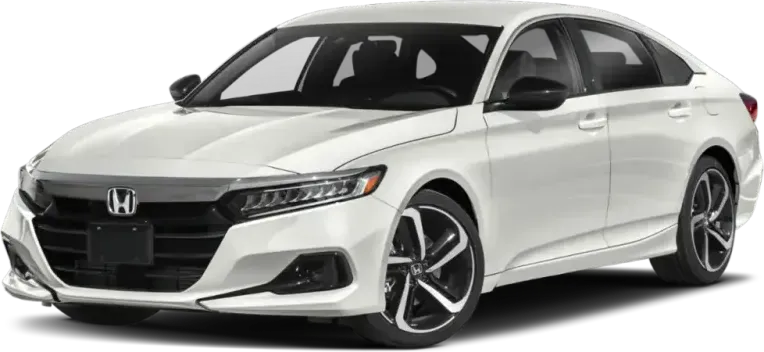
Honda Accord
Score: 87/100
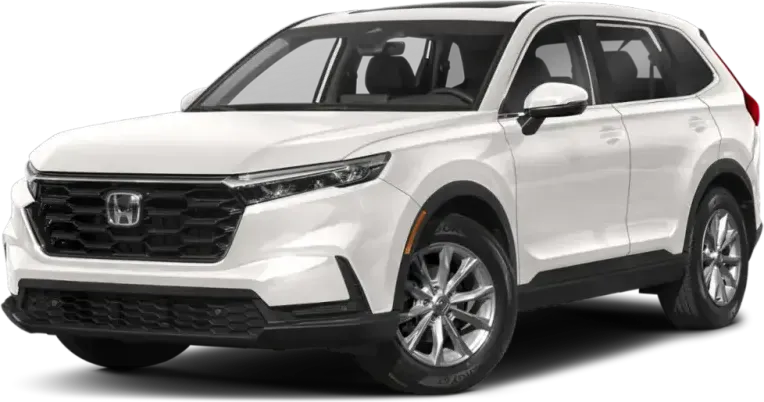
Honda CR-V
Score: 83/100
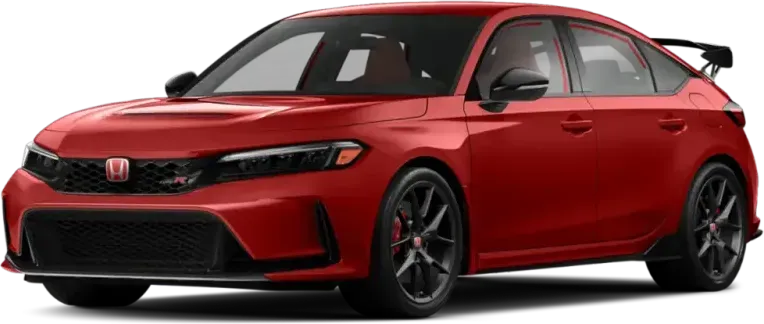
Honda Civic
Score: 94/100
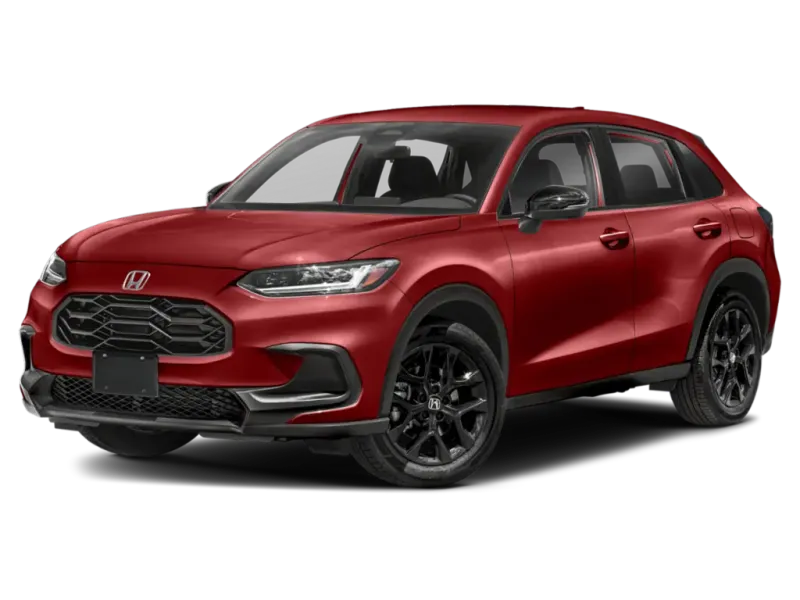
Honda HR-V
Score: 100/100
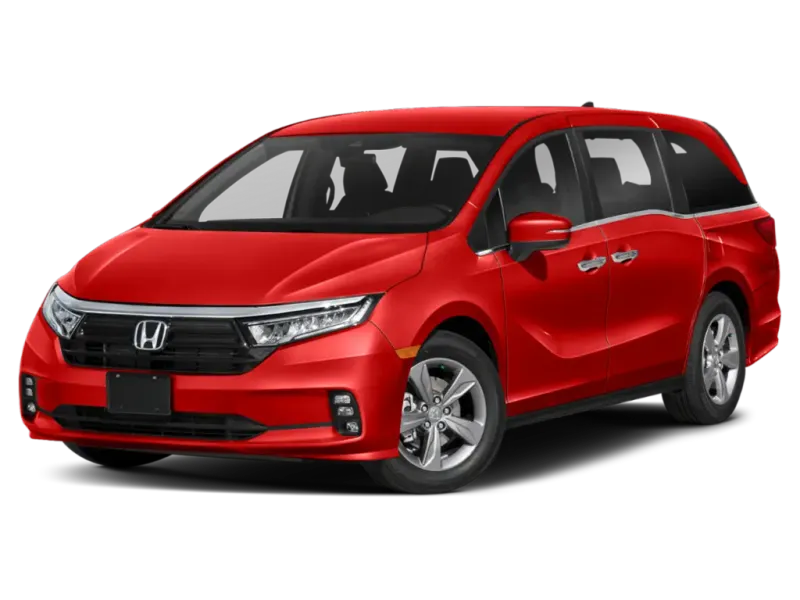
Honda Odyssey
Score: 74/100
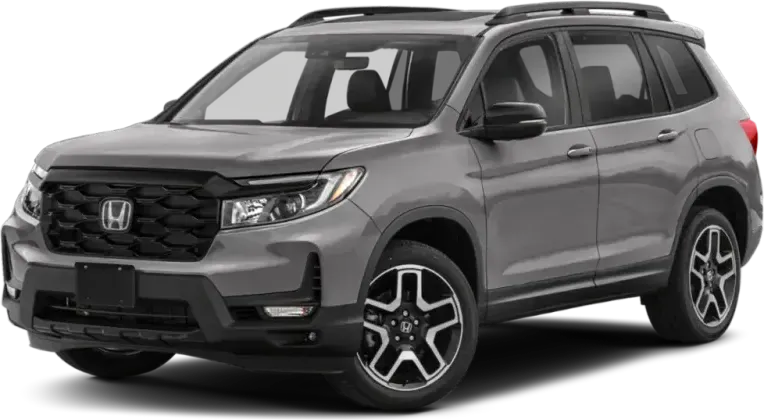
Honda Passport
Score: 84/100
Browse More 2025 Vehicles
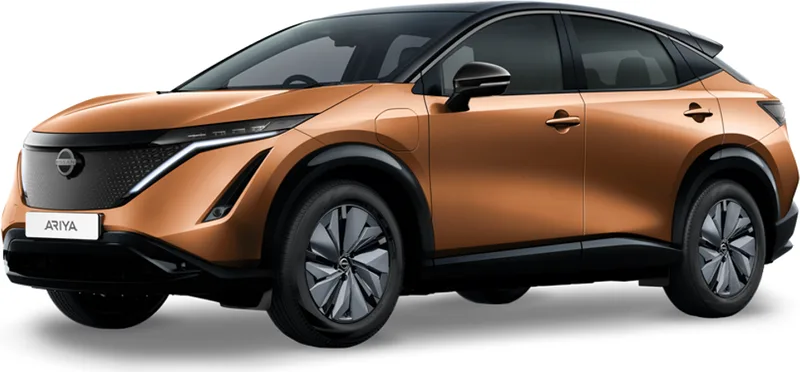
2025 Nissan Ariya
Score: 88/100
2025 Honda HR-V
Score: 88/100
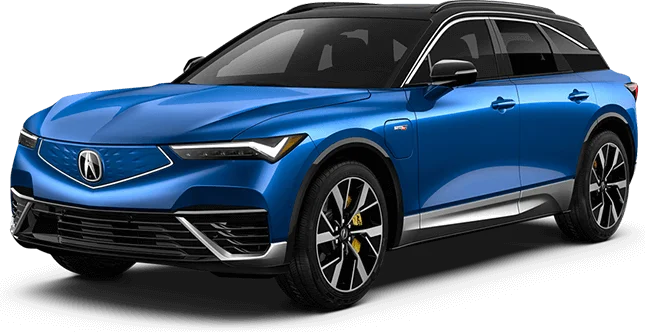
2025 Acura ZDX
Score: 88/100
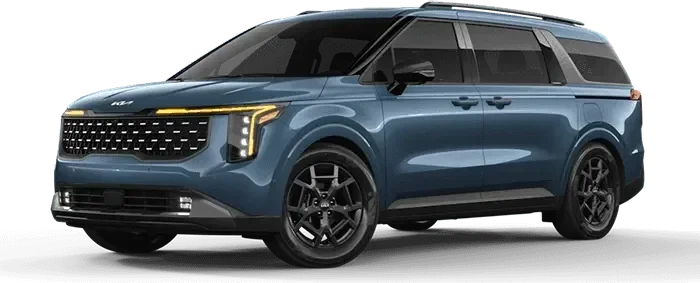
2025 Kia Carnival
Score: 88/100
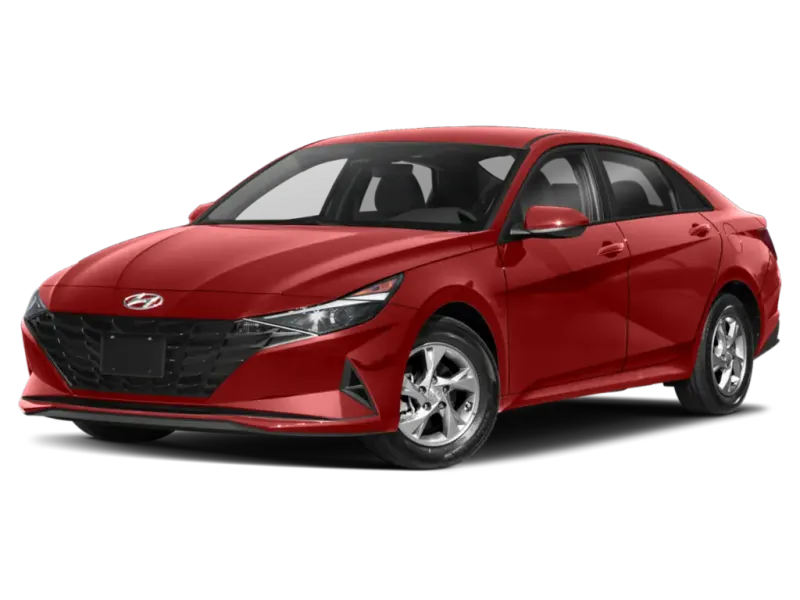
2025 Hyundai Elantra
Score: 87/100
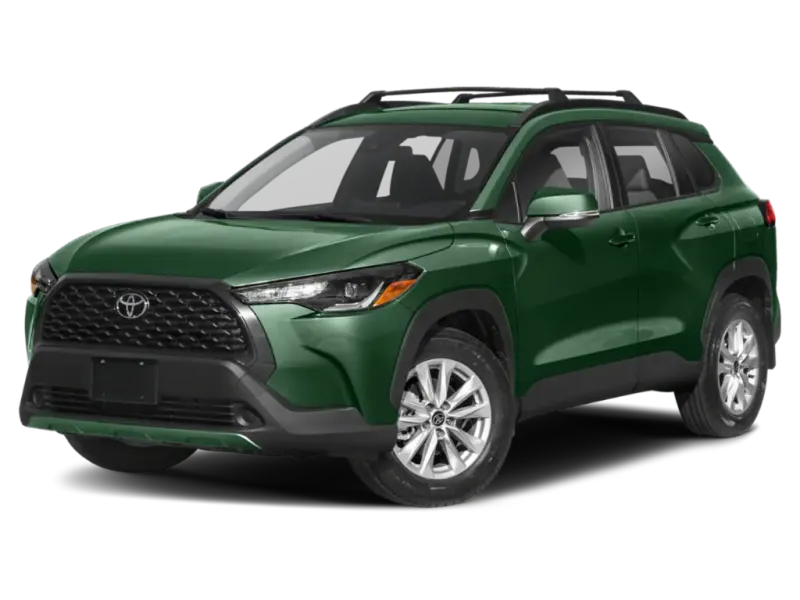
2025 Toyota Corolla Cross
Score: 86/100
See incorrect data? Report an issue