Last updated: 2026-10-10
Dodge Challenger vs Ford Mustang: Reliability Compared
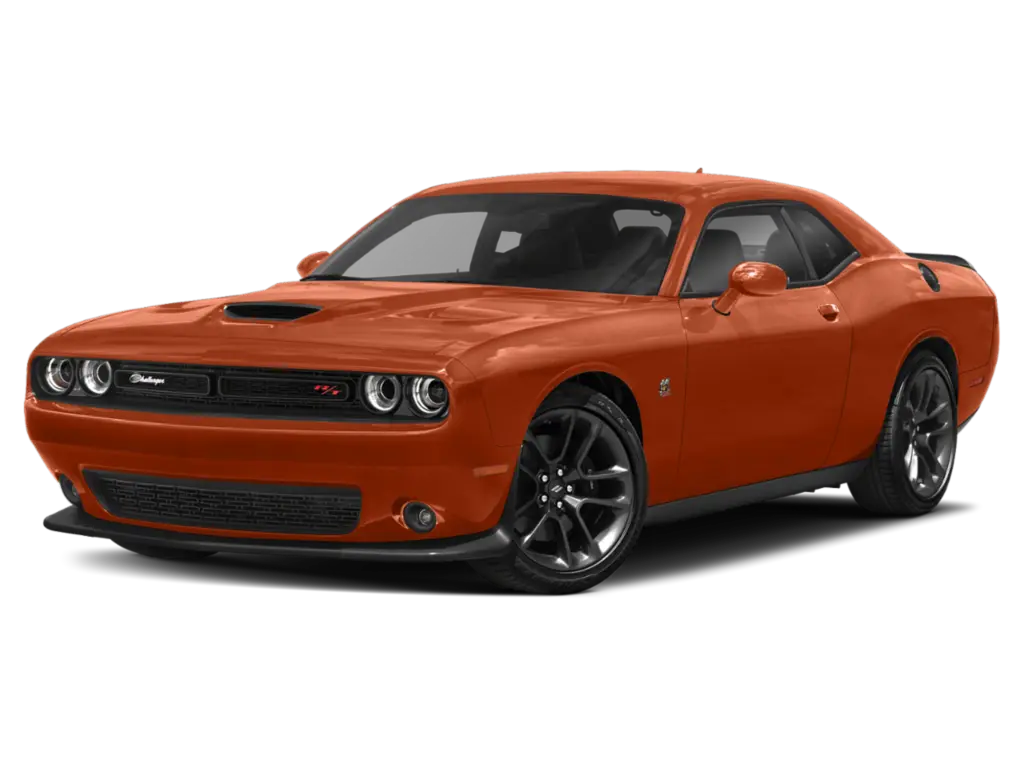
Dodge Challenger
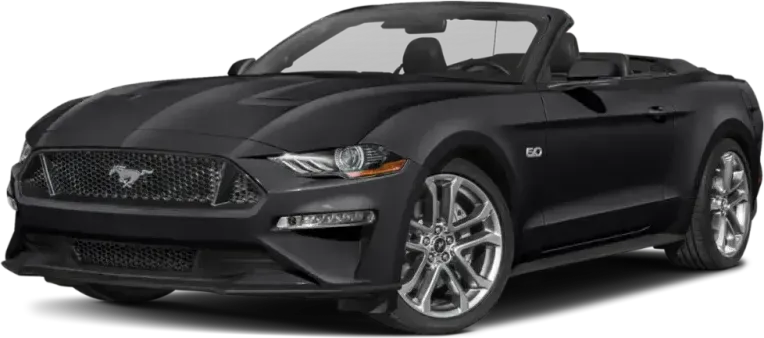
Ford Mustang
Reliability favors the Dodge Challenger over the Ford Mustang by a clear margin. Owners filed 2.5 complaints per 10,000 sold, against 5.7. The Mustang also carries 71 recalls to the Challenger's 14, while yearly repair costs for the two run close together.
How Do the Dodge Challenger and Ford Mustang Generations Compare?
Verdict
The Dodge Challenger is more reliable than the Ford Mustang, scoring 74/100 vs 67/100.
Owner complaints and recalls give the Dodge Challenger a clear edge. It drew 2.5 complaints per 10,000 sold against 5.7 for the Mustang, and it has 14 recalls across six model years against 71 across nine. Both sit at good standing and cost about the same in the shop. The Mustang's extra weight comes from repeat failures: EcoBoost head gasket leaks, camera faults that shut off braking aids, and blank gauge clusters. The Challenger's airbag complaints are serious, but they are fewer.
Key Differences
- 1Dodge Challenger costs $59 less per year to repair
- 2Dodge Challenger has 57 fewer total recalls
- 3Dodge Challenger scores 7 points higher in reliability
Category Scoreboard
Dodge Challenger vs Ford Mustang: Which Is More Reliable?
| Metric | Dodge Challenger | Ford Mustang |
|---|---|---|
| Reliability Score | 74/100 | 67/100 |
| Years Tracked | 6 | 9 |
| Total Recalls | 14 | 71 |
| Complaints per 10k Sold | 2.5 | 5.7 |
| Annual Repair Cost | $650/yr | $709/yr |
| Repair Frequency | 0.2/yr | 0.2/yr |
| Major Repair Risk | 14% | 14% |
| Safety RatingNHTSA overall | 2023 NHTSA | 2026 NHTSA |
| Frontal | ||
| Side | ||
| Rollover | ||
| Year Wins | 6 | 0 |
What Are the Common Problems With the Dodge Challenger and Ford Mustang?
Coolant leaking into the cylinders of the 2.3L EcoBoost is the Mustang's defining fault, with owners quoted near $11,000. Its 10-speed automatic clunks and lurches, and a "Front Camera Fault" switches off automatic emergency braking and lane keeping. The Challenger's complaints are lighter: a rearview camera that lingers or goes dark, a Uconnect screen that freezes, and windshields that crack with no impact. Its serious outlier is air bags that failed to deploy in serious crashes with no warning light, a crash-linked area the Mustang list does not show. Both have crash-linked steering complaints.
| Component | Dodge Challenger | Ford Mustang |
|---|---|---|
| ELECTRICAL SYSTEM | 0.6Very Low | 1.5Low |
| POWER TRAIN | 0.2Very Low | 0.9Very Low |
| UNKNOWN OR OTHER | 0.3Very Low | 0.6Very Low |
| STEERING | 0.2Very Low | 0.2Very Low |
| ENGINE | —None | 0.4Very Low |
| AIR BAGS | 0.2Very Low | 0.1Very Low |
| FORWARD COLLISION AVOIDANCE | —None | 0.3Very Low |
| STRUCTURE | —None | 0.2Very Low |
| SERVICE BRAKES | —None | 0.2Very Low |
| VEHICLE SPEED CONTROL | —None | 0.2Very Low |
| VISIBILITY/WIPER | 0.1Very Low | —None |
| WHEELS | 0.1Very Low | —None |
| SUSPENSION | 0.1Very Low | —None |
| EXTERIOR LIGHTING | 0.1Very Low | —None |
| BACK OVER PREVENTION | —None | 0.1Very Low |
| ENGINE AND ENGINE COOLING | —None | 0.1Very Low |
| VISIBILITY | —None | 0.1Very Low |
| LATCHES/LOCKS/LINKAGES | —None | 0.1Very Low |
| SEATS | —None | —None |
| SEAT BELTS | —None | —None |
| TIRES | —None | —None |
| FUEL/PROPULSION SYSTEM | —None | —None |
| FUEL SYSTEM | —None | —None |
Complaints per 10,000 units sold, aggregated across all tracked model years from NHTSA owner reports.
Which Is Cheaper to Maintain: Dodge Challenger or Ford Mustang?
How Does Dodge Challenger vs Ford Mustang Reliability Compare by Year?
| Year | Dodge Challenger | Ford Mustang | Edge |
|---|---|---|---|
| 2023 | 75/1002R / 38C | 72/1006R / 14C | Dodge Challenger |
| 2022 | 74/1002R / 8C | 59/10017R / 154C | Dodge Challenger |
| 2021 | 75/1002R / 17C | 54/10018R / 373C | Dodge Challenger |
| 2020 | 77/1001R / 19C | 66/1008R / 101C | Dodge Challenger |
| 2019 | 73/1003R / 55C | 67/1004R / 129C | Dodge Challenger |
| 2018 | 72/1004R / 73C | 65/1004R / 172C | Dodge Challenger |
Best years to cross-shop: The 2020 Dodge Challenger scored 77/100 and the 2023 Ford Mustang scored 72/100 — the strongest shared model years that have been on the road for at least two years, where available.
Who Should Buy the Dodge Challenger vs the Ford Mustang?
Dodge Challenger vs Ford Mustang: Common Questions
- Is the Dodge Challenger more reliable than the Ford Mustang?
- Yes, by a clear margin. The Challenger drew 2.5 owner complaints per 10,000 sold, while the Mustang drew 5.7. It also has far fewer recalls. Both have good standing and the same 0.2 shop visits a year, but the Mustang's engine and camera problems repeat more often.
- Which has more recalls, the Challenger or the Mustang?
- The Mustang. Federal recall records show 71 recalls across its nine model years, against 14 across six model years for the Challenger. The Mustang covers more years, but the gap is far larger than the extra three years explain.
- Which costs less to repair, the Challenger or the Mustang?
- The Challenger, though only slightly. Independent data estimates $650 a year for it and $709 for the Mustang, about $295 apart over five years. Shop-visit frequency and the 14% chance of a major repair are the same for both cars.
- What is the biggest problem with the Ford Mustang?
- The 2.3L EcoBoost engine. Owners report coolant leaking into the cylinders, with rough cold starts, misfires, and falling coolant. Failures ran from 26,000 to 86,000 miles, often just after warranty ended, with estimates near $11,000 for head gasket work or a full engine.
- Are there airbag problems with the Dodge Challenger?
- Yes. Owners reported airbags failing to deploy in serious crashes, including a 55 mph collision, with no warning light beforehand. Air bags had 13 complaints, 9 of them crash-linked. The count is small, but check that the airbag light works at startup.
Related Reliability Comparisons
More Dodge Challenger comparisons
Decided between Dodge Challenger and Ford Mustang? Run a VIN check before you buy — uncover hidden accidents, title issues, and open recalls.
How we score the Dodge Challenger and Ford Mustang
Scores weight complaint severity at 35%, repair costs at 30%, recall impact at 20%, and the spread of complaints across systems at 15%, with complaint counts adjusted for US sales. Read the full methodology.
See incorrect data? Report an issue