Last updated: 2026-10-10
Chevrolet Corvette vs Ford Mustang: Reliability Compared
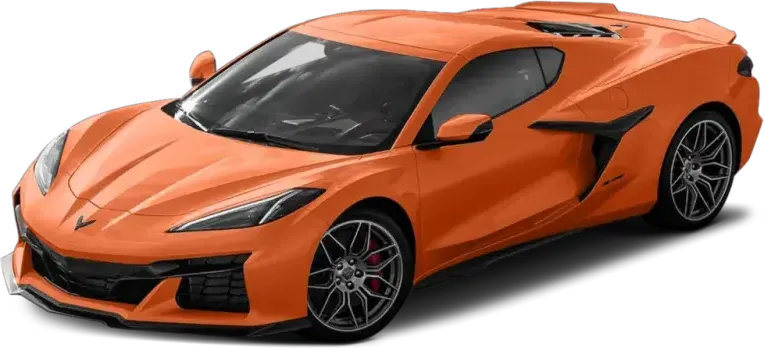
Chevrolet Corvette
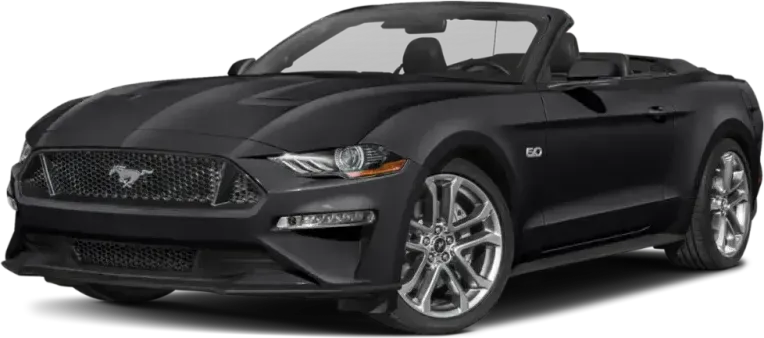
Ford Mustang
Slightly ahead on recalls, the Chevrolet Corvette edges the Ford Mustang: 11 in federal records against 71. Cheaper repairs keep the gap narrow. The Mustang costs less to fix and sends owners to the shop less often, but its recall and electrical history is longer.
How Do the Chevrolet Corvette and Ford Mustang Generations Compare?
Verdict
The Chevrolet Corvette is more reliable than the Ford Mustang, scoring 71/100 vs 67/100.
A slight edge goes to the Corvette. Federal recall records show 11 recalls across its model years against 71 for the Mustang, and owners file fewer complaints per car sold. The Mustang answers on repair costs, with fewer shop visits and a lower chance that a repair is major. Those points keep the gap small. The choice comes down to which risk you can live with: the Mustang's long recall and electrical history, or the Corvette's cracking wheels and early transmission failures.
Key Differences
- 1Chevrolet Corvette has 60 fewer total recalls
- 2Ford Mustang costs $28 less per year to repair
- 3Ford Mustang has 8% lower major repair risk
Category Scoreboard
Chevrolet Corvette vs Ford Mustang: Which Is More Reliable?
| Metric | Chevrolet Corvette | Ford Mustang |
|---|---|---|
| Reliability Score | 71/100 | 67/100 |
| Years Tracked | 8 | 9 |
| Total Recalls | 11 | 71 |
| Complaints per 10k Sold | 5.1 | 5.7 |
| Annual Repair Cost | $737/yr | $709/yr |
| Repair Frequency | 0.3/yr | 0.2/yr |
| Major Repair Risk | 22% | 14% |
| Year Wins | 6 | 2 |
What Are the Common Problems With the Chevrolet Corvette and Ford Mustang?
Trouble on the Mustang is spread across many systems. The digital instrument panel goes blank while driving, power windows drop on their own, and the 2.3L EcoBoost can leak coolant into the cylinders. Forward collision cameras fault out and shut off automatic braking. Power train, steering, electrical, and forward collision areas all carry crash-linked reports, and steering is the starkest, with power assist cutting out. Corvette trouble is narrower. Cracked or bent aluminum wheels dominate, followed by dual-clutch transmission failures and a front hood that can unlatch at city speeds. The Corvette data lists no crash-linked counts.
| Component | Chevrolet Corvette | Ford Mustang |
|---|---|---|
| WHEELS | 3Low | —None |
| ELECTRICAL SYSTEM | 0.3Very Low | 1.5Low |
| POWER TRAIN | 0.5Very Low | 0.9Very Low |
| UNKNOWN OR OTHER | 0.2Very Low | 0.6Very Low |
| ENGINE | 0.1Very Low | 0.4Very Low |
| STRUCTURE | 0.2Very Low | 0.2Very Low |
| SERVICE BRAKES | 0.1Very Low | 0.2Very Low |
| STEERING | 0.1Very Low | 0.2Very Low |
| FORWARD COLLISION AVOIDANCE | —None | 0.3Very Low |
| VEHICLE SPEED CONTROL | —None | 0.2Very Low |
| ENGINE AND ENGINE COOLING | —None | 0.1Very Low |
| VISIBILITY | —None | 0.1Very Low |
| AIR BAGS | —None | 0.1Very Low |
| BACK OVER PREVENTION | —None | 0.1Very Low |
| LATCHES/LOCKS/LINKAGES | —None | 0.1Very Low |
| SEAT BELTS | —None | —None |
| SUSPENSION | —None | —None |
| FUEL/PROPULSION SYSTEM | —None | —None |
| FUEL SYSTEM | —None | —None |
| EXTERIOR LIGHTING | —None | —None |
| VISIBILITY/WIPER | —None | —None |
Complaints per 10,000 units sold, aggregated across all tracked model years from NHTSA owner reports.
Which Is Cheaper to Maintain: Chevrolet Corvette or Ford Mustang?
How Does Chevrolet Corvette vs Ford Mustang Reliability Compare by Year?
| Year | Chevrolet Corvette | Ford Mustang | Edge |
|---|---|---|---|
| 2026 | 76/1000R / 0C | 78/1001R / 0C | Ford Mustang |
| 2025 | 78/1000R / 0C | 73/1003R / 8C | Chevrolet Corvette |
| 2024 | 71/1002R / 18C | 67/10010R / 63C | Chevrolet Corvette |
| 2023 | 73/1001R / 20C | 72/1006R / 14C | Chevrolet Corvette |
| 2021 | 71/1002R / 11C | 54/10018R / 373C | Chevrolet Corvette |
| 2020 | 67/1004R / 31C | 66/1008R / 101C | Chevrolet Corvette |
| 2019 | 63/1001R / 145C | 67/1004R / 129C | Ford Mustang |
| 2018 | 70/1001R / 51C | 65/1004R / 172C | Chevrolet Corvette |
Best years to cross-shop: The 2023 Chevrolet Corvette scored 73/100 and the 2023 Ford Mustang scored 72/100 — the strongest shared model years that have been on the road for at least two years, where available.
Who Should Buy the Chevrolet Corvette vs the Ford Mustang?
Chevrolet Corvette vs Ford Mustang: Common Questions
- Is the Ford Mustang more reliable than the Chevrolet Corvette?
- No, the Corvette holds a slight edge. It has far fewer federal recalls and a lower rate of owner complaints per car sold. The Mustang does better on repair costs, with fewer shop visits and a lower chance of a major repair, so the gap is small.
- Which has more recalls, the Mustang or the Corvette?
- The Mustang has far more. Federal recall records show 71 recalls across its 9 model years, while the Corvette has 11 across 8 model years. Check any specific car's VIN for open recalls before you buy, since a long recall list does not tell you which ones were completed.
- Which is cheaper to repair, the Mustang or the Corvette?
- The Mustang costs a little less. Independent repair-cost data estimates $709 a year for the Mustang and $737 for the Corvette, about $140 apart over five years. The Mustang also has fewer unscheduled shop visits and a lower chance that a repair is major.
- What is the biggest Corvette problem?
- Wheels. Owners report factory aluminum wheels cracking or bending at low mileage, often under 16,000 miles, with cracks on the inner lip that cause slow air leaks. Grand Sport and Z06 owners report it most, and many say warranty claims were denied. A cracked wheel can let a tire go flat on the highway.
- What goes wrong with the Mustang's 2.3L EcoBoost engine?
- Coolant can leak into the cylinders. Owners describe rough cold starts, shaking at idle, misfire codes, and falling coolant, with failures reported between 26,000 and 86,000 miles. Dealers quoted head gasket work or a full engine, with estimates near $11,000. Have a shop check coolant level and history before buying.
Related Reliability Comparisons
More Chevrolet Corvette comparisons
Decided between Chevrolet Corvette and Ford Mustang? Run a VIN check before you buy — uncover hidden accidents, title issues, and open recalls.
How we score the Chevrolet Corvette and Ford Mustang
Scores weight complaint severity at 35%, repair costs at 30%, recall impact at 20%, and the spread of complaints across systems at 15%, with complaint counts adjusted for US sales. Read the full methodology.
See incorrect data? Report an issue