Last updated: 2026-10-10
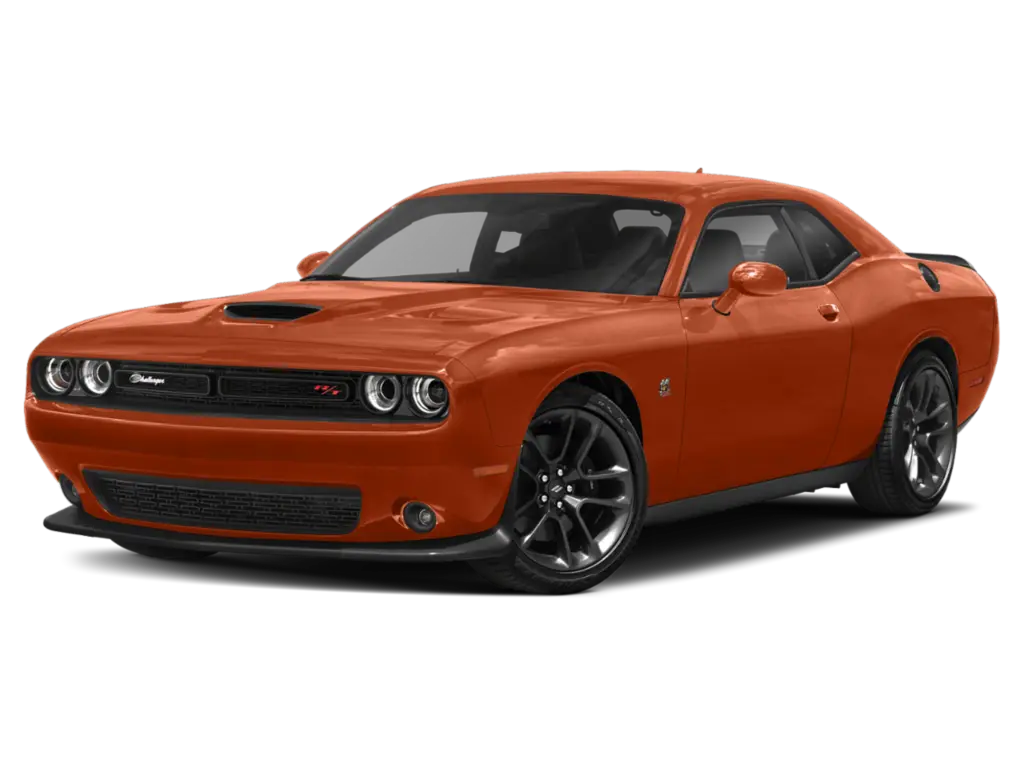
2021 Dodge Challenger Reliability Report
The 2021 Dodge Challenger has a good reliability standing, but owners report air bags that did not deploy in hard frontal crashes.
Recalls
2
Complaints
17
Complaint Rate
3.1per 10,000 sold
Est. Repair Cost
$650
Annual Fuel Cost
$2,600–$4,600
Detailed Score Breakdown
Component-weighted complaints normalized by sales volume
Independent repair cost ratings
Recall count weighted by severity
Breadth of reported problem categories
The Verdict
Good standing and a 5-star crash rating, but air bag non-deployment complaints and two recalls mark it against the similarly rated 2020 and 2022 years.
Top Issues to Watch
- AIR BAGS (4)
- ELECTRICAL SYSTEM (3)
- POWER TRAIN (2)
Generation & Refresh (US)
2021 received a 2021 facelift update for the Third generation (2008–2023).
- Changes: Refresh and limited edition models.; Commemorative editions announced for the final production.; End of production in December 2023..
- Year 14 in this generation (2008–2023).
- 3rd generation Challenger (US).
What this means for buyers
Refresh years bring updates but can also introduce new issues. Check early recall data before buying.
2008: Third generation (2008–2023) Launch
Generation start — new platform.
2015: Mid-Cycle Refresh
Updated features and styling tweaks.
2021: This Model Year (Refresh)
2021 received a 2021 facelift update for the Third generation (2008–2023).
Should You Buy the 2021 Dodge Challenger?
Good is the standing here, and it sits above average among 2021 sedans. Within the six scored Challenger years, this one is among the stronger. The 2020 and 2022 model years rate about the same, so neither neighbor is a clear upgrade. Complaints run low at 3.1 per 10,000 sold, and the federal crash-test rating is 5 of 5 stars. Repair cost is the weak spot: independent data puts the model-wide yearly estimate at $650, against $526 for the class.
The most serious complaints involve air bags. Four owners say frontal air bags did not deploy in hard frontal impacts, including a guardrail hit and a deer strike, and two report injuries. One owner reports an engine fire that started while the car sat still, at about 16,000 miles. Others describe both screens going dark while driving, and a transmission that dropped into neutral at about 61,113 miles. Federal recall records list two recalls, in the electrical system and visibility.
Ask the seller for proof that both recalls were completed, plus transmission service records. On a test drive, try push-button starts and watch the screens.
Compared to the 2022 Dodge Challenger, which scored 1 points lower. See also the 2020 Dodge Challenger for an earlier comparison.
Pros
- +Acceptable reliability score
- +Infrequent unscheduled repairs
- +Low major repair risk (14%)
- +Low recall count
Cons
- −Above-average repair costs for its class
- −AIR BAGS: Frontal airbags fail to deploy in hard frontal impacts, according to most of... (4 complaints)
- −ELECTRICAL SYSTEM: Instrument cluster and center screen problems lead these reports (3 complaints)
Compare 2021 Dodge Challenger With
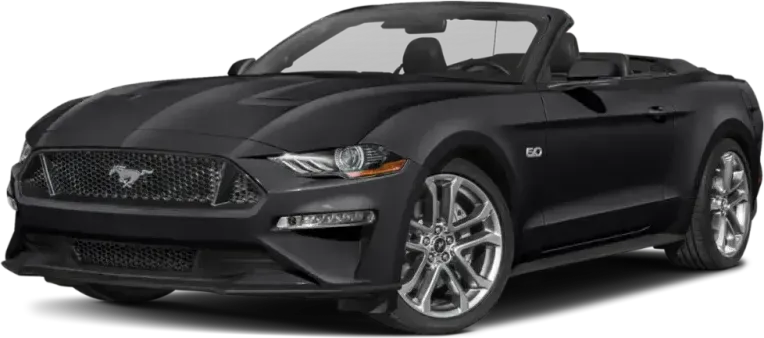
2021 Ford Mustang
Reliability: 54/100
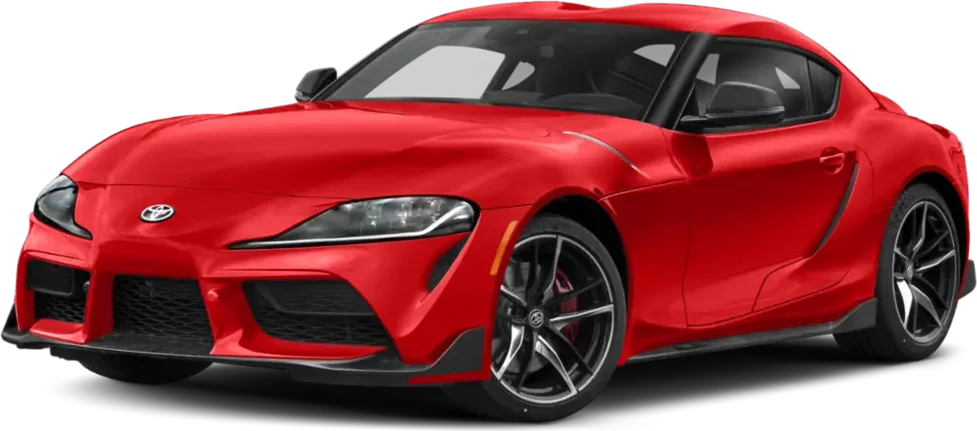
2021 Toyota Supra
Reliability: 64/100
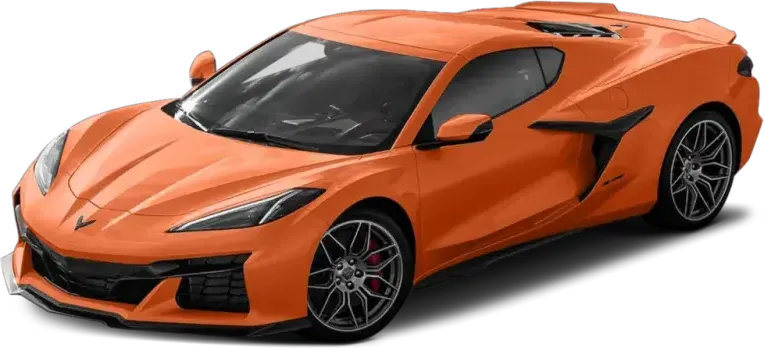
2021 Chevrolet Corvette
Reliability: 71/100
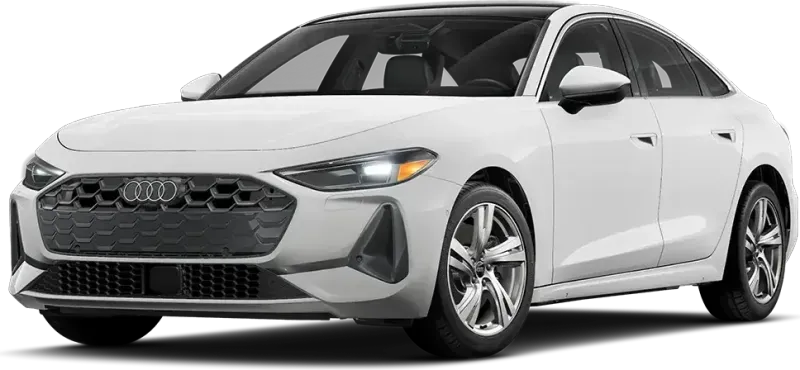
2021 Audi A5
Reliability: 71/100
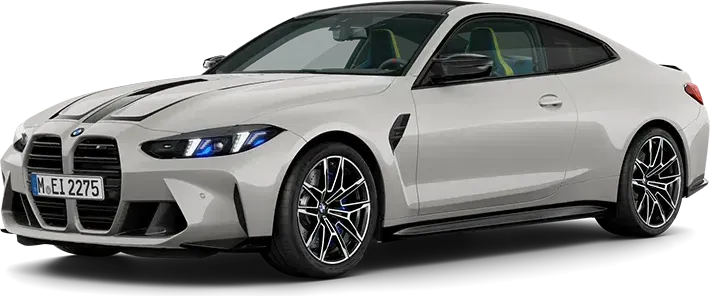
2021 BMW 4 Series
Reliability: 57/100
Common Problem Categories
Safety
LOW RISK- 2 manufacturer recalls issued
Other
HIGH RISK- AIR BAGS (4)
- ELECTRICAL SYSTEM (3)
Recall Overview
2
recalls on record
The 2021 Dodge Challenger carries 2 recalls — a low count. Authorized dealers repair any open recall free of charge, regardless of warranty status.
NHTSA.gov →Complaint Breakdown
3.1
per 10,000 soldSegment avg: 16.7
Safety Incidents
4
Crashes
1
Fires
2
Injuries
0
Deaths
NHTSA 5/5 Stars
Data sourced from NHTSA complaint filings and manufacturer recall notices. Complaint narratives are owner-reported.
2021 Dodge Challenger Recall Details
2 recalls have been issued for the 2021 Dodge Challenger. All recall repairs are performed free of charge at authorized dealerships.
ELECTRICAL SYSTEM
Chrysler (FCA US, LLC) is recalling certain 2021 Dodge Challenger vehicles. The affected vehicles do not illuminate their safety system status indicators sufficiently in both daylight and nighttime driving conditions. As such, these vehicles fail to comply with the requirements of Federal Motor Vehicle Safety Standard number 101, "Control and Displays."
Consequence
Without visible safety system indicators, a driver may not receive information regarding vehicle safety, increasing the risk of injury or a crash.
Remedy
Dealers will re-program instrument clusters with the correct software version, free of charge. Owner notification letters were mailed on October 5, 2021. Owners may contact FCA US LLC customer service at 1-800-853-140. FCA US LLC's number for this recall is Y58.
VISIBILITY
Chrysler (FCA US, LLC) is recalling certain 2020-2021 Dodge Challenger, Dodge Charger, and Chrysler 300 vehicles. During manufacturing, the windshield may not have been properly bonded to the vehicle, allowing it to detach in a crash. As such, these vehicles fail to comply with the requirements of Federal Motor Vehicle Safety Standard number 212, "Windshield Mounting."
Consequence
A windshield that separates from the vehicle during a crash can increase the risk of injury.
Remedy
Dealers will remove and replace the front windshield urethane sealant, free of charge. Owner notification letters were mailed on August 31, 2021. Owners may contact FCA US LLC customer service at 1-800-853-1403. FCA US LLC's number for this recall is Y47.
Buying a used 2021 Dodge Challenger? Check its history first
Air bags problems lead owner complaints about the 2021 Dodge Challenger, and 2 recalls were issued for it. A VIN check shows whether this car's recall work was done, plus accident, title, and odometer history.
- Accidents
- Open Recalls
- Title History
- Odometer Rollback
2021 Dodge Challenger NHTSA Safety Ratings
Overall Safety Rating
Crash Test Results by Configuration (expand)
Gas Powertrain
Rollover risk: 11.1%
Safety Technologies
Dodge ChallengerRepair Costs & Maintenance
Maintenance Rating
3.5Maintenance rating: 3.5 out of 5Based on NHTSA complaint patterns, recall severity, and publicly available cost benchmarks.
Est. Annual Maintenance
$650
vs $526 avg for midsize cars
vs $652 avg for all vehicles
Repair Frequency
0.2
unscheduled repair visits per year
Severe Repair Probability
14%
chance of a major repair
Annual Cost Comparison
Category-level averages derived from publicly available industry reports (AAA, CarMD). Model-level estimates produced by Auto Reliability Index.
Dodge Challenger Resale Value
The Dodge Challenger is estimated to retain about 71.9% of its original value after 5 years, based on observed used-car listings.
This benchmark covers the Dodge Challenger model overall and is not specific to the 2021 model year.
- Value Retained
- 71.9%
- Depreciation
- 28.1%
- Listings Analyzed
- 267
after 5 years
over the same period
U.S. used-car listings
Listings observed in . This is a historical market benchmark, not a current price quote.
Explore Dodge Challenger depreciation and resale value on CarResaleValue.comMPG & Annual Running Costs
Gas
15–23 MPG
Running cost: $3,250–$5,250/yr
Fuel + repair
13–19 city / 21–30 hwy MPG
Running cost includes EPA fuel-cost estimate and independent repair-cost data (repair cost estimated at model level). Excludes routine maintenance, depreciation, and insurance. Data as of 2021 EPA label cycle.
Gas trims
| Trim | Drive | Trans. | City | Hwy | Comb | Fuel Cost |
|---|---|---|---|---|---|---|
| Challenger 3.6L 6-cyl | Rear-Wheel Drive | Automatic 8-spd | 19 | 30 | 23 | $2,600 |
| Challenger AWD 3.6L 6-cyl | All-Wheel Drive | Automatic 8-spd | 18 | 27 | 21 | $2,850 |
| Challenger 6.4L 8-cyl | Rear-Wheel Drive | Automatic 8-spd | 15 | 24 | 18 | $3,850 |
| Challenger 5.7L 8-cyl | Rear-Wheel Drive | Manual 6-spd | 15 | 23 | 18 | $3,850 |
| Challenger Widebody 6.4L 8-cyl | Rear-Wheel Drive | Automatic 8-spd | 15 | 24 | 18 | $3,850 |
| Challenger 5.7L 8-cyl | Rear-Wheel Drive | Automatic 8-spd | 16 | 25 | 19 | $3,950 |
| Challenger 6.4L 8-cyl | Rear-Wheel Drive | Manual 6-spd | 14 | 23 | 17 | $4,050 |
| Challenger Widebody 6.4L 8-cyl | Rear-Wheel Drive | Manual 6-spd | 14 | 23 | 17 | $4,050 |
| Challenger SRT 6.2L 8-cyl | Rear-Wheel Drive | Automatic 8-spd | 13 | 22 | 16 | $4,300 |
| Challenger SRT 6.2L 8-cyl | Rear-Wheel Drive | Manual 6-spd | 13 | 21 | 16 | $4,300 |
| Challenger SRT Widebody 6.2L 8-cyl | Rear-Wheel Drive | Manual 6-spd | 13 | 21 | 16 | $4,300 |
| Challenger SRT Widebody 6.2L 8-cyl | Rear-Wheel Drive | Automatic 8-spd | 13 | 21 | 15 | $4,600 |
Used Buying Checklist
Key things to inspect or verify before purchasing a 2021 Dodge Challenger.
Try remote start several times with the hood shut and watch for a "remote start cancelled hood open" message.
Start the car with the push button and listen and feel for a driveline thump or lurch.
Pull away from a stop many times and confirm the transmission never drops into neutral.
Ask for records showing the manufacturer's transmission service information was completed.
Take a long test drive watching for blank screens, a flood of warning lights, or a bad speedometer reading.
Pull each seatbelt all the way out and confirm it retracts fully and smoothly.
Run a VIN history check for past frontal crashes and ask whether the airbags were inspected or replaced.
Back up at night to check camera glare and freezing, and test the door locks and key fob repeatedly.
2021 Dodge Challenger Common Problems by Component
17 owner complaints grouped by vehicle system.
AIR BAGS
4 complaintsSafety-relatedFrontal airbags fail to deploy in hard frontal impacts, according to most of these reports. Drivers describe a head-on hit into a guardrail after hydroplaning, a deer strike that caused heavy front-end damage, and a car pulled into a wall by road debris, all with no deployment. Three of the four complaints involve crashes, and two report injuries, including a dislocated shoulder and head injury. A separate report says the airbag did deploy but cut and burned the driver's wrist and forearm.
ELECTRICAL SYSTEM
3 complaintsSafety-relatedInstrument cluster and center screen problems lead these reports. Both displays go dark at random while driving with no warning, though the radio keeps playing. Another pattern is every warning light coming on at once while the car jerks under acceleration on the freeway, which one driver says caused a minor crash. A faulty speedometer is also reported. One complaint describes a seatbelt that retracts slowly from the start and later will not pull out far enough to wear safely.
POWER TRAIN
2 complaintsLurching and a thump from the transmission or driveshaft at start-up show up when the car is started with the push button. The same car starts smoothly with remote start. A more dangerous complaint describes the car moving forward a short distance and then dropping into neutral, a risk when pulling into traffic. That report comes at about 61,113 miles on a used car, and the owner says the seller had not completed the manufacturer's transmission service information. Only two complaints are on file.
ENGINE (2 complaints)
ENGINE
2 complaintsSafety-relatedA fire that starts while the car is sitting still, with no warning, is the most serious report here. It happened at about 16,000 miles and needed fire crews to put it out. The other complaint describes a fuel pump failing while driving with under 1,000 miles on the car, leaving the driver unable to recover. That same report lists electronic faults: a freezing backup camera, Uconnect lag, radio volume changing on its own, unreliable door locks, and a key fob that goes undetected.
UNKNOWN OR OTHER (2 complaints)
UNKNOWN OR OTHER
2 complaintsRemote start works only some of the time, cancelling with a "remote start cancelled hood open" message on the dash. The owner reporting this says several dealer visits have not fixed it and that the dealer has seen the same issue on another customer's car. A separate complaint says the backup camera screen cannot be dimmed or adjusted. Its glare fills the cabin and makes the mirrors hard to use unless the screen is covered.
FORWARD COLLISION AVOIDANCE (1 complaints)
FORWARD COLLISION AVOIDANCE
1 complaintThe contact owns a 2021 Dodge Challenger. The contact stated that while his wife was driving at an undisclosed speed, the vehicle experienced phantom braking. Additionally, the vehicle pulled back while attempting to accelerate. The vehicle was not diagnosed or repaired by an independent mechanic or dealer. The manufacturer was not made aware of the failure. The failure mileage was approximately 17,160.
SUSPENSION (1 complaints)
SUSPENSION
1 complaintI purchased this vehicle from Vroom, who is also my lender under United Auto Credit. The car was sold with a washed title and undisclosed prior structural and mechanical damage. I have documentation confirming the vehicle had serious pre-existing issues and should never have been sold as a clean-title car. The differential has failed three times in under 6 months, and I’ve experienced full drivetrain failure following multiple service visits to Dodge. I had requested inspection of the transmission, but after every visit, the issues worsened. The vehicle is currently available for inspection. The car exhibits violent vibrations, power loss, and unpredictable handling, making it unsafe to drive at highway speeds. The differential is on the verge of catastrophic failure again. These issues risk loss of vehicle control, wheel lock up, and potential collisions. Has the issue been confirmed by a dealer or service center? Yes. Dodge dealerships have confirmed repeated differential failure and ongoing drivetrain problems. Independent shops have also verified signs of prior impact and poor repairs. Has the vehicle been inspected by the manufacturer, police, or insurance? It has been brought to authorized Dodge service centers at least six times and is the subject of an open Dodge customer care case (7+ months). No police or insurance inspections at this time. This vehicle was fraudulently sold with hidden damage and has presented major, repeated safety hazards. I am asking the NHTSA to investigate not only this vehicle, but the broader pattern of dangerous sales by Vroom/United Auto Credit and Dodge, including title washing and stalling tactics to run out factory warranties before resolution.
SEATS (1 complaints)
SEATS
1 complaintOn [XXX] I was traveling s/b on [XXX] in Florida in my Dodge Challenger which I purchased from New Smyrna Dodge this year. I was traveling approx 65 mph and all of a sudden the back of my drivers seat went back all the way putting me in a flat position against the rear seat. I was lucky enough to pull myself up and keep control of the vehicle. The incident could have been a disaster because my father was also riding in the vehicle on the passenger side. I pulled over on the median and checked the drivers seat thinking maybe the manual recline had just slipped. In doing so I saw that the metal frame on the right side of the seat had snapped where it connects to bottom of seat frame. Obviously it is a defect in the metal because the frame was not damaged in any way and metal just to broke(Snapped). Had it happened in an accident the injury could have been severe. These seat are suppose meet certain standards. I responded to The dealer today and spoke to a service representative who did agree it was probably a defect because he never heard of that happening but also said unfortunately you are just over warranty by three thousand miles. Stated you can leave car but it will involve full days labor taking seat apart. Doesn't say much for dealer mechanics. Also said there was no recall on it but admitted when it happened could have been serious accident. He also made no attempt to even go out and look at it. If in fact this is a defect people's lives could be in danger. If I wasn't able to pull myself up immediately to a sitting position we probably would have had an accident. The actions of this dealer did not surprise me at all. INFORMATION REDACTED PURSUANT TO THE FREEDOM OF INFORMATION ACT (FOIA), 5 U.S.C. 552(B)(6)
NONE (1 complaints)
NONE
1 complaintThis may not be the correct place to report this but it is a serious problem. Since Google took over the Waze navigation app they have been relentless in popping up ads, useless information and so on. They are now asking if I am driving an electric car of all things.... all while I'm driving on the highway! This strong, relentless encouragement to get drivers to distract their attention from the responsibility of driving is a menace! These apps know when a vehicle is in motion and these marketing idiots should not be doing this. This is a Nationwide problem that NHTSA could put a stop to tomorrow should they decide to. And I very much hope you will. These distractions serve no useful purpose... it's just one more way to annoy people with unwanted advertisements and unhelpful "tips". Thank you for your attention to this very important issue
Best & Worst Dodge Challenger Years
Best Dodge Challenger Years to Buy
Based on reliability index score2020
2023
2021
(Current Model)
Dodge Challenger Years to Avoid
No Dodge Challenger years are statistical outliers in our data.
Scores stay between 72 and 77 across 6 scored model years.
Dodge Challenger Reliability Score Trend
Scores 0–100. Higher is better. Current year highlighted.
| Year | Score | Rating |
|---|---|---|
| 2018 | 72/100 | Good |
| 2019 | 73/100 | Good |
| 2020 | 77/100 | Good |
| 2021 | 75/100 | Good |
| 2022 | 74/100 | Good |
| 2023 | 75/100 | Good |
Dodge Challenger Reliability Compared to Other Years
Frequently Asked Questions
Is the 2021 Dodge Challenger reliable?
What are the most common problems with the 2021 Dodge Challenger?
Do 2021 Dodge Challenger air bags fail to deploy?
Does the 2021 Dodge Challenger have recalls?
Is the 2021 Dodge Challenger better than the 2020 or 2022?
Don’t buy a 2021 Dodge Challenger without checking its VIN first — hidden accidents, title issues, and open recalls could cost you thousands.
How we score the 2021 Dodge Challenger
Of the four inputs behind this score, the 2021 Dodge Challenger does best on recall impact (80/100) and worst on repair costs (70/100). Scores weight complaint severity at 35%, repair costs at 30%, recall impact at 20%, and the spread of complaints across systems at 15%, with complaint counts adjusted for US sales. Read the full methodology.
Get notified when new recalls or reliability data is added for the Dodge Challenger.
No spam. Only data updates for this model.
Browse More Dodge Models
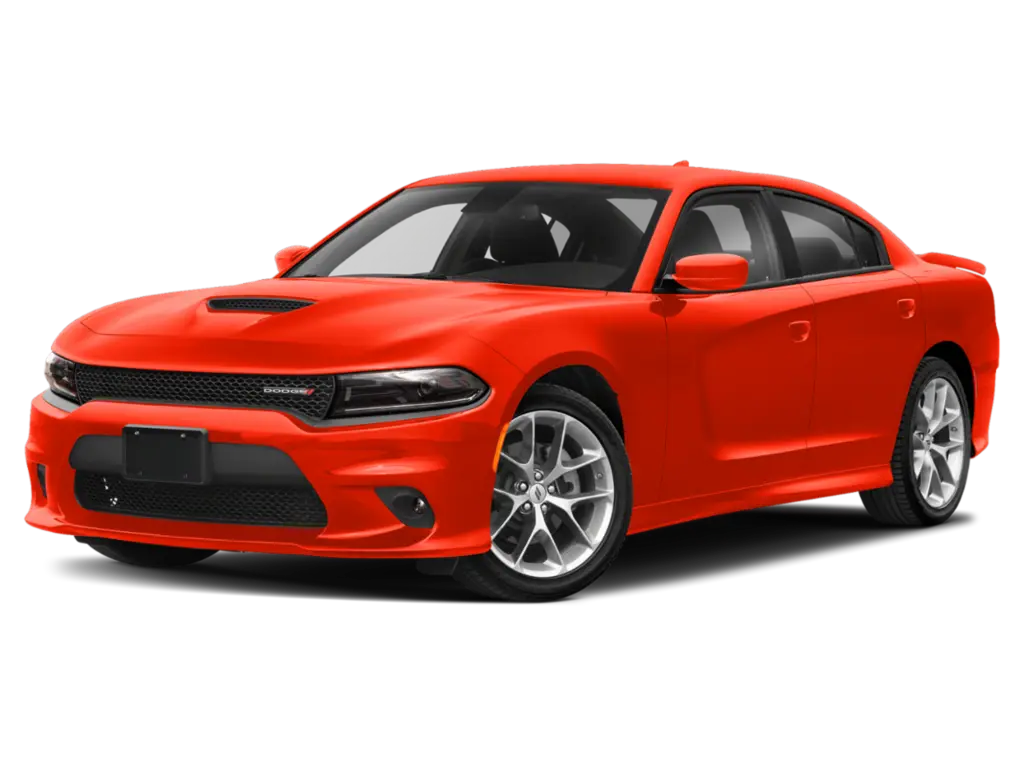
Dodge Charger
Score: 82/100
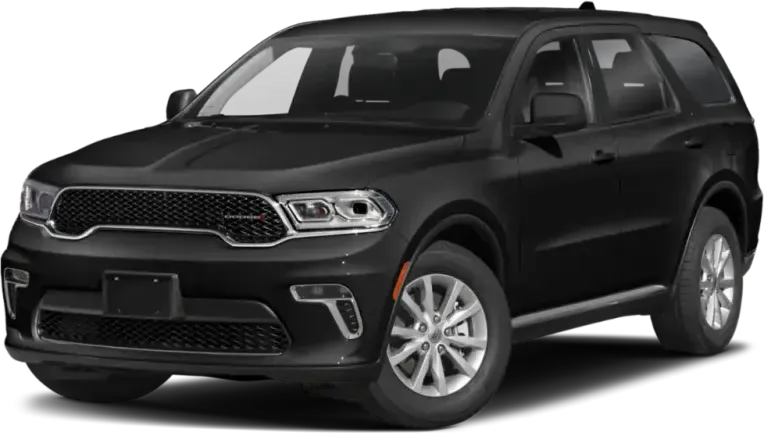
Dodge Durango
Score: 82/100
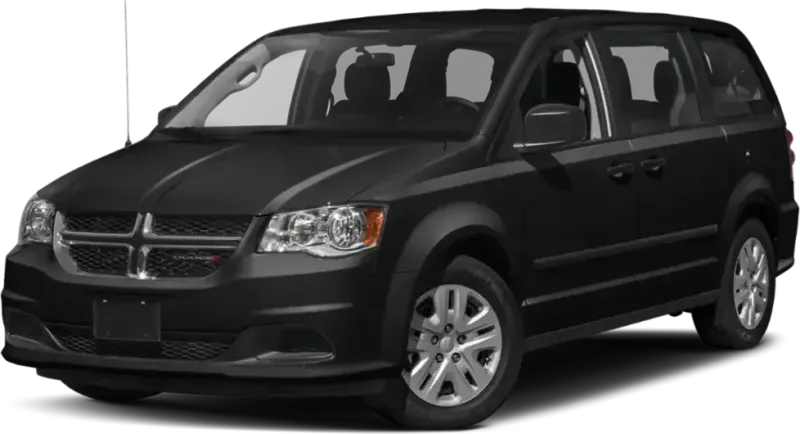
Dodge Grand Caravan
Score: 83/100
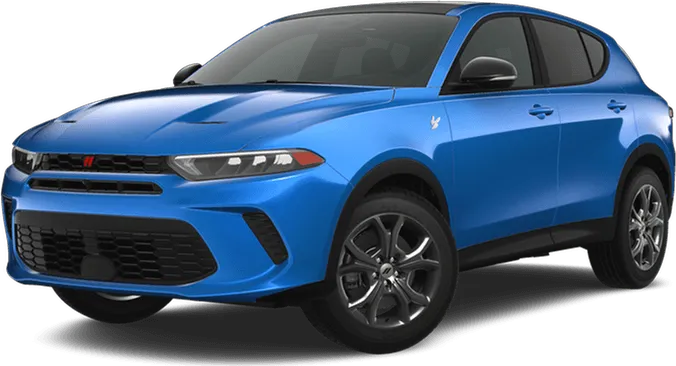
Dodge Hornet
Score: 64/100
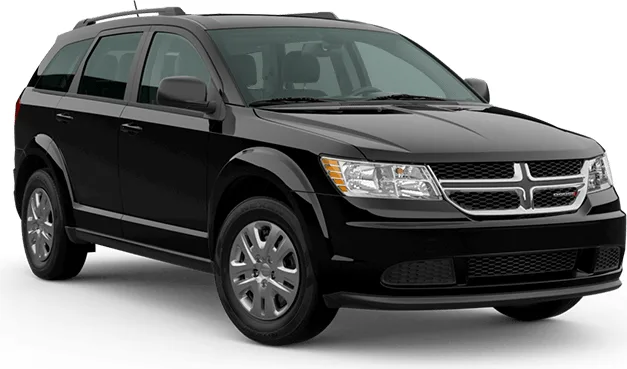
Dodge Journey
Score: 77/100
Browse More 2021 Vehicles
2021 Lexus ES
Score: 88/100
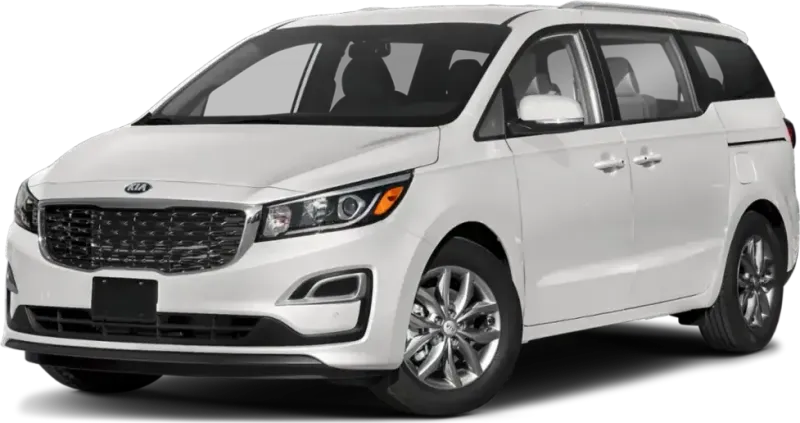
2021 Kia Sedona
Score: 88/100
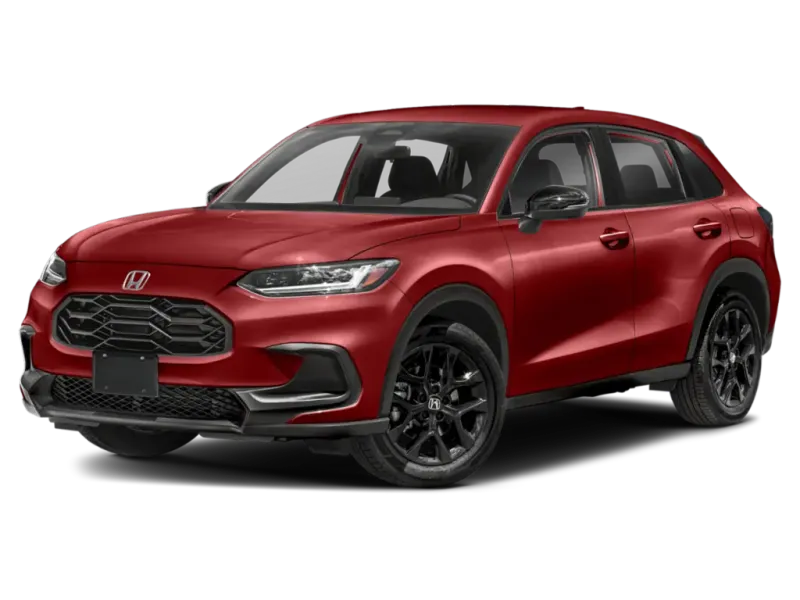
2021 Honda HR-V
Score: 86/100
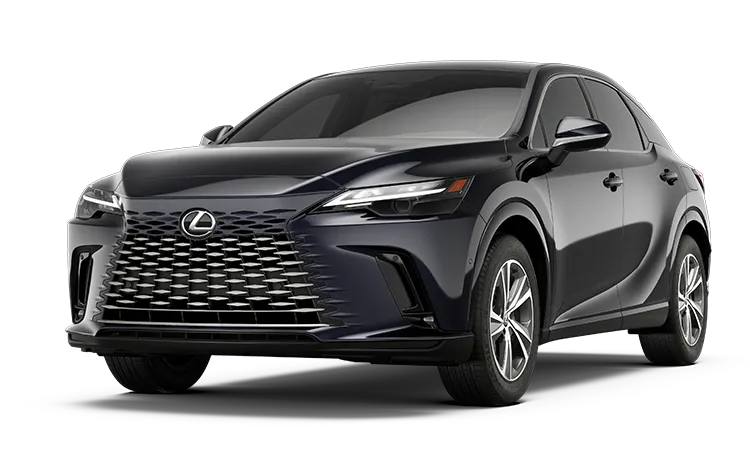
2021 Lexus RX
Score: 86/100
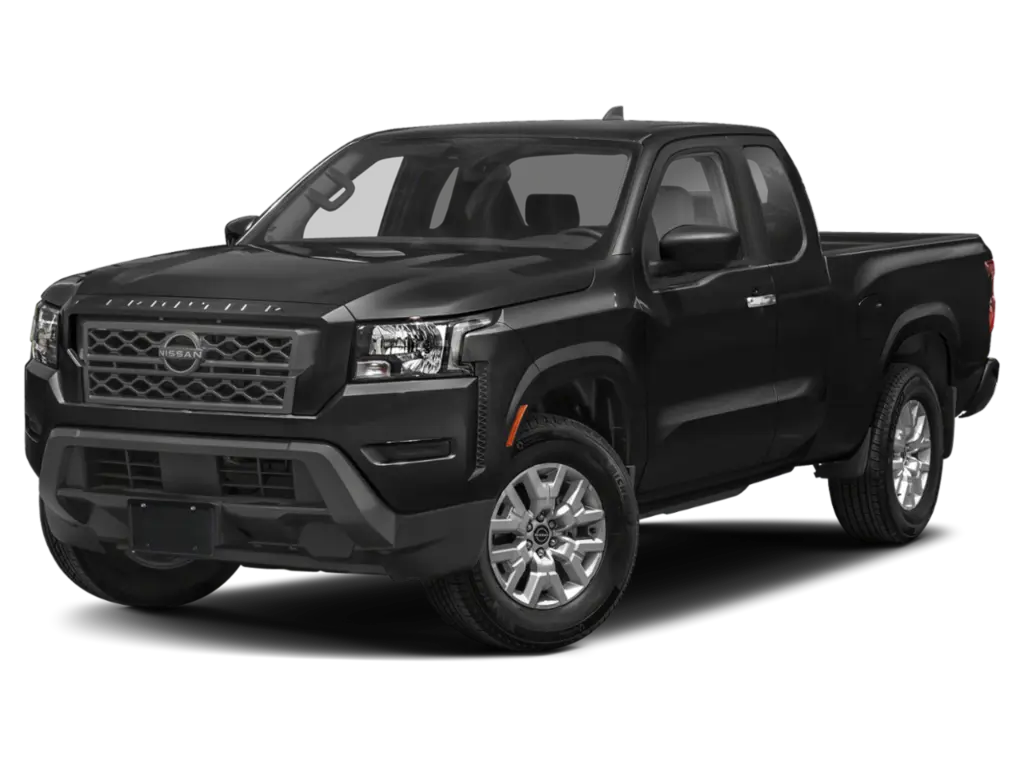
2021 Nissan Frontier
Score: 84/100
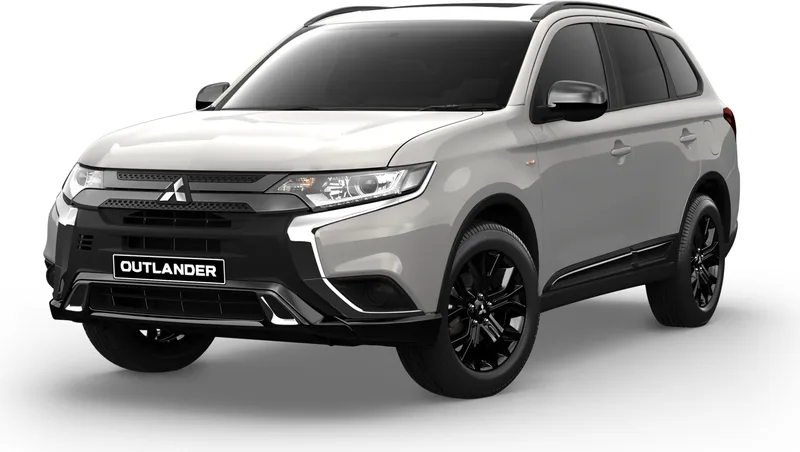
2021 Mitsubishi Outlander
Score: 84/100
See incorrect data? Report an issue