Last updated: 2026-10-10
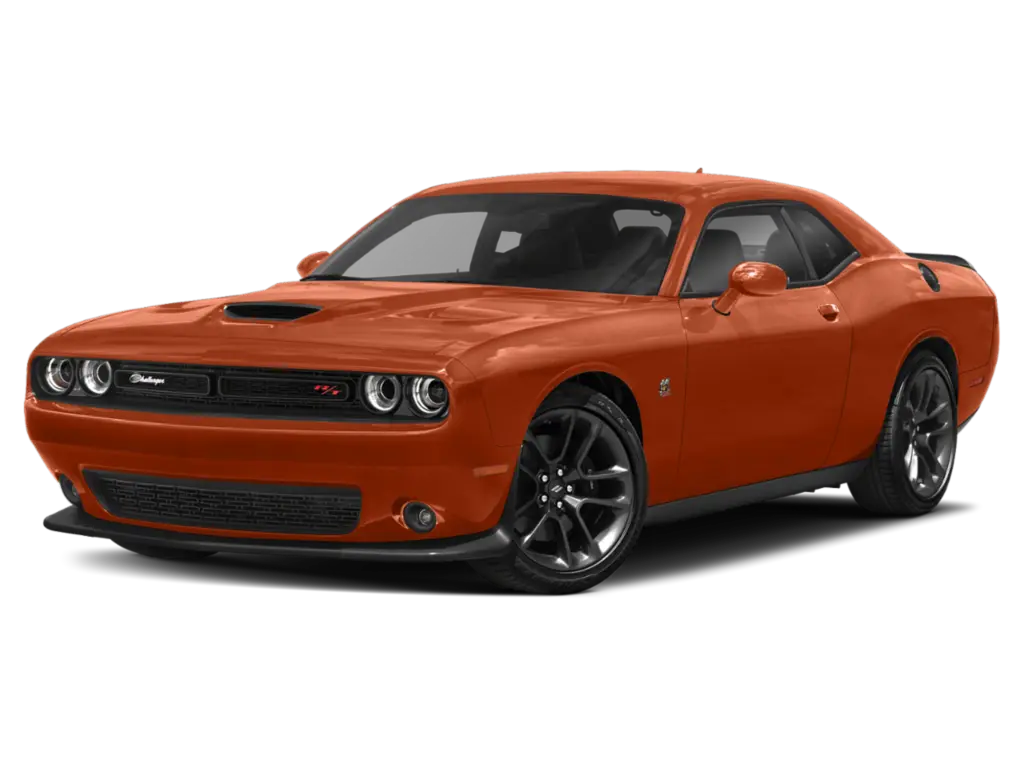
Dodge Challenger Years to Avoid
6 scored model years (2018–2023) · model average 74/100
No model year is one to avoid, since none falls well below the model's own average. What varies is volume: 2018 and 2019 drew the most owner complaints and recalls, while 2020 and 2021 rate highest. For a used purchase, 2020 is the year to buy.
Verdict
- Avoid
- No outlier years
- Buy
- 2020 77/100
- Model average
- 74/100
What Are Common Dodge Challenger Problems?
ELECTRICAL SYSTEM
52 complaintsMost reported in 2018, 2019, 2020
2018: The Uconnect 8.4 touchscreen delaminates.
UNKNOWN OR OTHER
26 complaintsMost reported in 2018, 2023, 2021
2018: Most of these reports describe the same Uconnect screen delamination.
POWER TRAIN
17 complaintsMost reported in 2019, 2018, 2020
2019: The transmission throws warnings, refuses to engage in traffic, or shifts at random, including a drop from 8th to 3rd on a freeway.
STEERING
14 complaintsMost reported in 2019, 2018
2019: Wheel lockups and sudden loss of power assist strike during turns, merges, and lane changes, sometimes followed by a "steering wheel motion off" message, with no warning light beforehand.
AIR BAGS
13 complaintsMost reported in 2019, 2021, 2018
2019: Airbags fail to deploy in serious crashes, including a 55 mph collision and a hard rear-end impact.
VISIBILITY/WIPER
10 complaintsMost reported in 2023
2023: Windshields crack with no impact point.
Best Dodge Challenger Year to Buy Instead
2020 Dodge Challenger
Compared with 2018 and 2019, the 2020 model year has far fewer owner complaints and only one recall, against four and three for those years. It also rates among the highest and has been on the road long enough to judge. Watch for reports of sudden shutdowns and manual clutch failure.
Found a Safe Year? Check the Specific Car
Even the 2020 Dodge Challenger has 1 recall on file. A VIN check confirms the recall work on the exact car and shows its accident, title, and service history.
- Accidents
- Open Recalls
- Title History
- Odometer Rollback
All Dodge Challenger Years by Generation
Dodge Challenger Reliability Scores by Year
Third generation (2008–2023) (2008–2023)
2020 Dodge Challenger
1 recalls · 19 complaints
2021 Dodge Challenger
2 recalls · 17 complaints
2023 Dodge Challenger
2 recalls · 38 complaints
2022 Dodge Challenger
2 recalls · 8 complaints
2019 Dodge Challenger
3 recalls · 55 complaints
2018 Dodge Challenger
4 recalls · 73 complaints
Frequently Asked Questions
Which Dodge Challenger years should I avoid?
Which Dodge Challenger years have transmission problems?
Is the 2018 Dodge Challenger a bad year?
Is the 2023 Dodge Challenger a good buy?
Is 2022 the best Dodge Challenger year because it has the fewest complaints?
How we score every Dodge Challenger model year
Scores weight complaint severity at 35%, repair costs at 30%, recall impact at 20%, and the spread of complaints across systems at 15%, with complaint counts adjusted for US sales. Read the full methodology.
See incorrect data? Report an issue