Last updated: 2026-10-10
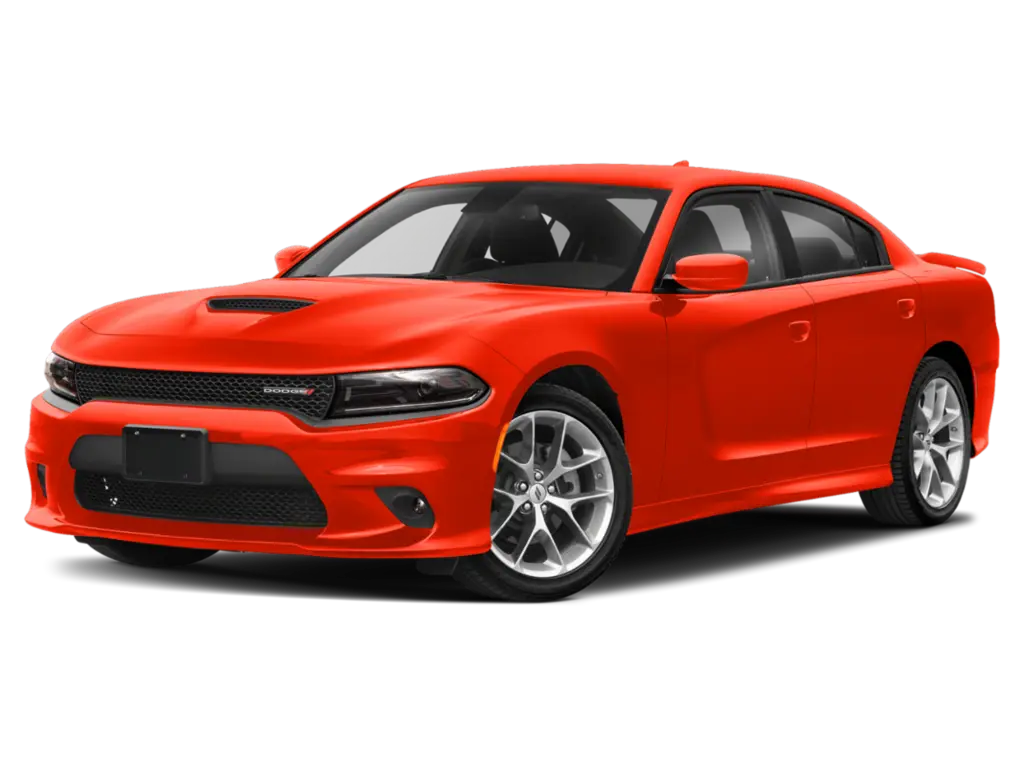
Dodge Charger Years to Avoid
9 scored model years (2018–2026) · model average 74/100
Skip the 2018 model year. Its Uconnect touchscreen acts on its own and fails early, and interior door panels peel off the frame, which drove 121 owner complaints. The 2023 is the better buy, with far fewer complaints per car sold, though its transmission reports deserve a close look.
Verdict
- Avoid
- 2018 69/100
- Buy
- 2023 76/100
- Model average
- 74/100
Dodge Charger Years to Avoid
These model years score significantly below the Dodge Charger average of 74/100.
| # | Year | Score | Rating | Recalls | Complaints | Top Issue |
|---|---|---|---|---|---|---|
| 1 | 2018 | 69/100 | Good | 6 | 121 | Electrical System (44) |
Why These Years Should Be Avoided
2018 Dodge Charger
Owners describe the Uconnect 8.4 screen delaminating and changing stations or climate settings by itself, with some failures at 5,000 to 6,900 miles. Dealers quote over $2,000 for a new unit. Door panels also warp and pull away, and dealers often decline warranty coverage for them.
Top issues: Electrical System (44), Unknown Or Other (22), Structure (18), Power Train (9), Air Bags (5), Steering (4)
View full 2018reliability report →What Are Common Dodge Charger Problems?
AIR BAGS
98 complaintsMost reported in 2019, 2020, 2021
2019: No deployment in serious crashes is the most alarming pattern.
ELECTRICAL SYSTEM
85 complaintsMost reported in 2018, 2019, 2020
2018: The Uconnect 8.4 touchscreen delaminates and starts registering phantom touches.
UNKNOWN OR OTHER
41 complaintsMost reported in 2018, 2019, 2020
2018: Most of these reports describe the same failing touchscreen.
STRUCTURE
23 complaintsMost reported in 2018, 2019, 2020
2018: Interior door panels warp, peel and pull away from the door frame, usually near the window.
POWER TRAIN
22 complaintsMost reported in 2018, 2023, 2021
2018: Transmission complaints dominate.
STEERING
14 complaintsMost reported in 2019, 2018, 2023
2019: Power steering assist drops out while driving and leaves the wheel very hard to turn.
Best Dodge Charger Year to Buy Instead
2023 Dodge Charger
Among years on the road at least two years, 2023 shows far fewer complaints per car sold than 2018, and fewer recalls. It does not repeat the 2018 screen and door panel failures. It is not clean, though. Owners report transmission hesitation and some stalls, so test drive one carefully.
Found a Safe Year? Check the Specific Car
Even the 2023 Dodge Charger has 2 recalls on file. A VIN check confirms the recall work on the exact car and shows its accident, title, and service history.
- Accidents
- Open Recalls
- Title History
- Odometer Rollback
All Dodge Charger Years by Generation
Dodge Charger Reliability Scores by Year
Seventh generation (2011-2023) (2011–2023)
2021 Dodge Charger
2 recalls · 29 complaints
2023 Dodge Charger
2 recalls · 22 complaints
2020 Dodge Charger
3 recalls · 54 complaints
2022 Dodge Charger
3 recalls · 11 complaints
2019 Dodge Charger
5 recalls · 118 complaints
2018 Dodge Charger
6 recalls · 121 complaints
Frequently Asked Questions
Which Dodge Charger year should I avoid?
Which Dodge Charger years have transmission problems?
Is the 2023 Dodge Charger a good year to buy?
Is the 2025 Dodge Charger a safe buy?
Are the 2019 and 2020 Chargers better than the 2018?
How we score every Dodge Charger model year
Scores weight complaint severity at 35%, repair costs at 30%, recall impact at 20%, and the spread of complaints across systems at 15%, with complaint counts adjusted for US sales. Read the full methodology.
See incorrect data? Report an issue