Last updated: 2026-10-10
Land Rover Defender 110 vs Toyota Highlander: Reliability Compared
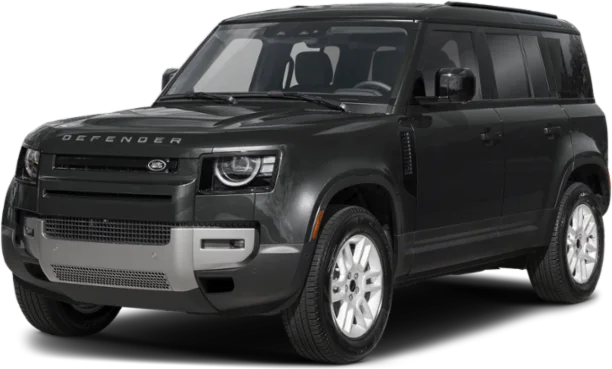
Land Rover Defender 110
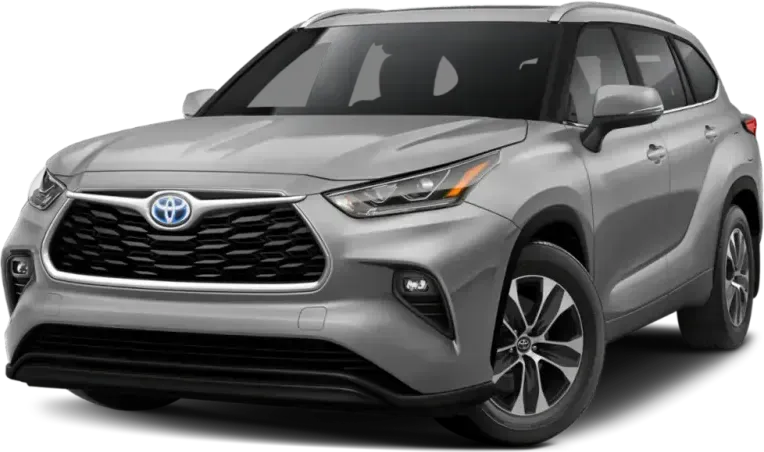
Toyota Highlander
Reliability favors the Toyota Highlander by a wide margin over the Land Rover Defender 110. Owners report 5.8 complaints per 10,000 sold, against 20.7. The Defender's repeat DC/DC converter failures, which can cut power and steering while driving, weigh heavily in that gap.
How Do the Land Rover Defender 110 and Toyota Highlander Generations Compare?
Verdict
The Toyota Highlander is more reliable than the Land Rover Defender 110, scoring 73/100 vs 60/100.
On owner complaints, the Highlander is clearly the more reliable of the two, and the gap is large. Both rate as good, but Defender owners file complaints at roughly three and a half times the Highlander's rate per vehicle sold. The deciding issue is how the Defender fails. A failed DC/DC converter can cut power while you drive, and replacement converters have failed again. The Highlander's worst problem, a transmission failure, is expensive but usually announces itself with a whine first.
Key Differences
- 1Land Rover Defender 110 has 43 fewer total recalls
- 2Toyota Highlander has 14.9 fewer complaints per 10k sold
- 3Toyota Highlander scores 13 points higher in reliability
Category Scoreboard
Land Rover Defender 110 vs Toyota Highlander: Which Is More Reliable?
| Metric | Land Rover Defender 110 | Toyota Highlander |
|---|---|---|
| Reliability Score | 60/100 | 73/100 |
| Years Tracked | 6 | 9 |
| Total Recalls | 23 | 66 |
| Complaints per 10k Sold | 20.7 | 5.8 |
| Year Wins | 0 | 6 |
What Are the Common Problems With the Land Rover Defender 110 and Toyota Highlander?
Spread across several systems versus one root fault: that is the core difference. Highlander complaints cluster in the power train, brakes, air bags, and structure. Typical reports include a whining transmission that ends in replacement, a brief forward surge while slowing, and a front bumper cover that detaches at highway speed. Air bag reports are the most serious, with front impacts and no deployment, and 41 crash-linked complaints. The Defender's trouble is more concentrated. One electrical fault, the DC/DC converter, drives the electrical, steering, and power train reports, ending in lost power and steering. Cracked windshields and burned-out LED headlights add cost. Only one Defender electrical complaint is crash-linked.
| Component | Land Rover Defender 110 | Toyota Highlander |
|---|---|---|
| ELECTRICAL SYSTEM | 6.5Average | 0.4Very Low |
| VISIBILITY/WIPER | 4.3Average | —None |
| POWER TRAIN | 1.1Low | 1.5Low |
| UNKNOWN OR OTHER | 1.3Low | 0.8Very Low |
| STEERING | 1.8Low | 0.1Very Low |
| EXTERIOR LIGHTING | 1.7Low | —None |
| STRUCTURE | 0.4Very Low | 0.5Very Low |
| ENGINE | 0.6Very Low | 0.2Very Low |
| SERVICE BRAKES | —None | 0.5Very Low |
| AIR BAGS | —None | 0.5Very Low |
| FUEL/PROPULSION SYSTEM | —None | 0.3Very Low |
| BACK OVER PREVENTION | 0.2Very Low | —None |
| VEHICLE SPEED CONTROL | —None | 0.1Very Low |
| FUEL SYSTEM | —None | 0.1Very Low |
| SUSPENSION | —None | —None |
| TIRES | —None | —None |
| SEAT BELTS | —None | —None |
Complaints per 10,000 units sold, aggregated across all tracked model years from NHTSA owner reports.
How Does Land Rover Defender 110 vs Toyota Highlander Reliability Compare by Year?
| Year | Land Rover Defender 110 | Toyota Highlander | Edge |
|---|---|---|---|
| 2026 | 64/1000R / 0C | 84/1000R / 0C | Toyota Highlander |
| 2025 | 59/1001R / 8C | 76/1008R / 40C | Toyota Highlander |
| 2024 | 64/1004R / 16C | 67/10016R / 198C | Toyota Highlander |
| 2023 | 57/1007R / 70C | 73/10013R / 140C | Toyota Highlander |
| 2022 | 59/1004R / 61C | 74/1007R / 186C | Toyota Highlander |
| 2021 | 59/1007R / 32C | 70/1006R / 403C | Toyota Highlander |
Best years to cross-shop: The 2024 Land Rover Defender 110 scored 64/100 and the 2022 Toyota Highlander scored 74/100 — the strongest shared model years that have been on the road for at least two years, where available.
Who Should Buy the Land Rover Defender 110 vs the Toyota Highlander?
Land Rover Defender 110 vs Toyota Highlander: Common Questions
- Is the Toyota Highlander more reliable than the Land Rover Defender 110?
- Yes, by a large gap. Both carry a good standing, but Highlander owners file 5.8 complaints per 10,000 sold against 20.7 for the Defender. The Defender's DC/DC converter fault can cause total power loss, and replacement converters have failed again in owner reports.
- Which has more recalls, the Highlander or the Defender 110?
- The Highlander has more in total: 66 recalls across 9 model years, against 23 across 6 for the Defender. It also has more years on the road and sells in far larger numbers. Check any specific VIN for open recalls before buying either one.
- Which costs less to repair, the Highlander or the Defender 110?
- Repair-cost data is available only for the Highlander, at an estimated $489 a year, with 0.3 unscheduled shop visits a year. No comparable figure exists for the Defender. Owners do quote $3,000 to $5,000 for a headlight assembly after warranty.
- What is the most common Land Rover Defender 110 problem?
- The electrical system leads, with 59 complaints. The DC/DC converter stops charging the 12-volt battery, an electrical fault message appears, and power can fail completely. Reports describe stalls in a travel lane, no steering, and a tow. Windshields that crack without impact come next, with 39 complaints.
- What goes wrong most often on the Toyota Highlander?
- The power train, with 485 complaints. A whine under acceleration grows until the transmission fails, and dealers quote $8,500 to $10,000 for replacement. Most reports come just past 60,000 miles. Brake surging at low speed and bumper cover detachment at highway speed follow.
Related Reliability Comparisons
More Land Rover Defender 110 comparisons
Decided between Land Rover Defender 110 and Toyota Highlander? Run a VIN check before you buy — uncover hidden accidents, title issues, and open recalls.
How we score the Land Rover Defender 110 and Toyota Highlander
Scores weight complaint severity at 35%, repair costs at 30%, recall impact at 20%, and the spread of complaints across systems at 15%, with complaint counts adjusted for US sales. Read the full methodology.
See incorrect data? Report an issue