Last updated: 2026-04-20
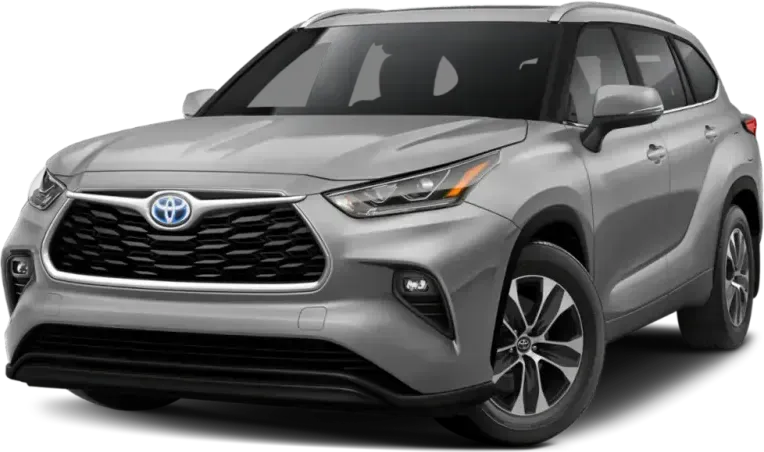
2025 Toyota Highlander Reliability Report
The 2025 Toyota Highlander scores 76/100 ("Good"). With 8 recalls and 40 owner complaints, reliability is acceptable but not class-leading.
Recalls
8
Complaints
40
Complaint Rate
7.1per 10,000 sold
Est. Repair Cost
$489
Annual Fuel Cost
$2,400–$2,500
Detailed Score Breakdown
Component-weighted complaints normalized by sales volume
Independent repair cost ratings
Recall count weighted by severity
Breadth of reported problem categories
The Verdict
Acceptable reliability — worth considering with a pre-purchase inspection.
Top Issues to Watch
- POWER TRAIN (9)
- STRUCTURE (4)
- FUEL/PROPULSION SYSTEM (3)
Generation & Refresh (US)
2025 is year 6 of the Fourth generation (XU70).
- Redesigned for the 2020 model year.
- Well-established in its generation — most early issues should be resolved.
- 4th generation Highlander (US).
What this means for buyers
Well into the generation cycle — most design and manufacturing issues should be resolved by now.
2020: Fourth generation (XU70) Launch
Generation start — new platform.
2025: This Model Year
2025 is year 6 of the Fourth generation (XU70).
Should You Buy the 2025 Toyota Highlander?
At 76/100, the 2025 Toyota Highlander lands in "Good" territory — acceptable, but not class-leading. 2025 is year 6 of the Fourth generation (XU70).
Its complaint rate of 7.1 per 10,000 vehicles sold runs above the SUV segment average of 3.5. The most common reports involve unknown or other (11).
Get a pre-purchase inspection on any used example, with extra attention to unknown or other (11). An extended warranty is worth pricing out.
Compared to the 2026 Toyota Highlander, which scored 8 points higher. See also the 2024 Toyota Highlander for an earlier comparison.
Pros
- +Acceptable reliability score
- +$84 cheaper to maintain than avg midsize SUVs
- +Infrequent unscheduled repairs
- +Low major repair risk (13%)
Cons
- −Above-average recall count
- −Above-average complaint rate for SUV
- −UNKNOWN OR OTHER: Several recurring issues with the 2025 Toyota Highlander (11 complaints)
Compare 2025 Toyota Highlander With
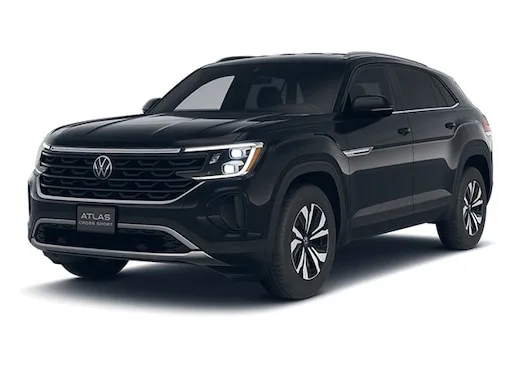
2025 Volkswagen Atlas
Reliability: 65/100
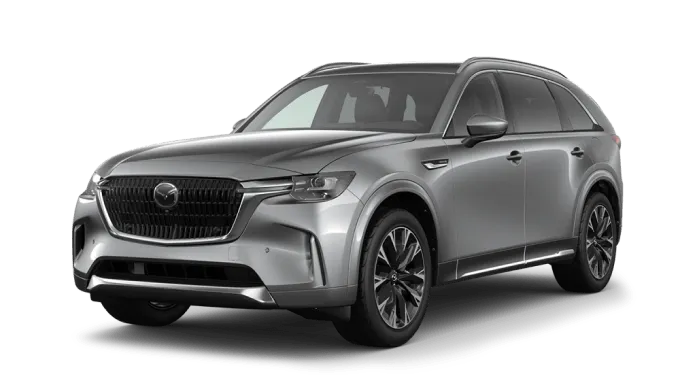
2025 Mazda CX-90
Reliability: 63/100
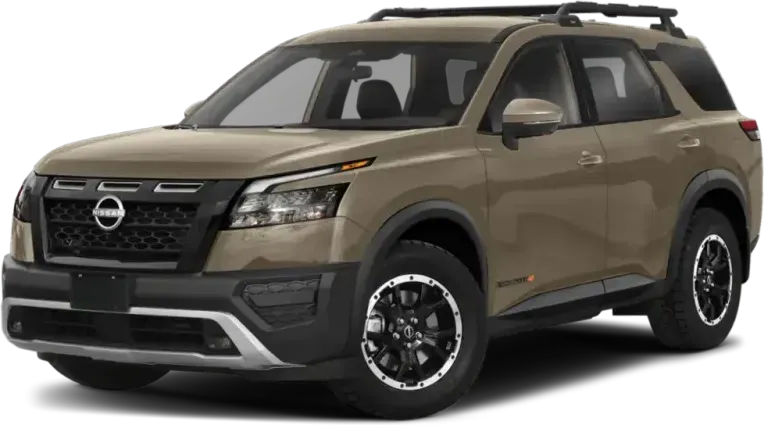
2025 Nissan Pathfinder
Reliability: 78/100

2025 Hyundai Palisade
Reliability: 70/100
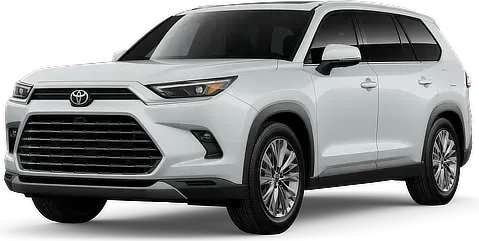
2025 Toyota Grand Highlander
Reliability: 80/100
Common Problem Categories
Safety
LOW RISK- 8 manufacturer recalls issued
Other
HIGH RISK- UNKNOWN OR OTHER (11)
- POWER TRAIN (9)
Recall Overview
8
recalls on record
The 2025 Toyota Highlander has 8 recalls on record, which is above average. A high count can flag multiple component concerns, though it also shows the manufacturer is actively addressing known issues.
NHTSA.gov →Complaint Breakdown
7.1
per 10,000 soldSegment avg: 3.5
Safety Incidents
0
Crashes
0
Fires
0
Injuries
0
Deaths
NHTSA 5/5 Stars
Data sourced from NHTSA complaint filings and manufacturer recall notices. Complaint narratives are owner-reported.
2025 Toyota Highlander Recall Details
8 recalls have been issued for the 2025 Toyota Highlander. All recall repairs are performed free of charge at authorized dealerships.
SEAT BELTS
Toyota Motor Engineering & Manufacturing (Toyota) is recalling certain 2024-2025 Highlander and Highlander Hybrid vehicles. The third row center seat belt roof anchor may have been installed at an incorrect angle, preventing the seat belt from properly restraining the occupant.
Consequence
A seat belt that does not properly restrain an occupant increases the risk of injury during a crash.
Remedy
Dealers will reinstall the seat belt anchor with a new bolt, free of charge. Owner notification letters were mailed January 27, 2026. Owners may contact Toyota customer service at 1-800-331-4331. Toyota's number for this recall is 25TA16.
BACK OVER PREVENTION
Toyota Motor Engineering & Manufacturing (Toyota) is recalling certain 2022-2026 Toyota, Lexus, and Subaru Solterra vehicles equipped with a Panoramic View Monitor (PVM) system. Please see the recall report for a complete list of models. A software error may cause the rearview camera to freeze or display a blank screen when the vehicle is in reverse. As such, these vehicles fail to comply with the requirements of Federal Motor Vehicle Safety Standard (FMVSS) number 111, "Rear Visibility."
Consequence
A rearview camera that fails to display an image can reduce the driver's view behind the vehicle, increasing the risk of a crash.
Remedy
Dealers will update the parking assist software, free of charge. Owner letters were mailed January 2, 2026. Owners may contact Toyota's customer service at 1-800-331-4331. Toyota's numbers for this recall are 25TB13 and 25LB06. Subaru's number for this recall is WRE25.
ELECTRICAL SYSTEM
Toyota Motor Engineering & Manufacturing (Toyota) is recalling certain 2023-2024 Toyota Venza, 2023-2025 RAV4 Prime, RAV4, Highlander, GR Corolla, Crown, 2024-2025 Lexus TX, LS, Toyota Tacoma, Grand Highlander, and 2025 Lexus RX, Toyota Crown Signia, Camry, RAV 4 Plug-in Hybrid (PHEV), and 4 Runner vehicles. Due to an error in the instrument panel software at vehicle startup, the instrument panel may fail to display vehicle speed, brake system, and tire pressure warning lights.
Consequence
An instrument panel display that does not show critical information can increase the risk of a crash or injury.
Remedy
Dealers will update the instrument panel software for non-PHEV vehicles, free of charge. For PHEV vehicles, dealers will inspect the instrument panel assembly, and either replace it, or update the software, free of charge. Owner letters were mailed December 5, 2025. Owners may contact Toyota's customer service at 1-800-331-4331. Toyota's numbers for this recall are 25TB08 and 25TA08. Lexus' numbers for this recall are 25LB05 and 25LA05.
Buying a used 2025 Toyota Highlander? Check its history first
Every 2025 Toyota Highlander has a different past. A VIN check reveals hidden accidents, title problems, odometer rollbacks, and open recalls that reliability scores can't show you.
- Accidents
- Open Recalls
- Title History
- Odometer Rollback
2025 Toyota Highlander NHTSA Safety Ratings
Overall Safety Rating
Crash Test Results by Configuration (expand)
Gas Powertrain
Rollover risk: 17.4%
Safety Technologies
HEV Powertrain
Rollover risk: 16.9%
Safety Technologies
Toyota HighlanderRepair Costs & Maintenance
Maintenance Rating
4Maintenance rating: 4 out of 5Based on NHTSA complaint patterns, recall severity, and publicly available cost benchmarks.
Est. Annual Maintenance
$489
vs $573 avg for midsize SUVs
vs $652 avg for all vehicles
Repair Frequency
0.3
unscheduled repair visits per year
Severe Repair Probability
13%
chance of a major repair
Annual Cost Comparison
Category-level averages derived from publicly available industry reports (AAA, CarMD). Model-level estimates produced by Auto Reliability Index.
Toyota Highlander Resale Value
The Toyota Highlander is estimated to retain about 71.1% of its original value after 5 years, based on observed used-car listings.
This benchmark covers the Toyota Highlander model overall and is not specific to the 2025 model year.
- Value Retained
- 71.1%
- Depreciation
- 28.9%
- Listings Analyzed
- 720
after 5 years
over the same period
U.S. used-car listings
Listings observed in . Actual resale value varies by trim, mileage, condition, and location.
Explore Toyota Highlander depreciation and resale value on CarResaleValue.comMPG & Annual Running Costs
Gas
24–25 MPG
Running cost: $2,900–$3,000/yr
Fuel + repair
21–22 city / 28–29 hwy MPG
Hybrid
35 MPG
Running cost: $2,200/yr
Fuel + repair
35 city / 34–35 hwy MPG
Running cost includes EPA fuel-cost estimate and independent repair-cost data (repair cost estimated at model level). Excludes routine maintenance, depreciation, and insurance. Data as of 2025 EPA label cycle.
Gas trims
| Trim | Drive | Trans. | City | Hwy | Comb | Fuel Cost |
|---|---|---|---|---|---|---|
| Highlander 2.4L 4-cyl | Front-Wheel Drive | Automatic (S8) | 22 | 29 | 25 | $2,400 |
| Highlander 2.4L 4-cyl | Front-Wheel Drive | Automatic (S8) | 21 | 28 | 24 | $2,500 |
| Highlander AWD 2.4L 4-cyl | All-Wheel Drive | Automatic (S8) | 21 | 28 | 24 | $2,500 |
Hybrid trims
| Trim | Drive | Trans. | City | Hwy | Comb | Fuel Cost |
|---|---|---|---|---|---|---|
| Highlander Hybrid AWD 2.5L 4-cyl | All-Wheel Drive | Automatic (AV-S6) | 35 | 35 | 35 | $1,700 |
| Highlander Hybrid AWD LTD/PLAT 2.5L 4-cyl | All-Wheel Drive | Automatic (AV-S6) | 35 | 34 | 35 | $1,700 |
Used Buying Checklist
Key things to inspect or verify before purchasing a 2025 Toyota Highlander.
Inspect front axle for defects and ensure part availability
Test brakes for delayed response or failure
Check sunroof for signs of stress or potential explosion
Verify fuel gauge accuracy and refueling capacity
Inspect radiator and AC condenser for damage from road debris
Test transmission for smooth shifting and acceleration
Check for hood vibration at highway speeds
Ensure back over prevention and adaptive cruise control systems function properly
2025 Toyota Highlander Common Problems by Component
40 owner complaints grouped by vehicle system.
UNKNOWN OR OTHER
11 complaintsOwners report several recurring issues with the 2025 Toyota Highlander. Complaints frequently mention vulnerabilities in the AC condenser and radiator due to road debris, resulting in refrigerant leaks and coolant leaks, respectively, often leading to expensive repairs. Panoramic sunroof explosions are also noted, occurring without apparent external impact, with some incidents resulting in shattered glass falling into the cabin. Additionally, some owners describe issues with the turn signal switch binding due to adhesive failure, impacting vehicle control. These problems typically arise in vehicles with less than 10,000 miles, and while no crashes are reported, the potential for compromised safety is a concern for prospective buyers.
POWER TRAIN
9 complaintsOwners report several power train issues with the 2025 Toyota Highlander, primarily involving the front axle and transmission. Complaints frequently mention defective front left axles with delays in part availability, leading to significant inconvenience and safety concerns. Additionally, multiple owners describe problems with acceleration, including failure to accelerate from a stop and rough shifting, often requiring the vehicle to be restarted. These issues typically occur at low mileage, often before 20,000 miles. Safety implications include potential loss of control when the vehicle fails to accelerate as expected, posing risks in traffic situations such as crossing intersections or merging.
STRUCTURE
4 complaintsOwners of the 2025 Toyota Highlander report several structural issues, with the most frequent being hood vibration and sunroof problems. Multiple complaints describe the hood vibrating or fluttering, particularly at highway speeds, which distracts drivers and could potentially lead to structural fatigue. Additionally, one owner mentions a sunroof that exploded while driving at 55 mph, and another reports water leaking from the windshield area, causing distraction and potential damage to electronic components. These issues are noted at low mileages, with one vehicle having less than 9,000 miles and another with only 1,184 miles. While no crashes or injuries are reported, the problems cited could pose safety risks, particularly due to driver distraction and potential structural failure.
FUEL/PROPULSION SYSTEM (3 complaints)
FUEL/PROPULSION SYSTEM
3 complaintsOwners report recurring issues with the 2025 Toyota Highlander's fuel gauge and fuel capacity readings. Complaints frequently mention that the fuel gauge inaccurately indicates the tank is near empty when there are still several gallons remaining, with the vehicle only accepting 11-14 gallons upon refueling despite a stated capacity of over 17 gallons. This discrepancy leads to reduced driving range, with owners experiencing approximately 350-365 miles per tank instead of the expected 460+ miles. While no direct safety implications such as crashes or fires are reported, this issue is noted as a significant inconvenience, requiring more frequent refueling stops. Buyers should be aware of this persistent issue as it affects the vehicle's operational efficiency and convenience.
SERVICE BRAKES (2 complaints)
SERVICE BRAKES
2 complaintsOwners of the 2025 Toyota Highlander report issues related to the service brakes, with symptoms including brake failure and delayed braking action. The first complaint describes a complete brake failure where the pedal needs to be pressed to the floor, accompanied by multiple warning lights, occurring at approximately 16,000 miles. The second complaint notes a momentary delay in braking during light applications, occurring intermittently and without warning lights, at around 15,000 miles. Safety implications are significant, as both issues could result in accidents if they occur in proximity to other vehicles or pedestrians. These complaints suggest potential concerns with brake reliability in models with similar mileage.
ELECTRICAL SYSTEM (2 complaints)
ELECTRICAL SYSTEM
2 complaintsOwners report issues with the electrical system of the 2025 Toyota Highlander, particularly related to missing wire connectors for the puddle lamps and malfunctions in the back over prevention and adaptive cruise control systems. Complaints frequently mention missing wire connectors on both driver and passenger doors, though this is not linked to safety concerns. Another common issue involves the failure of the back over prevention system to provide a tone alert, despite displaying an image, and an intermittent message indicating that the Adaptive Cruise Control is unavailable. These problems are noted around the 10,000-mile mark, with one owner experiencing automatic braking system activation without driver input. No crashes or loss of control have been reported, but the issues may require dealer attention for resolution.
BACK OVER PREVENTION (1 complaints)
BACK OVER PREVENTION
1 complaintThe contact owns a 2025 Toyota Grand Highlander. The contact received notification of NHTSA Campaign Number: 25V744000 (Back Over Prevention); however, the part to do the recall repair was unavailable. The contact stated that the manufacturer had exceeded a reasonable amount of time for the recall repair. The dealer was contacted and diagnosed the vehicle and determined that the camera had failed, and that the contact would be notified when the remedy was available. The contact stated that after leaving the vehicle with the dealer, the back over camera started to fail. The back over prevention camera no longer switched the screen for the camera while in reverse, but remained on the home screen or radio instead. The contact had not heard from the dealer regarding the parts availability for the repair. The manufacturer was not made aware of the failure. The failure mileage was approximately 29,000.
VISIBILITY (1 complaints)
VISIBILITY
1 complaintThe vehicle takes an excessively long time to make heat, I know NHTSA only has requirements related to defrosting the windshield and it's clear Toyota is aware of the heating issue because they added an electronic defrost to be able to pass the defrost test. The vehicle when it is less than 20f outside takes 40+minutes to warm the cabin to a reasonable temperature. The dealership let the vehicle warm up in their 80deg F shop and said it took 20minutes to get heat out of the vents and claimed that this was normal behavior. I have owned several new cars and also work as an engineer in testing so I've driven countless new vehicles to do various tests and have never had it even take 20 minutes to have heat in a vehicle.
CHILD SEAT (1 complaints)
CHILD SEAT
1 complaintThe contact owns a 2025 Toyota Grand Highlander with an Evenflo Revolve 360 Slim car seat, Model Number: 36812470A, Manufactured Date: December 12, 2022, installed in the vehicle. The contact received notification of NHTSA Campaign Number: 25C010000 (Child Seat). The contact stated that while driving at an undisclosed speed with the child secured in the car seat, the contact became aware that there was an object in the child’s mouth. The contact pulled over to the side of the road and removed a foam piece from the child's mouth. The contact inspected the car seat and became aware that the foam was from the headrest. Medical attention was not needed. The manufacturer was not notified of the failure, but the contact stated that the manufacturer mailed tape to cover the exposed areas of the car seat.
VEHICLE SPEED CONTROL (1 complaints)
VEHICLE SPEED CONTROL
1 complaintInconsistently but on numerous occasions, this vehicle has experienced harsh shifting, hesitation, or jerking during low-speed acceleration (e.g., 20-40 mph) or gear engagement. This was a known and reported issue with the 2024 model for which Toyota provided a fix. They have not provided one for the 2025 models. This issue is a safety risk while driving because with the surge you feel you must quickly let off the pedal, and with the hesitation you let off the brake indicating you will move forward yet the vehicle doesn’t accelerate.
When Do 2025 Toyota Highlander Problems Start?
Based on owner complaint patterns, here's when common issues tend to appear.
Best & Worst Toyota Highlander Years
Comprehensive reliability analysis based on NHTSA data, owner complaints, and historical performance.
Best Toyota Highlander Years to Buy
Based on reliability index scoreThe best Toyota Highlander year is 2026 with a reliability score of 84/100, rated excellent. Other strong picks include 2025 (76/100) and 2022 (74/100).
2026
2025
(Current Model)
2022
Toyota Highlander Years to Avoid
The worst Toyota Highlander year is 2024 with a score of 67/100, primarily due to unknown or other (43) issues.
Toyota Highlander Reliability Score Trend
Toyota Highlander reliability has remained consistent across model years, averaging 73/100.
Scores 0–100. Higher is better. Current year highlighted.
| Year | Score | Rating |
|---|---|---|
| 2018 | 72/100 | Good |
| 2019 | 70/100 | Good |
| 2020 | 71/100 | Good |
| 2021 | 70/100 | Good |
| 2022 | 74/100 | Good |
| 2023 | 73/100 | Good |
| 2024 | 67/100 | Good |
| 2025 | 76/100 | Good |
| 2026 | 84/100 | Excellent |
Toyota Highlander Reliability Compared to Other Years
2025 Toyota Highlander Reliability by Powertrain
The 2025 Toyota Highlander is available with 2powertrain options. Here's how they compare on reliability.
| Powertrain | Complaints | Recalls | Incidents* | Crash Rating |
|---|---|---|---|---|
| Gas | 40 | 5 | 0 | 5 out of 5 |
| HEV | 0 | 3 | 0 | 5 out of 5 |
| Total | 40 | 8 | 0 |
NHTSA tracks complaints by vehicle configuration when that detail is available. Model-level reports that do not identify a specific powertrain are included in Total but not assigned to a row. A plus sign indicates a confirmed minimum; — means no complaints could be attributed to that specific powertrain. N/T = Not tested by NHTSA.
* Incidents = crash + fire reports. A single complaint can include multiple incident types.
Frequently Asked Questions
Is the 2025 Toyota Highlander reliable?
What are the most common problems with the 2025 Toyota Highlander?
How many recalls does the 2025 Toyota Highlander have?
Is the 2025 Toyota Highlander expensive to maintain?
Don’t buy a 2025 Toyota Highlander without checking its VIN first — hidden accidents, title issues, and open recalls could cost you thousands.
How We Calculate Reliability Scores
Auto Reliability Index scores are calculated on a 0–100 scale using a weighted formula that combines multiple public data sources. Each factor is weighted based on its predictive value for real-world ownership experience.
Key Ranking Factors
Complaint Severity
NHTSA owner complaints weighted by component category (e.g., powertrain, safety systems, electronics, cosmetic) — safety-critical issues carry more weight than cosmetic ones. Adjusted for sales volume so high-volume models aren't unfairly penalized.
Repair Costs
Independent reliability ratings based on repair frequency, average repair costs, and severity of typical repairs for each model.
Recall Impact
Number of NHTSA recalls weighted by severity. “Stop driving” and fire-risk recalls are penalized more heavily than minor software or labeling recalls.
Issue Diversity
Measures how many major vehicle systems (engine, transmission, electrical, braking, etc.) have recorded complaints. A vehicle with issues spread across many systems may indicate systemic quality issues.
Scores are grouped into four tiers:
- 80–100: Excellent— Top-tier reliability, minimal issues
- 60–79: Good— Reliable with some minor concerns
- 40–59: Mixed— Notable issues, research before buying
- 0–39: Risky— Significant problems, proceed with caution
Data is sourced from NHTSA recall records, owner complaint filings, and independent repair databases via vehicles.dev. Scores are recalculated as new data becomes available. While the weighting model is proprietary, all underlying data sources are public and traceable.
Get notified when new recalls or reliability data is added for the Toyota Highlander.
No spam. Only data updates for this model.
Browse More Toyota Models

Toyota 4RUNNER
Score: 84/100
Toyota Avalon
Score: 80/100
Toyota C-HR
Score: 80/100
Toyota Camry
Score: 88/100
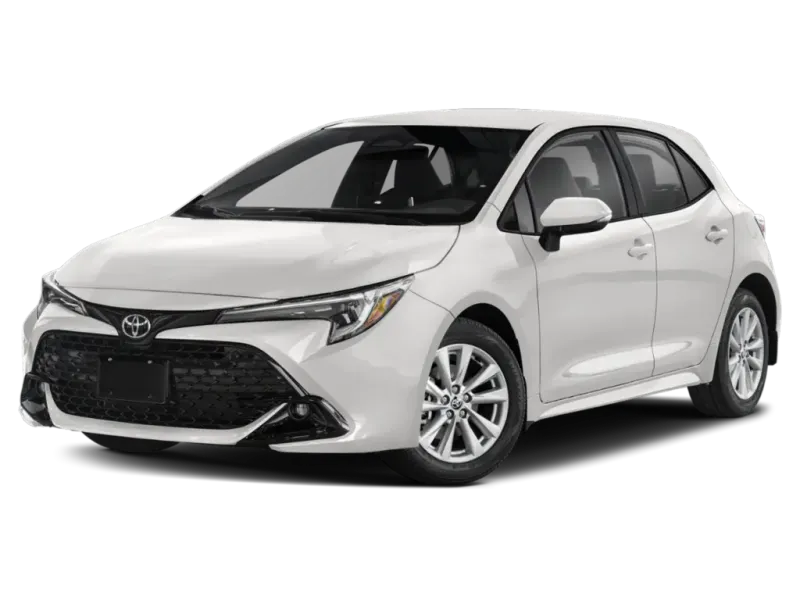
Toyota Corolla
Score: 94/100
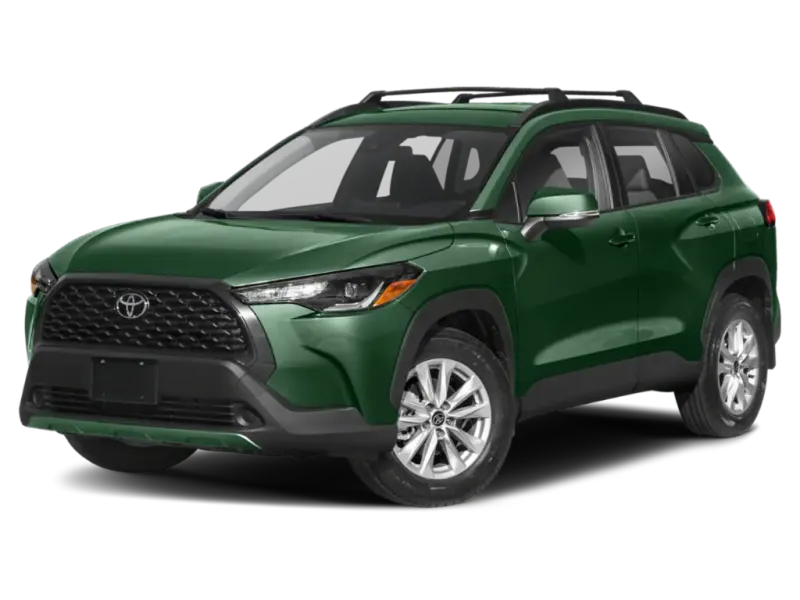
Toyota Corolla Cross
Score: 94/100
Browse More 2025 Vehicles
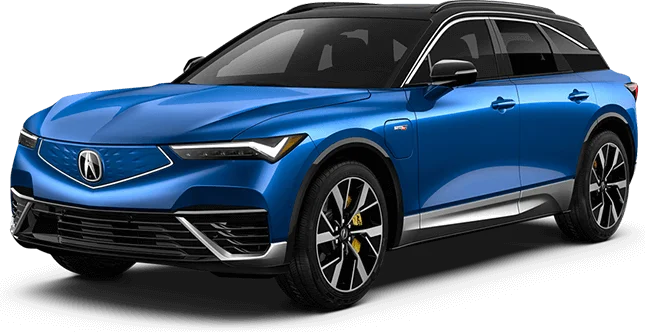
2025 Acura ZDX
Score: 88/100
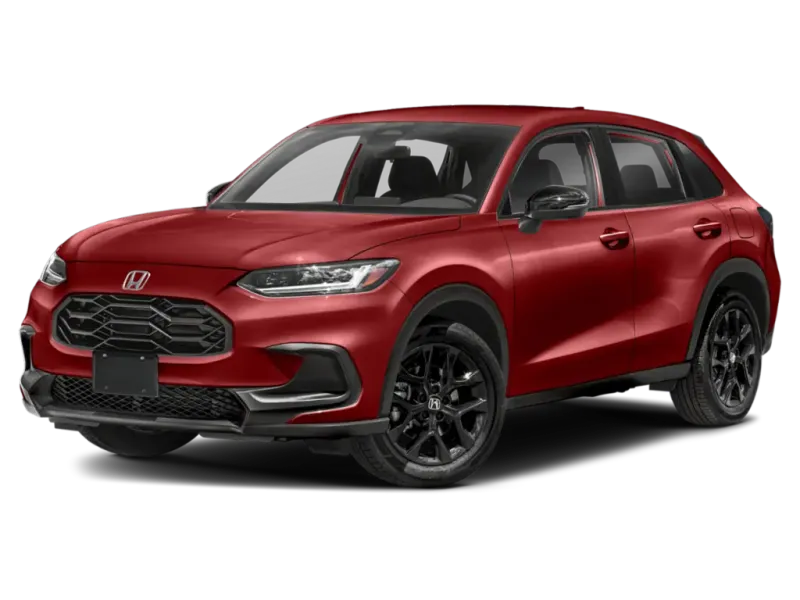
2025 Honda HR-V
Score: 88/100
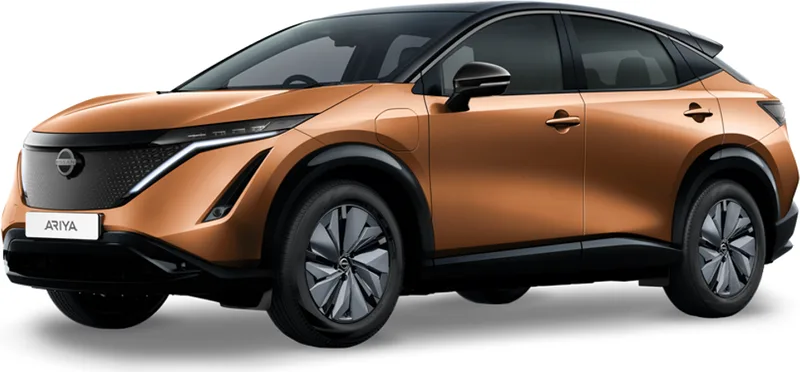
2025 Nissan Ariya
Score: 88/100
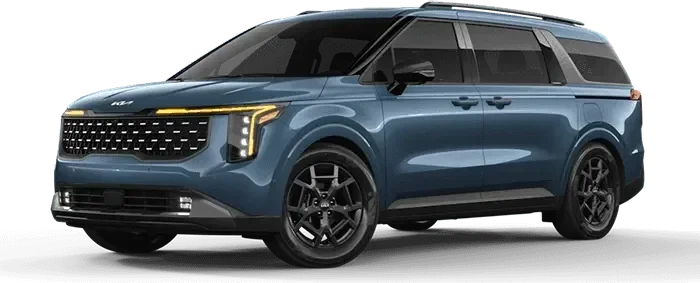
2025 KIA Carnival
Score: 88/100
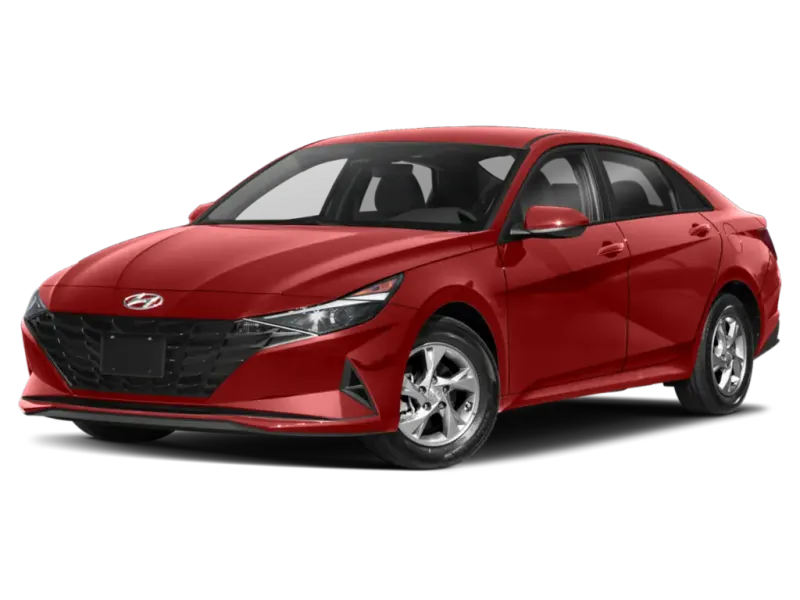
2025 Hyundai Elantra
Score: 87/100
2025 Toyota Corolla Cross
Score: 86/100
See incorrect data? Report an issue