Last updated: 2026-04-20
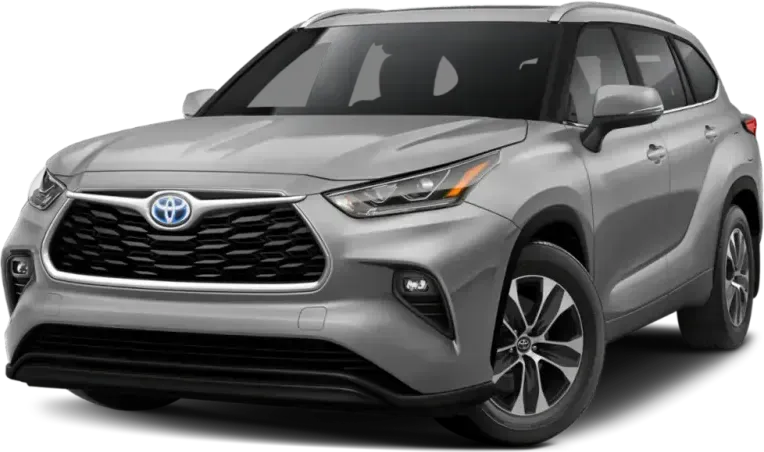
2019 Toyota Highlander Reliability Report
The 2019 Toyota Highlander scores 70/100 ("Good"). With 3 recalls and 414 owner complaints, reliability is acceptable but not class-leading.
Recalls
3
Complaints
414
Complaint Rate
17.3per 10,000 sold
Est. Repair Cost
$489
Annual Fuel Cost
$2,600–$2,700
Detailed Score Breakdown
Component-weighted complaints normalized by sales volume
Independent repair cost ratings
Recall count weighted by severity
Breadth of reported problem categories
The Verdict
Acceptable reliability — worth considering with a pre-purchase inspection.
Top Issues to Watch
- POWER TRAIN (145)
- ELECTRICAL SYSTEM (45)
- FUEL/PROPULSION SYSTEM (44)
Generation & Refresh (US)
2019 is the last model year of the Third generation (XU50).
- Final-year models are typically the most refined version of a generation.
- 3 years after the last refresh (2016).
- 3rd generation Highlander (US).
What this means for buyers
Final-year models are usually the most polished version of a generation, but resale value may dip as buyers anticipate the next redesign.
2014: Third generation (XU50) Launch
Generation start — new platform.
2016: Mid-Cycle Refresh
Updated features and styling tweaks.
2019: This Model Year
2019 is the last model year of the Third generation (XU50).
Should You Buy the 2019 Toyota Highlander?
At 70/100, the 2019 Toyota Highlander lands in "Good" territory — acceptable, but not class-leading. 2019 is the last model year of the Third generation (XU50).
Owners log 414 complaints on this model year — enough to suggest attention is needed, but no single failure mode dominates yet.
Get a pre-purchase inspection on any used example, with extra attention to power train (145). An extended warranty is worth pricing out.
Compared to the 2020 Toyota Highlander, which scored 1 points higher. See also the 2018 Toyota Highlander for an earlier comparison.
Pros
- +Acceptable reliability score
- +$84 cheaper to maintain than avg midsize SUVs
- +Infrequent unscheduled repairs
- +Low major repair risk (13%)
Cons
- −Moderate recall count
- −POWER TRAIN issues reported (145 complaints)
- −UNKNOWN OR OTHER issues reported (53 complaints)
Compare 2019 Toyota Highlander With
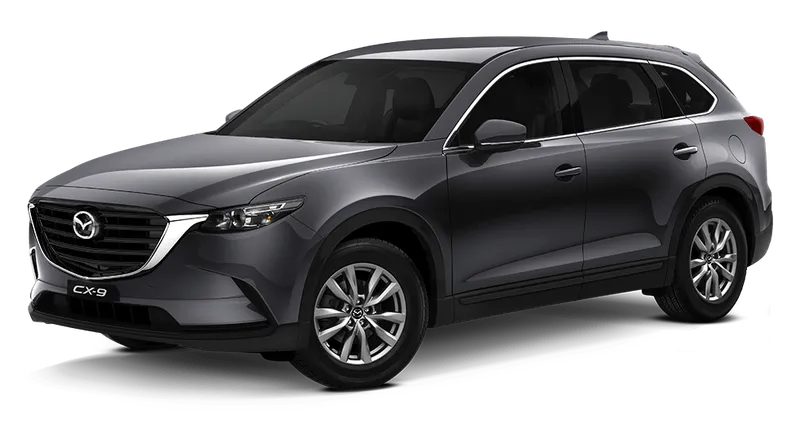
2019 Mazda CX-9
Reliability: 73/100
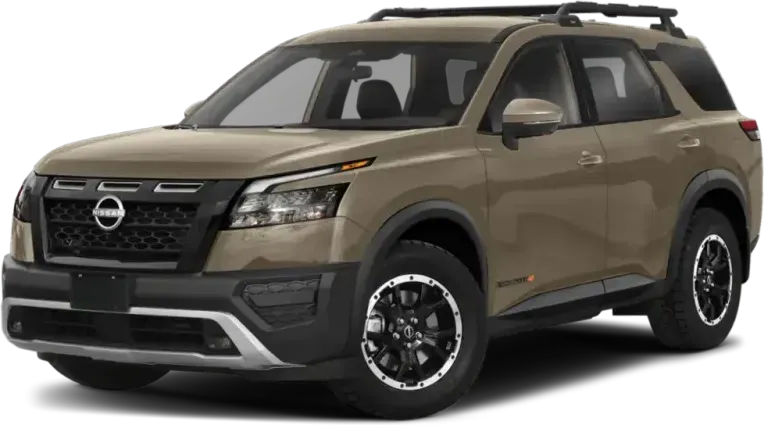
2019 Nissan Pathfinder
Reliability: 71/100
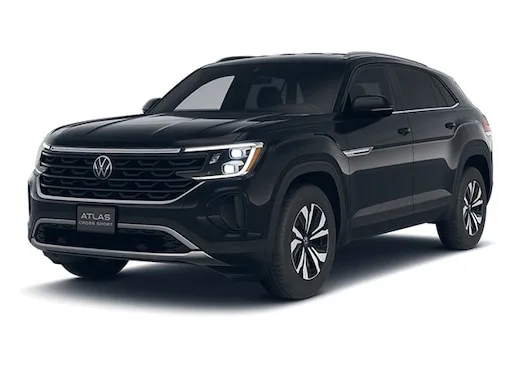
2019 Volkswagen Atlas
Reliability: 48/100

2019 Jeep Grand Cherokee
Reliability: 67/100
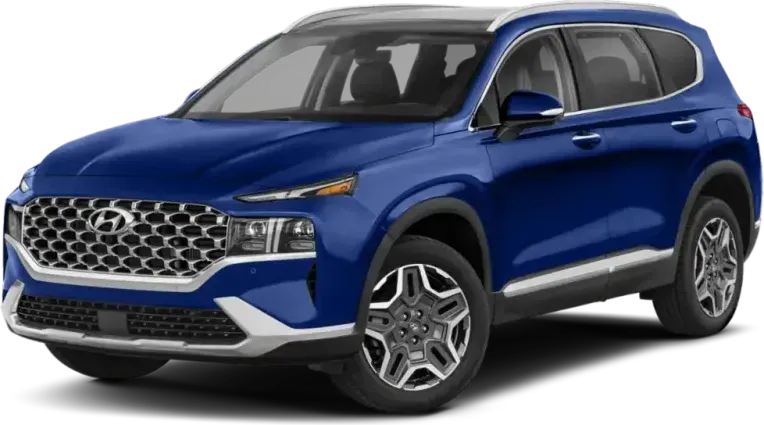
2019 Hyundai Santa-FE
Reliability: 69/100
Common Problem Categories
Safety
LOW RISK- 3 manufacturer recalls issued
Other
HIGH RISK- POWER TRAIN (145)
- UNKNOWN OR OTHER (53)
Recall Overview
3
recalls on record
A moderate 3 recalls are on file for the 2019 Toyota Highlander. Each one points to a specific safety or compliance issue identified by the manufacturer or NHTSA — check the list below before buying.
NHTSA.gov →Complaint Breakdown
17.3
per 10,000 soldSegment avg: 21.2
Safety Incidents
22
Crashes
1
Fires
18
Injuries
0
Deaths
NHTSA 5/5 Stars
Data sourced from NHTSA complaint filings and manufacturer recall notices. Complaint narratives are owner-reported.
2019 Toyota Highlander Recall Details
3 recalls have been issued for the 2019 Toyota Highlander. All recall repairs are performed free of charge at authorized dealerships.
FUEL SYSTEM, GASOLINE
Toyota Motor Engineering & Manufacturing (Toyota) is recalling certain 2018-2019 4Runner, 2019-2020 Avalon, 2019 Corolla Hatchback, 2017-2019 Highlander, 2018-2020 Camry, 2020 Corolla, 2018-2019 Land Cruiser, 2017-2020 Tacoma, 2019-2020 RAV4, 2019-2020 Sequoia, 2017-2020 Sienna, 2019-2020 Tundra, 2018-2020 Lexus ES350, 2017 Lexus GS200t, 2017-2019 Lexus GS350, 2019 Lexus GS300, 2018-2020 Lexus LC500h, 2019-2020 Lexus LS500, 2018-2019 Lexus GX460, 2017 Lexus IS200t, 2019 Lexus IS300, 2019 Lexus IS350, 2018-2020 Lexus LC500, 2018 Lexus LS500, 2019 Lexus LS500h, 2018-2019 Lexus LX570, 2017 Lexus RC200t, 2019 Lexus RC300, RC350, 2017 and 2019-2020 Lexus RX350, 2018-2020 RX350L, 2019 Lexus UX200, 2018-2019 Lexus NX300 vehicles. The low-pressure fuel pump inside the fuel tank may fail.
Consequence
If the fuel pump fails, the engine can stall while driving, increasing the risk of a crash.
Remedy
Toyota will notify owners, and dealers will replace the fuel pump assembly with an improved one, free of charge. Owners of specific models were notified that remedy parts were available starting January 21, 2021. Owners of other models will be notified as remedy parts become available. Remedy parts should be available for all affected vehicles by late March 2021. Owners may contact Toyota customer service at 1-888-270-9371 or Lexus customer service at 1-800-255-3987. Note: This recall is an expansion of recall 20V-012. Toyota's number for this recall is 20TA02. Lexus' number for this recall is 20LA01.
FUEL SYSTEM, GASOLINE
Toyota Motor Engineering & Manufacturing (Toyota) recalled certain 2018-2019 4Runner, Highlander, Camry, Land Cruiser, Sequoia, Sienna, Tacoma and Tundra, and Lexus RC 300, RC 350, GS 350, GX 460, IS 300, LC 500, LS 500, LX 570, RX 350L, and 2019 Toyota Avalon and Corolla, and certain Lexus NX 300, and ES 350 vehicles on January 13, 2020. On March 4, 2020, Toyota expanded the recall to include certain 2014-2015 Toyota 4Runner and Land Cruiser, 2018 Avalon, Corolla, 2014 FJ Cruiser, 2017 Sienna and Lexus 2018 ES 350, 2018-2019 GS 300, 2013-2014 GS350, 2014-2015 GX 460, IS 350 and LX 570, 2014 IS F, 2018-2019 IS 350, LC 500H and LS 500H, 2013-2015 LS 460, 2015 NX 200T and RC350, 2017 RC 200T and RX 350. Toyota also removed the 2018-2019 Toyota 4Runner and Land Cruiser and 2018-2019 Lexus GX 460 and LX 570 and 2019 NX300 from inclusion in this recall. On March 19, 2020, Toyota expanded the recall to include 2015 Lexus GS350 vehicles. The low-pressure fuel pump inside the fuel tank may fail.
Consequence
If the fuel pump fails, the engine can stall while driving, increasing the risk of a crash.
Remedy
Toyota will notify owners, and dealers will replace the fuel pump, free of charge. The recall began May 4, 2020. Owners may contact Toyota customer service at 1-888-270-9371 or Lexus customer service at 1-800-255-3987. Toyota's numbers for this recall are 20TB02 and 20TA02 for Toyota vehicles and 20LB01 and 20LA01 for Lexus vehicles.
EQUIPMENT
Gulf States Toyota (GST) is recalling certain 2019 C-HR, 4Runner, Avalon, Avalon Hybrid, Camry, Camry Hybrid, Highlander, Land Cruiser, Prius, RAV4, Sequoia, Tacoma, Sienna, Tundra and Yaris vehicles. The text on the load capacity label may become illegible. As such, these vehicles fail to comply with the requirements of Federal Motor Vehicle Safety Standard (FMVSS) number 110, "Tire Selection and Rims."
Consequence
If the driver cannot read the label, they may unknowingly overload the vehicle, increasing the risk of a crash.
Remedy
GST will notify owners, and dealers will provide corrected load carrying capacity modification labels, free of charge. The recall began May 24, 2019. Owners may contact GST customer service at 1-800-444-1074. GST's number for this recall is 19R1.
Buying a used 2019 Toyota Highlander? Check its history first
Every 2019 Toyota Highlander has a different past. A VIN check reveals hidden accidents, title problems, odometer rollbacks, and open recalls that reliability scores can't show you.
- Accidents
- Open Recalls
- Title History
- Odometer Rollback
2019 Toyota Highlander NHTSA Safety Ratings
Overall Safety Rating
Crash Test Results by Configuration (expand)
Gas Powertrain
Rollover risk: 18.5%
Safety Technologies
HEV Powertrain
Rollover risk: 16.9%
Safety Technologies
Toyota HighlanderRepair Costs & Maintenance
Maintenance Rating
4Maintenance rating: 4 out of 5Based on NHTSA complaint patterns, recall severity, and publicly available cost benchmarks.
Est. Annual Maintenance
$489
vs $573 avg for midsize SUVs
vs $652 avg for all vehicles
Repair Frequency
0.3
unscheduled repair visits per year
Severe Repair Probability
13%
chance of a major repair
Annual Cost Comparison
Category-level averages derived from publicly available industry reports (AAA, CarMD). Model-level estimates produced by Auto Reliability Index.
Toyota Highlander Resale Value
The Toyota Highlander is estimated to retain about 71.1% of its original value after 5 years, based on observed used-car listings.
This benchmark covers the Toyota Highlander model overall and is not specific to the 2019 model year.
- Value Retained
- 71.1%
- Depreciation
- 28.9%
- Listings Analyzed
- 720
after 5 years
over the same period
U.S. used-car listings
Listings observed in . Actual resale value varies by trim, mileage, condition, and location.
Explore Toyota Highlander depreciation and resale value on CarResaleValue.comMPG & Annual Running Costs
Gas
22–23 MPG
Running cost: $3,100–$3,200/yr
Fuel + repair
19–21 city / 24–27 hwy MPG
Hybrid
28–29 MPG
Running cost: $2,550–$2,650/yr
Fuel + repair
29–30 city / 27–28 hwy MPG
Running cost includes EPA fuel-cost estimate and independent repair-cost data (repair cost estimated at model level). Excludes routine maintenance, depreciation, and insurance. Data as of 2019 EPA label cycle.
Gas trims
| Trim | Drive | Trans. | City | Hwy | Comb | Fuel Cost |
|---|---|---|---|---|---|---|
| Highlander 3.5L 6-cyl | Front-Wheel Drive | Automatic (S8) | 20 | 27 | 23 | $2,600 |
| Highlander AWD LE 3.5L 6-cyl | All-Wheel Drive | Automatic (S8) | 20 | 27 | 23 | $2,600 |
| Highlander LE/XLE/SE/LTD 3.5L 6-cyl | Front-Wheel Drive | Automatic (S8) | 21 | 27 | 23 | $2,600 |
| Highlander 2.7L 4-cyl | Front-Wheel Drive | Automatic (S6) | 20 | 24 | 22 | $2,700 |
| Highlander AWD 3.5L 6-cyl | All-Wheel Drive | Automatic (S8) | 19 | 26 | 22 | $2,700 |
| Highlander AWD 3.5L 6-cyl | All-Wheel Drive | Automatic (S8) | 20 | 26 | 22 | $2,700 |
Hybrid trims
| Trim | Drive | Trans. | City | Hwy | Comb | Fuel Cost |
|---|---|---|---|---|---|---|
| Highlander Hybrid AWD LE Plus 3.5L 6-cyl | All-Wheel Drive | Automatic (AV-S6) | 30 | 28 | 29 | $2,050 |
| Highlander Hybrid AWD 3.5L 6-cyl | All-Wheel Drive | Automatic (AV-S6) | 29 | 27 | 28 | $2,150 |
Used Buying Checklist
Key things to inspect or verify before purchasing a 2019 Toyota Highlander.
Listen for whining noise during acceleration indicating potential transmission issues
Verify transmission shifts smoothly and without hesitation
Check for any warning lights on the dashboard, especially related to transmission or engine
Inspect for any signs of transmission fluid leaks or burnt-smelling fluid
Test drive to ensure no sudden loss of power or acceleration issues
Confirm all recalls have been addressed, particularly for transmission and fuel system
2019 Toyota Highlander Common Problems by Component
414 owner complaints grouped by vehicle system.
POWER TRAIN
145 complaintsOwners report frequent transmission failures in the 2019 Toyota Highlander, with many describing a sudden loss of power or inability to shift properly. Complaints often mention a whining noise during acceleration, which precedes the transmission issues, and some note erratic shifting or lack of throttle response. These issues typically arise between 68,000 to 133,000 miles. Safety implications are significant, as several owners describe being stranded in traffic or experiencing sudden power loss, which could lead to accidents. Potential buyers should be aware of the reported transmission failures and consider the availability of replacement parts, as some owners report long wait times due to backorders.
UNKNOWN OR OTHER
53 complaintsSafety-relatedOwners of the 2019 Toyota Highlander frequently report issues with the automatic transmission, with symptoms including inconsistent shifting, whining noises, and complete transmission failure, often occurring around or after 70,000 miles. Complaints also describe a loud, ear-piercing noise from the speakers upon starting the vehicle, which is intermittent and can occur multiple times a day. Additionally, there are reports of sunroof glass spontaneously exploding while driving, which has led to crashes and injuries. These issues highlight potential safety concerns, particularly regarding the transmission failures leading to loss of vehicle movement and the sunroof incidents causing driver distraction.
ELECTRICAL SYSTEM
45 complaintsSafety-relatedOwners of the 2019 Toyota Highlander frequently report issues with the vehicle's electrical system, particularly involving a loud, high-pitched screeching noise from the speakers upon starting the vehicle. This issue is linked to the Data Communication Module (DCM) and is described as intermittent but highly disruptive, with some owners expressing concern over potential hearing damage. Additionally, multiple complaints describe the vehicle unexpectedly shutting off or failing to start, often attributed to battery failures or the start/stop system draining the battery. These problems are reported across various mileage ranges and have led to crashes and injuries in some cases, highlighting potential safety risks. Buyers should be aware of these recurring electrical issues and their implications for vehicle reliability and safety.
FUEL/PROPULSION SYSTEM (44 complaints)
FUEL/PROPULSION SYSTEM
44 complaintsOwners of the 2019 Toyota Highlander frequently report issues with the fuel/propulsion system, particularly involving the fuel pump. Common symptoms include unexpected stalling, loss of power, and failure to accelerate, often accompanied by warning lights such as the check engine light and various system malfunction alerts. These issues typically occur at varying mileage, with some reports as early as 12,000 miles and others beyond 30,000 miles. Safety concerns are evident, as several owners describe near-miss accidents due to sudden deceleration or complete vehicle shutdown in traffic, though no crashes or fires are reported in the provided complaints. Buyers should be aware of these potential issues, especially considering the ongoing recall and repair availability challenges noted by multiple owners.
ENGINE (21 complaints)
ENGINE
21 complaintsSafety-relatedOwners of the 2019 Toyota Highlander frequently report transmission issues, with symptoms such as rough or delayed shifting, whining noises, and a burning smell. These problems often occur between 59,000 and 110,000 miles, and several owners indicate a need for complete transmission replacement. Additionally, there are numerous reports of fuel pump failures leading to stalling, particularly at higher speeds, with some cases involving the vehicle shutting down entirely. Safety implications are noted, including one crash due to unintended acceleration and several instances of vehicles stalling in traffic, posing a risk of accidents. Prospective buyers should be aware of these issues, especially for vehicles within the affected mileage range.
AIR BAGS (12 complaints)
AIR BAGS
12 complaintsSafety-relatedOwners of the 2019 Toyota Highlander frequently report issues with airbag deployment failures, often in the context of crashes. Complaints describe situations where airbags did not deploy during collisions at various speeds, including incidents with significant vehicle damage and some resulting in injuries. Several owners mention receiving dashboard alerts for airbag malfunctions, with some indicating repeated warning light activations despite dealership inspections. The reported mileage at the time of these incidents varies, but some occur as early as 500 miles, with others around 70,000 miles. These patterns highlight potential safety implications, particularly given the number of crashes and injuries associated with these airbag issues.
SERVICE BRAKES (10 complaints)
SERVICE BRAKES
10 complaintsSafety-relatedOwners of the 2019 Toyota Highlander frequently report issues with the braking system, particularly involving brake failure and unexpected vehicle movement. Common symptoms include difficulty in braking, the brake pedal going to the floor, and warning messages such as "Braking Power Low" appearing on the dashboard. Several complaints note these issues occurring around 25,000 to 27,500 miles. One report involves a crash due to the brakes not activating in time, highlighting potential safety risks. Buyers should be aware of these reported problems, especially since some owners mention unresolved issues despite dealership inspections.
STEERING (8 complaints)
STEERING
8 complaintsSafety-relatedOwners of the 2019 Toyota Highlander frequently report issues related to steering, with symptoms including momentary power steering failure, erratic steering response, and a consistent leftward drift requiring constant correction. Several complaints involve electronic power steering (EPS) failures, often accompanied by warning lights, occurring at low mileages such as 1,230 miles. One incident involves a crash due to a control arm failure, resulting in injury. These issues typically manifest at various mileages, with some reports indicating problems as early as 4,000 miles. Safety implications include loss of control and potential crashes, making these complaints relevant for prospective buyers to consider when evaluating vehicle reliability.
VEHICLE SPEED CONTROL (6 complaints)
VEHICLE SPEED CONTROL
6 complaintsSafety-relatedOwners of the 2019 Toyota Highlander frequently report issues with vehicle speed control, including sudden unintended acceleration and delayed throttle response. Complaints often describe the vehicle lurching forward unexpectedly, particularly after turns or when accelerating from a stop, with some incidents resulting in crashes and injuries. Mileage at the time of incidents varies, with one owner noting a problem at approximately 10,000 miles. Safety implications are notable, with two reports involving crashes, and one citing the accelerator pedal becoming stuck on the mat. Additionally, several owners mention hesitation when accelerating, especially in situations requiring quick response, such as merging into traffic or navigating turns, which may pose a risk in high-traffic conditions.
ENGINE AND ENGINE COOLING (4 complaints)
ENGINE AND ENGINE COOLING
4 complaintsSafety-relatedOwners of the 2019 Toyota Highlander report several issues related to engine and engine cooling. Commonly mentioned problems include loss of motive power, with some experiencing this without any warning lights, while others note the illumination of the check engine light. Complaints frequently involve engine component failures, such as head gasket failure and crankshaft sensor issues. One report details a fire originating from the engine compartment, resulting in the vehicle being destroyed. These issues appear at varying mileages, from as low as 3,033 miles to over 124,000 miles, highlighting potential safety risks, including vehicle fires and sudden stalling.
When Do 2019 Toyota Highlander Problems Start?
Based on owner complaint patterns, here's when common issues tend to appear.
Best & Worst Toyota Highlander Years
Comprehensive reliability analysis based on NHTSA data, owner complaints, and historical performance.
Best Toyota Highlander Years to Buy
Based on reliability index scoreThe best Toyota Highlander year is 2026 with a reliability score of 84/100, rated excellent. Other strong picks include 2025 (76/100) and 2022 (74/100).
Toyota Highlander Years to Avoid
The worst Toyota Highlander year is 2024 with a score of 67/100, primarily due to unknown or other (43) issues.
Toyota Highlander Reliability Score Trend
Toyota Highlander reliability has remained consistent across model years, averaging 73/100.
Scores 0–100. Higher is better. Current year highlighted.
| Year | Score | Rating |
|---|---|---|
| 2018 | 72/100 | Good |
| 2019 | 70/100 | Good |
| 2020 | 71/100 | Good |
| 2021 | 70/100 | Good |
| 2022 | 74/100 | Good |
| 2023 | 73/100 | Good |
| 2024 | 67/100 | Good |
| 2025 | 76/100 | Good |
| 2026 | 84/100 | Excellent |
Toyota Highlander Reliability Compared to Other Years
2019 Toyota Highlander Reliability by Powertrain
The 2019 Toyota Highlander is available with 2powertrain options. Here's how they compare on reliability.
| Powertrain | Complaints | Recalls | Incidents* | Crash Rating |
|---|---|---|---|---|
| Gas | 408 | 3 | 23 | 5 out of 5 |
| HEV | 6 | 0 | 0 | 5 out of 5 |
| Total | 414 | 3 | 23 |
NHTSA tracks complaints by vehicle configuration when that detail is available. Model-level reports that do not identify a specific powertrain are included in Total but not assigned to a row. A plus sign indicates a confirmed minimum; — means no complaints could be attributed to that specific powertrain. N/T = Not tested by NHTSA.
* Incidents = crash + fire reports. A single complaint can include multiple incident types.
Frequently Asked Questions
Is the 2019 Toyota Highlander reliable?
What are the most common problems with the 2019 Toyota Highlander?
How many recalls does the 2019 Toyota Highlander have?
Is the 2019 Toyota Highlander expensive to maintain?
Don’t buy a 2019 Toyota Highlander without checking its VIN first — hidden accidents, title issues, and open recalls could cost you thousands.
How We Calculate Reliability Scores
Auto Reliability Index scores are calculated on a 0–100 scale using a weighted formula that combines multiple public data sources. Each factor is weighted based on its predictive value for real-world ownership experience.
Key Ranking Factors
Complaint Severity
NHTSA owner complaints weighted by component category (e.g., powertrain, safety systems, electronics, cosmetic) — safety-critical issues carry more weight than cosmetic ones. Adjusted for sales volume so high-volume models aren't unfairly penalized.
Repair Costs
Independent reliability ratings based on repair frequency, average repair costs, and severity of typical repairs for each model.
Recall Impact
Number of NHTSA recalls weighted by severity. “Stop driving” and fire-risk recalls are penalized more heavily than minor software or labeling recalls.
Issue Diversity
Measures how many major vehicle systems (engine, transmission, electrical, braking, etc.) have recorded complaints. A vehicle with issues spread across many systems may indicate systemic quality issues.
Scores are grouped into four tiers:
- 80–100: Excellent— Top-tier reliability, minimal issues
- 60–79: Good— Reliable with some minor concerns
- 40–59: Mixed— Notable issues, research before buying
- 0–39: Risky— Significant problems, proceed with caution
Data is sourced from NHTSA recall records, owner complaint filings, and independent repair databases via vehicles.dev. Scores are recalculated as new data becomes available. While the weighting model is proprietary, all underlying data sources are public and traceable.
Get notified when new recalls or reliability data is added for the Toyota Highlander.
No spam. Only data updates for this model.
Browse More Toyota Models

Toyota 4RUNNER
Score: 84/100
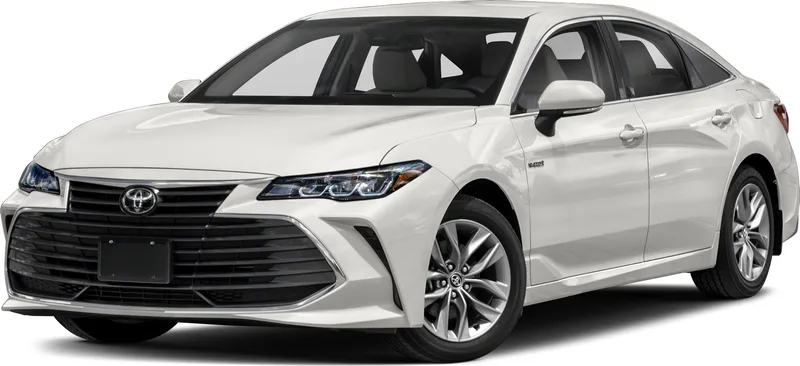
Toyota Avalon
Score: 80/100
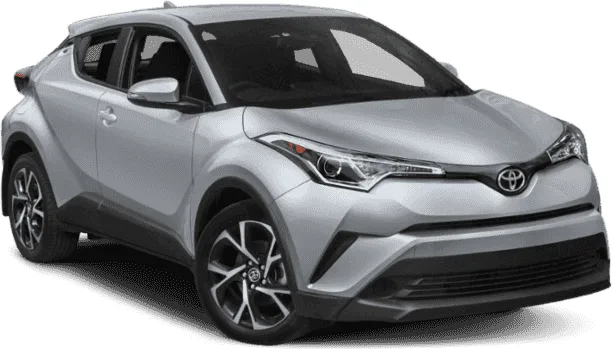
Toyota C-HR
Score: 80/100
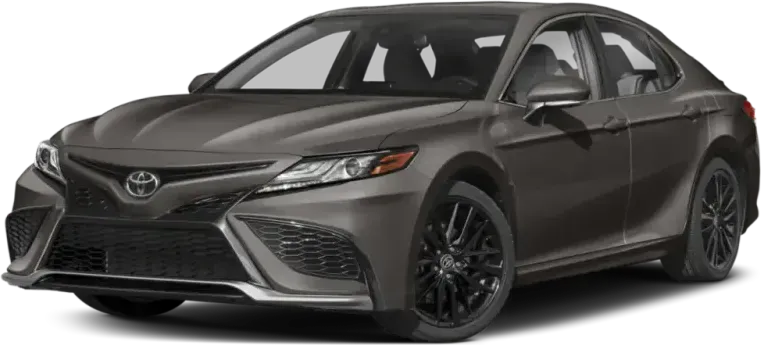
Toyota Camry
Score: 88/100
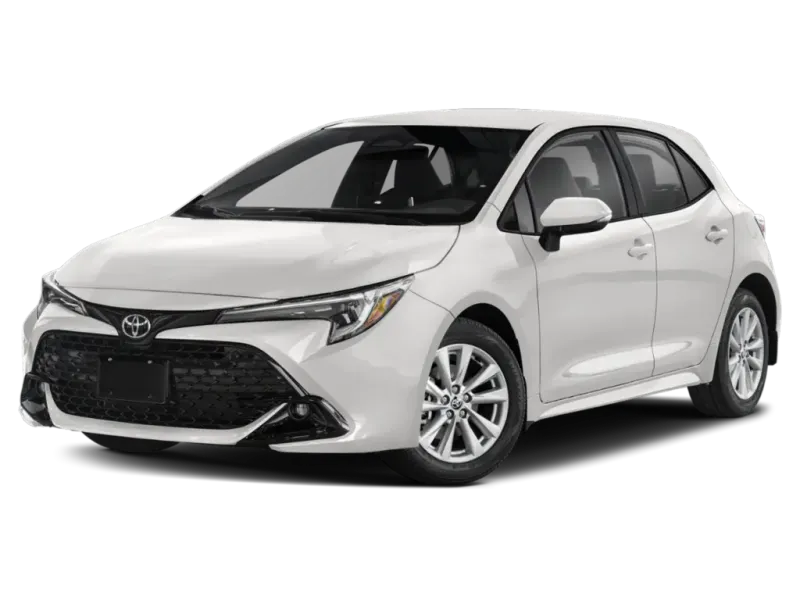
Toyota Corolla
Score: 94/100
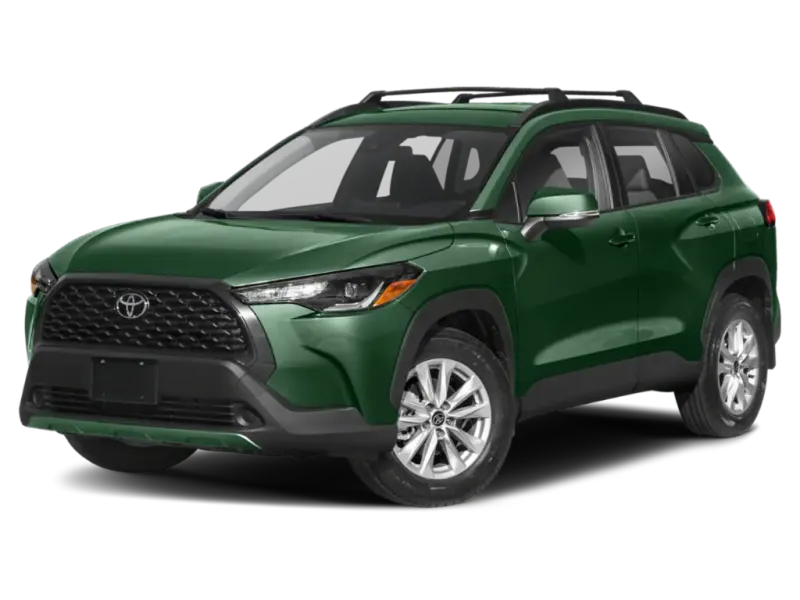
Toyota Corolla Cross
Score: 94/100
Browse More 2019 Vehicles
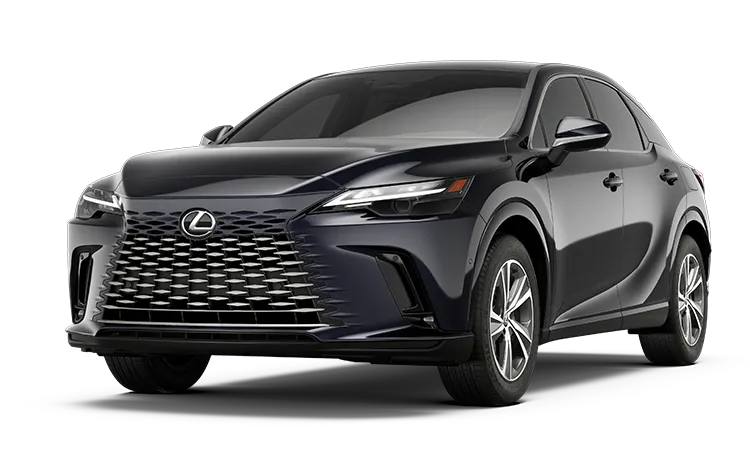
2019 Lexus RX
Score: 82/100

2019 KIA Sedona
Score: 80/100
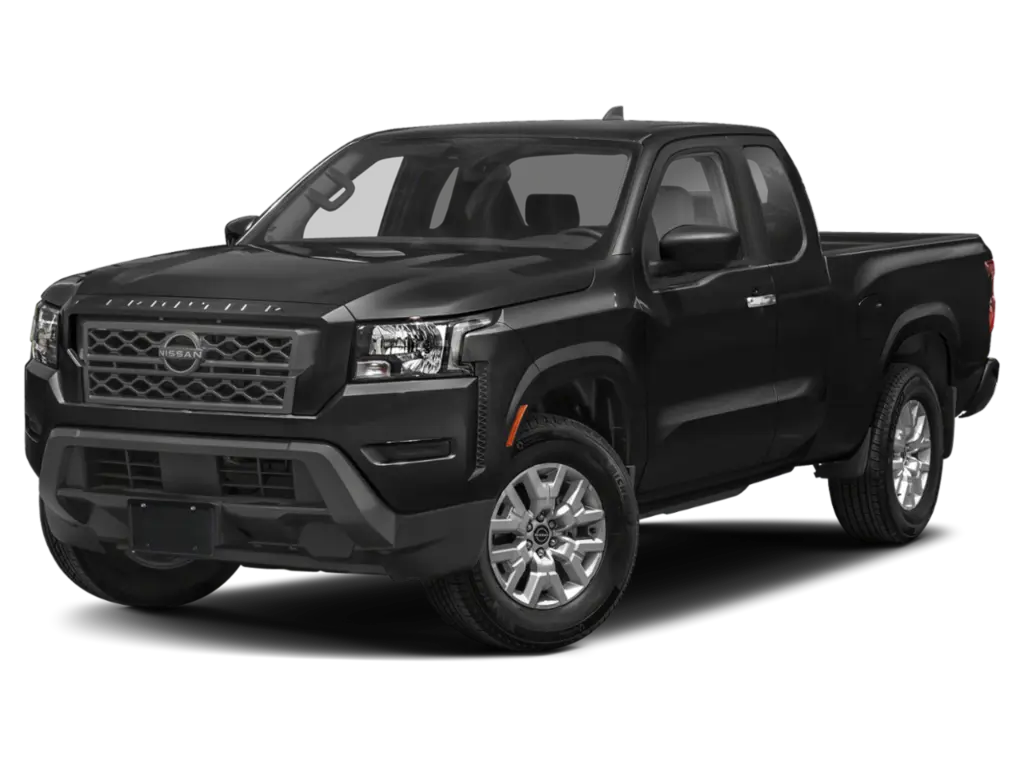
2019 Nissan Frontier
Score: 80/100
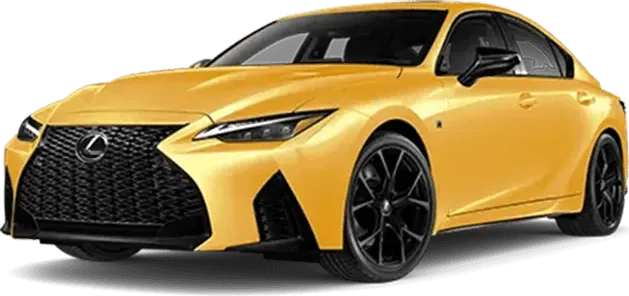
2019 Lexus IS
Score: 79/100
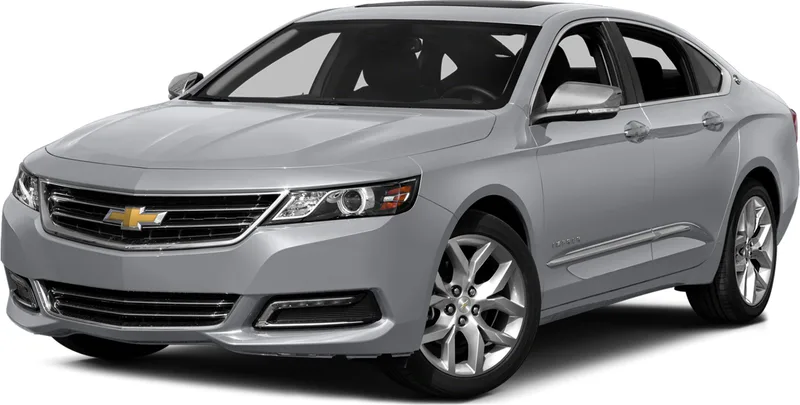
2019 Chevrolet Impala
Score: 79/100
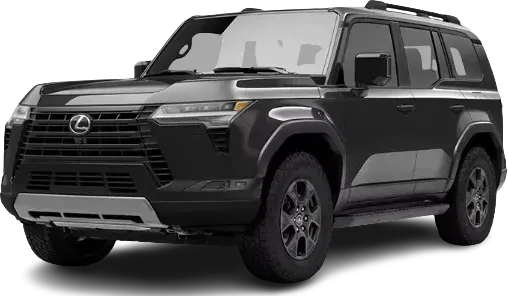
2019 Lexus GX
Score: 78/100
See incorrect data? Report an issue