Last updated: 2026-10-10
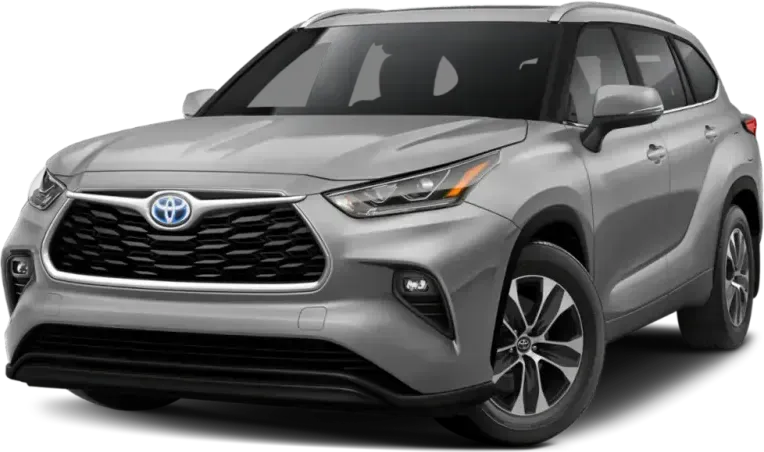
2023 Toyota Highlander Reliability Report
The 2023 Toyota Highlander has good reliability and beats most 2023 SUVs, but a bumper cover that loosens at highway speed is its main flaw.
Recalls
13
Complaints
140
Complaint Rate
8.2per 10,000 sold
Est. Repair Cost
$489
Annual Fuel Cost
$2,400–$2,500
Detailed Score Breakdown
Component-weighted complaints normalized by sales volume
Independent repair cost ratings
Recall count weighted by severity
Breadth of reported problem categories
The Verdict
Middle of the pack among Highlander years, with a recalled bumper cover, surging from a stop, and hybrid brake lapses as the main complaints.
Top Issues to Watch
- STRUCTURE (30)
- POWER TRAIN (12)
- ELECTRICAL SYSTEM (11)
Generation & Refresh (US)
2023 is year 4 of the Fourth generation (XU70).
- Redesigned for the 2020 model year.
- Well-established in its generation — most early issues should be resolved.
- 4th generation Highlander (US).
What this means for buyers
Well into the generation cycle — most design and manufacturing issues should be resolved by now.
2020: Fourth generation (XU70) Launch
Generation start — new platform.
2023: This Model Year
2023 is year 4 of the Fourth generation (XU70).
Should You Buy the 2023 Toyota Highlander?
Good reliability, and a sound choice among 2023 SUVs. This year rates above average for its class and lands in the middle of the nine scored Highlander years. It earned 5 of 5 federal crash-test stars, and independent repair-cost data puts yearly repairs at $489 against $573 for the class. The 2022 rates about the same, while the 2024 rates worse.
The biggest hassle is the front lower bumper cover, which can come loose at highway speeds. Federal recall 23V720000 covers it, but owners describe months of waiting for parts, dealers refusing the work over claimed prior damage, and covers loosening again after the fix. Some cars hesitate, then lurch when the gas is pressed from a stop. Hybrid owners report braking that briefly lets go. The digital instrument panel can go blank while driving. Recall 25V595000 covers that, but owners say parts are not yet available.
Ask for proof that both recalls were done. On the test drive, make several starts from a stop, and on a hybrid, brake downhill and while parking.
Compared to the 2024 Toyota Highlander, which scored 6 points lower. See also the 2022 Toyota Highlander for an earlier comparison.
Pros
- +Acceptable reliability score
- +$84 cheaper to maintain than avg midsize SUVs
- +Infrequent unscheduled repairs
- +Low major repair risk (13%)
Cons
- −Above-average recall count
- −STRUCTURE: Front lower bumper cover comes loose, often at highway speeds of 60 to 75 mph (30 complaints)
- −UNKNOWN OR OTHER: These complaints cover many unrelated problems (29 complaints)
Compare 2023 Toyota Highlander With
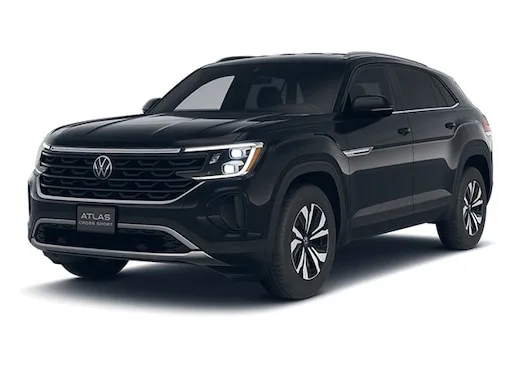
2023 Volkswagen Atlas
Reliability: 58/100
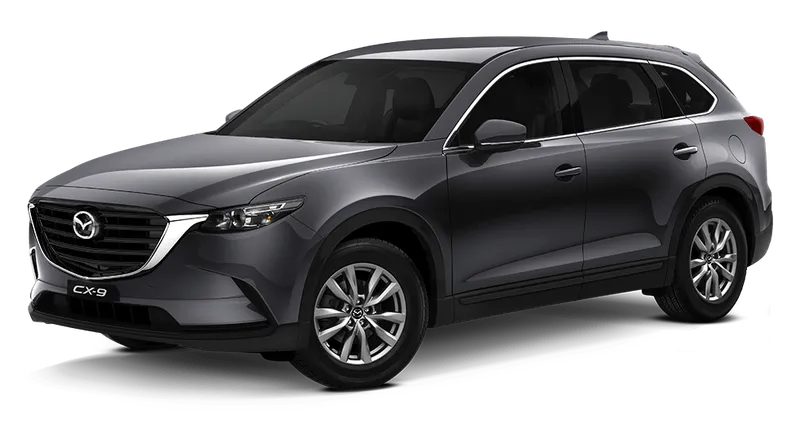
2023 Mazda CX-9
Reliability: 81/100
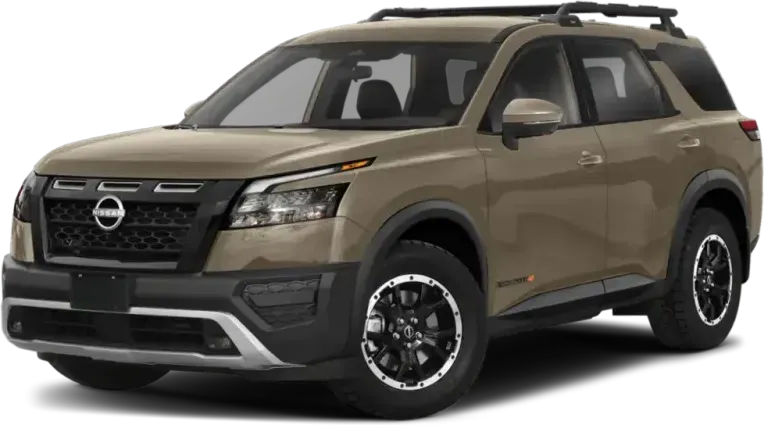
2023 Nissan Pathfinder
Reliability: 74/100

2023 Ford Explorer
Reliability: 71/100
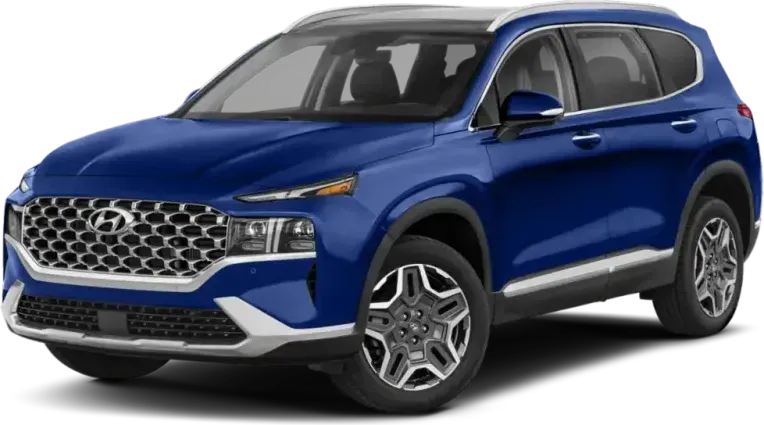
2023 Hyundai Santa Fe
Reliability: 70/100
Common Problem Categories
Safety
LOW RISK- 13 manufacturer recalls issued
Other
HIGH RISK- STRUCTURE (30)
- UNKNOWN OR OTHER (29)
Recall Overview
13
recalls on record
The 2023 Toyota Highlander has 13 recalls on record, which is above average. A high count can flag multiple component concerns, though it also shows the manufacturer is actively addressing known issues.
NHTSA.gov →Complaint Breakdown
8.2
per 10,000 soldSegment avg: 11.3
Safety Incidents
8
Crashes
0
Fires
8
Injuries
0
Deaths
NHTSA 5/5 Stars
Data sourced from NHTSA complaint filings and manufacturer recall notices. Complaint narratives are owner-reported.
2023 Toyota Highlander Recall Details
13 recalls have been issued for the 2023 Toyota Highlander. All recall repairs are performed free of charge at authorized dealerships.
BACK OVER PREVENTION
Toyota Motor Engineering & Manufacturing (Toyota) is recalling certain 2022-2026 Toyota, Lexus, and Subaru Solterra vehicles equipped with a Panoramic View Monitor (PVM) system. Please see the recall report for a complete list of models. A software error may cause the rearview camera to freeze or display a blank screen when the vehicle is in reverse. As such, these vehicles fail to comply with the requirements of Federal Motor Vehicle Safety Standard (FMVSS) number 111, "Rear Visibility."
Consequence
A rearview camera that fails to display an image can reduce the driver's view behind the vehicle, increasing the risk of a crash.
Remedy
Dealers will update the parking assist software, free of charge. Owner letters were mailed January 2, 2026. Owners may contact Toyota's customer service at 1-800-331-4331. Toyota's numbers for this recall are 25TB13 and 25LB06. Subaru's number for this recall is WRE25.
ELECTRICAL SYSTEM
Toyota Motor Engineering & Manufacturing (Toyota) is recalling certain 2023-2024 Toyota Venza, 2023-2025 RAV4 Prime, RAV4, Highlander, GR Corolla, Crown, 2024-2025 Lexus TX, LS, Toyota Tacoma, Grand Highlander, and 2025 Lexus RX, Toyota Crown Signia, Camry, RAV 4 Plug-in Hybrid (PHEV), and 4 Runner vehicles. Due to an error in the instrument panel software at vehicle startup, the instrument panel may fail to display vehicle speed, brake system, and tire pressure warning lights.
Consequence
An instrument panel display that does not show critical information can increase the risk of a crash or injury.
Remedy
Dealers will update the instrument panel software for non-PHEV vehicles, free of charge. For PHEV vehicles, dealers will inspect the instrument panel assembly, and either replace it, or update the software, free of charge. Owner letters were mailed December 5, 2025. Owners may contact Toyota's customer service at 1-800-331-4331. Toyota's numbers for this recall are 25TB08 and 25TA08. Lexus' numbers for this recall are 25LB05 and 25LA05.
STEERING, AIR BAGS
Toyota Motor Engineering & Manufacturing (Toyota) is recalling certain 2023 Toyota Corolla, Corolla Cross, Corolla Cross Hybrid, Highlander, Highlander Hybrid, Tacoma, Lexus RX350, 2023-2024 NX250, and NX350 vehicles that may have been incorrectly repaired under previous NHTSA recall number 23V-480. An electrical connection inside the steering column's spiral cable assembly may be insufficiently welded, causing the connection to separate and deactivate the driver's air bag. As such, these vehicles fail to comply with the requirements of Federal Motor Vehicle Safety Standard number 208, "Occupant Crash Protection."
Consequence
A deactivated driver's air bag will not deploy as intended, increasing the risk of injury during a crash.
Remedy
Dealers will inspect and replace the spiral cable assembly as necessary, free of charge. Owner notification letters were mailed March 17, 2025. Owners may contact Toyota's customer service at 1-800-331-4331. Toyota's number for this recall is 25TA02. Lexus' number for this recall is 25LA02.
Buying a used 2023 Toyota Highlander? Check its history first
Structure problems lead owner complaints about the 2023 Toyota Highlander, and 13 recalls were issued for it. A VIN check shows whether this car's recall work was done, plus accident, title, and odometer history.
- Accidents
- Open Recalls
- Title History
- Odometer Rollback
2023 Toyota Highlander NHTSA Safety Ratings
Overall Safety Rating
Crash Test Results by Configuration (expand)
Gas Powertrain
Rollover risk: 16.9%
Safety Technologies
HEV Powertrain
Rollover risk: 16.9%
Safety Technologies
Toyota HighlanderRepair Costs & Maintenance
Maintenance Rating
4Maintenance rating: 4 out of 5Based on NHTSA complaint patterns, recall severity, and publicly available cost benchmarks.
Est. Annual Maintenance
$489
vs $573 avg for midsize SUVs
vs $652 avg for all vehicles
Repair Frequency
0.3
unscheduled repair visits per year
Severe Repair Probability
13%
chance of a major repair
Annual Cost Comparison
Category-level averages derived from publicly available industry reports (AAA, CarMD). Model-level estimates produced by Auto Reliability Index.
Toyota Highlander Resale Value
The Toyota Highlander is estimated to retain about 71.1% of its original value after 5 years, based on observed used-car listings.
This benchmark covers the Toyota Highlander model overall and is not specific to the 2023 model year.
- Value Retained
- 71.1%
- Depreciation
- 28.9%
- Listings Analyzed
- 720
after 5 years
over the same period
U.S. used-car listings
Listings observed in . Actual resale value varies by trim, mileage, condition, and location.
Explore Toyota Highlander depreciation and resale value on CarResaleValue.comMPG & Annual Running Costs
Gas
24–25 MPG
Running cost: $2,900–$3,000/yr
Fuel + repair
21–22 city / 28–29 hwy MPG
Hybrid
35–36 MPG
Running cost: $2,150–$2,200/yr
Fuel + repair
35–36 city / 34–35 hwy MPG
Running cost includes EPA fuel-cost estimate and independent repair-cost data (repair cost estimated at model level). Excludes routine maintenance, depreciation, and insurance. Data as of 2023 EPA label cycle.
Gas trims
| Trim | Drive | Trans. | City | Hwy | Comb | Fuel Cost |
|---|---|---|---|---|---|---|
| Highlander 2.4L 4-cyl | Front-Wheel Drive | Automatic (S8) | 22 | 29 | 25 | $2,400 |
| Highlander 2.4L 4-cyl | Front-Wheel Drive | Automatic (S8) | 21 | 28 | 24 | $2,500 |
| Highlander AWD 2.4L 4-cyl | All-Wheel Drive | Automatic (S8) | 21 | 28 | 24 | $2,500 |
Hybrid trims
| Trim | Drive | Trans. | City | Hwy | Comb | Fuel Cost |
|---|---|---|---|---|---|---|
| Highlander Hybrid 2.5L 4-cyl | Front-Wheel Drive | Automatic (AV-S6) | 36 | 35 | 36 | $1,650 |
| Highlander Hybrid AWD 2.5L 4-cyl | All-Wheel Drive | Automatic (AV-S6) | 35 | 35 | 35 | $1,700 |
| Highlander Hybrid AWD LTD/PLAT 2.5L 4-cyl | All-Wheel Drive | Automatic (AV-S6) | 35 | 34 | 35 | $1,700 |
Used Buying Checklist
Key things to inspect or verify before purchasing a 2023 Toyota Highlander.
Have a Toyota dealer confirm recalls 23V720000, 25V595000, and 24V419000 are completed for this VIN.
Tug the front lower bumper cover and wheel guards, and look for missing tabs, gaps, or makeshift fasteners.
Turn auto stop/start off, then accelerate from a full stop several times and feel for hesitation, surging, or bucking.
On a hybrid, brake gently downhill and while slowing for turns, and feel for the brakes letting go.
Open and close the power liftgate several times, listening for squealing or grinding and watching for stalls.
Start the car several times and confirm the instrument cluster lights up fully every time.
Check every tire sidewall for cracks, slits, or bulges.
Pull out and buckle every seat belt, including the third row, and confirm each one retracts.
2023 Toyota Highlander Common Problems by Component
140 owner complaints grouped by vehicle system.
STRUCTURE
30 complaintsSafety-relatedThe front lower bumper cover comes loose, often at highway speeds of 60 to 75 mph. A detached cover can drag, lodge under the car, or flip up onto the hood and scratch the paint. Federal recall 23V720000 covers the defect. Most filings, though, are about waiting months for recall parts, or about dealers refusing the repair over claimed prior damage. Some owners say the bumper came loose again after the recall fix, and one reports new rattles after the service. Wind noise above 40 mph also comes up.
UNKNOWN OR OTHER
29 complaintsThese complaints cover many unrelated problems. The power liftgate squeals, stops partway, or refuses to close. In some cars its struts fail, which makes the gate heavy to lift by hand. An "Experience Drive Connect" subscription ad keeps covering the navigation screen while driving, and dealers say it cannot be removed. Other reports describe side mirrors that shake at highway speed, an instrument panel that stays blank at startup, false seat belt alarms, and a strong fuel smell near the filler neck on warm days. A few also mention hesitation from a stop and high coolant temperature warnings in hot weather.
POWER TRAIN
12 complaintsHighlander transmission problems across all model years
When the driver presses the gas from a stop, the car hesitates for a moment and then lurches or surges. It can also buck, stutter, or shift roughly, especially into second gear. The trouble often starts early, around 2,000 miles, and makes left turns across traffic risky. Owners cite service bulletin T-SB-0087-23, but dealers often cannot reproduce the problem and find no fault codes. Some say premium fuel helps. One transfer case failed at 65,000 miles and left the car undrivable. Another owner reports the car creeping forward on its own at a stoplight.
ELECTRICAL SYSTEM (11 complaints)
ELECTRICAL SYSTEM
11 complaintsThe digital instrument panel goes black or white while driving and hides speed and warning lights. Federal recall 25V595000 covers it, but owners report the recall parts are not yet available. Other complaints include a power liftgate that grinds and opens only a few inches at a time, repeated check engine and secondary brake warnings, hesitation under acceleration, and hybrid brake surges. Rodents chewing the knock sensor harness can cause a loss of power. One owner waited months for a second key fob before buying one.
SERVICE BRAKES (11 complaints)
SERVICE BRAKES
11 complaintsSafety-relatedOn hybrids, braking briefly lets go and the car lunges forward before the brakes grab again. This happens most often downhill, while slowing for turns, and while parking. Owners link it to the switch from regenerative to friction braking. Service bulletin T-SB-0059-23 addresses this on earlier years but leaves out 2023, so dealers often say there is no fix. One injury crash describes the brakes not stopping the car at about 8 mph. Other complaints describe the steering wheel and pedal shaking under braking, and rotors warped by 25k miles.
ENGINE (10 complaints)
ENGINE
10 complaintsWhen the gas is pressed, the engine hesitates, then bucks or surges. Owners report delays of up to 3-5 seconds from a stop, and stuttering when passing. Symptoms show up early, often by 3,500 miles, and several owners describe near misses while pulling into traffic. Dealers often call it turbo lag or normal operation because no fault codes appear. In one case the dealer replaced variable valve timing parts. Some owners say 91 octane fuel hides the symptoms. Separate reports describe high coolant temperature warnings in 90-degree heat that dealers could not trace.
AIR BAGS (9 complaints)
AIR BAGS
9 complaintsSafety-relatedAirbags fail to deploy in serious crashes, including collisions at 44 and 45 mph, a deer strike at about 55 mph, and impacts that totaled the vehicle. There are 5 crash-related reports with 6 injuries in total. In one case the event data recorder showed no crash at all. Two short filings only list recall 23TA08 and a related campaign.
VEHICLE SPEED CONTROL (6 complaints)
VEHICLE SPEED CONTROL
6 complaintsAcceleration is erratic. The car is slow and jerky, or it jumps forward hard, and engine speed bounces around. Owners say it gets worse on 87 octane fuel, in warm weather with the air conditioning on, and under load, and that 93 octane helps. One owner says an engine computer reprogram cured the problem. Other reports describe a dashboard display that goes completely blank, hybrids that surge forward under braking at 20,000 miles, and a misfire with warning lights that a dealer blamed on engine sludge.
TIRES (5 complaints)
TIRES
5 complaintsTire sidewalls crack, split, or blow out at normal speeds with no pressure warning beforehand. One car had its first blowout at 7,000 miles, and another owner reports two sidewall failures on the factory Bridgestone Alenza Sport A/S 235/65R18 tires. Owners also describe warranty disputes and dealers without replacement tires in stock. A tire recall, 24V419000, exists, but some owners report the parts are not yet available.
SEAT BELTS (3 complaints)
SEAT BELTS
3 complaintsA belt can lock fully retracted or stop retracting at all. One third-row passenger belt arrived from the dealer stuck in the retracted position and could not be used. A driver belt stopped retracting and fell between the seat and the driver. Parents also say the second- and third-row buckles are hard to reach once a child seat or booster is installed. There are only 3 complaints in this category.
When Do 2023 Toyota Highlander Problems Start?
Based on owner complaint patterns, here's when common issues tend to appear.
Best & Worst Toyota Highlander Years
Best Toyota Highlander Years to Buy
Based on reliability index score2022
2023
(Current Model)
2018
Toyota Highlander Years to Avoid
Toyota Highlander Reliability Score Trend
Scores 0–100. Higher is better. Current year highlighted.
| Year | Score | Rating |
|---|---|---|
| 2018 | 72/100 | Good |
| 2019 | 70/100 | Good |
| 2020 | 71/100 | Good |
| 2021 | 70/100 | Good |
| 2022 | 74/100 | Good |
| 2023 | 73/100 | Good |
| 2024 | 67/100 | Good |
| 2025 | 76/100 | Good |
| 2026 | 84/100 | Excellent |
Toyota Highlander Reliability Compared to Other Years
2023 Toyota Highlander Reliability by Powertrain
The 2023 Toyota Highlander is available with 2powertrain options. Here's how they compare on reliability.
| Powertrain | Complaints | Recalls | Incidents* | Crash Rating |
|---|---|---|---|---|
| Gas | 132 | 8 | 8 | 5 out of 5 |
| HEV | 8 | 5 | 0 | 5 out of 5 |
| Total | 140 | 13 | 8 |
NHTSA tracks complaints by vehicle configuration when that detail is available. Model-level reports that do not identify a specific powertrain are included in Total but not assigned to a row. A plus sign indicates a confirmed minimum; — means no complaints could be attributed to that specific powertrain. N/T = Not tested by NHTSA.
* Incidents = crash + fire reports. A single complaint can include multiple incident types.
Frequently Asked Questions
Is the 2023 Toyota Highlander reliable?
What are the most common problems with the 2023 Toyota Highlander?
Does the 2023 Toyota Highlander have bumper problems?
Does the 2023 Toyota Highlander have acceleration or braking problems?
Is the 2023 Toyota Highlander better than the 2022 or 2024?
Don’t buy a 2023 Toyota Highlander without checking its VIN first — hidden accidents, title issues, and open recalls could cost you thousands.
How we score the 2023 Toyota Highlander
Of the four inputs behind this score, the 2023 Toyota Highlander does best on how many systems draw complaints (86/100) and worst on recall impact (60/100). Scores weight complaint severity at 35%, repair costs at 30%, recall impact at 20%, and the spread of complaints across systems at 15%, with complaint counts adjusted for US sales. Read the full methodology.
Get notified when new recalls or reliability data is added for the Toyota Highlander.
No spam. Only data updates for this model.
Browse More Toyota Models

Toyota 4Runner
Score: 84/100
Toyota Avalon
Score: 80/100
Toyota C-HR
Score: 80/100
Toyota Camry
Score: 88/100
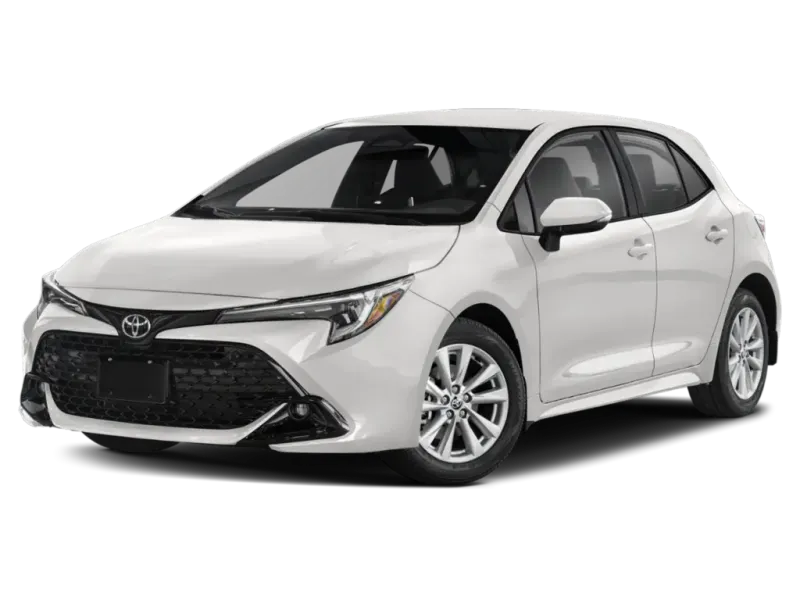
Toyota Corolla
Score: 94/100
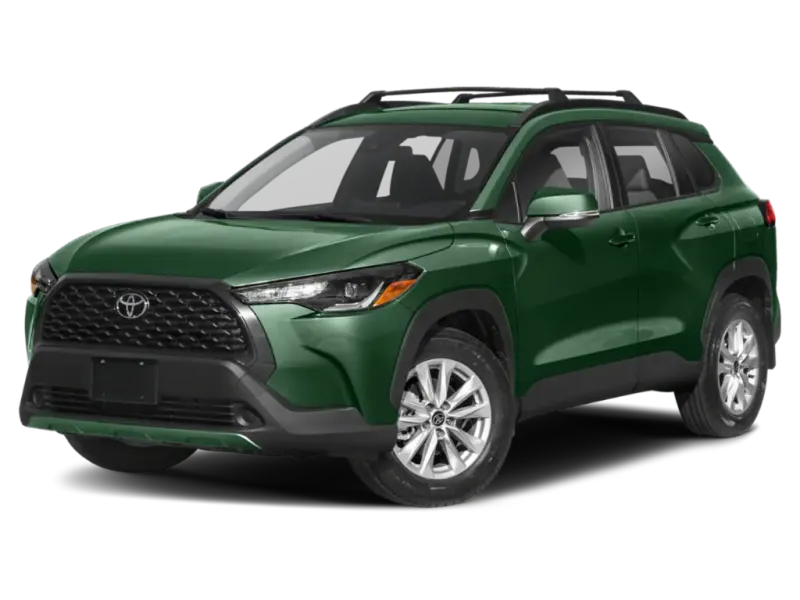
Toyota Corolla Cross
Score: 94/100
Browse More 2023 Vehicles
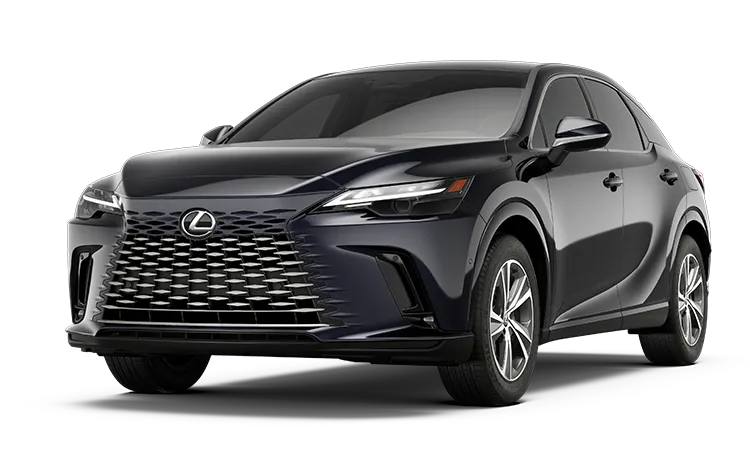
2023 Lexus RX
Score: 85/100
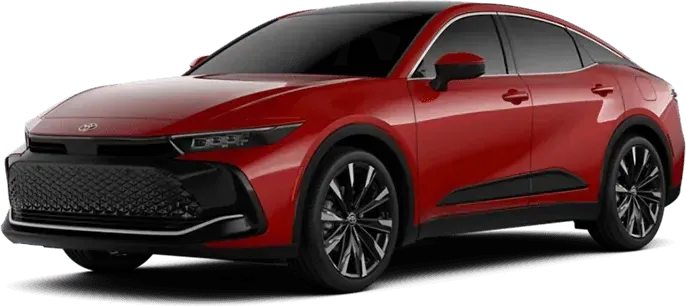
2023 Toyota Crown
Score: 84/100
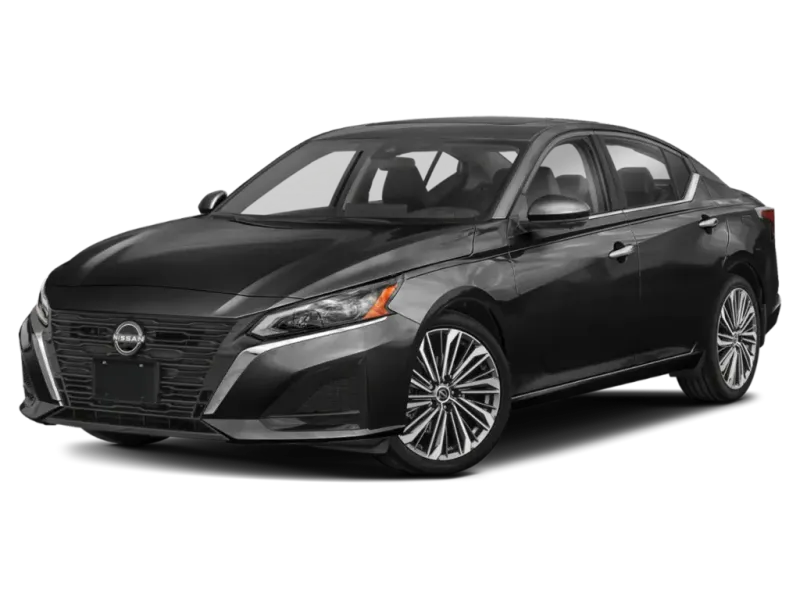
2023 Nissan Altima
Score: 84/100
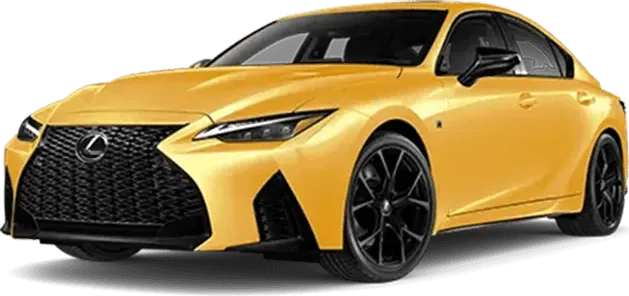
2023 Lexus IS
Score: 83/100
2023 Toyota 4Runner
Score: 82/100
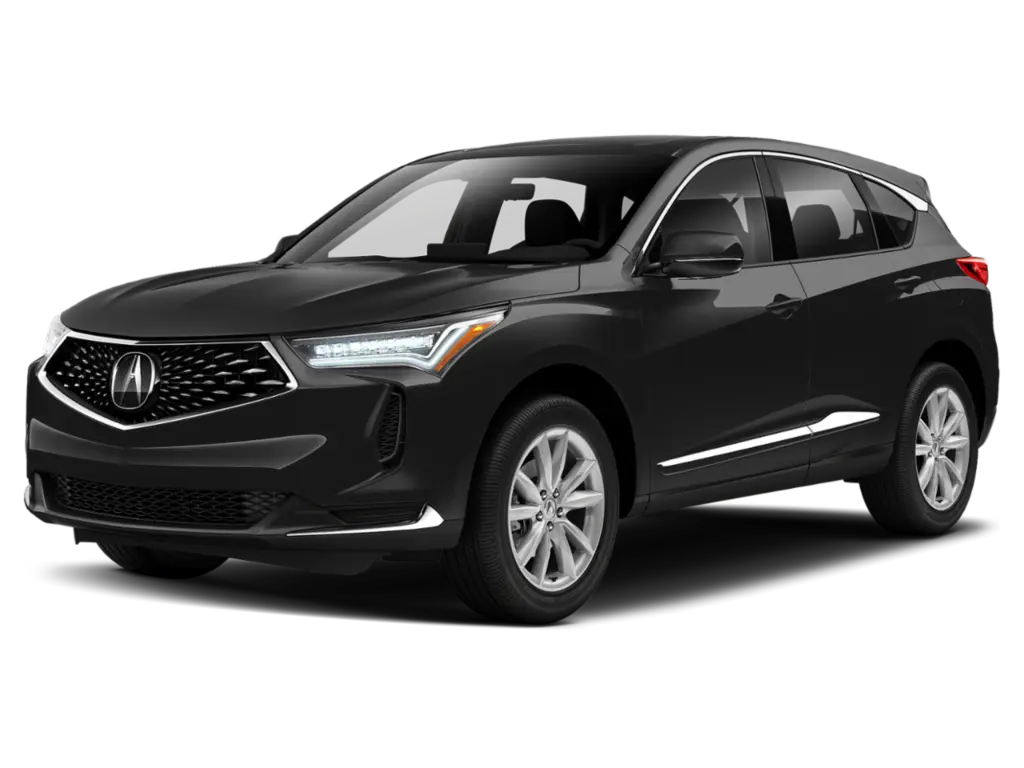
2023 Acura RDX
Score: 82/100
See incorrect data? Report an issue