Last updated: 2026-10-10
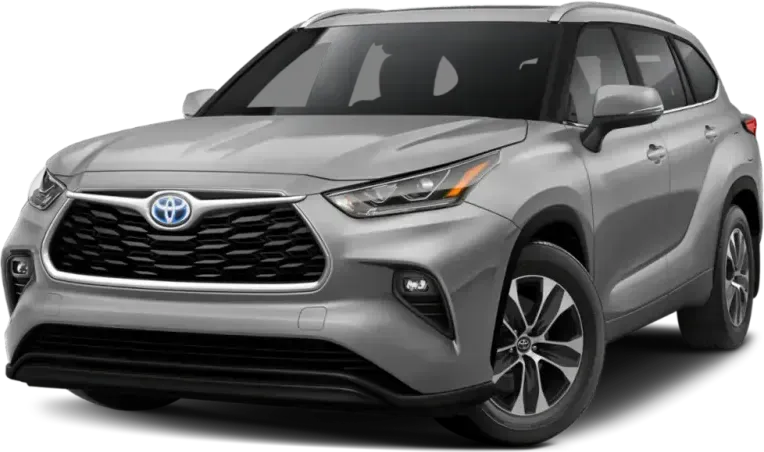
2020 Toyota Highlander Reliability Report
The 2020 Toyota Highlander has good reliability, but owners report transmission whine from 45,000 to 80,000 miles that often ends in replacement.
Recalls
8
Complaints
269
Complaint Rate
12.7per 10,000 sold
Est. Repair Cost
$489
Annual Fuel Cost
$2,500–$2,600
Detailed Score Breakdown
Component-weighted complaints normalized by sales volume
Independent repair cost ratings
Recall count weighted by severity
Breadth of reported problem categories
The Verdict
First year of the fourth generation, with more recalls than its neighbors and a loud transmission whine that often ends in full replacement.
Top Issues to Watch
- POWER TRAIN (90)
- AIR BAGS (35)
- SERVICE BRAKES (28)
Generation & Refresh (US)
2020 is the first model year of the Fourth generation (XU70).
- First-year models may have unresolved issues from the new design.
- Redesigned for the 2020 model year.
- 4th generation Highlander (US).
What this means for buyers
First-year models carry more risk — early production issues are common. Consider waiting for the second year if reliability is a priority.
Compare 2020 pricing and recall counts against 2021+ before deciding.
2020: Fourth generation (XU70) Launch
Generation start — new platform.
Should You Buy the 2020 Toyota Highlander?
Reliability is good, close to average among 2020 SUVs and in the middle of the nine scored Highlander years. Independent repair-cost data puts yearly repairs at $489, under the $573 class figure, and the federal crash-test rating is 5 of 5 stars. The 2019 and 2021 rate about the same.
The transmission is the main worry. Owners describe a loud whine under acceleration, usually starting between 45,000 and 80,000 miles, often with no warning light. Dealers usually replace the whole unit, and quotes after warranty ran near $8,000 to $9,000. Hybrid owners report brakes that seem to let go at low speed. Recall 23V720 covers a front bumper cover that can drag or fall off at 40 to 65 mph.
Ask whether recall 23V865, the passenger sensor fix, and recall 23V720 were actually completed, since parts delays were common. Request any transmission repair records, and listen for whine under acceleration on the test drive.
Compared to the 2021 Toyota Highlander, which scored 1 points lower. See also the 2019 Toyota Highlander for an earlier comparison.
Pros
- +Acceptable reliability score
- +$84 cheaper to maintain than avg midsize SUVs
- +Infrequent unscheduled repairs
- +Low major repair risk (13%)
Cons
- −Above-average recall count
- −POWER TRAIN issues reported (90 complaints)
- −AIR BAGS: Most reports concern recall 23V865 for the front passenger occupant... (35 complaints)
Compare 2020 Toyota Highlander With
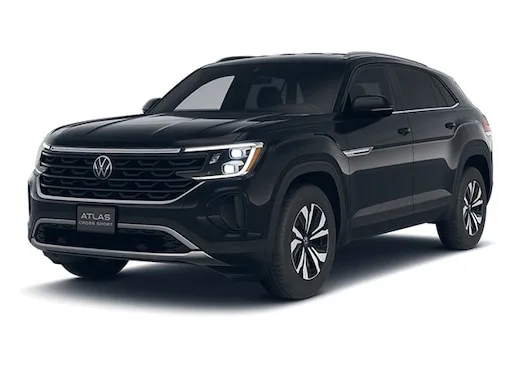
2020 Volkswagen Atlas
Reliability: 57/100
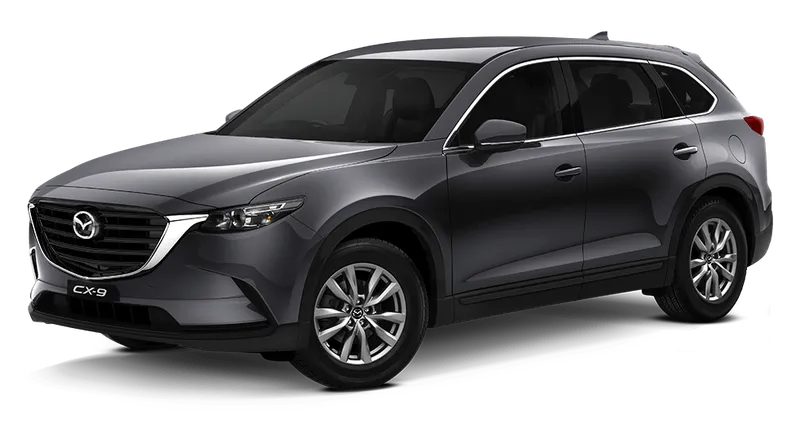
2020 Mazda CX-9
Reliability: 78/100
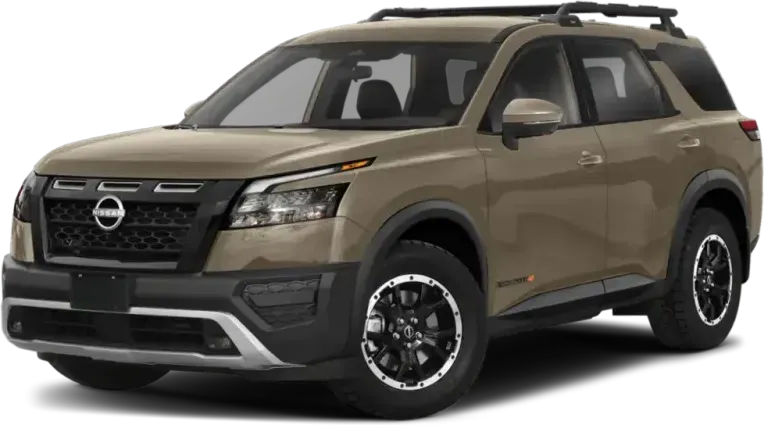
2020 Nissan Pathfinder
Reliability: 78/100
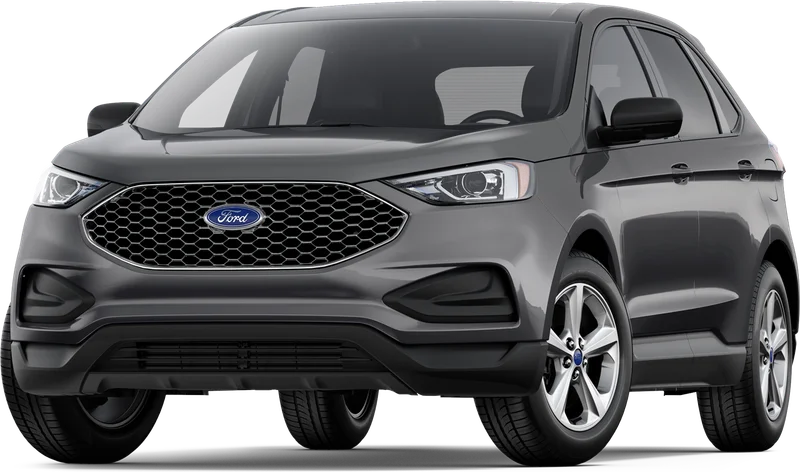
2020 Ford Edge
Reliability: 64/100
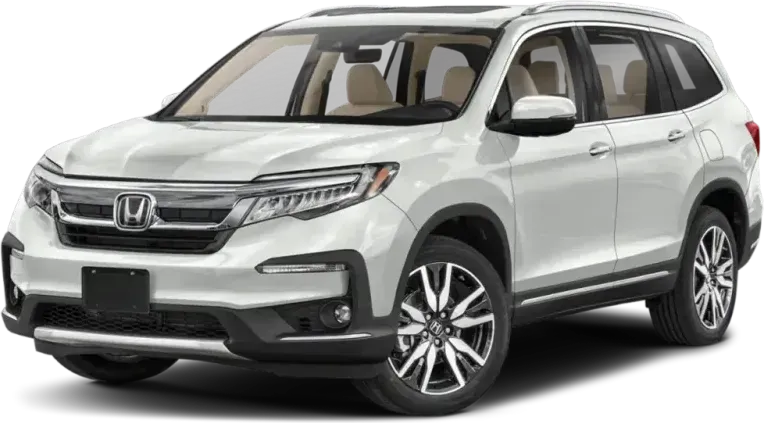
2020 Honda Pilot
Reliability: 60/100
Common Problem Categories
Safety
LOW RISK- 8 manufacturer recalls issued
Other
HIGH RISK- POWER TRAIN (90)
- AIR BAGS (35)
Recall Overview
8
recalls on record
The 2020 Toyota Highlander has 8 recalls on record, which is above average. A high count can flag multiple component concerns, though it also shows the manufacturer is actively addressing known issues.
NHTSA.gov →Complaint Breakdown
12.7
per 10,000 soldSegment avg: 20.2
Safety Incidents
10
Crashes
0
Fires
11
Injuries
0
Deaths
NHTSA 5/5 Stars
Data sourced from NHTSA complaint filings and manufacturer recall notices. Complaint narratives are owner-reported.
2020 Toyota Highlander Recall Details
8 recalls have been issued for the 2020 Toyota Highlander. All recall repairs are performed free of charge at authorized dealerships.
AIR BAGS
Toyota Motor Engineering & Manufacturing (Toyota) is recalling certain 2020-2021 Avalon, Avalon Hybrid, Corolla, Highlander, Highlander Hybrid, RAV4, RAV4 Hybrid, Lexus ES350, Lexus RX350, Lexus RX450H, 2021 Sienna Hybrid, Lexus ES250, 2020-2022 Camry, Camry Hybrid, and ES300H vehicles. A short circuit may develop in the Occupant Classification System (OCS) sensor, preventing the front passenger air bag from deploying.
Consequence
An air bag that does not deploy during a crash increases the risk of injury.
Remedy
Dealers will inspect and replace the sensor as necessary, free of charge. Interim letters notifying owners of the safety risk were mailed in February 2024. Some final remedy owner letters were mailed October 31, 2024. Letters will continue to be mailed in phases through January 2026. Owners may contact Toyota customer service at 1-800-331-4331. Toyota's number for this recall is 23TB15/23TA15 Lexus 23LB03/23LA03.
STRUCTURE
Toyota Motor Engineering & Manufacturing (Toyota) is recalling certain 2020-2023 Highlander & Highlander Hybrid vehicles. During normal vehicle operation, minor impact to the front lower bumper cover may result in the cover coming loose or detaching.
Consequence
A detached front bumper cover can become a road hazard, increasing the risk of a crash.
Remedy
Dealers will repair or replace the upper and lower front bumper covers as necessary, free of charge. Owner letters were mailed April 22, 2024. Owners may contact Toyota customer service at 1-800-331-4331. Toyota's number for this recall is 23TB12/23TA12.
AIR BAGS, SEATS
Toyota Motor Engineering & Manufacturing (Toyota) is recalling certain 2020 Highlander and Highlander hybrid vehicles. Incorrect seat trim covers on one or both of the front seats can prevent the seat-mounted side air bag from deploying properly.
Consequence
Improper deployment of the seat-mounted side air bag increases the risk of injury in the event of a crash.
Remedy
Toyota will notify owners, and dealers will inspect the front seats and replace the seat trim covers as necessary, free of charge. The recall began December 11, 2020. Owners may contact Toyota customer service at 1-800-331-4331. Toyota's number for this recall is 20TB14 / 20TA14.
Buying a used 2020 Toyota Highlander? Check its history first
Power train problems lead owner complaints about the 2020 Toyota Highlander, and 8 recalls were issued for it. A VIN check shows whether this car's recall work was done, plus accident, title, and odometer history.
- Accidents
- Open Recalls
- Title History
- Odometer Rollback
2020 Toyota Highlander NHTSA Safety Ratings
Overall Safety Rating
Crash Test Results by Configuration (expand)
Gas Powertrain
Rollover risk: 16.9%
Safety Technologies
HEV Powertrain
Rollover risk: 16.9%
Safety Technologies
Toyota HighlanderRepair Costs & Maintenance
Maintenance Rating
4Maintenance rating: 4 out of 5Based on NHTSA complaint patterns, recall severity, and publicly available cost benchmarks.
Est. Annual Maintenance
$489
vs $573 avg for midsize SUVs
vs $652 avg for all vehicles
Repair Frequency
0.3
unscheduled repair visits per year
Severe Repair Probability
13%
chance of a major repair
Annual Cost Comparison
Category-level averages derived from publicly available industry reports (AAA, CarMD). Model-level estimates produced by Auto Reliability Index.
Toyota Highlander Resale Value
The Toyota Highlander is estimated to retain about 71.1% of its original value after 5 years, based on observed used-car listings.
This benchmark covers the Toyota Highlander model overall and is not specific to the 2020 model year.
- Value Retained
- 71.1%
- Depreciation
- 28.9%
- Listings Analyzed
- 720
after 5 years
over the same period
U.S. used-car listings
Listings observed in . Actual resale value varies by trim, mileage, condition, and location.
Explore Toyota Highlander depreciation and resale value on CarResaleValue.comMPG & Annual Running Costs
Gas
23–24 MPG
Running cost: $3,000–$3,100/yr
Fuel + repair
20–21 city / 27–29 hwy MPG
Hybrid
35–36 MPG
Running cost: $2,150–$2,200/yr
Fuel + repair
35–36 city / 34–35 hwy MPG
Running cost includes EPA fuel-cost estimate and independent repair-cost data (repair cost estimated at model level). Excludes routine maintenance, depreciation, and insurance. Data as of 2020 EPA label cycle.
Gas trims
| Trim | Drive | Trans. | City | Hwy | Comb | Fuel Cost |
|---|---|---|---|---|---|---|
| Highlander 3.5L 6-cyl | Front-Wheel Drive | Automatic (S8) | 21 | 29 | 24 | $2,500 |
| Highlander 3.5L 6-cyl | Front-Wheel Drive | Automatic (S8) | 20 | 28 | 23 | $2,600 |
| Highlander AWD 3.5L 6-cyl | All-Wheel Drive | Automatic (S8) | 20 | 27 | 23 | $2,600 |
Hybrid trims
| Trim | Drive | Trans. | City | Hwy | Comb | Fuel Cost |
|---|---|---|---|---|---|---|
| Highlander Hybrid 2.5L 4-cyl | Front-Wheel Drive | Automatic (AV-S6) | 36 | 35 | 36 | $1,650 |
| Highlander Hybrid AWD 2.5L 4-cyl | All-Wheel Drive | Automatic (AV-S6) | 35 | 35 | 35 | $1,700 |
| Highlander Hybrid AWD LTD/PLAT 2.5L 4-cyl | All-Wheel Drive | Automatic (AV-S6) | 35 | 34 | 35 | $1,700 |
Used Buying Checklist
Key things to inspect or verify before purchasing a 2020 Toyota Highlander.
Accelerate firmly from a stop and up a ramp with the radio off, and listen for a rising whine.
Ask for service records showing any transmission replacement and check what warranty coverage remains.
Run the VIN for recalls 23V865 and 23V720 and confirm both remedies were completed.
With the passenger seat empty, check for an SRS warning light or a seatbelt chime that keeps sounding.
On a hybrid, make several slow stops, including downhill, and feel for a surge or brake release.
Ask whether bulletin T-SB-0059-23 brake reprogramming was done on a hybrid.
Inspect the front lower bumper cover for loose tabs, cracks, or missing clips.
Open and close the power liftgate several times and confirm it latches fully on its own.
2020 Toyota Highlander Common Problems by Component
269 owner complaints grouped by vehicle system.
POWER TRAIN
90 complaintsSafety-relatedHighlander transmission problems across all model years
A loud whine under acceleration is the dominant complaint, and dealers usually answer it with a full transmission replacement. The noise tends to start between about 45,000 and 80,000 miles, often with no warning light. Some owners also report slipping, erratic shifts, and hesitation when merging. Many cars fall just past 60,000 miles, when warranty coverage ended, and owners face quotes near $8,000 to $9,000, sometimes with long parts waits. Two crash reports, one with an injury, describe the vehicle rolling or moving on its own after the driver got out.
AIR BAGS
35 complaintsSafety-relatedMost reports concern recall 23V865 for the front passenger occupant classification sensor. The usual complaint is that the remedy part is not available. Owners describe waits stretching from late 2023 into December 2025, with repeated dealer visits. Symptoms tied to the fault include an SRS airbag warning light and a seatbelt chime that sounds whether or not the passenger seat is occupied. At least one owner reports the same symptoms coming back after the recall was marked complete. One crash report says the airbags did not deploy in a severe accident.
UNKNOWN OR OTHER
28 complaintsSunroof glass that shatters on its own, with a bang owners compare to a gunshot, is the most alarming pattern. It has happened at highway speed and at a stoplight, and one report lists cuts from falling glass. Other reports repeat the transmission whine covered under power train, with replacement quoted between 62,500 and 100,000 miles. Owners also describe fast tire wear concentrated on the passenger side, rear air conditioning lines that leak refrigerant with no replacement part available, and a power liftgate that beeps but will not close.
SERVICE BRAKES (28 complaints)
SERVICE BRAKES
28 complaintsSafety-relatedMost reports, mainly from hybrid owners, describe brakes that seem to let go at low speed or a forward surge just before a stop. It happens below about 25 mph, on downhill grades, on bumpy pavement, and while pulling into parking spaces, and drivers have to press much harder to stop. Toyota bulletin T-SB-0059-23 reprograms the brake computer for the shift from regenerative to hydraulic braking. One owner says it helped but did not cure the problem. Dealers often cannot reproduce it. One crash report describes the brakes failing to engage at 10 to 15 mph.
STRUCTURE (26 complaints)
STRUCTURE
26 complaintsSafety-relatedThe main complaint is a front lower bumper cover that works loose and drags or falls off at 40 to 65 mph. It is covered by recall 23V720. Detached pieces have damaged the front end and undercarriage and landed in traffic. Many reports are about getting the recall done: parts are unavailable, or dealers decline the repair until the owner pays to fix a crack, a scratch, or a broken clip. Sunroofs shattering at highway speed show up here too, one at just 4,000 miles. Smaller reports cover broken rear exterior door handles and a leaking rear door.
FUEL/PROPULSION SYSTEM (14 complaints)
FUEL/PROPULSION SYSTEM
14 complaintsThe hybrid's fuel tank is listed at 17.1 gallons but stops taking fuel at about 12 to 13 gallons, even when the distance-to-empty reading is near zero. After a fill, the gauge often shows only 3/4 or 7/8 full. Owners get far less range than the roughly 600 miles advertised, and some say the distance-to-empty display reads too high at some times and too low at others. The problem appears from new. Dealers mostly find nothing wrong or try a software update. One owner reports that Toyota offered to replace the vehicle.
ELECTRICAL SYSTEM (12 complaints)
ELECTRICAL SYSTEM
12 complaintsProblems here are scattered rather than concentrated. The most common is a power rear hatch that will not close or fully latch, sometimes with no dashboard warning, and one repair cost $1,198.10. Others describe key fob locks that stop working, doors found unlocked, a battery that drains within hours, stalling or limp mode with reduced engine power, and blind spot monitoring that misses large trucks. One more transmission replacement for a whine under acceleration appears here at 104,000 miles.
VEHICLE SPEED CONTROL (6 complaints)
VEHICLE SPEED CONTROL
6 complaintsSafety-relatedTwo crash reports, each with an injury, describe sudden acceleration while pulling into a parking space or driveway at around 5 mph, ending in impacts severe enough to total the vehicle. Other owners report a strong lurch forward when coming to a stop, which matches the surge in the brake complaints. Dealers could not find a cause. A third pattern is sudden power loss at 45 to 50 mph with check engine, hybrid malfunction, or reduced power warnings. One of these happened at just over 4,000 miles.
SUSPENSION (5 complaints)
SUSPENSION
5 complaintsFront struts leak fluid and wear out early, with reports ranging from under 36,000 miles to about 75,000. Worn struts make the vehicle bounce and respond poorly to quick steering inputs. One owner of a front-wheel-drive model on 18-inch wheels waited about a year for back-ordered parts. Two other reports describe a harsh, tight ride and cabin noise loud enough to drown out emergency vehicles. Dealers called both of those normal.
STEERING (4 complaints)
STEERING
4 complaintsSafety-relatedIn these reports the engine shuts off while driving, and power steering and brake assist go with it. Two crash reports with injuries describe the engine dying during a left turn from a stop sign. The steering wheel locked to the left and the vehicle drifted into oncoming traffic. Other reports describe an engine-off warning at 45 mph with a steering assist light. In another case the car shut down in a school pickup line and again in an intersection the next day.
When Do 2020 Toyota Highlander Problems Start?
Based on owner complaint patterns, here's when common issues tend to appear.
Best & Worst Toyota Highlander Years
Best Toyota Highlander Years to Buy
Based on reliability index scoreToyota Highlander Years to Avoid
Toyota Highlander Reliability Score Trend
Scores 0–100. Higher is better. Current year highlighted.
| Year | Score | Rating |
|---|---|---|
| 2018 | 72/100 | Good |
| 2019 | 70/100 | Good |
| 2020 | 71/100 | Good |
| 2021 | 70/100 | Good |
| 2022 | 74/100 | Good |
| 2023 | 73/100 | Good |
| 2024 | 67/100 | Good |
| 2025 | 76/100 | Good |
| 2026 | 84/100 | Excellent |
Toyota Highlander Reliability Compared to Other Years
2020 Toyota Highlander Reliability by Powertrain
The 2020 Toyota Highlander is available with 2powertrain options. Here's how they compare on reliability.
| Powertrain | Complaints | Recalls | Incidents* | Crash Rating |
|---|---|---|---|---|
| Gas | 260 | 4 | 10 | 5 out of 5 |
| HEV | 9 | 4 | 0 | 5 out of 5 |
| Total | 269 | 8 | 10 |
NHTSA tracks complaints by vehicle configuration when that detail is available. Model-level reports that do not identify a specific powertrain are included in Total but not assigned to a row. A plus sign indicates a confirmed minimum; — means no complaints could be attributed to that specific powertrain. N/T = Not tested by NHTSA.
* Incidents = crash + fire reports. A single complaint can include multiple incident types.
Frequently Asked Questions
Is the 2020 Toyota Highlander reliable?
What are the most common problems with the 2020 Toyota Highlander?
Does the 2020 Toyota Highlander have transmission problems?
What recalls apply to the 2020 Toyota Highlander?
Is the 2020 Toyota Highlander better than the 2019 or 2021?
Don’t buy a 2020 Toyota Highlander without checking its VIN first — hidden accidents, title issues, and open recalls could cost you thousands.
How we score the 2020 Toyota Highlander
Of the four inputs behind this score, the 2020 Toyota Highlander does best on how many systems draw complaints (83/100) and worst on complaint severity (60/100). Scores weight complaint severity at 35%, repair costs at 30%, recall impact at 20%, and the spread of complaints across systems at 15%, with complaint counts adjusted for US sales. Read the full methodology.
Get notified when new recalls or reliability data is added for the Toyota Highlander.
No spam. Only data updates for this model.
Browse More Toyota Models

Toyota 4Runner
Score: 84/100
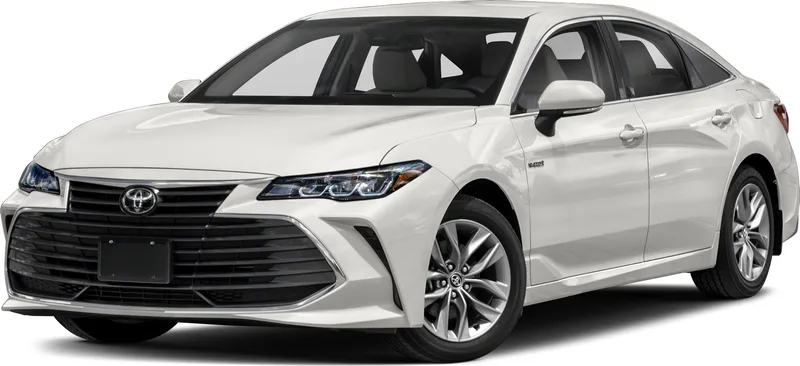
Toyota Avalon
Score: 80/100
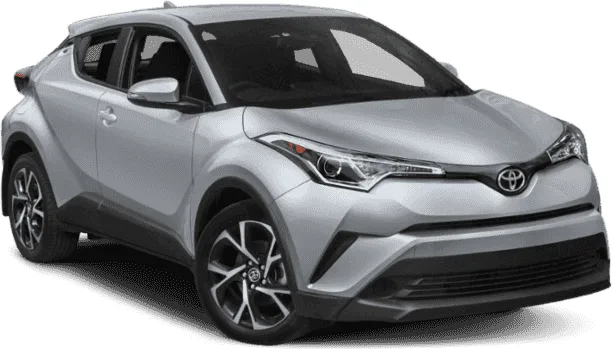
Toyota C-HR
Score: 80/100
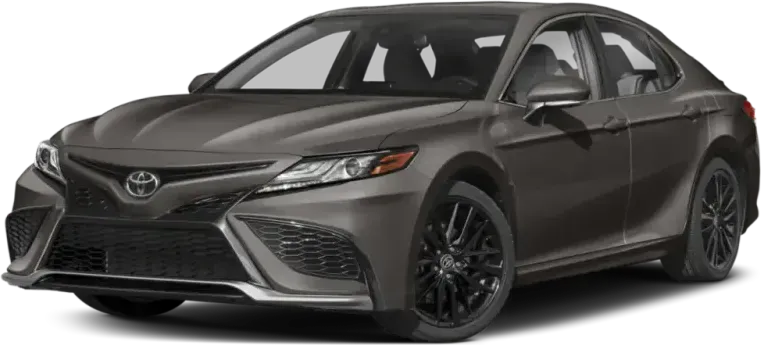
Toyota Camry
Score: 88/100
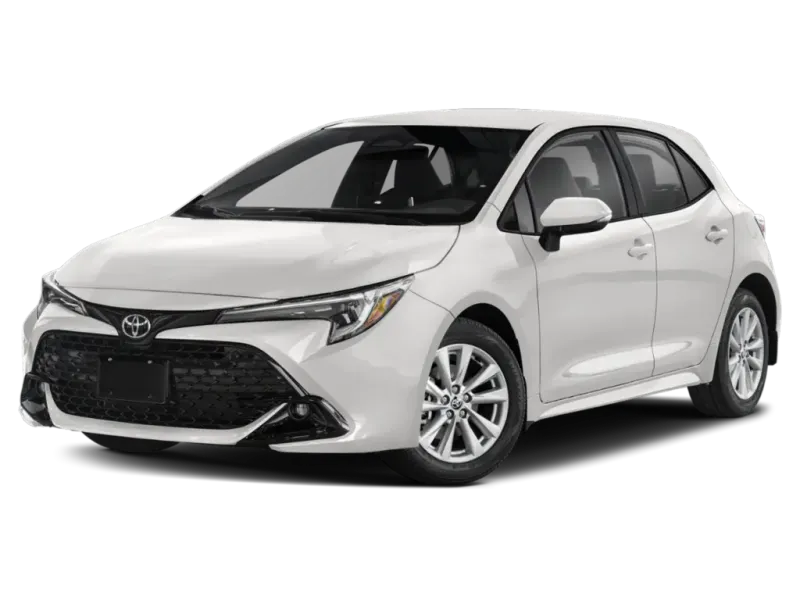
Toyota Corolla
Score: 94/100
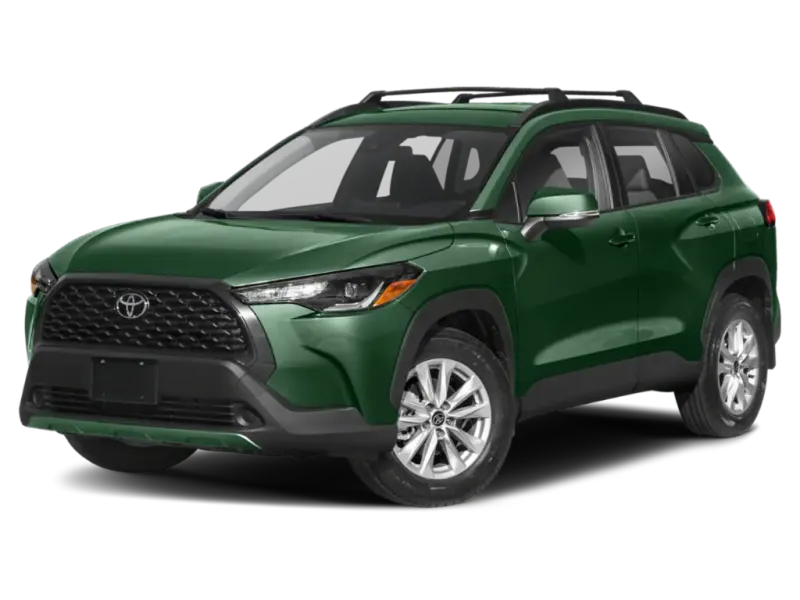
Toyota Corolla Cross
Score: 94/100
Browse More 2020 Vehicles
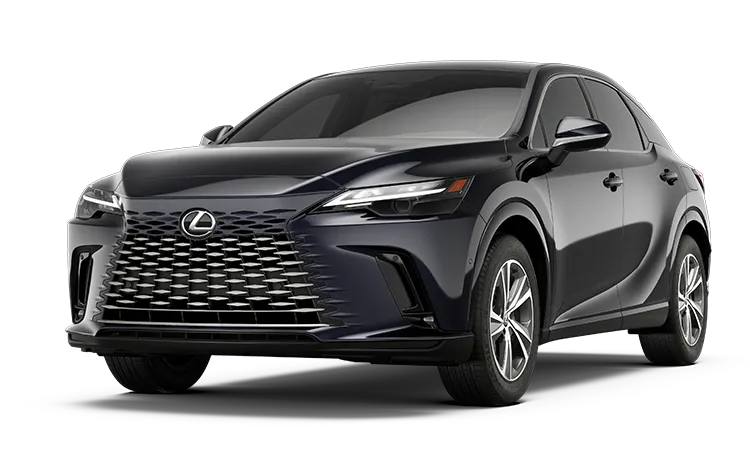
2020 Lexus RX
Score: 86/100
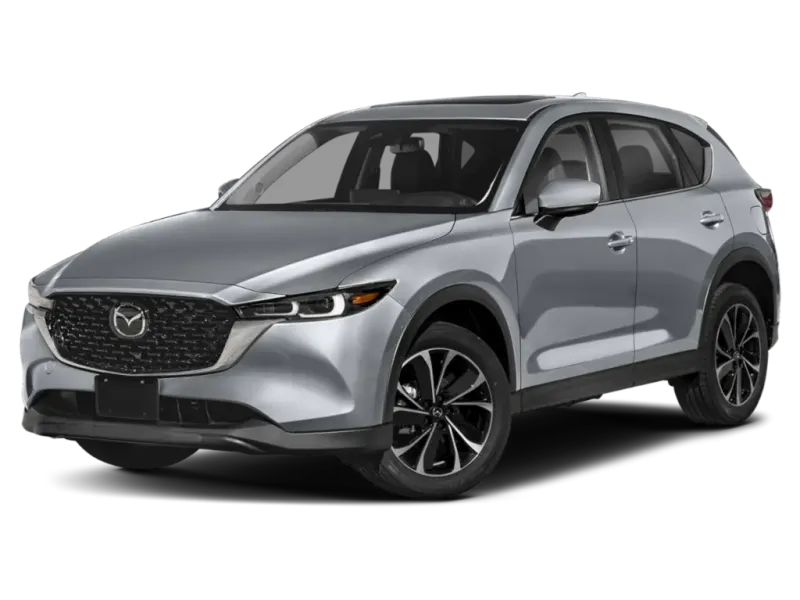
2020 Mazda CX-5
Score: 86/100
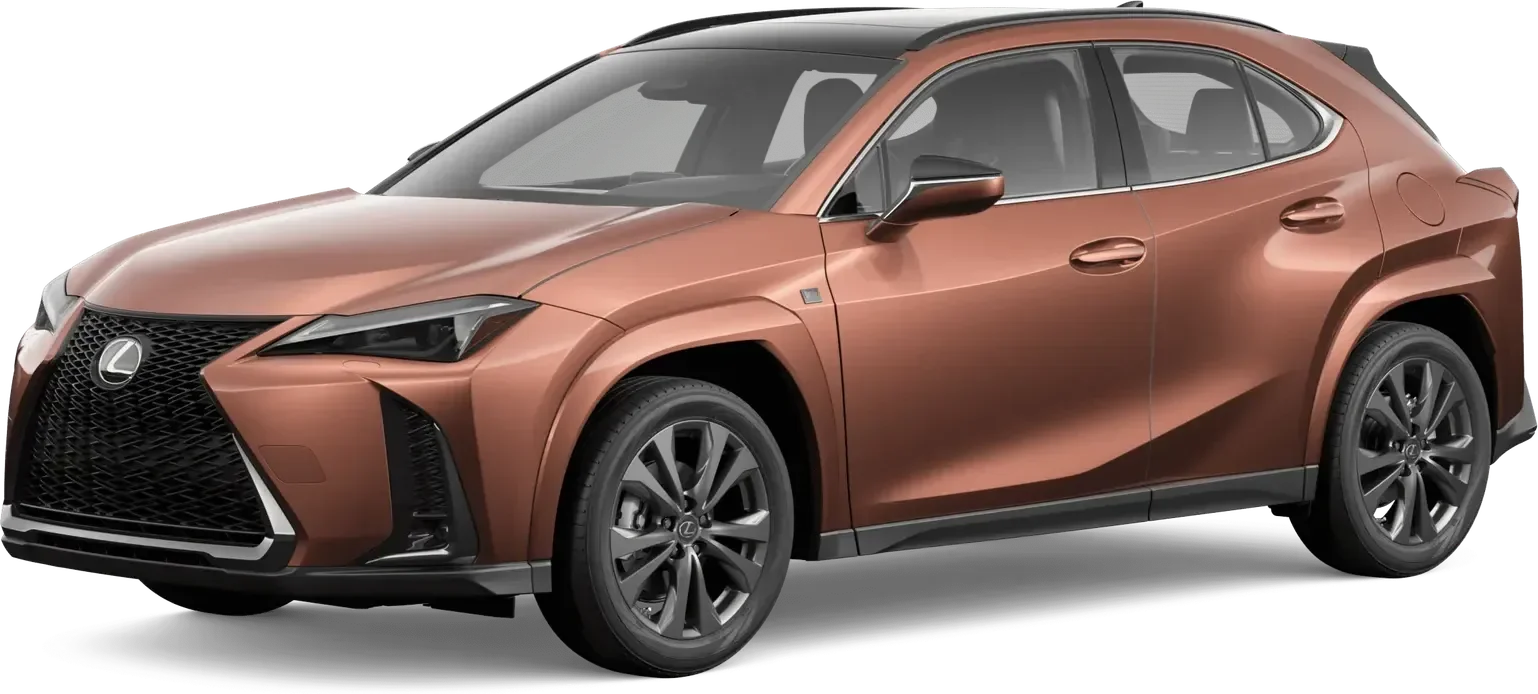
2020 Lexus UX
Score: 84/100
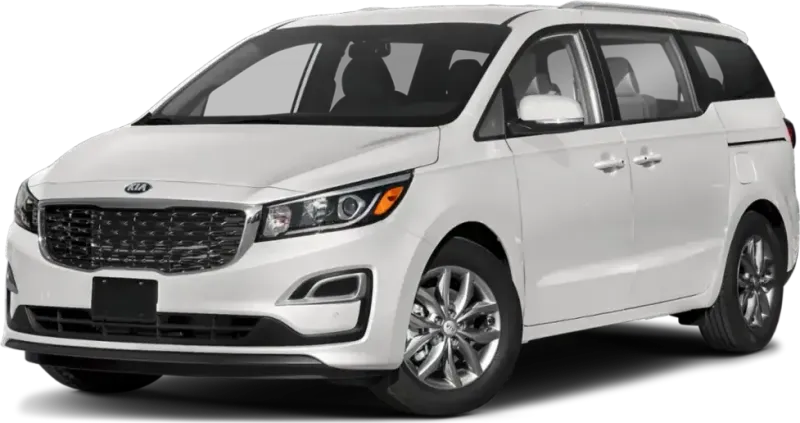
2020 Kia Sedona
Score: 83/100
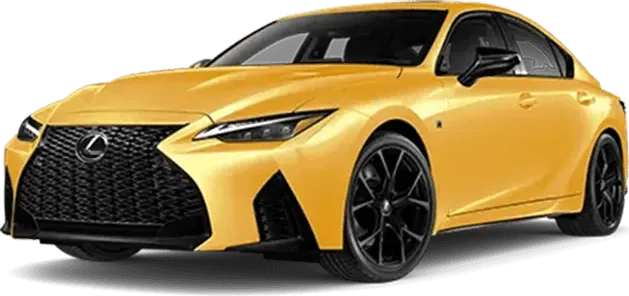
2020 Lexus IS
Score: 83/100
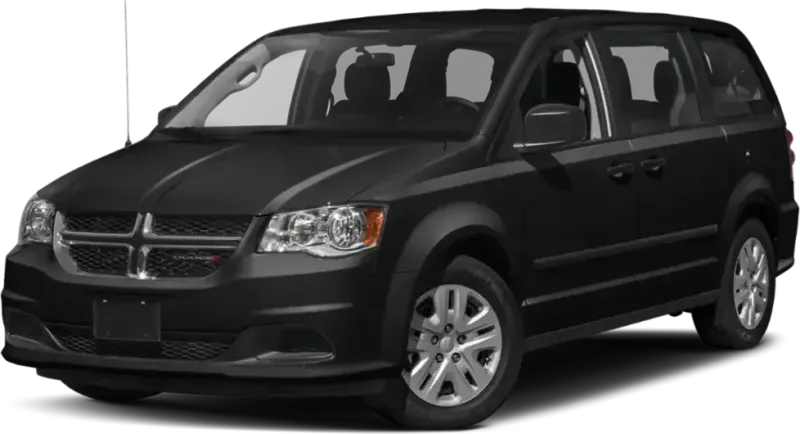
2020 Dodge Grand Caravan
Score: 83/100
See incorrect data? Report an issue