Last updated: 2026-11-26
Engine & powertrain
Hyundai Kona Transmission Problems
The Hyundai Kona has recurring owner reports of transmission hesitation, harsh shifts, and sudden loss of drive.
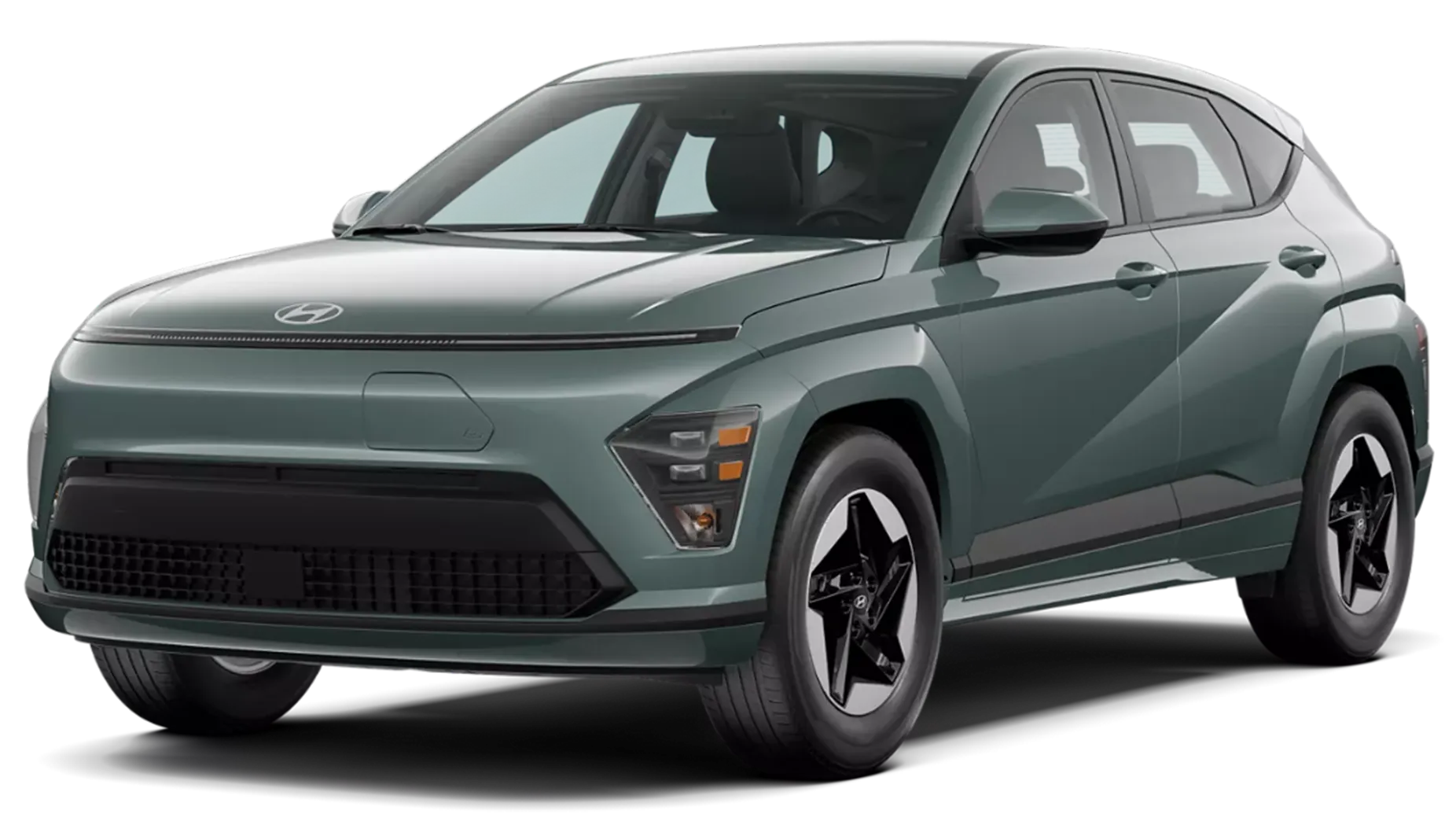
- Owner complaints
- 61
- Share of all complaints
- 7%
- Crash / fire / injury reports
- 0 / 1 / 0
- Related recalls
- 2
Hyundai Kona transmission complaints by model year
Transmission complaints appear for model years 2018 through 2026. The highest counts are 13 each for 2020 and 2022, followed by 12 for 2021 and nine for 2019. The 2018 and 2026 records each show one complaint; 2024 and 2025 each show three. The 2023 count is six. Newer vehicles have had less time to accumulate owner reports, so their lower counts do not establish better reliability. Counts reflect complaints, not the number of vehicles confirmed to have a defect.
| Model year | Complaints | Per 10,000 sold | Crash, fire, injury reports |
|---|---|---|---|
| 2018 | 1 | 0.2 | 0, 0, 0 |
| 2019 | 9 | 1.2 | 0, 0, 0 |
| 2020 | 13 | 1.7 | 0, 1, 0 |
| 2021 | 12 | 1.3 | 0, 0, 0 |
| 2022 | 13 | 2 | 0, 0, 0 |
| 2023 | 6 | 0.8 | 0, 0, 0 |
| 2024 | 3 | 0.4 | 0, 0, 0 |
| 2025 | 3 | 0.4 | 0, 0, 0 |
| 2026 | 1 | 0.9 | 0, 0, 0 |
Owner complaints filed with NHTSA under power train. Newer model years have had less time to collect complaints.
What goes wrong
Delayed engagement, jerking, and slipping recur in Kona transmission complaints. Reports describe the car hesitating when pulling away, bucking or shifting hard at low speeds, and revving without gaining speed. Some owners report that the vehicle becomes stuck in a gear or will not move in reverse. These are owner accounts, not confirmation that every Kona has the same defect or cause.
Loss of drive can leave a driver unable to accelerate in traffic. Complaint summaries include stalls and sudden loss of propulsion on highways, along with vehicles that had to be towed or received transmission replacements. The supplied yearly records show no crash or injury reports in this complaint category, but do show one fire report for 2020. Reports also describe a transmission overheating and smoking on an incline. A Kona with repeated loss of drive or severe shifting symptoms should be assessed before a buyer relies on it for a trip.
Symptoms owners report
Hesitation from a stop
Reports describe a pause after pressing the accelerator, sometimes followed by a lurch as the car moves. Some owners say the Kona does not accelerate promptly when pulling away or entering traffic. Avoid trying to reproduce a loss-of-drive symptom in traffic.
Jerking and hard shifts
Owners report bucking, judder, or rough shifts at low speeds, including hard changes from first to second gear. Some describe lunging while slowing to a stop or shuddering in stop-and-go driving. These reports do not establish that every Kona will develop the same behavior.
Revving without acceleration
Some complaints describe engine speed rising while the Kona gains little speed or does not respond to the accelerator. Reports place this during ordinary acceleration, merging, or highway driving. This can make it difficult to predict whether the car will keep pace with traffic.
Stalling or lost drive
Reports include cars that stall at low speed, stop moving, become stuck in a gear, or will not move in reverse. Some owners describe restarting or towing the vehicle after the problem. A complaint is not a confirmed diagnosis, but repeated loss of drive warrants prompt assessment.
Noise or overheating
Owners mention banging, grinding, or whirring alongside transmission complaints. One earlier year summary describes a transmission overheating and smoking on a steep climb. These accounts are individual reports and do not show how often this happens across all Konas.
Repairs and recalls
Owners report dealer visits, software updates, and transmission replacements. Some say the symptoms returned, while others report that dealers could not reproduce the problem or deferred replacement. Federal recall records list a recall covering certain 2021–2022 Kona N vehicles for impaired fail-safe limited-mobility drive mode after a transmission oil-pump malfunction; the remedy is inspection, replacement as needed, and a transmission control unit software update. A separate recall covers certain 2023–2024 Kona vehicles for an Idle Stop & Go electric oil-pump controller that may overheat; the remedy is inspection and possible controller replacement, and owners are advised to park outside until repaired. Check eligibility by VIN.
| Model years | Campaign | Problem |
|---|---|---|
| 2023 | 23V526000Park outside | Hyundai Motor America (Hyundai) is recalling certain 2023-2024 Palisade Tucson, 2023 Sonata, Elantra, and Kona vehicles. The electronic controller for the Idle Stop & Go oil pump assembly may contain damaged electrical… |
| 2022 | 22V746000 | Hyundai Motor Company (Hyundai) is recalling certain 2021-2022 Santa Fe, Sonata, Veloster N, 2022 Santa Cruz, Elantra N, and Kona N vehicles. The vehicle's "fail-safe" limited-mobility drive mode may be impaired, when… |
Checking a used Kona for transmission problems
- Ask a Hyundai dealer to check the VIN for open recalls and completed recall work.
- Review service records for shifting complaints, software updates, transmission repairs, or replacements.
- On a cautious test drive, note hesitation or harsh shifts during ordinary driving; do not provoke a dangerous failure.
- Ask whether warning messages, loss of drive, or towing have occurred and request related service records.
- Arrange an independent inspection if the car has shifting problems or a history of stalling.
For the rest of the car, use a full Hyundai Kona inspection checklist.
2 transmission recalls cover the Hyundai Kona. A VIN check shows whether the car you're looking at had its recall work done, plus accident and title history.
Hyundai Kona Transmission Problems: common questions
- Which Hyundai Kona years have transmission complaints?
- The supplied records show transmission complaints for every listed model year from 2018 through 2026. Counts are highest for 2020 and 2022, with 13 complaints each, and 2021 has 12. Lower counts for newer years do not establish better reliability because those vehicles have had less time to collect reports.
- Is a Kona with transmission problems safe to drive?
- Owner reports include delayed acceleration, stalling, sudden loss of drive, and vehicles that needed towing. The reports cannot predict what a particular car will do, but losing propulsion in traffic can be hazardous. If the Kona repeatedly loses drive or has severe shifting symptoms, arrange an assessment instead of relying on it for a trip.
- Does a recall cover Kona transmission problems?
- The supplied federal recall records list a recall for certain 2021–2022 Kona N vehicles involving impaired fail-safe drive mode after a transmission oil-pump malfunction. A separate recall lists certain 2023–2024 Kona vehicles for an Idle Stop & Go electric oil-pump controller that may overheat. Neither notice establishes that every transmission complaint is covered; check the VIN with a dealer.
- What repairs do owners report for Kona transmission trouble?
- Owners describe dealer inspections, software updates, and transmission replacements. Some say symptoms persisted or returned, and others report that a dealer could not reproduce the problem. The recalls have their own remedies: inspection and possible transmission replacement plus a control unit software update for the listed Kona N vehicles, and inspection with possible oil-pump controller replacement for the other listed Kona vehicles.
- What does Kona transmission repair cost?
- The supplied complaint and recall data provide no repair prices, so they cannot support a cost estimate. Some owners report warranty repairs or replacements, while others describe unresolved concerns. Ask a dealer or independent shop for an estimate based on the specific vehicle, and check warranty coverage and recall status by VIN.
Other Hyundai Kona problems
Engine & powertrain
Electrical & lighting
More on the Hyundai Kona
See incorrect data? Report an issue