Last updated: 2026-10-10
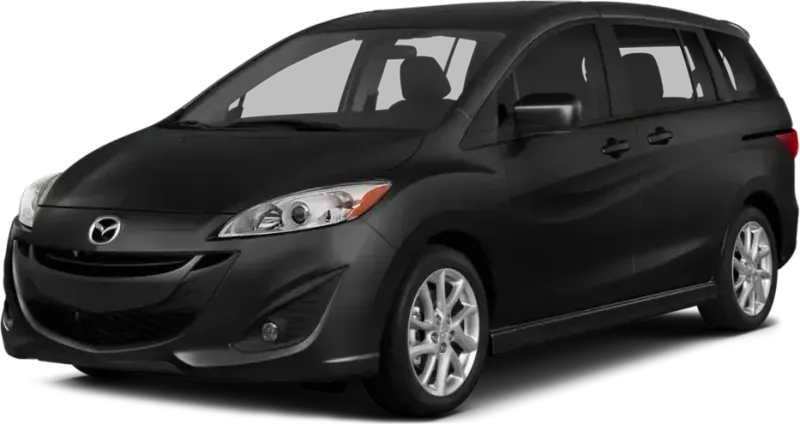
2020 Mazda 5 Reliability Report
The 2020 Mazda 5 has good reliability and beats most 2020 sedans, but touchscreen glitches and false automatic braking are the main complaints.
Recalls
5
Complaints
127
Complaint Rate
N/A
Est. Repair Cost
$581
Detailed Score Breakdown
Component-weighted complaints normalized by sales volume
Independent repair cost ratings
Recall count weighted by severity
Breadth of reported problem categories
The Verdict
Middle of the pack among Mazda 5 years, with five recalls and touchscreen and false-braking complaints, but far fewer complaints than the 2019.
Top Issues to Watch
- ELECTRICAL SYSTEM (30)
- FORWARD COLLISION AVOIDANCE (16)
- SERVICE BRAKES (11)
Should You Buy the 2020 Mazda 5?
Good standing, and above average among 2020 sedans. Within the Mazda 5's nine scored years, this one sits in the middle. It earns 5 of 5 federal crash-test stars. Independent repair-cost data puts yearly repairs at $581, a little above the $526 for its class. The 2021 rates better, with 180 complaints and 3 recalls. The 2019 rates worse, with 325 complaints and 12 recalls.
Owners report the most trouble with the electrical system. The touchscreen registers phantom touches that change screens, push the volume to maximum and place calls while driving, and software updates often do not fix it. Automatic emergency braking can fire with nothing ahead, and some drivers describe near rear-end collisions. Low oil lights and suspected oil burning show up at roughly 52,764 to 55,000 miles. Five recalls cover exterior lighting, the fuel system, service brakes, forward collision avoidance and air bags.
Ask for proof that every recall was completed. On a test drive, work the touchscreen and knob, and check the oil level. If prices are close, look at a 2021.
Compared to the 2021 Mazda 5, which scored 3 points higher. See also the 2019 Mazda 5 for an earlier comparison.
Pros
- +Acceptable reliability score
- +Low major repair risk (10%)
- +5-star NHTSA crash rating
Cons
- −Above-average repair costs for its class
- −Moderate recall count
- −Moderate complaint volume
Compare 2020 Mazda 5 With
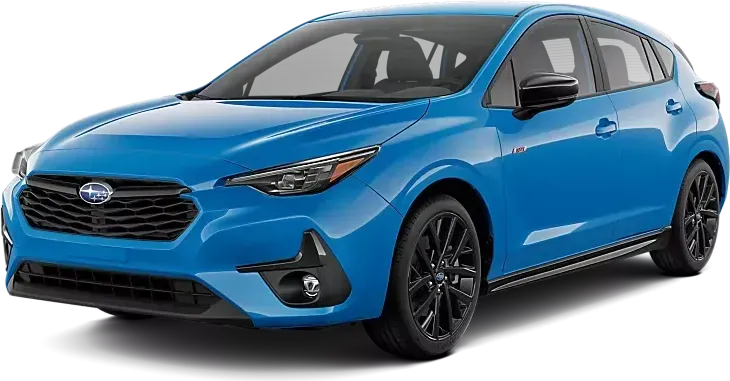
2020 Subaru Impreza
Reliability: 74/100
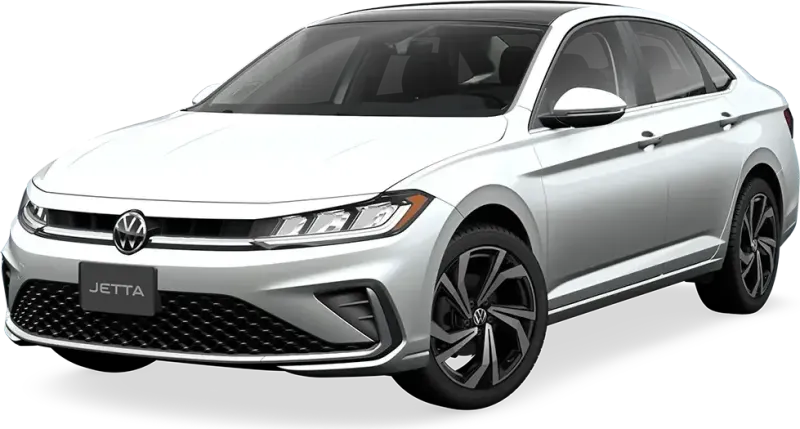
2020 Volkswagen Jetta
Reliability: 75/100
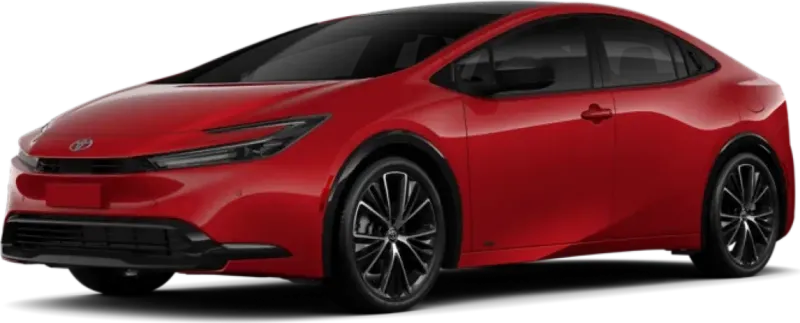
2020 Toyota Prius
Reliability: 79/100
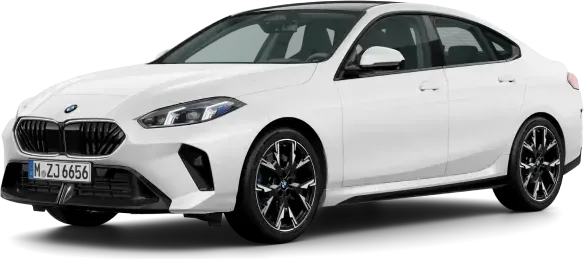
2020 BMW 2 Series
Reliability: 71/100
Common Problem Categories
Safety
LOW RISK- 5 manufacturer recalls issued
Other
HIGH RISK- ELECTRICAL SYSTEM (30)
- UNKNOWN OR OTHER (20)
Recall Overview
5
recalls on record
A moderate 5 recalls are on file for the 2020 Mazda 5. Each one points to a specific safety or compliance issue identified by the manufacturer or NHTSA — check the list below before buying.
NHTSA.gov →Complaint Breakdown
127
complaintsSafety Incidents
8
Crashes
0
Fires
6
Injuries
0
Deaths
NHTSA 5/5 Stars
Data sourced from NHTSA complaint filings and manufacturer recall notices. Complaint narratives are owner-reported.
2020 Mazda 5 Recall Details
5 recalls have been issued for the 2020 Mazda 5. All recall repairs are performed free of charge at authorized dealerships.
EXTERIOR LIGHTING
Mazda North American Operations (Mazda) is recalling certain 2020-2021 Mazda2 vehicles. The headlights are missing adjustment prevention caps, which can allow the headlights to be improperly adjusted. As such, these vehicles fail to comply with the requirements of Federal Motor Vehicle Safety Standard number 108, "Lamps, Reflective Devices, and Associated Equipment."
Consequence
Improperly adjusted headlights can reduce visibility, increasing the risk of a crash.
Remedy
Dealers will install the missing adjustment prevention caps, free of charge. Owner notification letters were mailed December 28, 2022. Owners in Puerto Rico may contact Mazda customer service at (787) 620-7546. Owners in the United States may contact Mazda customer service at 1-800-222-5500 Option 6. Mazda's number for this recall is 5622K.
FUEL SYSTEM, GASOLINE
Mazda North American Operations (Mazda) is recalling certain 2018 Mazda3, Mazda6, 2019 CX-3, 2018-2019 MX-5, CX-5, CX-9, and 2019-2020 Mazda2 vehicles. The impeller inside the low-pressure fuel pump may crack and deform, potentially causing the fuel pump to fail.
Consequence
Fuel pump failure may cause an engine stall, increasing the risk of a crash.
Remedy
Dealers will replace the fuel pumps, free of charge. Owner notification letters were mailed July 18, 2022. Owners may contact Mazda customer service at 1-800-222-5500 Option 4. Mazda's number for this recall is 5321K.
SERVICE BRAKES, HYDRAULIC
Mazda North American Operations (Mazda) is recalling certain 2020 CX-30 and Mazda3 vehicles. The front brake caliper mounting bolts may not have been tightened properly during assembly, possibly allowing the calipers to loosen.
Consequence
Loose brake calipers can reduce braking performance or interfere with wheel rotation, affecting vehicle handling. Either of these scenarios can increase the risk of a crash.
Remedy
Mazda will notify owners, and dealers will inspect the front brake caliper bolts, tightening them as necessary. If bolts are missing, the affected brake caliper will be replaced. Repairs will be performed free of charge. The recall began July 24, 2020. Owners may contact Mazda customer service at 1-800-222-5500, Option 4. Mazda's number for this recall is 4420F.
Buying a used 2020 Mazda 5? Check its history first
Electrical system problems lead owner complaints about the 2020 Mazda 5, and 5 recalls were issued for it. A VIN check shows whether this car's recall work was done, plus accident, title, and odometer history.
- Accidents
- Open Recalls
- Title History
- Odometer Rollback
2020 Mazda 5 NHTSA Safety Ratings
Overall Safety Rating
Crash Test Results by Configuration (expand)
Gas Powertrain
Rollover risk: 13.0%
Safety Technologies
Mazda 5Repair Costs & Maintenance
Maintenance Rating
4Maintenance rating: 4 out of 5Based on NHTSA complaint patterns, recall severity, and publicly available cost benchmarks.
Est. Annual Maintenance
$581
vs $526 avg for compact cars
vs $652 avg for all vehicles
Repair Frequency
0.4
unscheduled repair visits per year
Severe Repair Probability
10%
chance of a major repair
Annual Cost Comparison
Category-level averages derived from publicly available industry reports (AAA, CarMD). Model-level estimates produced by Auto Reliability Index.
Used Buying Checklist
Key things to inspect or verify before purchasing a 2020 Mazda 5.
Use the touchscreen throughout the test drive, ideally in sun, and watch for phantom inputs, volume jumps or unresponsive controls.
Drive in stop-and-go traffic with Smart Brake Support on and watch for braking or warnings when nothing is ahead.
Check the dash for forward camera, radar or Smart City Brake Support malfunction messages at startup and while driving.
Accelerate gently from 20 to 35 mph and listen for a chirp or stutter on the upshift.
Pull the dipstick, check the oil level, and ask for records of oil top-ups, consumption tests or torque converter repairs.
Inspect the timing cover, oil pan and the area above the exhaust manifold for oil seepage, and smell for burning oil.
Switch the engine off with the start button and confirm it actually stops before walking away.
Check the carpets near the driver door and windshield for water stains, and look over the hood for paint chips.
2020 Mazda 5 Common Problems by Component
127 owner complaints grouped by vehicle system.
ELECTRICAL SYSTEM
30 complaintsSafety-relatedThe touchscreen registers phantom touches. It changes screens, raises the volume to maximum, places calls and drops navigation while driving, and the knob and buttons can stop responding. Software updates often do not fix it, and some owners pay for a new screen. Other reports describe batteries that drain repeatedly, forward camera warnings that disable the driver-assist systems, and dash lights that cut out. In one hospitalization, the engine kept running in a garage after being switched off. In one crash report, the brake pedal would not move and the steering stopped responding.
UNKNOWN OR OTHER
20 complaintsPhantom touches on the infotainment screen account for most of these reports. The screen makes calls, changes settings, switches stations and turns the volume up without input. Some owners say heat or direct sun sets it off, and others see it year round. Owners report repair quotes of $500 to $700. Other complaints describe paint chipping to bare metal on the hood and doors within the first year, sunroofs shattering at highway speed, sun visor hinges softening in heat, and snow on the front camera triggering smart brake faults with unwanted braking.
FORWARD COLLISION AVOIDANCE
16 complaintsSafety-relatedAutomatic emergency braking engages when nothing is ahead. It slams the car to a stop in slow traffic, on clear town streets around 35 mph, and when a car in the next lane passes. Drivers describe near rear-end collisions and passengers thrown forward. Dealers often cannot reproduce the fault. Some reports describe a failed front radar sensor that disables collision warning and radar cruise control. In one crash, the car sped up again after the driver tapped the brake to cancel adaptive cruise, and it sideswiped a truck.
SERVICE BRAKES (11 complaints)
SERVICE BRAKES
11 complaintsSafety-relatedMost reports describe the automatic braking system braking hard with no car ahead. The car shows BRAKE warnings, and drivers behind have to stop suddenly. One driver reports neck and back pain. Two crash reports say the car did not stop when the brakes were applied while parking. In one injury report, the car rolled backward while in Park and the open door ran over the owner. Other complaints include an ABS light with brake lockup and stalling at about 2,000 miles, and grinding noises needing new brakes and calipers at 32000 miles.
ENGINE (9 complaints)
ENGINE
9 complaintsThe low oil light comes on before the scheduled oil change, and some owners suspect the engine is burning oil. Oil leaks from the timing cover, oil pan gasket and seals are common, and one report describes oil reaching a spark plug. One owner reports a cracked cylinder head above the exhaust manifold, with burning oil and smoke in the cabin. Less common reports include idle speed swinging while stopped at a light, a whoop sound at idle that dealers cannot explain, a faulty thermostat, and an engine that keeps running after shutoff.
POWER TRAIN (9 complaints)
POWER TRAIN
9 complaintsThe transmission chirps on the 3rd-to-4th upshift or when accelerating gently at 20 to 35 mph. Dealers diagnose a failing torque converter, metal debris inside the transmission, or a transaxle that needs replacing. Onset is usually between 32,000 and 61,000 miles, often with jerking. Help with costs varies: one owner got partial coverage, while others were told their VIN was not covered. Other reports describe a cracked cylinder on a non-turbo engine at 34,000 miles costing over $7,000, oil consumption, and a limp-mode event that stopped the car.
STRUCTURE (7 complaints)
STRUCTURE
7 complaintsSafety-relatedStrong crosswinds at highway speed cause a loud screech or howl from the doors, and dealers often cannot reproduce it. Water leaks come in through the driver door window and the windshield. In one case the windshield leak blocked the driver's view. Sunroofs shatter outward while driving with no visible impact. Owners also report paint chipping on the hood in the first year. A power liftgate opens by itself and was damaged by a closing garage door. One crash report blames a failed rear camera and warning system.
AIR BAGS (4 complaints)
AIR BAGS
4 complaintsSafety-relatedPassenger-side curtain airbags deploy on the highway with no collision. The bang is loud enough to leave ears ringing, and the deployed bags block the side windows and mirrors while traffic is alongside. Dealers find no system fault. In another report, the driver-side airbags fired after a tire blowout and the car shut off. One crash report with an injury says the airbags did not deploy when the car hit a guardrail and scraped along it.
VEHICLE SPEED CONTROL (4 complaints)
VEHICLE SPEED CONTROL
4 complaintsSafety-relatedThe car surges forward on its own at low speed, while parking, in a drive-thru, or after being parked. Drivers say braking did not stop it. Two crash reports describe hitting a building and a pole, with one injury and one vehicle declared a total loss. Brake system and camera malfunction messages appeared after one collision. A separate report says the cruise control buttons on the steering wheel are not lit, which led a driver to raise the speed by mistake at night.
STEERING (3 complaints)
STEERING
3 complaintsLane-keeping assist steers the car on its own. At highway speed, one car swung back and forth between lanes toward a concrete median while the driver fought the wheel. In construction zones, the system follows old lane lines and pushes the car toward occupied lanes. A separate complaint reports corroded front suspension bolts that make metal-on-metal noise when turning and braking.
When Do 2020 Mazda 5 Problems Start?
Based on owner complaint patterns, here's when common issues tend to appear.
Best & Worst Mazda 5 Years
Best Mazda 5 Years to Buy
Based on reliability index scoreMazda 5 Years to Avoid
Mazda 5 Reliability Score Trend
Scores 0–100. Higher is better. Current year highlighted.
| Year | Score | Rating |
|---|---|---|
| 2018 | 72/100 | Good |
| 2019 | 72/100 | Good |
| 2020 | 75/100 | Good |
| 2021 | 78/100 | Good |
| 2022 | 83/100 | Excellent |
| 2023 | 78/100 | Good |
| 2024 | 75/100 | Good |
| 2025 | 75/100 | Good |
| 2026 | 88/100 | Excellent |
Mazda 5 Reliability Compared to Other Years
Frequently Asked Questions
Is the 2020 Mazda 5 reliable?
What are the most common problems with the 2020 Mazda 5?
Does the 2020 Mazda 5 have touchscreen problems?
Does the 2020 Mazda 5 have oil consumption problems?
Is the 2020 Mazda 5 better than the 2019 or 2021?
Don’t buy a 2020 Mazda 5 without checking its VIN first — hidden accidents, title issues, and open recalls could cost you thousands.
How we score the 2020 Mazda 5
Of the four inputs behind this score, the 2020 Mazda 5 does best on repair costs (80/100) and worst on recall impact (68/100). Scores weight complaint severity at 35%, repair costs at 30%, recall impact at 20%, and the spread of complaints across systems at 15%, with complaint counts adjusted for US sales. Read the full methodology.
Get notified when new recalls or reliability data is added for the Mazda 5.
No spam. Only data updates for this model.
Browse More Mazda Models
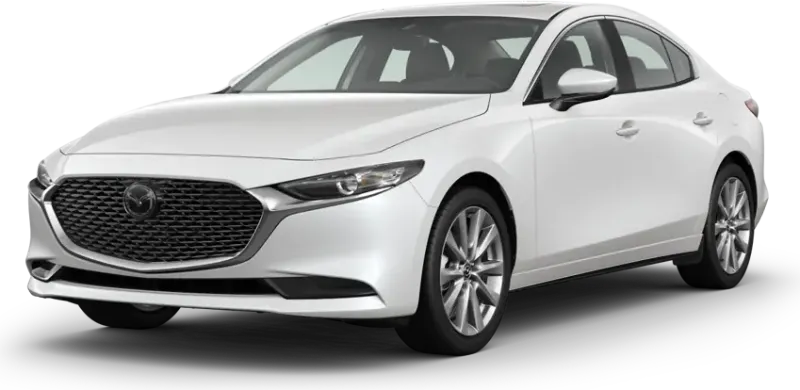
Mazda 3
Score: 84/100

Mazda CX-30
Score: 72/100

Mazda CX-5
Score: 94/100
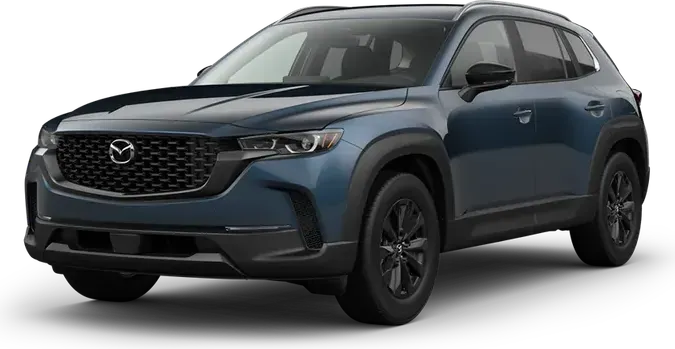
Mazda CX-50
Score: 76/100
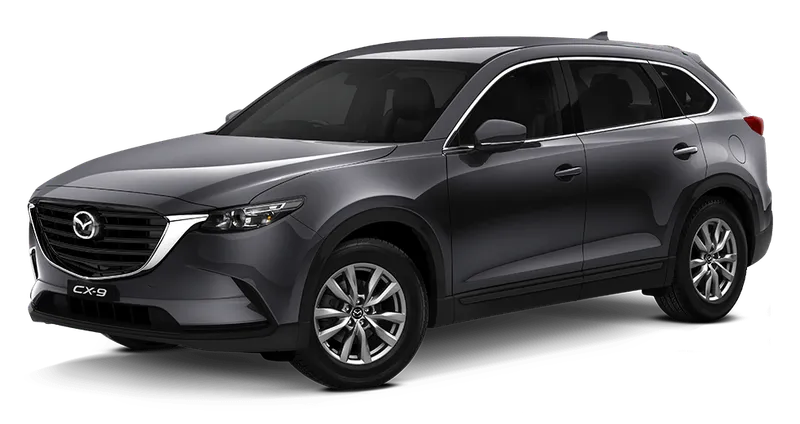
Mazda CX-9
Score: 81/100
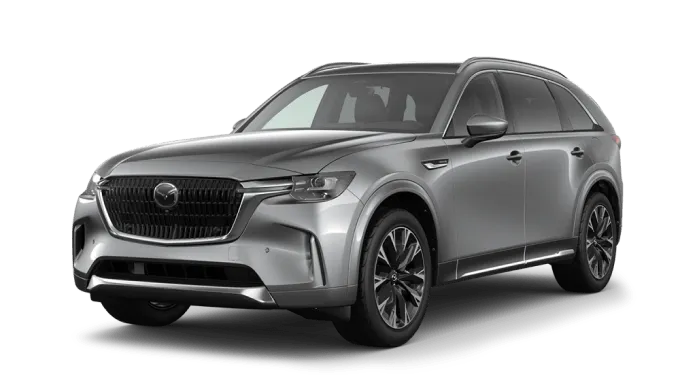
Mazda CX-90
Score: 72/100
Browse More 2020 Vehicles
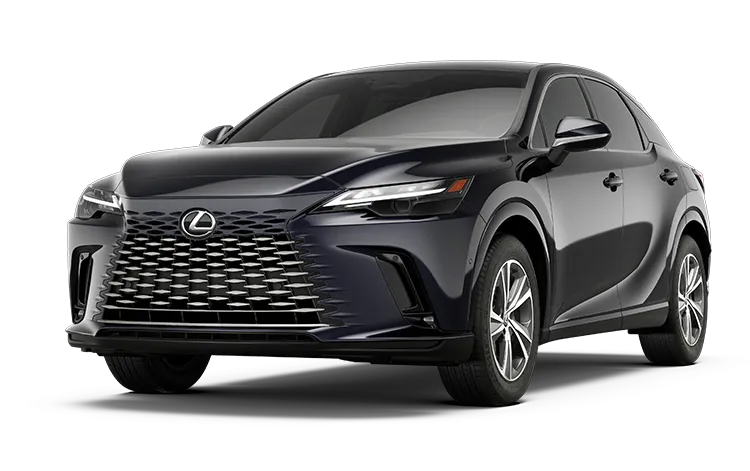
2020 Lexus RX
Score: 86/100
2020 Mazda CX-5
Score: 86/100
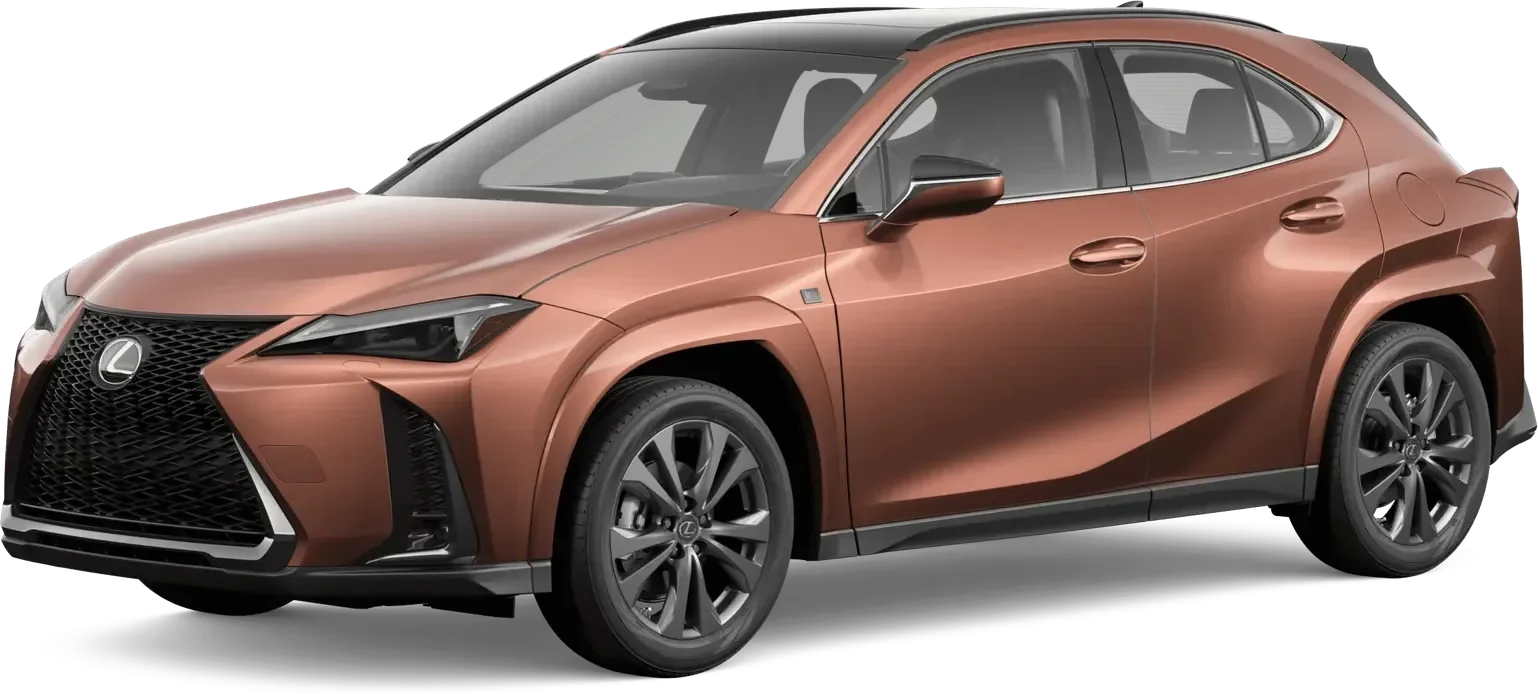
2020 Lexus UX
Score: 84/100
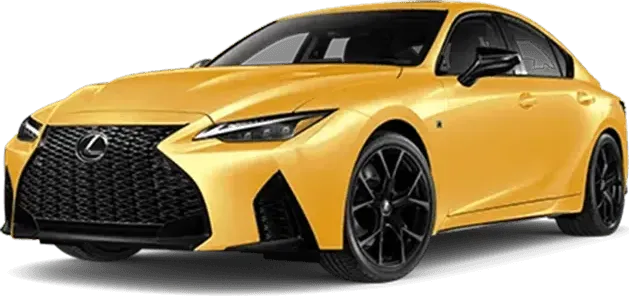
2020 Lexus IS
Score: 83/100
2020 Lexus ES
Score: 83/100

2020 Dodge Grand Caravan
Score: 83/100
See incorrect data? Report an issue