Last updated: 2026-10-10

2023 Mazda 5 Reliability Report
The 2023 Mazda 5 has good reliability, but owners report braking that engages with nothing ahead and manual gearbox trouble.
Recalls
3
Complaints
68
Complaint Rate
N/A
Est. Repair Cost
$581
Detailed Score Breakdown
Component-weighted complaints normalized by sales volume
Independent repair cost ratings
Recall count weighted by severity
Breadth of reported problem categories
The Verdict
A middle-ranked year with good reliability, held back by false emergency braking and manual transmission complaints, and rated below the 2022.
Top Issues to Watch
- SERVICE BRAKES (9)
- POWER TRAIN (8)
- ELECTRICAL SYSTEM (7)
Should You Buy the 2023 Mazda 5?
Good reliability puts this model year above average among 2023 sedans and in the middle of the nine scored Mazda 5 years. It earns 5 of 5 stars in federal crash tests. Repair costs run a bit high, at $581 a year against $526 for its class. The 2022 rates better, while the 2024 rates worse.
Brakes draw the most complaints. Owners describe automatic emergency braking that slams on with nothing ahead, at highway speed and in stop-and-go traffic, and sometimes stalls the engine. Manual transmission cars have gears that grind or refuse to engage, especially from 2nd to 3rd, often within 2,500 to 10,000 miles. One owner reports a fire at highway speed. Three recalls cover trailer hitches, hydraulic service brakes, and air bags.
Ask for proof that every recall repair was done. On a manual car, test the 2nd to 3rd shift and ask if the transmission was ever replaced. The 2022 is worth comparing, since it has only one recall.
Compared to the 2024 Mazda 5, which scored 3 points lower. See also the 2022 Mazda 5 for an earlier comparison.
Pros
- +Acceptable reliability score
- +Low major repair risk (10%)
- +Low complaint frequency
Cons
- −Above-average repair costs for its class
- −Moderate recall count
- −SERVICE BRAKES: Most common report is automatic emergency braking that slams on with nothing... (9 complaints)
Compare 2023 Mazda 5 With

2023 Mazda 3
Reliability: 78/100
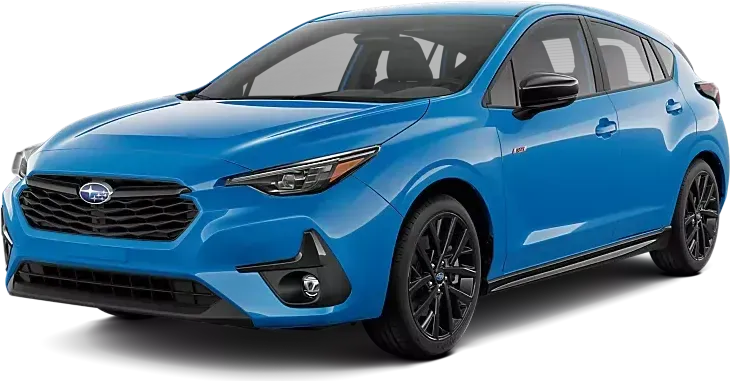
2023 Subaru Impreza
Reliability: 74/100

2023 Volkswagen Jetta
Reliability: 81/100
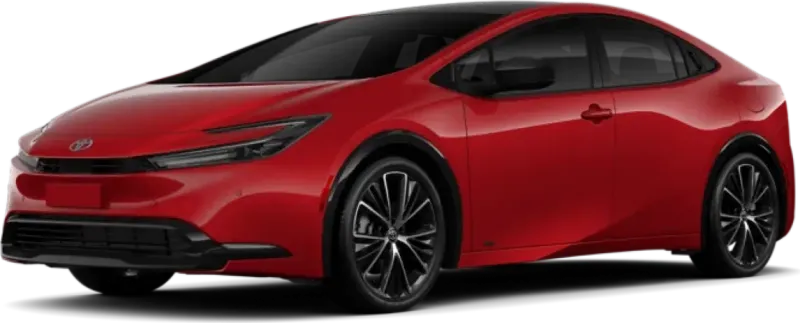
2023 Toyota Prius
Reliability: 76/100

2023 BMW 2 Series
Reliability: 73/100
Common Problem Categories
Safety
LOW RISK- 3 manufacturer recalls issued
Other
HIGH RISK- SERVICE BRAKES (9)
- UNKNOWN OR OTHER (8)
Recall Overview
3
recalls on record
A moderate 3 recalls are on file for the 2023 Mazda 5. Each one points to a specific safety or compliance issue identified by the manufacturer or NHTSA — check the list below before buying.
NHTSA.gov →Complaint Breakdown
68
complaintsSafety Incidents
11
Crashes
2
Fires
4
Injuries
1
Deaths
NHTSA 5/5 Stars
Data sourced from NHTSA complaint filings and manufacturer recall notices. Complaint narratives are owner-reported.
2023 Mazda 5 Recall Details
3 recalls have been issued for the 2023 Mazda 5. All recall repairs are performed free of charge at authorized dealerships.
TRAILER HITCHES
Mazda North America Operations (Mazda) is recalling certain 2023 CX-50 vehicles equipped with a Mazda Genuine Accessory trailer hitch. The trailer hitch harness may detach and become damaged, which can result in inoperative trailer lights and/or brakes.
Consequence
Towing a trailer with inoperative lights or brakes can increase the risk of a crash.
Remedy
Dealers will repair the trailer hitch harness, free of charge. Owner notification letters were mailed April 11, 2023. Owners may contact Mazda customer service at 1-800-222-5500 option 6. Mazda's number for this recall is 5723B.
SERVICE BRAKES, HYDRAULIC
Mazda North American Operations (Mazda) is recalling certain 2022-2023 CX-30 and 2023 CX-50 vehicles. The anti-lock brake system (ABS) Hydraulic Control Unit (HCU) may be damaged, which can result in reduced braking ability.
Consequence
Reduced braking ability can increase the distance required to stop the vehicle, increasing the risk of a crash.
Remedy
Dealers will inspect and replace the ABS HCU, as necessary, free of charge. Owner notification letters were mailed June 12, 2023. Owners may contact Mazda customer service at 1-800-222-5500 Option 6. Mazda's number for this recall is 5823D.
AIR BAGS
Mazda North American Operations (Mazda) is recalling certain 2016-2023 MX-5 Miata vehicles. A software error in the air bag control module may cause the front air bags to deploy with excessive force during a crash. As such, these vehicles fail to comply with the requirements of Federal Motor Vehicle Safety Standard number 208, "Occupant Crash Protection."
Consequence
An air bag that deploys with excessive force can increase the risk of injury during a crash.
Remedy
Dealers will update the Sophisticated Air Bag Sensor (SAS) control module software, free of charge. Owner notification letters were mailed November 7, 2024. Owners may contact Mazda customer service at 1-800-222-5500. Mazda's number for this recall is 6924I.
Buying a used 2023 Mazda 5? Check its history first
Service brakes problems lead owner complaints about the 2023 Mazda 5, and 3 recalls were issued for it. A VIN check shows whether this car's recall work was done, plus accident, title, and odometer history.
- Accidents
- Open Recalls
- Title History
- Odometer Rollback
2023 Mazda 5 NHTSA Safety Ratings
Overall Safety Rating
Crash Test Results by Configuration (expand)
Gas Powertrain
Rollover risk: 10.1%
Safety Technologies
Mazda 5Repair Costs & Maintenance
Maintenance Rating
4Maintenance rating: 4 out of 5Based on NHTSA complaint patterns, recall severity, and publicly available cost benchmarks.
Est. Annual Maintenance
$581
vs $526 avg for compact cars
vs $652 avg for all vehicles
Repair Frequency
0.4
unscheduled repair visits per year
Severe Repair Probability
10%
chance of a major repair
Annual Cost Comparison
Category-level averages derived from publicly available industry reports (AAA, CarMD). Model-level estimates produced by Auto Reliability Index.
Used Buying Checklist
Key things to inspect or verify before purchasing a 2023 Mazda 5.
Drive on the highway and in stop-and-go traffic, and watch for automatic emergency braking with nothing ahead.
On manual cars, shift through every gear, especially 2nd to 3rd, and feel for grinding or resistance.
Check the rear headliner corners and roof edges for water stains, dampness, or a musty mold smell.
Push the steering wheel up and down to check for play, then turn slowly left and feel for sticking.
Drive over rough streets at 5 to 25 mph, listen for clunks, and have the front ball joints and control arms inspected.
Look behind the front wheels for fluid near the calipers and check the brake fluid reservoir level.
Ask for service records showing visits for dead batteries, lockouts, liftgate opening, or transmission replacement.
2023 Mazda 5 Common Problems by Component
68 owner complaints grouped by vehicle system.
SERVICE BRAKES
9 complaintsSafety-relatedThe most common report is automatic emergency braking that slams on with nothing ahead. It happens at highway speed and in stop-and-go traffic, and sometimes it stalls the engine. Other reports describe brake fluid leaking near the front calipers with no warning light, a pedal that needs heavy force to stop the car, rear pads and rotors worn out unusually early, and a loud pop when releasing the brake to pull away. One crash report describes sudden acceleration into a wall with no braking assist or collision warning.
UNKNOWN OR OTHER
8 complaintsRain water leaks in from the roof on the rear sides, pools behind the headliner, and grows mold in hidden areas. Rattles and knocks from the dash, door panels, and roof show up early, and dealers say they cannot find them. Other reports describe lane keeping that lets the car drift across lanes, adaptive cruise stopping the car in traffic, and a wireless charging pad that errors out after a few minutes. In one report a plastic panel fell from the upper footwell and jammed under the brake pedal.
POWER TRAIN
8 complaintsMost reports involve the manual transmission. Gears refuse to engage, grind, or need heavy force, especially going from 2nd to 3rd, and one report names synchronizer failure. Trouble starts within the first few thousand miles. Some cars have had the transmission replaced, and one faces a second replacement. There are no warning lights, so drivers get stuck at stops or lose drive at speed. Other complaints describe slipping with racing rpm and little forward movement, jerky 1-2 shifts at low speed, and a knocking noise from the rear at low speeds.
ELECTRICAL SYSTEM (7 complaints)
ELECTRICAL SYSTEM
7 complaintsSafety-relatedThe most serious report is a fire at highway speed. A loud bang came first, then electrical and engine malfunction warnings, then flames that spread over the front right side. A separate crash report describes emergency braking stopping the car on the highway, which led to a rear-end collision. Other problems include repeated dead batteries and lockouts that dealers could not trace, liquid in the console destroying the command switch, and genuine trailer wiring that makes trailer lamps flash erratically. One owner says towing is limited without a brake controller.
STEERING (6 complaints)
STEERING
6 complaintsSafety-relatedTurning left, the wheel sticks between roughly the 9 and 11 o'clock positions. It is worse in cold weather and at low speeds. Two reports describe a loose or wobbling steering wheel, and one was traced to a loosened steering wheel bolt at higher mileage. On ice, lane keeping can mistake light steering input for hands off the wheel and jerk the wheel sideways. One crash with an injury describes violent shaking at highway speed and a sharp pull left into the median.
SUSPENSION (5 complaints)
SUSPENSION
5 complaintsSafety-relatedFront lower ball joints and control arms fail. In the worst cases the joint pulls out of the control arm, the axle separates, and the car can no longer move. One failure at 2077 miles caused a loss-of-control crash. In another case a replacement control arm was backordered for nearly two months with no loaner car provided. Other reports describe loud clunks at 5 to 25 mph that dealers cannot trace, and strut bearing crunching during low-speed braking and turning, which a dealer blamed on dirt.
FORWARD COLLISION AVOIDANCE (4 complaints)
FORWARD COLLISION AVOIDANCE
4 complaintsSafety-relatedThe system brakes hard with open road ahead, both at freeway speed and when pulling away from a light. Some of these events happen near semi trucks or after a forward camera dirty warning in snow. The system also shuts itself off in rain, fog, light moisture, or cold, which dealers blame on dirt or fog. It turns back on every time the car starts. One crash report describes the opposite failure: no warning and no braking before a rear-end collision.
AIR BAGS (4 complaints)
AIR BAGS
4 complaintsSafety-relatedAll four reports come from crashes, and three involve injuries. One airbag burst through the dash vent and filled the cabin with smoke. In another case the airbag did not deploy in a deer strike at 55-60 mph, and the seat belt failed to hold the occupant. The other two reports describe severe crashes, including a fatal rollover that ended in fire. Those reports do not identify an airbag fault, so the pattern stays unclear.
STRUCTURE (4 complaints)
STRUCTURE
4 complaintsThe rear liftgate opens by itself while driving, with no button pressed. The hood visibly wobbles at all speeds, and a clanging metal noise comes from the front. Keyless entry sometimes takes two or three tries to unlock, and auto-lock may not engage when the driver walks away. Fabric lining or insulation also works loose from the seam between the dash and the pillars on both sides.
SEATS (2 complaints)
SEATS
2 complaintsUpholstery wears out early. Both front seats develop rips of about 1 inch along the sides, and owners say the same problem is widely reported online. Seams where the vinyl meets the fabric fray. In at least one case the manufacturer refused to repair the fraying. The complaints describe material durability problems, not seat mechanism or seat belt failures, though one owner worries the tears could become a safety risk over time.
When Do 2023 Mazda 5 Problems Start?
Based on owner complaint patterns, here's when common issues tend to appear.
Best & Worst Mazda 5 Years
Best Mazda 5 Years to Buy
Based on reliability index score2022
2023
(Current Model)
2021
Mazda 5 Years to Avoid
Mazda 5 Reliability Score Trend
Scores 0–100. Higher is better. Current year highlighted.
| Year | Score | Rating |
|---|---|---|
| 2018 | 72/100 | Good |
| 2019 | 72/100 | Good |
| 2020 | 75/100 | Good |
| 2021 | 78/100 | Good |
| 2022 | 83/100 | Excellent |
| 2023 | 78/100 | Good |
| 2024 | 75/100 | Good |
| 2025 | 75/100 | Good |
| 2026 | 88/100 | Excellent |
Mazda 5 Reliability Compared to Other Years
Frequently Asked Questions
Is the 2023 Mazda 5 reliable?
What are the most common problems with the 2023 Mazda 5?
Does the 2023 Mazda 5 have transmission problems?
Has the 2023 Mazda 5 been recalled?
How much does the 2023 Mazda 5 cost to maintain?
Don’t buy a 2023 Mazda 5 without checking its VIN first — hidden accidents, title issues, and open recalls could cost you thousands.
How we score the 2023 Mazda 5
Of the four inputs behind this score, the 2023 Mazda 5 does best on repair costs (80/100) and worst on recall impact (75/100). Scores weight complaint severity at 35%, repair costs at 30%, recall impact at 20%, and the spread of complaints across systems at 15%, with complaint counts adjusted for US sales. Read the full methodology.
Get notified when new recalls or reliability data is added for the Mazda 5.
No spam. Only data updates for this model.
Browse More Mazda Models
Mazda 3
Score: 84/100

Mazda CX-30
Score: 72/100

Mazda CX-5
Score: 94/100

Mazda CX-50
Score: 76/100

Mazda CX-9
Score: 81/100

Mazda CX-90
Score: 72/100
Browse More 2023 Vehicles
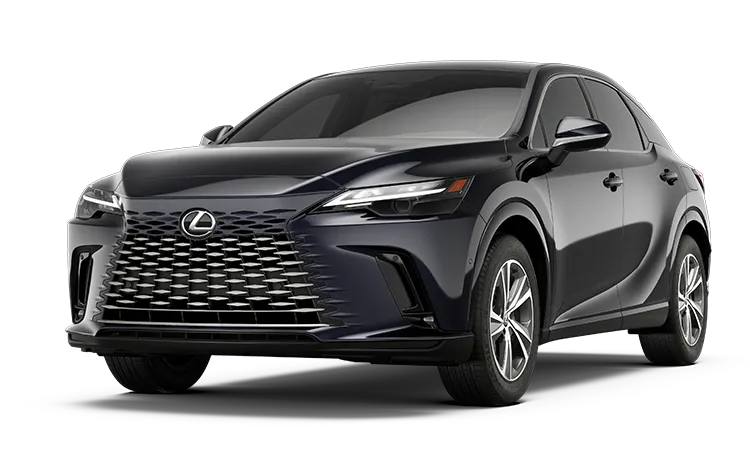
2023 Lexus RX
Score: 85/100
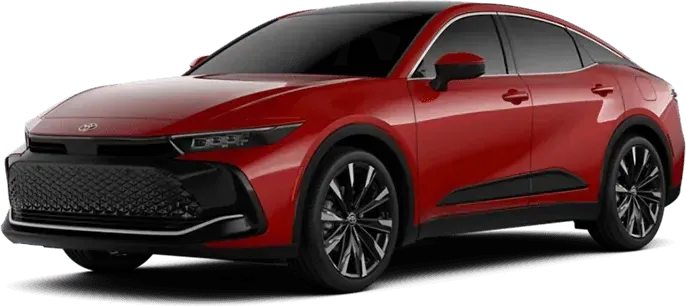
2023 Toyota Crown
Score: 84/100
2023 Nissan Altima
Score: 84/100

2023 Lexus IS
Score: 83/100

2023 Acura RDX
Score: 82/100

2023 Kia Carnival
Score: 82/100
See incorrect data? Report an issue