Last updated: 2026-10-10
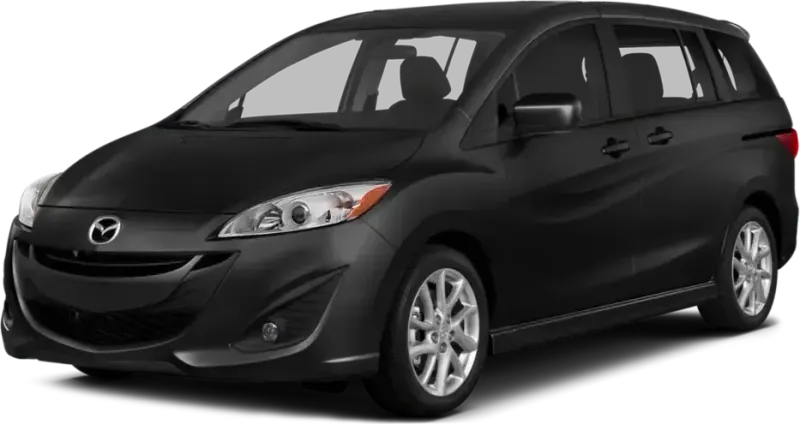
2026 Mazda 5 Reliability Report
The 2026 Mazda 5 rates excellent for reliability, with no complaints or recalls on file, but its yearly repair costs run above its class.
Recalls
0
Complaints
0
Complaint Rate
N/A
Est. Repair Cost
$581
Detailed Score Breakdown
Component-weighted complaints normalized by sales volume
Independent repair cost ratings
Recall count weighted by severity
Breadth of reported problem categories
The Verdict
Top-ranked of nine scored Mazda 5 years, with no complaints or recalls so far, though its short time on the road explains part of that.
Should You Buy the 2026 Mazda 5?
Reliability for this year is excellent. It is above average among 2026 sedans and the best of the nine scored Mazda 5 model years. The 2025 model is still good but rates worse, with 42 owner complaints and 5 recalls on file. Federal crash testing gives the 5 a full five out of five stars.
Owners have filed no complaints, and federal recall records show no recalls, so there is no known failure to describe. Part of that is timing, since a model year this new has had little time to collect filings. Cost is the one weak spot. Independent repair-cost data puts yearly repairs across the model at $581, against $526 for the class.
Before buying, run the VIN for open recalls and ask for service records. If you look at a 2025 to save money, ask for proof that its 5 recalls were completed.
See also the 2025 Mazda 5 for an earlier comparison.
Pros
- +Strong reliability score
- +Low major repair risk (10%)
- +No recalls issued
- +Low complaint frequency
- +5-star NHTSA crash rating
Cons
- −Above-average repair costs for its class
Compare 2026 Mazda 5 With
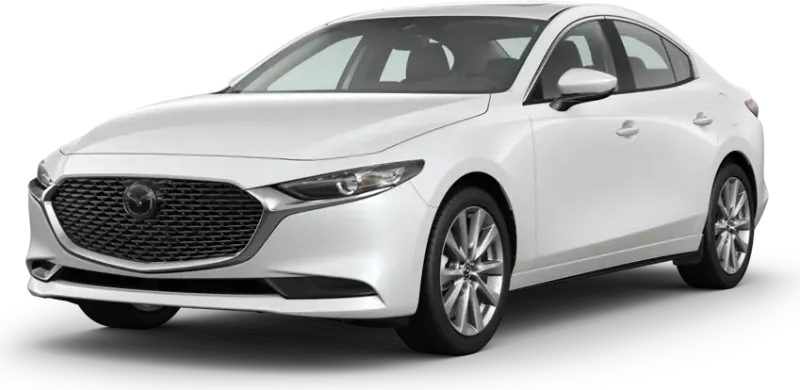
2026 Mazda 3
Reliability: 84/100
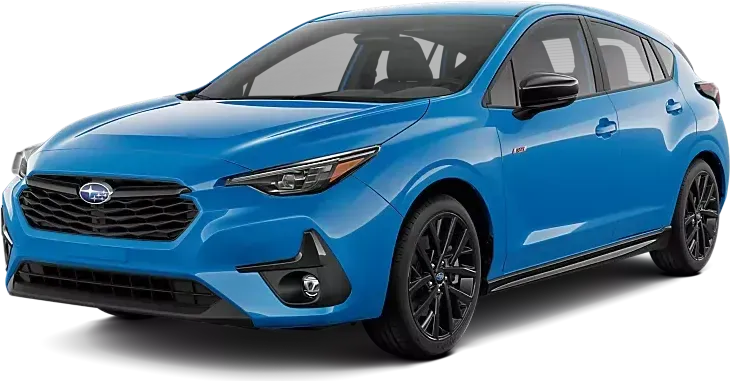
2026 Subaru Impreza
Reliability: 81/100
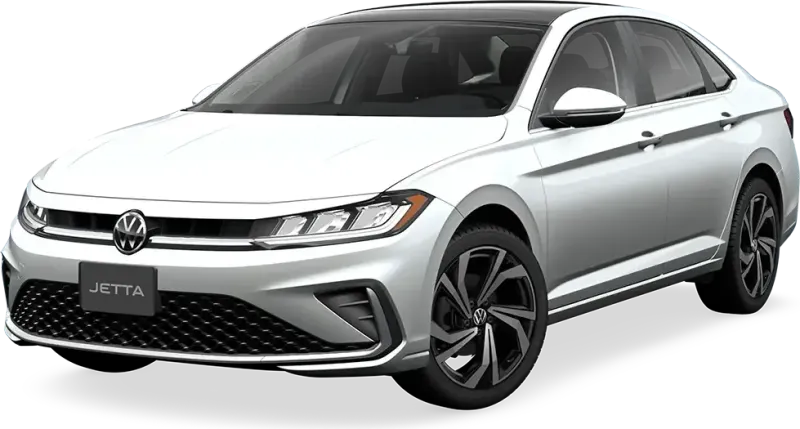
2026 Volkswagen Jetta
Reliability: 88/100
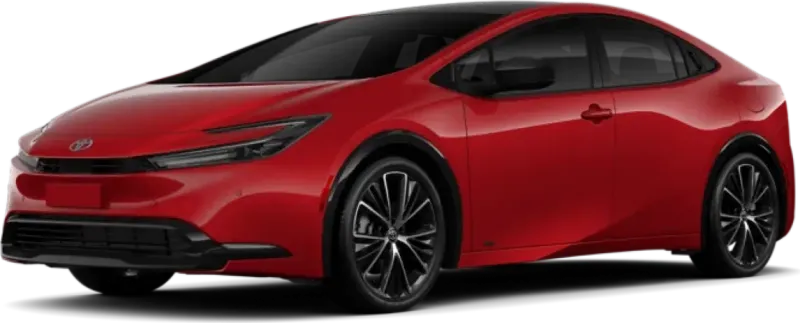
2026 Toyota Prius
Reliability: 84/100
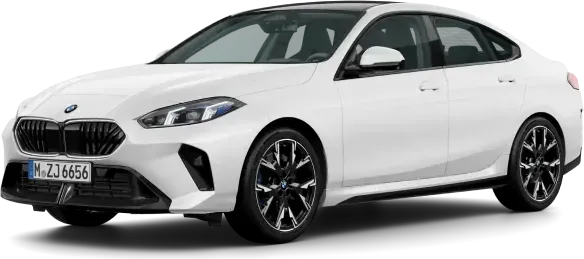
2026 BMW 2 Series
Reliability: 70/100
Recall Overview
0
recalls on record
No recalls are on record for the 2026 Mazda 5 — uncommon, and a strong signal of manufacturing quality.
NHTSA.gov →Complaint Breakdown
0
complaintsSafety Incidents
0
Crashes
0
Fires
0
Injuries
0
Deaths
NHTSA 5/5 Stars
Data sourced from NHTSA complaint filings and manufacturer recall notices. Complaint narratives are owner-reported.
Buying a used 2026 Mazda 5? Check its history first
Every 2026 Mazda 5 has a different past. A VIN check reveals hidden accidents, title problems, odometer rollbacks, and open recalls that reliability scores can't show you.
- Accidents
- Open Recalls
- Title History
- Odometer Rollback
2026 Mazda 5 NHTSA Safety Ratings
Overall Safety Rating
Crash Test Results by Configuration (expand)
Gas Powertrain
Rollover risk: 10.1%
Safety Technologies
Gas / HEV Powertrain
Safety Technologies
Mazda 5Repair Costs & Maintenance
Maintenance Rating
4Maintenance rating: 4 out of 5Based on NHTSA complaint patterns, recall severity, and publicly available cost benchmarks.
Est. Annual Maintenance
$581
vs $526 avg for compact cars
vs $652 avg for all vehicles
Repair Frequency
0.4
unscheduled repair visits per year
Severe Repair Probability
10%
chance of a major repair
Annual Cost Comparison
Category-level averages derived from publicly available industry reports (AAA, CarMD). Model-level estimates produced by Auto Reliability Index.
Best & Worst Mazda 5 Years
Best Mazda 5 Years to Buy
Based on reliability index scoreMazda 5 Years to Avoid
Mazda 5 Reliability Score Trend
Scores 0–100. Higher is better. Current year highlighted.
| Year | Score | Rating |
|---|---|---|
| 2018 | 72/100 | Good |
| 2019 | 72/100 | Good |
| 2020 | 75/100 | Good |
| 2021 | 78/100 | Good |
| 2022 | 83/100 | Excellent |
| 2023 | 78/100 | Good |
| 2024 | 75/100 | Good |
| 2025 | 75/100 | Good |
| 2026 | 88/100 | Excellent |
Mazda 5 Reliability Compared to Other Years
2026 Mazda 5 Reliability by Powertrain
The 2026 Mazda 5 is available with 2powertrain options. Here's how they compare on reliability.
| Powertrain | Complaints | Recalls | Incidents* | Crash Rating |
|---|---|---|---|---|
| Gas | 0 | 0 | 0 | 5 out of 5 |
| Gas / HEV | 0 | 0 | 0 | 5 out of 5 |
| Total | 0 | 0 | 0 |
NHTSA tracks complaints by vehicle configuration when that detail is available. Model-level reports that do not identify a specific powertrain are included in Total but not assigned to a row. A plus sign indicates a confirmed minimum; — means no complaints could be attributed to that specific powertrain. N/T = Not tested by NHTSA.
* Incidents = crash + fire reports. A single complaint can include multiple incident types.
Frequently Asked Questions
Is the 2026 Mazda 5 reliable?
What are the most common problems with the 2026 Mazda 5?
Does the 2026 Mazda 5 have any recalls?
How much does the 2026 Mazda 5 cost to repair?
Is the 2026 Mazda 5 better than the 2025 Mazda 5?
Don’t buy a 2026 Mazda 5 without checking its VIN first — hidden accidents, title issues, and open recalls could cost you thousands.
How we score the 2026 Mazda 5
Of the four inputs behind this score, the 2026 Mazda 5 does best on recall impact (100/100) and worst on repair costs (80/100). Scores weight complaint severity at 35%, repair costs at 30%, recall impact at 20%, and the spread of complaints across systems at 15%, with complaint counts adjusted for US sales. Read the full methodology.
Get notified when new recalls or reliability data is added for the Mazda 5.
No spam. Only data updates for this model.
Browse More Mazda Models
Mazda 3
Score: 84/100

Mazda CX-30
Score: 72/100
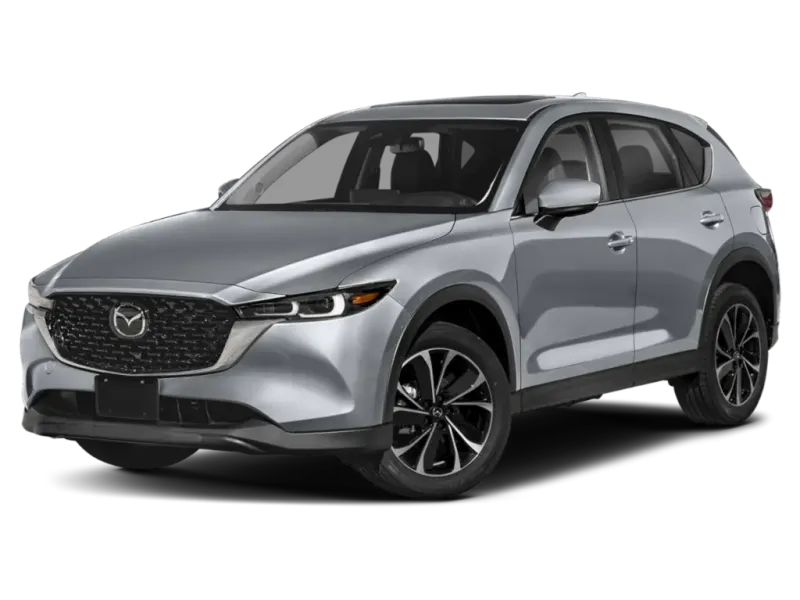
Mazda CX-5
Score: 94/100
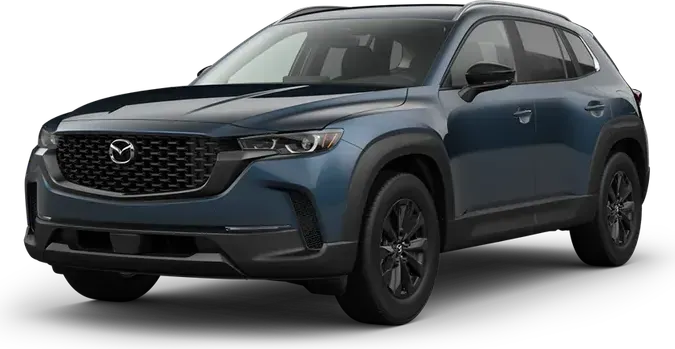
Mazda CX-50
Score: 76/100
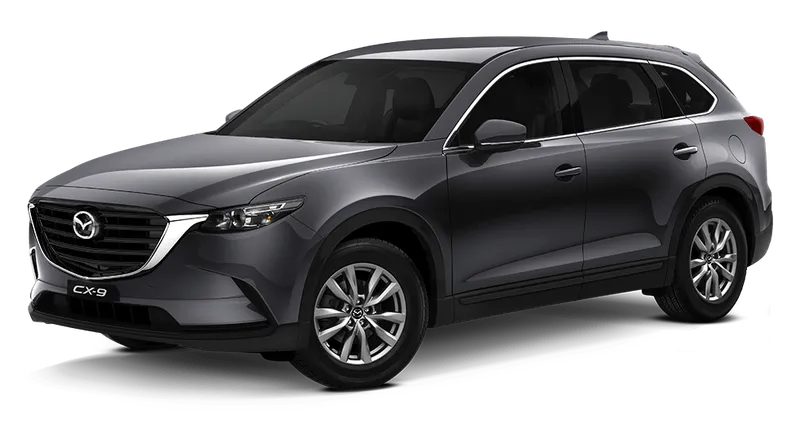
Mazda CX-9
Score: 81/100
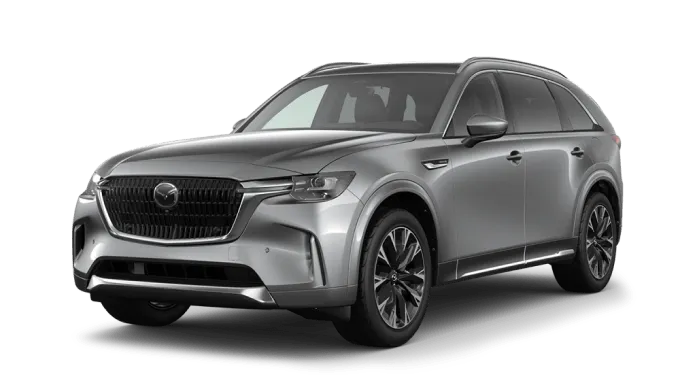
Mazda CX-90
Score: 72/100
Browse More 2026 Vehicles
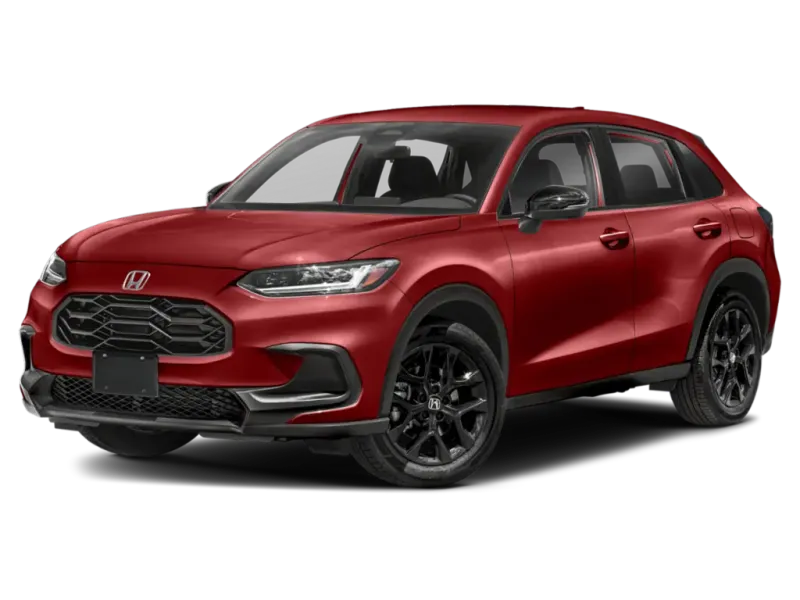
2026 Honda HR-V
Score: 100/100
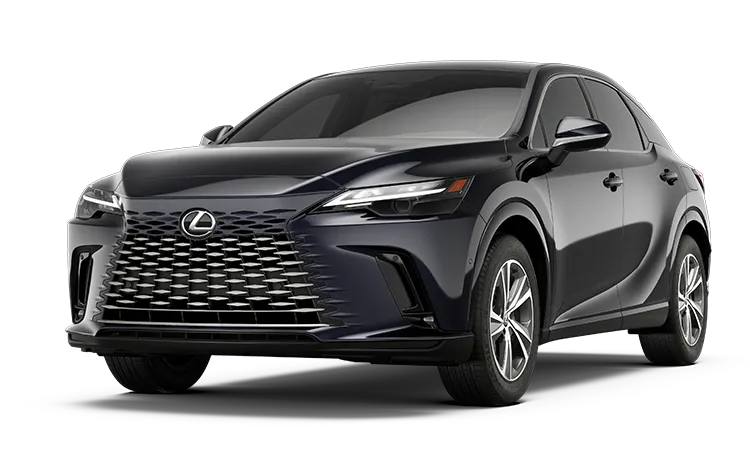
2026 Lexus RX
Score: 95/100
2026 Hyundai Elantra
Score: 94/100
2026 Honda Civic
Score: 94/100
2026 Toyota Corolla
Score: 94/100
2026 Mazda CX-5
Score: 94/100
See incorrect data? Report an issue