Last updated: 2026-10-10
Mazda 5 vs Volkswagen Jetta: Reliability Compared
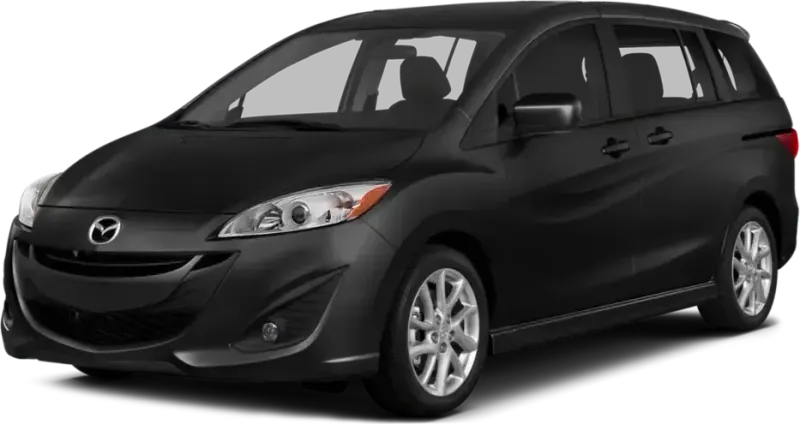
Mazda 5
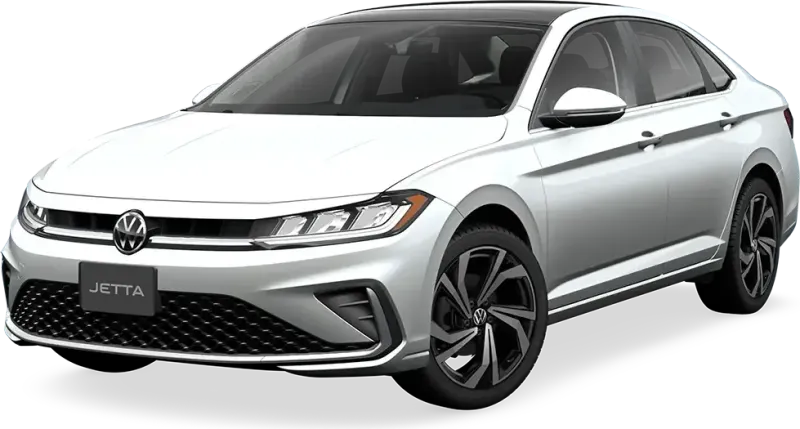
Volkswagen Jetta
The Mazda 5 and Volkswagen Jetta are effectively tied on reliability. Repair costs are close, so the type of failure decides it. The Mazda 5 can crack cylinder heads with bills near $6,000. Jetta complaints spread across transmission noise, starter faults and clutches.
How Do the Mazda 5 and Volkswagen Jetta Generations Compare?
Verdict
The Mazda 5 and Volkswagen Jetta are evenly matched with a reliability score of 77/100.
Effectively tied. Both cars hold a good standing, both carry a 10% chance that a repair is major, and yearly repair costs sit within a few dollars of each other. The Jetta has fewer shop visits and fewer recalls. Even so, the Mazda 5's most reported failure is the expensive one: cracked cylinder heads that leak oil, often with no warning light, with owner bills near $6,000. That keeps the Jetta's small edge on visits from becoming a clear lead. The deciding factor is which kind of problem you would rather risk.
Key Differences
- 1Mazda 5 costs $28 less per year to repair
- 2Volkswagen Jetta has 19 fewer total recalls
- 3Volkswagen Jetta needs 0.1 fewer repairs per year
Category Scoreboard
Mazda 5 vs Volkswagen Jetta: Which Is More Reliable?
| Metric | Mazda 5 | Volkswagen Jetta |
|---|---|---|
| Reliability Score | 77/100 | 77/100 |
| Years Tracked | 9 | 9 |
| Total Recalls | 44 | 25 |
| Total ComplaintsRaw count — varies with sales volume | 1314 | 760 |
| Annual Repair Cost | $581/yr | $609/yr |
| Repair Frequency | 0.4/yr | 0.3/yr |
| Major Repair Risk | 10% | 10% |
| Safety RatingNHTSA overall | 2026 NHTSA | 2026 NHTSA |
| Frontal | ||
| Side | ||
| Rollover | ||
| Year Wins | 3 (2 tied) | 4 (2 tied) |
What Are the Common Problems With the Mazda 5 and Volkswagen Jetta?
Crash-linked reports separate these two most clearly. The Mazda 5 has 10 in the electrical system and 10 in service brakes, against 1 each for the Jetta, and it also has one in the engine area where the Jetta has none. Mazda owners describe cracked cylinder heads with a burning smell and smoke, phantom touchscreen inputs, and a backup camera that goes black. Jetta owners describe a grinding noise from the automatic transmission at 20 to 40 mph, burned-out manual clutches, and a hot-weather starter message that darkens the dash.
| Component | Mazda 5 | Volkswagen Jetta |
|---|---|---|
| ENGINE | 299 | 84 |
| ELECTRICAL SYSTEM | 178 | 168 |
| POWER TRAIN | 141 | 171 |
| UNKNOWN OR OTHER | 107 | 85 |
| SERVICE BRAKES | 69 | 59 |
| AIR BAGS | 50 | 23 |
| FORWARD COLLISION AVOIDANCE | 45 | 9 |
| STRUCTURE | 35 | 18 |
| STEERING | 28 | 20 |
| VISIBILITY/WIPER | 32 | 9 |
| VEHICLE SPEED CONTROL | 29 | — |
| FUEL SYSTEM | 22 | 2 |
| SUSPENSION | 10 | 11 |
| EXTERIOR LIGHTING | 17 | — |
| FUEL/PROPULSION SYSTEM | — | 13 |
| SEATS | 7 | — |
| LANE DEPARTURE | 4 | 2 |
| TIRES | 2 | — |
| SEAT BELTS | — | 2 |
Raw complaint counts aggregated across all tracked model years from NHTSA owner reports. Counts vary with sales volume.
Which Is Cheaper to Maintain: Mazda 5 or Volkswagen Jetta?
How Does Mazda 5 vs Volkswagen Jetta Reliability Compare by Year?
| Year | Mazda 5 | Volkswagen Jetta | Edge |
|---|---|---|---|
| 2026 | 88/1000R / 0C | 88/1000R / 0C | Tie |
| 2025 | 75/1005R / 42C | 81/1000R / 11C | Volkswagen Jetta |
| 2024 | 75/1005R / 70C | 82/1000R / 26C | Volkswagen Jetta |
| 2023 | 78/1003R / 68C | 81/1000R / 34C | Volkswagen Jetta |
| 2022 | 83/1001R / 79C | 77/1001R / 33C | Mazda 5 |
| 2021 | 78/1003R / 180C | 74/1004R / 62C | Mazda 5 |
| 2020 | 75/1005R / 127C | 75/1006R / 48C | Tie |
| 2019 | 72/10012R / 325C | 58/10011R / 519C | Mazda 5 |
| 2018 | 72/10010R / 423C | 79/1003R / 27C | Volkswagen Jetta |
Best years to cross-shop: The 2022 Mazda 5 scored 83/100 and the 2024 Volkswagen Jetta scored 82/100 — the strongest shared model years that have been on the road for at least two years, where available.
Who Should Buy the Mazda 5 vs the Volkswagen Jetta?
Mazda 5 vs Volkswagen Jetta: Common Questions
- Is the Mazda 5 more reliable than the Volkswagen Jetta?
- No, the two are effectively tied. Both have a good reliability standing and a 10% chance that a repair is major. The Jetta needs fewer shop visits, but the Mazda 5 costs a little less per year to repair. The difference is mainly in what fails, not how often.
- Which has more recalls, the Mazda 5 or the Jetta?
- The Mazda 5 has more. Federal recall records show 44 recalls across its 9 model years, against 25 for the Jetta. Check any specific car's VIN for open recalls, since some Mazda owners report a backup camera repair stuck waiting on parts.
- Which is cheaper to repair, the Mazda 5 or the Jetta?
- The Mazda 5 is slightly cheaper, at $581 a year against $609 for the Jetta. Over five years that is about $140. A cracked cylinder head changes the picture, because Mazda 5 owners report bills of almost $6,000 for it.
- What is the biggest problem with the Mazda 5?
- Cracked cylinder heads. Oil, and sometimes coolant, leaks onto the exhaust area, causing a burning smell and smoke. Most owners say no warning light came first. Reports run from about 31,000 to 75,000 miles. Dealers usually replace the whole head.
- Why does the Jetta show a starter system warning?
- Owners report the message in hot weather, when the dash, gauges and brake lights can go dark and the engine may shut off while driving. Reports cluster between about 25,000 and 46,000 miles. Restarting usually works, but mechanics often cannot reproduce the fault.
Related Reliability Comparisons
More Mazda 5 comparisons
Decided between Mazda 5 and Volkswagen Jetta? Run a VIN check before you buy — uncover hidden accidents, title issues, and open recalls.
How we score the Mazda 5 and Volkswagen Jetta
Scores weight complaint severity at 35%, repair costs at 30%, recall impact at 20%, and the spread of complaints across systems at 15%, with complaint counts adjusted for US sales. Read the full methodology.
See incorrect data? Report an issue