Last updated: 2026-10-10
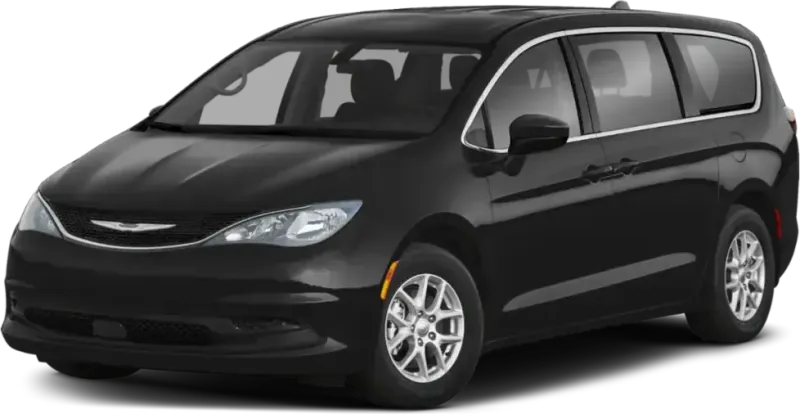
2021 Chrysler Voyager Reliability Report
The 2021 Chrysler Voyager has good reliability and beats most 2021 minivans, but owners report steering and power loss with little warning.
Recalls
2
Complaints
14
Complaint Rate
N/A
Est. Repair Cost
$647
Annual Fuel Cost
$2,700
Detailed Score Breakdown
Component-weighted complaints normalized by sales volume
Independent repair cost ratings
Recall count weighted by severity
Breadth of reported problem categories
The Verdict
Mid-pack among Voyager years, with owner complaints about steering, electrical faults and sudden power loss, plus two recalls covering seats and air bags.
Top Issues to Watch
- ELECTRICAL SYSTEM (4)
- STEERING (3)
- POWER TRAIN (2)
Generation & Refresh (US)
2021 is year 2 of the Sixth generation (2020–present).
- Redesigned for the 2020 model year.
- A refresh arrives in 2022.
- 6th generation Voyager (US).
What this means for buyers
Year 2 is typically a safer pick than the first model year — early issues are more likely to be identified, but the platform is still new.
If you're comparing prices, check 2020 (redesign year) vs 2021+ pricing and recalls.
2020: Sixth generation (2020–present) Launch
Generation start — new platform.
2021: This Model Year
2021 is year 2 of the Sixth generation (2020–present).
2022: Mid-Cycle Refresh
Updated features and styling tweaks.
Should You Buy the 2021 Chrysler Voyager?
This model year holds up well. It has a good reliability standing and ranks above average among 2021 minivans. Within the Voyager's own scored years it sits in the middle of seven. The 2020 rates better, and the 2022 rates worse. Crash-test results are strong at 5 of 5 stars.
The worst reports involve losing control or power. Steering can turn heavy or stick with no warning, and in one case the assist dropped out on the highway and the van needed a tow. Some vans lose power at freeway speed, with the transmission dropping into neutral while the engine keeps running. One van shifted into park and shut off pulling away from a stop sign at 241 miles. Batteries reportedly failed again within a year of replacement. Federal recall records list two recalls, covering seats and air bags.
Ask for repair records covering steering work, battery replacements, and any start/stop trouble. Confirm both recalls were completed. A 2020 is worth a look, since it rates better.
Compared to the 2022 Chrysler Voyager, which scored 4 points lower. See also the 2020 Chrysler Voyager for an earlier comparison.
Pros
- +Acceptable reliability score
- +Low recall count
- +Low complaint frequency
Cons
- −ELECTRICAL SYSTEM: Loss of acceleration is the most serious problem in these reports (4 complaints)
- −STEERING: Wheel suddenly turns heavy or sticks, and both create a loss-of-control risk (3 complaints)
Compare 2021 Chrysler Voyager With
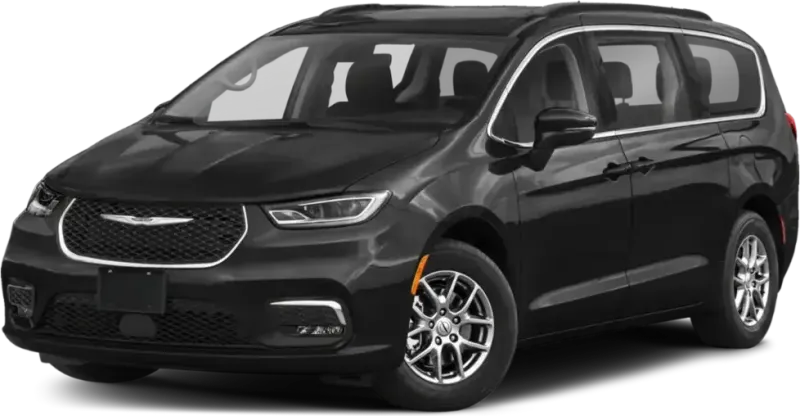
2021 Chrysler Pacifica
Reliability: 57/100
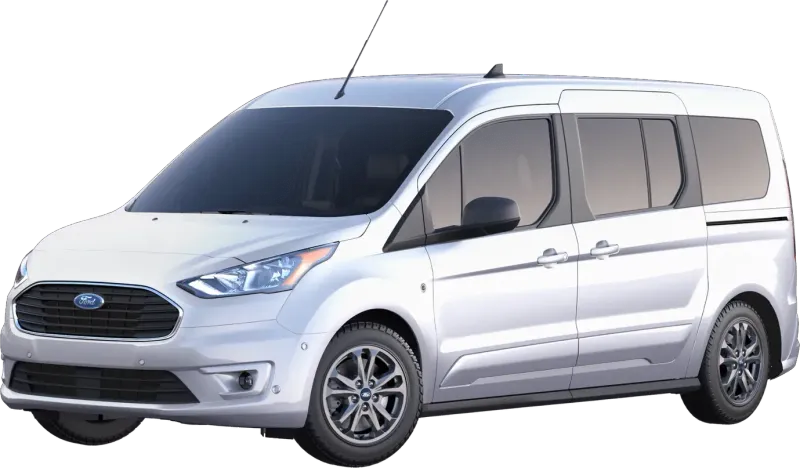
2021 Ford Transit Connect Wagon
Reliability: 69/100
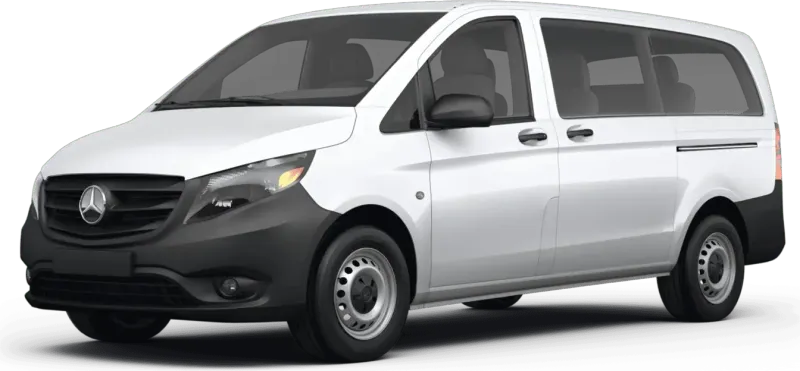
2021 Mercedes-Benz Metris Passenger Van
Reliability: 55/100
Common Problem Categories
Safety
LOW RISK- 2 manufacturer recalls issued
Other
HIGH RISK- ELECTRICAL SYSTEM (4)
- STEERING (3)
Recall Overview
2
recalls on record
The 2021 Chrysler Voyager carries 2 recalls — a low count. Authorized dealers repair any open recall free of charge, regardless of warranty status.
NHTSA.gov →Complaint Breakdown
14
complaintsSafety Incidents
0
Crashes
0
Fires
0
Injuries
0
Deaths
NHTSA 5/5 Stars
Data sourced from NHTSA complaint filings and manufacturer recall notices. Complaint narratives are owner-reported.
2021 Chrysler Voyager Recall Details
2 recalls have been issued for the 2021 Chrysler Voyager. All recall repairs are performed free of charge at authorized dealerships.
SEATS
Chrysler (FCA US, LLC) is recalling certain 2021-2022 Pacifica and 2021 Voyager vehicles. The second-row seat-to-floor mounting latch may bind and stick open, preventing the seat from properly securing to the floor. As such, these vehicles fail to comply with the requirements of Federal Motor Vehicle Safety Standard number 225, "Child Restraint Anchorage Systems."
Consequence
An unsecured seat increases the risk of injury in a crash.
Remedy
Dealers will inspect and, if necessary, replace the second-row seat cushion frame, free of charge. Owner notification letters were mailed April 7, 2022. Owners may contact FCA US, LLC customer service at 1-800-853-1403. FCA US LLC's number for this recall is Z22.
AIR BAGS
Chrysler (FCA US, LLC) is recalling certain 2020-2023 Pacifica and 2020-2021, 2023 Voyager vehicles. An improperly secured connector for the side curtain air bags may prevent the air bags from deploying. As such, these vehicles fail to comply with the requirements of Federal Motor Vehicle Safety Standard numbers 214, "Side Impact Protection" and 226, "Ejection Mitigation."
Consequence
An air bag that does not deploy during a crash increases the risk of injury.
Remedy
Dealers will secure the connector, free of charge. All vehicles have been remedied. Owner notification letters were mailed October 22, 2024. Owners may contact FCA customer service at 1-800-853-1403. FCA's number for this recall is A8B.
Buying a used 2021 Chrysler Voyager? Check its history first
Electrical system problems lead owner complaints about the 2021 Chrysler Voyager, and 2 recalls were issued for it. A VIN check shows whether this car's recall work was done, plus accident, title, and odometer history.
- Accidents
- Open Recalls
- Title History
- Odometer Rollback
2021 Chrysler Voyager NHTSA Safety Ratings
Overall Safety Rating
Crash Test Results by Configuration (expand)
Gas Powertrain
Rollover risk: 11.6%
Safety Technologies
Chrysler VoyagerRepair Costs & Maintenance
Maintenance Rating
3.5Maintenance rating: 3.5 out of 5Based on NHTSA complaint patterns, recall severity, and publicly available cost benchmarks.
Est. Annual Maintenance
$647
Repair Frequency
0.4
unscheduled repair visits per year
Category-level averages derived from publicly available industry reports (AAA, CarMD). Model-level estimates produced by Auto Reliability Index.
MPG & Annual Running Costs
Gas
22 MPG
Running cost: $3,350/yr
Fuel + repair
19 city / 28 hwy MPG
Running cost includes EPA fuel-cost estimate and independent repair-cost data (repair cost estimated at model level). Excludes routine maintenance, depreciation, and insurance. Data as of 2021 EPA label cycle.
Gas trims
| Trim | Drive | Trans. | City | Hwy | Comb | Fuel Cost |
|---|---|---|---|---|---|---|
| Voyager 3.6L 6-cyl | Front-Wheel Drive | Automatic 9-spd | 19 | 28 | 22 | $2,700 |
Used Buying Checklist
Key things to inspect or verify before purchasing a 2021 Chrysler Voyager.
Accelerate hard up a highway on-ramp and confirm power stays steady with no dash warning lights or drop into neutral.
Make several stops and confirm auto start/stop restarts the engine cleanly with no start/stop warning light.
Ask for battery records and check whether the main or auxiliary battery was replaced more than once.
Make full left and right turns and confirm the wheel returns smoothly without sticking or feeling heavy.
Drive straight on a highway and check that the van holds its lane without wandering side to side.
After the drive, check the coolant level and listen for rough idle or misfires while the engine is warm.
Shift into reverse several times and confirm the backup camera image appears every time.
Stow and raise the middle-row seats, then confirm the headrests lock upright and wired iPhone CarPlay connects.
2021 Chrysler Voyager Common Problems by Component
14 owner complaints grouped by vehicle system.
ELECTRICAL SYSTEM
4 complaintsLoss of acceleration is the most serious problem in these reports. The van will not accelerate at highway speed after hard acceleration, and the automatic start/stop system fails. In another case the van shifts into park and shuts off when pulling away from a stop sign, with the start/stop warning light on, at 241 miles. Main and auxiliary batteries reportedly fail again within a year of replacement. Other complaints cite a backup camera that stays dead for months, wired Apple CarPlay that will not connect, and middle-row headrests that do not lock upright after stowing.
STEERING
3 complaintsThe wheel suddenly turns heavy or sticks, and both create a loss-of-control risk. In one report, power assist drops out on the highway with no warning, leaving the wheel almost impossible to turn and the van needing a tow. Others describe the wheel sticking each time the driver exits a turn, which invites overcorrection, plus a vague spot on center that makes the van wander side to side. No warning lights or noises come first. A mechanic suspects the tie rods or rack and pinion, and one dealer cures the problem by replacing steering components.
POWER TRAIN
2 complaintsSudden loss of power at freeway speed is the main danger. The dash lights up with warnings, the gas pedal stops responding, and the transmission drops into neutral while the engine keeps running. The van then shifts into park once stopped, and it drives normally after sitting for about twenty minutes. The problem returns several times. A separate complaint describes rough idle and stalling that move on to misfires on cylinder 3, overheating, and coolant loss pointing to head gasket failure. New batteries and spark plugs do not fix it. One independent mechanic cannot get Chrysler's technical information.
UNKNOWN OR OTHER (2 complaints)
UNKNOWN OR OTHER
2 complaintsThe engine keeps running after the driver walks away with the key fob, and nothing warns the driver. The push-button-start van is left idling all night more than once and runs out of gas, which could build up dangerous carbon monoxide in an enclosed space like a garage. Other complaints describe a rear camera that does not work properly and an automatic start/stop system that quits working again less than a year after a dealer repair.
VEHICLE SPEED CONTROL (1 complaints)
VEHICLE SPEED CONTROL
1 complaintThe contact owns a 2021 Chrysler Voyager. The contact stated while driving approximately 30 MPH, the vehicle unintendedly accelerated while depressing the brake pedal. The contact stated that the electronic throttle control warning light was illuminated. The contact depressed the brake pedal and was able to slow the vehicle. Additionally, the contact stated that the vehicle failed to respond as needed while depressing the accelerator pedal. The contact stated that the electronic throttle control warning light was illuminated. The contact stated that while depressing the accelerator pedal the vehicle failed to respond. The contact stated that the engine was not revving while depressing the accelerator pedal. The contact stated that the failure was intermittent. The contact had not taken the vehicle to a local dealer or independent mechanic. The vehicle was not repaired. The manufacturer was not informed of the failure. The failure mileage was approximately 47,000.
ENGINE (1 complaints)
ENGINE
1 complaintBlown head gasket at 116k miles and it’s a known issue for these vehicles (Chrysler/Jeep). They are faulty and nothing is being done
SEATS (1 complaints)
SEATS
1 complaintOur second row seat on the passenger side has a head rest that will not fold upright and lock into place. The seat itself is useless due to the headrest not folding up correctly and is a safety hazard for anyone to sit in it. I bought this vehicle for the purpose of having all available seats to be used for our family and now we have one seat that cannot be used. No matter how many times we tried to push it up or folding the seat all the way down and then back up it still does not lock into place on the headrest. We have did research and many people have had the same issue and have not been able to get it fixed even after taking it to a repair service or dealer. This needs to be a serious recall and should be fixed if so many others have had the same issues.
Best & Worst Chrysler Voyager Years
Best Chrysler Voyager Years to Buy
Based on reliability index score2020
2024
2021
(Current Model)
Chrysler Voyager Years to Avoid
Chrysler Voyager Reliability Score Trend
Scores 0–100. Higher is better. Current year highlighted.
| Year | Score | Rating |
|---|---|---|
| 2020 | 77/100 | Good |
| 2021 | 74/100 | Good |
| 2022 | 70/100 | Good |
| 2023 | 68/100 | Good |
| 2024 | 76/100 | Good |
| 2025 | 75/100 | Good |
| 2026 | 82/100 | Excellent |
Chrysler Voyager Reliability Compared to Other Years
Frequently Asked Questions
Is the 2021 Chrysler Voyager reliable?
What are the most common problems with the 2021 Chrysler Voyager?
Does the 2021 Chrysler Voyager have steering problems?
Has the 2021 Chrysler Voyager been recalled?
Is the 2021 Chrysler Voyager better than the 2020 or 2022?
Don’t buy a 2021 Chrysler Voyager without checking its VIN first — hidden accidents, title issues, and open recalls could cost you thousands.
How we score the 2021 Chrysler Voyager
Of the four inputs behind this score, the 2021 Chrysler Voyager does best on recall impact (80/100) and worst on repair costs (70/100). Scores weight complaint severity at 35%, repair costs at 30%, recall impact at 20%, and the spread of complaints across systems at 15%, with complaint counts adjusted for US sales. Read the full methodology.
Get notified when new recalls or reliability data is added for the Chrysler Voyager.
No spam. Only data updates for this model.
Browse More Chrysler Models
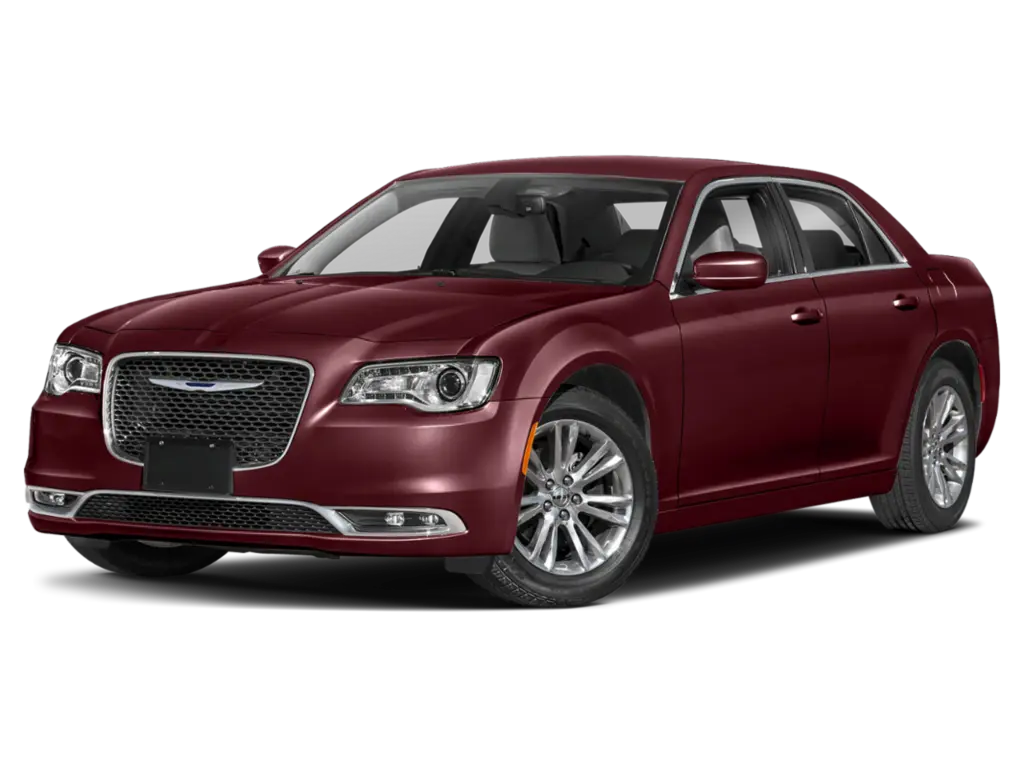
Browse More 2021 Vehicles
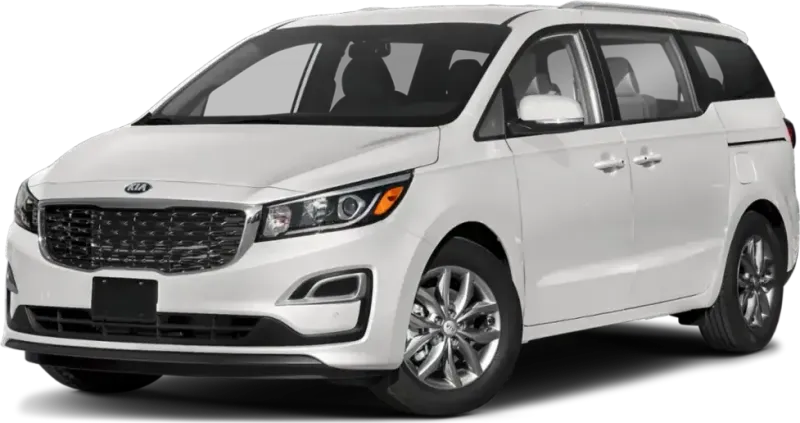
2021 Kia Sedona
Score: 88/100
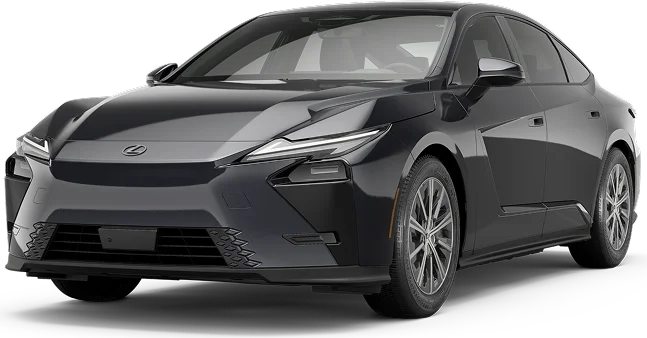
2021 Lexus ES
Score: 88/100
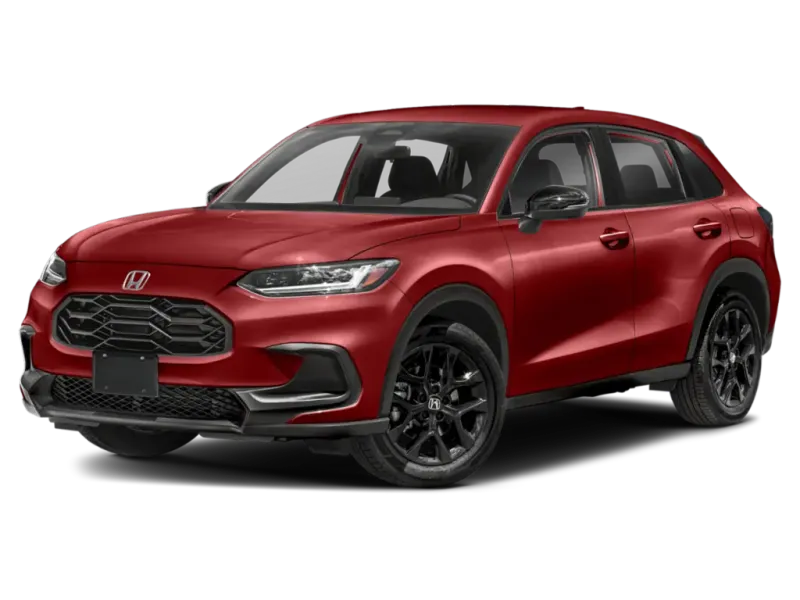
2021 Honda HR-V
Score: 86/100
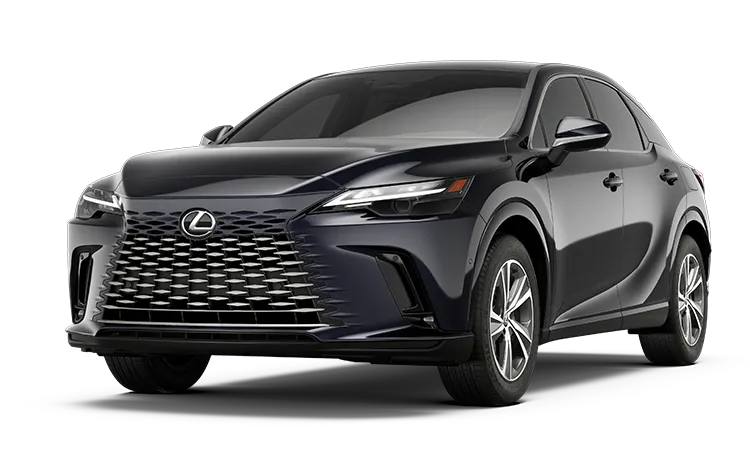
2021 Lexus RX
Score: 86/100
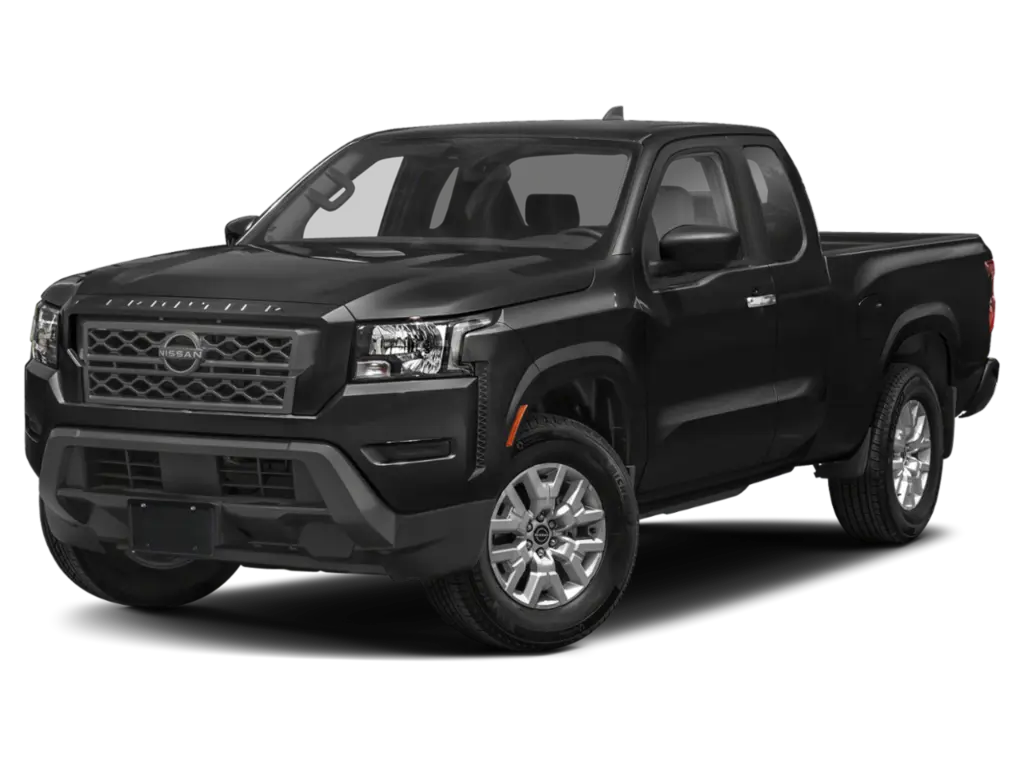
2021 Nissan Frontier
Score: 84/100
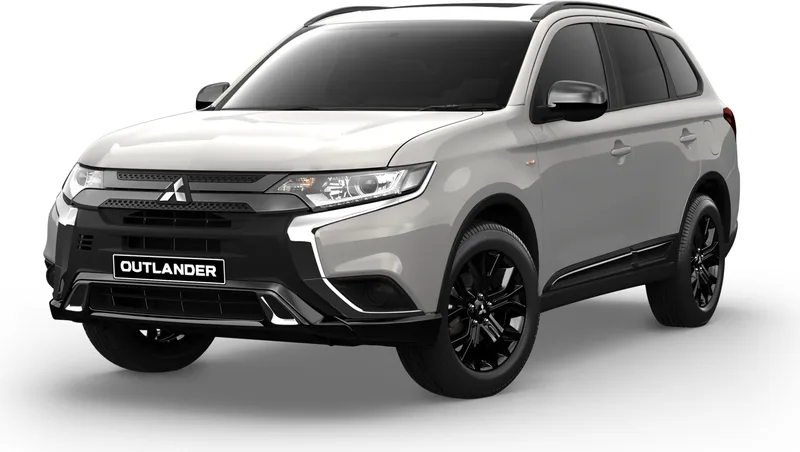
2021 Mitsubishi Outlander
Score: 84/100
See incorrect data? Report an issue