Last updated: 2026-04-20
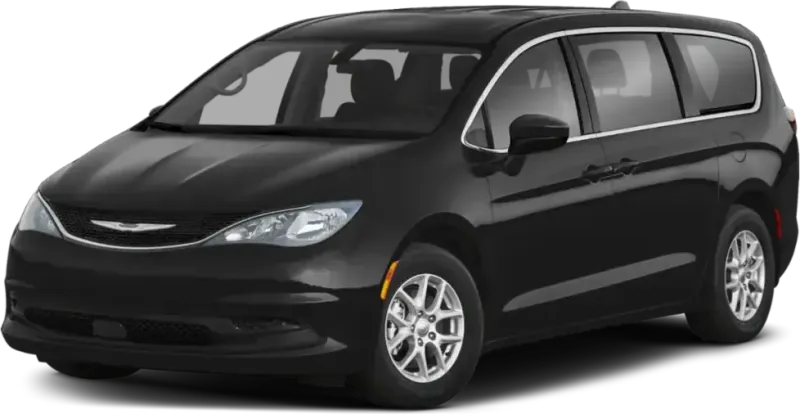
2020 Chrysler Voyager Reliability Report
The 2020 Chrysler Voyager scores 77/100 ("Good"). With 1 recall and 10 owner complaints, reliability is acceptable but not class-leading.
Recalls
1
Complaints
10
Complaint Rate
N/A
Est. Repair Cost
$647
Annual Fuel Cost
$2,700
Detailed Score Breakdown
Component-weighted complaints normalized by sales volume
Independent repair cost ratings
Recall count weighted by severity
Breadth of reported problem categories
The Verdict
Acceptable reliability — worth considering with a pre-purchase inspection.
Top Issues to Watch
- ENGINE (4)
- STEERING (2)
- SEATS (1)
Generation & Refresh (US)
2020 is the first model year of the Sixth generation (2020–present).
- First-year models may have unresolved issues from the new design.
- Redesigned for the 2020 model year.
- Refreshed in 2022.
- 6th generation Voyager (US).
What this means for buyers
First-year models carry more risk — early production issues are common. Consider waiting for the second year if reliability is a priority.
Compare 2020 pricing and recall counts against 2021+ before deciding.
2020: Sixth generation (2020–present) Launch
Generation start — new platform.
2022: Mid-Cycle Refresh
Updated features and styling tweaks.
Should You Buy the 2020 Chrysler Voyager?
At 77/100, the 2020 Chrysler Voyager lands in "Good" territory — acceptable, but not class-leading. As a first-year redesign, early-adopter issues are common.
Owners log 10 complaints on this model year — enough to suggest attention is needed, but no single failure mode dominates yet.
Get a pre-purchase inspection on any used example, with extra attention to engine (4). An extended warranty is worth pricing out.
Compared to the 2021 Chrysler Voyager, which scored 3 points lower.
Pros
- +Acceptable reliability score
- +Low recall count
- +Low complaint frequency
Cons
- −ENGINE issues reported (4 complaints)
- −STEERING issues reported (2 complaints)
Compare 2020 Chrysler Voyager With
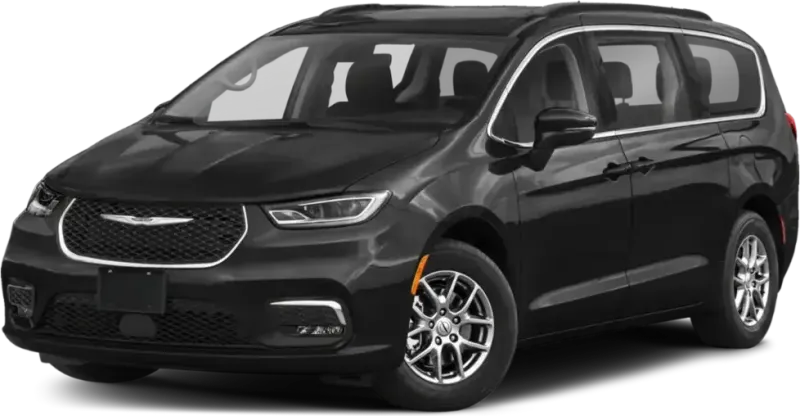
2020 Chrysler Pacifica
Reliability: 64/100
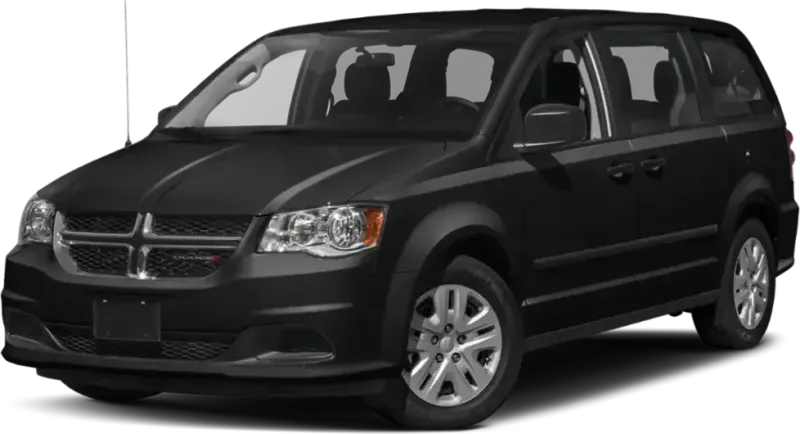
2020 Dodge Grand-Caravan
Reliability: 83/100
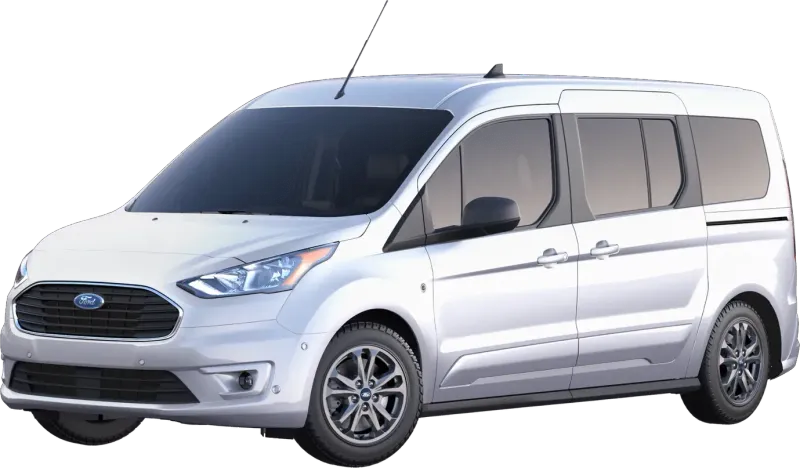
2020 Ford Transit-Connect-Wagon
Reliability: 67/100

2020 Mercedes-Benz Metris-Passenger-VAN
Reliability: 54/100
Common Problem Categories
Safety
LOW RISK- 1 manufacturer recall issued
Other
HIGH RISK- ENGINE (4)
- STEERING (2)
Recall Overview
1
recall on record
The 2020 Chrysler Voyager carries 1 recall — a low count. Authorized dealers repair any open recall free of charge, regardless of warranty status.
NHTSA.gov →Complaint Breakdown
10
complaintsSafety Incidents
1
Crashes
0
Fires
0
Injuries
0
Deaths
NHTSA 5/5 Stars
Data sourced from NHTSA complaint filings and manufacturer recall notices. Complaint narratives are owner-reported.
2020 Chrysler Voyager Recall Details
1 recall has been issued for the 2020 Chrysler Voyager. All recall repairs are performed free of charge at authorized dealerships.
AIR BAGS
Chrysler (FCA US, LLC) is recalling certain 2020-2023 Pacifica and 2020-2021, 2023 Voyager vehicles. An improperly secured connector for the side curtain air bags may prevent the air bags from deploying. As such, these vehicles fail to comply with the requirements of Federal Motor Vehicle Safety Standard numbers 214, "Side Impact Protection" and 226, "Ejection Mitigation."
Consequence
An air bag that does not deploy during a crash increases the risk of injury.
Remedy
Dealers will secure the connector, free of charge. All vehicles have been remedied. Owner notification letters were mailed October 22, 2024. Owners may contact FCA customer service at 1-800-853-1403. FCA's number for this recall is A8B.
Buying a used 2020 Chrysler Voyager? Check its history first
Every 2020 Chrysler Voyager has a different past. A VIN check reveals hidden accidents, title problems, odometer rollbacks, and open recalls that reliability scores can't show you.
- Accidents
- Open Recalls
- Title History
- Odometer Rollback
2020 Chrysler Voyager NHTSA Safety Ratings
Overall Safety Rating
Crash Test Results by Configuration (expand)
Gas Powertrain
Rollover risk: 11.6%
Safety Technologies
Chrysler VoyagerRepair Costs & Maintenance
Maintenance Rating
3.5Maintenance rating: 3.5 out of 5Based on NHTSA complaint patterns, recall severity, and publicly available cost benchmarks.
Est. Annual Maintenance
$647
Repair Frequency
0.4
unscheduled repair visits per year
Category-level averages derived from publicly available industry reports (AAA, CarMD). Model-level estimates produced by Auto Reliability Index.
MPG & Annual Running Costs
Gas
22 MPG
Running cost: $3,350/yr
Fuel + repair
19 city / 28 hwy MPG
Running cost includes EPA fuel-cost estimate and independent repair-cost data (repair cost estimated at model level). Excludes routine maintenance, depreciation, and insurance. Data as of 2020 EPA label cycle.
Gas trims
| Trim | Drive | Trans. | City | Hwy | Comb | Fuel Cost |
|---|---|---|---|---|---|---|
| Voyager 3.6L 6-cyl | Front-Wheel Drive | Automatic 9-spd | 19 | 28 | 22 | $2,700 |
Used Buying Checklist
Key things to inspect or verify before purchasing a 2020 Chrysler Voyager.
Inspect for coolant leaks and check head gasket condition
Verify oil filter housing for leaks or previous repairs
Test steering for locking during slow right turns
Check CAN bus wiring for damage or poor insulation
Test brakes thoroughly for responsiveness
Ensure transmission does not cause unexpected speed increases
2020 Chrysler Voyager Common Problems by Component
10 owner complaints grouped by vehicle system.
ENGINE
4 complaintsOwners of the 2020 Chrysler Voyager frequently report engine-related issues, with symptoms including the vehicle struggling to accelerate, stalling, and warning lights such as the stop/start and engine lights activating. Complaints often describe problems emerging around 62,000 to 86,519 miles, with specific issues like coolant leaking into the cylinder due to a blown head gasket and oil filter housing failures leading to oil and antifreeze leaks. These failures can result in the vehicle shutting down unexpectedly, posing safety risks, particularly on highways. Multiple owners express concerns about the vehicle's reliability and the potential hazards associated with these engine problems.
STEERING
2 complaintsOwners of the 2020 Chrysler Voyager report issues with the steering system, notably a temporary "locking" of the steering wheel during slow right turns or gradual curves, requiring extra effort to realign it. Another complaint describes a complete loss of steering function during a left turn, accompanied by an array of warning lights and the vehicle shutting down, which was linked to wiring issues in the CAN bus system. These incidents occurred shortly after purchasing the vehicle used, and one owner specifically mentions the problem arising within 30 days. Safety implications are significant, as the steering lock and vehicle shut down could potentially lead to loss of control while driving. Prospective buyers should be aware of these reported issues, particularly in relation to the vehicle's wiring and steering system.
SEATS
1 complaintWhen child was adjusting the recline in the driver side middle row bucket seat, the seat broke. The seat no longer stays in any recline position, and the seat no longer latches into place at the base and slides forwards and backwards. A system within the seat has failed. My 9 year old child’s safety was at risk, since the failure happened while she was in the seat and we were driving. The seat has not been inspected, but is available for inspection. There were no warnings of any kind before the failure. We were lucky we were close to home, and were not in an accident, or this could have been a lot worse. When I did a quick google search it shows that this seems to be a common problem for Chrysler vans, and should be corrected by Chrysler.
SERVICE BRAKES (1 complaints)
SERVICE BRAKES
1 complaintSafety-relatedThe contact owns a 2020 Chrysler Voyager. The contact stated that while driving at an undisclosed speed, the contact was not able to brake even though the brake pedal was fully depressed. The contact crashed into some logs because the brakes failed. The air bags did not deploy. The contact was going 45mph at the time of the crash. The vehicle was towed to a yard. No warning light was illuminated. No police report was filed. The vehicle had not been diagnosed or repaired by an independent mechanic or dealer. The manufacturer was not made aware of the failure. The failure mileage was approximately 26,500
ELECTRICAL SYSTEM (1 complaints)
ELECTRICAL SYSTEM
1 complaintStart stop light comes on and vehicle goes to limp mode or dies while driving, Check engine light also comes on.
POWER TRAIN (1 complaints)
POWER TRAIN
1 complaintWhile drivng with the cruise control engaged and encountering a downhill speed increase of about 5 MPH, the transmission kicks down to engage engine breaking. However as the process starts, first the engine revs and will increase vehicle speed by about 5 MPH. An example is cruise set at 60, down hill increases speed to 65, engine rev results in 70 MPH speed requiring heavy braking to regain control. I have tested this without the cruise engaged by shifting from D to L and engaging the kickdown process and engine accelleration in an identical manner. I have viewed the Chrysler Owner Forum and found many complaints of this occurance on Pacifica modesl since 2017. Most suggest it is a software problem. No component failed. My safety and the safety of others are at risk for the sudden increase in speed and demand for increased heavy braking. I have not contact the dealer since I have read all the prior Pacfica complaints and I believe Chrysler knows of the problem. No one has inspected the vehicle. No warnings are presented prior to the sudden accelleration. My vehicle can demonstrate this fault at any time or place.
When Do 2020 Chrysler Voyager Problems Start?
Based on owner complaint patterns, here's when common issues tend to appear.
Best & Worst Chrysler Voyager Years
Comprehensive reliability analysis based on NHTSA data, owner complaints, and historical performance.
Best Chrysler Voyager Years to Buy
Based on reliability index scoreThe best Chrysler Voyager year is 2020 with a reliability score of 77/100, rated good. Other strong picks include 2024 (76/100) and 2021 (74/100). The newer 2026 model year scores higher partly because it has had less time to accumulate owner complaints.
2020
(Current Model)
2024
2021
Chrysler Voyager Years to Avoid
The worst Chrysler Voyager year is 2023 with a score of 68/100, primarily due to air bags (1) issues.
Chrysler Voyager Reliability Score Trend
Chrysler Voyager reliability has remained consistent across model years, averaging 75/100.
Scores 0–100. Higher is better. Current year highlighted.
| Year | Score | Rating |
|---|---|---|
| 2020 | 77/100 | Good |
| 2021 | 74/100 | Good |
| 2022 | 70/100 | Good |
| 2023 | 68/100 | Good |
| 2024 | 76/100 | Good |
| 2025 | 75/100 | Good |
| 2026 | 82/100 | Excellent |
Chrysler Voyager Reliability Compared to Other Years
Frequently Asked Questions
Is the 2020 Chrysler Voyager reliable?
What are the most common problems with the 2020 Chrysler Voyager?
How many recalls does the 2020 Chrysler Voyager have?
Is the 2020 Chrysler Voyager expensive to maintain?
Don’t buy a 2020 Chrysler Voyager without checking its VIN first — hidden accidents, title issues, and open recalls could cost you thousands.
How We Calculate Reliability Scores
Auto Reliability Index scores are calculated on a 0–100 scale using a weighted formula that combines multiple public data sources. Each factor is weighted based on its predictive value for real-world ownership experience.
Key Ranking Factors
Complaint Severity
NHTSA owner complaints weighted by component category (e.g., powertrain, safety systems, electronics, cosmetic) — safety-critical issues carry more weight than cosmetic ones. Adjusted for sales volume so high-volume models aren't unfairly penalized.
Repair Costs
Independent reliability ratings based on repair frequency, average repair costs, and severity of typical repairs for each model.
Recall Impact
Number of NHTSA recalls weighted by severity. “Stop driving” and fire-risk recalls are penalized more heavily than minor software or labeling recalls.
Issue Diversity
Measures how many major vehicle systems (engine, transmission, electrical, braking, etc.) have recorded complaints. A vehicle with issues spread across many systems may indicate systemic quality issues.
Scores are grouped into four tiers:
- 80–100: Excellent— Top-tier reliability, minimal issues
- 60–79: Good— Reliable with some minor concerns
- 40–59: Mixed— Notable issues, research before buying
- 0–39: Risky— Significant problems, proceed with caution
Data is sourced from NHTSA recall records, owner complaint filings, and independent repair databases via vehicles.dev. Scores are recalculated as new data becomes available. While the weighting model is proprietary, all underlying data sources are public and traceable.
Get notified when new recalls or reliability data is added for the Chrysler Voyager.
No spam. Only data updates for this model.
Browse More Chrysler Models
Browse More 2020 Vehicles
2020 Mazda CX-5
Score: 86/100
2020 Lexus RX
Score: 86/100
2020 Lexus UX
Score: 84/100
2020 Dodge Grand-Caravan
Score: 83/100

2020 KIA Sedona
Score: 83/100

2020 Lexus IS
Score: 83/100
See incorrect data? Report an issue