Last updated: 2026-10-10
BMW 3 Series vs Dodge Charger: Reliability Compared

BMW 3 Series
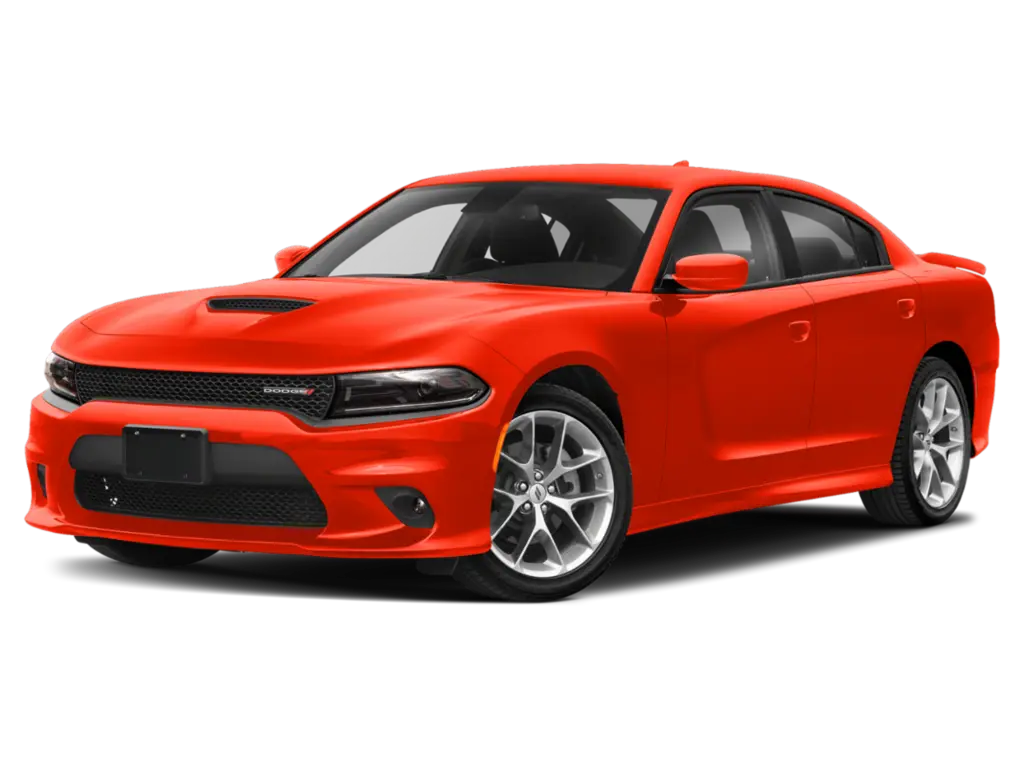
Dodge Charger
Choosing between the BMW 3 Series and the Dodge Charger? This page compares their reliability scores, NHTSA recall history, owner-reported complaints, and estimated annual repair costs so you can make a confident long-term ownership decision between these two midsize sedans.
Our reliability scores are based on NHTSA recall and complaint data, independent repair cost estimates, and sales-normalized complaint rates. The Dodge Charger currently leads with an average score of 74/100 compared to 69/100. Scroll down for the full year-by-year breakdown, common problem areas, and repair cost comparison.
Verdict
The Dodge Charger is more reliable than the BMW 3 Series, scoring 74/100 vs 69/100.
Key Differences
- 1Dodge Charger costs $121 less per year to repair
- 2Dodge Charger has 20 fewer total recalls
- 3Dodge Charger scores 5 points higher in reliability
Category Scoreboard
BMW 3 Series vs Dodge Charger: Which Is More Reliable?
| Metric | BMW 3 Series | Dodge Charger |
|---|---|---|
| Reliability Score | 69/100 | 74/100 |
| Years Tracked | 9 | 9 |
| Total Recalls | 45 | 25 |
| Complaints per 10k Sold | 1.1 | 2.2 |
| Annual Repair Cost | $773/yr | $652/yr |
| Repair Frequency | 1/yr | 0.2/yr |
| Major Repair Risk | 12% | 15% |
| Year Wins | 0 (1 tied) | 8 (1 tied) |
What Are the Common Problems With the BMW 3 Series and Dodge Charger?
| Component | BMW 3 Series | Dodge Charger |
|---|---|---|
| ELECTRICAL SYSTEM | 0.2Very Low | 0.5Very Low |
| AIR BAGS | 0.1Very Low | 0.6Very Low |
| UNKNOWN OR OTHER | 0.2Very Low | 0.2Very Low |
| ENGINE | 0.2Very Low | 0.1Very Low |
| POWER TRAIN | 0.1Very Low | 0.1Very Low |
| SERVICE BRAKES | —None | 0.1Very Low |
| STRUCTURE | —None | 0.1Very Low |
| STEERING | —None | 0.1Very Low |
| FUEL SYSTEM | —None | —None |
| FUEL/PROPULSION SYSTEM | —None | —None |
| TIRES | —None | —None |
| EXTERIOR LIGHTING | —None | —None |
| VEHICLE SPEED CONTROL | —None | —None |
| BACK OVER PREVENTION | —None | —None |
| SUSPENSION | —None | —None |
| VISIBILITY | —None | —None |
| WHEELS | —None | —None |
Complaints per 10,000 units sold, aggregated across all tracked model years from NHTSA owner reports.
How Does BMW 3 Series vs Dodge Charger Reliability Compare by Year?
| Year | BMW 3 Series | Dodge Charger | Edge |
|---|---|---|---|
| 2026 | 76/1000R / 0C | 82/1000R / 0C | Dodge Charger |
| 2025 | 71/1001R / 1C | 71/1002R / 10C | Tie |
| 2024 | 71/1002R / 8C | 73/1002R / 4C | Dodge Charger |
| 2023 | 70/1004R / 9C | 76/1002R / 22C | Dodge Charger |
| 2022 | 70/1003R / 6C | 74/1003R / 11C | Dodge Charger |
| 2021 | 67/1009R / 22C | 76/1002R / 29C | Dodge Charger |
| 2020 | 64/10012R / 45C | 75/1003R / 54C | Dodge Charger |
| 2019 | 66/1009R / 34C | 71/1005R / 118C | Dodge Charger |
| 2018 | 65/1005R / 58C | 69/1006R / 121C | Dodge Charger |
Best years to cross-shop: The 2024 BMW 3 Series scored 71/100 and the 2023 Dodge Charger scored 76/100 — the strongest shared model years that have been on the road for at least two years, where available.
BMW 3 Series vs Dodge Charger: Common Questions
- Is the BMW 3 Series more reliable than the Dodge Charger?
- Based on our data, the Dodge Charger is more reliable with an average score of 74/100 compared to 69/100. The difference is modest, so both are reasonable choices.
- Which has more recalls, the BMW 3 Series or the Dodge Charger?
- The BMW 3 Series has more recalls (45) compared to the Dodge Charger (25). More recalls don't always mean worse reliability — some are minor — but it's worth reviewing what each recall covers.
- Which has fewer owner complaints, the BMW 3 Series or the Dodge Charger?
- Adjusted for sales volume, the BMW 3 Series has a lower complaint rate at 1.1 per 10,000 vehicles sold versus 2.2 for the Dodge Charger. Normalizing by sales gives a fairer comparison than raw totals.
- Which is cheaper to maintain, the BMW 3 Series or the Dodge Charger?
- Based on independent repair cost estimates, the Dodge Charger is cheaper to maintain at $652/year versus $773/year for the BMW 3 Series.
Related Reliability Comparisons
More BMW 3 Series comparisons
Decided between BMW 3 Series and Dodge Charger? Run a VIN check before you buy — uncover hidden accidents, title issues, and open recalls.
How we score the BMW 3 Series and Dodge Charger
Scores weight complaint severity at 35%, repair costs at 30%, recall impact at 20%, and the spread of complaints across systems at 15%, with complaint counts adjusted for US sales. Read the full methodology.
See incorrect data? Report an issue