Last updated: 2026-11-20
Engine & powertrain
Toyota Highlander Engine Problems
Stalling and sudden power loss lead engine complaints on the Toyota Highlander, with oil leaks, turbo hesitation and a few fires.
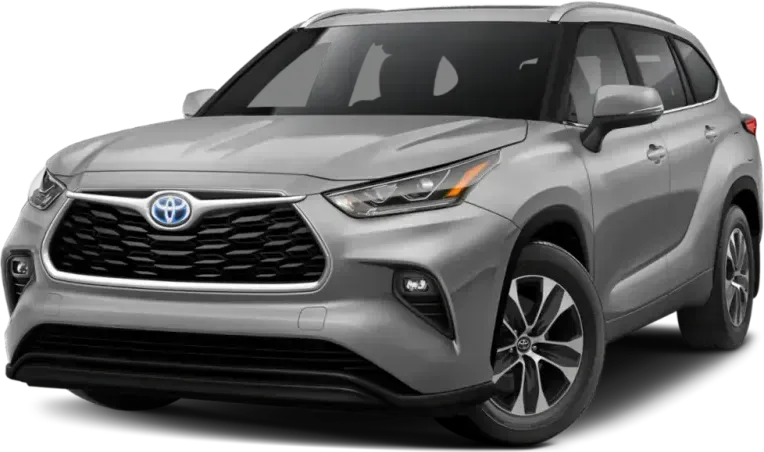
- Owner complaints
- 138
- Share of all complaints
- 6%
- Crash / fire / injury reports
- 3 / 3 / 4
- Related recalls
- 0
Toyota Highlander engine complaints by model year
The 2019 model year has the most engine complaints, at 45, and the highest rate per vehicle sold. The 2018 and 2021 years follow with 28 and 27. The 2023 year has 19, mostly turbo hesitation. The 2020 year has only 9, but its reports include the shutdown crash with injuries. The 2022 year has 6. Years from 2024 on show very few complaints, but they have had the least time on the road to collect them, so low counts there say little yet.
| Model year | Complaints | Per 10,000 sold | Crash, fire, injury reports |
|---|---|---|---|
| 2018 | 28 | 1.1 | 0, 1, 0 |
| 2019 | 45 | 1.9 | 1, 1, 0 |
| 2020 | 9 | 0.4 | 1, 0, 2 |
| 2021 | 27 | 1 | 0, 1, 2 |
| 2022 | 6 | 0.3 | 0, 0, 0 |
| 2023 | 19 | 1.1 | 1, 0, 0 |
| 2024 | 3 | 0.3 | 0, 0, 0 |
| 2025 | 1 | 0.2 | 0, 0, 0 |
| 2026 | 0 | n/a | 0, 0, 0 |
Owner complaints filed with NHTSA under engine, engine and engine cooling. Newer model years have had less time to collect complaints.
What goes wrong
The most serious pattern is the engine shutting off or losing power while the car is moving. Owners describe it at stop signs, in traffic, on freeway on-ramps and partway through turns, often with a check engine light or a "reduced engine power" message. Hybrid owners report malfunction warnings, shaking and lost power. On turbocharged 2023 cars, acceleration from a stop hesitates for a second or more, then surges. Older V6 cars show oil leaks, rough idle and a high idle that makes the car lurch off the brake.
This category carries real safety weight, with crashes, injuries and fires on file. One shutdown in a left turn locked the steering wheel and brought a crash with 2 injuries. Fires include a parked hybrid and a car that burned after stalling at 65 MPH. Many filings here are really about the transmission, so read each complaint closely. Dealers often find no codes and send the car home.
Symptoms owners report
Sudden stalling or shutdown
The engine quits while driving, at a stop sign, in traffic or mid-turn. Power steering and brake assist can go with it. Owners report a check engine light, then a car that cranks but will not start.
Reduced power warnings
The car loses power at speeds like 40 or 50 mph. Dash messages read "reduced engine power", "hybrid malfunction" or "output power reduced". Some owners also see shaking. Several 2021 cases started within the first few thousand miles.
Turbo hesitation and surging
On the 2023 turbocharged engine, the car pauses for a second or two off the line, then bucks or surges. Dealers often find no codes and call it normal. Some owners say 93 octane eases it.
High or rough idle
Some cars idle high and lurch forward when the brake is released. Others drop to near 500 RPM at lights, idle rough and nearly stall. Both show up on near-new cars with a few hundred to a couple thousand miles.
Oil leaks and fluid smells
A valve cover to cam tower seal leak is the clearest leak report. Others mention poorly sealed gaskets, a vacuum pump leak, or a strong antifreeze smell with no visible leak.
Engine bay fires
Fires are on file in 2018, 2019 and 2021. One hybrid burned while parked, starting in the engine compartment. One car stalled at 65 MPH, then burned. One burned on a dealer test drive after a returning check engine light.
When the problems start
Many problems show up early. Owners report high idle at about 300 miles, rough idle at 1,750, stalling at 3,400 and power loss at 8,500. Turbo hesitation often starts after about 2,000 miles. The one detailed oil leak report came at 52,500 miles.
Repairs and recalls
Fixes are inconsistent. For stalling, dealers replaced fuel sensors and then a fuel pump on one 2021, and other owners say fuel pump swaps did not always cure it. One 2018 owner paid $140 for a diagnosis that pointed to an ignition coil, then $600 more to find a faulty ECM. A valve cover oil leak was quoted at $2,173.51, and the owner says Toyota declined help. Turbo hesitation usually gets no repair, though one dealer replaced valve timing parts. Federal recall records list no recalls in this area.
Checking a used Highlander for engine problems
- Ask for service records showing any stalling, reduced power messages or fuel pump work, and whether the fix held.
- Test drive from a dead stop several times, including a turn, and note any pause, buck or surge.
- Idle at a stop with the brake held and the AC on. Watch for a high or dropping idle.
- Look under the hood and under the car for oil seepage near the valve cover, and smell for antifreeze.
- Scan for stored codes and check that no engine or hybrid warning lights stay on.
- Ask whether a whine on acceleration has been diagnosed, since many engine filings turn out to be transmission trouble.
For the rest of the car, use a full Toyota Highlander inspection checklist.
A VIN check shows whether the car you're looking at had its recall work done, plus accident and title history.
Toyota Highlander Engine Problems: common questions
- Which Toyota Highlander years have the most engine problems?
- The 2019 model year has the most engine complaints in owner filings, with 45, followed by 2018 with 28 and 2021 with 27. The 2023 year has 19, mostly turbo hesitation. Newer years show few complaints, but they have had less time to collect them.
- Is it safe to drive a Highlander that stalls or hesitates?
- Owners describe it as a real risk. Shutdowns in turns and traffic, and long pauses when pulling into traffic, led to near misses and some crashes. A car that stalls or loses power should be diagnosed before regular driving.
- Is there a recall for Highlander engine problems?
- No. Federal recall records show zero recalls in the engine category for this model. Some owners ask Toyota to add their car to a recall list, but the records do not show one for these engine symptoms.
- How much does a Highlander engine repair cost?
- Costs in owner reports vary widely. One valve cover oil leak was quoted at $2,173.51. Diagnosis fees of $140 and $600 appear on one stalling case. Independent repair-cost data puts yearly repairs for the whole model at $489.
- Is the Highlander turbo hesitation normal?
- Dealers often call it normal turbo lag when no codes are found. Owners of 2023 cars say the delay can last a second or more and makes pulling into traffic risky. Some report that higher-octane fuel helps.
Other Toyota Highlander problems
Engine & powertrain
Brakes, steering & tires
Body & interior
Airbags & seat belts
Electrical & lighting
More on the Toyota Highlander
See incorrect data? Report an issue