Last updated: 2026-11-19
Brakes, steering & tires
Toyota Highlander Brake Problems
Hybrid Toyota Highlander brakes can release for a second at low speed, and 2018 models report brake booster vacuum pump failures.
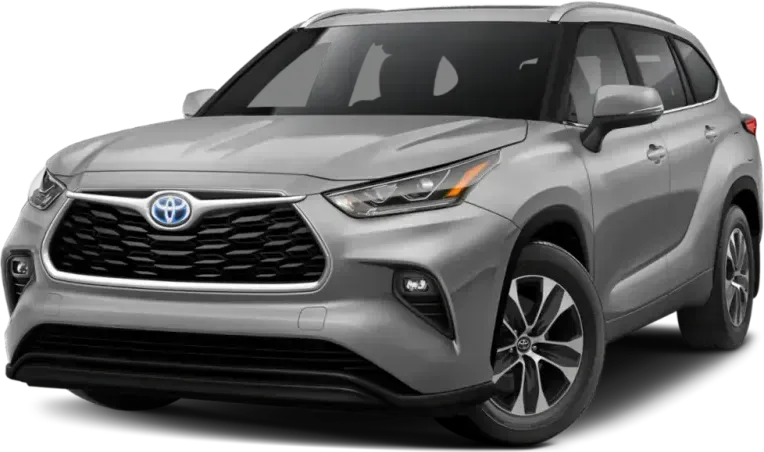
- Owner complaints
- 231
- Share of all complaints
- 10%
- Crash / fire / injury reports
- 20 / 0 / 14
- Related recalls
- 1
Toyota Highlander brake complaints by model year
The 2021 model year has the most brake complaints at 62, followed by 2018 at 52, 2020 at 41, and 2022 at 36. The 2019 and 2023 years have fewer, at 14 and 19. The 2024, 2025, and 2026 years show very few or none, but they are new and have had little time to collect complaints, so that is not proof they are better. Hybrid low-speed brake release reports run from 2020 through 2024. The vacuum pump failures belong to 2018.
| Model year | Complaints | Per 10,000 sold | Crash, fire, injury reports |
|---|---|---|---|
| 2018 | 52 | 2.1 | 4, 0, 2 |
| 2019 | 14 | 0.6 | 3, 0, 2 |
| 2020 | 41 | 1.9 | 7, 0, 8 |
| 2021 | 62 | 2.3 | 3, 0, 0 |
| 2022 | 36 | 1.6 | 2, 0, 1 |
| 2023 | 19 | 1.1 | 1, 0, 1 |
| 2024 | 6 | 0.7 | 0, 0, 0 |
| 2025 | 1 | 0.2 | 0, 0, 0 |
| 2026 | 0 | n/a | 0, 0, 0 |
Owner complaints filed with NHTSA under service brakes, parking brake. Newer model years have had less time to collect complaints.
What goes wrong
Two patterns dominate. On hybrids from 2020 on, owners say the brakes seem to let go for a second or two while slowing gently. The SUV lurches forward until the driver presses harder. It shows up at low speed, going downhill, or over bumps. Dealers often cannot reproduce it or call it normal. On 2018 models, power assist drops out. A brake light and a "Braking Power Low" message appear, the pedal goes stiff, and some vehicles will not restart. Warped rotors and early pad wear fill out the rest.
Brake loss is a safety issue, and owners treat it that way. Across all tracked years, 231 complaints involve brakes, and they include 20 crash reports and 14 injuries. Several owners say the car was totaled. Some describe rear-end collisions after a stop failed to happen. No fires are reported. Some reports describe no warning before the event, so the problem can surprise a driver who had no earlier sign.
Symptoms owners report
Brakes let go at low speed
Mostly on hybrids, the pedal seems to lose resistance for a second or two while slowing gently. The car surges forward until the driver presses harder. It happens downhill, over bumps, or near a stop. Some owners link it to the handoff from regenerative to friction braking.
Power assist drops out
On 2018 models, a BRAKE light and a "Braking Power Low" message appear without warning. The pedal goes stiff and barely slows the car. Some vehicles then will not start. Dealers usually trace it to the brake booster vacuum pump.
Shudder from warped rotors
Owners feel vibration or chatter when braking, especially from highway speed or downhill. Dealers point to warped rotors. Some owners say it came back after resurfacing, or fear it will, and some were told warranty does not cover brakes.
Pads and rotors wear fast
One 2018 owner had pads and rotors replaced twice in under two years, then found them worn again. Each job cost more than $800 using Toyota OEM parts. Other owners report worn pads and rotors well before typical replacement age.
Pre-collision system misbehaves
Some 2020 owners say the pre-collision system failed to brake before an impact. Others say it braked hard on the highway for no reason, which led to rear-end collisions. One owner reports the car stayed stopped until the accelerator was pressed.
When the problems start
Vacuum pump failures on 2018 models are reported between 28,000 and 57,000 miles, though one owner saw the low brake power warning at just over 2,000 miles. Rotor shudder appears early, from 8,500 to 12,000 miles on some cars. One 2018 needed pads and rotors at 24,000 and again at 39,000 miles. One 2020 hybrid owner reports the low-speed surge at about 70,000 miles.
Repairs and recalls
Owners with 2018 failures report quotes up to $2500 for the brake booster vacuum pump and weeks of waiting for a replacement part. Federal recall records list recall 18V211000 for certain 2018 Highlanders. Toyota's remedy is a free replacement of the brake booster vacuum pump. The recall began May 9, 2018. Hybrid owners say dealers often find no fault, and a brake software update did not fix it for some. One owner says a bulletin exists but was refused as out of warranty at 36,000 miles. Pad and rotor jobs ran over $800 each for one owner. Independent repair-cost data puts the model's overall yearly repair cost at $489.
Checking a used Highlander for brake problems
- Enter the VIN on Toyota's recall lookup and confirm whether recall 18V211000 was completed on any 2018 car.
- On a hybrid, brake gently downhill and at parking-lot speeds. Watch for a moment where the pedal goes light and the car creeps forward.
- Ask for service records showing brake booster vacuum pump work, rotor resurfacing, or brake software updates.
- Brake from highway speed on a test drive. Shaking in the pedal or steering wheel points to warped rotors.
- Watch the dash at startup for a BRAKE light or "Braking Power Low" message, and confirm the car starts normally.
- Price a full pad and rotor job into your offer, since owners report paying over $800 each time.
For the rest of the car, use a full Toyota Highlander inspection checklist.
1 brake recall cover the Toyota Highlander. A VIN check shows whether the car you're looking at had its recall work done, plus accident and title history.
Toyota Highlander Brake Problems: common questions
- Which Toyota Highlander years have the most brake complaints?
- The 2021 model year leads with 62 complaints, then 2018 with 52, 2020 with 41, and 2022 with 36. The 2024 through 2026 years have few or none, but they are too new to judge. Fewer complaints there mostly reflects less time on the road.
- Is it safe to drive a Highlander with brake problems?
- Treat any brake loss as a safety issue. Owners report 20 crashes and 14 injuries in this area. If the pedal goes stiff, a brake warning appears, or the car surges when you brake, have it inspected before driving more.
- Does a recall cover Highlander brake problems?
- Federal recall records list one brake recall, 18V211000, for certain 2018 Highlanders. It covers the brake booster vacuum pump, and Toyota replaces it free. Check the VIN to see if your car is included. No recall is listed for the hybrid low-speed brake release.
- What is the hybrid brake release on a Highlander?
- Owners describe the brakes letting go for a second or two at low speed, then the car lurches forward. They often link it to the handoff from regenerative to friction braking. Dealers often cannot reproduce it, and some owners say a software update did not fix it.
- How much do Highlander brake repairs cost?
- Owners report quotes up to $2500 for a failed brake booster vacuum pump. One 2018 owner paid over $800 for each pad and rotor job. Independent repair-cost data puts the model's overall annual repair cost at $489.
Other Toyota Highlander problems
Engine & powertrain
Body & interior
Airbags & seat belts
Electrical & lighting
More on the Toyota Highlander
See incorrect data? Report an issue