Last updated: 2026-11-20
Body & interior
Tesla Model 3 Wiper And Visibility Problems
Tesla Model 3 owners most often report automatic wipers that react late or not at all, plus defrost failures that leave the windshield fogged or iced.
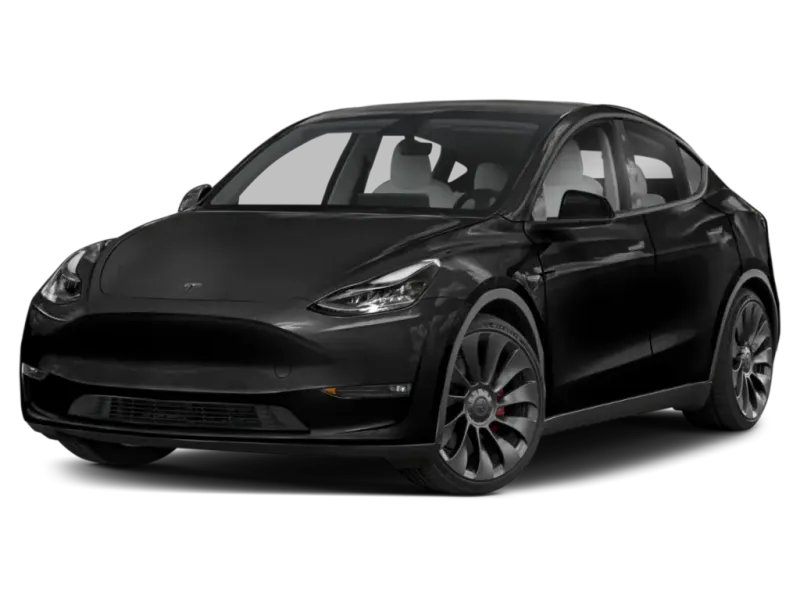
- Owner complaints
- 133
- Share of all complaints
- 3%
- Crash / fire / injury reports
- 0 / 0 / 0
- Related recalls
- 1
Tesla Model 3 wiper and visibility complaints by model year
The 2018 model year has the most complaints in this area, followed by 2021 and 2019. The 2020, 2022, and 2023 years sit in the middle. Counts fall off sharply for 2024, 2025, and 2026, but those cars have had the least time on the road to collect complaints, so low numbers there do not show they are better. Per car sold, 2018 and 2021 also rank highest. Complaints in this area are spread across every year, so no year looks free of the problem.
| Model year | Complaints | Per 10,000 sold | Crash, fire, injury reports |
|---|---|---|---|
| 2018 | 38 | 2.7 | 0, 0, 0 |
| 2019 | 22 | 1.4 | 0, 0, 0 |
| 2020 | 16 | 0.8 | 0, 0, 0 |
| 2021 | 24 | 2 | 0, 0, 0 |
| 2022 | 14 | 0.7 | 0, 0, 0 |
| 2023 | 12 | 0.5 | 0, 0, 0 |
| 2024 | 4 | 0.3 | 0, 0, 0 |
| 2025 | 2 | 0.1 | 0, 0, 0 |
| 2026 | 1 | n/a | 0, 0, 0 |
Owner complaints filed with NHTSA under visibility/wiper, visibility. Newer model years have had less time to collect complaints.
What goes wrong
Most complaints start with the automatic wipers. Owners say they wait too long to start in heavy rain, never start at all, or run on a dry windshield and refuse to stop. Because the wiper settings sit in the touchscreen, fixing it while driving means taking your eyes off the road. Some owners also describe the screen freezing, which stopped the wipers until the system rebooted.
The second group is clear-glass problems: heat pump or HVAC failures that stop defrost, cracked glass, and camera or mirror view issues. This area is a small slice of the model's complaints, about 3%. The reports are serious in tone, since owners describe near-zero visibility in rain and frozen glass in winter. Federal complaint records show no crashes, fires, or injuries tied to this area in any model year. A few owners say the car became undrivable, mostly after a defrost or HVAC failure.
Symptoms owners report
Auto wipers slow or silent
Owners say the automatic wipers start late in heavy rain, miss a splash from a passing truck, or never turn on in auto mode. One owner lost almost all forward view before wiping started. Manual mode still works for some.
Wipers run when they should not
Some cars wipe on a dry, sunny windshield, even with the wipers set to off. One owner could not shut them off from the screen. Another says the constant wiping wore out the blades within a year.
Wiper control buried in touchscreen
Changing wiper mode takes screen taps, which pulls your eyes off the road in a downpour. A late 2021 software update drew complaints for moving defrost and wiper controls deeper into menus. One owner says a screen freeze stopped the wipers until a reboot.
Defrost fails with heat pump or HVAC
Owners report a failed heat pump, AC compressor, or HVAC system that left no heat and no way to clear fog or ice. Some cars were parked as undrivable in freezing weather. Several owners call this a safety hazard.
Cracked windshield and rear glass
Owners report windshield cracks with no visible impact, including one that started at the camera and mirror mount and one after a car wash. Rear glass cracks also appear, along with a few chips that spread quickly.
Camera and mirror view problems
Owners describe a rear camera that is delayed, intermittent, or does not come back after leaving the climate screen. Others report ghosting around lights, turn-signal glare in the blind-spot camera, and side mirrors that feel too small.
When the problems start
Owners rarely give mileage for the wiper complaints, so there is no clear pattern there. Defrost and HVAC failures come with more numbers. One heat pump failed at 18,317 miles. Another HVAC system failed at about 7,500 miles, was repaired, then failed again much later. A rear camera fault was reported at about 20,000 miles, and a rock-strike windshield crack at about 23,000.
Repairs and recalls
Wiper complaints rarely end in a fix. Owners say Tesla service told them the wipers are computer controlled, and several say repeated reports led nowhere. Defrost repairs cost more. One owner got a remote quote of $3,047.52 for a compressor and supermanifold, and another was quoted a higher price by Tesla service for a disabled defrost. A few had HVAC work done free under warranty. Federal recall 22V702000 covers 2018 to 2022 cars, but it addresses the window automatic reversal system, not wipers or defrost. Tesla's remedy is a free over-the-air software update.
Checking a used Model 3 for wiper and visibility problems
- Run the wipers in auto mode on a wet or sprayed windshield and confirm they start promptly and stop when the glass is dry.
- Open the touchscreen and find the wiper and defrost controls. Make sure you can reach them quickly and that the screen responds.
- Run max defrost and heat for several minutes and confirm the windshield clears and the cabin warms up.
- Inspect the windshield and rear glass in daylight for hairline cracks, especially near the camera mount and the black edge.
- Ask for service records showing any heat pump, compressor, or HVAC repair and whether it was done under warranty.
- Put the car in reverse and confirm the rear camera comes on right away and returns after you open the climate screen.
For the rest of the car, use a full Tesla Model 3 inspection checklist.
1 wiper and visibility recall cover the Tesla Model 3. A VIN check shows whether the car you're looking at had its recall work done, plus accident and title history.
Tesla Model 3 Wiper And Visibility Problems: common questions
- Which Tesla Model 3 years have the most wiper and visibility complaints?
- The 2018 model year has the most complaints in this area, with 2021 and 2019 next. Counts for 2024 through 2026 are low, but those cars have had less time to collect complaints. No year is free of these reports.
- Is it safe to drive a Model 3 with bad auto wipers?
- It is a real risk in heavy rain. Owners describe near-zero visibility until they set the wipers by hand on the touchscreen, which takes their eyes off the road. Federal records show no crashes or injuries in this area, but use caution until it is fixed.
- Does a recall cover Model 3 wiper problems?
- No recall in this area's records covers the wipers or defrost. Recall 22V702000 applies to 2018 to 2022 cars and concerns the window automatic reversal system. Tesla's fix is a free over-the-air software update.
- How much does it cost to fix a Model 3 defrost or HVAC failure?
- Owners report widely different outcomes. One was quoted $3,047.52 for a compressor and supermanifold, and another was quoted a higher price for a disabled defrost. Some owners say Tesla replaced the failed part free under warranty. Costs depend on the part and coverage.
- Why do Model 3 wipers turn on when it is dry?
- Owners report the automatic wipers running on a clean, dry windshield and ignoring the off setting. The data does not give a cause. Owners say Tesla service did not resolve it, and one saw the blades wear out within a year.
Other Tesla Model 3 problems
Driver-assist tech
Brakes, steering & tires
Engine & powertrain
Electrical & lighting
Airbags & seat belts
Body & interior
More on the Tesla Model 3
See incorrect data? Report an issue