Last updated: 2026-11-19
Brakes, steering & tires
Tesla Model 3 Brake Problems
Tesla Model 3 brake complaints center on phantom braking and cars that keep moving when the driver presses the pedal, with many crash reports.
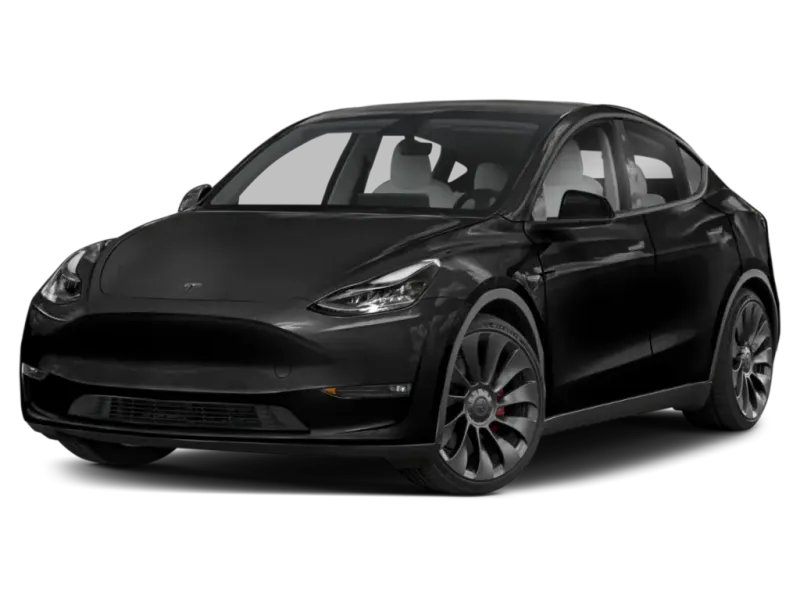
- Owner complaints
- 470
- Share of all complaints
- 11%
- Crash / fire / injury reports
- 63 / 2 / 34
- Related recalls
- 1
Tesla Model 3 brake complaints by model year
Complaints are highest for 2022, followed by 2021, 2018, and 2019. On a per-sales basis, 2021 and 2022 stand out most, with 2018 next. The 2020 and 2023 years have fewer complaints, though 2023 has a high share of crash reports. The 2024, 2025, and 2026 years show very few or no complaints, but they have had little time on the road to collect them. That is not evidence they are safer. Their reports describe the same patterns, including pedal failure and sudden automatic stops.
| Model year | Complaints | Per 10,000 sold | Crash, fire, injury reports |
|---|---|---|---|
| 2018 | 79 | 5.6 | 12, 0, 2 |
| 2019 | 54 | 3.4 | 6, 0, 4 |
| 2020 | 42 | 2 | 7, 1, 4 |
| 2021 | 104 | 8.6 | 8, 1, 5 |
| 2022 | 138 | 7.1 | 12, 0, 9 |
| 2023 | 41 | 1.8 | 13, 0, 6 |
| 2024 | 3 | 0.2 | 1, 0, 3 |
| 2025 | 9 | 0.5 | 4, 0, 1 |
| 2026 | 0 | n/a | 0, 0, 0 |
Owner complaints filed with NHTSA under service brakes, parking brake. Newer model years have had less time to collect complaints.
What goes wrong
Two kinds of brake complaints dominate. In the first, the car brakes hard on its own while Autopilot or adaptive cruise control is on, often on open highway with nothing ahead. In the second, the driver presses the brake pedal and the car does not stop. Owners describe a pedal that feels hard, spongy, or heavy, and a car that surges forward during parking and driveway moves. Brakes account for 11% of the model's 4388 complaints.
The safety risk is real. Many crash reports describe a car that kept moving into garage doors, walls, trees, or other vehicles, and injuries are common. Phantom braking has led to rear-end hits from following drivers. Two fire-related reports appear across the years. Several owners say no warning light came on first. One says the car was totaled. Tesla has called at least one case driver error, so the cause is disputed.
Symptoms owners report
Phantom braking on cruise control
The car sheds speed sharply on Autopilot or adaptive cruise with no obstacle ahead. Owners report drops from 65 to 38 mph and from 75 to under 40 mph. Some say it happens repeatedly, and some stop using cruise control. Following drivers have hit them.
Surging while the pedal is pressed
At low speed, in driveways, parking lots, and turns, the car lunges forward even though the driver says the brake is pressed. Reports end with crashes into garage doors, walls, trees, and parked cars. Some owners say the pedal was pressed hard.
Hard, spongy, or dead pedal
Drivers describe a pedal that feels rock hard, heavy, or spongy, or one that goes to the floor, with little or no slowing. Some reports add heavy steering or a parking brake that did not help. Several say no warning appeared first.
Safety systems stay silent
Owners say forward collision warning and automatic emergency braking did nothing as traffic stopped ahead or the car approached an obstacle. A few of the 2018 reports link the problem to a recent software update.
Abrupt regenerative braking
Some owners blame regenerative braking for slides and crashes on wet roads. They say lifting off the accelerator slowed the car sharply and the rear tires lost grip. One 2022 report also describes ABS chattering without slowing the car.
Brake and system fault messages
Some 2025 reports describe a hard pedal with heavy steering plus ABS, traction, and regenerative braking faults. One 2023 owner saw messages that braking hold and other functions were disabled. A 2025 report says an under-dash panel can fall onto the pedal.
When the problems start
Owners rarely give mileage. One 2023 owner reports a pedal that would not slow the car at about 11,000 miles, about a year after purchase. One 2022 owner says phantom braking began within the first few hundred miles. Several others describe failures on new cars. The data does not show a mileage at which brake problems reliably start.
Repairs and recalls
Owners report little about fixes, parts, or costs, and the data gives no repair prices. One owner says the car sat at a towing yard awaiting inspection and had not been discussed with the manufacturer. Federal recall 21V387000 covers 2019 to 2021 Model 3 cars. Brake caliper bolts may be loose, which could let a caliper separate and contact the wheel rim. Tesla Service will inspect and tighten, or replace, the bolts free of charge. The recall describes caliper bolts only. It does not mention phantom braking or pedal failure.
Checking a used Model 3 for brake problems
- For a 2019 to 2021 car, ask Tesla to confirm recall 21V387000 caliper bolt work was done, using the VIN.
- Drive on a highway with adaptive cruise on and watch for sudden speed drops with nothing ahead.
- Press the brake firmly at several speeds. Walk away if the pedal feels hard, spongy, or sinks toward the floor.
- Test low-speed parking and driveway stops. Any lunge or surge while braking is a reason to pass.
- Ask for service records showing brake visits, warning messages, or complaints about braking or software behavior.
- On a 2025 car, check that the under-dash panel is secure and cannot drop onto the pedal.
For the rest of the car, use a full Tesla Model 3 inspection checklist.
1 brake recall cover the Tesla Model 3. A VIN check shows whether the car you're looking at had its recall work done, plus accident and title history.
Tesla Model 3 Brake Problems: common questions
- Which Tesla Model 3 years have the most brake complaints?
- The 2022 model year has the most brake complaints, followed by 2021, 2018, and 2019. Per vehicle sold, 2021 and 2022 rank highest. The 2024 to 2026 years have few reports, but they have had less time to collect complaints.
- Is it safe to drive a Model 3 with brake problems?
- Not with a pedal that feels hard, spongy, or fails to slow the car. Those reports include crashes and injuries. Phantom braking is less severe but has led to rear-end hits. Get any brake symptom inspected before driving further.
- Does a recall cover Model 3 brake problems?
- One recall, 21V387000, covers 2019 to 2021 cars for loose brake caliper bolts. Tesla inspects and tightens or replaces them free. It does not cover phantom braking or pedal failures. Check the VIN with Tesla.
- What does a Model 3 brake repair cost?
- The data does not give repair costs. Owners mostly describe crashes and failures, not repair bills. The caliper bolt work under recall 21V387000 is free for covered cars. Ask a Tesla service center for a quote on anything else.
- What is phantom braking on a Model 3?
- Owners use the term for sudden hard braking on Autopilot or adaptive cruise when no obstacle is ahead. Reports describe sharp speed drops on open highways and two-lane roads. Some owners say it caused near misses or rear-end collisions.
Other Tesla Model 3 problems
Driver-assist tech
Engine & powertrain
Electrical & lighting
Brakes, steering & tires
Airbags & seat belts
Body & interior
More on the Tesla Model 3
See incorrect data? Report an issue