Last updated: 2026-10-10

2019 Ford Explorer Reliability Report
The 2019 Ford Explorer has good reliability, but windshield trim failures and torque converter breakdowns near 80,000 miles are the problems to check.
Recalls
4
Complaints
252
Complaint Rate
13.5per 10,000 sold
Est. Repair Cost
$732
Annual Fuel Cost
$2,700–$3,300
Detailed Score Breakdown
Component-weighted complaints normalized by sales volume
Independent repair cost ratings
Recall count weighted by severity
Breadth of reported problem categories
The Verdict
Last year of the fifth generation, it rates better than both 2018 and 2020, but windshield trim and transmission failures still turn up.
Top Issues to Watch
- STRUCTURE (125)
- POWER TRAIN (29)
- ELECTRICAL SYSTEM (15)
Generation & Refresh (US)
2019 is the last model year of the Fifth generation (U502).
- Final-year models are typically the most refined version of a generation.
- 3 years after the last refresh (2016).
- 5th generation Explorer (US).
What this means for buyers
Final-year models are usually the most polished version of a generation, but resale value may dip as buyers anticipate the next redesign.
2011: Fifth generation (U502) Launch
Generation start — new platform.
2016: Mid-Cycle Refresh
Updated features and styling tweaks.
2019: This Model Year
2019 is the last model year of the Fifth generation (U502).
Should You Buy the 2019 Ford Explorer?
Good, with caveats. This is the final year of the fifth-generation Explorer, and it holds up about as well as the average 2019 SUV. It lands in the middle of nine scored Explorer years, and both 2018 and 2020 rate worse. Federal crash testing gave it 5 of 5 stars. Independent repair-cost data puts yearly repairs above the class figure, $732 against $573.
Two problems matter most. Exterior trim around the windshield loosens, whistles at speed, and in many reports tears off on the highway, often at 40,000 to 50,000 miles. Owners say replacement parts stayed unavailable for a year or more. The bigger risk is the transmission. Torque converters fail around 80,000 to 84,000 miles, with shuddering, slipping, or sudden power loss. Quoted repairs run from $4,000 to over $9,400. Federal records list four recalls, two of them for structure.
Ask for transmission service history and proof that every recall repair was completed. Check the windshield trim closely, and drive at highway speed to listen for whistling.
Compared to the 2020 Ford Explorer, which scored 15 points lower. See also the 2018 Ford Explorer for an earlier comparison.
Pros
- +Acceptable reliability score
- +Infrequent unscheduled repairs
- +Low major repair risk (14%)
- +Below-average complaint rate for SUV
Cons
- −Above-average repair costs for its class
- −Moderate recall count
- −STRUCTURE: Exterior trim around the windshield loosens, buzzes or whistles at speed, and... (125 complaints)
Compare 2019 Ford Explorer With
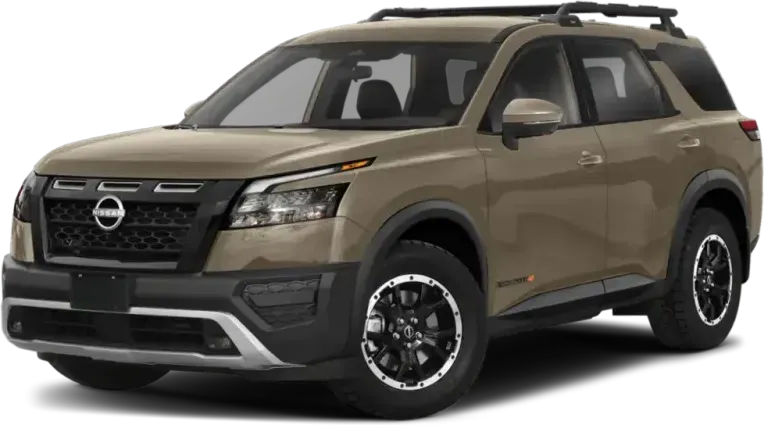
2019 Nissan Pathfinder
Reliability: 71/100

2019 Honda Passport
Reliability: 59/100
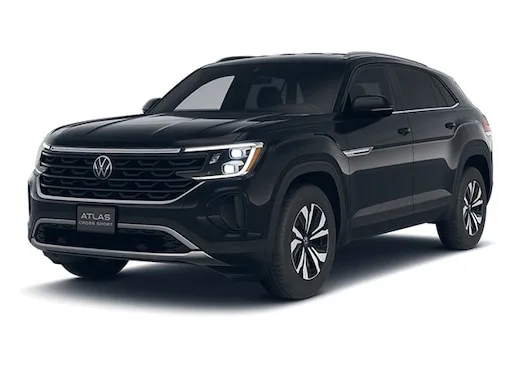
2019 Volkswagen Atlas
Reliability: 48/100
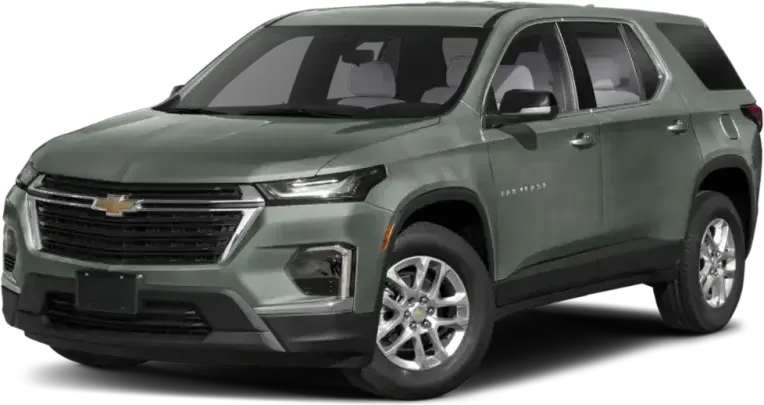
2019 Chevrolet Traverse
Reliability: 62/100
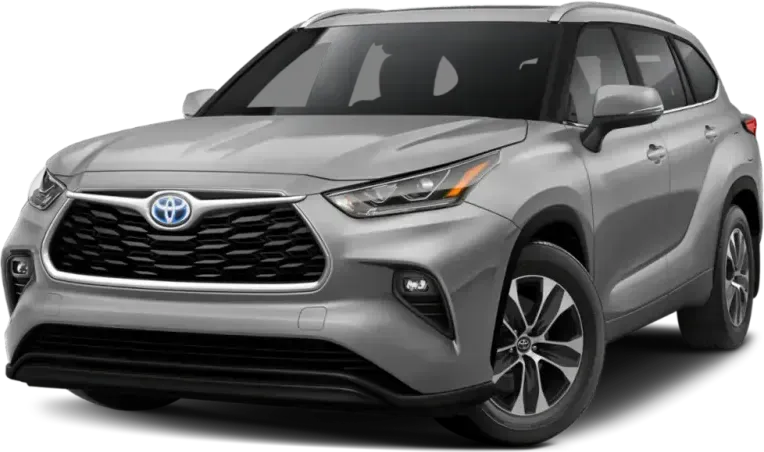
2019 Toyota Highlander
Reliability: 70/100
Common Problem Categories
Safety
LOW RISK- 4 manufacturer recalls issued
Other
HIGH RISK- STRUCTURE (125)
- UNKNOWN OR OTHER (33)
Recall Overview
4
recalls on record
A moderate 4 recalls are on file for the 2019 Ford Explorer. Each one points to a specific safety or compliance issue identified by the manufacturer or NHTSA — check the list below before buying.
NHTSA.gov →Complaint Breakdown
13.5
per 10,000 soldSegment avg: 21.2
Safety Incidents
2
Crashes
0
Fires
5
Injuries
0
Deaths
NHTSA 5/5 Stars
Data sourced from NHTSA complaint filings and manufacturer recall notices. Complaint narratives are owner-reported.
2019 Ford Explorer Recall Details
4 recalls have been issued for the 2019 Ford Explorer. All recall repairs are performed free of charge at authorized dealerships.
EQUIPMENT
Ford Motor Company (Ford) is recalling certain 2016-2018 Focus, 2019 Explorer, and 2024 Explorer vehicles. The engine block heater may crack and develop a coolant leak, causing it to short circuit when the block heater is plugged in.
Consequence
An electrical short circuit can increase the risk of a fire.
Remedy
Owners are advised not to plug in their block heater until the vehicle is remedied. Dealers will replace the block heater, free of charge. Interim letters, notifying owners of the safety risk, are expected to be mailed February 13, 2026. Additional letters will be sent once the final remedy is available, anticipated in April 2026. Owners may contact Ford customer service at 1-866-436-7332. Ford's number for this recall is 25SA4. Vehicle Identification Numbers (VINs) involved in this recall became searchable on NHTSA.gov on January 16, 2026. This recall expands previous recall number 25V685.
STRUCTURE
Ford Motor Company (Ford) is recalling certain 2011-2019 Explorer vehicles. The A-pillar trim retention clips may not be properly engaged, allowing the trim to detach.
Consequence
A detached trim piece can fall off the vehicle, becoming a road hazard and increasing the risk of a crash.
Remedy
Dealers will inspect and replace the A-pillar trim as necessary, free of charge. Owner notification letters were mailed on July 18, 2024. Owners may contact Ford customer service at 1-866-436-7332. Ford's number for this recall is 24S02.
STRUCTURE
Ford Motor Company (Ford) is recalling certain 2016-2019 Explorer vehicles. The retention pins could loosen and allow the roof rail covers to detach from the vehicle.
Consequence
A detached roof rail cover can create a road hazard, increasing the risk of a crash.
Remedy
Dealers will install push-pins and replace any damaged rail clips and roof rail covers, as necessary, free of charge. The interim owner notification letter was mailed on June 22, 2021. Owner notification letters (remedy available) were mailed on October 1, 2021. Owners may contact Ford customer service at 1-866-436-7332. Ford's number for this recall is 21S22.
Buying a used 2019 Ford Explorer? Check its history first
Structure problems lead owner complaints about the 2019 Ford Explorer, and 4 recalls were issued for it. A VIN check shows whether this car's recall work was done, plus accident, title, and odometer history.
- Accidents
- Open Recalls
- Title History
- Odometer Rollback
2019 Ford Explorer NHTSA Safety Ratings
Overall Safety Rating
Crash Test Results by Configuration (expand)
Gas Powertrain
Rollover risk: 17.4%
Safety Technologies
Ford ExplorerRepair Costs & Maintenance
Maintenance Rating
3.5Maintenance rating: 3.5 out of 5Based on NHTSA complaint patterns, recall severity, and publicly available cost benchmarks.
Est. Annual Maintenance
$732
vs $573 avg for midsize SUVs
vs $652 avg for all vehicles
Repair Frequency
0.2
unscheduled repair visits per year
Severe Repair Probability
14%
chance of a major repair
Annual Cost Comparison
Category-level averages derived from publicly available industry reports (AAA, CarMD). Model-level estimates produced by Auto Reliability Index.
Ford Explorer Resale Value
The Ford Explorer is estimated to retain about 60.5% of its original value after 5 years, based on observed used-car listings.
This benchmark covers the Ford Explorer model overall and is not specific to the 2019 model year.
- Value Retained
- 60.5%
- Depreciation
- 39.5%
- Listings Analyzed
- 717
after 5 years
over the same period
U.S. used-car listings
Listings observed in . Actual resale value varies by trim, mileage, condition, and location.
Explore Ford Explorer depreciation and resale value on CarResaleValue.comMPG & Annual Running Costs
Gas
18–22 MPG
Running cost: $3,450–$4,050/yr
Fuel + repair
16–19 city / 22–27 hwy MPG
Running cost includes EPA fuel-cost estimate and independent repair-cost data (repair cost estimated at model level). Excludes routine maintenance, depreciation, and insurance. Data as of 2019 EPA label cycle.
Gas trims
| Trim | Drive | Trans. | City | Hwy | Comb | Fuel Cost |
|---|---|---|---|---|---|---|
| Explorer FWD 2.3L 4-cyl | Front-Wheel Drive | Automatic (S6) | 19 | 27 | 22 | $2,700 |
| Explorer AWD 2.3L 4-cyl | All-Wheel Drive | Automatic (S6) | 18 | 25 | 21 | $2,850 |
| Explorer 2WD FFV 3.5L 6-cyl | Front-Wheel Drive | Automatic (S6) | 17 | 24 | 20 | $3,000 |
| Explorer FWD 3.5L 6-cyl | Front-Wheel Drive | Automatic (S6) | 17 | 24 | 20 | $3,000 |
| Explorer AWD 3.5L 6-cyl | All-Wheel Drive | Automatic (S6) | 16 | 22 | 19 | $3,150 |
| Explorer AWD 3.5L 6-cyl | All-Wheel Drive | Automatic (S6) | 16 | 22 | 18 | $3,300 |
| Explorer AWD FFV 3.5L 6-cyl | All-Wheel Drive | Automatic (S6) | 16 | 22 | 18 | $3,300 |
Used Buying Checklist
Key things to inspect or verify before purchasing a 2019 Ford Explorer.
Check federal recall records by VIN and confirm the A-pillar trim recall 24V031000 has been completed.
Inspect the windshield A-pillar trim and lower molding for gaps, cracks, or missing pieces, then listen for buzzing above 50 mph.
Accelerate hard from a stop and onto a highway. Walk away if you feel shudder, hard shifts, slipping, or see the wrench light.
At idle, shift between Drive and Reverse and feel for heavy vibration, a known torque converter symptom.
Accelerate hard with the air on recirculate and check for exhaust or burning smells in the cabin.
Press the horn and confirm someone standing outside the car can hear it clearly.
After the test drive, check the coolant level and look under the engine for antifreeze leaks.
Drive over rough pavement and listen for rattles from the rear wheels, a sign of worn toe links.
2019 Ford Explorer Common Problems by Component
252 owner complaints grouped by vehicle system.
STRUCTURE
125 complaintsExplorer body and structure problems across all model years
Exterior trim around the windshield loosens, buzzes or whistles at speed, and in many reports tears off on the highway. Most filings tie this to recall 24V031000 for the A-pillar trim. The main complaint is that recall parts stay unavailable for a year or more while the trim keeps failing. Some pieces, such as the B-pillar trim, fall outside the recall, and owners pay for them. Other reports cover a detached roof rack rail, a broken door keypad panel, and a power liftgate that dropped onto a person and caused an injury.
UNKNOWN OR OTHER
33 complaintsExhaust fumes in the cabin are the most serious pattern here. A police-use vehicle left idling caused acute carbon monoxide poisoning and an injury, and post-incident testing pointed to incomplete exhaust welds. Most other reports repeat the A-pillar and lower windshield trim problem. Trim cracks, buzzes above 50 mph, or flies off. Dealers say recall parts are unavailable but offer to do the repair if the owner pays. Smaller complaints cover a single weak factory horn, water pooling inside the rear liftgate with corrosion, and a door that fails to auto-lock.
POWER TRAIN
29 complaintsExplorer transmission problems across all model years
Torque converter and transmission failures dominate. The car shudders on acceleration, vibrates when shifted into Drive or Reverse, shifts hard, or slips between second and third gear. Several reports describe sudden power loss at highway speed. The engine revs, but the car cannot go faster than 20 to 30 mph. Often no warning light comes on, or only the wrench light. Failures cluster around 80,000 to 84,000 miles. Some torque converters fail again after replacement, and quoted repairs run from $4,000 to over $9,400.
ELECTRICAL SYSTEM (15 complaints)
ELECTRICAL SYSTEM
15 complaintsHorn complaints lead. The horn goes silent with no warning light, in reports between 45,600 and 74,000 miles, and many owners find the factory single horn too quiet to be heard. The Sync 3 touchscreen freezes, goes blank, gets stuck on the reverse camera view, and drops Bluetooth. Out of warranty, it is an expensive repair. Other reports describe a black backup camera and a burning odor traced to the rear wiring harness, a charging-system warning in hot weather, a swollen battery, and the engine cranking but not starting.
ENGINE (11 complaints)
ENGINE
11 complaintsExhaust or burning smells inside the cabin are the most repeated complaint, usually under hard acceleration. Dealers often cannot find or fix the leak, and some drivers report drowsiness. Other reports describe engines that fail outright or shut off at highway speed, then crank without restarting. An internal water pump can leak coolant into the engine and lead to a costly engine replacement. A loud rattle at startup with the check engine light on also appears.
STEERING (6 complaints)
STEERING
6 complaintsSafety-relatedSudden loss of steering control is the main risk. Reports include a steering wheel that seized at low speed and caused a crash with 2 injuries. In others, a front control arm broke during a slow turn and left the wheel uncontrollable, and the rear end jerked sideways at interstate speed. Other filings cover a loose horn cover over the driver air bag, a dead horn, and a fuel leak from factory fuel lines that were not attached properly.
FUEL/PROPULSION SYSTEM (5 complaints)
FUEL/PROPULSION SYSTEM
5 complaintsFuel delivery failures cause stalls and no-starts. The engine sputters and dies on the highway or will not start in a parking lot, often after long drives in hot weather. It may start again after a wait. Reports point to the fuel pump and the fuel pump driver module, and the module has failed again after replacement. Fuel pump failures appear around 45,015 to 53,000 miles. Police-use versions also report early catalytic converter failure with code P0430. Campaign 22M06 covers it, but dealers do not always mention it.
SUSPENSION (5 complaints)
SUSPENSION
5 complaintsRear toe link failures are the main pattern. A loose link rattles at the rear wheel on rough roads, and a broken link can make the rear end fishtail at highway speed. Owners note that a toe link recall covering earlier Explorers does not include this year. Other reports describe a front ball joint separating while driving straight, pulling the car into oncoming traffic. Owners also report early wear on the inside edges of the tires that continues after parts replacement and alignment.
ENGINE AND ENGINE COOLING (5 complaints)
ENGINE AND ENGINE COOLING
5 complaintsWater pump failure is the recurring problem. Symptoms include an antifreeze smell in the cabin, overheating warnings, coolant on the driveway, and loss of power followed by a stall at highway speed. In some cases coolant reaches the engine, and the engine must be replaced. Water pump failure is reported around 70,000 miles. Other reports describe sputtering and stalling at 75 mph with no restart, and white exhaust smoke from failed superchargers linked to recall 24V635000.
VISIBILITY (4 complaints)
VISIBILITY
4 complaintsThe windshield seal and surrounding trim wear out. Owners describe a crumbling gasket, a whistling windshield that has started to separate from the body, and a trim piece that flew off at 45 mph. These failures appear around 40,000 to 50,000 miles, and dealers say no recall covers them. A separate report describes power side mirrors that stop tilting left and right because of a failed door switch.
When Do 2019 Ford Explorer Problems Start?
Based on owner complaint patterns, here's when common issues tend to appear.
Best & Worst Ford Explorer Years
Best Ford Explorer Years to Buy
Based on reliability index score2024
2023
2019
(Current Model)
Ford Explorer Years to Avoid
Ford Explorer Reliability Score Trend
Scores 0–100. Higher is better. Current year highlighted.
| Year | Score | Rating |
|---|---|---|
| 2018 | 64/100 | Good |
| 2019 | 69/100 | Good |
| 2020 | 54/100 | Mixed |
| 2021 | 62/100 | Good |
| 2022 | 65/100 | Good |
| 2023 | 71/100 | Good |
| 2024 | 73/100 | Good |
| 2025 | 72/100 | Good |
| 2026 | 70/100 | Good |
Ford Explorer Reliability Compared to Other Years
Frequently Asked Questions
Is the 2019 Ford Explorer reliable?
What are the most common problems with the 2019 Ford Explorer?
Does the 2019 Ford Explorer have transmission problems?
How many recalls does the 2019 Ford Explorer have?
Is the 2019 Ford Explorer better than the 2018 or 2020?
Don’t buy a 2019 Ford Explorer without checking its VIN first — hidden accidents, title issues, and open recalls could cost you thousands.
How we score the 2019 Ford Explorer
Of the four inputs behind this score, the 2019 Ford Explorer does best on how many systems draw complaints (83/100) and worst on complaint severity (60/100). Scores weight complaint severity at 35%, repair costs at 30%, recall impact at 20%, and the spread of complaints across systems at 15%, with complaint counts adjusted for US sales. Read the full methodology.
Get notified when new recalls or reliability data is added for the Ford Explorer.
No spam. Only data updates for this model.
Browse More Ford Models
Ford Bronco
Score: 59/100
Ford Bronco Sport
Score: 77/100
Ford EcoSport
Score: 74/100

Ford Edge
Score: 76/100

Ford Escape
Score: 77/100
Ford Expedition
Score: 71/100
Browse More 2019 Vehicles
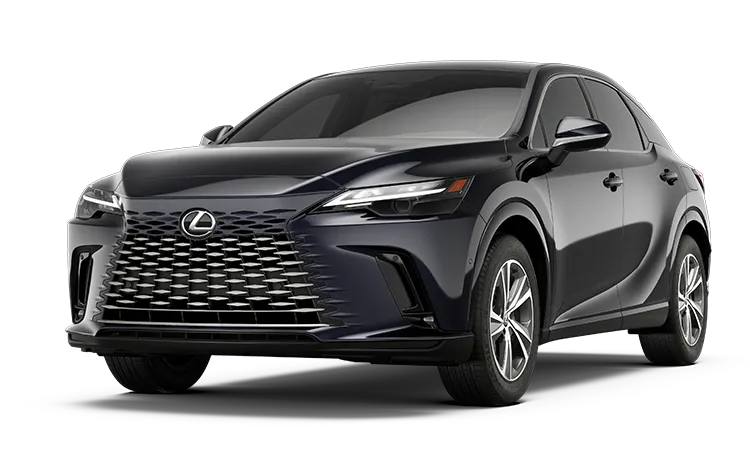
2019 Lexus RX
Score: 82/100

2019 Kia Sedona
Score: 80/100
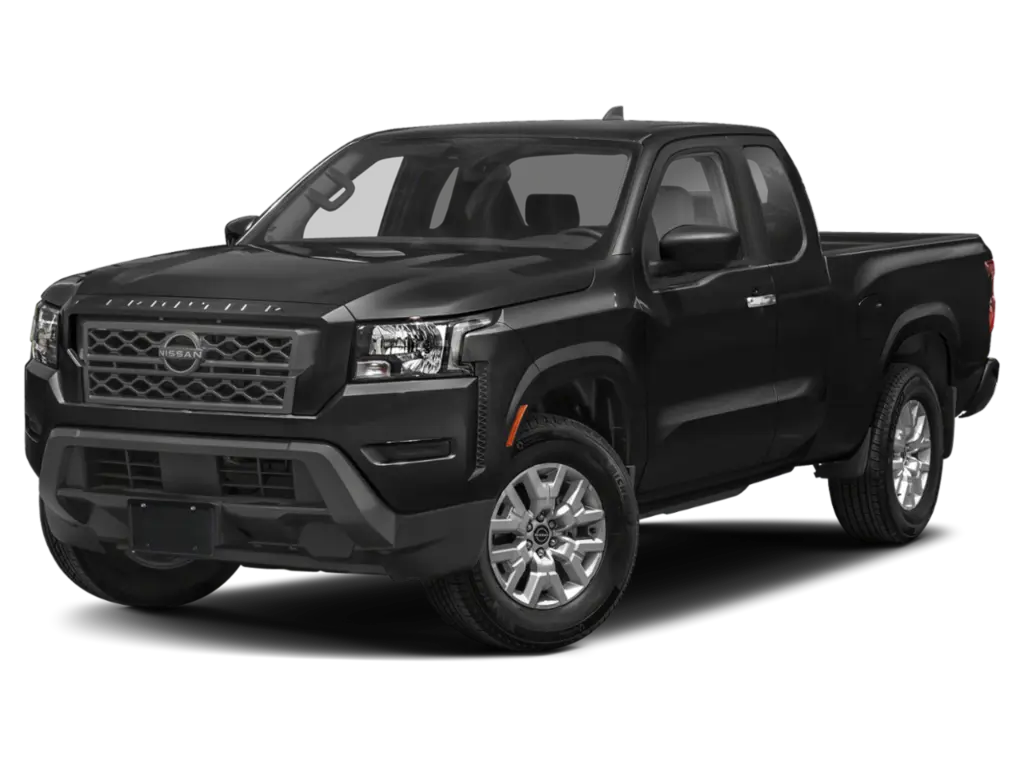
2019 Nissan Frontier
Score: 80/100

2019 Lexus IS
Score: 79/100
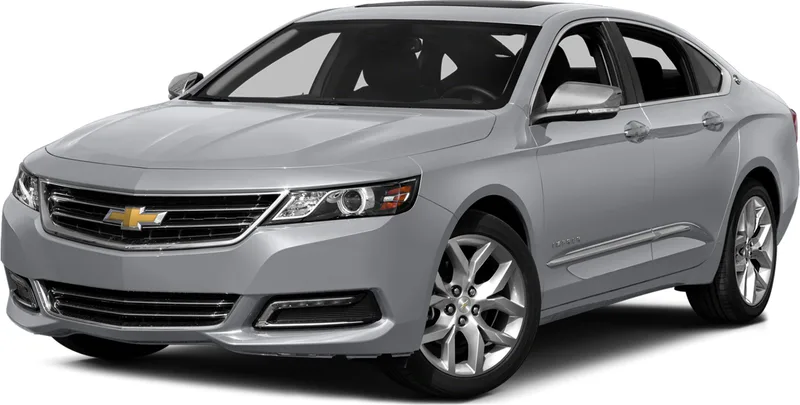
2019 Chevrolet Impala
Score: 79/100

2019 Lexus GX
Score: 78/100
See incorrect data? Report an issue