Last updated: 2026-10-10
Chevrolet Traverse vs Mazda CX-9: Reliability Compared
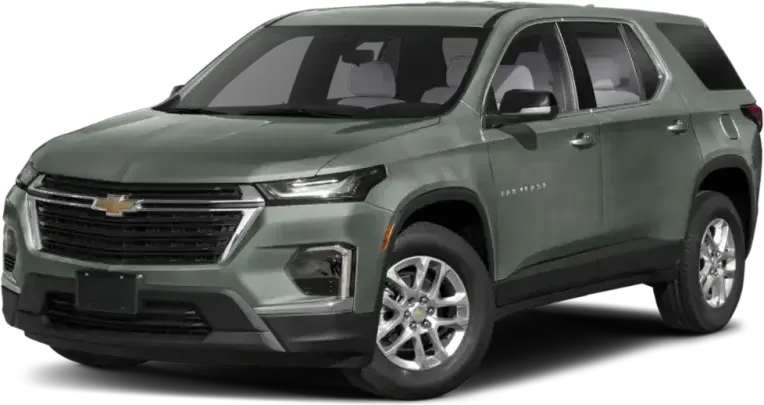
Chevrolet Traverse
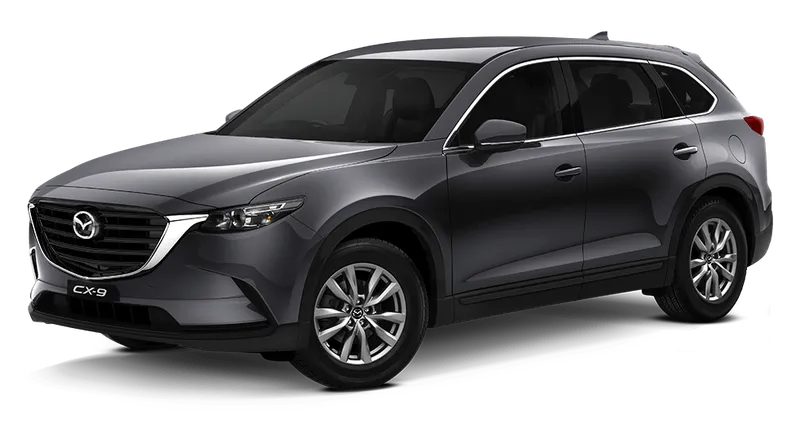
Mazda CX-9
On reliability, the Mazda CX-9 comes out clearly ahead of the Chevrolet Traverse. Its repairs cost less and are less likely to be major. The Traverse has more recalls and more serious electrical and drivetrain complaints, though it draws fewer complaints per vehicle sold.
How Do the Chevrolet Traverse and Mazda CX-9 Generations Compare?
Verdict
The Mazda CX-9 is more reliable than the Chevrolet Traverse, scoring 76/100 vs 70/100.
A clear edge goes to the Mazda CX-9. Its estimated annual repair cost is lower, and only 10% of its repairs are major, against 18% for the Chevrolet Traverse. It also has fewer federal recalls. The Traverse does better on complaints per vehicle sold and visits the shop less often. Still, its complaints include more serious failures: early alternators, sudden power loss while driving, and cracking exhaust brackets that owners often pay for themselves.
Key Differences
- 1Mazda CX-9 costs $117 less per year to repair
- 2Mazda CX-9 has 13 fewer total recalls
- 3Mazda CX-9 has 8% lower major repair risk
Category Scoreboard
Chevrolet Traverse vs Mazda CX-9: Which Is More Reliable?
| Metric | Chevrolet Traverse | Mazda CX-9 |
|---|---|---|
| Reliability Score | 70/100 | 76/100 |
| Years Tracked | 9 | 6 |
| Total Recalls | 19 | 6 |
| Complaints per 10k Sold | 7.2 | 15 |
| Annual Repair Cost | $656/yr | $539/yr |
| Repair Frequency | 0.4/yr | 0.6/yr |
| Major Repair Risk | 18% | 10% |
| Safety RatingNHTSA overall | 2026 NHTSA | 2023 NHTSA |
| Frontal | ||
| Side | ||
| Rollover | ||
| Year Wins | 0 | 6 |
What Are the Common Problems With the Chevrolet Traverse and Mazda CX-9?
Drivetrain and electrical faults dominate Traverse complaints. AWD Service messages drop the car to two-wheel drive, the RPM can stick high while the car acts as if it is in park, and alternators fail early. Cracked front exhaust brackets bring a startup rattle and cabin fumes. The CX-9's main fault is a coolant leak at the cylinder head that causes overheating and limp mode, plus heavy oil use. Crash-linked reports differ too. The Traverse has them in power train, electrical, and brakes. The CX-9 has them in power train, brakes, and steering, but none in electrical, and in far smaller numbers.
| Component | Chevrolet Traverse | Mazda CX-9 |
|---|---|---|
| ENGINE | 0.6Very Low | 5.7Average |
| POWER TRAIN | 2.2Low | 1.2Low |
| UNKNOWN OR OTHER | 0.9Very Low | 2Low |
| ELECTRICAL SYSTEM | 1.1Low | 1.5Low |
| SERVICE BRAKES | 0.7Very Low | 0.7Very Low |
| STEERING | 0.2Very Low | 0.4Very Low |
| STRUCTURE | 0.1Very Low | 0.3Very Low |
| ENGINE AND ENGINE COOLING | 0.2Very Low | 0.1Very Low |
| AIR BAGS | 0.1Very Low | 0.2Very Low |
| SUSPENSION | 0.1Very Low | 0.2Very Low |
| FUEL/PROPULSION SYSTEM | 0.1Very Low | 0.1Very Low |
| BACK OVER PREVENTION | —None | 0.2Very Low |
| SEAT BELTS | 0.1Very Low | —None |
| SEATS | —None | 0.1Very Low |
| Chest Clip | —None | 0.1Very Low |
| VISIBILITY/WIPER | —None | 0.1Very Low |
| FORWARD COLLISION AVOIDANCE | —None | —None |
| EXTERIOR LIGHTING | —None | —None |
| VEHICLE SPEED CONTROL | —None | —None |
Complaints per 10,000 units sold, aggregated across all tracked model years from NHTSA owner reports.
Which Is Cheaper to Maintain: Chevrolet Traverse or Mazda CX-9?
How Does Chevrolet Traverse vs Mazda CX-9 Reliability Compare by Year?
| Year | Chevrolet Traverse | Mazda CX-9 | Edge |
|---|---|---|---|
| 2023 | 72/1002R / 62C | 81/1000R / 12C | Mazda CX-9 |
| 2022 | 73/1001R / 76C | 81/1000R / 9C | Mazda CX-9 |
| 2021 | 71/1003R / 72C | 77/1001R / 35C | Mazda CX-9 |
| 2020 | 62/1008R / 188C | 78/1001R / 19C | Mazda CX-9 |
| 2019 | 62/1003R / 358C | 73/1002R / 52C | Mazda CX-9 |
| 2018 | 62/1002R / 416C | 66/1002R / 125C | Mazda CX-9 |
Best years to cross-shop: The 2022 Chevrolet Traverse scored 73/100 and the 2023 Mazda CX-9 scored 81/100 — the strongest shared model years that have been on the road for at least two years, where available.
Who Should Buy the Chevrolet Traverse vs the Mazda CX-9?
Chevrolet Traverse vs Mazda CX-9: Common Questions
- Is the Chevrolet Traverse more reliable than the Mazda CX-9?
- No. The CX-9 has a clear edge. It costs less to repair each year, has a lower chance of a major repair, and has fewer recalls. The Traverse wins on shop-visit frequency and complaints per vehicle sold, but its reported failures tend to be more serious.
- Which has more recalls, the Traverse or the CX-9?
- The Traverse has more. Federal recall records show 19 recalls across 9 model years for the Traverse, against 6 across 6 model years for the CX-9. The Traverse also covers more model years, 2018 to 2026, while the CX-9 data ends at 2023.
- Which costs less to repair, the Traverse or the CX-9?
- The CX-9 costs less. Independent repair-cost data estimates $539 a year for the CX-9 and $656 for the Traverse, which adds up to about $585 more over five years for the Traverse. The CX-9 does make more unscheduled shop visits, at 0.6 a year versus 0.4.
- What is the most common Traverse problem?
- Power train problems lead the Traverse complaints. Owners report AWD Service messages that shut off all-wheel drive, and high RPM at low speed with the car acting as if it is in park. Dealers often find no fault codes, so repeat visits can end without a repair.
- What goes wrong most often on the Mazda CX-9?
- Engine trouble leads the CX-9 complaints. Coolant leaks at the cylinder head cause overheating and limp mode, and some cars need a quart of oil in under 3000 miles. Owners say Mazda turned down goodwill requests for the leak repair. Electrical warnings and a cracking information screen follow.
Related Reliability Comparisons
More Chevrolet Traverse comparisons
Decided between Chevrolet Traverse and Mazda CX-9? Run a VIN check before you buy — uncover hidden accidents, title issues, and open recalls.
How we score the Chevrolet Traverse and Mazda CX-9
Scores weight complaint severity at 35%, repair costs at 30%, recall impact at 20%, and the spread of complaints across systems at 15%, with complaint counts adjusted for US sales. Read the full methodology.
See incorrect data? Report an issue