Last updated: 2026-11-20
Chevrolet Bolt vs Hyundai Kona Electric: Reliability Compared
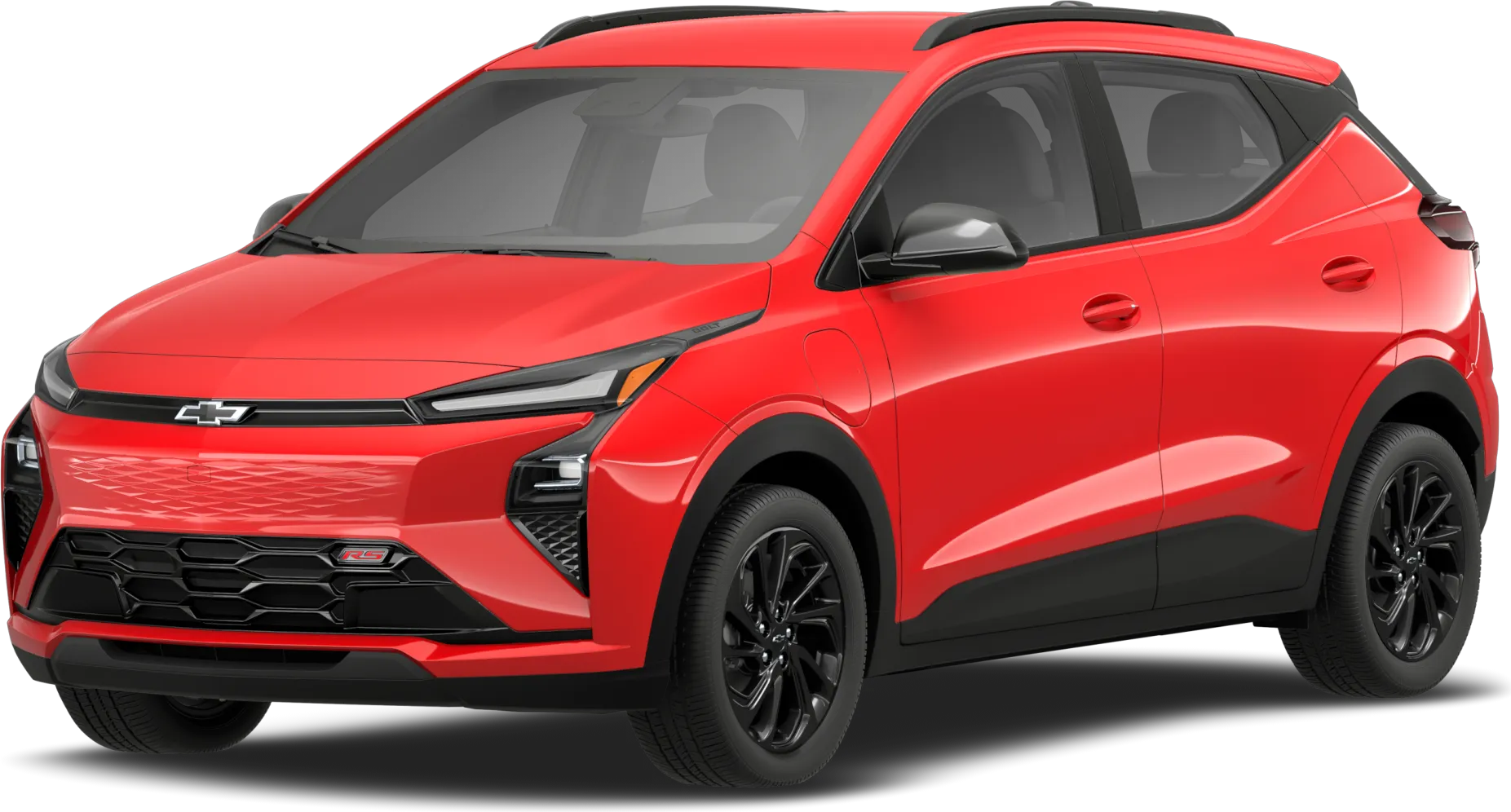 Chevrolet Bolt
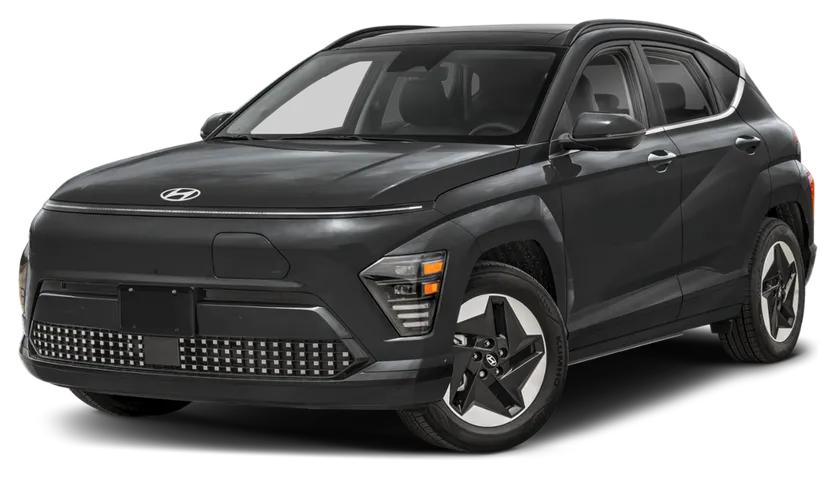 Hyundai Kona Electric
The Kona Electric takes 2 of 3 rounds
Clearly ahead on reliability, the Hyundai Kona Electric beats the Chevrolet Bolt on recalls and on how serious its complaints are. It has half the recalls. The Bolt's battery fire limits and binding steering gear are the faults that decide it.
How Do the Chevrolet Bolt and Hyundai Kona Electric Generations Compare?
Verdict
The Hyundai Kona Electric is more reliable than the Chevrolet Bolt, scoring 66/100 vs 59/100.
A clear edge goes to the Kona Electric, and the deciding reason is how serious and how widespread the problems are. Federal recall records show 15 recalls across seven model years for the Kona, against 30 across five for the Bolt. Bolt owners report battery fire risk, range-cutting charge limits, and steering gear that binds. Kona owners mostly report brief electrical blackouts and a few brake software complaints. The Kona's complaint rate per car sold is higher, so its lead rests on recalls and severity, not on a lower rate.
Biggest gaps
- Hyundai Kona Electric has 15 fewer total recalls
- Chevrolet Bolt has 20.7 fewer complaints per 10k sold
- Hyundai Kona Electric scores 7 points higher in reliability
Round by round
- Reliability ScoreKona Electric
- Total RecallsKona Electric
- Complaint RateBolt
Leaning Chevrolet Bolt or Hyundai Kona Electric? Check the exact car before you buy
Whichever wins on paper, the car in front of you has its own past. A VIN check shows its accidents, title history and any open recalls.
Chevrolet Bolt vs Hyundai Kona Electric: Which Is More Reliable?
| Metric | Chevrolet Bolt | Hyundai Kona Electric |
|---|---|---|
| Reliability ScoreOut of 100, higher is better | 59/100 | 66/100 |
| Years Tracked | 5 | 7 |
| Total RecallsLower is better | 30 | 15 |
| Complaints per 10k SoldLower is better | 27.9 | 48.6 |
| Year WinsModel years with the higher score | 1 | 3 |
What Are the Common Problems With the Chevrolet Bolt and Hyundai Kona Electric?
Two serious faults set the Bolt apart. Battery fire worries drive its electrical reports, with owners living under a 90% charge cap and no unattended charging. Steering gear binding leaves the wheel stuck off center, mostly between 25,000 and 42,987 miles with no warning lights. Kona complaints are fewer. The main one is the instrument cluster, headlights and screens going dark for 20 to 30 seconds, mostly at night. Others describe a drained 12-volt battery and automatic emergency braking that fires without cause. Both have crash-linked brake complaints, six for the Bolt and three for the Kona. The Bolt also lists one crash-linked complaint each in electrical and power train.
| Chevrolet Bolt | Problem area | Hyundai Kona Electric |
|---|---|---|
8.6 | Electrical | 28.6 |
6.7 | Steering | 0 |
1.5 | Brakes | 4.2 |
2.4 | Fuel system | 1.3 |
1.3 | Transmission | 0.6 |
1.2 | Automatic emergency braking | 0.6 |
0.2 | Engine | 1.3 |
0.5 | Acceleration and cruise control | 0.6 |
0.8 | Airbags | 0 |
0.7 | Headlights and exterior lights | 0 |
0.4 | Wipers and visibility | 0 |
0.1 | Backup camera | 0 |
1.1 | Other or unspecified | 4.2 |
Complaints per 10,000 units sold, aggregated across all tracked model years from NHTSA owner reports. Shorter bars mean fewer complaints.
Chevrolet Bolt problem guides
How Does Chevrolet Bolt vs Hyundai Kona Electric Reliability Compare by Year?
| Year | Chevrolet Bolt | Hyundai Kona Electric | Edge |
|---|---|---|---|
| 2023 | 63/1003 recalls · 182 complaints | 72/1001 recall · 5 complaints | Kona Electric+9 |
| 2022 | 60/10011 recalls · 85 complaints | 71/1001 recall · 22 complaints | Kona Electric+11 |
| 2021 | 61/1005 recalls · 67 complaints | 65/1003 recalls · 27 complaints | Kona Electric+4 |
| 2019 | 52/1006 recalls · 179 complaints | 51/1004 recalls · 54 complaints | Bolt+1 |
Best years to cross-shop: The 2023 Chevrolet Bolt scored 63/100 and the 2023 Hyundai Kona Electric scored 72/100, the strongest shared model years that have been on the road for at least two years, where available.
Who Should Buy the Chevrolet Bolt vs the Hyundai Kona Electric?
Team Kona ElectricPick the Kona Electric if you want fewer recalls and fewer serious complaints. Target 2022 or 2023, its strongest years, and be wary of 2019 and 2020, its weakest. Before you buy, ask whether the car has ever had a blackout of the dash and lights, a repeat dead 12-volt battery, or a false automatic braking event. Check that any replacement battery pack work was completed, since owners report long waits for parts.
Team BoltPick the Bolt only if the price is right and you can verify the work done on the car. Aim for 2021 or 2023, its strongest years, and skip 2018 and 2019. Ask for proof that the battery recall work was finished and that no charge cap is still in place. Drive it and watch for the steering wheel sticking off center after a turn. Check front brake pads and calipers too, because owners report them wearing or seizing early.
Chevrolet Bolt vs Hyundai Kona Electric: Common Questions
- Is the Chevrolet Bolt more reliable than the Hyundai Kona Electric?
- No. The Kona Electric has a clear edge. It has 15 recalls across seven model years, while the Bolt has 30 across five. Bolt owners report battery fire risk, range-cutting charge caps, and steering gear that binds. Kona complaints are fewer and center on brief electrical blackouts.
- Which has more recalls, the Bolt or the Kona Electric?
- The Bolt has more. Federal recall records list 30 recalls across five Bolt model years and 15 across seven Kona Electric model years. The Bolt's total is twice the Kona's, even though the Bolt has fewer model years on record.
- What is the biggest problem with the Chevrolet Bolt?
- Battery fire risk is the largest theme. Electrical complaints number 186, and many describe a 90% charge cap, a minimum range to keep, and no unattended charging. Steering is next, with 146 complaints about the gear binding and leaving the wheel off center.
- What goes wrong with the Hyundai Kona Electric?
- The main complaint is the instrument cluster, headlights and infotainment screen shutting off at once for 20 to 30 seconds, mostly at night. Dealers often find no codes. Owners also report a drained 12-volt battery, false automatic emergency braking, and long waits for replacement battery packs.
- Do the Bolt and Kona Electric have crash-linked complaints?
- Both do, in the brakes. The Bolt has six crash-linked brake complaints and the Kona has three. The Bolt also lists one crash-linked complaint each in electrical and power train, and its steering reports mention near misses and at least one accident. The Kona's crash-linked count appears only under brakes.
Related Reliability Comparisons
More Chevrolet Bolt comparisons
More Hyundai Kona Electric comparisons
Decided between Chevrolet Bolt and Hyundai Kona Electric? Run a VIN check before you buy — uncover hidden accidents, title issues, and open recalls.
How we score the Chevrolet Bolt and Hyundai Kona Electric
Scores weight complaint severity at 35%, repair costs at 30%, recall impact at 20%, and the spread of complaints across systems at 15%, with complaint counts adjusted for US sales. Read the full methodology.
See incorrect data? Report an issue