Last updated: 2026-11-20
BMW i3 vs Hyundai Kona Electric: Reliability Compared
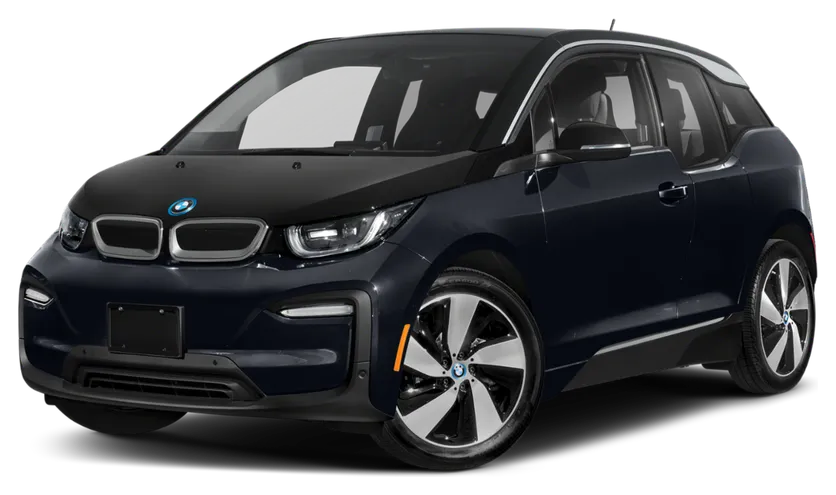 BMW i3
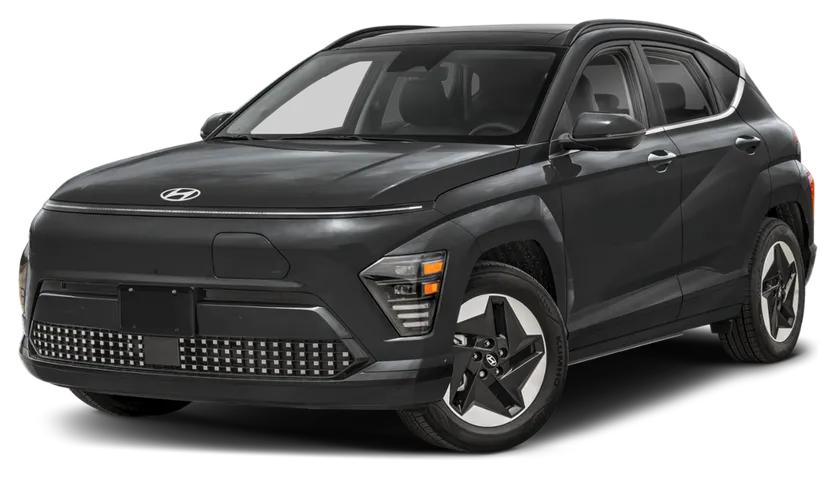 Hyundai Kona Electric
The i3 takes 3 of 3 rounds
The BMW i3 and Hyundai Kona Electric are effectively tied on reliability, though the Kona draws far more owner complaints per car sold. The i3 also has fewer recalls. Each has serious failures, so the choice comes down to which problems you can accept.
How Do the BMW i3 and Hyundai Kona Electric Generations Compare?
Verdict
The BMW i3 is more reliable than the Hyundai Kona Electric, scoring 67/100 vs 66/100.
Reliability is effectively tied. Both cars hold a good standing, and neither has a clear edge. The i3 has fewer recalls and far fewer complaints for each car sold, which counts in its favor. The Kona Electric offsets that with a larger body of owner reports, which gives a fuller picture, and its worst problems are not worse than the i3's steering and power-loss reports. The i3 also has repair costs on record, while the Kona has none here. Pick on the specific failure you can live with, not on the standing.
Biggest gaps
- BMW i3 has 11 fewer total recalls
- BMW i3 has 28.5 fewer complaints per 10k sold
- BMW i3 scores 1 points higher in reliability
Round by round
- Reliability Scorei3
- Total Recallsi3
- Complaint Ratei3
Leaning BMW i3 or Hyundai Kona Electric? Check the exact car before you buy
Whichever wins on paper, the car in front of you has its own past. A VIN check shows its accidents, title history and any open recalls.
BMW i3 vs Hyundai Kona Electric: Which Is More Reliable?
| Metric | BMW i3 | Hyundai Kona Electric |
|---|---|---|
| Reliability ScoreOut of 100, higher is better | 67/100 | 66/100 |
| Years Tracked | 3 | 7 |
| Total RecallsLower is better | 4 | 15 |
| Complaints per 10k SoldLower is better | 20.1 | 48.6 |
| Year WinsModel years with the higher score | 2 | 0 |
What Are the Common Problems With the BMW i3 and Hyundai Kona Electric?
Steering and sudden power loss dominate the BMW's complaints. Power assist fades and the wheel turns heavy, and some cars drop into limp mode on the highway. Others show a drivetrain warning and coast to a stop. Its carbon fiber roof coating can also crack and lift. The Hyundai's biggest group is electrical: the cluster, headlights, and screen go dark together while driving, mostly at night. Its service brake reports include automatic emergency braking that stops the car for no reason, and three of those complaints are crash-linked. The BMW data lists no crash-linked area.
| BMW i3 | Problem area | Hyundai Kona Electric |
|---|---|---|
2.1 | Electrical | 28.6 |
4.3 | Steering | 0 |
0 | Brakes | 4.2 |
1.4 | Fuel system | 1.3 |
2.1 | Body and structure | 0 |
1.4 | Transmission | 0.6 |
1.4 | Acceleration and cruise control | 0.6 |
0 | Engine | 1.3 |
0 | Automatic emergency braking | 0.6 |
0 | Other or unspecified | 4.2 |
Complaints per 10,000 units sold, aggregated across all tracked model years from NHTSA owner reports. Shorter bars mean fewer complaints.
How Does BMW i3 vs Hyundai Kona Electric Reliability Compare by Year?
| Year | BMW i3 | Hyundai Kona Electric | Edge |
|---|---|---|---|
| 2021 | 70/1000 recalls · 1 complaint | 65/1003 recalls · 27 complaints | i3+5 |
| 2019 | 66/1001 recall · 13 complaints | 51/1004 recalls · 54 complaints | i3+15 |
Best years to cross-shop: The 2021 BMW i3 scored 70/100 and the 2021 Hyundai Kona Electric scored 65/100, the strongest shared model years that have been on the road for at least two years, where available.
Who Should Buy the BMW i3 vs the Hyundai Kona Electric?
Team i3Choose the i3 if you want the lighter record. It has 4 recalls against the Kona's 15, and owners file fewer complaints per car sold. It suits a shopper who drives mostly around town and can accept a small hatchback. Aim for 2021 or 2019, which show as its stronger years, and be wary of 2018. Ask the seller whether the steering has ever felt heavy, and look closely at the roof coating for yellowing or lifting. Check the air conditioning too, since out-of-warranty compressor quotes ran from just under $4,000 to more than $9,000.
Team Kona ElectricChoose the Kona Electric if you need a compact SUV with more room. Target 2023 or 2022, its stronger years, and avoid 2019 and 2020, its weakest. Before buying, ask about past battery pack waits, and test the car at night if you can. Look for any history of lights or the screen cutting out, repeat 12V battery replacements, or automatic braking that triggered for no reason. Confirm every open recall has been completed.
BMW i3 vs Hyundai Kona Electric: Common Questions
- Is the BMW i3 more reliable than the Hyundai Kona Electric?
- Not clearly. Both hold a good standing and the comparison is effectively tied. The i3 has fewer complaints per car sold and fewer recalls. Its owners still report steering assist fading and sudden power loss on the highway. The Kona's owners report lights and screens going dark while driving.
- Which has more recalls, the i3 or the Kona Electric?
- The Kona Electric has more. Federal recall records show 15 recalls across 7 model years for the Kona, against 4 across 3 model years for the i3. The Kona also covers more model years, 2019 to 2025, so it has had more time to collect them.
- Which model years of the Kona Electric should I avoid?
- Avoid 2019 and 2020, which show as its weakest years. The strongest are 2023 and 2022. Check that any open recalls have been done, and ask whether the car ever waited on a replacement battery pack or lost its lights while driving.
- What goes wrong with the BMW i3 roof?
- The clear epoxy layer over the carbon fiber roof panel can crack, yellow, bubble, and peel away. Owners point to sun exposure as a trigger. Reports warn that loose pieces could break off at highway speed and hit other vehicles, so inspect the roof before you buy.
- Does the Kona Electric have crash-linked complaints that the i3 does not?
- Yes. Three Kona service brake complaints are crash-linked. They involve automatic emergency braking acting oddly, and one report describes stiff low-speed steering and brakes that failed to stop the car before it hit a pole. The i3 data lists no crash-linked area, though its steering reports describe a loss-of-control risk.
Related Reliability Comparisons
More BMW i3 comparisons
More Hyundai Kona Electric comparisons
Decided between BMW i3 and Hyundai Kona Electric? Run a VIN check before you buy — uncover hidden accidents, title issues, and open recalls.
How we score the BMW i3 and Hyundai Kona Electric
Scores weight complaint severity at 35%, repair costs at 30%, recall impact at 20%, and the spread of complaints across systems at 15%, with complaint counts adjusted for US sales. Read the full methodology.
See incorrect data? Report an issue