Last updated: 2026-10-10
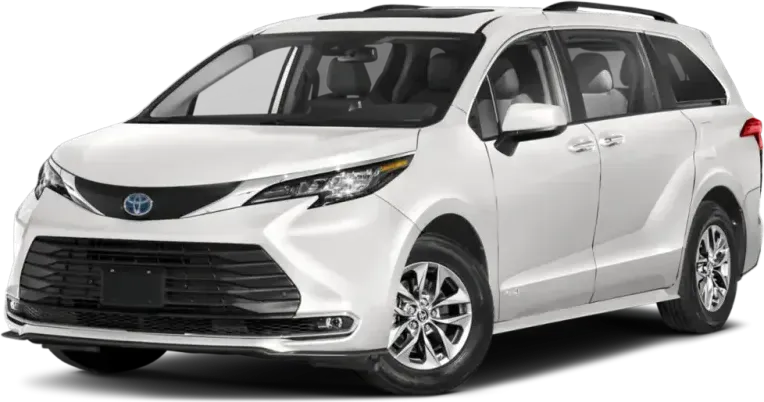
2020 Toyota Sienna Reliability Report
The 2020 Toyota Sienna has good reliability and low repair costs, but a few owners report transmission failures near 70,900 to 85,000 miles.
Recalls
2
Complaints
32
Complaint Rate
7.5per 10,000 sold
Est. Repair Cost
$554
Annual Fuel Cost
$2,850–$3,000
Detailed Score Breakdown
Component-weighted complaints normalized by sales volume
Independent repair cost ratings
Recall count weighted by severity
Breadth of reported problem categories
The Verdict
Last year of the third generation, with good reliability and fewer complaints and recalls than 2019, but some transmission failures and slow fuel system recall repairs.
Top Issues to Watch
- POWER TRAIN (6)
- FUEL/PROPULSION SYSTEM (4)
- ELECTRICAL SYSTEM (4)
Generation & Refresh (US)
2020 is the last model year of the Third generation (XL30; 2010).
- Final-year models are typically the most refined version of a generation.
- 2 years after the last refresh (2018).
- 3rd generation Sienna (US).
What this means for buyers
Final-year models are usually the most polished version of a generation, but resale value may dip as buyers anticipate the next redesign.
2011: Third generation (XL30; 2010) Launch
Generation start — new platform.
2018: Mid-Cycle Refresh
Updated features and styling tweaks.
2020: This Model Year
2020 is the last model year of the Third generation (XL30; 2010).
Should You Buy the 2020 Toyota Sienna?
Yes, with a few checks. This van holds a good reliability standing, close to average for 2020 minivans and in the middle of the Sienna's scored years. Independent repair-cost data puts yearly repairs at $554, below $647 for the class, and the federal crash-test rating is 5 of 5 stars. The 2019 has more complaints and 7 recalls, while the 2021 looks about the same as this year.
The transmission is the serious one. Owners describe a van that refuses to shift, shudders, runs rough in the lower gears or whines. Two complete failures came at about 70,900 and 85,000 miles, and both ended in a replacement. Some gave no warning light, and losing drive in traffic is the main risk. Other complaints cover slow fuel system recall repairs with parts unavailable for months, electrical warning lights that dealers could not reproduce, and a power sliding door cable that jammed a rear door shut.
Ask for transmission service records, confirm the fuel system and steering recalls were completed, and test the sliding doors and electronics before buying.
Compared to the 2021 Toyota Sienna, which scored 1 points lower. See also the 2019 Toyota Sienna for an earlier comparison.
Pros
- +Acceptable reliability score
- +$93 cheaper to maintain than avg minivans
- +Low major repair risk (15%)
- +Low recall count
Cons
- −POWER TRAIN: Transmission failure dominates these reports (6 complaints)
- −FUEL/PROPULSION SYSTEM: Delayed fuel pump recall repairs make up most of these reports (4 complaints)
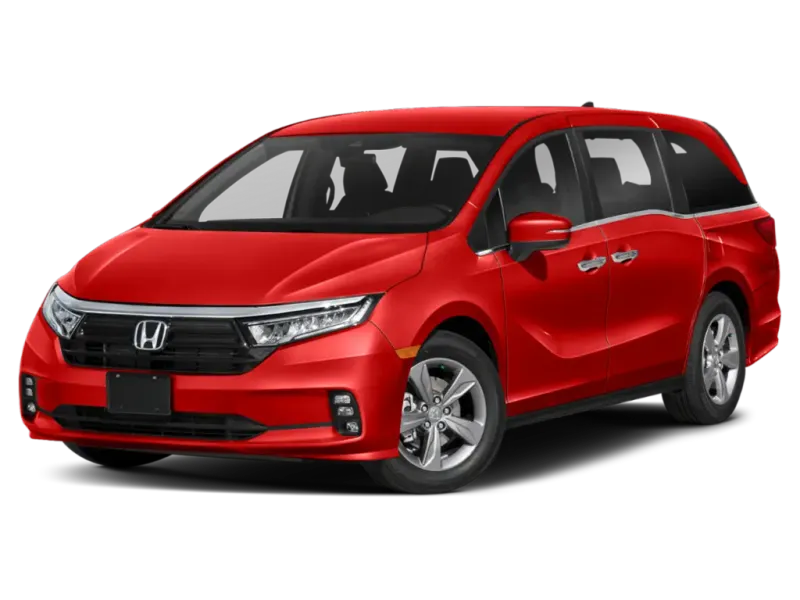
Compare 2020 Toyota Sienna With
Common Problem Categories
Safety
LOW RISK- 2 manufacturer recalls issued
Other
HIGH RISK- POWER TRAIN (6)
- FUEL/PROPULSION SYSTEM (4)
Recall Overview
2
recalls on record
The 2020 Toyota Sienna carries 2 recalls — a low count. Authorized dealers repair any open recall free of charge, regardless of warranty status.
NHTSA.gov →Complaint Breakdown
7.5
per 10,000 soldSegment avg: 26.1
Safety Incidents
0
Crashes
1
Fires
0
Injuries
0
Deaths
NHTSA 5/5 Stars
Data sourced from NHTSA complaint filings and manufacturer recall notices. Complaint narratives are owner-reported.
2020 Toyota Sienna Recall Details
2 recalls have been issued for the 2020 Toyota Sienna. All recall repairs are performed free of charge at authorized dealerships.
FUEL SYSTEM, GASOLINE
Toyota Motor Engineering & Manufacturing (Toyota) is recalling certain 2018-2019 4Runner, 2019-2020 Avalon, 2019 Corolla Hatchback, 2017-2019 Highlander, 2018-2020 Camry, 2020 Corolla, 2018-2019 Land Cruiser, 2017-2020 Tacoma, 2019-2020 RAV4, 2019-2020 Sequoia, 2017-2020 Sienna, 2019-2020 Tundra, 2018-2020 Lexus ES350, 2017 Lexus GS200t, 2017-2019 Lexus GS350, 2019 Lexus GS300, 2018-2020 Lexus LC500h, 2019-2020 Lexus LS500, 2018-2019 Lexus GX460, 2017 Lexus IS200t, 2019 Lexus IS300, 2019 Lexus IS350, 2018-2020 Lexus LC500, 2018 Lexus LS500, 2019 Lexus LS500h, 2018-2019 Lexus LX570, 2017 Lexus RC200t, 2019 Lexus RC300, RC350, 2017 and 2019-2020 Lexus RX350, 2018-2020 RX350L, 2019 Lexus UX200, 2018-2019 Lexus NX300 vehicles. The low-pressure fuel pump inside the fuel tank may fail.
Consequence
If the fuel pump fails, the engine can stall while driving, increasing the risk of a crash.
Remedy
Toyota will notify owners, and dealers will replace the fuel pump assembly with an improved one, free of charge. Owners of specific models were notified that remedy parts were available starting January 21, 2021. Owners of other models will be notified as remedy parts become available. Remedy parts should be available for all affected vehicles by late March 2021. Owners may contact Toyota customer service at 1-888-270-9371 or Lexus customer service at 1-800-255-3987. Note: This recall is an expansion of recall 20V-012. Toyota's number for this recall is 20TA02. Lexus' number for this recall is 20LA01.
STEERING
Braun Corporation (Braun) is recalling certain modified 2017-2020 Toyota Sienna vehicles. The steering shaft extensions may have been improperly manufactured, possibly causing the extensions to fracture.
Consequence
If the steering shaft extension completely fractures, it can cause a loss of steering, increasing the risk of a crash.
Remedy
Braun has notified owners, and dealers will replace the steering shaft extensions, free of charge. The recall began July 25, 2019. Owners may contact Braun customer service at 1-800-488-0359.
Buying a used 2020 Toyota Sienna? Check its history first
Power train problems lead owner complaints about the 2020 Toyota Sienna, and 2 recalls were issued for it. A VIN check shows whether this car's recall work was done, plus accident, title, and odometer history.
- Accidents
- Open Recalls
- Title History
- Odometer Rollback
2020 Toyota Sienna NHTSA Safety Ratings
Overall Safety Rating
Crash Test Results by Configuration (expand)
Gas Powertrain
Rollover risk: 14.0%
Safety Technologies
Toyota SiennaRepair Costs & Maintenance
Maintenance Rating
3.5Maintenance rating: 3.5 out of 5Based on NHTSA complaint patterns, recall severity, and publicly available cost benchmarks.
Est. Annual Maintenance
$554
vs $647 avg for minivans
vs $652 avg for all vehicles
Repair Frequency
0.4
unscheduled repair visits per year
Severe Repair Probability
15%
chance of a major repair
Annual Cost Comparison
Category-level averages derived from publicly available industry reports (AAA, CarMD). Model-level estimates produced by Auto Reliability Index.
Toyota Sienna Resale Value
The Toyota Sienna is estimated to retain about 59.6% of its original value after 5 years, based on observed used-car listings.
This benchmark covers the Toyota Sienna model overall and is not specific to the 2020 model year.
- Value Retained
- 59.6%
- Depreciation
- 40.4%
- Listings Analyzed
- 159
after 5 years
over the same period
U.S. used-car listings
Listings observed in . This is a historical market benchmark, not a current price quote.
Explore Toyota Sienna depreciation and resale value on CarResaleValue.comMPG & Annual Running Costs
Gas
20–21 MPG
Running cost: $3,400–$3,550/yr
Fuel + repair
18–19 city / 24–26 hwy MPG
Running cost includes EPA fuel-cost estimate and independent repair-cost data (repair cost estimated at model level). Excludes routine maintenance, depreciation, and insurance. Data as of 2020 EPA label cycle.
Gas trims
| Trim | Drive | Trans. | City | Hwy | Comb | Fuel Cost |
|---|---|---|---|---|---|---|
| Sienna 2WD 3.5L 6-cyl | Front-Wheel Drive | Automatic (S8) | 19 | 26 | 21 | $2,850 |
| Sienna AWD 3.5L 6-cyl | All-Wheel Drive | Automatic (S8) | 18 | 24 | 20 | $3,000 |
Used Buying Checklist
Key things to inspect or verify before purchasing a 2020 Toyota Sienna.
Run the VIN through federal recall records and confirm fuel pump recall 20V682000 was completed.
Accelerate gently from a stop and feel for hesitation, shudder, or rough shifts through first, second, and third gears.
Listen for a transmission whine at cruising speed and ask for records of any transmission work.
Cycle both power sliding doors several times and check for binding, a hanging cable, or a rusted fuel door hinge.
Watch the dash for pre-collision, lane assist, airbag, ABS, stability control, or AWD warnings throughout the drive.
Test the blinkers, radio volume, CarPlay connection, speakers, and every key remote for random behavior.
Compare the odometer against title and history report mileage, and ask whether the dashboard was ever replaced.
Check the headliner and carpets near the sunroof for water stains or dampness.
2020 Toyota Sienna Common Problems by Component
32 owner complaints grouped by vehicle system.
POWER TRAIN
6 complaintsTransmission failure dominates these reports. Symptoms include refusing to shift, erratic acceleration, shuddering, rough running through the lower gears and a whining noise. Two complete failures arrive at about 70,900 and 85,000 miles. One had metal pieces broken off inside, and both ended with the transmission being replaced. Some failures come with no warning light or code. Others start with a check engine light or a traction control warning, and then the van barely moves. Losing drive in traffic is the main risk. A separate report describes a front axle assembly coming apart internally and leaking fluid.
FUEL/PROPULSION SYSTEM
4 complaintsDelayed fuel pump recall repairs make up most of these reports. The recall covers a low pressure fuel pump that may stop working, and the notice warns of an increased crash risk. Owners describe recall notices with no parts available and months without a fix, and one fleet van is parked until the repair is done. One separate complaint describes hesitation, rough idle and revving while parked. It ends with a van that shakes, will not accelerate and needs a tow. A $725 fuel flush and injection cleaning does not cure it.
ELECTRICAL SYSTEM
4 complaintsRandom electrical faults and warning lights make up this category. Pre-collision, lane assist and airbag warnings come back after a fuse is replaced, and the real fix is a wiring harness that is on backorder. Other reports describe blinkers turning on by themselves, radio volume changing during turns, CarPlay cutting in and out, and a brief, ear-piercing screech from the speakers. A key remote stops working, and an AWD malfunction message switches the van to 2WD mode. Dealers often cannot reproduce the faults.
UNKNOWN OR OTHER (4 complaints)
UNKNOWN OR OTHER
4 complaintsSafety-relatedA sudden loss of power with every dash warning light on ends in a fire when the tow operator tries to restart the van. This is the one fire-related report, and it follows a fuel pump recall repair done months earlier. The other complaints cover a leaking or clogged sunroof that lets water inside and causes damage, and a factory jack that fails during a tire change. A third describes a privately sold van showing 77k on the odometer while the title records 143k. The seller admits to replacing the dashboard.
STRUCTURE (3 complaints)
STRUCTURE
3 complaintsMost of these complaints involve the sliding doors. A power sliding door cable binds and jams the rear door shut, and turning off the power door system does not free it. The owner notes that a federal bulletin on this issue came out in 6/2019, before the van was built. A rusted fuel door hinge breaks and keeps the rear passenger door from opening automatically. One report describes a locked rear passenger door unlocking and opening by itself overnight with no warning.
STEERING (3 complaints)
STEERING
3 complaintsSudden loss of power steering assist is the main pattern. It sometimes comes with stability control, pre-collision and lane departure warnings. In one case, replacing the rack and pinion does not fix it. The owner links the fault to steering recall campaign 19V532000, but the dealer shows no open recall on that VIN. Another report describes heavy steering at 55 mph with no warning light at about 6,200 miles. A third is mostly a loss of acceleration on the highway, with the engine, traction and steering lights all on.
SERVICE BRAKES (2 complaints)
SERVICE BRAKES
2 complaintsSkidding during braking, with the ABS light on, is the serious report here. It happens during a slow turn at about 28,000 miles, along with an abnormal sound. The dealer finds a shorted front passenger side speed sensor and a fractured brake actuator. The van goes unrepaired because parts are not available. The only other complaint is about design: a narrow brake pedal that the driver sometimes has trouble finding with a foot, losing a second or two.
FUEL SYSTEM (2 complaints)
FUEL SYSTEM
2 complaintsStalling and jerking linked to fuel pump recall campaign 20V682000 fill this category. In one report the van stalls briefly at highway speed with several warning lights on. It stalls again a year after the recall replaced the pump, and the dealer cannot duplicate the problem. Another van jerks and lunges forward under throttle at about 4,000 miles while recall parts are still unavailable. Stalling at highway speed carries a real crash risk.
VISIBILITY (1 complaints)
VISIBILITY
1 complaintIn August of 2024, we noticed the drivers side rear view mirror had come loose from it's external housing and was only tethered by wiring that was for mirror movement, defrosting and blind spot awareness. In order for it to be safe to use, we had to duct tape it so that it would not move. Unfortunately, the mirror continues to loosen and has to be retaped frequently. We took it to our dealer (McGovern Toyota) in Portsmouth, NH 0n 23 September 2024 and were told that it could not be fixed but had to be replaced and were quoted an amount of $2025.29 .We were also told that the part was on national backorder and may take a few weeks to arrive. Due to the astonomical cost of replacement, I tried to find other solutions and contacted other dealers and body shops but was told it had to be replaced and could not be fixed. I brought the car into another dealer, nearby (Ira Toyota) in Saco, Maine and they also said it had to be replaced and quoted an amount of $1937.70.I asked them to order the part, which they too, said was in national backorder. I contacted our automobile insurance company (AMICA) who agreed to cover the part and labor and issued a check for $1,420.60. Every month, I would call the dealer and every month I was told that Toyota estimated a delivery within a month, but that month would come and go with no part. For the last several months, I have been in touch with TOYOTA and their "brand engagement advocate" named Julie has reviewed our concern and also has stated that the part will be available by the end of the months of February, March, April, May, June and now July. I have written emails to TOYOTA expressing my dissatisfaction and now have a vehicle which is unsafe to drive due to the instability of the mirror and a vehicle which will not pass inspection (according to the dealer). I feel TOYOTA is lying about the parts actual availability and being disingenuous to what was a loyal customer. I am at a loss what to do next.
ENGINE (1 complaints)
ENGINE
1 complaintEngine stalled in heavy traffic after full stop at red light. No warning lights. Managed to pull off the road. Still no warning lights. Turned engine off then started normally. Drove to destination normally. After about one hour parked started engine but it stumbled on and off for the next few minutes but did not die. Has not reoccurred. Outside temps were in the 60's. It was first trip of the day. Incident occurred about 4 miles from origin. Symptoms occurred again 6/2/22: Starting from full stop (engine was idling normally), gave it partial throttle whereupon engine stumbled (died very briefly), Master Warning Light lit briefly, all power was lost. Consumer applied additional throttle, engine stumbled then began running normally and warning light extinguished. Remainder of trip was normal. Vehicle was taken to local dealer after first incident but dealer reported no issues were found.
When Do 2020 Toyota Sienna Problems Start?
Based on owner complaint patterns, here's when common issues tend to appear.
Best & Worst Toyota Sienna Years
Best Toyota Sienna Years to Buy
Based on reliability index scoreToyota Sienna Years to Avoid
No Toyota Sienna years are statistical outliers in our data.
Scores stay between 70 and 81 across 9 scored model years.
Toyota Sienna Reliability Score Trend
Scores 0–100. Higher is better. Current year highlighted.
| Year | Score | Rating |
|---|---|---|
| 2018 | 70/100 | Good |
| 2019 | 71/100 | Good |
| 2020 | 73/100 | Good |
| 2021 | 72/100 | Good |
| 2022 | 74/100 | Good |
| 2023 | 76/100 | Good |
| 2024 | 74/100 | Good |
| 2025 | 72/100 | Good |
| 2026 | 81/100 | Excellent |
Toyota Sienna Reliability Compared to Other Years
Frequently Asked Questions
Is the 2020 Toyota Sienna reliable?
What are the most common problems with the 2020 Toyota Sienna?
Does the 2020 Toyota Sienna have transmission problems?
Does the 2020 Toyota Sienna have any recalls?
How does the 2020 Toyota Sienna compare with the 2019 and 2021?
Don’t buy a 2020 Toyota Sienna without checking its VIN first — hidden accidents, title issues, and open recalls could cost you thousands.
How we score the 2020 Toyota Sienna
Of the four inputs behind this score, the 2020 Toyota Sienna does best on how many systems draw complaints (83/100) and worst on complaint severity (68/100). Scores weight complaint severity at 35%, repair costs at 30%, recall impact at 20%, and the spread of complaints across systems at 15%, with complaint counts adjusted for US sales. Read the full methodology.
Get notified when new recalls or reliability data is added for the Toyota Sienna.
No spam. Only data updates for this model.
Browse More Toyota Models

Toyota 4Runner
Score: 84/100
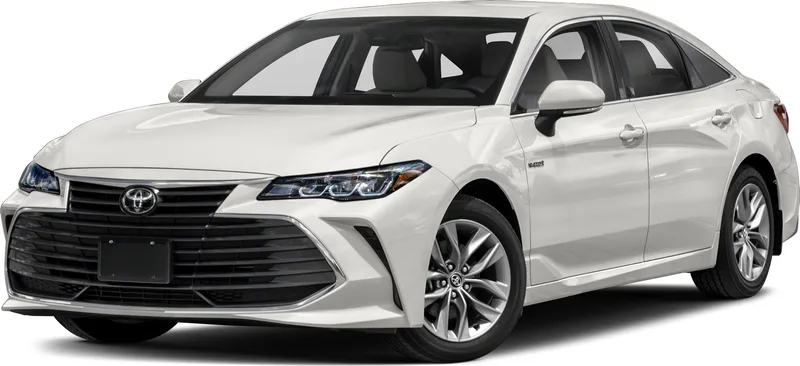
Toyota Avalon
Score: 80/100
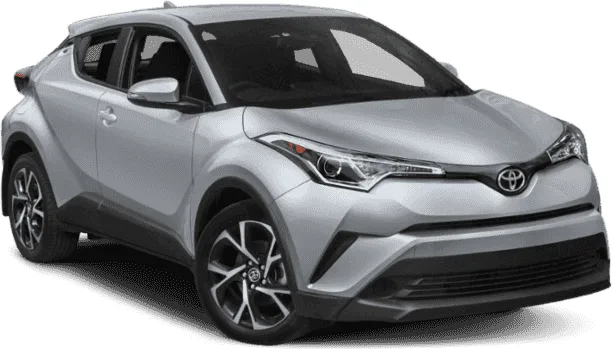
Toyota C-HR
Score: 80/100
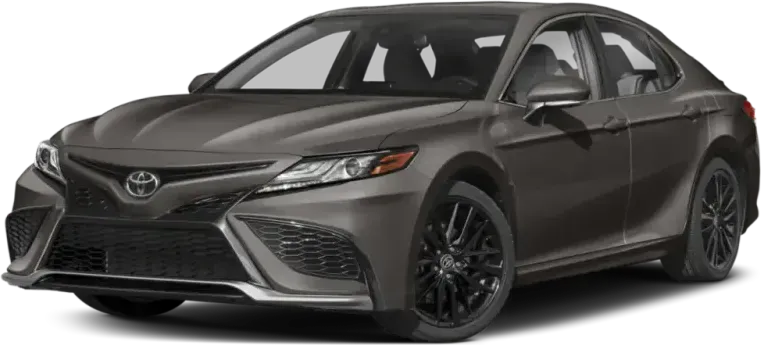
Toyota Camry
Score: 88/100
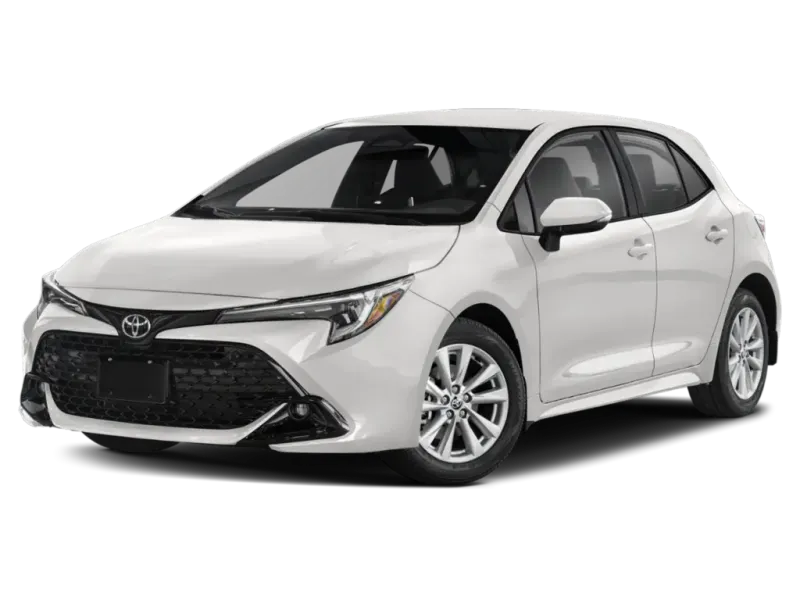
Toyota Corolla
Score: 94/100
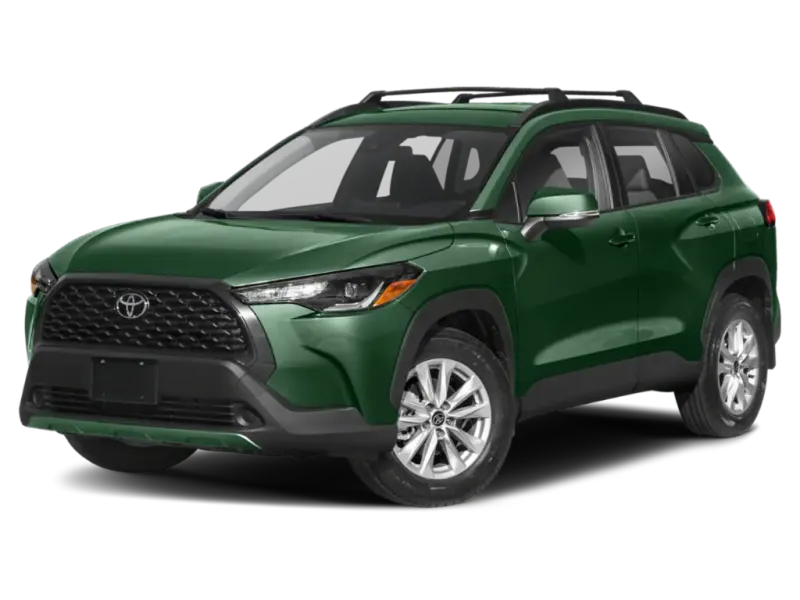
Toyota Corolla Cross
Score: 94/100
Browse More 2020 Vehicles
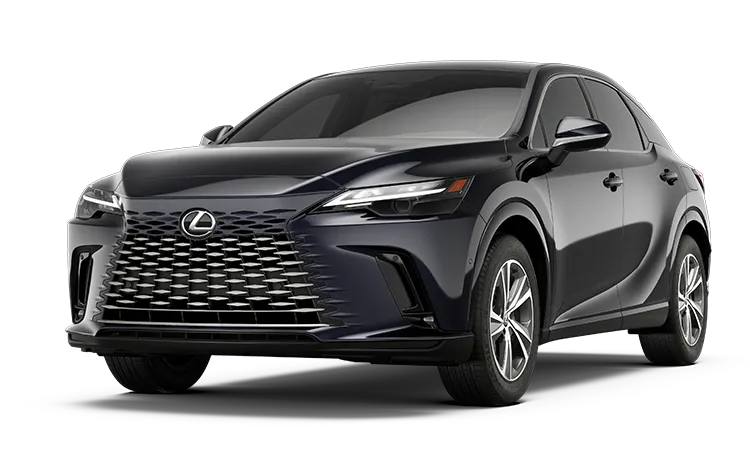
2020 Lexus RX
Score: 86/100
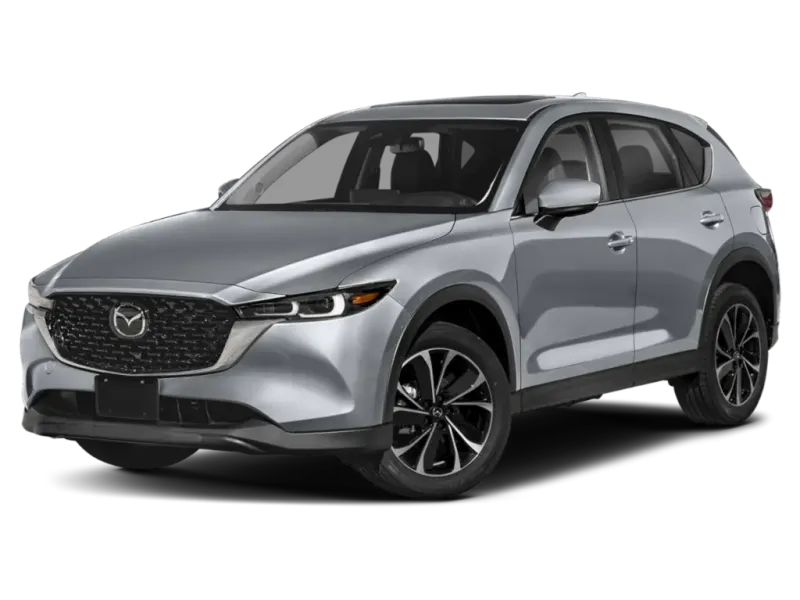
2020 Mazda CX-5
Score: 86/100
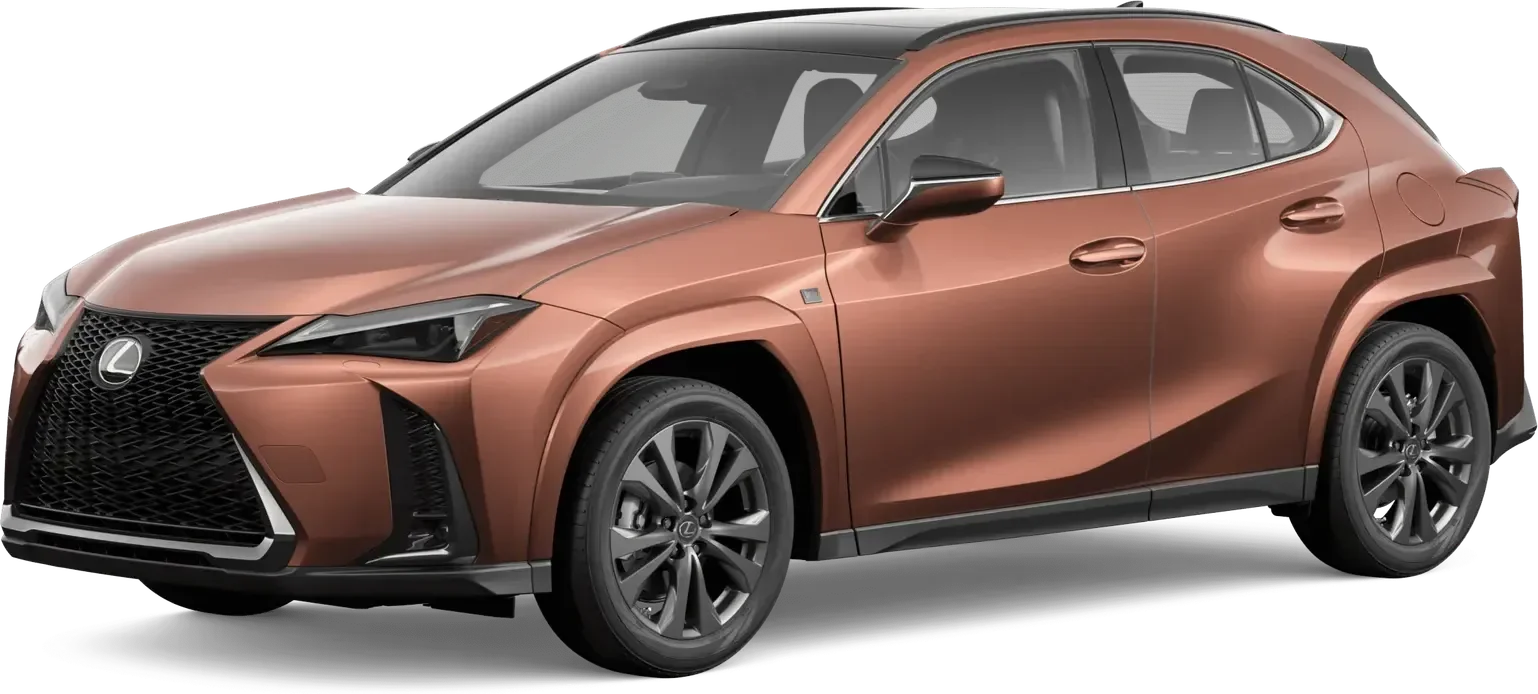
2020 Lexus UX
Score: 84/100
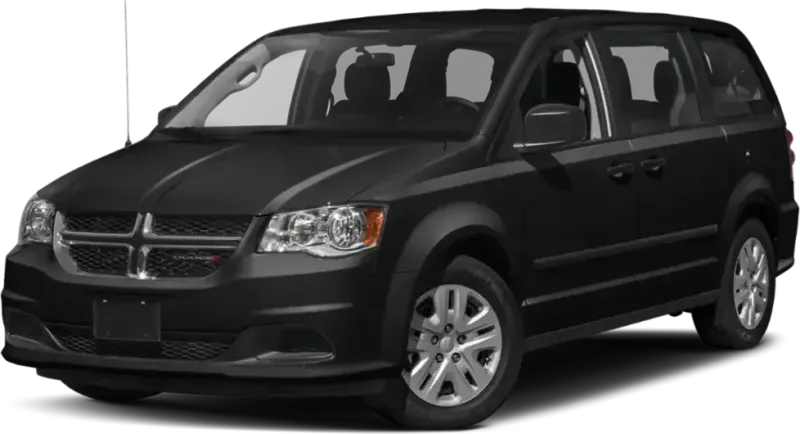
2020 Dodge Grand Caravan
Score: 83/100
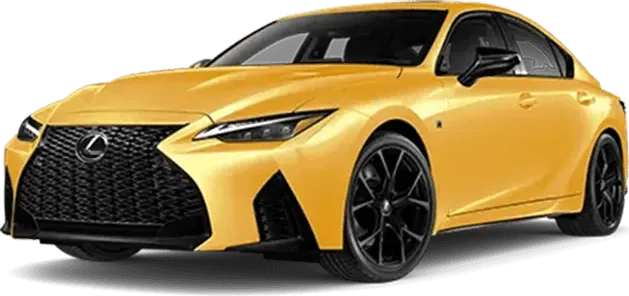
2020 Lexus IS
Score: 83/100
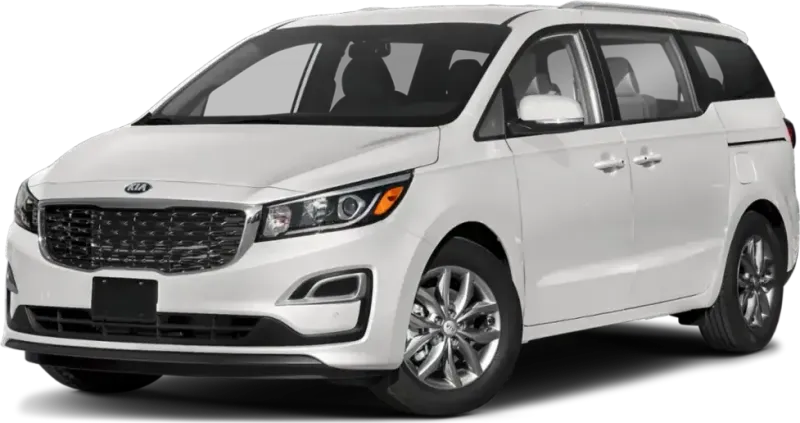
2020 Kia Sedona
Score: 83/100
See incorrect data? Report an issue